Make $100K with AI Influencers on TikTok
I built an app that pulled in $100K in just two months using AI influencers on TikTok. How did I do it? By orchestrating a strategy that blended technical development with innovative marketing. At 19, Raphael Kramer, an experienced developer with over 50 apps under his belt, leveraged artificial intelligence to create virtual influencers that captivate and drive massive revenue. From idea validation to implementation and ethical challenges, let's dive into this unique entrepreneurial journey.

I built an app that made $100K in two months with AI influencers, and I'm diving into the details right here. First, I connect the dots between technical development and marketing. Raphael Kramer, just 19, has already built over 50 apps, but his latest hit, Face Kit, is a game changer. He leveraged AI-generated influencers on TikTok to skyrocket his success. I'll walk you through the tools I used, the mistakes I avoided (or not), and the lessons I learned. We'll cover strategy for idea validation, the technical stack, and of course, ethical considerations. If you're into app development or curious about entrepreneurship with AI, this article is for you.
Leveraging AI Influencers for Revenue
I've dived into the world of AI influencers, and trust me, it's a real game changer. Take Raphael's app Face Kit, for instance, which generated over $100,000 in just two months. How? By using AI influencers to create viral content on TikTok. It's straightforward: more than 1,300 videos published, focusing on volume and variety. This grabbed the attention of millions.
Understanding TikTok's algorithm is key. The platform favors content that captures engagement quickly. But watch out, relying solely on trends can be risky. Authentic engagement is crucial for maintaining user interest in the long run.
- Face Kit generated $100,000 in two months through AI influencers.
- Published over 1,300 videos on TikTok.
- Beware of relying solely on trends.
Developing the App: Tools and Frameworks
In developing Face Kit, Raphael leveraged React Native and Swift for cross-platform app development. Choosing Supabase as the backend solution was a no-brainer due to its scalability. By integrating Apple's TrueDepth camera technology, he enhanced user interaction.
The key is to first validate the idea with a prototype before full-scale development. I've seen projects crash due to lack of early validation. Always balance using cutting-edge tech with proven solutions.
- Utilized React Native and Swift for development.
- Supabase chosen for its scalability.
- Integration of TrueDepth technology for enhanced user interaction.
Content Strategy: Making AI Work on TikTok
Face Kit successfully tailored AI-generated content to TikTok's format and audience. The content needed to be both relatable and shareable. Consistency in posting led to increased visibility. By analyzing performance metrics, the team continually refined its strategy.
But there are limitations. Authenticity and user trust remain significant challenges for AI-generated content.
- AI-generated content tailored to TikTok format.
- Importance of consistency in posting.
- Metrics analysis to refine strategy.
Ethical Considerations and Challenges
I can't ignore the ethical questions raised by AI-generated content. Authenticity is often questioned, and transparency with users about AI use is crucial.
Face Kit had to balance rapid growth with maintaining ethical standards. The potential backlash from AI-generated influencers is real. These ethical considerations can impact long-term brand trust.
- Ethical questions around AI content authenticity.
- Importance of transparency with users.
- Long-term impacts on brand trust.
Entrepreneurship Mindset and Lessons Learned
Raphael, at just 19 years old, has built over 50 apps. His journey to a $100,000 success is a lesson in resilience and adaptability. Learning from failures and iterating quickly is crucial.
For young entrepreneurs, my advice is to start small but think big. Watch out for burnout. Maintain a sustainable pace to last in the game.
- Raphael built over 50 apps by 19.
- Importance of adaptability and resilience.
- Advice: start small, think big.
"I've seen projects crash due to lack of early validation."
Building a successful app with AI influencers mixes technical skills, strategic content creation, and ethical considerations. First, I dove into Raphael's journey: 50 mobile apps built, generating $100,000 in just two months, and he's only 19. Then, I zeroed in on leveraging AI influencers to accelerate growth, especially through TikTok. It's a real game changer for quick revenue, but watch out for ethical limits and app validation. Finally, I experimented with AI-generated content to grab my audience's attention. It's powerful, but don't overdo it or you'll lose authenticity. Ready to dive into AI-driven app development? Start experimenting with these strategies and innovate in your niche. Check out Raphael's full video on YouTube for an in-depth, practical look.
Frequently Asked Questions

Thibault Le Balier
Co-fondateur & CTO
Coming from the tech startup ecosystem, Thibault has developed expertise in AI solution architecture that he now puts at the service of large companies (Atos, BNP Paribas, beta.gouv). He works on two axes: mastering AI deployments (local LLMs, MCP security) and optimizing inference costs (offloading, compression, token management).
Related Articles
Discover more articles on similar topics
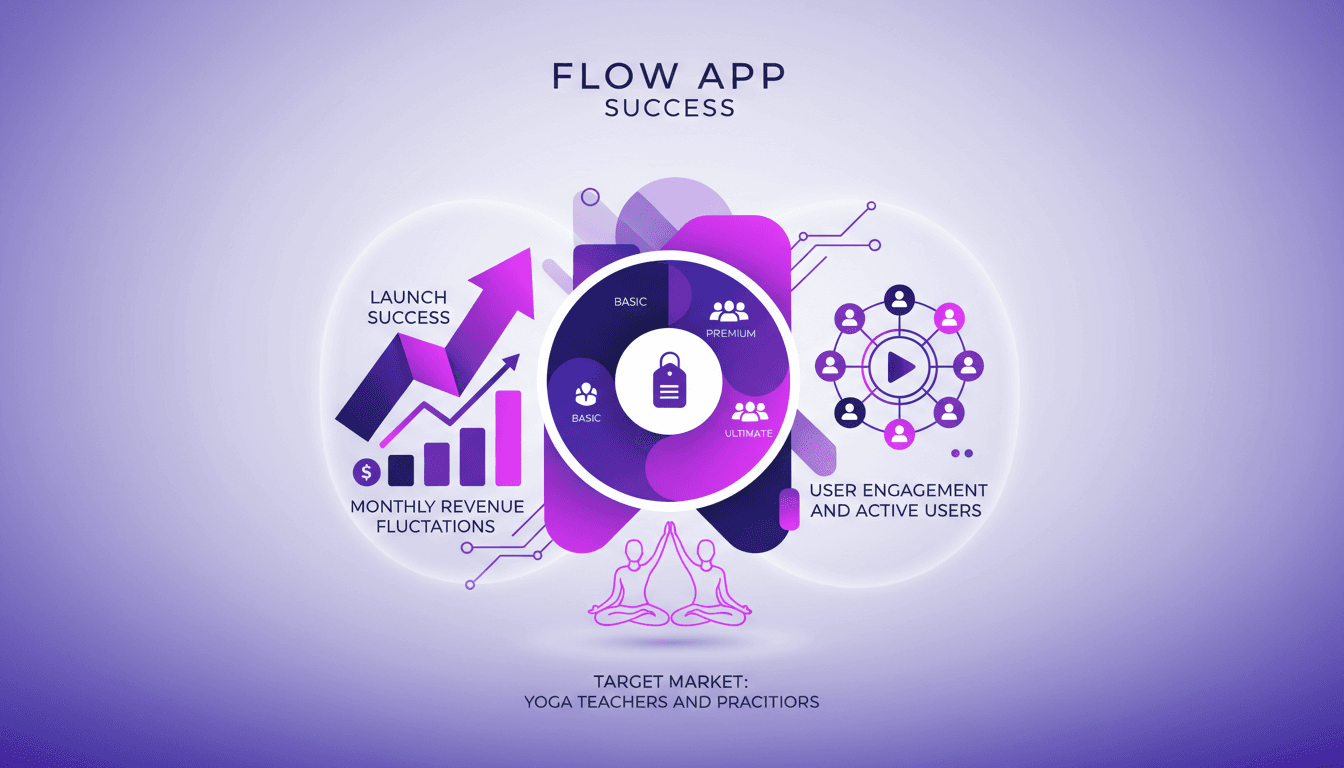
Flow App's Rapid Success: $120K in 24 Hours
I launched Flow App and hit $120K in 24 hours. Sounds crazy, right? Trust me, it was a wild ride with plenty of bumps. We built this app for yoga teachers and practitioners, transforming their workflow with a subscription model. Here’s the full story: the launch strategy, the hiccups, the wins, and the lessons learned along the way. It was a rollercoaster (I definitely got burned a few times). But ultimately, the business impact was direct: engaged users, revenue ups and downs, and a clearly defined target market. No theory here, just concrete reality.
Buying a Cafe: How I Took the Leap
Three months ago, I tasted the best pasta of my life, and that set off a chain of events leading me to buy a café. Let me walk you through it. This isn't just about food—it's about grabbing opportunities, making bold choices, and understanding business deals. After savoring that incredible dish, I learned the chef dreamed of owning her café, Pink Broccoli. Fate and a million-dollar win gave me the means to make that dream a reality, and there I was, negotiating the purchase of the place. Don't get me wrong, it wasn't just luck; it was about turning a shared passion into a tangible reality.
Multi-Agent Systems: Integration and Optimization
I've been in the software engineering trenches long enough to know that human attention is a bottleneck we can't ignore. When I first stumbled upon multi-agent frameworks, it was a revelation: a way to bypass this limitation. Picture a system that runs for days, with agents working seamlessly together. In this article, I'll walk you through how we built Missions, a system that integrates, optimizes, and fully harnesses the potential of multi-agent systems. We'll dive into architecture, workflows, and crucial pitfalls to avoid. You'll see how concepts like parallelism and serial execution can transform your software development approach.
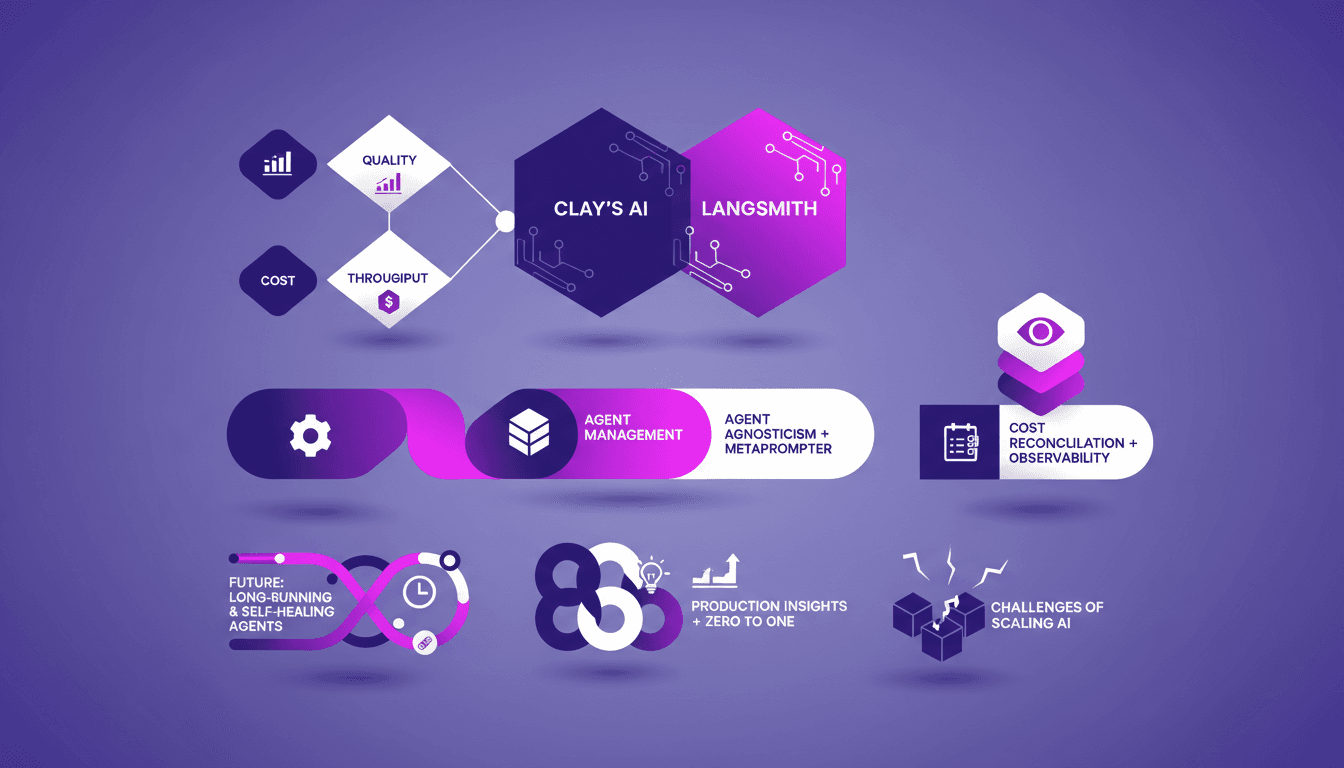
Managing 300M Agent Runs with LangSmith: Clay
I still remember the first time we hit 300 million agent runs in a month at Clay. It was exhilarating but a logistical nightmare. Yet, we orchestrated this massive operation with LangSmith. Every day, we juggle AI integration and cost optimization while maintaining impeccable quality. LangSmith is our ally, handling everything from agent orchestration to cost reconciliation. This isn't theoretical; it's our daily grind. If you're wondering how we manage at this scale, the answer lies in our ability to tweak every detail, anticipate errors, and always aim higher.
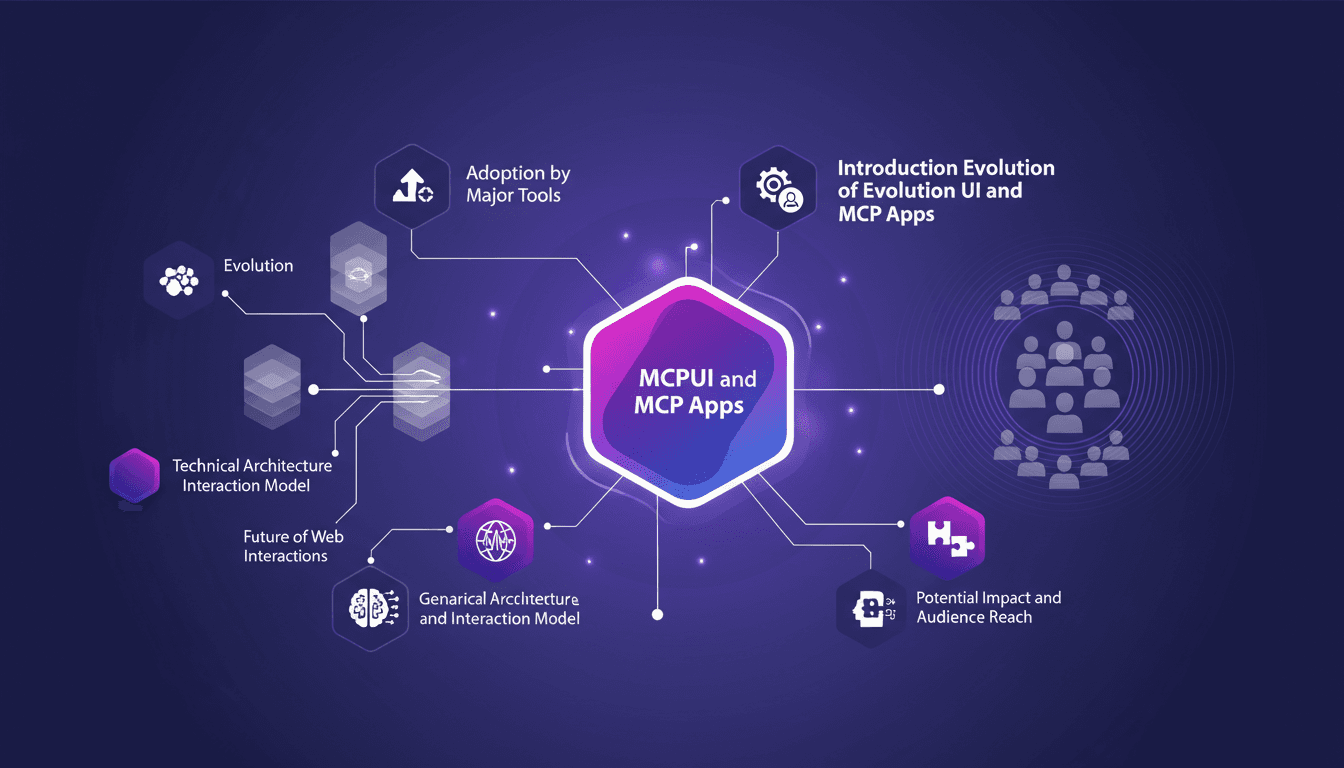
MCP Apps: Revolutionizing UI, One Project at a Time
I remember the first time I integrated MCPUI into a project — it was a game changer, but not without its hurdles. MCP Apps are reshaping UI development, and the impact is tangible. Adopted by major players like VS Code and Shopify, these tools have become indispensable. In this article, we'll dive into their evolution, technical architecture, and what the future holds. Millions of Shopify stores are already sending MCPUI chunks (that's huge!). We'll see how these apps integrate with other UI protocols and why they might redefine web interactions globally. Ready to explore how MCP Apps are revolutionizing UI, one project at a time? Let's dive in.