Multi-Agent Systems: Integration and Optimization
I've been in the software engineering trenches long enough to know that human attention is a bottleneck we can't ignore. When I first stumbled upon multi-agent frameworks, it was a revelation: a way to bypass this limitation. Picture a system that runs for days, with agents working seamlessly together. In this article, I'll walk you through how we built Missions, a system that integrates, optimizes, and fully harnesses the potential of multi-agent systems. We'll dive into architecture, workflows, and crucial pitfalls to avoid. You'll see how concepts like parallelism and serial execution can transform your software development approach.

I've been in the software engineering trenches long enough to know that human attention is a bottleneck we can't ignore. When I first stumbled upon multi-agent frameworks, it was like finding a shortcut in a maze. I thought, 'What if we could orchestrate something that runs for days, without human intervention?' That's where Missions came into play. Imagine a system where ten agents operate simultaneously across thirty possible workflows. I'll explain how I integrated and optimized this architecture, from orchestration to validations, including error handling in long-running systems. We'll also tackle how model selection and optimization in these systems can be game changers. So, let's dive into the world of multi-agent systems, where integration and optimization aren't just buzzwords but concrete realities.
Understanding Multi-Agent Frameworks
Multi-agent frameworks are crucial for handling complex tasks that exceed human attention spans. In today's fast-paced software engineering world, there are five frontier frameworks leading the charge: delegation, creator verifier, direct communication, negotiation, and broadcast. Picking the right framework is like selecting the right tool from a jam-packed toolbox—first, identify what suits your needs best, then integrate it into your workflow for maximum efficiency.
"The bottleneck in software engineering is no longer intelligence, but human attention."
Integrating these frameworks can significantly streamline processes, saving both time and costs. However, challenges such as managing token usage effectively, where 60% of resources can often be wasted, are critical to watch out for. The first step is to understand these frameworks well before integration.
- Five frontier multi-agent frameworks
- Integration to reduce costs
- Effectively manage token usage
Missions System Architecture: Orchestrator, Workers, Validators
In this world of multi-agent systems, the three-role architecture is crucial. Think of the orchestrator as the "brain" managing the workflow, the workers executing tasks like busy bees, and the validators ensuring the correctness of outcomes. This setup allows up to 10 agents to run simultaneously, boosting productivity. By orchestrating the smooth flow of tasks, the orchestrator ensures efficient distribution, leaving the grunt work to the workers.
Validators, meanwhile, play a critical role in maintaining system integrity by checking outputs. In my experience, underestimating the role of validators can lead to costly errors.
- Orchestrators: the "brain"
- Workers: executing tasks
- Validators: maintaining integrity
Validation Contracts and Adversarial Validation
Validation contracts are like agreements defining acceptable outputs and error margins. Adversarial validation is a proactive approach to error handling, testing systems against potential failures. I've seen time and time again that this method helps anticipate issues before they become critical.
To implement this, first define your validation criteria, then test it against real-world scenarios. On the flip side, neglecting this step can lead to expensive failures.
- Define validation criteria
- Test against real-world scenarios
- Prevent costly errors
Parallelism vs. Serial Execution: Finding the Balance
Parallel execution can speed up processes but introduces complexity and potential errors. On the other hand, serial execution, while slower, offers greater control and accuracy. The key is to balance these approaches based on task requirements.
Consider the trade-offs: speed vs. accuracy, complexity vs. simplicity. Start with parallel execution for tasks that tolerate errors, then switch to serial for critical tasks. It's a point I've been burned on several times before understanding.
- Accelerate processes with parallelism
- Control and accuracy with serial execution
- Balance based on task requirements
Practical Applications and the Future of Missions
Missions can handle up to 30 work streams simultaneously, optimizing resource allocation. In the real world, this includes logistics, automated customer service, and more. The goal is to assemble agent teams capable of completing complex tasks in under 20 minutes.
Future developments will focus on refining model selection and optimization. Stay ahead by continuously evaluating and adapting your multi-agent strategies.
- Manage 30 work streams simultaneously
- Applications in logistics and customer service
- Efficient agent teams in under 20 minutes
For more insights on adaptation in software engineering, check out Adaptation in Software Engineering: Avoid Becoming Legacy.
After integrating multi-agent systems into my workflows, I can say this isn't just theoretical stuff—it's a real game changer. First, I orchestrated agents to divide tasks effectively. Then, I set up validators to ensure accuracy. But watch out, error handling in long-running systems requires a solid architecture. Some key takeaways:
- 5 cutting-edge multi-agent frameworks to explore.
- 30 potential work streams with missions.
- Up to 10 agents running at any given time. Looking forward, the potential applications are really promising. If you're ready to transform your processes, start by evaluating your current setup and consider how a multi-agent framework could boost your efficiency. For a deep dive, I recommend checking out Luke Alvoeiro's original video. It's a true game changer. Here's the link: https://www.youtube.com/watch?v=ow1we5PzK-o
Frequently Asked Questions

Thibault Le Balier
Co-fondateur & CTO
Coming from the tech startup ecosystem, Thibault has developed expertise in AI solution architecture that he now puts at the service of large companies (Atos, BNP Paribas, beta.gouv). He works on two axes: mastering AI deployments (local LLMs, MCP security) and optimizing inference costs (offloading, compression, token management).
Related Articles
Discover more articles on similar topics
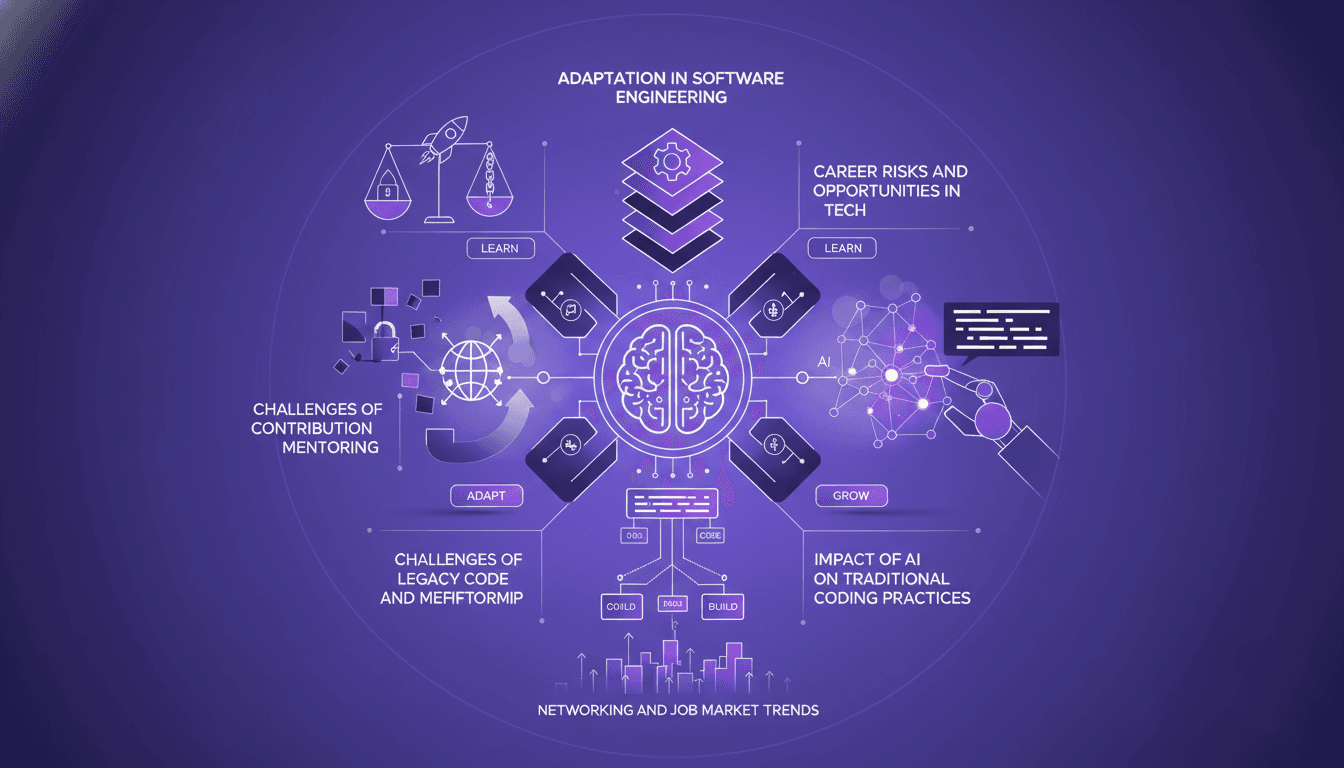
Adaptation in Software Engineering: Avoid Becoming Legacy
I've been in the trenches of software engineering long enough to see that if you can't adapt, you're on the fast track to becoming obsolete. The pace of change in the tech world is astonishing, and if you're not keeping up, you're getting left behind. Let's dive into the keys to staying ahead: continuous learning, the importance of open source contributions, and the role of mentorship. Simultaneously, we can't ignore the impact AI is having on traditional coding practices. It's time to reassess our work methods and ensure our careers don't become relics of the past.
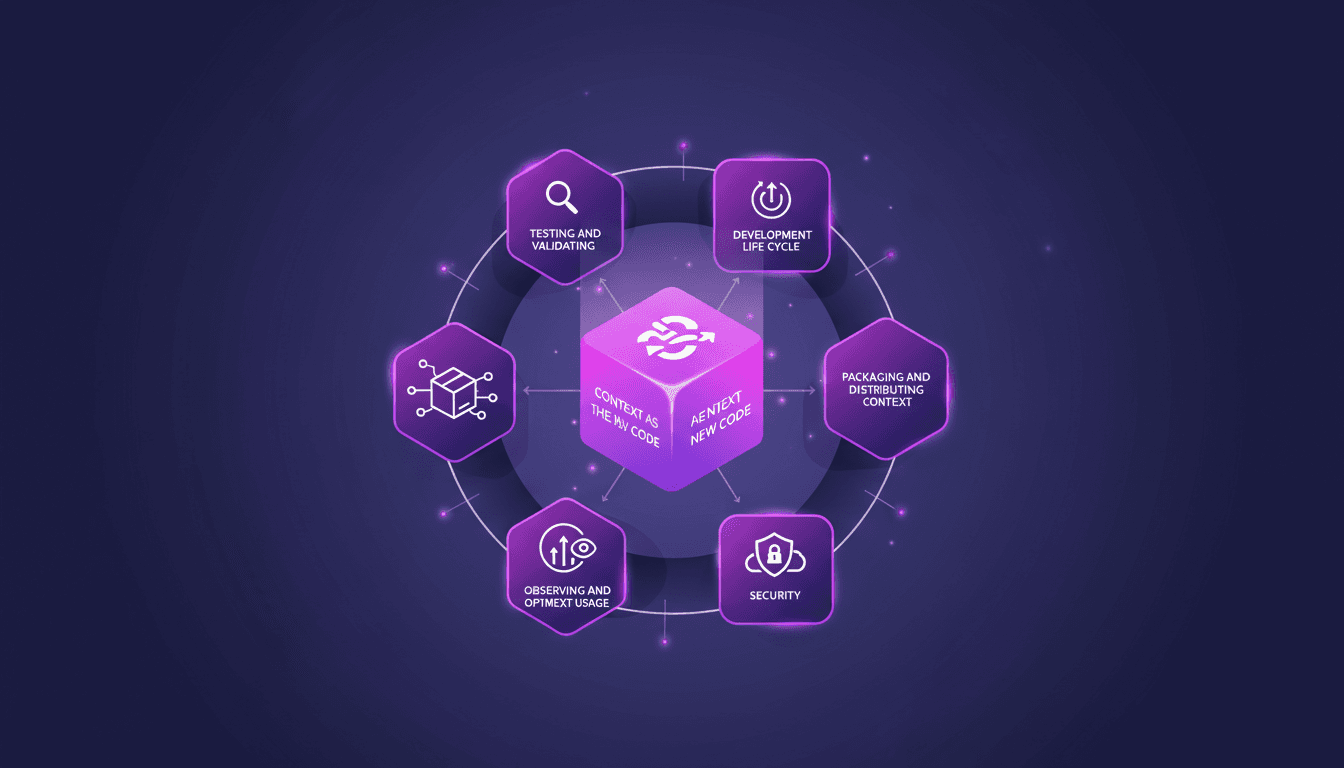
Building Context as Code: My Approach
I remember the first time I heard 'context is the new code'. It was like a light bulb moment. Suddenly, everything clicked. I realized that context isn't just a backdrop—it's a dynamic, living part of our development cycle, much like the code itself. In today's rapidly evolving tech landscape, understanding and leveraging context can be a game changer. It's no longer just about writing efficient code; it's about orchestrating the right context around it. Here's how I tackle this challenge in my daily workflow, integrating context into every phase, from development to optimization. We'll cover security, testing, and how to distribute this context because, trust me, I've learned some lessons the hard way. Get ready to see context from a new perspective.
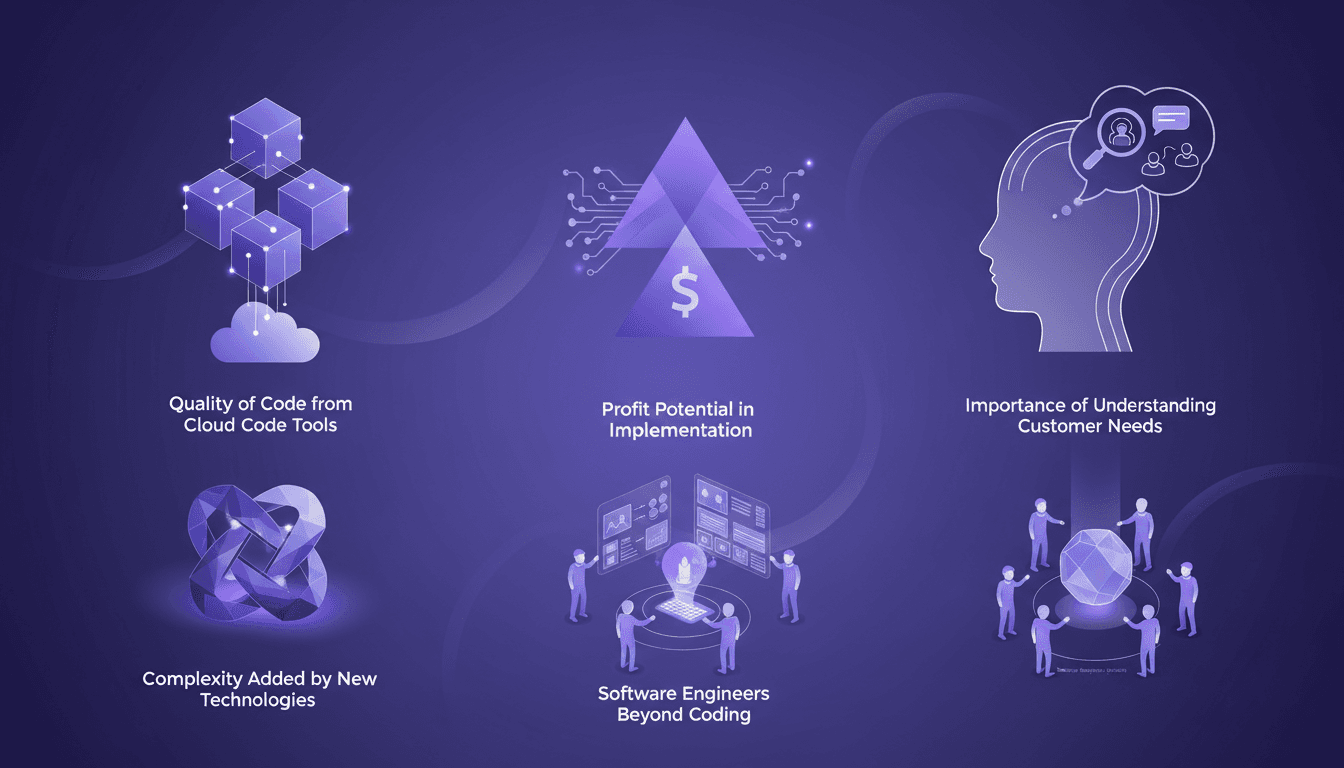
Mastering Cloud Code: More Than Just Coding
I remember the moment I realized writing code was just a fraction of my job. I was knee-deep in Cloud Code tools, believing I was optimizing, but in reality, I was merely scratching the surface. The true game-changer? Understanding the bigger picture. In a world where technology evolves at breakneck speed, a software engineer must wear multiple hats. It's no longer just about the code—it's about leveraging tools, grasping business needs, and driving profits. I've learned that mastering Cloud Code is far more than just coding. And what really shifts the game is the ability to turn lines of code into business impact.
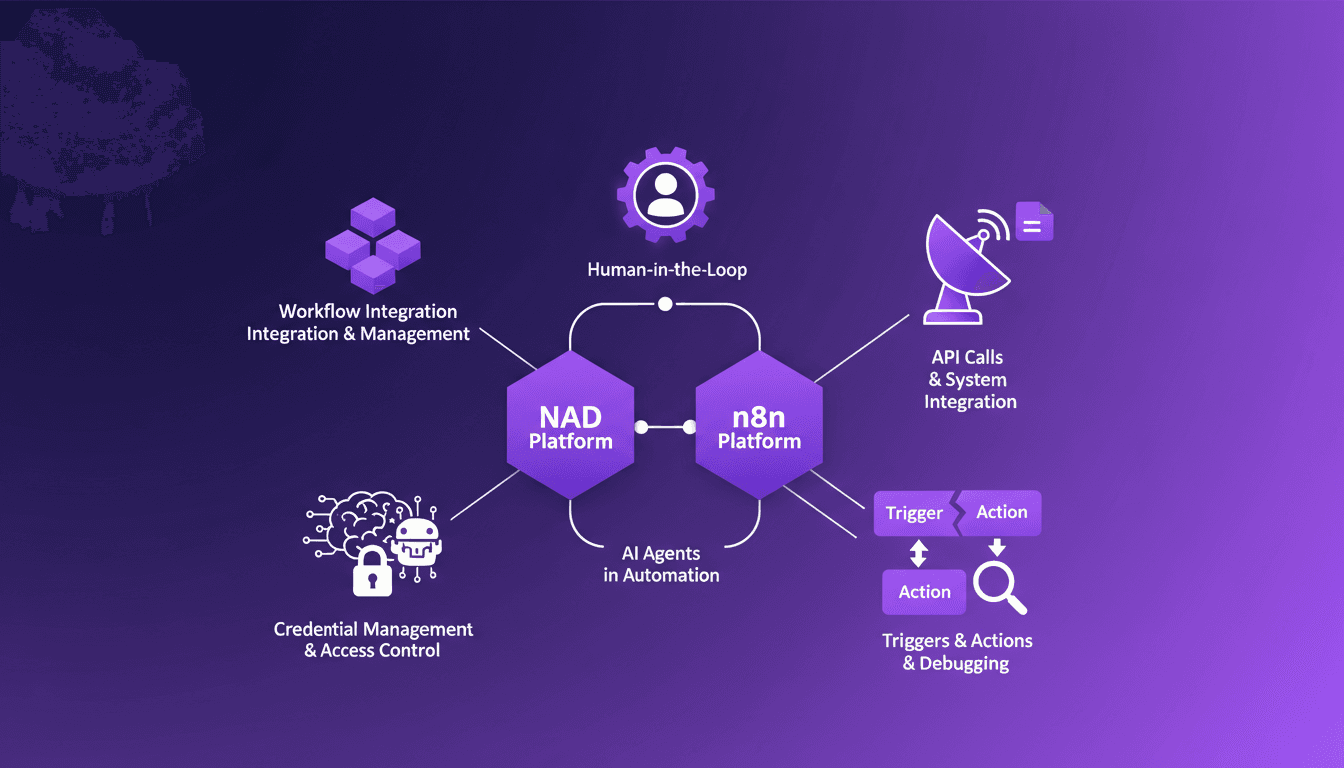
Human-in-the-Loop with n8n: Practical Integration
I dove into n8n and NAD to streamline my workflows, and let me tell you, it's been a game changer. But watch out, every tool has its quirks and limits. In this article, I'll show you how I integrate human-in-the-loop automation using these platforms. Automation isn't just about machines doing all the work. Sometimes you need a human touch to guide the process. That's where human-in-the-loop automation comes in, especially when using platforms like n8n and NAD. We'll explore API integrations, error management, and how to juggle AI agents in your workflows.
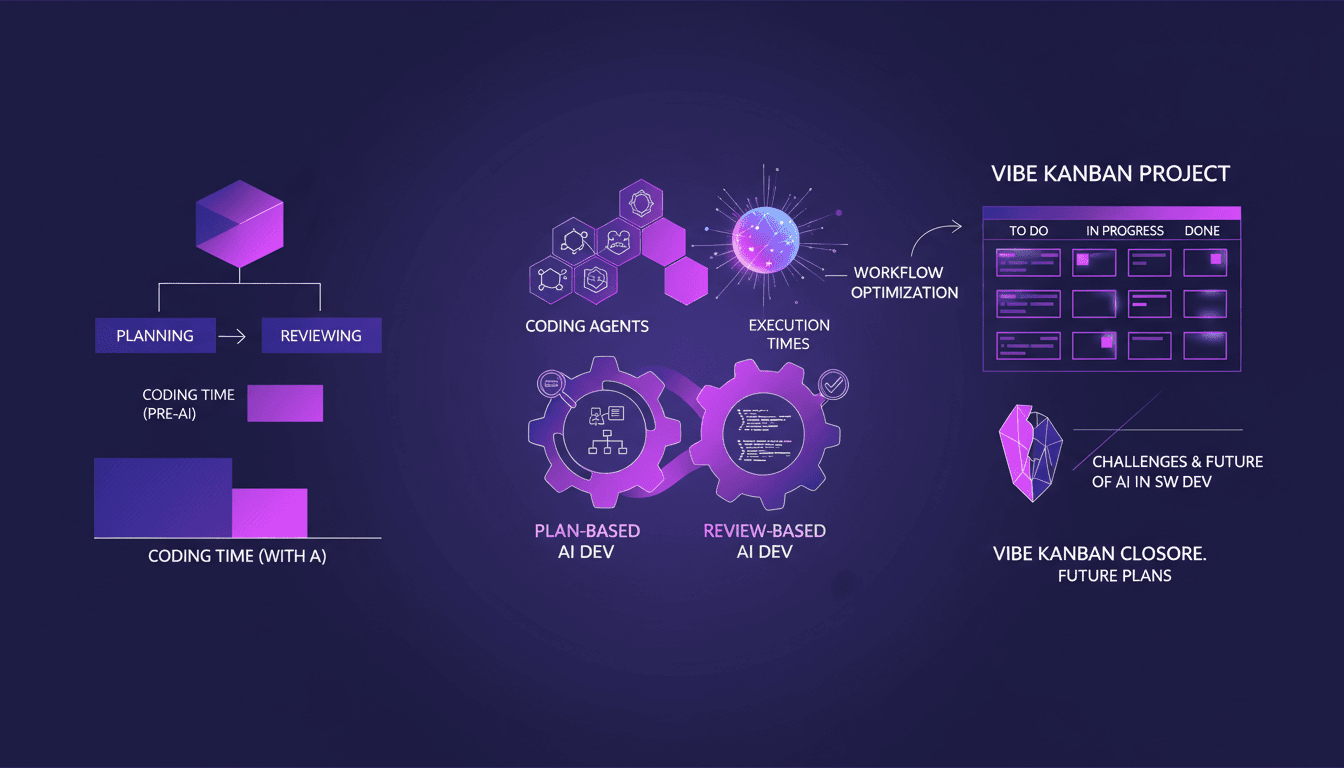
Planning and Reviewing: Software Engineering Revolution
I remember when coding meant diving headfirst into lines of code for hours. But now, with AI tools, it’s all about planning and reviewing. Let me take you through this seismic shift and how Vibe Kanban played a pivotal role in optimizing our workflows. Software engineering is transforming, and I've witnessed it firsthand. We're moving from hands-on coding to strategic planning, backed by tools that save us hours. With Vibe Kanban, I learned to orchestrate planning that saves us 20 minutes for every half an hour of coding. This isn't just theoretical—it’s a real change I experience daily.