Adaptation in Software Engineering: Avoid Becoming Legacy
I've been in the trenches of software engineering long enough to see that if you can't adapt, you're on the fast track to becoming obsolete. The pace of change in the tech world is astonishing, and if you're not keeping up, you're getting left behind. Let's dive into the keys to staying ahead: continuous learning, the importance of open source contributions, and the role of mentorship. Simultaneously, we can't ignore the impact AI is having on traditional coding practices. It's time to reassess our work methods and ensure our careers don't become relics of the past.
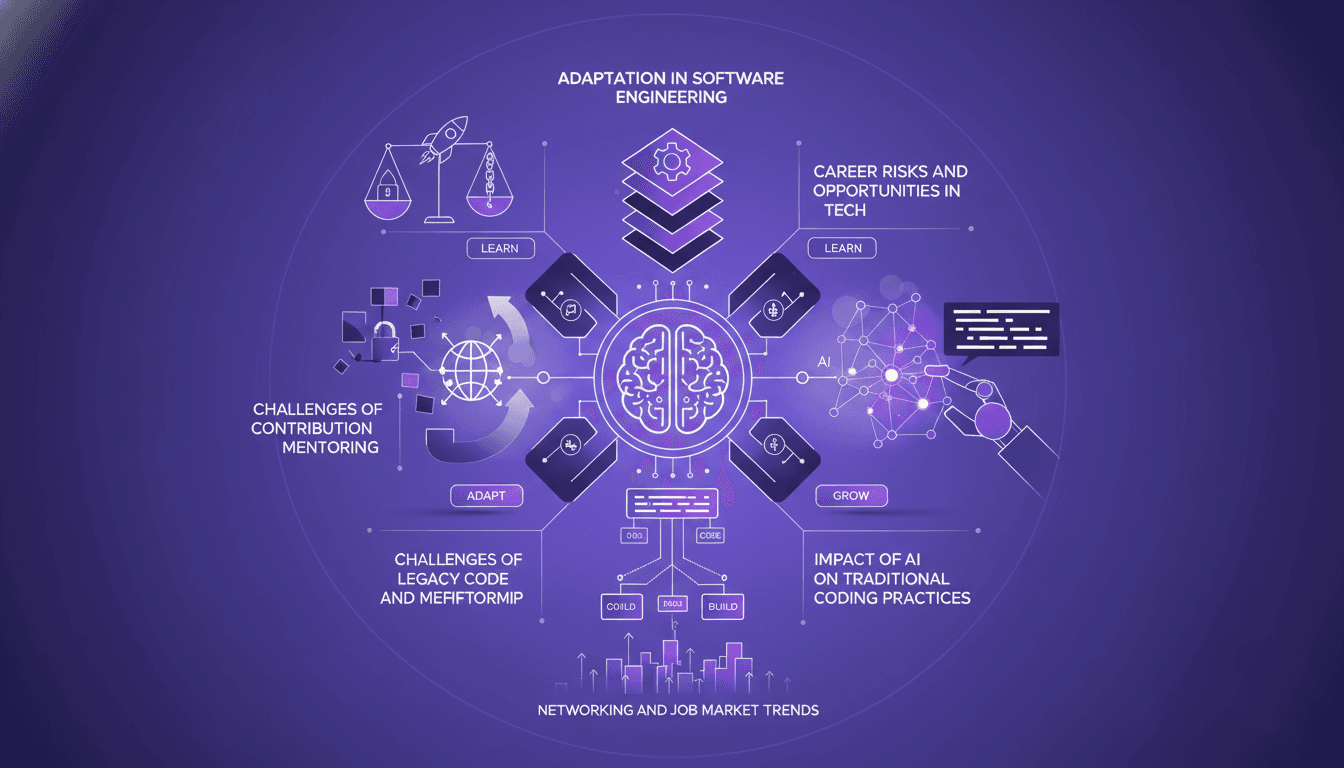
I've been in the trenches of software engineering long enough to see that if you can't adapt, you're on the fast track to becoming obsolete. In today's rapidly evolving tech landscape, staying current isn't just nice-to-have; it's essential. I've watched talented engineers get left behind because they couldn't pivot. Let's talk about how you can stay ahead of the curve: Continuous learning is your best friend, and contributing to open source can be a career game-changer. Mentorship also plays a crucial role. Don't ignore the impact of AI, which is reshaping our traditional coding practices. A reevaluation of how we work is crucial to ensure our careers don't become relics of the past. The job market is shifting, and those who don't adapt risk being sidelined. I'll share how I've navigated this ever-changing landscape, and how you can avoid becoming a legacy in this fast-paced world.
Adapting in Software Engineering
As a developer, I constantly evaluate my current skills to stay relevant in an ever-evolving industry. First, I take an honest assessment of my current skills and identify gaps. Then, I commit to dedicating six months to pivot towards new methodologies. Why six months? That's the time it took for me to truly immerse myself in new practices and integrate those changes sustainably. Watch out for outdated tools though: clinging to them out of comfort can be a trap. Sometimes it's better to learn new technologies while mastering the fundamentals. Balance is key.
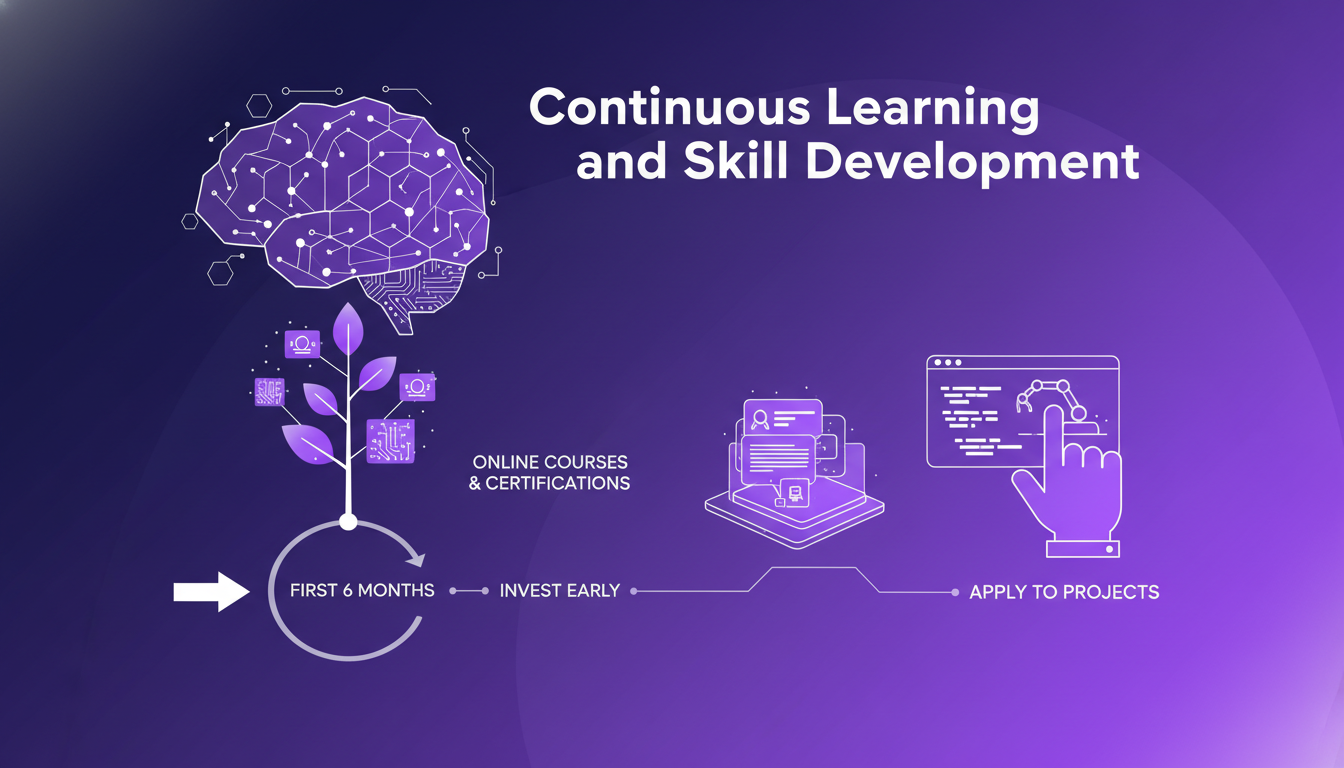
- Regularly evaluate your skills.
- Allocate time to learn new methodologies.
- Don't rely too much on outdated tools.
- Balance learning new technologies and fundamentals.
Continuous Learning and Skill Development
Investing early in your career is crucial. In my first six months, I heavily leveraged online courses and certifications to stay updated. But the key is not just consuming this content—it's applying it to real projects. I've also found that networking with peers can provide valuable insights and mentorship. In fact, exchanging with experienced developers has often opened my eyes to new approaches and helped me avoid common pitfalls.
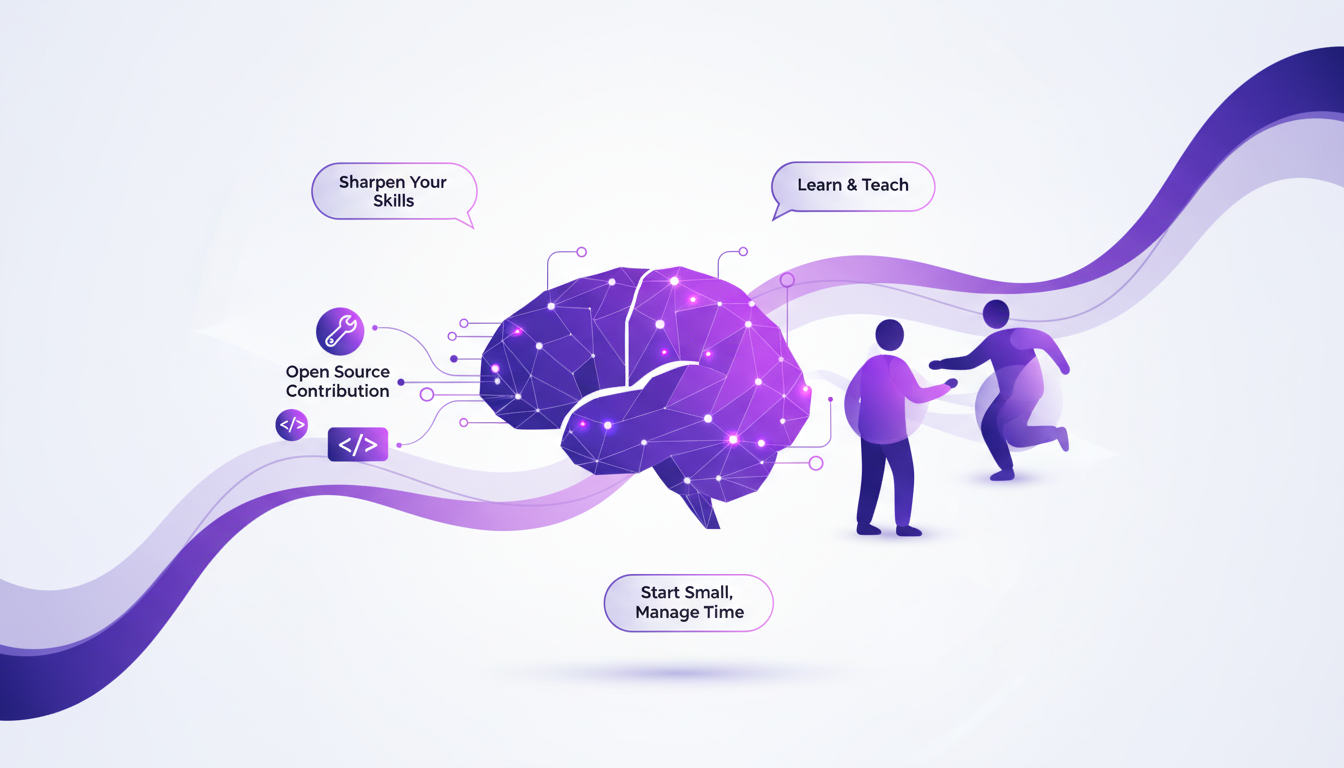
- Invest in online courses and certifications.
- Apply knowledge to real projects.
- Build a network with peers for mentorship and support.
Open Source Contribution and Mentorship
Contributing to open source has sharpened my skills incredibly. Two weeks ago, I started contributing and saw immediate benefits. Mentorship is a two-way street: learn and teach. However, I'm aware of the time commitment it represents; it's better to start small. Yet, every small contribution has given me a sense of accomplishment and helped me better understand established project conventions.
- Skill improvement through open source.
- Mentorship as a mutual learning process.
- Start with small contributions to manage time commitment.
Tackling Legacy Code Challenges
Legacy code isn't just old; it's often a bottleneck potential. Refactoring requires patience and strategy. I've found that AI can aid in code generation, but it has its limits. Documenting changes meticulously is crucial to avoid future headaches.
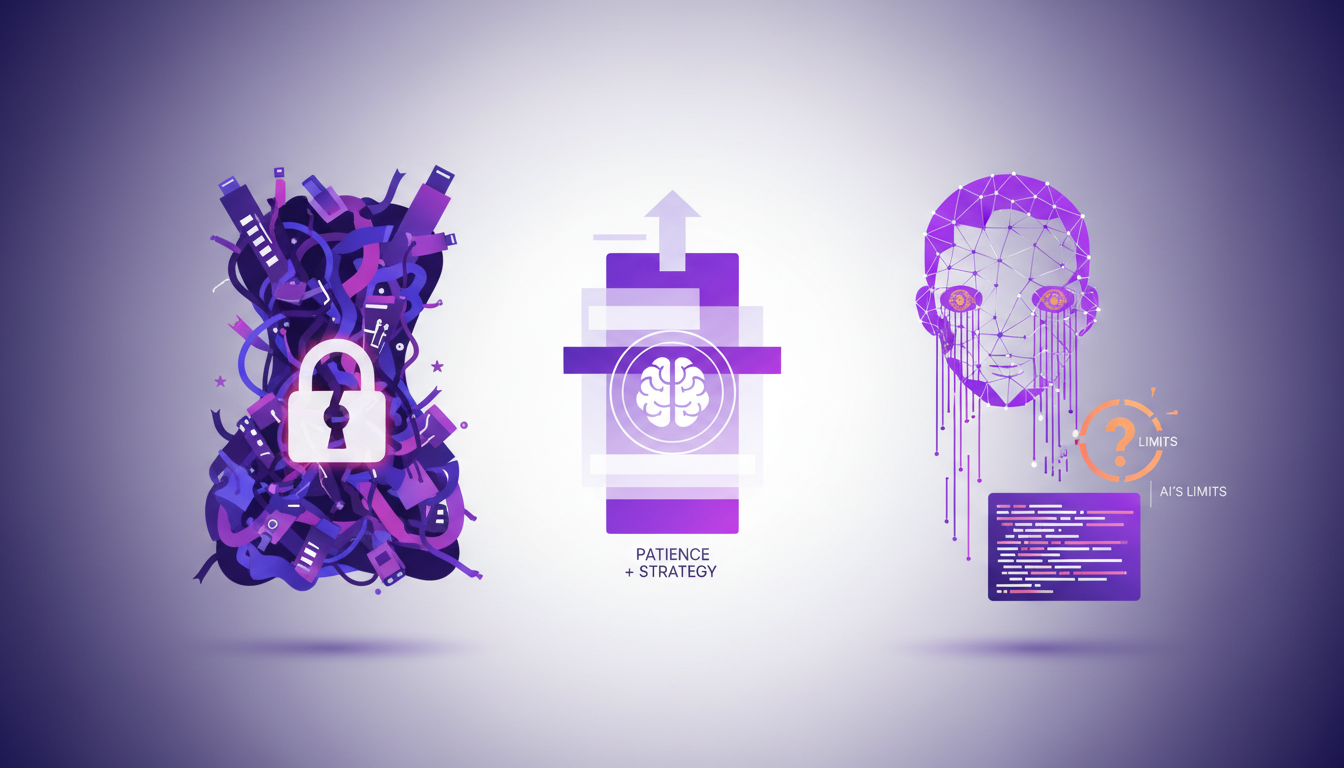
- Identify legacy code as a bottleneck.
- Use AI for code generation, but with caution.
- Document every change carefully.
AI's Impact on Traditional Coding Practices
AI tools are real game changers, but they come with context limits. When designing systems, it's crucial to incorporate AI capabilities thoughtfully. Don't overuse AI—sometimes, human intuition is faster. By 2026, AI proficiency will be essential.
- Understand the limits of AI tools.
- Incorporate AI thoughtfully in system design.
- Plan for AI proficiency by 2026.
In software engineering, adapting is non-negotiable. First, I dive into continuous learning, because that's what keeps me sharp and ready for tomorrow's challenges. Then, contributing to open source isn't just goodwill; it's a goldmine of practical experience and mentorship. But watch out, legacy code and refactoring—those are real headaches. I need to invest time, often six months, to effectively pivot to new ways of working. Keeping 2026 in sight, I ensure I'm technically proficient. It's a real game changer, but it requires significant investment. The future is now, and it's ours to shape. Start today: evaluate your skills and plan your next learning sprint. For a deeper dive, I recommend watching the original video. It sheds light on these topics, and trust me, it's worth it: https://www.youtube.com/watch?v=dXm5KQ0U-rE
Frequently Asked Questions

Thibault Le Balier
Co-fondateur & CTO
Coming from the tech startup ecosystem, Thibault has developed expertise in AI solution architecture that he now puts at the service of large companies (Atos, BNP Paribas, beta.gouv). He works on two axes: mastering AI deployments (local LLMs, MCP security) and optimizing inference costs (offloading, compression, token management).
Related Articles
Discover more articles on similar topics
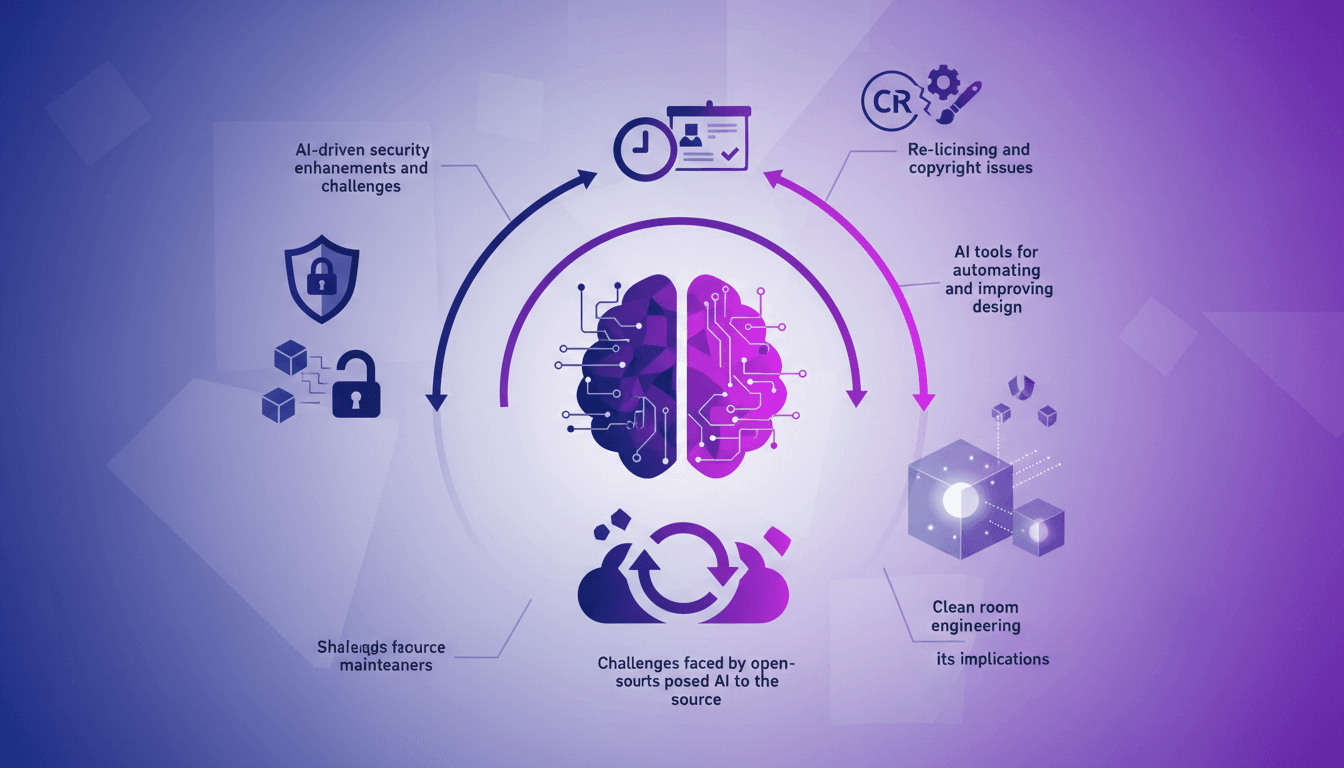
AI's Impact on Open Source: Opportunities
I remember the first time I integrated AI into my open-source project. It was a game changer, but not without its challenges. AI is reshaping the open-source landscape, enhancing security but also threatening traditional business models. Let's discuss the implications of this transformation – from AI tools boosting productivity to re-licensing and copyright issues. Open-source maintainers are facing unprecedented challenges, not to mention threats to existing business models. How is your open-source project adapting to this new era?
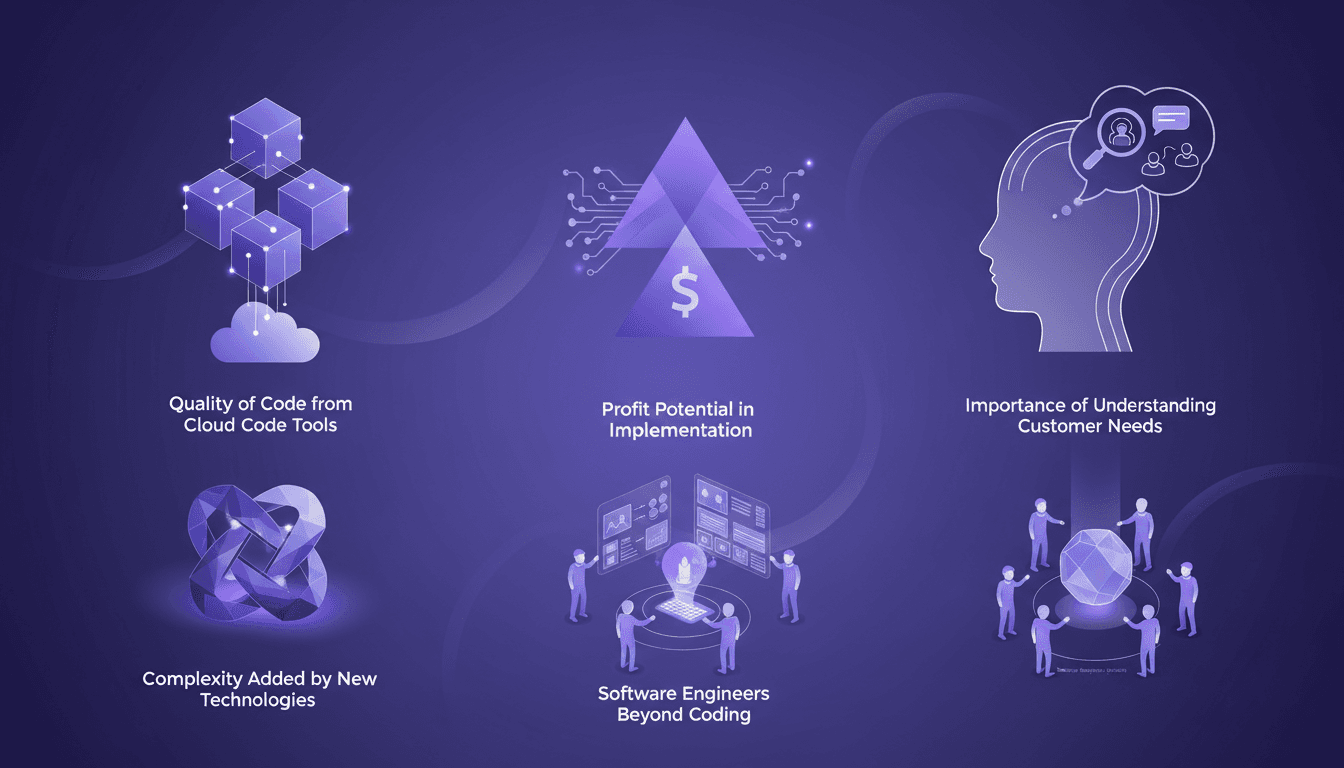
Mastering Cloud Code: More Than Just Coding
I remember the moment I realized writing code was just a fraction of my job. I was knee-deep in Cloud Code tools, believing I was optimizing, but in reality, I was merely scratching the surface. The true game-changer? Understanding the bigger picture. In a world where technology evolves at breakneck speed, a software engineer must wear multiple hats. It's no longer just about the code—it's about leveraging tools, grasping business needs, and driving profits. I've learned that mastering Cloud Code is far more than just coding. And what really shifts the game is the ability to turn lines of code into business impact.
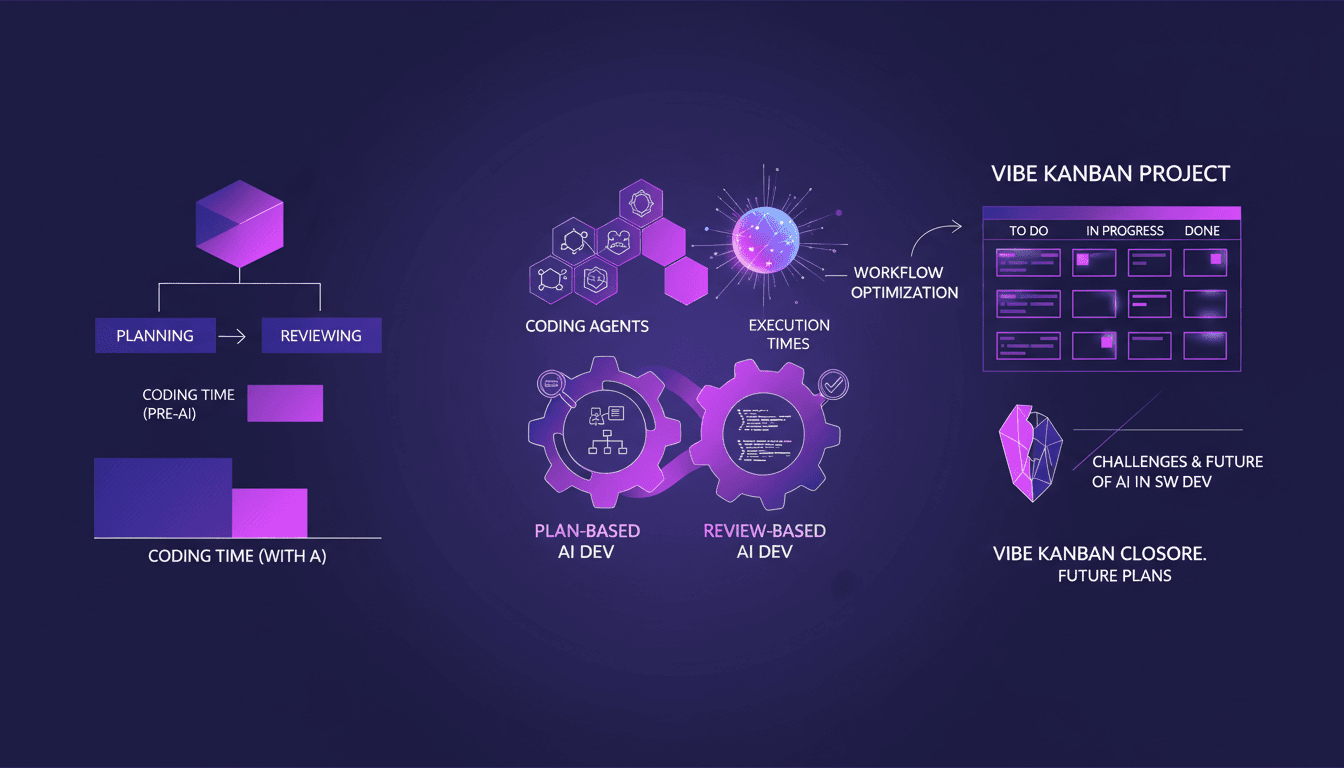
Planning and Reviewing: Software Engineering Revolution
I remember when coding meant diving headfirst into lines of code for hours. But now, with AI tools, it’s all about planning and reviewing. Let me take you through this seismic shift and how Vibe Kanban played a pivotal role in optimizing our workflows. Software engineering is transforming, and I've witnessed it firsthand. We're moving from hands-on coding to strategic planning, backed by tools that save us hours. With Vibe Kanban, I learned to orchestrate planning that saves us 20 minutes for every half an hour of coding. This isn't just theoretical—it’s a real change I experience daily.
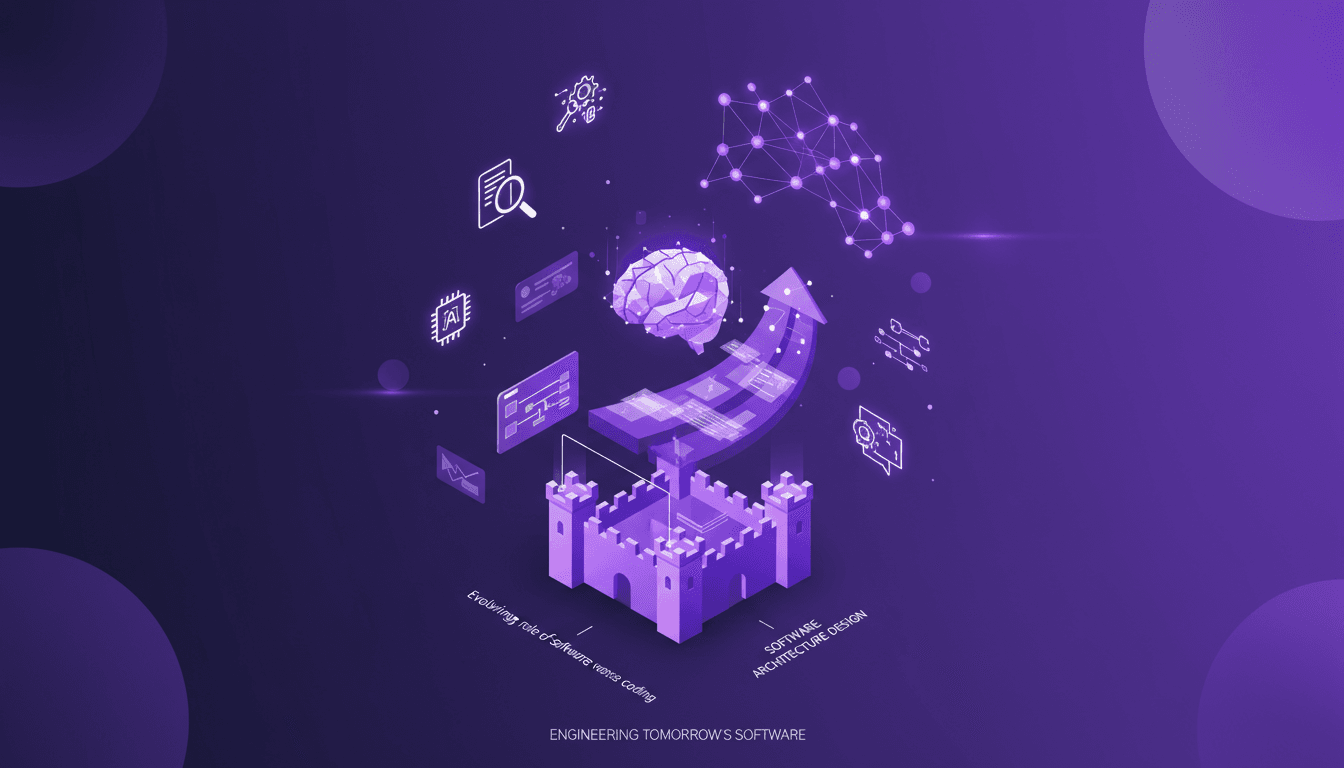
Evolving Role of Software Engineers: Key Insights
I've been in the trenches of software engineering long enough to see our roles evolve. We started as code writers, became system architects, and now, we're orchestrators of complex ecosystems. The rise of advanced language models has reshaped our daily workflows. When I configure an architecture, I'm not just coding anymore; I'm designing entire systems. These models amplify our expertise—they don't replace it. But remember, a good engineer remains the author of their applications, even with a powerful tool at hand. Curious about how these shifts redefine our profession? Let's dive into this fascinating world.
How Razorpay Became India's Payment Giant
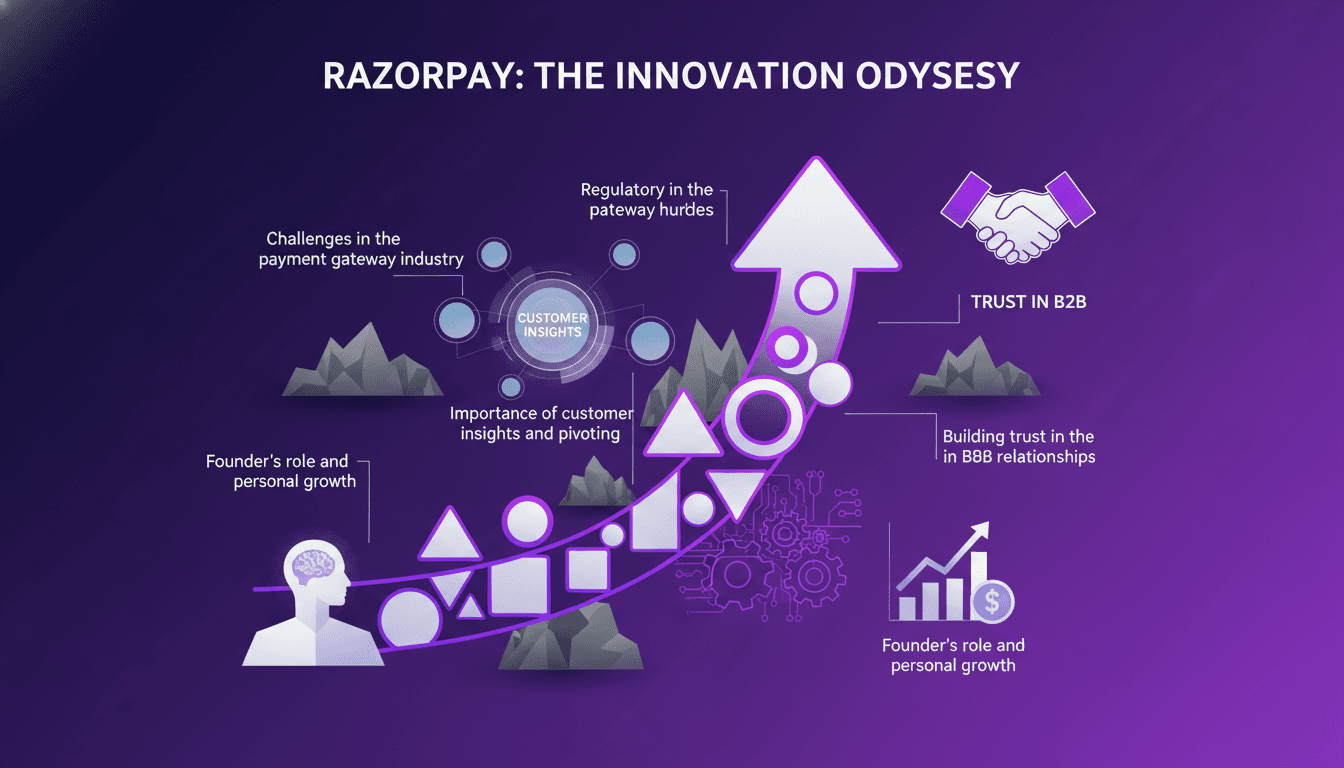
I remember the first time I heard about Razorpay. It was the winter of 2015, and they were just another startup in Y Combinator, barely making waves. Fast forward a few years, and they've become India's largest payment company. How did they pull it off? Razorpay's story isn't just about growth—it's about navigating the complex world of fintech, leveraging customer insights, and building trust in a highly competitive industry. Let me take you through their journey, the challenges they faced, and the strategies that transformed them into a payment powerhouse.