Evolving Role of Software Engineers: Key Insights
I've been in the trenches of software engineering long enough to see our roles evolve. We started as code writers, became system architects, and now, we're orchestrators of complex ecosystems. The rise of advanced language models has reshaped our daily workflows. When I configure an architecture, I'm not just coding anymore; I'm designing entire systems. These models amplify our expertise—they don't replace it. But remember, a good engineer remains the author of their applications, even with a powerful tool at hand. Curious about how these shifts redefine our profession? Let's dive into this fascinating world.
I've been in the trenches of software engineering long enough to see our roles evolve. We started as code writers, then became system architects, and now, we're orchestrators of complex ecosystems. The evolution of our profession with the rise of advanced language models captivates me. When I configure an architecture now, I'm not just writing code—I'm designing entire systems. It's a significant shift. I connect tools, navigate workflows, and sometimes get burned by the intricacy of modern systems. But remember, these models don't replace our expertise; they enhance it. A good engineer remains the author of their applications. With these powerful tools at our disposal, it's vital to reassess our approach to software development. That's what I want to explore with you today: how these changes redefine our role, the importance of software architecture, and where language models fit into the picture. Ready to dive into this fascinating world?
The Evolving Role of Software Engineers
In the realm of software development, there's a significant shift from mere coding to more complex system architecture and orchestration. It's not just about writing lines of code anymore; it's about understanding how components fit together. First and foremost, mastering both high-level design and low-level implementation is crucial. I've seen so many engineers get lost in technical details without ever truly grasping the big picture.
Nowadays, a good engineer must know how to integrate various tools and technologies, and that's where soft skills become crucial. Team dynamics and project management are no longer side skills but central elements. But watch out, there's a risk of becoming too tool-dependent without understanding the fundamentals. It's easy to rely on frameworks without grasping what's happening under the hood.
The Importance of Software Architecture Design
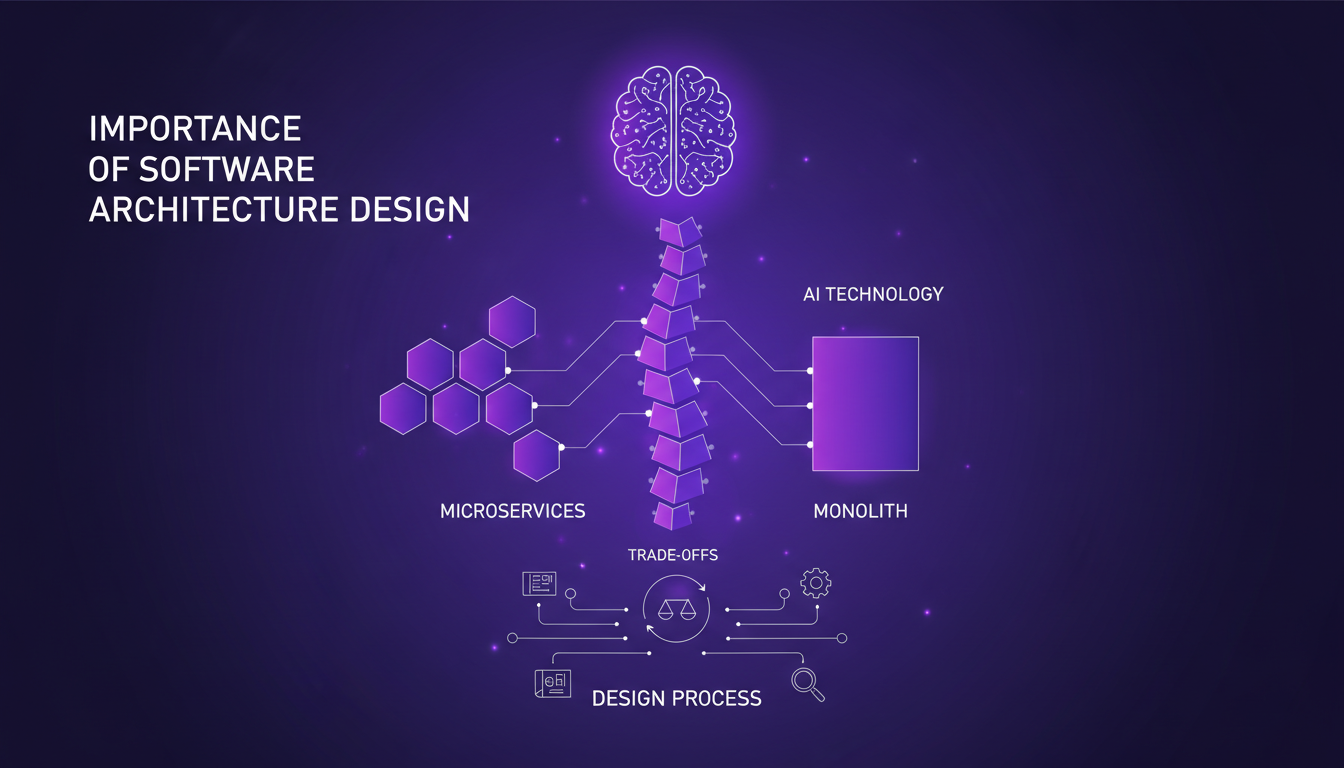
Architecture is the backbone of a successful software project. This is where it all begins. I recall a project where, without a good architecture, costs soared and deadlines stretched out. So, where do we start? First, by clearly defining the requirements. Then, we move onto the architecture design itself, weighing the pros and cons of styles like microservices versus monolithic.
Architectural decisions can prove to be cost-effective investments. Good design saves time and money, but be cautious of over-engineering. Simplicity is often the key. Too much complexity can hinder efficiency.
- Start by defining key requirements.
- Choose the appropriate architectural style (microservices, monolithic).
- Keep simplicity in mind to avoid unnecessary bloat.
Leveraging Large Language Models in Development
Large language models, like those we use for code generation and debugging, have become valuable allies. I integrated a language model into a project, and it transformed my workflow. But, beware, there are limits. For example, context size is a constraint, and managing tokens can quickly become a headache.
It's essential to find a balance between human intuition and AI-generated suggestions. Relying too heavily on these tools can lead to skill atrophy. You need to know when to use these aids and when to return to the fundamentals.
- Use language models to automate repetitive tasks.
- Keep an eye on context and token limits.
- Don't let AI replace your critical skills.
"Tools are extensions, not replacements of our skills."
Development Process vs. Coding: A Broader View
There's a crucial difference between coding and orchestrating a development process. First step, understanding requirements is fundamental. Then, we move to architectural reviews. I've learned that without a continuous feedback loop, you're doomed to repeat the same costly mistakes.
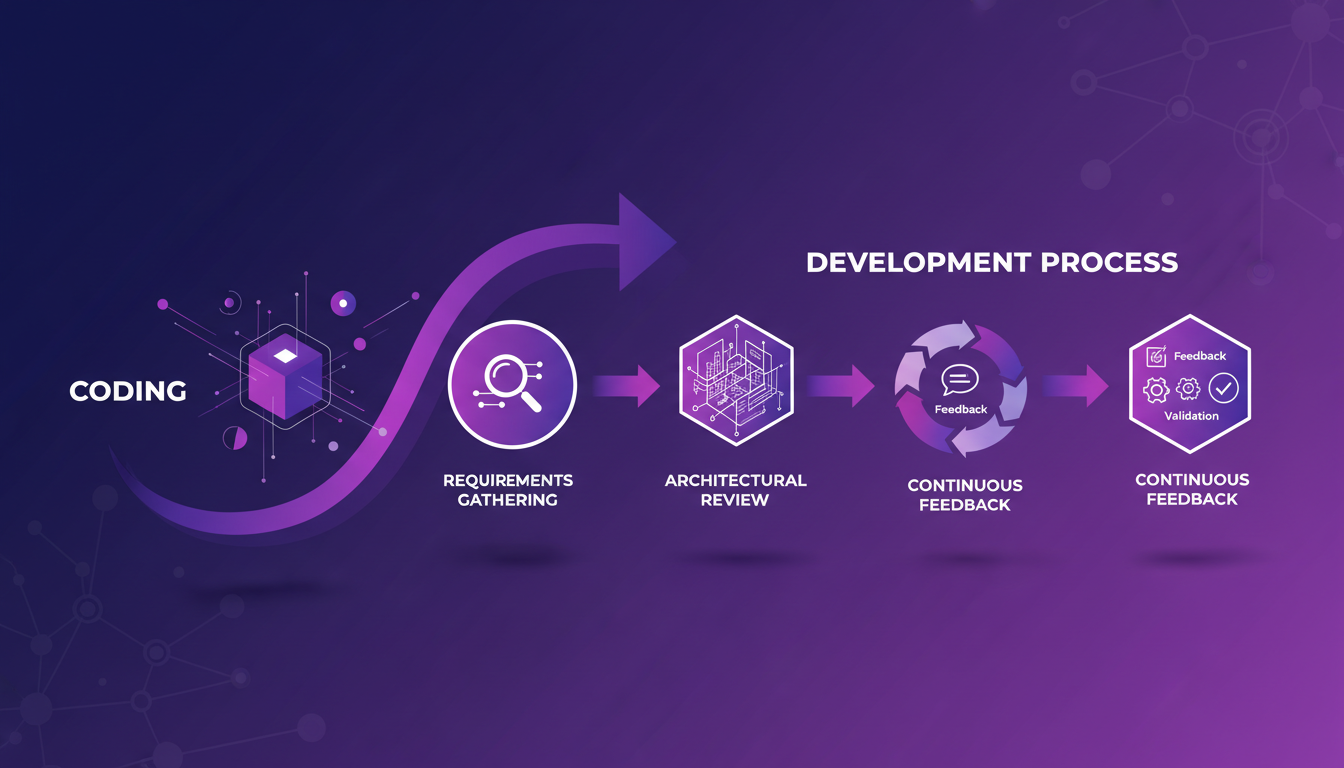
Documentation plays a key role in project clarity. A structured process can prevent costly errors. Consider integrating feedback loops from the start.
- Start with rigorous requirements gathering.
- Integrate regular architectural reviews.
- Use feedback loops to continuously improve.
Engineers as Authors: The Enduring Role
Software engineers remain the authors of applications, even with advanced tools on the rise. Tools are there to extend our capabilities, not replace us. Always keep a critical eye on automated tasks. Automation is great, but manual control remains crucial.
The future of engineering roles is promising with evolving technologies, but it requires continuous learning and adaptation. Resting on your laurels is not an option.
- Consider tools as extensions of your skills.
- Maintain a balance between automation and manual oversight.
- Continuously adapt to new technologies.
"Engineers remain the true creators, no matter how many tools are at their disposal."
To learn more about mastering cloud code, check out Mastering Cloud Code: More Than Just Coding.
In our field, we're not just coders; we're the architects and orchestrators. First, I focus on building a solid software architecture—it's the foundation that keeps our solutions efficient and long-lasting. Then, I leverage large language models to speed up development, but remember, they aren't a cure-all. The trick is to integrate them wisely without losing sight of cost and efficiency. And finally, I keep in mind that tools are just tools. The real magic is in how we use them.
Looking ahead, I'm excited about how our roles will continue to evolve with technology. It's thrilling but also requires us to stay updated. So, keep refining your skills and embrace new tools wisely.
Check out the original video to dive deeper into these insights about our role as authors in this tech-driven world: https://www.youtube.com/watch?v=fEW0l26xc74
Frequently Asked Questions

Thibault Le Balier
Co-fondateur & CTO
Coming from the tech startup ecosystem, Thibault has developed expertise in AI solution architecture that he now puts at the service of large companies (Atos, BNP Paribas, beta.gouv). He works on two axes: mastering AI deployments (local LLMs, MCP security) and optimizing inference costs (offloading, compression, token management).
Related Articles
Discover more articles on similar topics
Mastering Cloud Code: More Than Just Coding
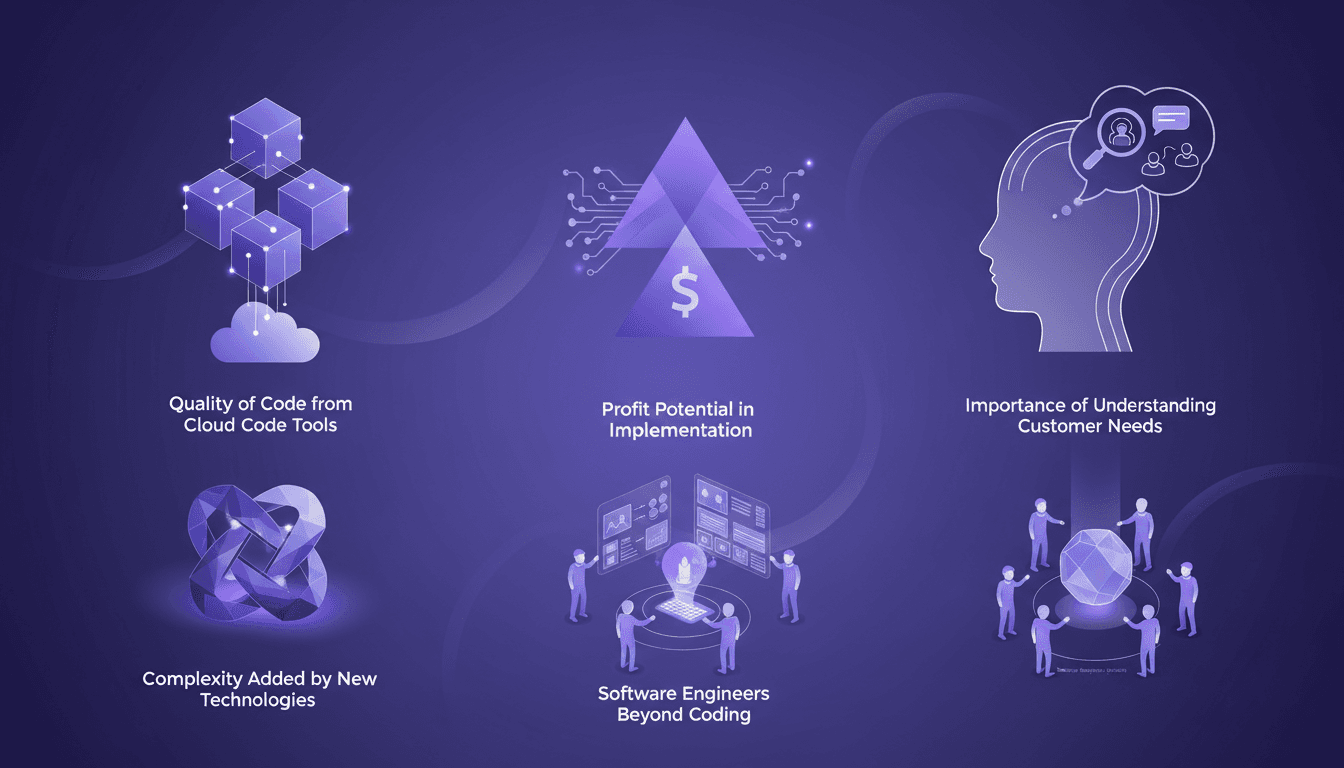
I remember the moment I realized writing code was just a fraction of my job. I was knee-deep in Cloud Code tools, believing I was optimizing, but in reality, I was merely scratching the surface. The true game-changer? Understanding the bigger picture. In a world where technology evolves at breakneck speed, a software engineer must wear multiple hats. It's no longer just about the code—it's about leveraging tools, grasping business needs, and driving profits. I've learned that mastering Cloud Code is far more than just coding. And what really shifts the game is the ability to turn lines of code into business impact.
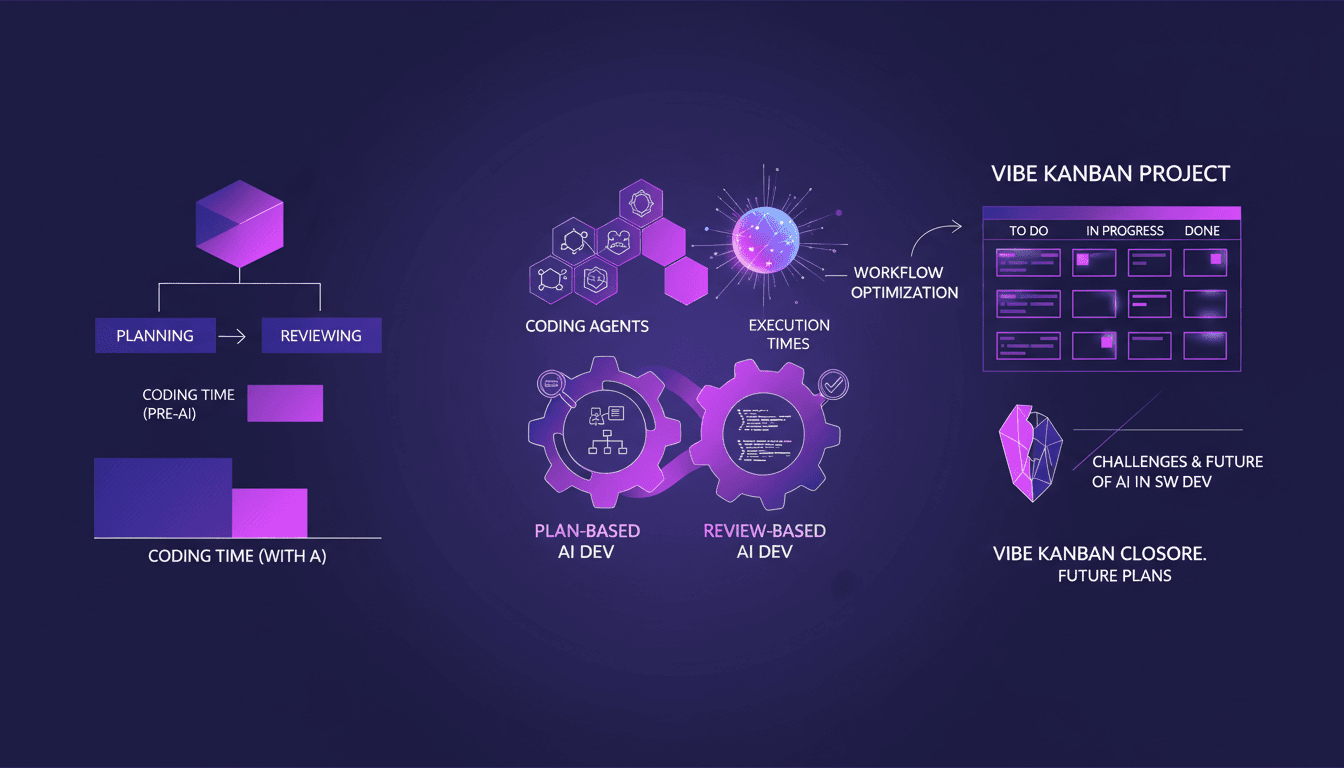
Planning and Reviewing: Software Engineering Revolution
I remember when coding meant diving headfirst into lines of code for hours. But now, with AI tools, it’s all about planning and reviewing. Let me take you through this seismic shift and how Vibe Kanban played a pivotal role in optimizing our workflows. Software engineering is transforming, and I've witnessed it firsthand. We're moving from hands-on coding to strategic planning, backed by tools that save us hours. With Vibe Kanban, I learned to orchestrate planning that saves us 20 minutes for every half an hour of coding. This isn't just theoretical—it’s a real change I experience daily.
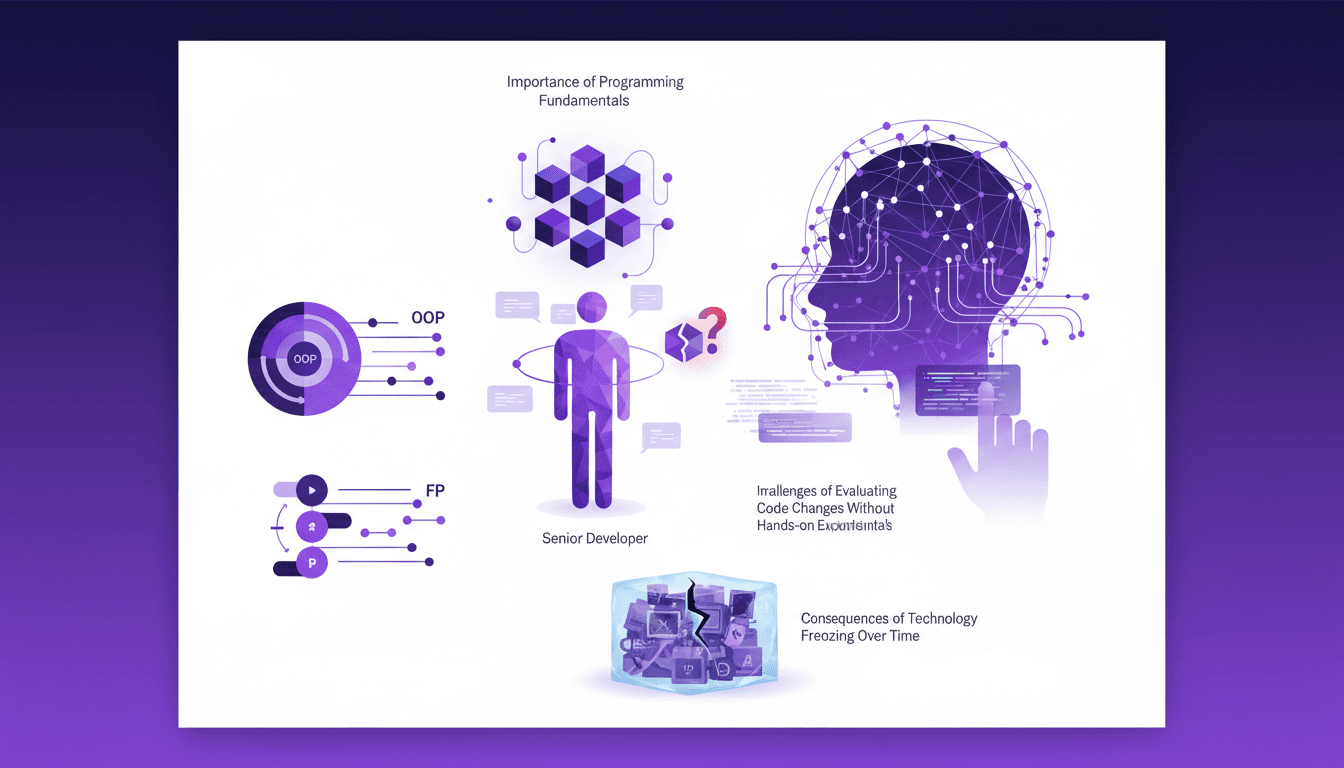
Programming Fundamentals: Why They Matter
I remember the first time I had to debug without understanding the basics. It was like navigating a maze blindfolded. Trust me, skipping the fundamentals is a shortcut to nowhere. In our rush to build and deploy, we often overlook the importance of programming basics. But here's the kicker: even the most advanced tools and models can't save you from the pitfalls of poor coding practices. Whether you're a seasoned developer or just starting out, understanding the importance of fundamentals is crucial. I dive into how large language models are influencing our practices and why hands-on experience remains indispensable. Stick with me to see why, in ten or twenty years, the foundations you lay today will still matter.
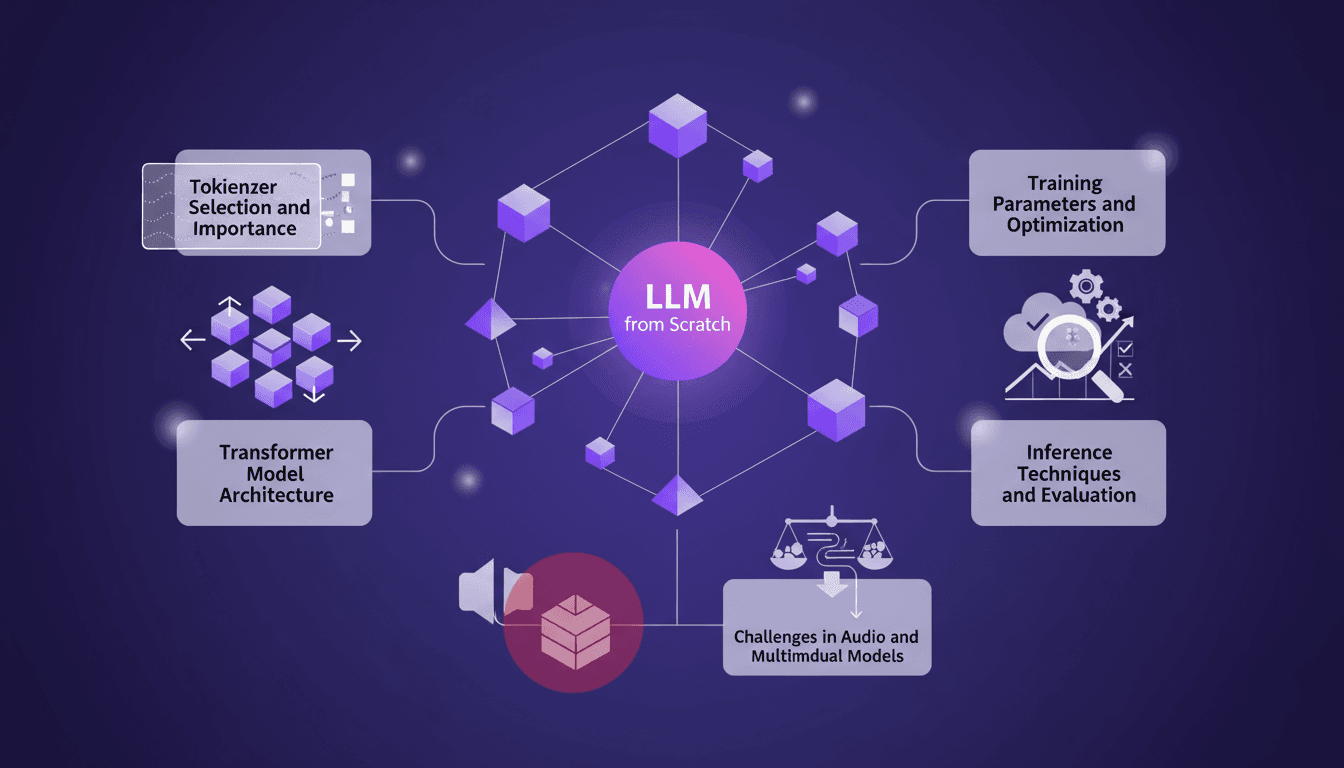
Training an LLM from Scratch: Practical Guide
I remember the first time I decided to train a large language model from scratch. It felt like climbing a mountain with no map. But once you get the hang of it, it's like orchestrating a symphony. In this guide, I'll take you through my journey of building an LLM locally, inspired by Andre Karpathy's Nano GPT. We'll dive into tokenizer selection, Transformer model architecture, training parameters, and much more. I'll share the mistakes I made, the solutions I found, and how I optimized for efficiency. This is a practical guide for anyone wanting to truly understand each step of the process without wasting time on unnecessary details.
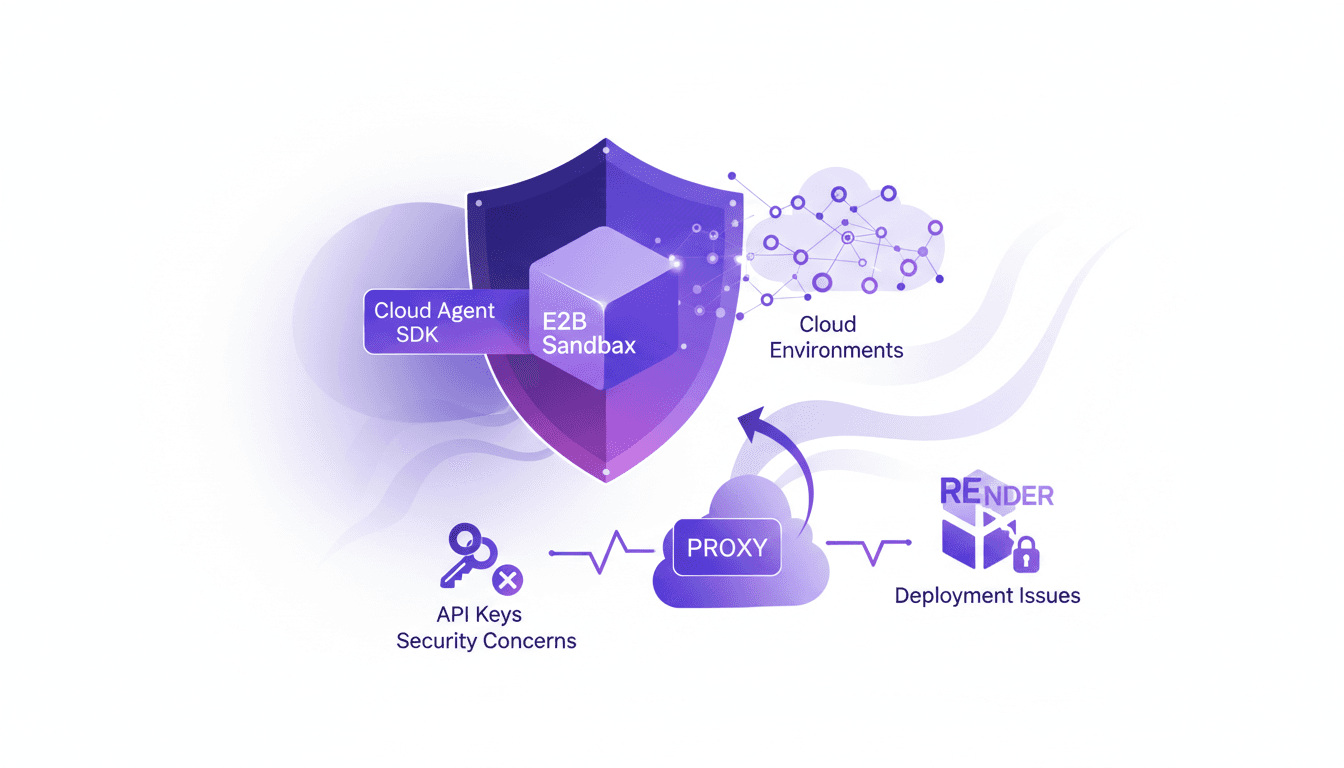
Using a Sandbox for Your Cloud Agent
I dove headfirst into testing our cloud agent SDK in the E2B sandbox, and let me tell you, it was a rollercoaster ride. From initial setup to deployment, I faced security hurdles and unexpected twists that kept me on my toes. In the world of cloud environments, security and efficiency are paramount. Whether you're adapting an SDK or managing API keys, the challenges are real. Here's my journey through the E2B sandbox, tackling these issues firsthand. I faced security concerns with API keys and deployment issues on Render due to security protocols. Don't get caught off guard by the pitfalls of sandboxing—follow my journey and learn how to navigate these challenges.