Programming Fundamentals: Why They Matter
I remember the first time I had to debug without understanding the basics. It was like navigating a maze blindfolded. Trust me, skipping the fundamentals is a shortcut to nowhere. In our rush to build and deploy, we often overlook the importance of programming basics. But here's the kicker: even the most advanced tools and models can't save you from the pitfalls of poor coding practices. Whether you're a seasoned developer or just starting out, understanding the importance of fundamentals is crucial. I dive into how large language models are influencing our practices and why hands-on experience remains indispensable. Stick with me to see why, in ten or twenty years, the foundations you lay today will still matter.
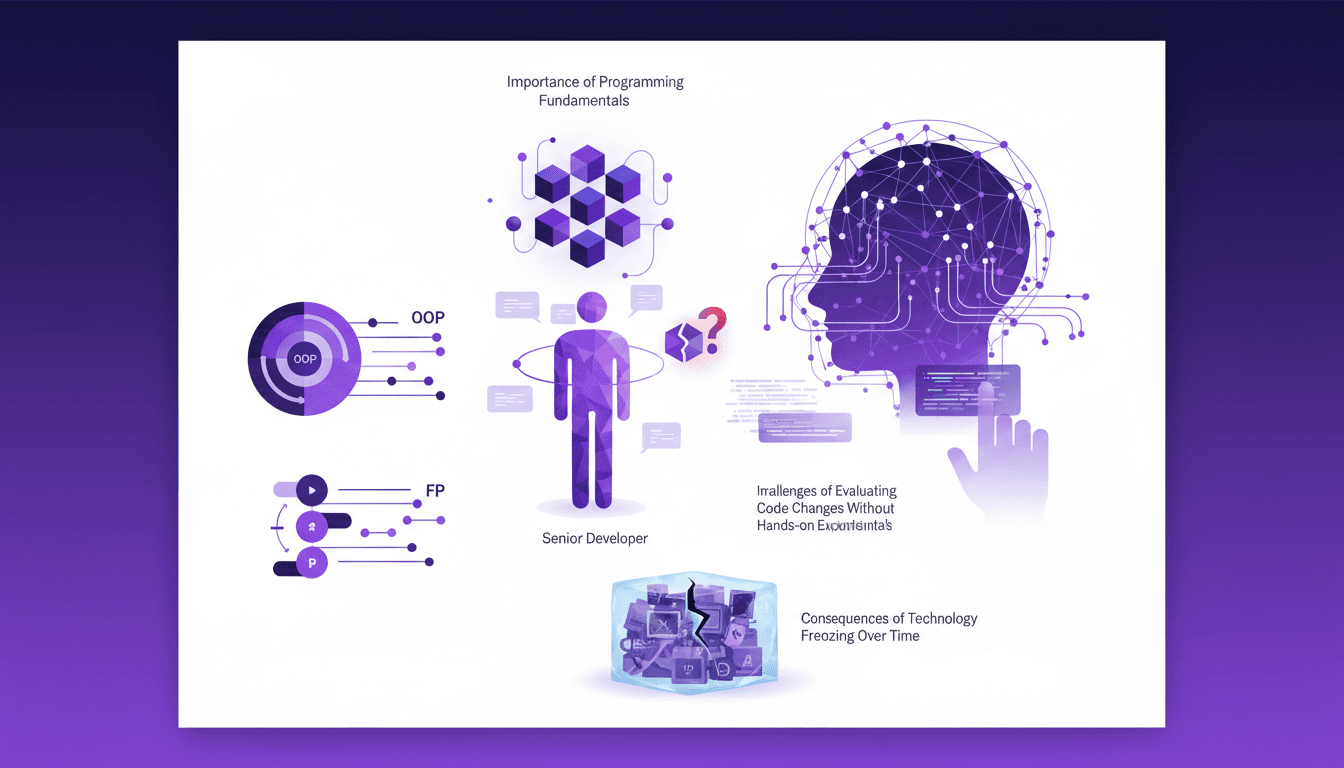
I remember the first time I had to debug a piece of code without grasping the basics. It felt like navigating a maze blindfolded. Trust me, skipping the fundamentals is a shortcut to nowhere. In our rush to build and deploy, we often forget the importance of programming basics. Yet, even the most advanced tools and models won't save you from poor coding practices. I've been burned more than once before I got it. Then, I started drilling the basics into my team, and the change was immediate. Today, I'm sharing how large language models are influencing our coding practices and why hands-on experience remains vital. We'll also dive into the future implications of neglecting these essentials. Believe me, ten or twenty years down the line, the fundamentals you master today will still be your best asset.
Grasping Programming Fundamentals
I've seen too many developers skip the basics, thinking they can learn on the job. It's a risky shortcut. Without a solid grasp of fundamentals, like object-oriented programming (OOP) and functional programming, you quickly find yourself lost when problems get complex.
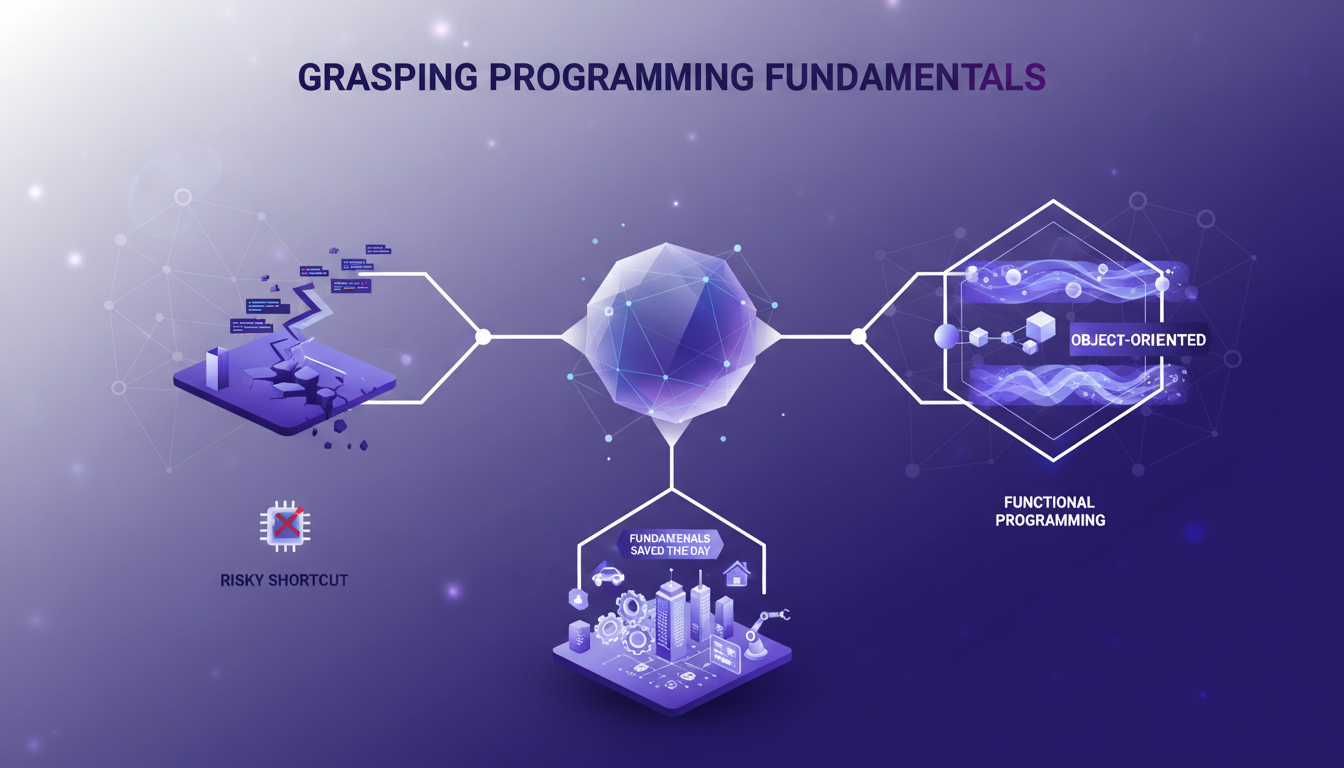
Once, during a critical project, I saw a junior struggling with a complex object model. Luckily, a senior stepped in, using their knowledge of the fundamentals to untangle the situation. Without that intervention, the project would have been delayed. Common pitfalls when ignoring fundamentals include poorly structured code designs and an inability to anticipate long-term implications.
- Do not ignore object-oriented programming and functional programming concepts.
- Fundamentals help solve complex problems effectively.
- Basic errors can be costly in terms of time and money.
The Role of Senior Developers in Software Development
Senior developers aren't just there to code, they bridge the gap between theory and practice. They bring essential balance, and their mentoring is crucial for team growth. I've often seen juniors accelerate their progress thanks to the insightful guidance of a senior.
Evaluating code changes is their realm of expertise. They know how to balance technical debt with innovation, which is crucial for maintaining a healthy code base. I've seen a senior reject an "innovative" implementation because it unacceptably increased technical debt. It was a wise choice in the long run.
- Seniors bridge the gap between theory and practice.
- Mentorship is crucial for junior development.
- Balancing technical debt with innovation is essential.
Challenges Without a Fundamental Base
Without the fundamentals, evaluating code changes becomes a nightmare. Without these bases, the impact on team dynamics is huge. I've seen projects derail because no one knew why a change was necessary.
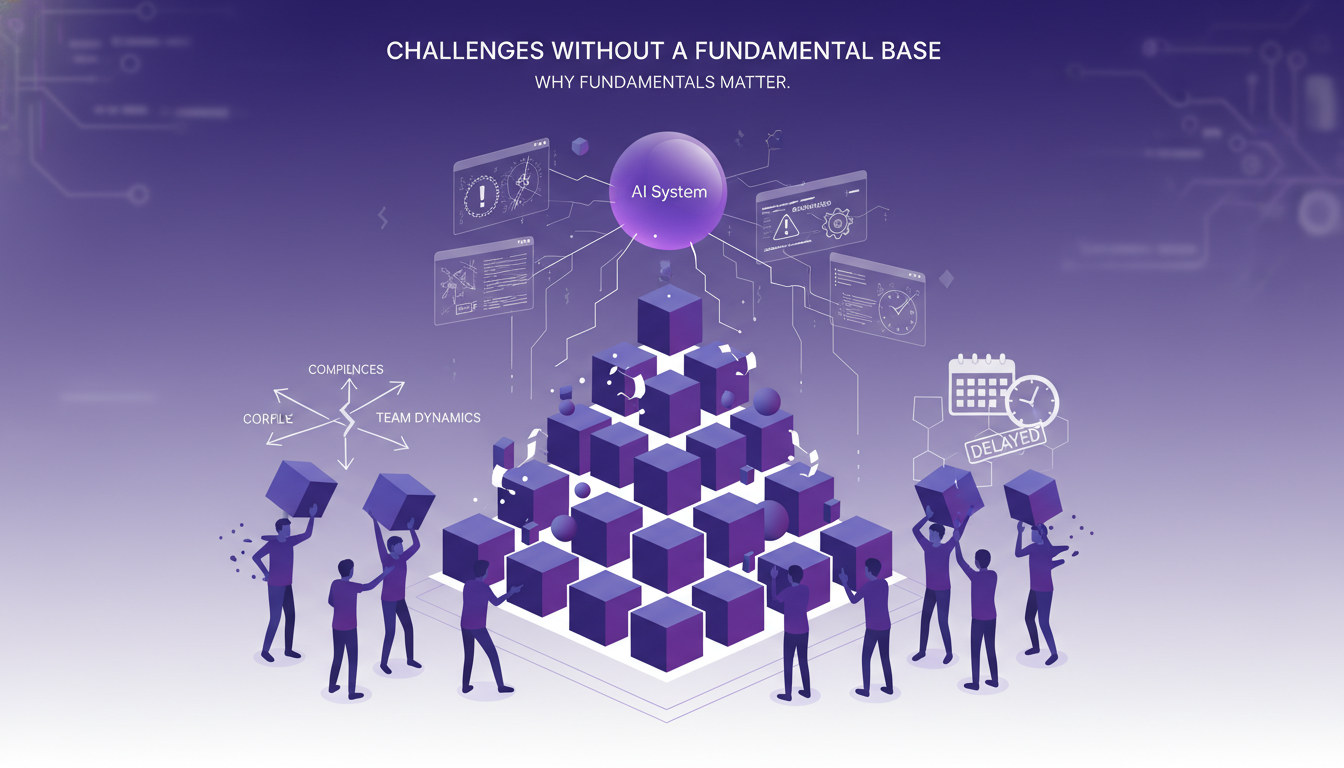
We often find ourselves stuck between speed and quality of code. In these cases, quality takes a hit. I've sat in meetings where the lack of fundamental understanding caused costly delays.
- Fundamentals are crucial for objectively evaluating code changes.
- Lack of solid bases can cause project delays.
- Be careful not to sacrifice quality for speed.
Impact of Large Language Models on Coding Practices
Large language models are reshaping our coding practices, but fundamentals remain crucial. These models can enhance our skills, but never completely replace them. I've seen models suggest solutions, but without understanding the basics, you don't know if these solutions are relevant.
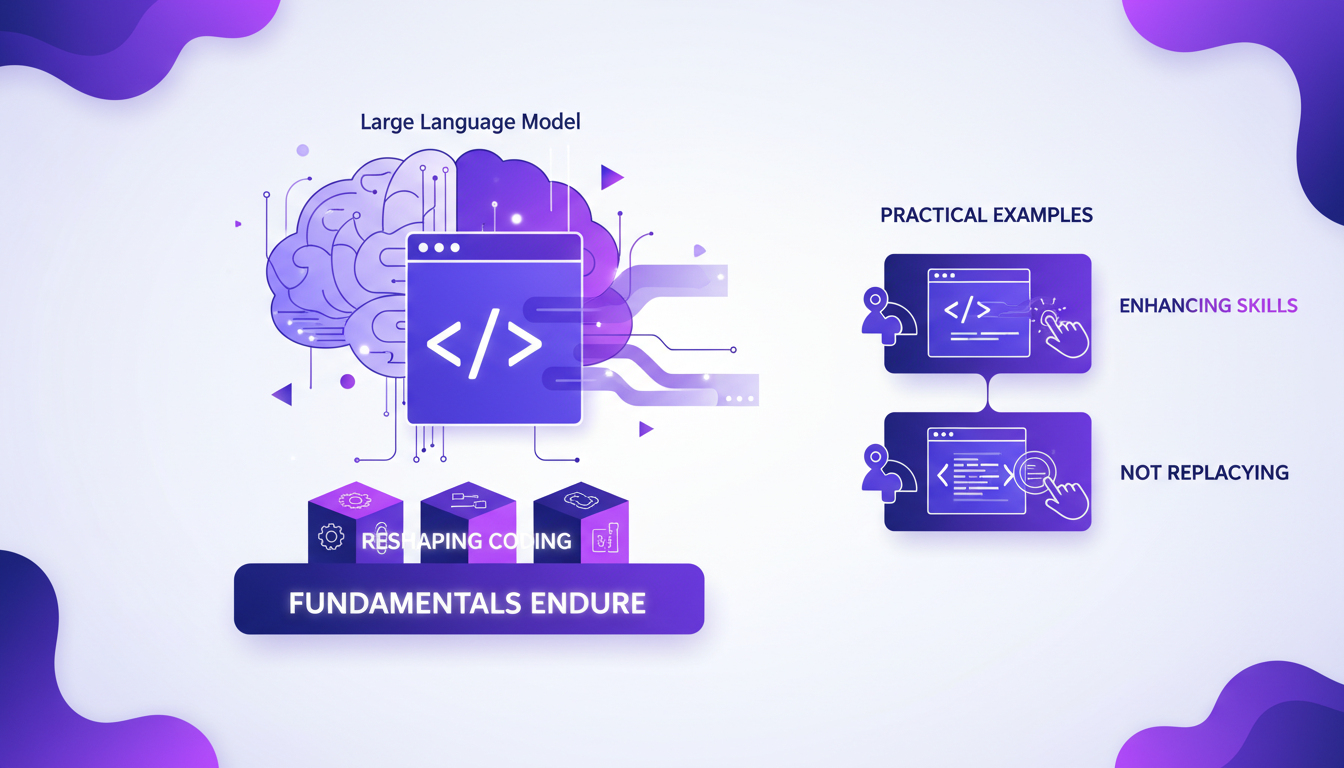
Though these models are impressive, they have their limits. I've seen cases where over-reliance led to suboptimal design choices. That's where understanding the base makes the difference. A model can generate code, but it can't judge its relevance without a human.
- Language models can enhance but not replace skills.
- Beware of the models' limits in terms of solution relevance.
- Fundamentals provide the context needed to use these tools effectively.
Future Implications: A World Without Hands-On Experience
Fast-forward 20 years. What happens if technology stalls and hands-on experience is undervalued? The consequences could be disastrous. Without hands-on experience, developers risk losing the ability to understand lower-level concepts.
I've often thought about a future where fundamentals are neglected, and I fear it would lead to a decline in code quality. Hands-on experience remains irreplaceable, even with technological advancements.
- Technological stagnation could harm understanding of fundamental concepts.
- Hands-on experience is irreplaceable for quality software development.
- Preparing for a future where basics are undervalued is crucial.
Skipping the fundamentals is a shortcut that leads to a dead end. I've seen both junior and seasoned devs fall into this trap, chasing advanced models without that safety net. Here's what I've learned:
- First, fundamentals are non-negotiable. No matter your level, they're your safety net.
- Second, large language models might seem like game changers, but without a solid base, they just cover up gaps.
- Third, senior developers play a crucial role. Not just in coding, but in mentoring others through these basics.
- Finally, evaluating code changes without a strong understanding is like flying blind.
Looking ahead, even though tech will continue to leap forward at breakneck speed (think 20 years' worth of progress in a blink), the basics will remain your cornerstone. Revisit them, share them with your peers, and make it a habit. I strongly encourage you to watch the full video; it really nails these points. Here's the link: https://www.youtube.com/watch?v=s4VPAMaTmnM
Frequently Asked Questions

Thibault Le Balier
Co-fondateur & CTO
Coming from the tech startup ecosystem, Thibault has developed expertise in AI solution architecture that he now puts at the service of large companies (Atos, BNP Paribas, beta.gouv). He works on two axes: mastering AI deployments (local LLMs, MCP security) and optimizing inference costs (offloading, compression, token management).
Related Articles
Discover more articles on similar topics

Boosting Team Velocity with Codex
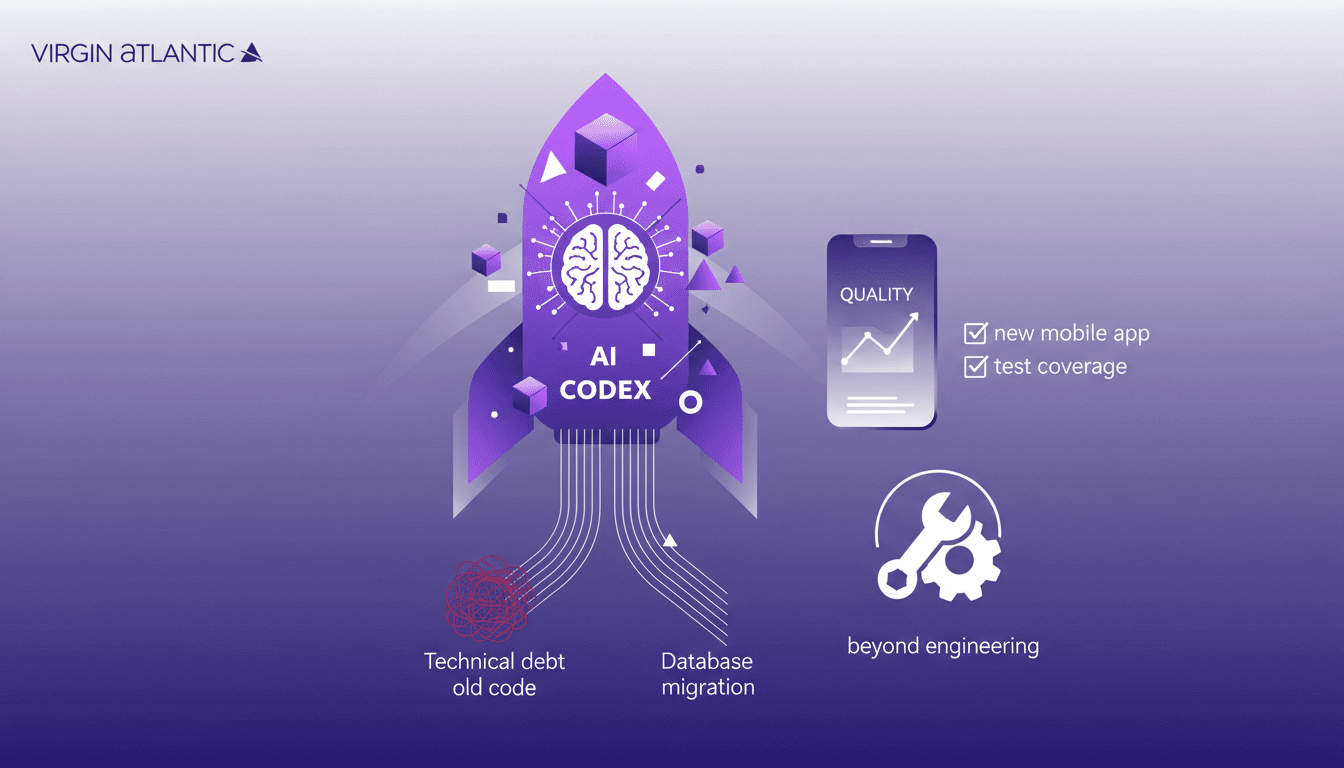
When I first integrated Codex into our workflow at Virgin Atlantic, I didn't just see a tool; I witnessed a transformation. I started by connecting our systems, and soon enough, the boost in team velocity was remarkable. We slashed our technical debt massively, freeing our teams from unnecessary constraints. But watch out, it's not just about technical performance; our customer experience also took a leap forward. Let's dive into the details of how Codex revolutionized our way of working.
Boosting Velocity with Codex at Virgin Atlantic
I remember the first time I integrated Codex into our workflows at Virgin Atlantic. The impact was immediate—our team velocity shot up, and the technical debt that had been weighing us down started to shrink noticeably. In this article, I'll walk you through how Codex transformed our approach to software development, from increasing performance to reducing code base and improving quality assurance. The performance of our new mobile app was astonishing, and Codex played a key role in database migration and transformation pipelines. You'll see how our test coverage and quality assurance reached new heights, showing that Codex is a tool that goes beyond pure engineering.
Code Simplification: 12K to 200 LoC with Markdown
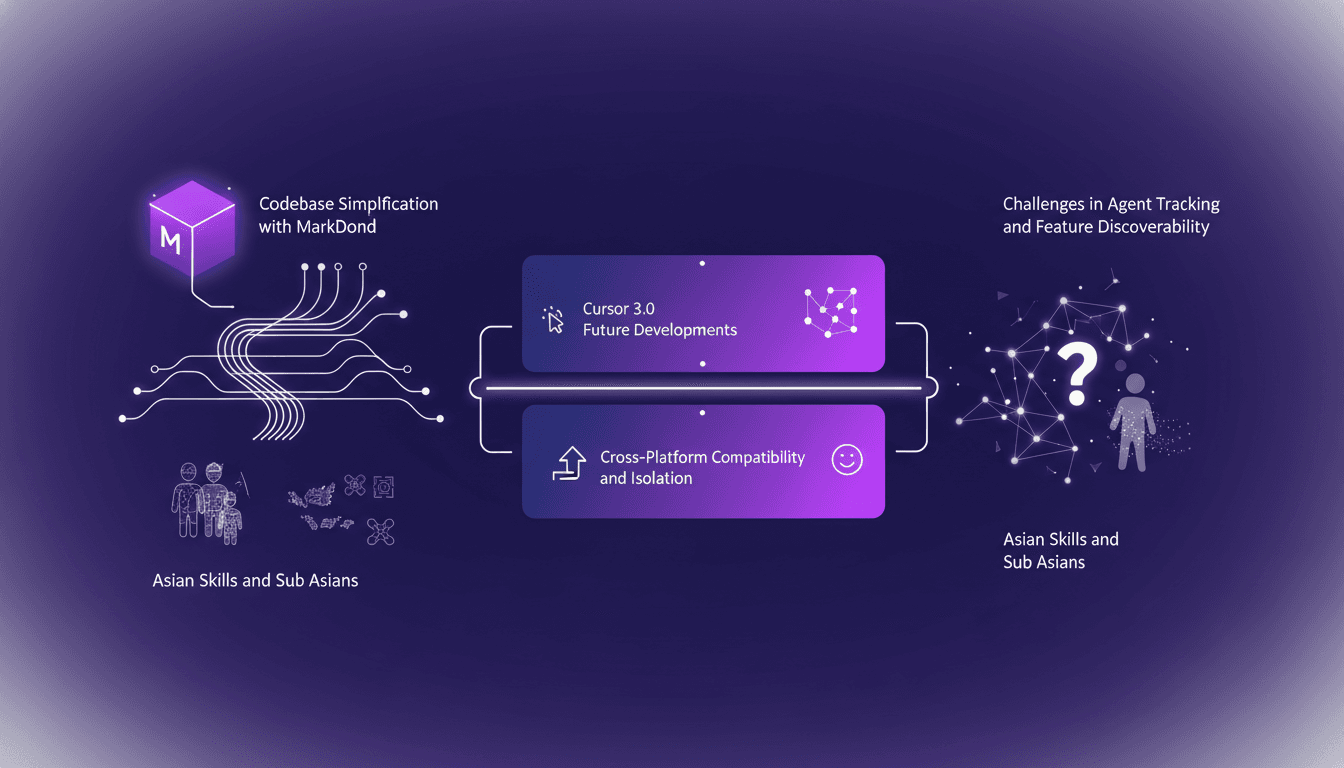
I was staring at a 12,000 line codebase, knowing there had to be a better way. That's when I decided to strip it down to just 200 lines using Markdown. This wasn't just a cleanup—it was a revelation. In software development, efficiency isn't just a goal—it's a necessity. By leveraging tools like Git Word Trees and embracing cross-platform strategies, we can dramatically simplify our codebases while enhancing functionality. In this talk, I delve into how I implemented Asian Skills and Sub Asians, optimized cross-platform compatibility, and tackled challenges in agent tracking and feature discoverability. Discover how Cursor 3.0 is pushing boundaries and setting the stage for the future of development.
AI Coding Tools: What We Get Wrong
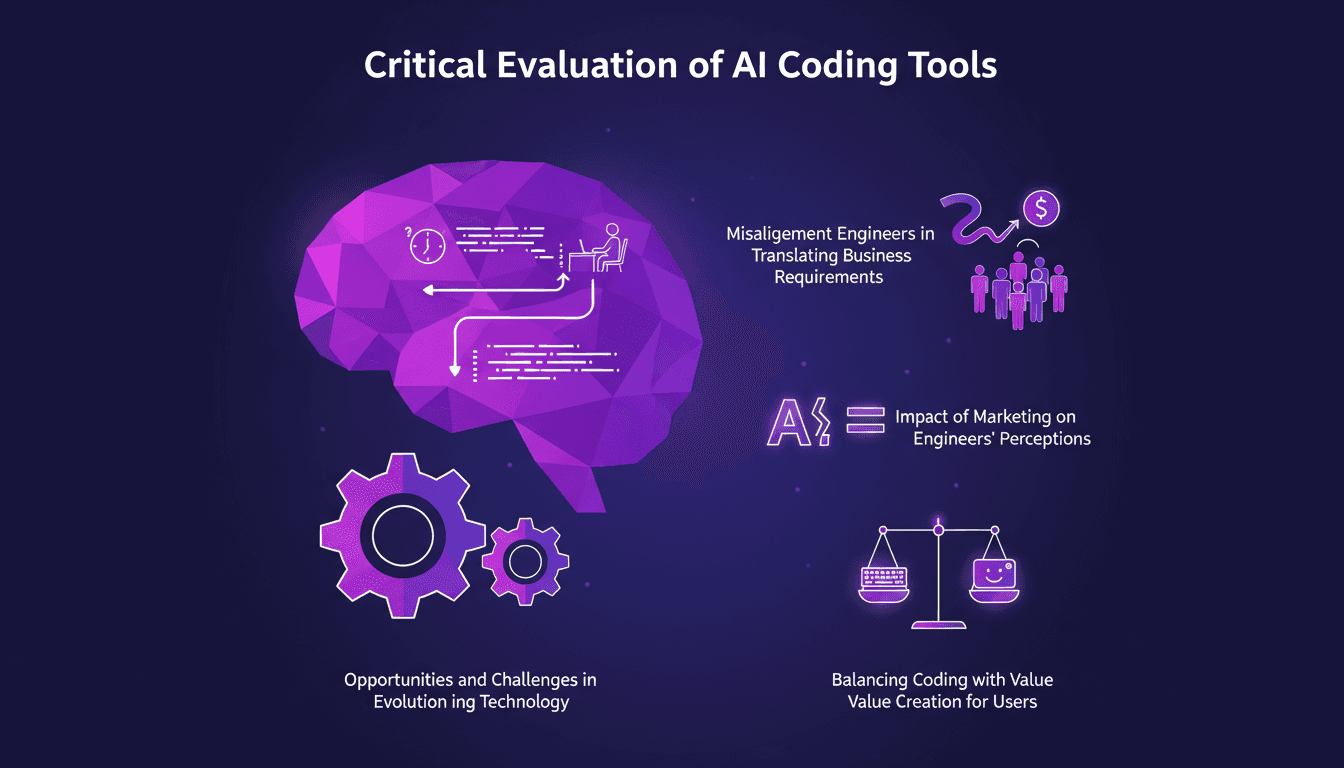
Let's cut to the chase: AI coding tools are everywhere, and the marketing hype is real. But having been in the trenches, I can tell you there's a lot we get wrong. It's not just about the tools—it's about how we use them and where we actually spend our time. In my daily grind, I see engineers dazzled by AI promises, expecting a magic bullet for coding. But the reality? We often spend just 2 hours a day actually coding. The rest is about translating business needs and solving real problems. Let's unpack the myths and get practical.
Mastering Generative AI: A Practical Guide
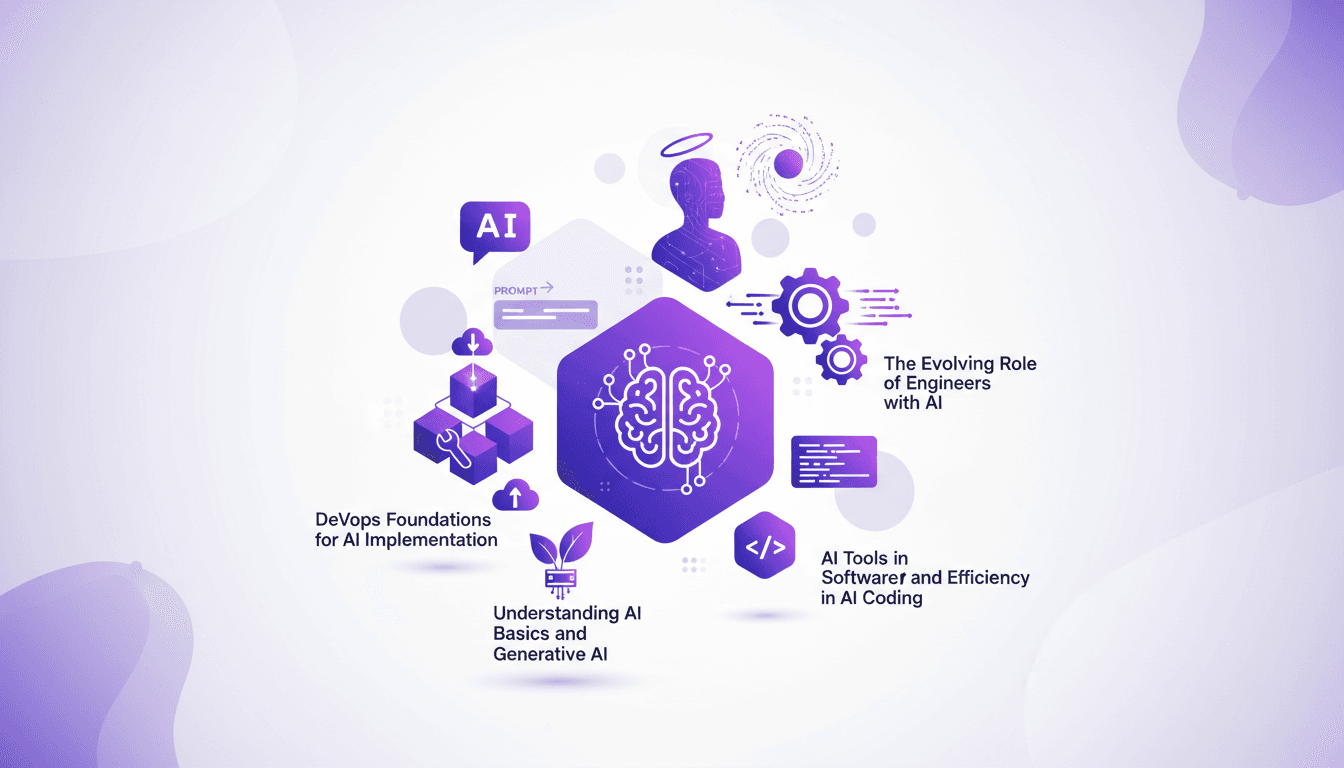
I still recall diving into AI coding, thinking generative AI was just another buzzword. Then I realized it’s a real game changer, but only if you know how to harness it. First, I immersed myself in its fundamentals—understanding how these tools transform how we code. Engineers spend barely two hours a day on actual coding; the rest is orchestration. And that’s where AI steps in, boosting productivity and redefining our roles. I’ll walk you through how I navigated this complex landscape, from the environmental impact of AI technologies to prompt engineering and context management. Let's explore how mastering generative AI can revolutionize our approach to software development.