Mastering Cloud Code: More Than Just Coding
I remember the moment I realized writing code was just a fraction of my job. I was knee-deep in Cloud Code tools, believing I was optimizing, but in reality, I was merely scratching the surface. The true game-changer? Understanding the bigger picture. In a world where technology evolves at breakneck speed, a software engineer must wear multiple hats. It's no longer just about the code—it's about leveraging tools, grasping business needs, and driving profits. I've learned that mastering Cloud Code is far more than just coding. And what really shifts the game is the ability to turn lines of code into business impact.
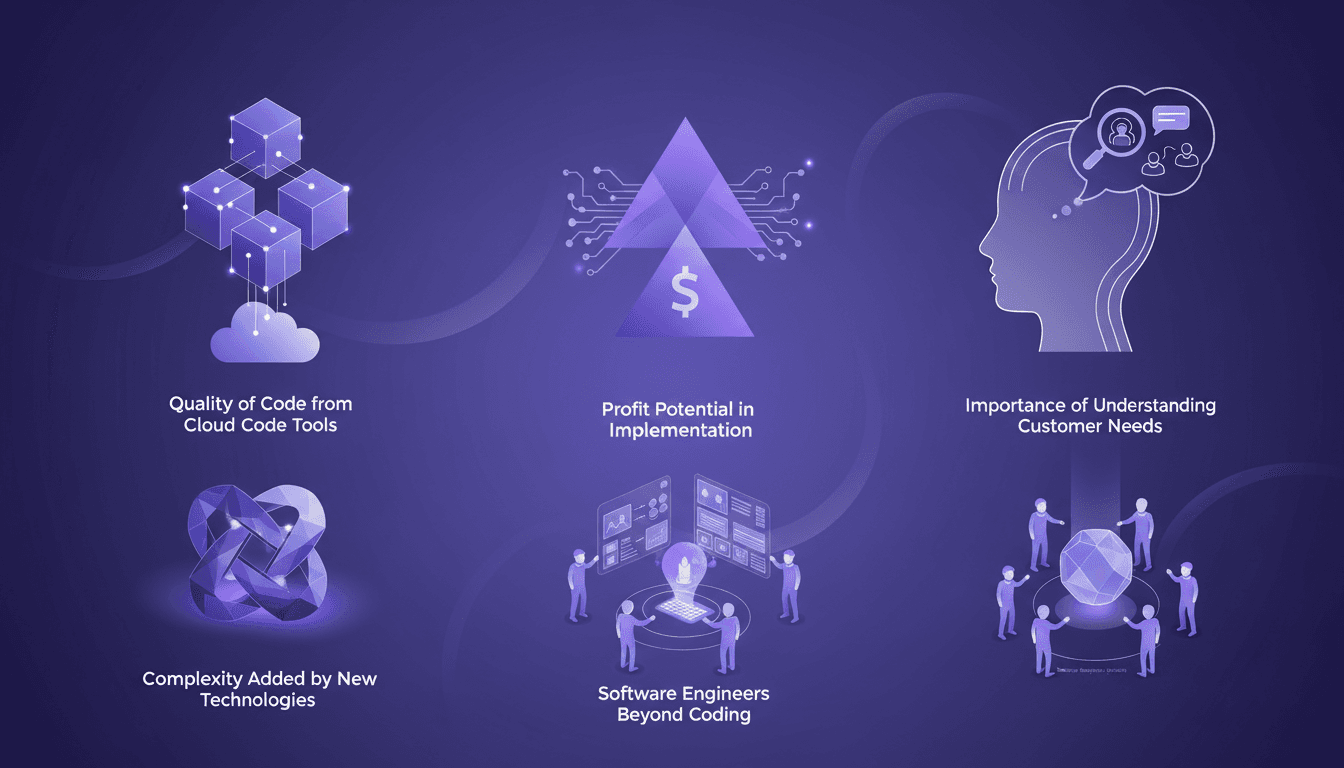
I remember the first time I realized writing code was just a fraction of my job. I was knee-deep in Cloud Code tools, thinking I was optimizing everything perfectly, but in reality, I was merely scratching the surface. The real game-changer? Understanding the bigger picture. In today's world, where technology evolves at a lightning pace, a software engineer must wear multiple hats. It's not just about the code—it's about leveraging the right tools, understanding business needs, and driving profits. For months, I got burned thinking that my code quality was all that mattered. But in reality, the complexity added by new technologies demands a more holistic approach. We're talking about profit potential in tech implementation, the crucial importance of understanding customer needs. Ultimately, our role extends far beyond just coding.
Quality of Code from Cloud Code Tools
Cloud Code tools are supposed to streamline our coding process, but watch out, automated doesn't mean perfect. I remember the first time I integrated these tools into my workflow. I was thrilled at the prospect of saving time, but soon I noticed a dip in the quality of the generated code. Often, the code I received was subpar, requiring time to review and refactor. It's like getting a gift wrapped in brown paper—it's there, but it needs reworking.

I've learned never to rely entirely on what is automatically generated. The trick here is to regularly review and refactor the code to maintain high standards. It's a delicate balance between speed and depth of understanding. Tools shouldn't make us complacent. Always keep a critical eye!
- Never rely entirely on automatically generated code.
- Regular review and refactoring are essential.
- Balance speed and deep understanding.
Navigating Complexity with New Technologies
One might think new technologies simplify life, but often it's the opposite. Each new wave of technology adds a layer of complexity. Before committing to a new tool, I ask: does it really solve my problem, or is it just hype? I've learned to pilot these technologies in a controlled environment to assess their impact. Sometimes, a reliable tool that's already in place can prove more efficient than chasing novelties.
Sometimes, sticking with a tried-and-true tool saves more time and avoids unnecessary headaches.
- Assess if new technology truly solves the problem.
- Pilot new technologies in a controlled environment.
- Watch out for integration issues.
Profit Potential in Technology Implementation
Technology isn't just a cost; it can be a real profit driver. When choosing technologies, it’s crucial to align them with business goals to maximize return on investment (ROI). I take the time to analyze the cost-benefit of implementing new tools: is the time saved worth the cost incurred?
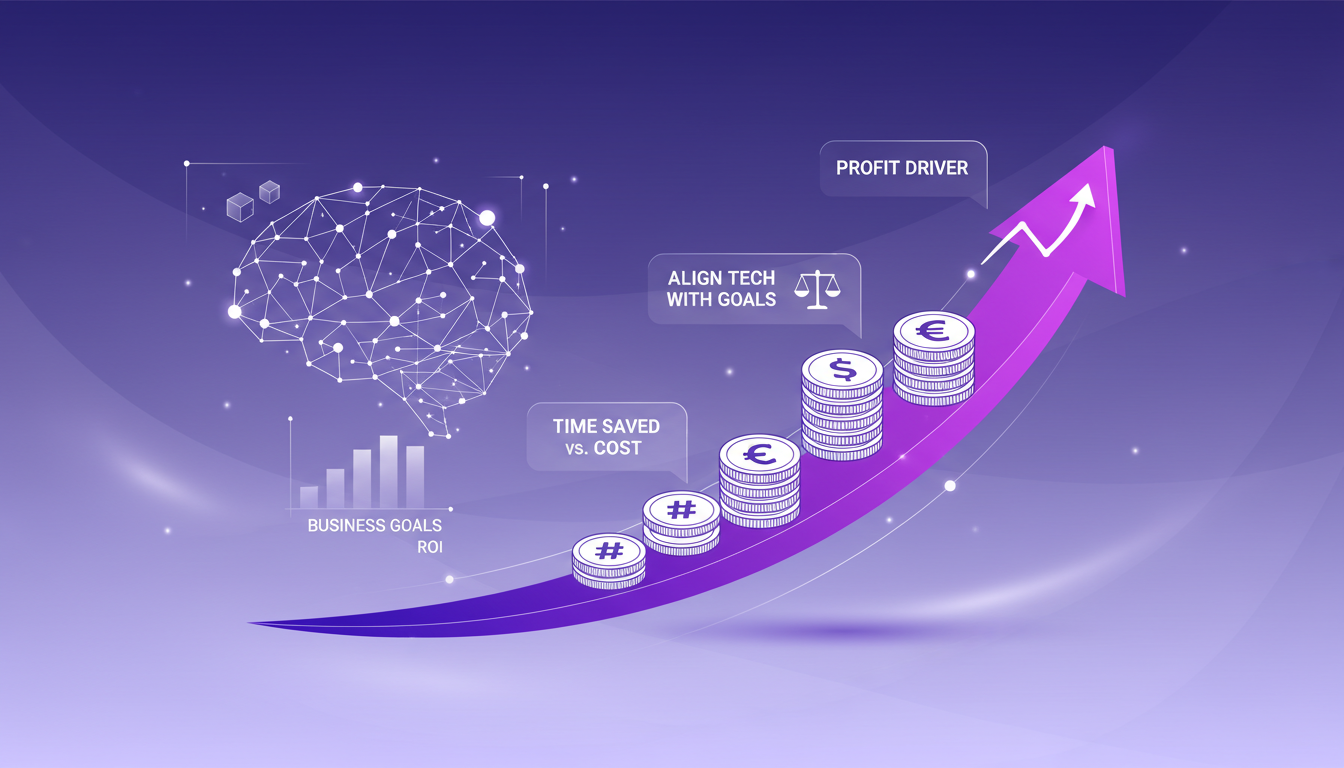
Beware of over-investing in technology without clear business benefits. Using metrics to track the financial impact of tech decisions is essential.
- Align tech choices with business goals.
- Analyze the cost-benefit of new implementations.
- Use metrics to track financial impact.
Understanding Customer Needs: The Key to Success
Understanding customer needs is crucial. That's where the development of truly useful software begins. I start by engaging directly with users to gather feedback and insights. Then, I translate this feedback into actionable development goals. But there's always a trade-off between customer requests and technical feasibility.
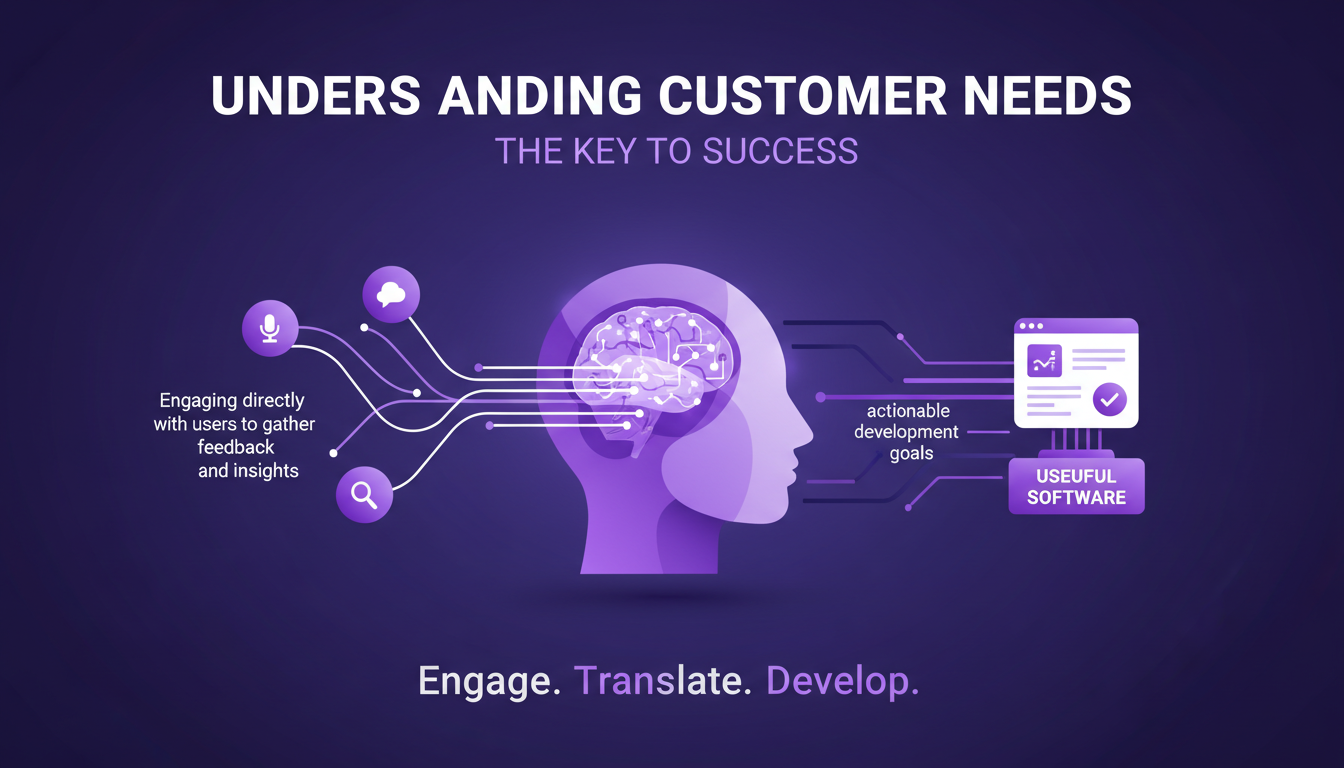
Customer feedback loops are an effective method for refining and prioritizing features.
- Direct engagement with users to gather feedback.
- Translate feedback into development goals.
- Balance customer requests and technical feasibility.
The Role of Software Engineers Beyond Coding
Coding is only 20% of the job. As a software engineer, I'm also a problem solver and a strategist. I position myself as a bridge between technical and business teams. Understanding the business model and customer journey is essential for offering solutions that truly make a difference.
Developing non-technical skills, like communication, can greatly amplify your impact.
- Position yourself as a bridge between tech and business.
- Understand the business model and customer journey.
- Develop non-technical skills to improve communication.
Diving into today’s tech landscape, I realized being a software engineer is so much more than just coding. Here are some key points I took away:
- Leveraging cloud tools: Code quality is crucial, but cloud tools can be a real game changer when used smartly.
- Complexity of new technologies: Each new technology brings its complexity. Choose wisely to avoid being overwhelmed.
- Profit potential: Every tech implementation should aim for a clear profit goal. Keep that in sight.
- Understanding customer needs: This isn’t optional. Always align your work with user experience and business goals. Looking ahead, I see a world where integrating these practices into our daily routines could truly transform our business impact. Ready to step beyond the code? Start integrating these practices into your workflow and watch the impact unfold. To dive deeper into this topic, I highly recommend watching the original video. It offers invaluable insights and will likely resonate with your own experiences.
Frequently Asked Questions

Thibault Le Balier
Co-fondateur & CTO
Coming from the tech startup ecosystem, Thibault has developed expertise in AI solution architecture that he now puts at the service of large companies (Atos, BNP Paribas, beta.gouv). He works on two axes: mastering AI deployments (local LLMs, MCP security) and optimizing inference costs (offloading, compression, token management).
Related Articles
Discover more articles on similar topics
Planning and Reviewing: Software Engineering Revolution
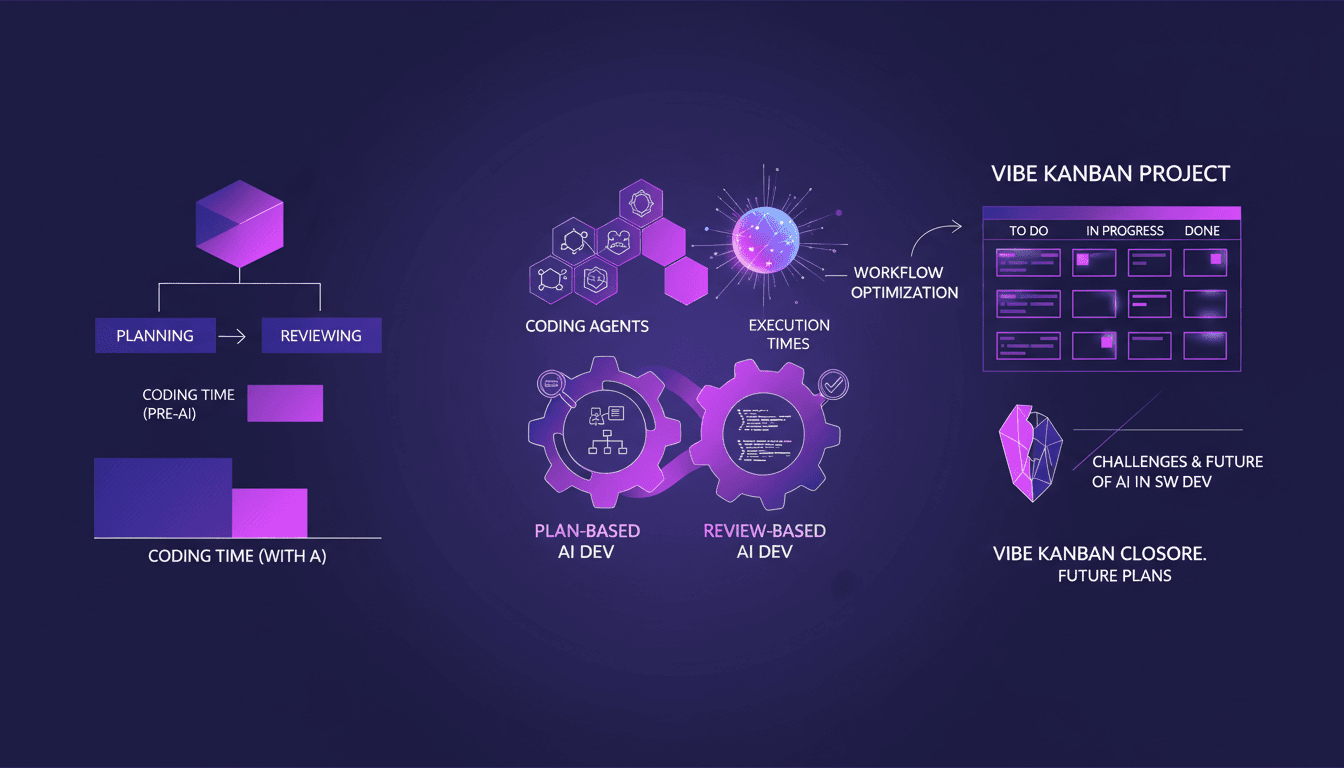
I remember when coding meant diving headfirst into lines of code for hours. But now, with AI tools, it’s all about planning and reviewing. Let me take you through this seismic shift and how Vibe Kanban played a pivotal role in optimizing our workflows. Software engineering is transforming, and I've witnessed it firsthand. We're moving from hands-on coding to strategic planning, backed by tools that save us hours. With Vibe Kanban, I learned to orchestrate planning that saves us 20 minutes for every half an hour of coding. This isn't just theoretical—it’s a real change I experience daily.
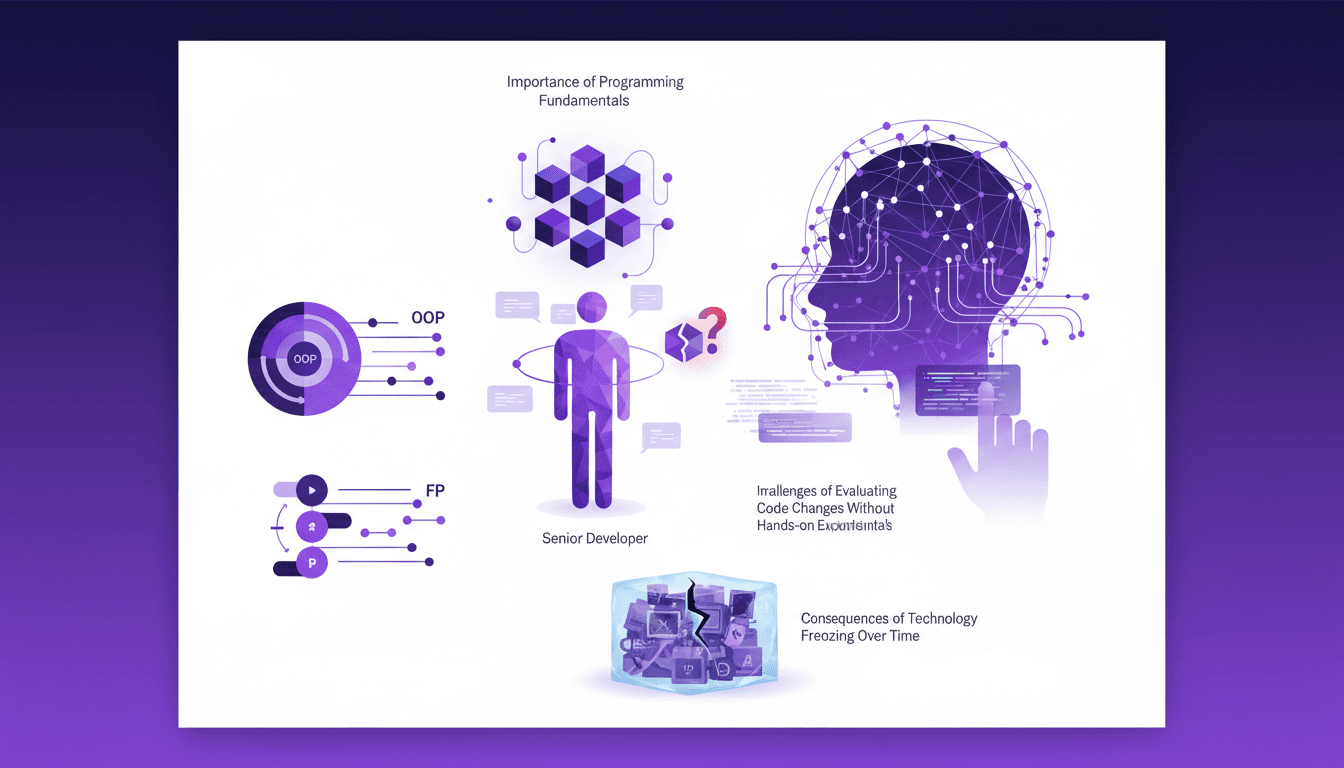
Programming Fundamentals: Why They Matter
I remember the first time I had to debug without understanding the basics. It was like navigating a maze blindfolded. Trust me, skipping the fundamentals is a shortcut to nowhere. In our rush to build and deploy, we often overlook the importance of programming basics. But here's the kicker: even the most advanced tools and models can't save you from the pitfalls of poor coding practices. Whether you're a seasoned developer or just starting out, understanding the importance of fundamentals is crucial. I dive into how large language models are influencing our practices and why hands-on experience remains indispensable. Stick with me to see why, in ten or twenty years, the foundations you lay today will still matter.
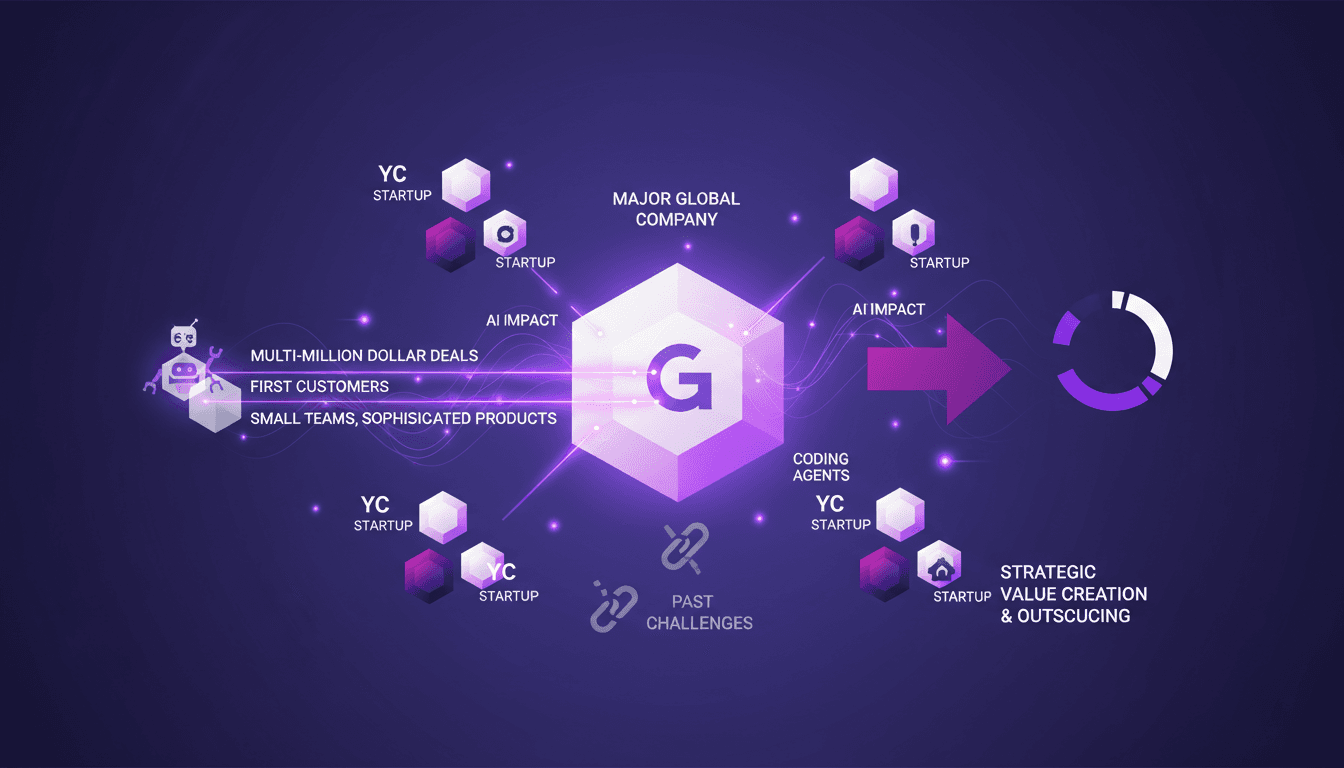
Selling to Giants: Strategies from YC Startups
I remember the first time my tiny startup landed a deal with a Fortune 10 company. It felt like David versus Goliath, but with AI as our slingshot. In this article, I share how startups, especially those backed by YC, are thriving in markets dominated by giants. With AI reshaping the playing field, even small teams can deliver powerful solutions to the largest companies. But watch out, this journey is fraught with challenges and demands strategic navigation. We'll explore how multi-million dollar deals are forged, the impact of AI on product development, and how large companies are receptive to startup innovation.
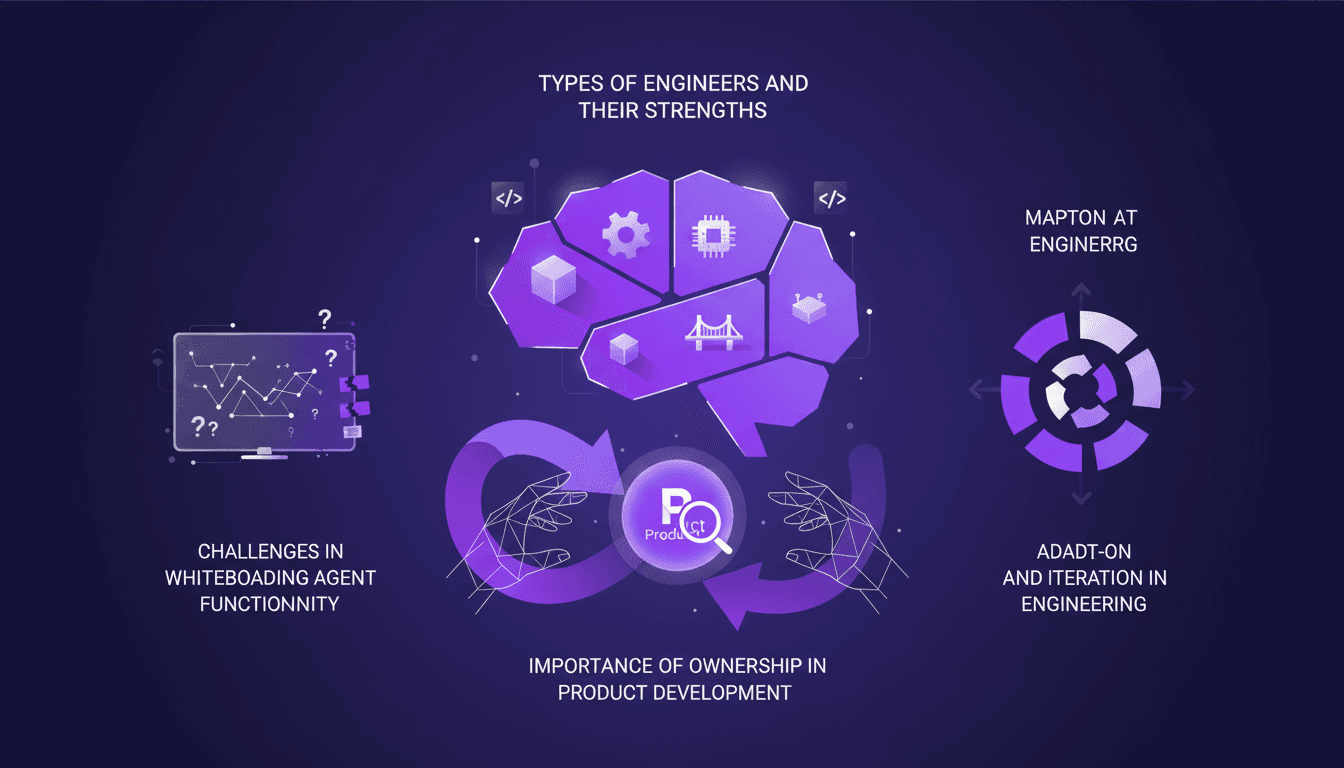
Mastering Product Engineering: Key Strategies
I still remember the first time I had to whiteboard an agent's functionality—super hard, not gonna lie. But that's where the magic of engineering happens: adapting, iterating, and owning the process end-to-end. At Lambs, we distinguish between large-scale system engineers and product engineers. Today, let's dive into the world of product engineers and see why their full ownership is a game changer. We'll discuss the two types of engineers, the challenges of whiteboarding, and the importance of adaptation and iteration in engineering.
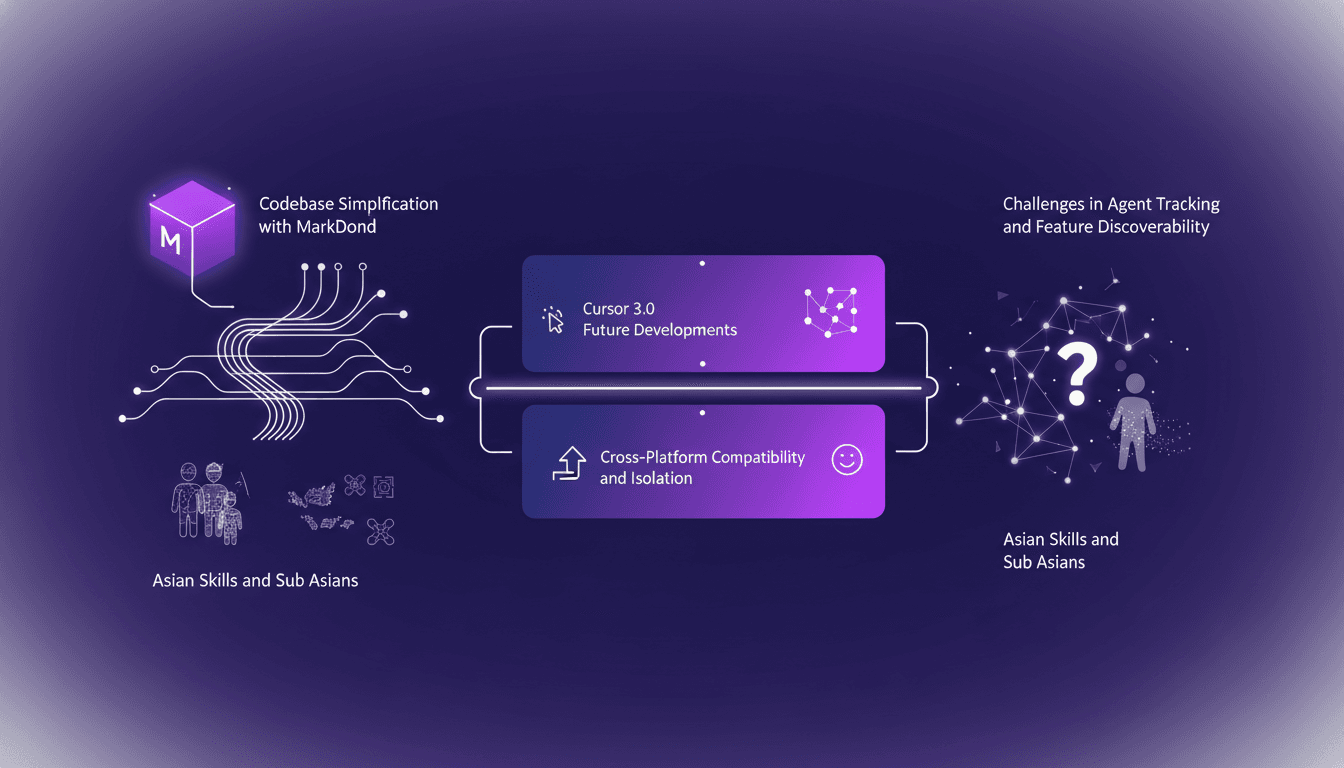
Code Simplification: 12K to 200 LoC with Markdown
I was staring at a 12,000 line codebase, knowing there had to be a better way. That's when I decided to strip it down to just 200 lines using Markdown. This wasn't just a cleanup—it was a revelation. In software development, efficiency isn't just a goal—it's a necessity. By leveraging tools like Git Word Trees and embracing cross-platform strategies, we can dramatically simplify our codebases while enhancing functionality. In this talk, I delve into how I implemented Asian Skills and Sub Asians, optimized cross-platform compatibility, and tackled challenges in agent tracking and feature discoverability. Discover how Cursor 3.0 is pushing boundaries and setting the stage for the future of development.