How Razorpay Became India's Payment Giant
I remember the first time I heard about Razorpay. It was the winter of 2015, and they were just another startup in Y Combinator, barely making waves. Fast forward a few years, and they've become India's largest payment company. How did they pull it off? Razorpay's story isn't just about growth—it's about navigating the complex world of fintech, leveraging customer insights, and building trust in a highly competitive industry. Let me take you through their journey, the challenges they faced, and the strategies that transformed them into a payment powerhouse.
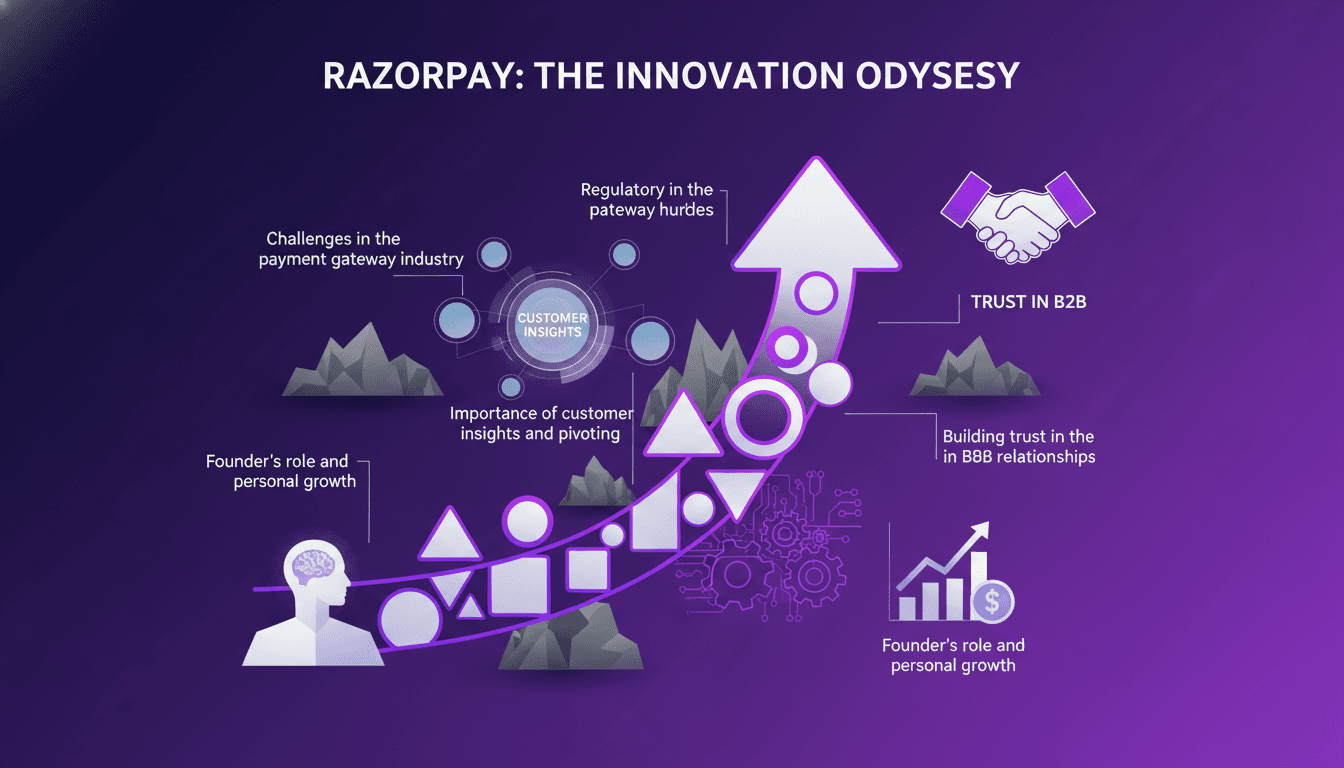
I remember the winter of 2015 when Razorpay was just another project in Y Combinator, barely making any transactions. Fast forward to today, and they've become India's largest payment company. How did they manage that feat? As a practitioner, I've seen firsthand the impact of their forward-thinking approach. First, they navigated the regulatory maze of Indian fintech—a challenge when approvals can take a year. Then, they leveraged customer insights to pivot and refine their services. The stakes were high, but they also understood how AI could transform operations in terms of capital and efficiency. And let's not forget the trust they've built in B2B relationships—it's an art. All this, not to mention the crucial role of the founders who have grown alongside the company. I'm taking you through their fascinating journey, the hurdles they've overcome, and the strategies that turned them into an industry giant.
Razorpay's Journey: From YC to Market Leader
When I first delved into Razorpay's story, I was struck by their journey—a textbook case of perseverance and adaptation. Razorpay started with Y Combinator in 2015, marking a milestone as the first Indian company to receive investment from this prestigious program. However, they spent three months without a single live transaction. Imagine the anxiety. But that's just the beginning of their saga.

The founders focused on the core aspects of the company—a mission that took ten years to fully realize. Why such a duration? Because their strategy relied on listening to customer needs and pivoting when necessary. The Unified Payments Interface (UPI) was a real game changer, making transactions seamless and straightforward. That's when Razorpay truly took off.
Tackling Payment Gateway Challenges
Building a robust payment gateway is like navigating a sea of regulations. It can take up to a year to get all necessary approvals. And let me tell you, it can be frustrating. But that's where perseverance pays off. At Razorpay, we understood that customer insights were key to pivoting effectively and staying ahead.
But watch out for digital payment fees that can add up quickly, like that infamous 1% extra charge customers had to pay.
- Regulatory hurdles can take up to a year.
- Customer insights guide strategic pivots.
- Watch out for digital payment fees.
Leveraging AI for Business Operations
AI has transformed our operations, improving efficiency and reducing costs. At Razorpay, we used AI to better understand customer behavior and optimize our services. But there are limits to what AI can do. It's crucial to balance automation with human insight.

AI's impact on reducing fraud has been significant, but it's not foolproof. Sometimes, human intervention is needed to tackle complex issues. Learn more about optimizing networks for AI.
Capital Efficiency and Growth Strategies
At Razorpay, capital efficiency was key to our sustainable growth. We made strategic investments and carefully allocated resources to expand. Maintaining a lean operation is crucial for maximizing ROI. It's important to focus on long-term gains over short-term profits.
The founders learned to steer the company differently, emphasizing sustainability and long-term impact. It's a lesson I've integrated into my practice as well.
Building Trust in B2B Relationships
In the fintech sector, trust is paramount in B2B relationships. Razorpay built this trust through transparency and reliable service. The founders' personal growth mirrored the company's expansion, highlighting the importance of leadership development.

Balancing innovation with reliability was crucial to gaining client confidence. Even today, a simple phone call can reassure a B2B partner. Explore our practical approach to optimizing AI models.
Building a robust payment solution isn't just about technology; it's about strategy. With Razorpay, I’ve seen how strategic pivots can make you a leader in India by focusing on customer insights and operational efficiency. Here are some key takeaways I gathered:
- The importance of focusing on core aspects of the company, even if it takes time (10 years for them).
- Regulatory hurdles can be massive: it takes a year to get approval in the payments industry.
- Never underestimate the power of trust: 1 out of 100 customers willing to pay extra for security.
Looking ahead, I believe integrating technology like AI will continue to transform the fintech space. If you're aiming to build a solid payment solution, take a page from Razorpay’s playbook: focus on customer insights, embrace technology, and cultivate trust. I recommend watching the original video for deeper insights: YouTube link.
Frequently Asked Questions

Thibault Le Balier
Co-fondateur & CTO
Coming from the tech startup ecosystem, Thibault has developed expertise in AI solution architecture that he now puts at the service of large companies (Atos, BNP Paribas, beta.gouv). He works on two axes: mastering AI deployments (local LLMs, MCP security) and optimizing inference costs (offloading, compression, token management).
Related Articles
Discover more articles on similar topics
Optimizing Networks for AI: Challenges and Solutions
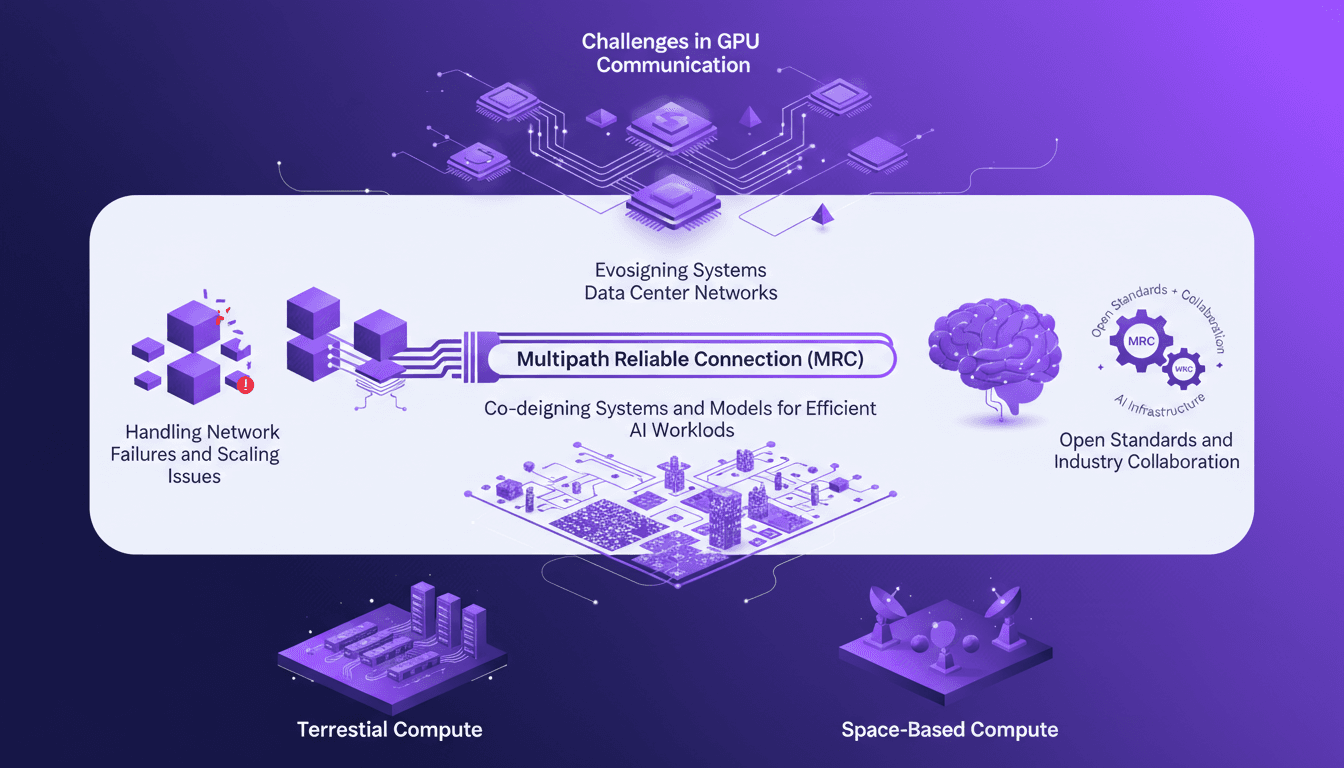
I've spent countless hours wrestling with the intricacies of AI model training, and it's crystal clear: our current network infrastructure is like trying to drive a Formula 1 car through city traffic. AI models need racetracks, not congestion. By diving into the challenges of GPU communication and the evolution of data center networks, I've realized AI demands a new kind of supercomputer network. We need to co-design systems and models for efficient AI workloads, handle network failures, and consider vertical integration. Let's explore how these elements can reshape our approach to data centers (and why open standards are crucial).
Flow App's Rapid Success: $120K in 24 Hours
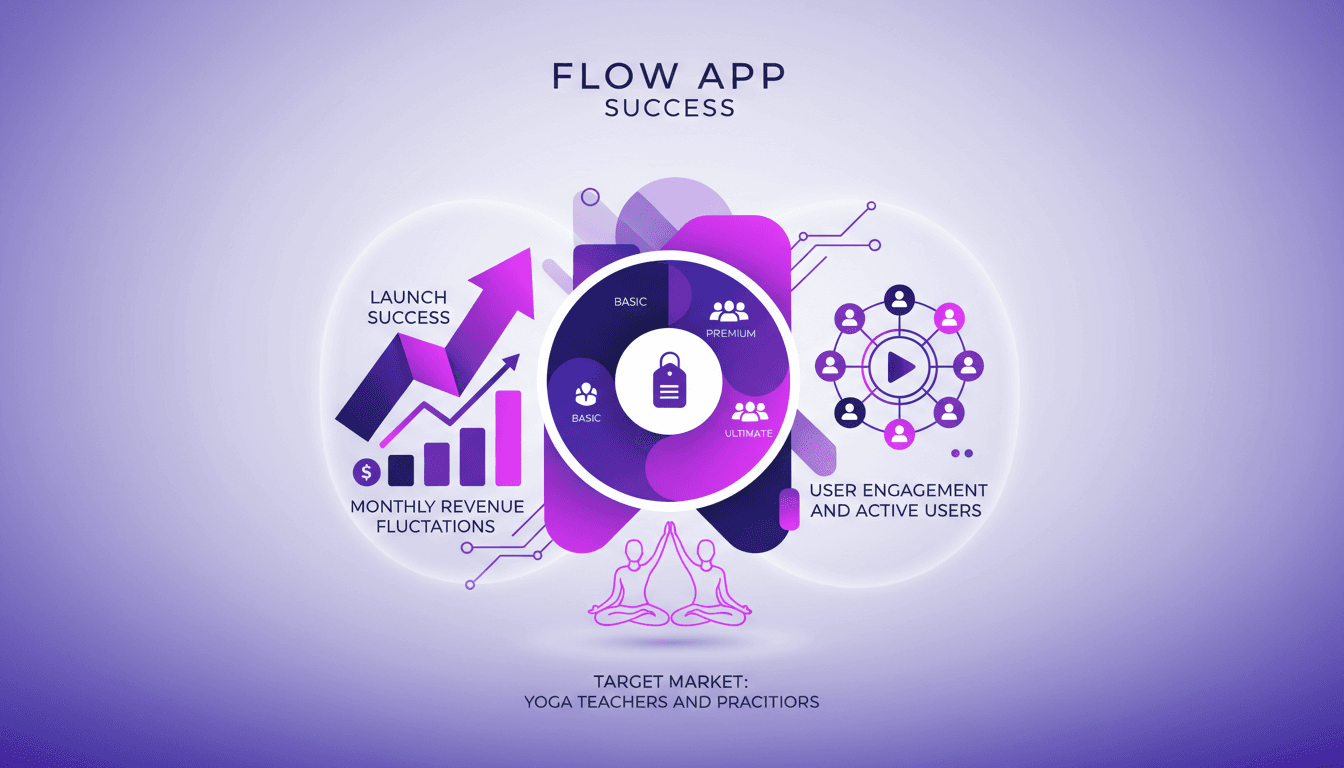
I launched Flow App and hit $120K in 24 hours. Sounds crazy, right? Trust me, it was a wild ride with plenty of bumps. We built this app for yoga teachers and practitioners, transforming their workflow with a subscription model. Here’s the full story: the launch strategy, the hiccups, the wins, and the lessons learned along the way. It was a rollercoaster (I definitely got burned a few times). But ultimately, the business impact was direct: engaged users, revenue ups and downs, and a clearly defined target market. No theory here, just concrete reality.

Boosting Conversion Rates with AI
I've been in the trenches of sales for years, and nothing stings more than seeing a pile of leads convert to dust. But here's the kicker: AI can turn that around if you know how to wield it. In this article, I'll walk you through leveraging AI to boost your conversion rates. We'll dive into real-world workflows, dodge common pitfalls, and see how AI can truly make a difference, especially in analyzing sales calls. Basically, if you want your stack of 100 leads to convert beyond just 15 closings, it's time to harness these AI tools.

Singing Training: Becoming Pro & Overcoming Doubts
I remember the first time I dreamed of standing on a big stage, the lights, the crowd, the music. It felt like a distant fantasy. Yet, after a decade of intense training and personal hurdles, I'm set to face an audience of 1000 people on May 22nd. Let me share how I overcame my doubts, secured financial support as an artist, and kept that Grammy dream alive. My journey hasn't been a smooth ride, but it's taught me to orchestrate my own successes and navigate the choppy waters of the music industry. Stick around to see what's in store on that stage.
Optimizing AI Models: Our Practical Approach
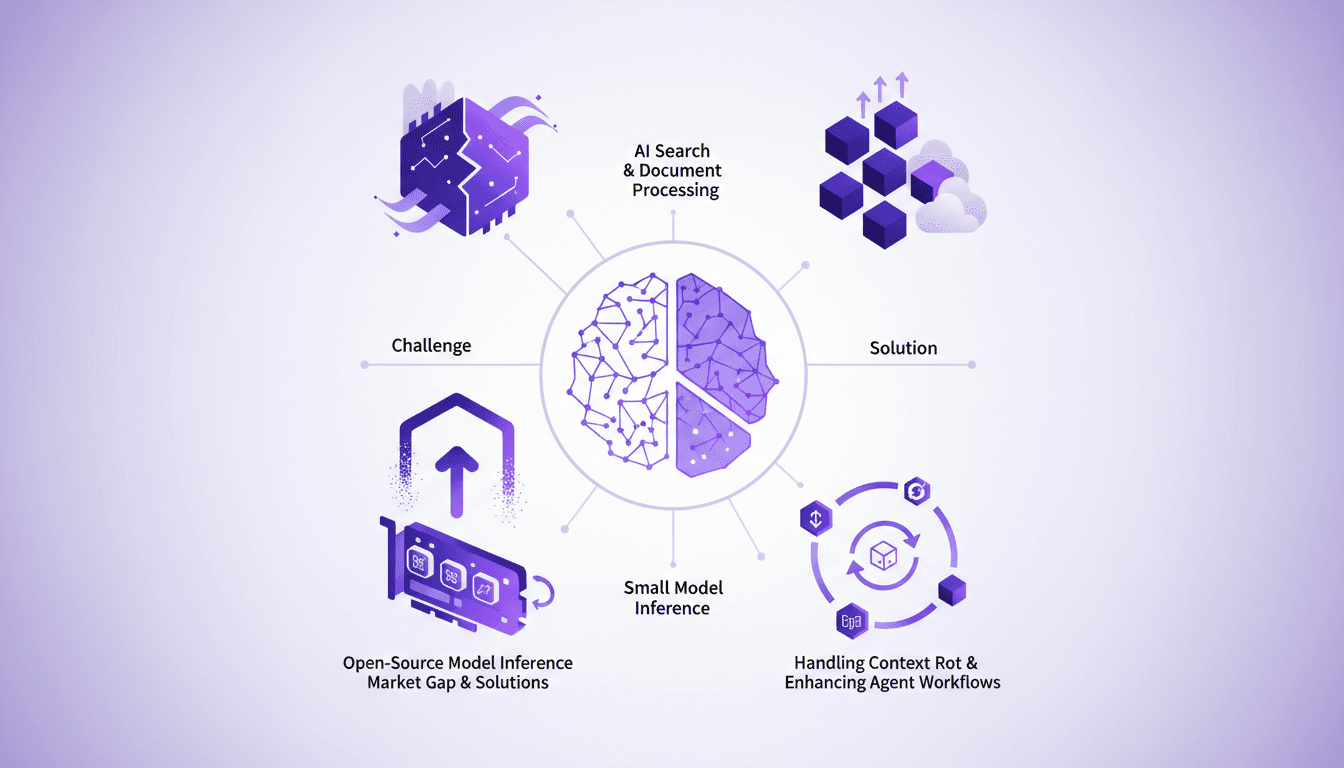
I saw a gap in the market for small model inference, so I decided to build the infrastructure myself. With over 3 million models on Hugging Face, the lack of effective infrastructure was glaring. Why is this important? Because small models play a crucial role in AI search and document processing. And the challenges? There were plenty, but I tackled them head-on. From context rot to optimizing agent workflows, each step was a learning curve. I orchestrated model swapping for efficient GPU usage while supporting various open-source architectures. In short, we filled a market gap with a robust, scalable solution.