Boosting Conversion Rates with AI
I've been in the trenches of sales for years, and nothing stings more than seeing a pile of leads convert to dust. But here's the kicker: AI can turn that around if you know how to wield it. In this article, I'll walk you through leveraging AI to boost your conversion rates. We'll dive into real-world workflows, dodge common pitfalls, and see how AI can truly make a difference, especially in analyzing sales calls. Basically, if you want your stack of 100 leads to convert beyond just 15 closings, it's time to harness these AI tools.
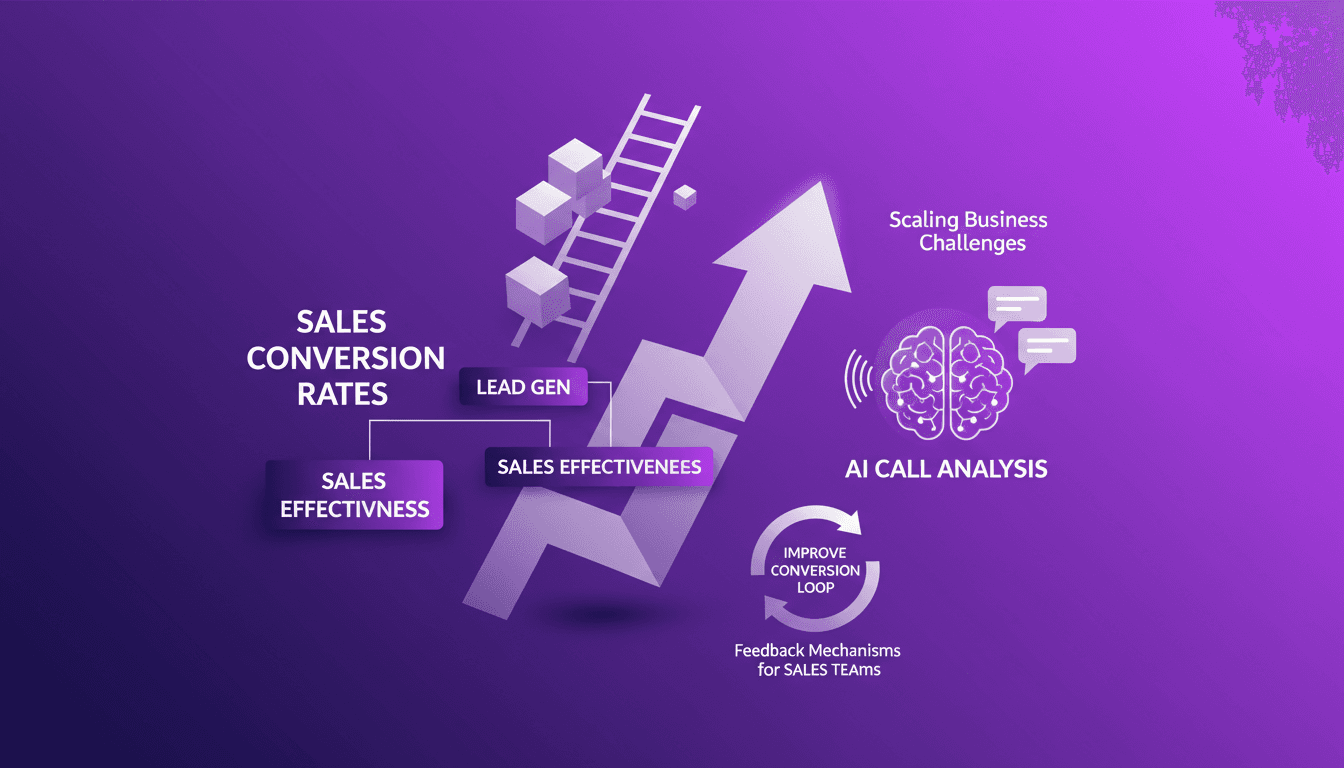
I've been in the trenches of sales for years, and let me tell you, nothing stings more than seeing a pile of leads convert to dust. You've got 100 leads, and if you're lucky, you close 15. But here's the kicker: AI can turn that around if you know how to wield it. In this piece, I'll walk you through leveraging AI to boost your sales conversion rates. We're diving into the nitty-gritty, from real-world workflows to scaling challenges, showing you how AI can really make a difference. Watch out for pitfalls: AI in sales call analysis, for instance, can be a game changer, but there are limits to watch. If you're looking to sustainably grow your business and want that stack of 300 leads to be more than just a mirage, then stick with me.
Understanding Sales Conversion Rates
When we talk about sales conversion rates, we're referring to the percentage of leads that turn into paying customers. This is a critical metric for business performance, and it's essential for us, the hands-on practitioners, to understand and optimize it. A low conversion rate can be a real bottleneck when scaling a business. Imagine having a lead-generating machine, but only a few turn into sales. It's like having a fast car with a leaking fuel tank—you won't get far.
Tracking conversion rates: Personally, I keep an eye on my conversion rates through analytics tools integrated into my CRM. This helps me see where the process jams. But watch out, it's easy to misinterpret these figures. For instance, a 15% conversion rate on 100 leads might seem low, but if you don't consider the quality of leads, you're missing the point. It's a common mistake I've seen many colleagues make.
"Having a high number of leads does not solve the issue if the conversion rate is low."
Scaling Challenges: The Lead Generation Trap
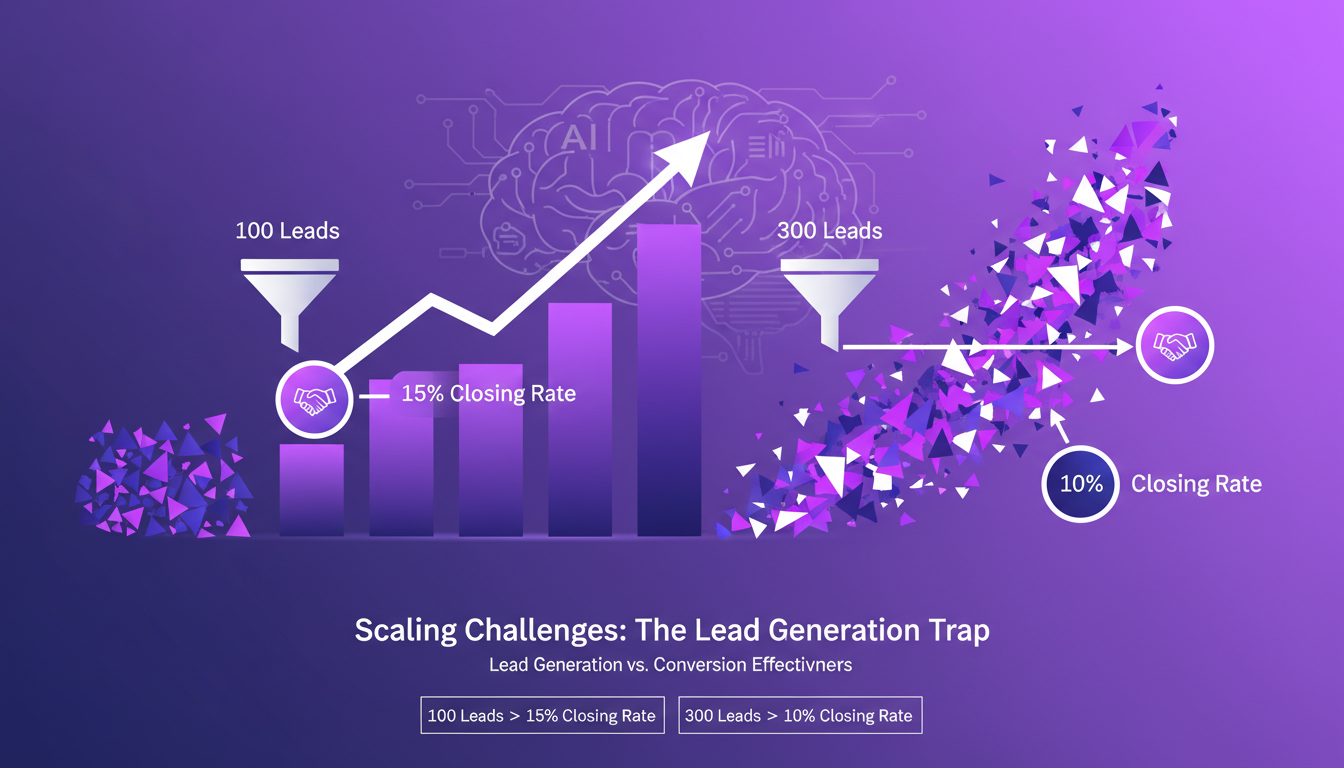
In my experience, one of the biggest traps when scaling is focusing solely on lead generation. We often think more leads mean more sales. But no, not always. In a recent project, I compared two periods: with 100 leads, I had a closing rate of 15%, but when scaling to 300 leads, the rate dropped to 10%. We just amplified an existing problem.
Trade-offs between quantity and quality: Balancing the quantity and quality of leads is delicate. I've learned that AI in real estate can help target the right prospects, but it requires a well-defined strategy.
AI's Role in Sales Call Analysis
Integrating artificial intelligence into sales call analysis has been a real game changer for me. With tools like Gong or Chorus, I automated the review of every call, thus providing instant feedback for my sales teams. This means each salesperson can improve their performance almost in real-time.
But watch out, AI heavily relies on the quality of input data. Without accurate and relevant data, the results can be misleading. That's why I ensure our systems are constantly updated and cleaned.
Improving Sales Conversion Rates with AI
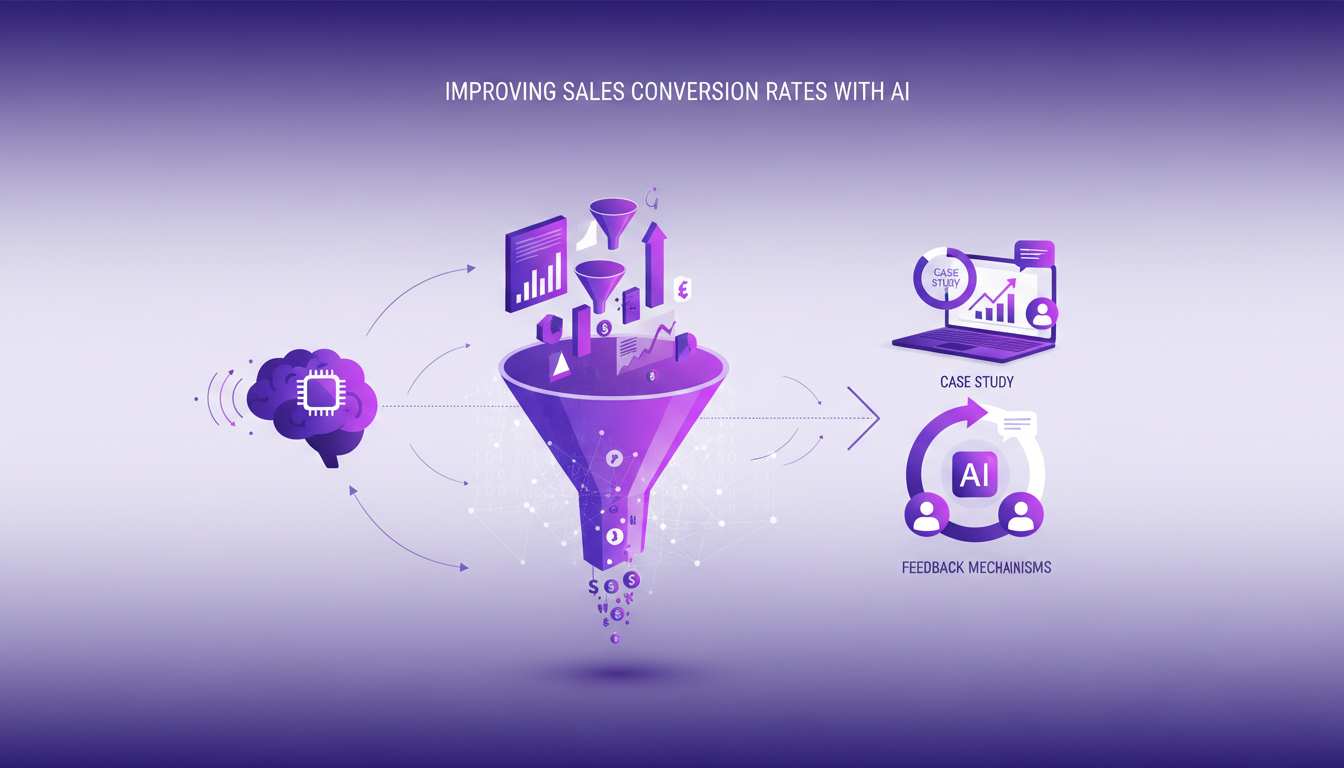
To boost conversion rates, AI offers practical solutions. In one of my campaigns, I used AI to analyze sales conversations, and introduced an automated feedback system that improved sales performance by 20% in just three months. This not only reduced time spent on training but also saved on training costs.
Sales teams can receive real-time suggestions on how to improve their pitch. This creates a continuous feedback loop which is essential for continuous improvement. AI is not just a tool, it's a strategic partner in our quest for efficiency.
Sustainable Business Growth Through AI
Achieving sustainable growth through AI is not only possible but essential. My strategic approach relies on a continuous improvement cycle, where AI plays a central role in identifying opportunities and optimizing processes.
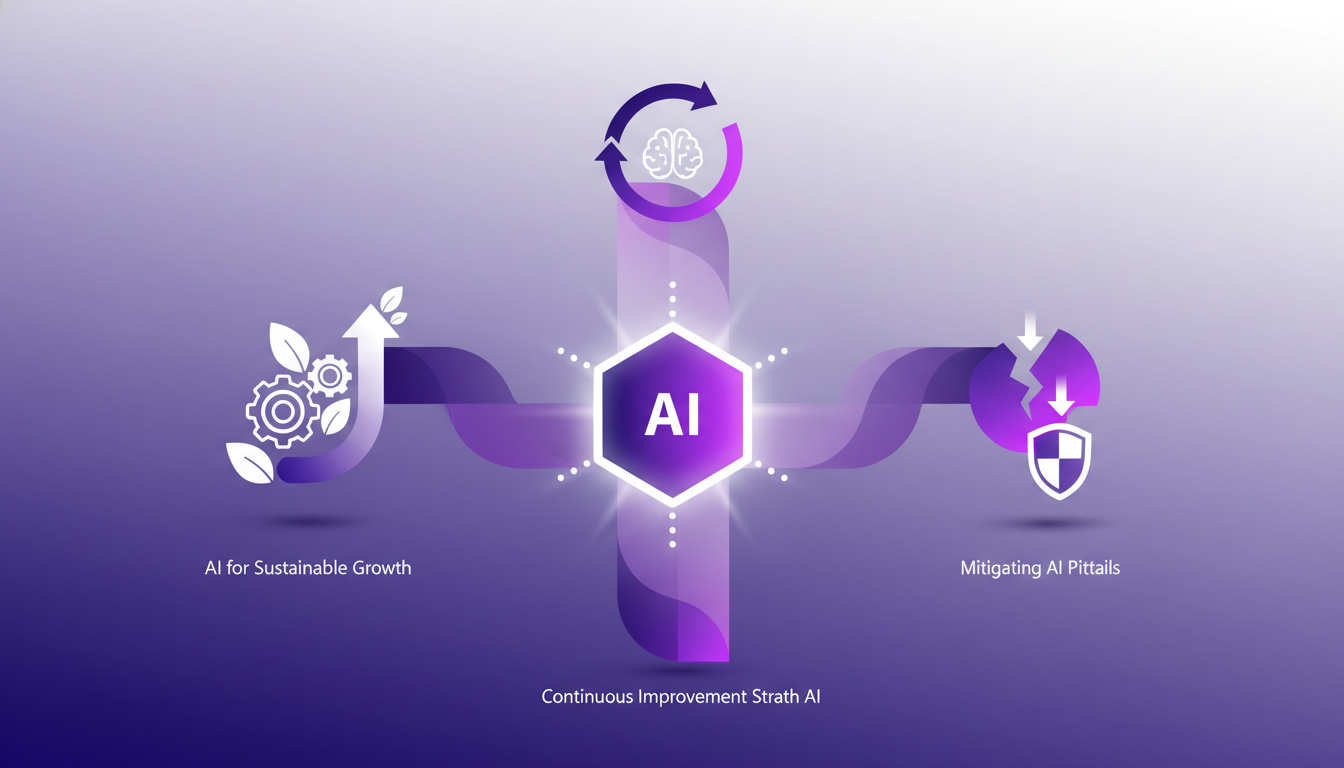
However, it's crucial not to fall into common pitfalls: excessive reliance on automation can dehumanize the customer experience. That's why it's important to maintain a balance and ensure AI enhances, rather than replaces, human interaction.
In conclusion, I encourage you to embrace AI in your sales efforts. It can transform your operations and set you on the path to sustainable growth. To learn more about how AI can impact your business, check out AI's impact on open source.
Integrating AI into your sales process isn't just a trend—it's a game changer. But like any tool, it needs to be used wisely. Here's what I've learned from the field:
- Start small and iterate: You don't jump from a 15% closing rate to 30% without some adjustments.
- Analyze your sales calls: AI can give you valuable insights, but don't forget the human touch in the equation.
- Generate and qualify your leads: A hundred leads can become three hundred, but watch out for losing effectiveness. The potential is immense, but don't overlook scaling challenges. We've all made mistakes, so better to take it step by step. Ready to transform your sales strategy with AI? Dive in and start experimenting today. For a deeper understanding, watch the original video. It's like chatting with a colleague who knows the same challenges you face.
Frequently Asked Questions

Thibault Le Balier
Co-fondateur & CTO
Coming from the tech startup ecosystem, Thibault has developed expertise in AI solution architecture that he now puts at the service of large companies (Atos, BNP Paribas, beta.gouv). He works on two axes: mastering AI deployments (local LLMs, MCP security) and optimizing inference costs (offloading, compression, token management).
Related Articles
Discover more articles on similar topics
AI in Real Estate: Buyer Preferences
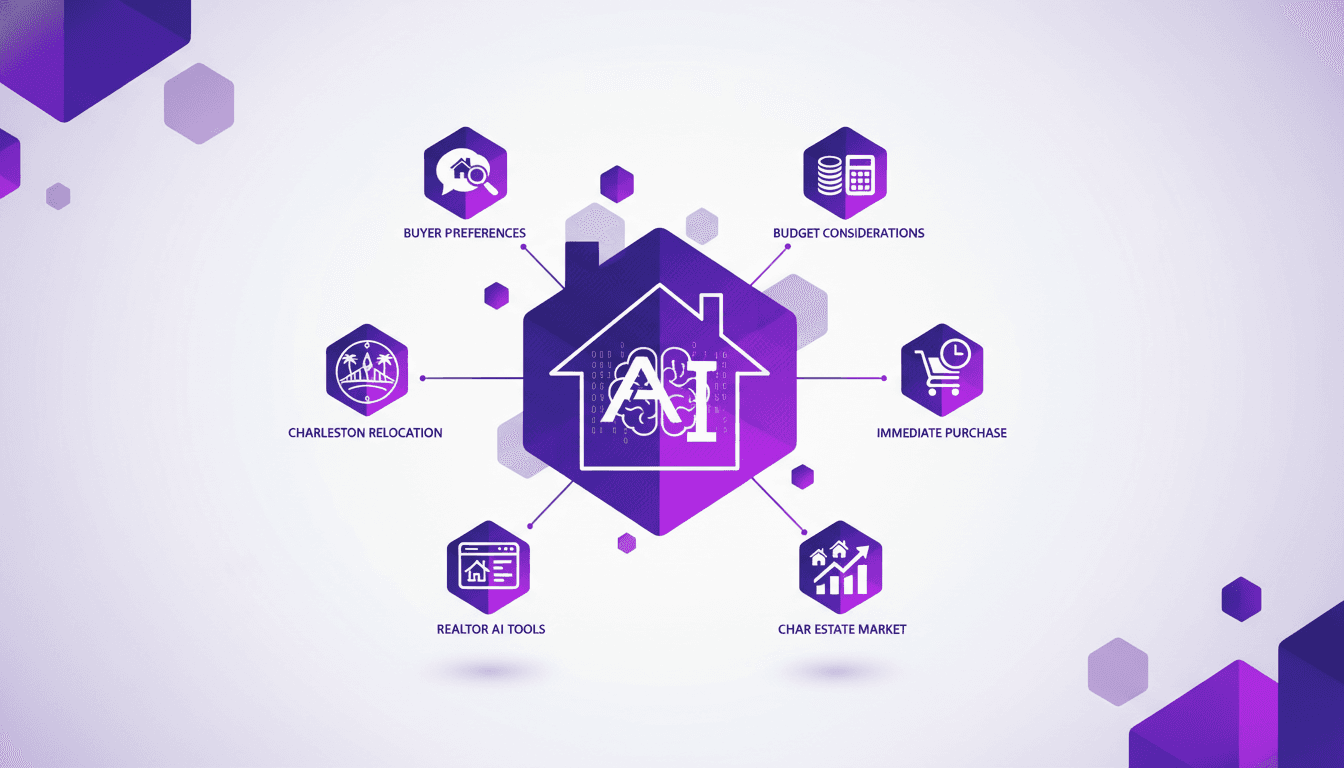
I remember the first time I saw AI tools transform real estate lead management. It was like flipping a switch on efficiency; suddenly, hours of work streamlined into minutes. In Charleston, a booming market, these tools help agents better align buyer preferences with market realities. Let's discuss buyer preferences and how innovative tools like these are reshaping lead management. Picture this: four bedrooms for under $500,000. That's the sort of concrete shift we're talking about. Don't let the competition outpace you, let's dive into this game-changer together.
AI's Impact on Open Source: Opportunities
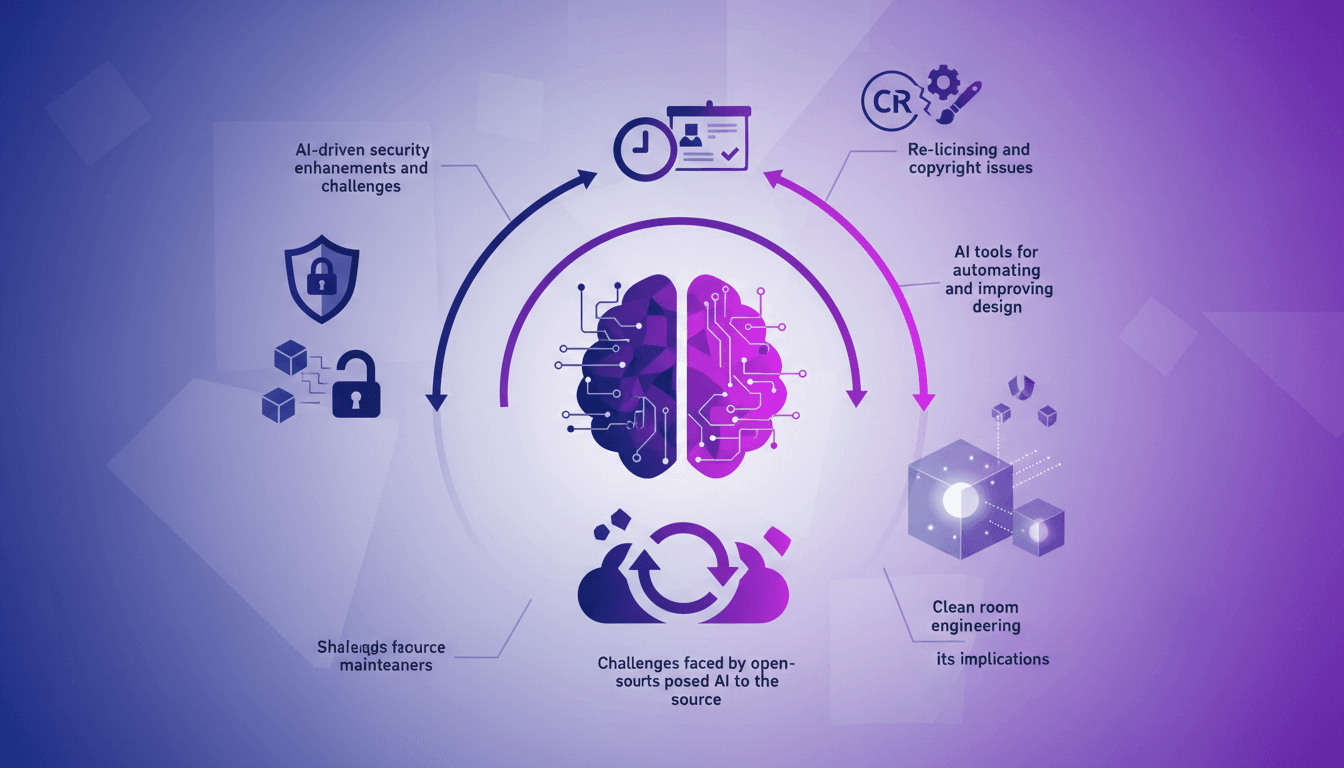
I remember the first time I integrated AI into my open-source project. It was a game changer, but not without its challenges. AI is reshaping the open-source landscape, enhancing security but also threatening traditional business models. Let's discuss the implications of this transformation – from AI tools boosting productivity to re-licensing and copyright issues. Open-source maintainers are facing unprecedented challenges, not to mention threats to existing business models. How is your open-source project adapting to this new era?

Ralph Loops: Building Simple, Effective AI
I remember the first time I built a Ralph Loop. It was like finding a missing puzzle piece in AI-driven development. Not just theory, but a real workflow that changed how I orchestrate tasks. These loops streamline automation using AI models like GPT 5.8, offering a practical, no-nonsense approach. Imagine orchestrating tasks seamlessly while addressing the challenges and benefits of using AI in software development. In this article, I'll take you through Ralph Loops, their practical applications, and how they can truly transform your workflow. Let's dive into the limits, security and ethical considerations, and scaling these processes in team environments. Yes, the future of AI in automating complex workflows is already here. Ready to dive in?
AI's Socio-Economic Impact: What You Need to Know
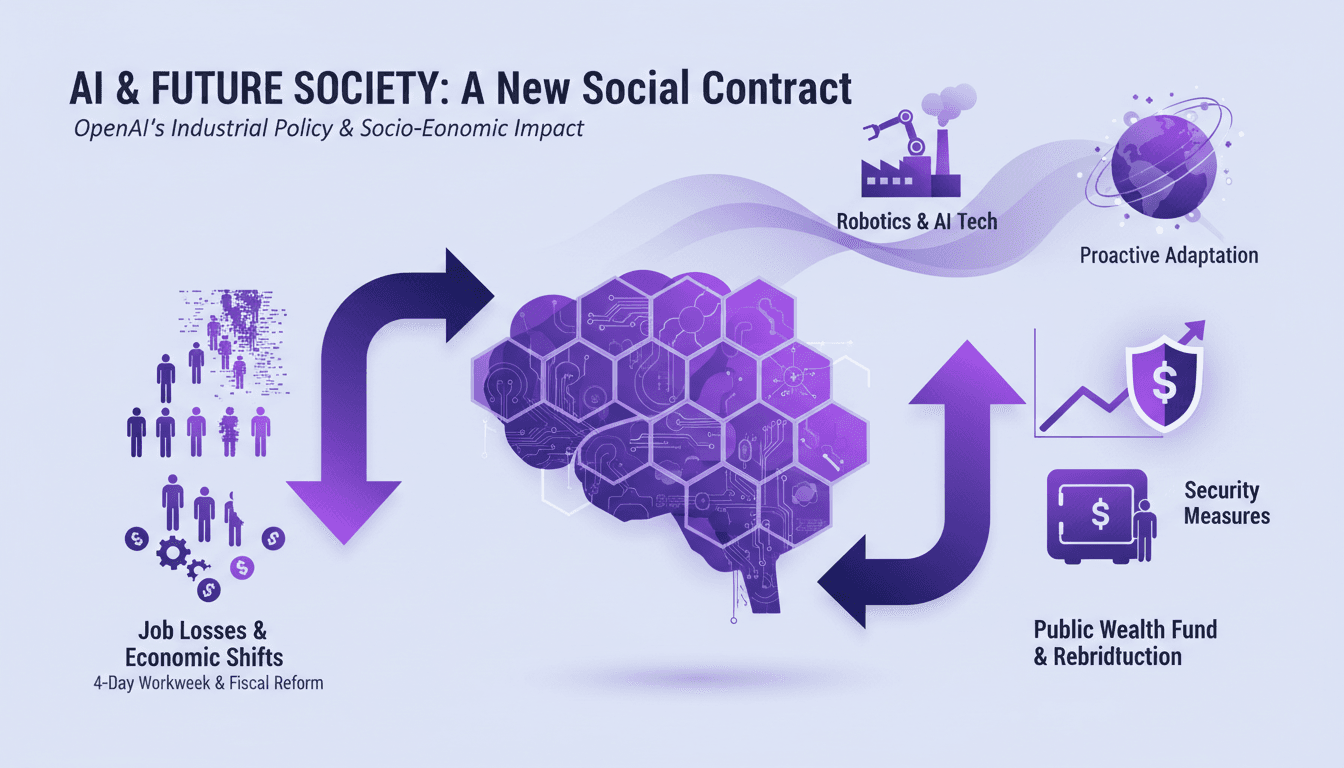
I've been in the trenches with AI, watching it reshape industries and redefine jobs. This isn't just theory—it's happening now. Let's dive into AI's socio-economic impact, especially LAGI. We're talking job losses, new workweek proposals, and even a public wealth fund to redistribute AI gains. If you're not adapting, you're already behind. Time is ticking—not in decades, but months before these changes become our reality. How do we gear up for this economic shift? We'll explore OpenAI's industrial policies and security measures for advanced models, alongside breakthroughs in robotics. Get ready for a candid discussion about the challenges and opportunities this tech brings.
AI Operating System: Streamlining Company Ops
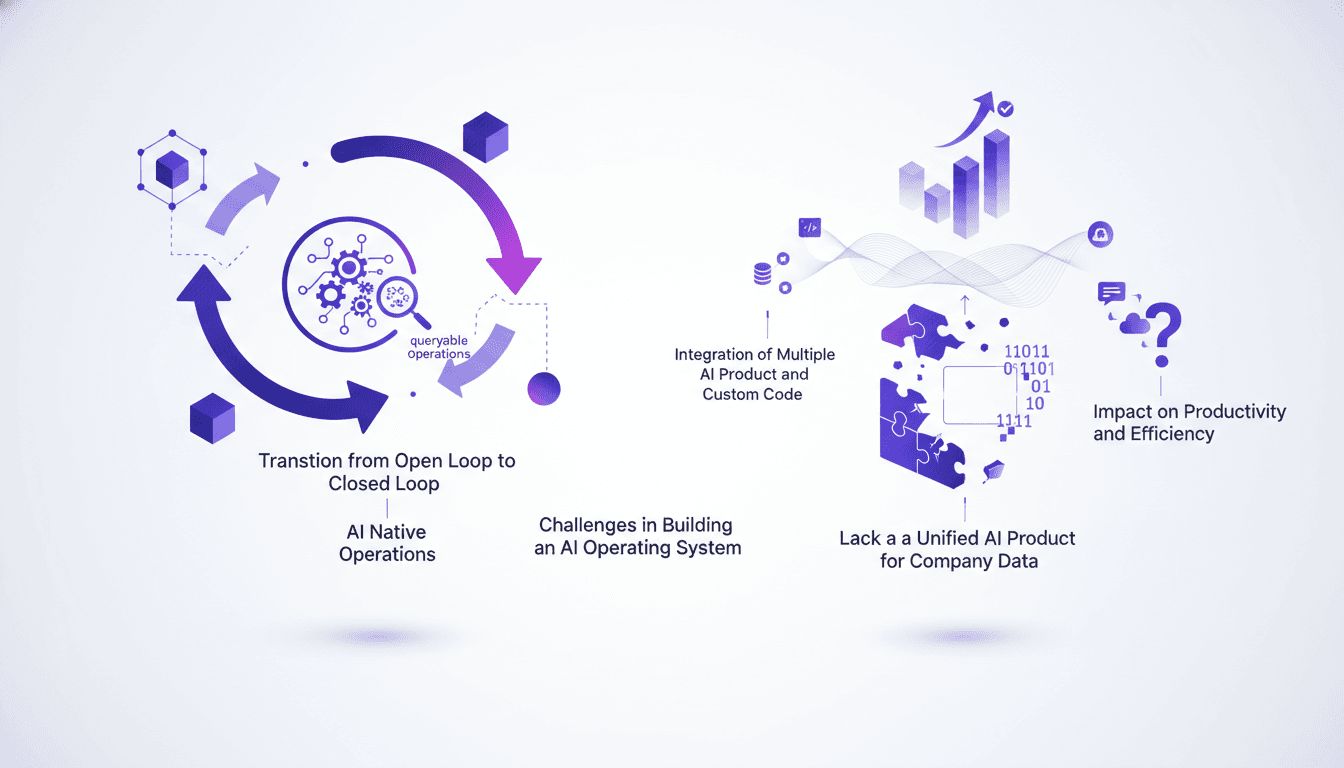
I clearly remember the first time I tried to make our operations fully queryable with AI. It felt like opening Pandora's box. But once I got a grip on the essentials, the transformation was undeniable. With AI becoming the backbone of modern companies, having an effective AI operating system is more critical than ever. The shift from open to closed loop systems has a massive impact on productivity. Imagine cutting your sprint time in half or increasing your shipping capacity tenfold. The challenge? Creating a connective AI layer that integrates multiple tools and custom code. That's where the real opportunity lies for an AI operating system to propel your company to new heights of efficiency.