AI Operating System: Streamlining Company Ops
I clearly remember the first time I tried to make our operations fully queryable with AI. It felt like opening Pandora's box. But once I got a grip on the essentials, the transformation was undeniable. With AI becoming the backbone of modern companies, having an effective AI operating system is more critical than ever. The shift from open to closed loop systems has a massive impact on productivity. Imagine cutting your sprint time in half or increasing your shipping capacity tenfold. The challenge? Creating a connective AI layer that integrates multiple tools and custom code. That's where the real opportunity lies for an AI operating system to propel your company to new heights of efficiency.
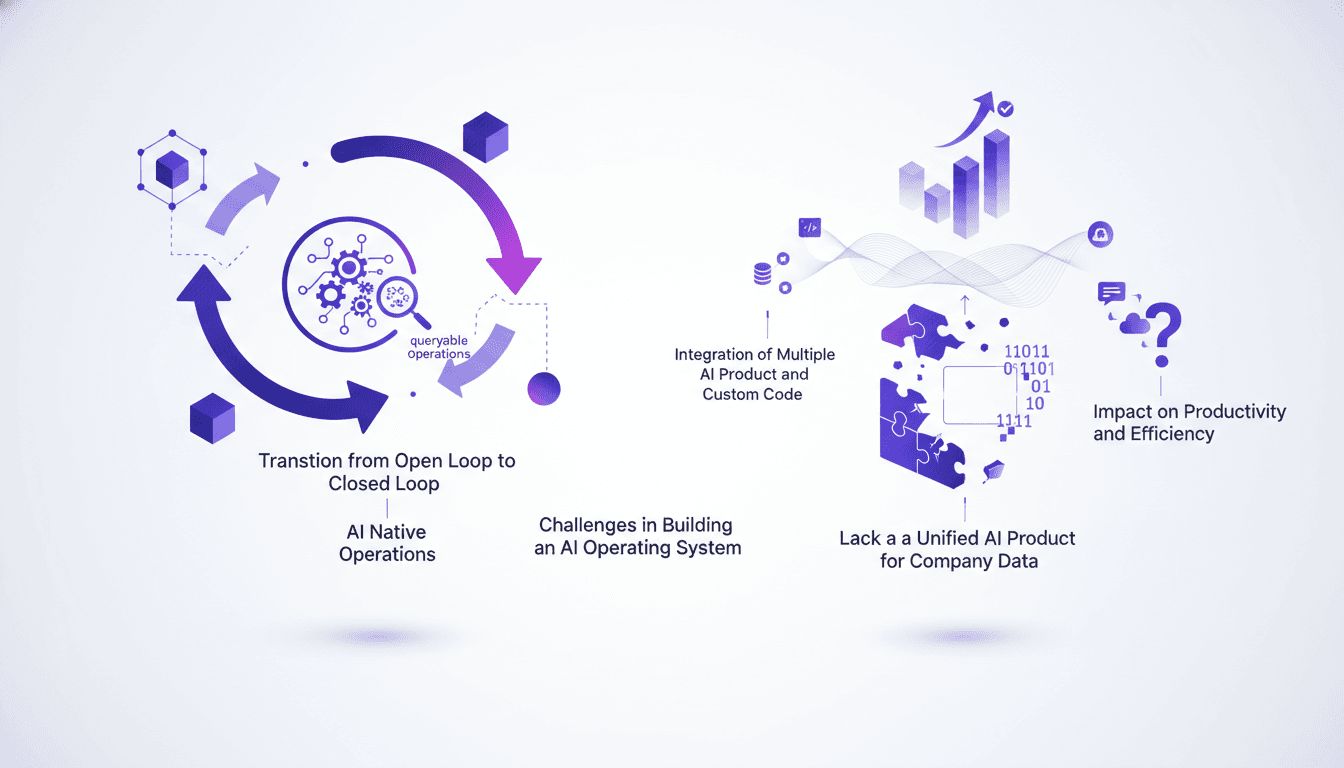
I remember the first time I tried to make our operations fully queryable using AI. It was like opening Pandora's box. But once I nailed down the essentials, the transformation was undeniable. With AI becoming the backbone of modern companies, having an effective AI operating system is more critical than ever. We're moving from open to closed loop systems, and the impact on productivity is massive. Imagine increasing your shipping capacity tenfold, or cutting your sprint time in half. That's the kind of transformation a well-designed AI operating system promises. Yet, challenges abound: there's a lack of a unified AI product for company data, and the opportunity lies in creating a connective AI layer that integrates multiple tools and custom code. In this talk, let's dive into how AI can turn your company into a powerhouse of efficiency.
Making Operations Queryable with AI
First, when I started integrating AI to make operations queryable, I didn't quite grasp the impact it would have. Having real-time data at your fingertips is like switching from an old paper map to an ultra-precise GPS. Every customer interaction recorded, every meeting logged, every ticket tracked, it all becomes a source of insight for the AI. This literally transforms your business from the inside out.
But watch out, there are many pitfalls. When I set up my first queryable systems, I often underestimated the challenge of integrating all these disparate data sources. The key is to start with small iterations, test, and adjust. The impact on decision-making is immediate: you can react in real-time instead of waiting until the end of the month to understand what's going right or wrong.
- Benefit: Real-time decision-making
- Watch out: Don't drown in data
From Open Loop to Closed Loop Systems
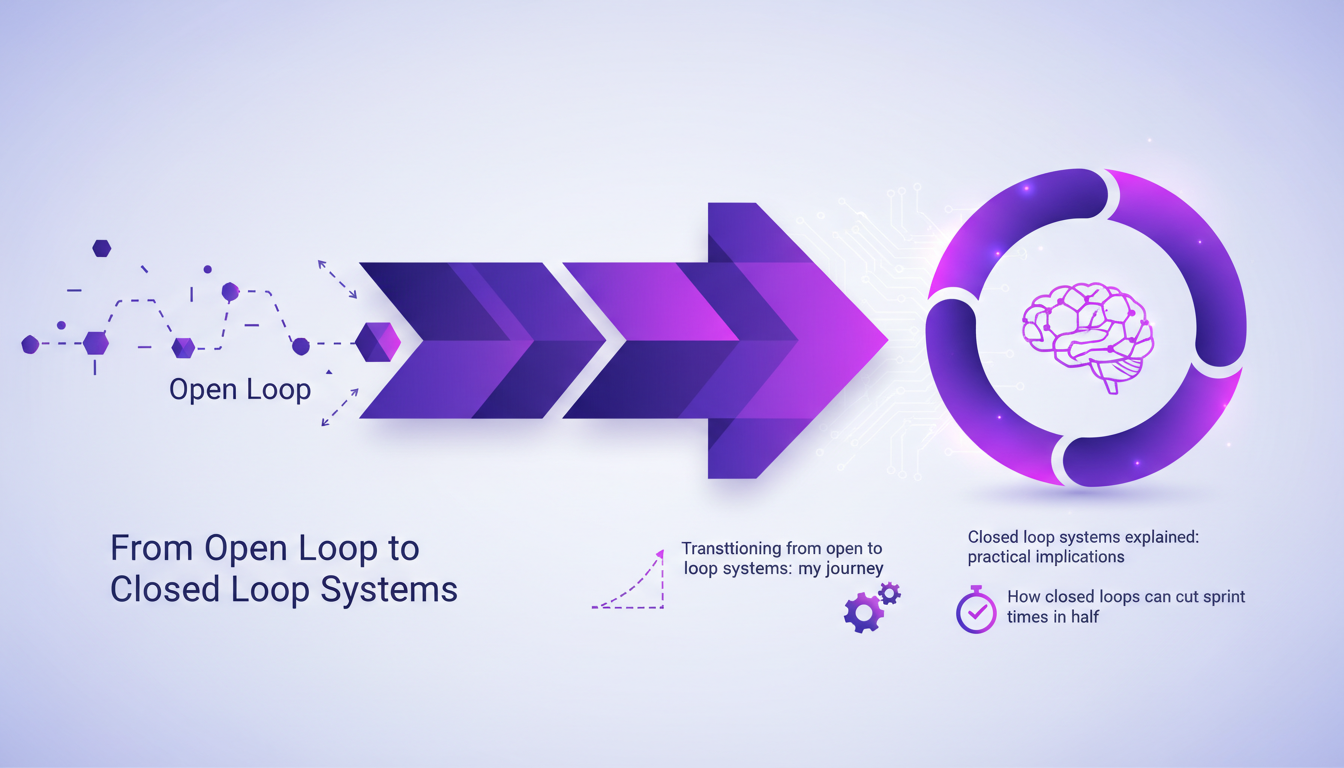
Then, transitioning from an open loop to a closed loop system was a major turning point. Imagine: in an open loop, you make a decision and hope it works out. In a closed loop, the feedback is immediate, and you can adjust course without delay. I've seen teams halve their sprint times by doing this.
That said, integrating a closed loop system isn't without its challenges. Data silos and integration issues can quickly become hurdles. You need to be ready to rethink some internal structures to ensure everything works seamlessly.
- Impact: Sprint time halved
- Challenge: Complex integration
Building an AI Operating System: Challenges
The biggest hurdle in building what I call an AI operating system? Integrating multiple tools and custom code. There's no universal product that connects all of a company's data into a single AI layer. I had to patch things together with custom glue code and AI-generated code to fill the gaps.
There's a real need for a product that unifies all this, but until that arrives, you have to juggle current technologies and balance integration complexity with user-friendliness.
- Challenge: No universal product
- Solution: Custom code and multiple tools
Creating a Connective AI Layer
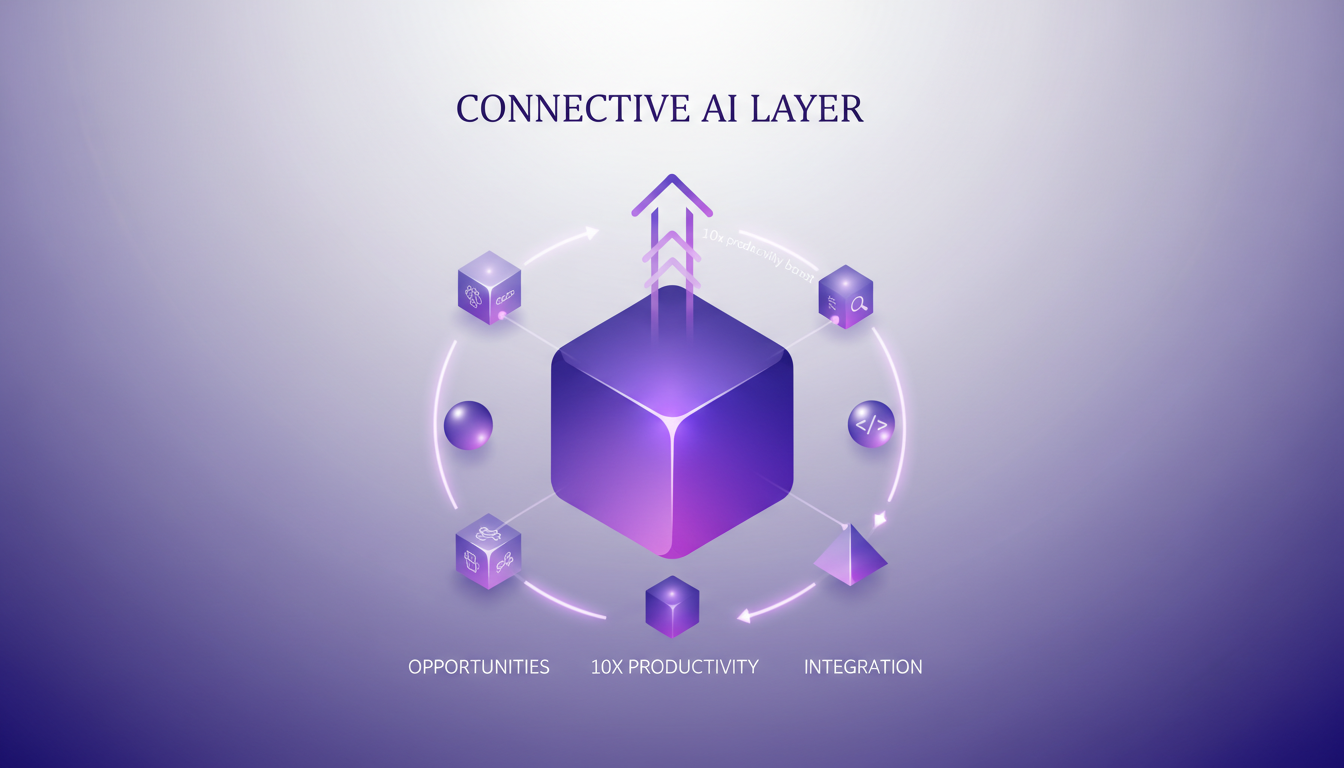
I found a huge opportunity in developing a connective AI layer. By integrating various tools and using custom code, I was able to boost productivity by 10x. It's a real game changer when everything can be orchestrated smoothly.
But watch out for the limits of current technologies. Some integrations can be finicky, and sometimes you have to go back to the drawing board to make everything work seamlessly. But when it does, it's pure joy.
- Benefit: Productivity x10
- Watch out: Technological limits
Impact on Productivity and Efficiency
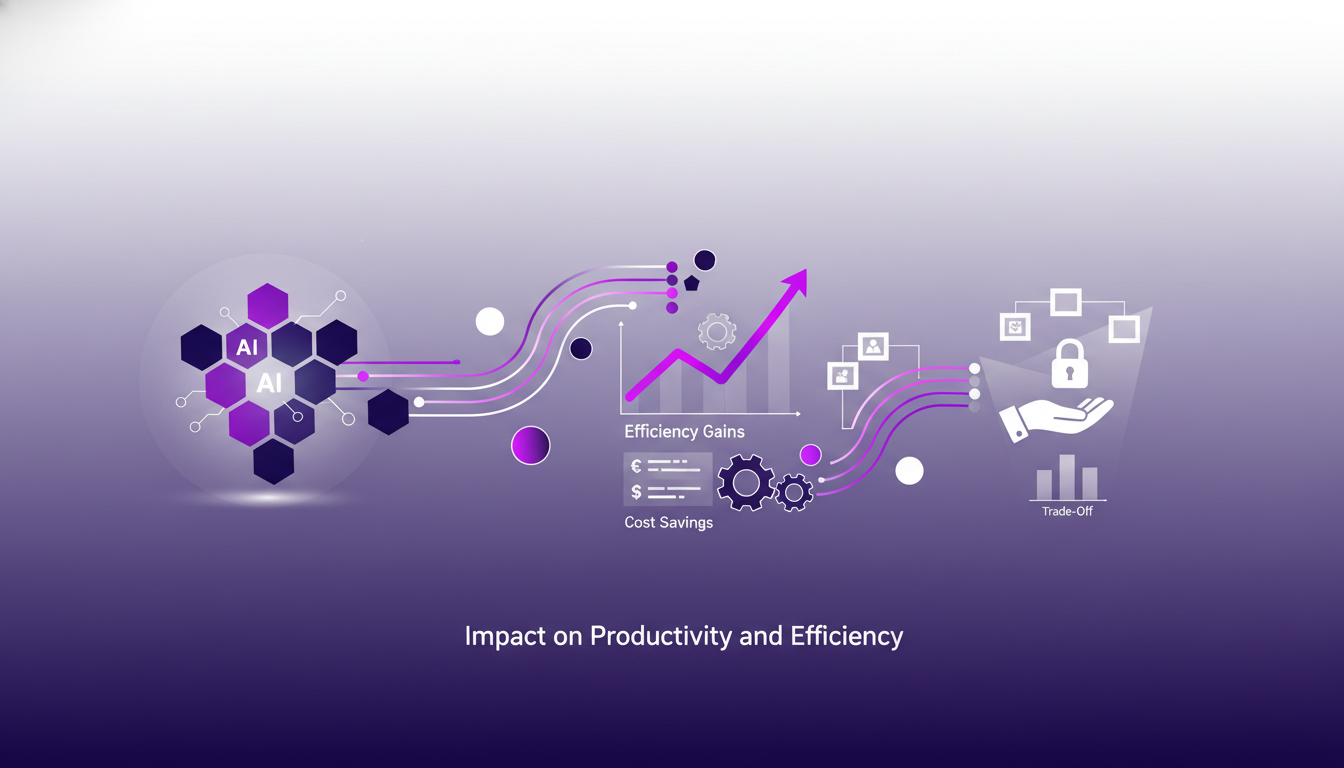
In practice, the impact of AI on our workflows has been transformative. The efficiency gains are measurable. But you also have to balance automation with human oversight. Sometimes, a human eye is still indispensable to avoid missteps.
And for the future? The possibilities are immense. AI can still take us far, especially if we overcome current limits. I'm eager to see what the coming years will bring.
- Impact: Significant efficiency gains
- Future: Endless possibilities
Integrating AI into company operations isn't just about adopting new tech; it's about redefining how we work. I've made operations queryable, and it resulted in a 10x increase in shipping efficiency. Moving to closed-loop systems? I cut sprint times in half. That's a game changer. But let's be real, building an AI operating system comes with its challenges, especially since there's no unified AI product for company data. Here's my advice: Start by assessing your current systems. Identify where an AI layer can make the biggest impact. That's how you transform operations. Ready to transform your operations with AI? Start with an assessment. And if you're curious for more insights, check out the full video. It's worth watching! Watch here
Frequently Asked Questions

Thibault Le Balier
Co-fondateur & CTO
Coming from the tech startup ecosystem, Thibault has developed expertise in AI solution architecture that he now puts at the service of large companies (Atos, BNP Paribas, beta.gouv). He works on two axes: mastering AI deployments (local LLMs, MCP security) and optimizing inference costs (offloading, compression, token management).
Related Articles
Discover more articles on similar topics
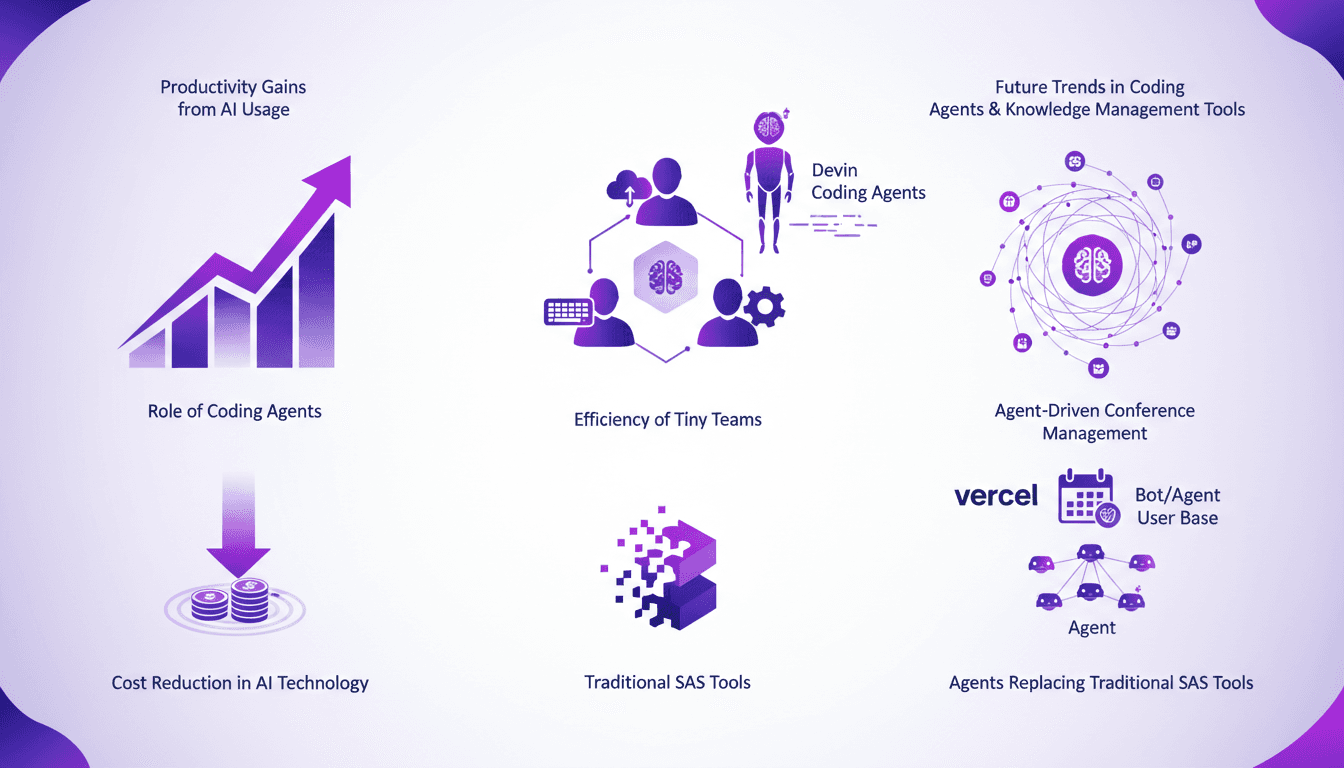
Productivity Gains: AI Agents Empowering Teams
Ever felt like your team's too small to tackle big projects? I did too, until I started leveraging AI coding agents like Devin. These tiny team powerhouses are game-changers. Imagine running a $9 million business with just nine full-timers. With coding agents, it's possible. Let me show you how these tools boost productivity, cut costs, and transform how we work. We're talking about AI costs dropping 100-fold in a few short years. Join me as we explore what Devin and other agents can genuinely do for your team.
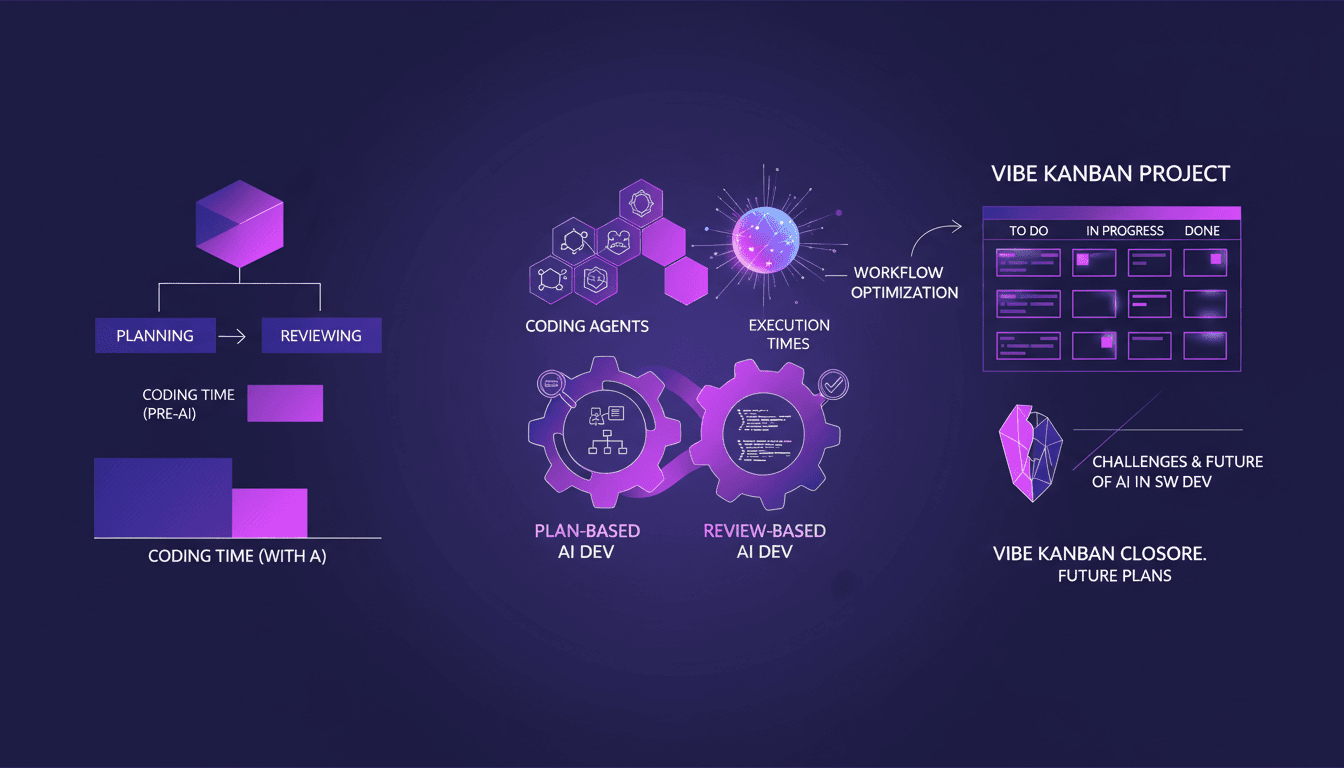
Planning and Reviewing: Software Engineering Revolution
I remember when coding meant diving headfirst into lines of code for hours. But now, with AI tools, it’s all about planning and reviewing. Let me take you through this seismic shift and how Vibe Kanban played a pivotal role in optimizing our workflows. Software engineering is transforming, and I've witnessed it firsthand. We're moving from hands-on coding to strategic planning, backed by tools that save us hours. With Vibe Kanban, I learned to orchestrate planning that saves us 20 minutes for every half an hour of coding. This isn't just theoretical—it’s a real change I experience daily.
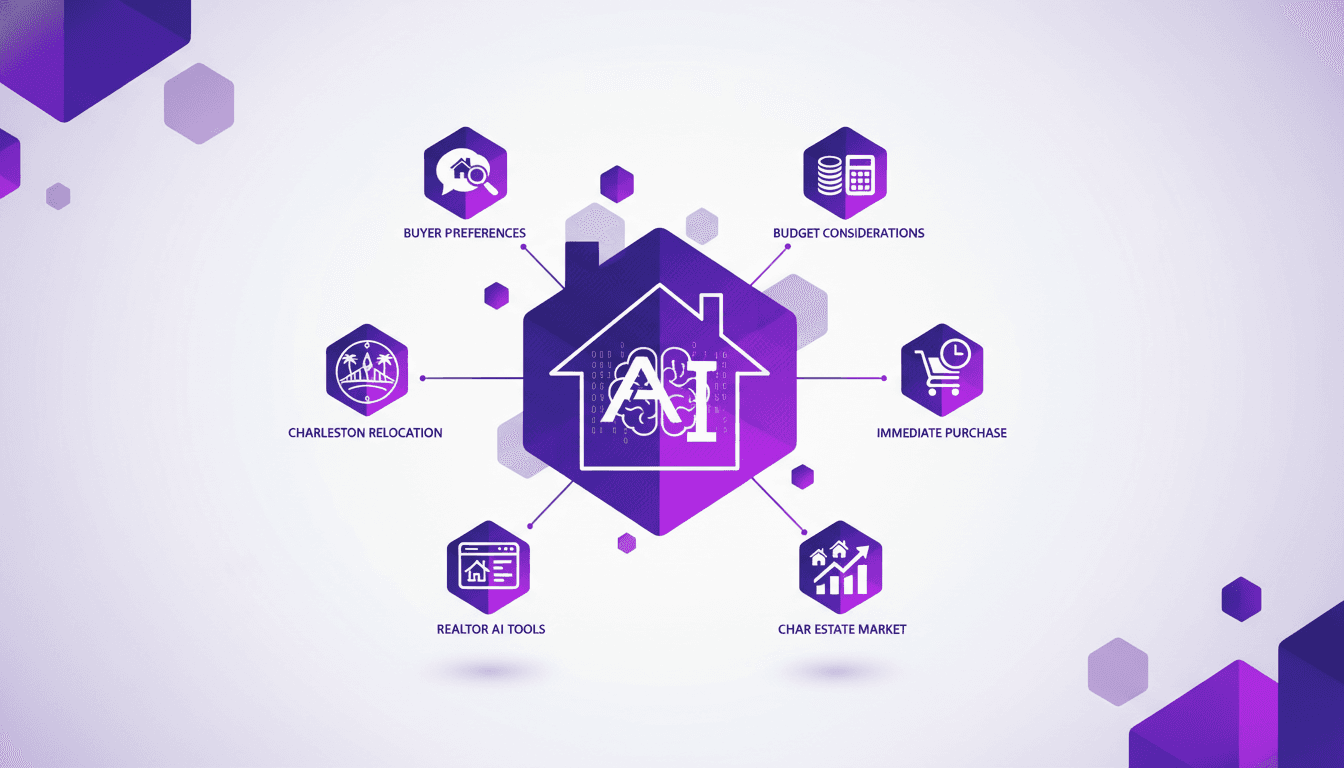
AI in Real Estate: Buyer Preferences
I remember the first time I saw AI tools transform real estate lead management. It was like flipping a switch on efficiency; suddenly, hours of work streamlined into minutes. In Charleston, a booming market, these tools help agents better align buyer preferences with market realities. Let's discuss buyer preferences and how innovative tools like these are reshaping lead management. Picture this: four bedrooms for under $500,000. That's the sort of concrete shift we're talking about. Don't let the competition outpace you, let's dive into this game-changer together.
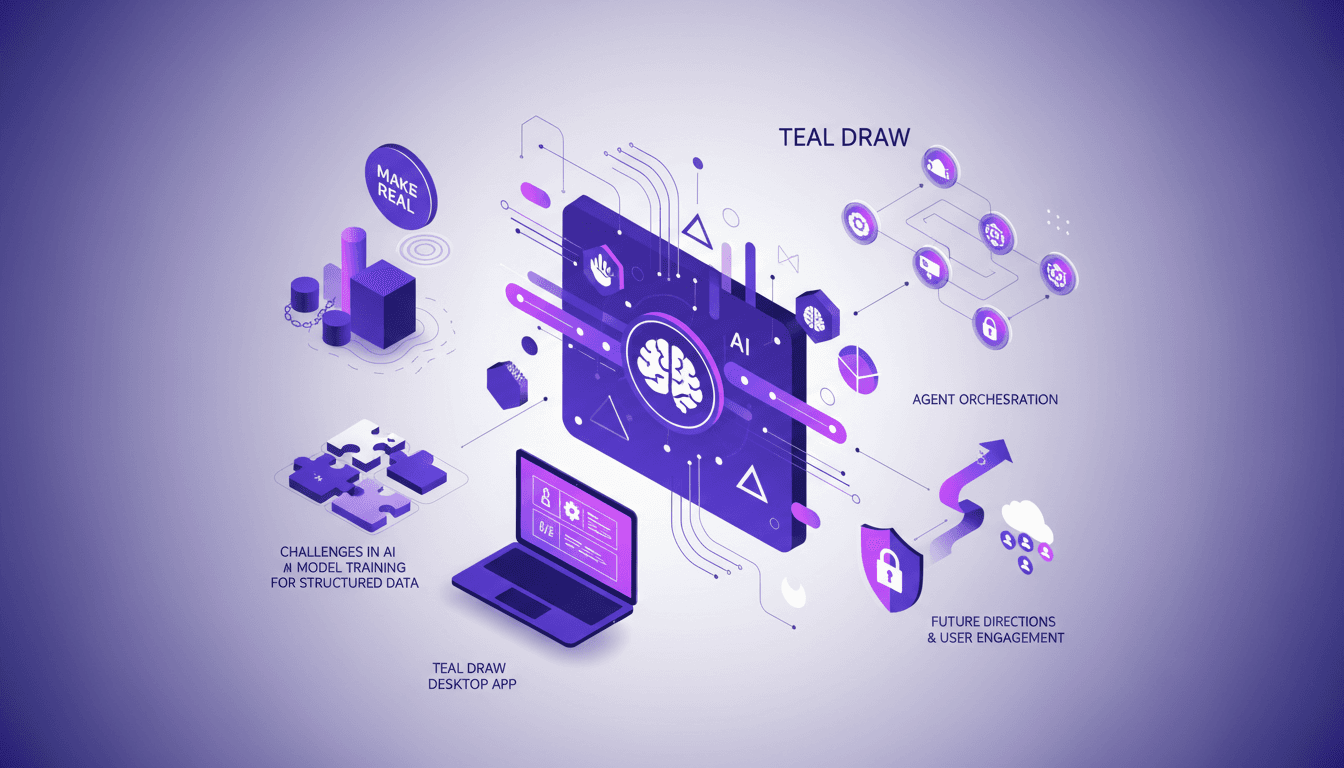
Agents on Canvas: Orchestrating in tldraw
I remember the first time I played with tldraw — I connected my React components and watched as the canvas came alive. It's not just about drawing; it's about orchestrating AI agents right there in real-time. Let's dive into how I got this setup working and what you can expect. In this journey, we'll explore AI integration, agent orchestration, and practical applications. I'll share insights from the Make Real project, AI model training challenges, and the security measures I implemented. It's all about making complex AI concepts actionable and efficient.
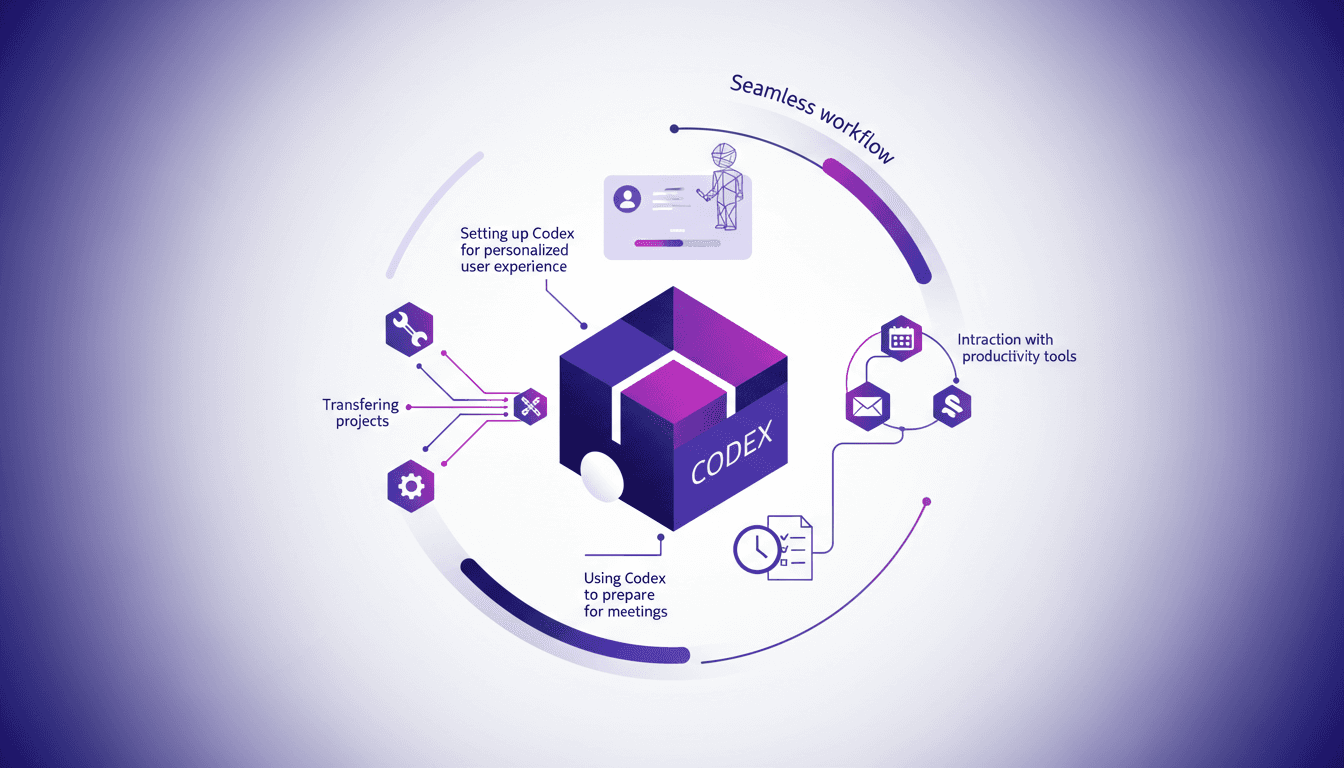
Set Up Codex in a Few Clicks for Time Savings
I remember the first time I set up Codex. It felt like unlocking a new level of productivity. With just a few clicks, I had my projects and tools seamlessly integrated. Let me show you how I did it, and how you can too. Codex is all about streamlining your workflow—whether you're transferring projects, integrating systems, or prepping for meetings, it's a game changer. The key is setting it up efficiently. I connected my systems to Codex, integrated Google Calendar, Gmail, and Slack, and saw an immediate transformation in my time management. I'll walk you through these steps so you can maximize your efficiency with Codex.