MCP Apps: Revolutionizing UI, One Project at a Time
I remember the first time I integrated MCPUI into a project — it was a game changer, but not without its hurdles. MCP Apps are reshaping UI development, and the impact is tangible. Adopted by major players like VS Code and Shopify, these tools have become indispensable. In this article, we'll dive into their evolution, technical architecture, and what the future holds. Millions of Shopify stores are already sending MCPUI chunks (that's huge!). We'll see how these apps integrate with other UI protocols and why they might redefine web interactions globally. Ready to explore how MCP Apps are revolutionizing UI, one project at a time? Let's dive in.
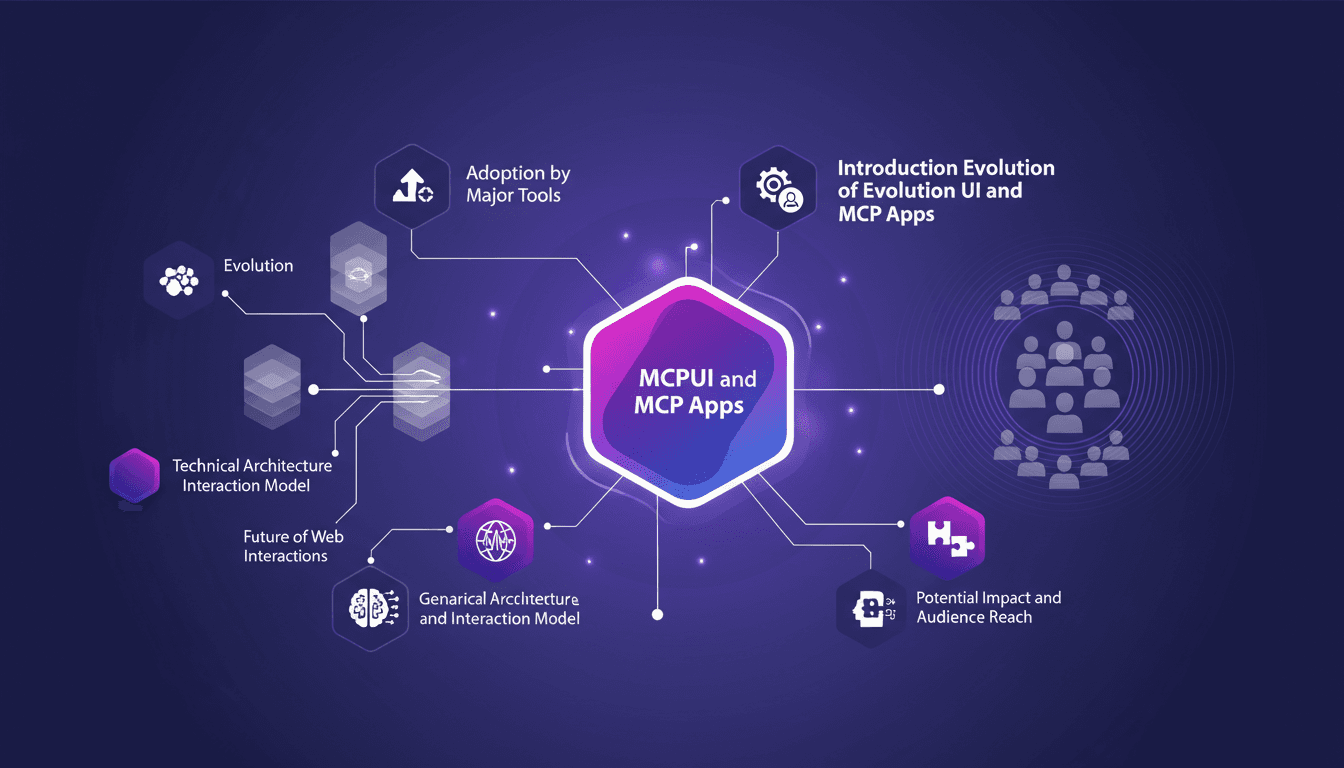
I remember the first time I dove into integrating MCPUI into a project. It was a real game changer, but not without a few hiccups. As developers, we know every new tool comes with its learning curve, and MCP Apps are no exception. But what a transformation they bring! Adopted by heavyweights like VS Code and Shopify, they are redefining UI. Picture millions of Shopify stores already using these solutions — that's massive (and it's just the beginning)! In this article, I'll take you through the evolution of MCP Apps, their technical architecture, and why they might be the future of UI. We'll also cover their integration with other protocols and their potential market impact. So, put on your builder's cap, because we're about to explore these tools that are revolutionizing UI, one project at a time.
The Evolution of MCPUI and MCP Apps
Since its launch in May last year, MCPUI has rapidly evolved. I've witnessed this firsthand as major tools like VS Code and Microsoft Copilot began adopting these apps. And it's not just a small shift. We're talking about millions of online stores on Shopify that started sending MCPUI chunks a year ago. Imagine the impact at that scale!
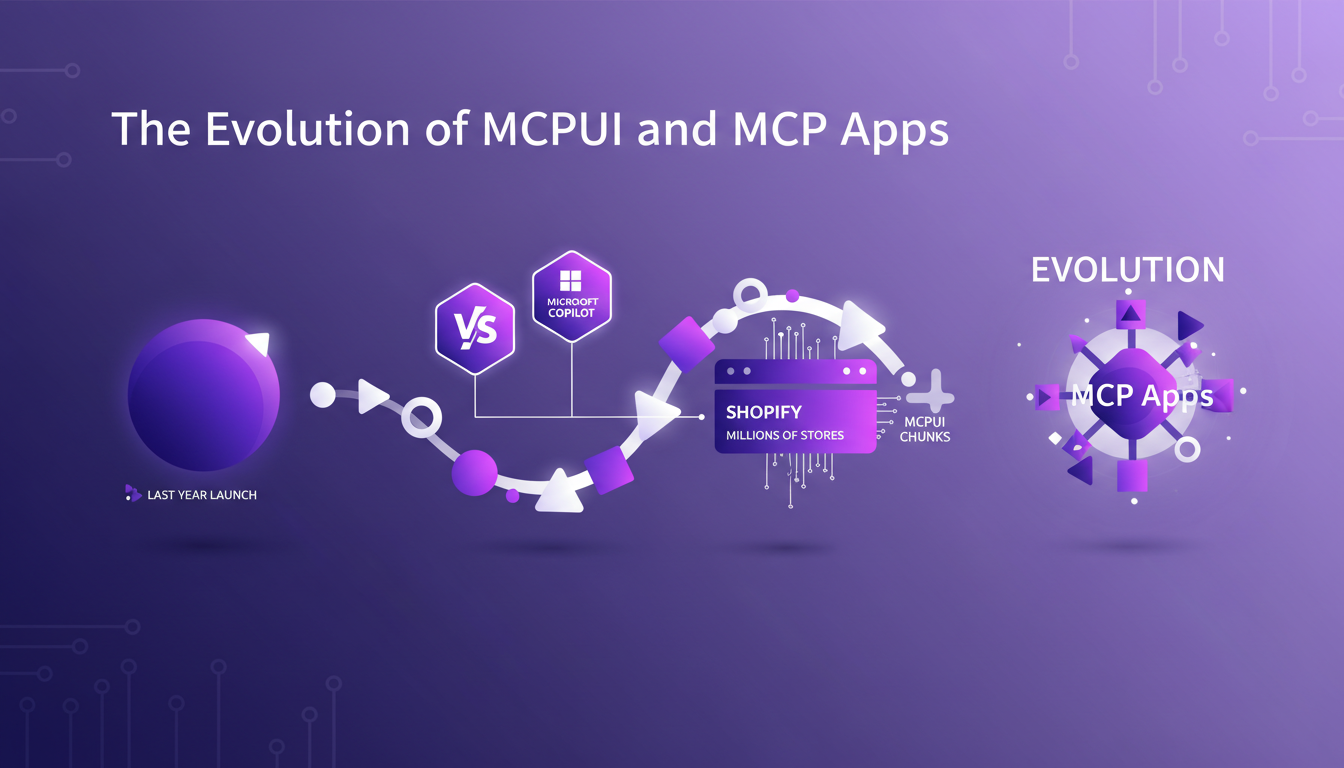
The community plays a crucial role in this transformation. Through tri-weekly meetings, developers exchange, adjust, and shape MCP Apps. It's not just a technical evolution; it's a collective revolution.
- Launched MCPUI in May last year.
- Adopted by VS Code, Microsoft Copilot, and Shopify.
- Tri-weekly community meetings.
Adoption and Standardization: A Community Effort
Major companies are already onboard, setting a standard for others. It's like a wave taking everything in its path. Standardization might seem rigid, but here, it's the result of a community effort. Public work group meetings are crucial for ongoing development. You meet enthusiasts who, like me, have seen this process from the inside.
However, there are trade-offs to make. Between flexibility and consistency, you have to choose. You can't have it all, and I learned this the hard way by trying to implement too many standards at once. Sometimes, it's better to adapt than to rigidify. For more insights, check out how to avoid becoming legacy in software engineering.
- Standardization through community involvement.
- Public meetings are essential.
- Flexibility vs. consistency: a necessary choice.
Technical Architecture: Behind the Scenes
Let's dive into what's behind it all: the bidirectional interaction model of MCP Apps. This is where it gets technical, but exciting. We're talking about interactions where the model and the view talk to each other in real-time. I've had to rethink my integrations with existing UI protocols, and it's not always simple.
Between Generative UI and Predefined UI, you need to know when to use each. One is more flexible, the other more stable. But watch out for scalability issues with massive data flows. Once, I literally crashed my server because I didn't account for these flows. To avoid these pitfalls, explore the challenges and solutions for optimizing networks for AI.
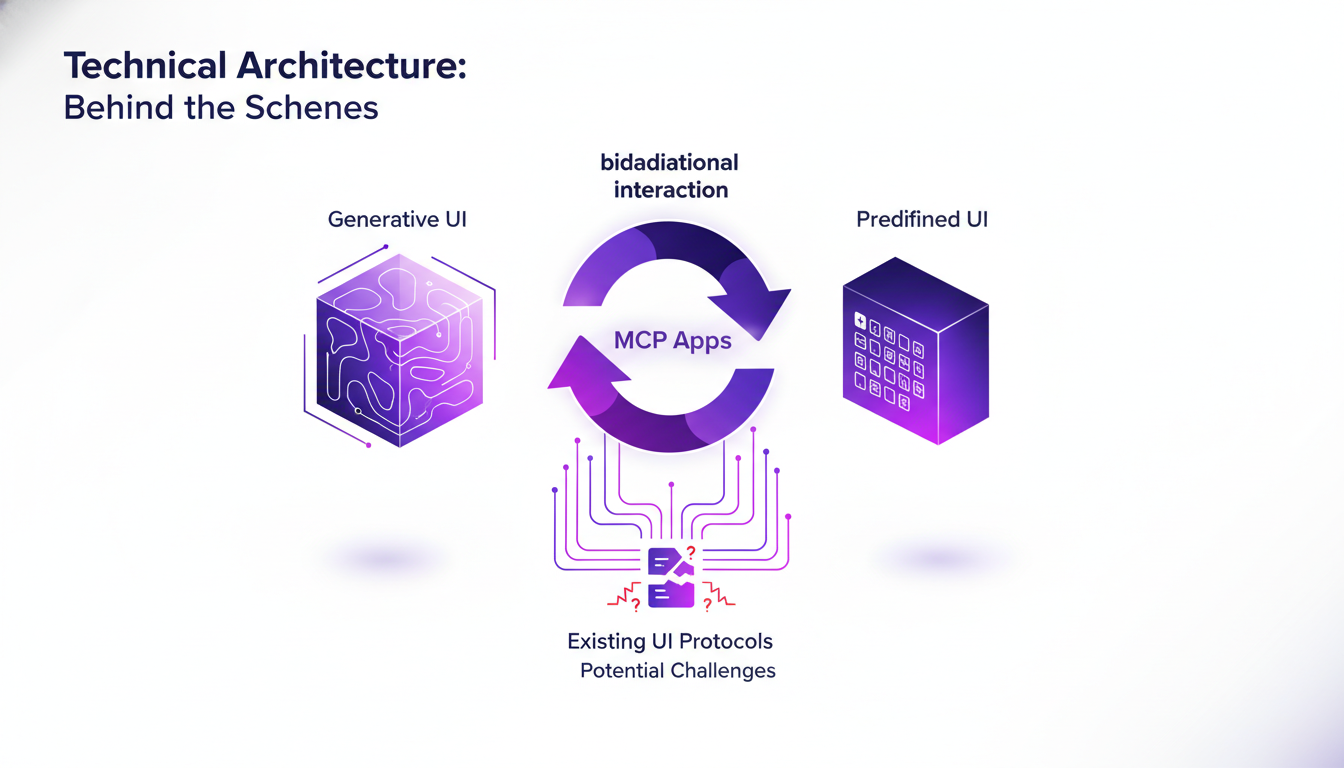
- Bidirectional interaction model of MCP Apps.
- Generative UI vs. Predefined UI: know when to choose.
- Anticipate scalability issues.
Future Directions: MCP Apps as a Global Standard
MCP Apps have the potential to become a global standard for web interactions by 2026. It might seem ambitious, but given the impact they've already had on UI development and user experience, I think it's doable. Of course, the current technology has its limitations, and innovations are needed.
Finding a balance between innovation and practical implementation is crucial. I've often seen projects fail because they attempted to innovate without considering on-the-ground realities. To succeed, it's vital to adapt, much like Razorpay did in becoming India's payment giant.
- MCP Apps as a global standard by 2026.
- Impact on UI development and user experience.
- Balance between innovation and practical reality.
Integration and Interoperability: Real-World Use Cases
How do MCP Apps integrate with tools like ChatGPT and Microsoft Copilot? I've worked on these integrations myself, and it's fascinating to see how interoperability can offer efficiency gains and cost savings. But don't overcomplicate things unnecessarily. Sometimes, simpler solutions are more effective.
In fact, I've seen too many examples where complex integration slowed down development. It's often better to keep it simple and efficient, like in the case of Flow App's rapid success generating $120K in 24 hours.
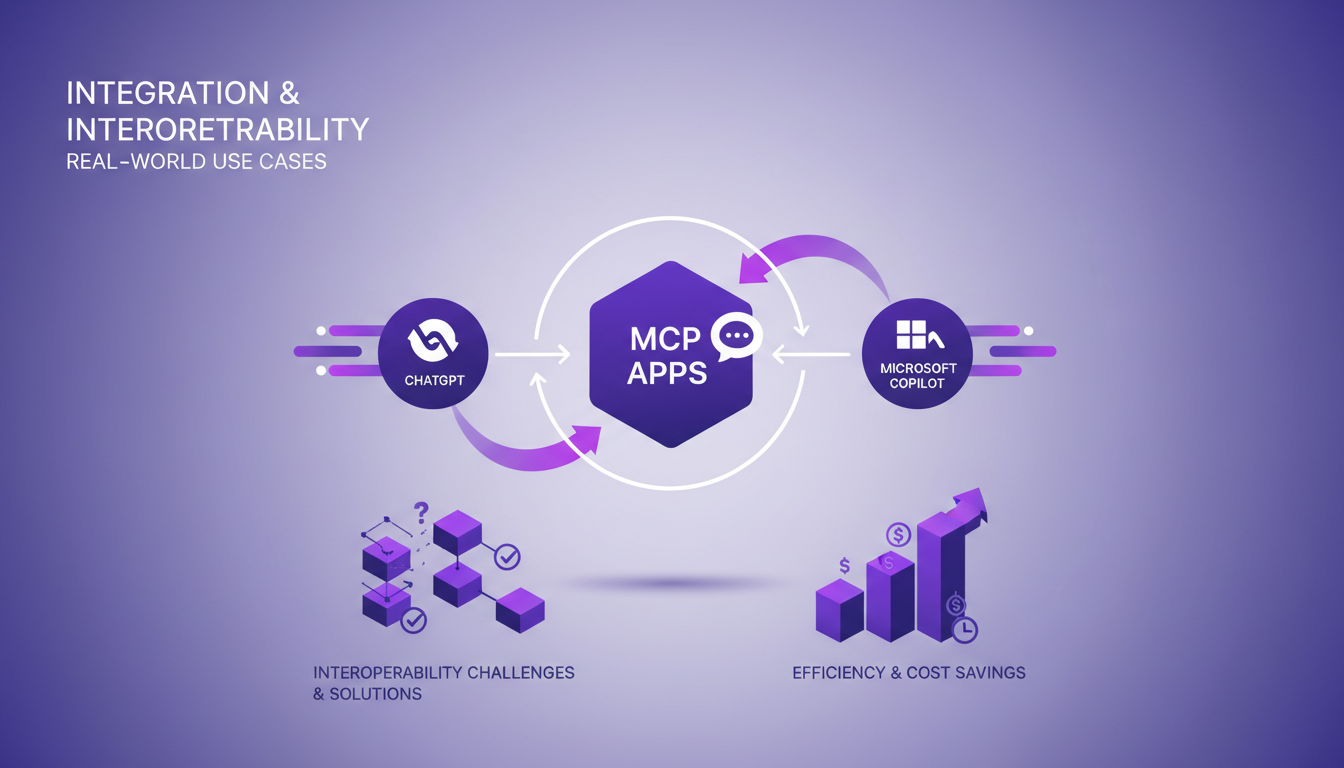
- Integration with ChatGPT and Microsoft Copilot.
- Real-world examples of interoperability.
- The importance of simplicity in integration.
First off: MCP Apps aren't just a passing trend; they're genuinely reshaping how we tackle UI development. When I see tools like VS Code, Cursor, and ChatGPT jumping on board, I know the future is bright. But remember, it's always about balancing innovation with practicality. Also, millions of Shopify stores sending MCPUI chunks? That's massive and shows real-world impact. But we also need to keep an eye on standardization and community involvement to avoid chaos. Lastly, these apps aren't a silver bullet; they demand well-thought-out technical architecture. So, are you ready to integrate MCP Apps into your projects? Dive into community discussions and start experimenting. For a deeper dive, I recommend watching the original video on YouTube. It's worth it to grasp all the nuances.
Frequently Asked Questions

Thibault Le Balier
Co-fondateur & CTO
Coming from the tech startup ecosystem, Thibault has developed expertise in AI solution architecture that he now puts at the service of large companies (Atos, BNP Paribas, beta.gouv). He works on two axes: mastering AI deployments (local LLMs, MCP security) and optimizing inference costs (offloading, compression, token management).
Related Articles
Discover more articles on similar topics
Set Up Codex in a Few Clicks for Time Savings
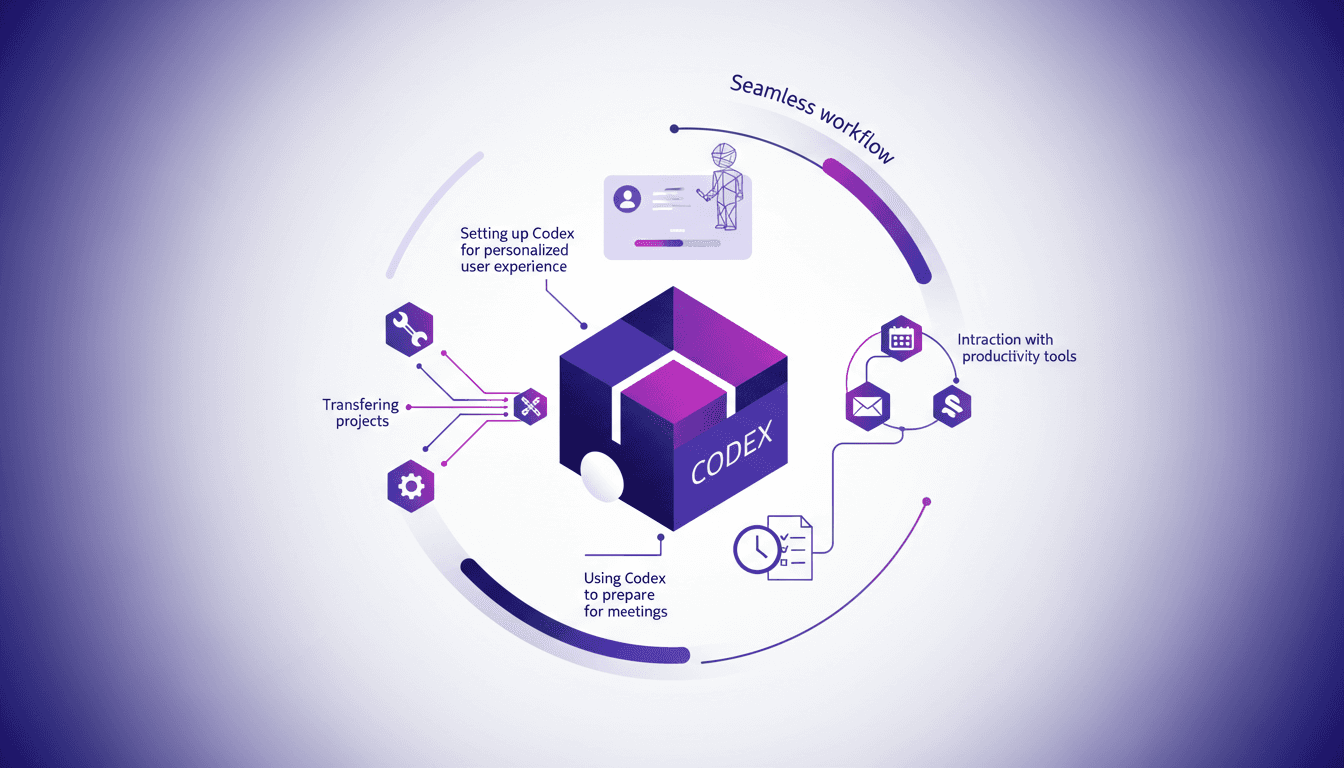
I remember the first time I set up Codex. It felt like unlocking a new level of productivity. With just a few clicks, I had my projects and tools seamlessly integrated. Let me show you how I did it, and how you can too. Codex is all about streamlining your workflow—whether you're transferring projects, integrating systems, or prepping for meetings, it's a game changer. The key is setting it up efficiently. I connected my systems to Codex, integrated Google Calendar, Gmail, and Slack, and saw an immediate transformation in my time management. I'll walk you through these steps so you can maximize your efficiency with Codex.
Adaptation in Software Engineering: Avoid Becoming Legacy
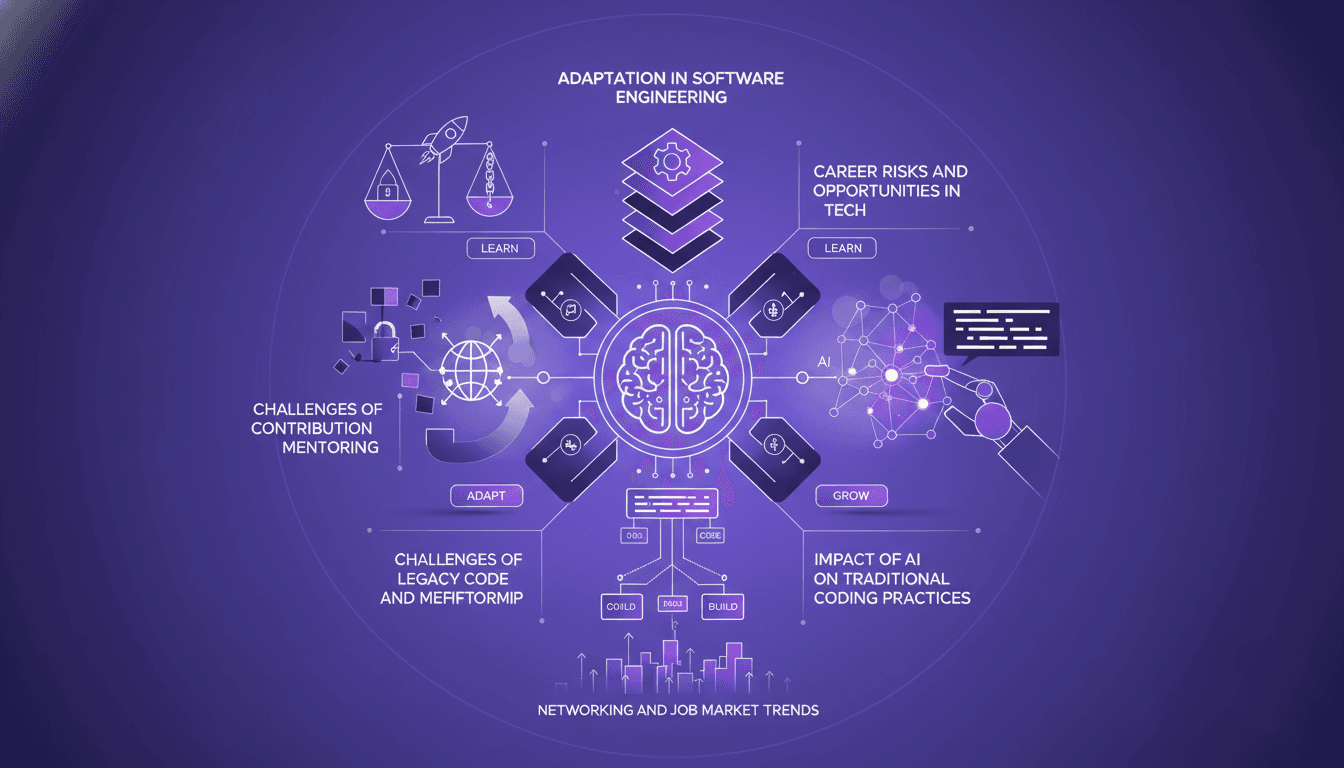
I've been in the trenches of software engineering long enough to see that if you can't adapt, you're on the fast track to becoming obsolete. The pace of change in the tech world is astonishing, and if you're not keeping up, you're getting left behind. Let's dive into the keys to staying ahead: continuous learning, the importance of open source contributions, and the role of mentorship. Simultaneously, we can't ignore the impact AI is having on traditional coding practices. It's time to reassess our work methods and ensure our careers don't become relics of the past.
How Razorpay Became India's Payment Giant
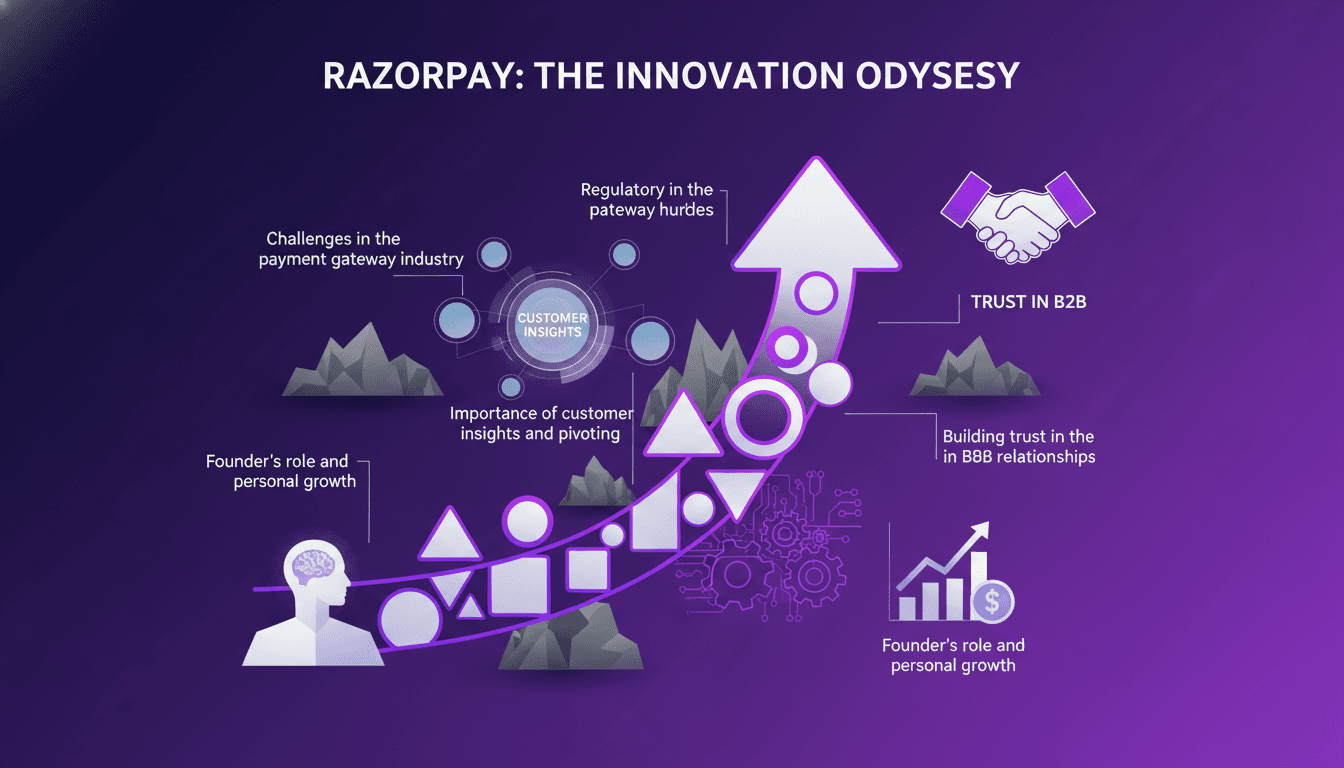
I remember the first time I heard about Razorpay. It was the winter of 2015, and they were just another startup in Y Combinator, barely making waves. Fast forward a few years, and they've become India's largest payment company. How did they pull it off? Razorpay's story isn't just about growth—it's about navigating the complex world of fintech, leveraging customer insights, and building trust in a highly competitive industry. Let me take you through their journey, the challenges they faced, and the strategies that transformed them into a payment powerhouse.
Optimizing Networks for AI: Challenges and Solutions
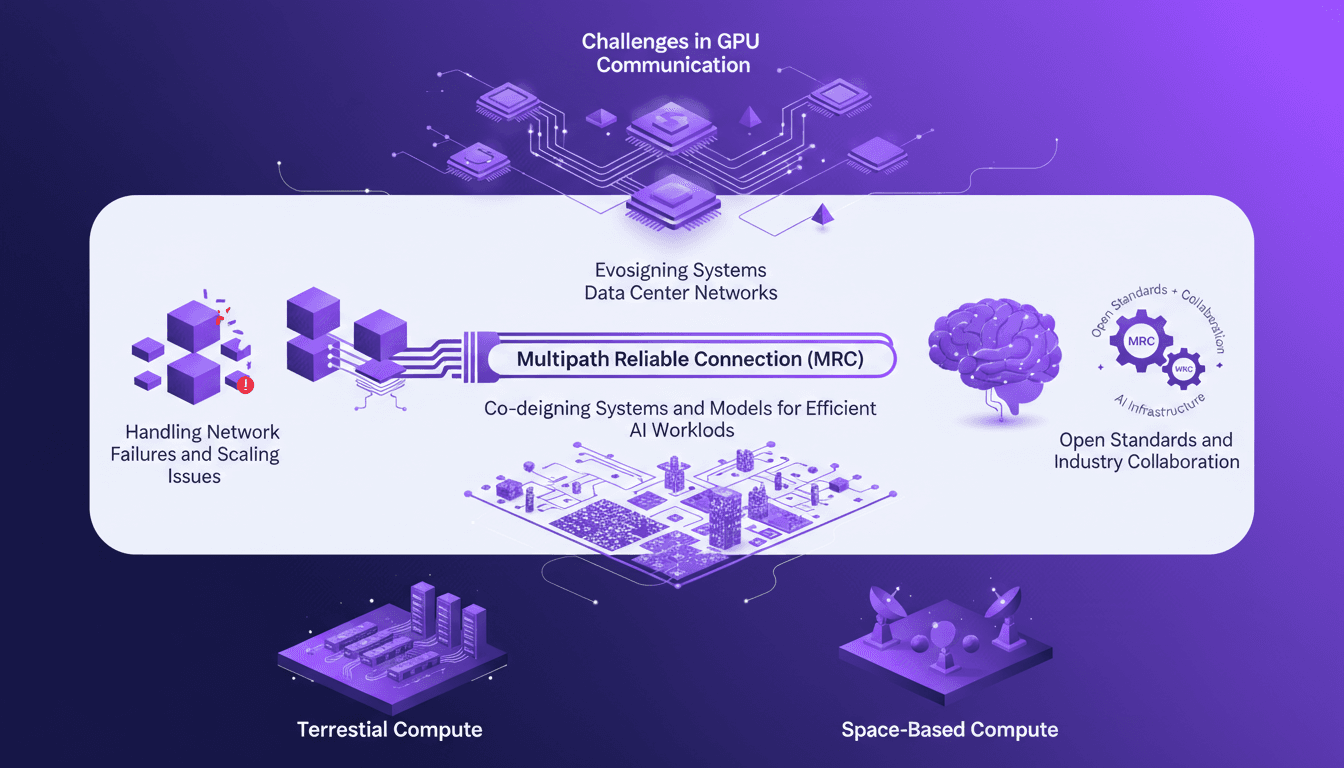
I've spent countless hours wrestling with the intricacies of AI model training, and it's crystal clear: our current network infrastructure is like trying to drive a Formula 1 car through city traffic. AI models need racetracks, not congestion. By diving into the challenges of GPU communication and the evolution of data center networks, I've realized AI demands a new kind of supercomputer network. We need to co-design systems and models for efficient AI workloads, handle network failures, and consider vertical integration. Let's explore how these elements can reshape our approach to data centers (and why open standards are crucial).
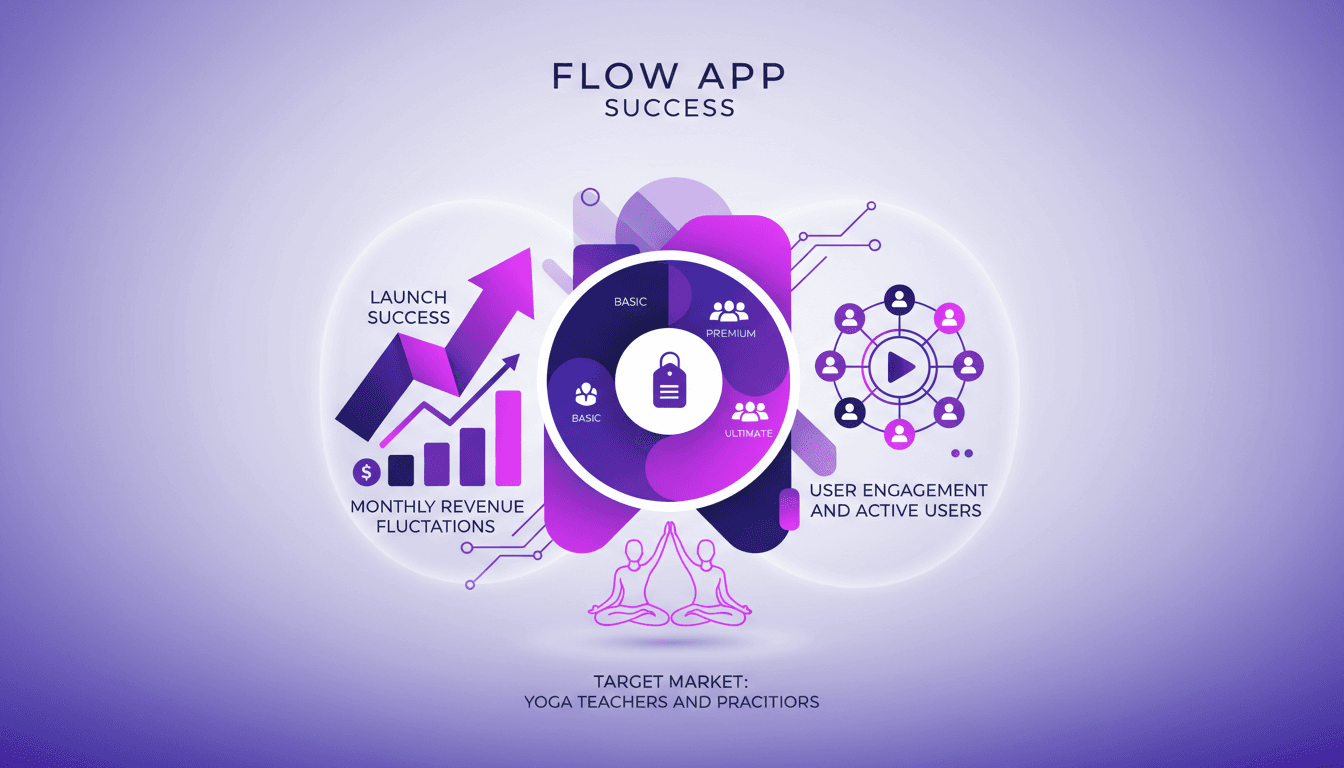
Flow App's Rapid Success: $120K in 24 Hours
I launched Flow App and hit $120K in 24 hours. Sounds crazy, right? Trust me, it was a wild ride with plenty of bumps. We built this app for yoga teachers and practitioners, transforming their workflow with a subscription model. Here’s the full story: the launch strategy, the hiccups, the wins, and the lessons learned along the way. It was a rollercoaster (I definitely got burned a few times). But ultimately, the business impact was direct: engaged users, revenue ups and downs, and a clearly defined target market. No theory here, just concrete reality.