Optimize Kitchen Workflow: Pro Tips
I still remember the chaos of my first kitchen gig. Tasks flying everywhere, people bumping into each other, orders piling up. I knew there had to be a better way. So, I started experimenting with task assignments and workflow optimization, and let me tell you, it changed everything. In a fast-paced kitchen environment, efficiency isn't just a goal—it's a necessity. Every element needs to be finely tuned to keep the chaos at bay. I'll walk you through how I've managed to streamline kitchen operations. Pro tips on task assignments, the importance of cleanliness and organization, effective team communication, and delegating responsibilities. Let's dive into optimizing workflows in high-pressure environments.
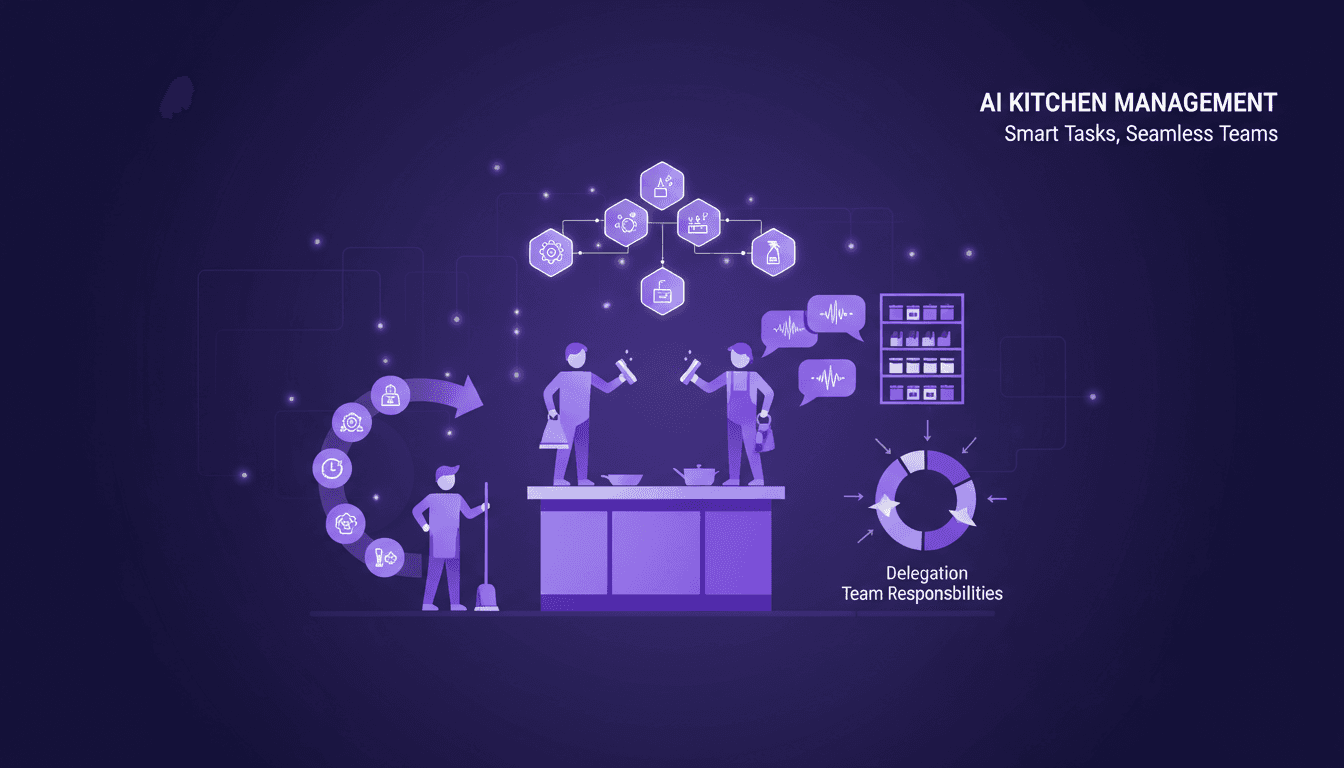
I remember the chaos of my first kitchen gig vividly. Tasks were flying all over, people bumping into each other, and orders were piling up. I knew there had to be a better way. So, I started experimenting with task assignments and workflow optimization. Let me tell you, it changed everything. In a fast-paced kitchen, efficiency isn't just a goal—it's a necessity. Every element needs to be perfectly calibrated to keep chaos at bay. I'll show you how I've managed to streamline kitchen operations. From task assignments to the importance of cleanliness and organization, to effective team communication and delegating responsibilities. Stick with me, and I'll take you through optimizing workflows in high-pressure environments. With a few strategic tweaks, you can turn chaos into a well-oiled machine.
Task Assignment: The Backbone of Kitchen Efficiency
In any professional kitchen, task assignment is crucial. Each team member has their strengths, which I've learned to leverage wisely. First, I assess everyone's skills. For example, a fast but messy cook shouldn't be responsible for plating, where precision is key. Then, I use a task board to visualize responsibilities and track task progress. It's not just a practical tool, it's a true pillar of organization in the kitchen.
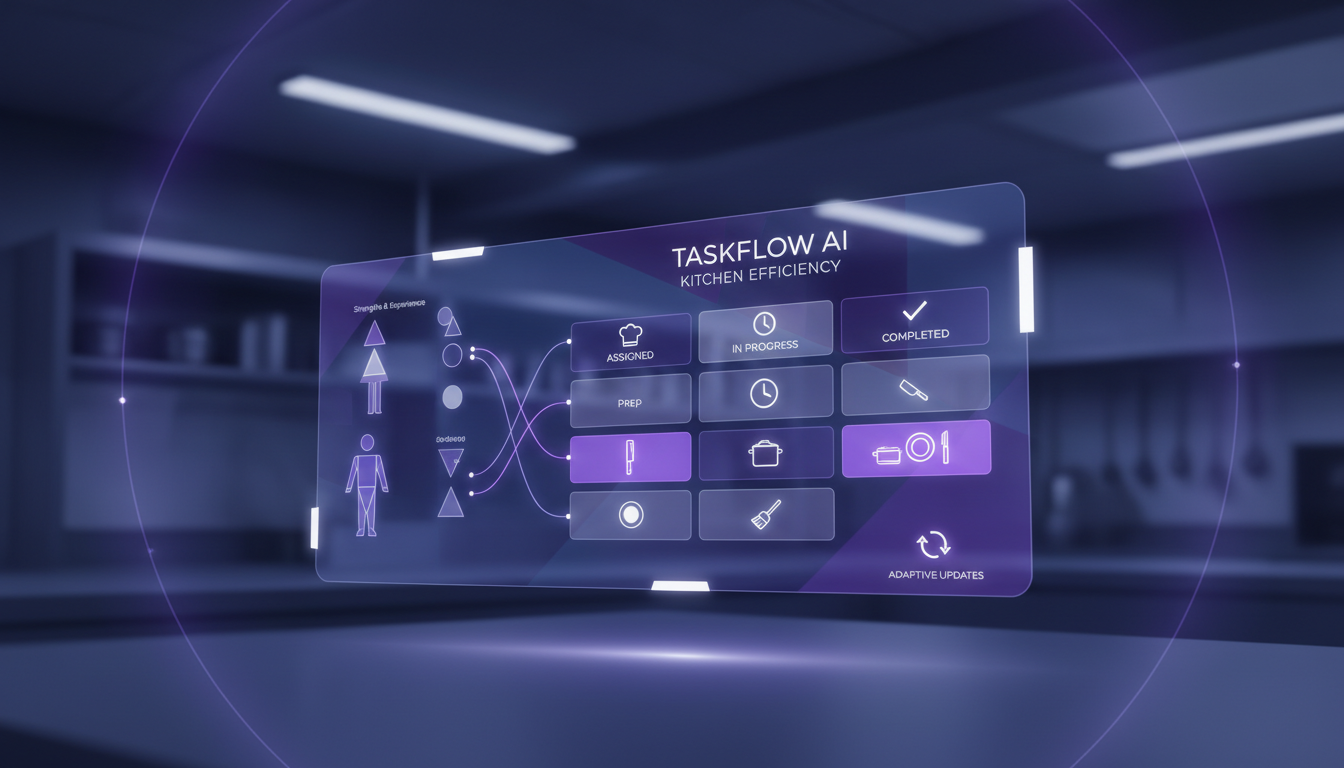
But watch out, you mustn't overload team members or quality and morale will suffer. It's crucial to regularly update these assignments to adapt to changing dynamics. This flexibility is what keeps the team balanced and efficient.
- Assess individual skills.
- Use a task board for visualization.
- Regularly update assignments.
- Avoid overloading team members.
Cleanliness and Organization: Non-Negotiable Standards
Cleanliness and organization are non-negotiable in the kitchen. I've always implemented a "clean as you go" policy. It prevents clutter and keeps the workspace functional. Tools must be organized for easy access. I remember a time when a missing whisk delayed the entire service – a lesson learned the hard way.
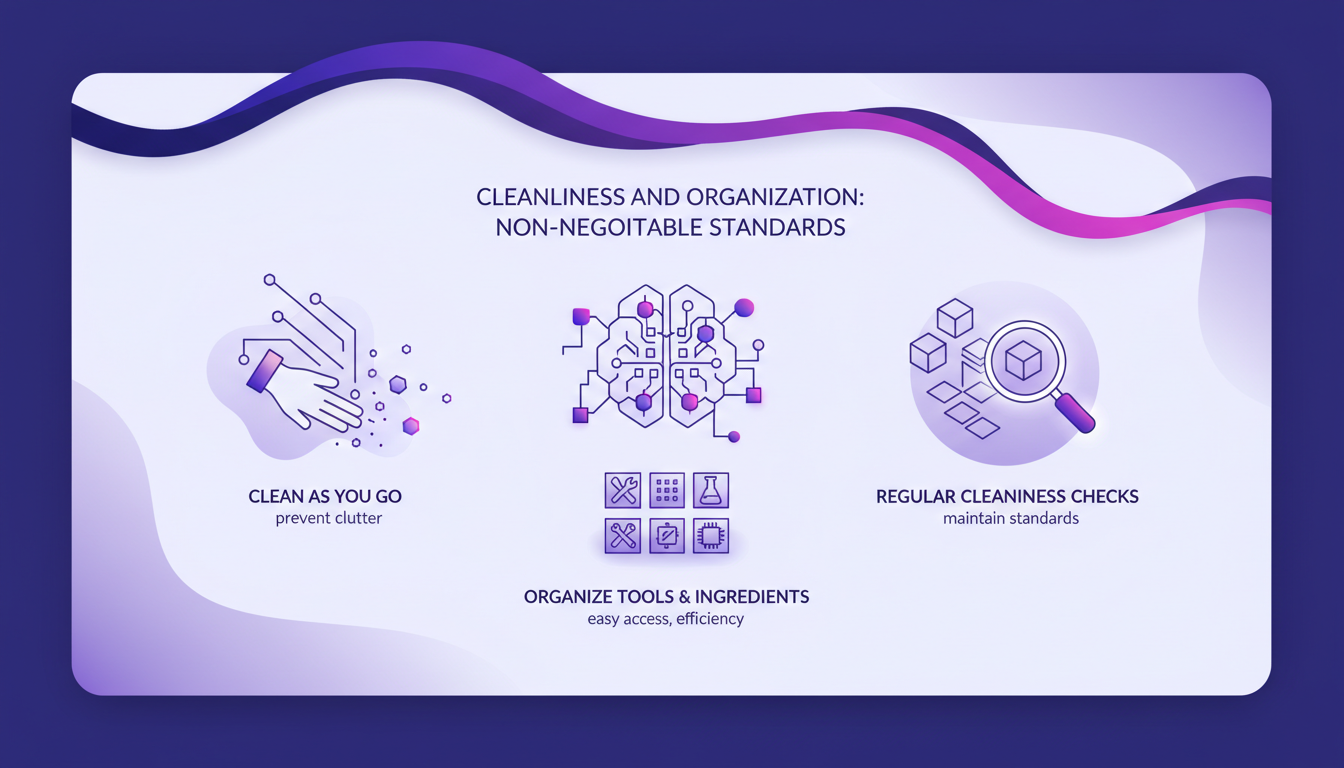
Next, I invest in quality storage solutions to optimize space. Regular cleanliness checks are essential to maintain high standards. It may seem tedious, but it's what makes the difference between an ordinary kitchen and a well-oiled professional one.
- Implement a "clean as you go" policy.
- Organize tools for easy access.
- Conduct regular cleanliness checks.
- Invest in quality storage solutions.
Effective Team Communication: The Glue Holding It Together
Communication is the glue that holds everything together. Every day, I hold briefings to align team goals and tasks. It's a moment to clarify expectations and avoid misunderstandings. Using clear, concise language is key.
I also encourage feedback to improve processes and morale. Sometimes, the simplest ideas come from those on the ground. Additionally, technology can be a valuable ally for instant updates and task tracking. But be careful not to become overly reliant — good old face-to-face communication remains irreplaceable.
- Hold daily briefings.
- Use clear, concise language.
- Encourage feedback to improve processes.
- Utilize technology for instant updates.
Delegation of Responsibilities: Empowerment and Efficiency
Delegation is much more than just task distribution. It starts with evaluating skill levels and task complexity. I've learned to trust my team and avoid micromanaging. Providing clear instructions and expected outcomes lets everyone know where they're headed.
It's important to regularly review delegated tasks to ensure quality. This doesn't mean taking over, but ensuring everything is running smoothly. Trust doesn't exclude control, and that's what guarantees long-term efficiency.
- Delegate based on skill level and complexity.
- Trust your team and avoid micromanaging.
- Provide clear instructions and expected outcomes.
- Regularly review delegated tasks to ensure quality.
Workflow Optimization in Fast-Paced Environments
Optimizing workflows means identifying bottlenecks and streamlining processes. Balancing speed with quality is essential to maintain high standards. I've seen kitchens where speed overshadowed quality, leading to accumulating errors.
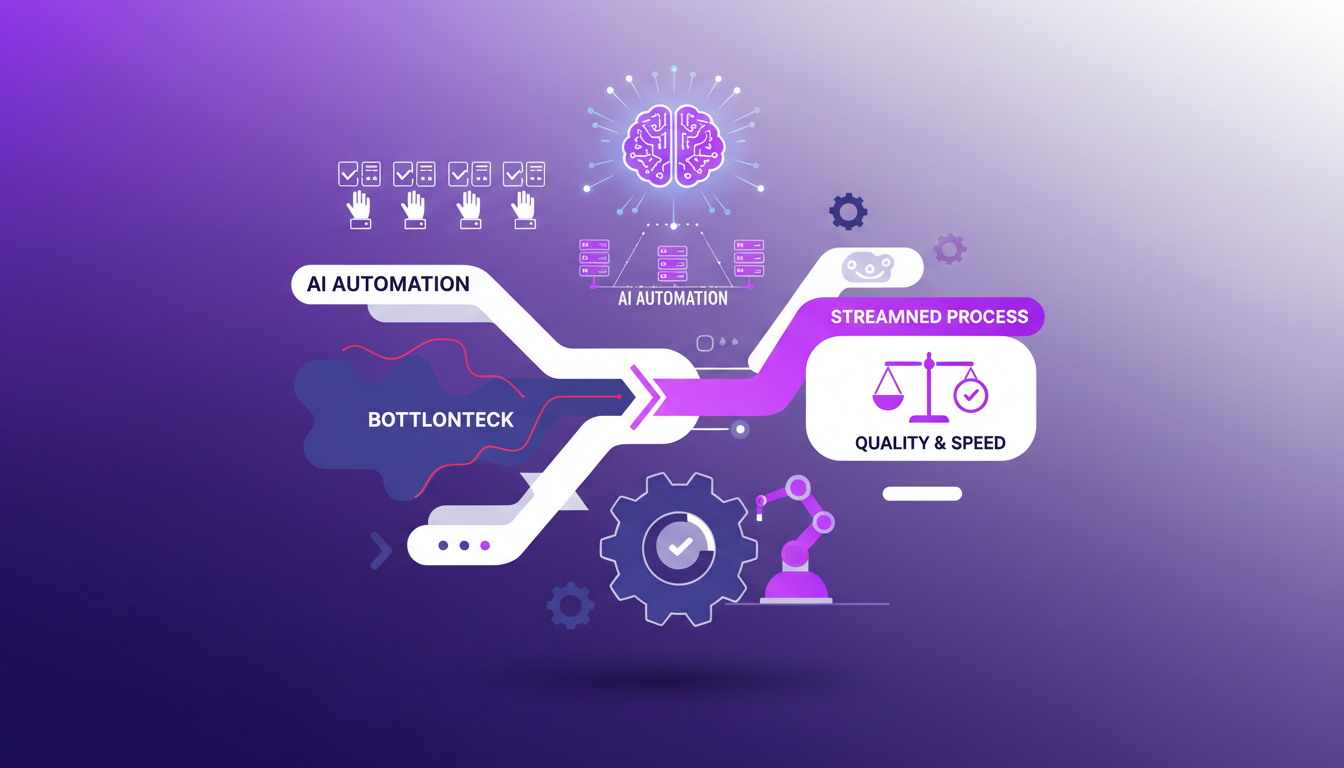
Technology can automate repetitive tasks, but don't overuse it. It's crucial to continuously evaluate and adjust workflows for improvement. This proactive approach is what keeps a team competitive in a fast-paced environment.
- Identify bottlenecks and streamline processes.
- Balance speed with quality.
- Implement technology to automate repetitive tasks.
- Continuously evaluate and adjust workflows.
Optimizing kitchen workflows goes beyond just increasing speed. It's about creating a seamless environment where each team member knows their role and executes it efficiently. I've experienced firsthand how proper task assignment transforms chaos into order: everyone has their mission, and confusion vanishes. Cleanliness and organization aren't just nice-to-haves; they are critical for preventing mistakes and smoothing operations. And communication? It's a real game changer. Better delegation leads to less stress and more focus.
- Task Assignment: Ensure everyone knows their role to avoid overlap.
- Cleanliness and Organization: Keep your workspace clear; it's key to efficiency.
- Effective Communication: Encourage dialogue for tighter team cohesion.
- Delegation: Hand over responsibilities to free up time and avoid burnout.
Looking ahead, these strategies can turn your kitchen into an efficiency powerhouse. Ready to elevate your kitchen operations? Start implementing these strategies today and notice the impact. To dive deeper, I recommend watching the "Start It With ChatGPT" video on YouTube. It's a great place to start expanding on these ideas.
Frequently Asked Questions

Thibault Le Balier
Co-fondateur & CTO
Coming from the tech startup ecosystem, Thibault has developed expertise in AI solution architecture that he now puts at the service of large companies (Atos, BNP Paribas, beta.gouv). He works on two axes: mastering AI deployments (local LLMs, MCP security) and optimizing inference costs (offloading, compression, token management).
Related Articles
Discover more articles on similar topics
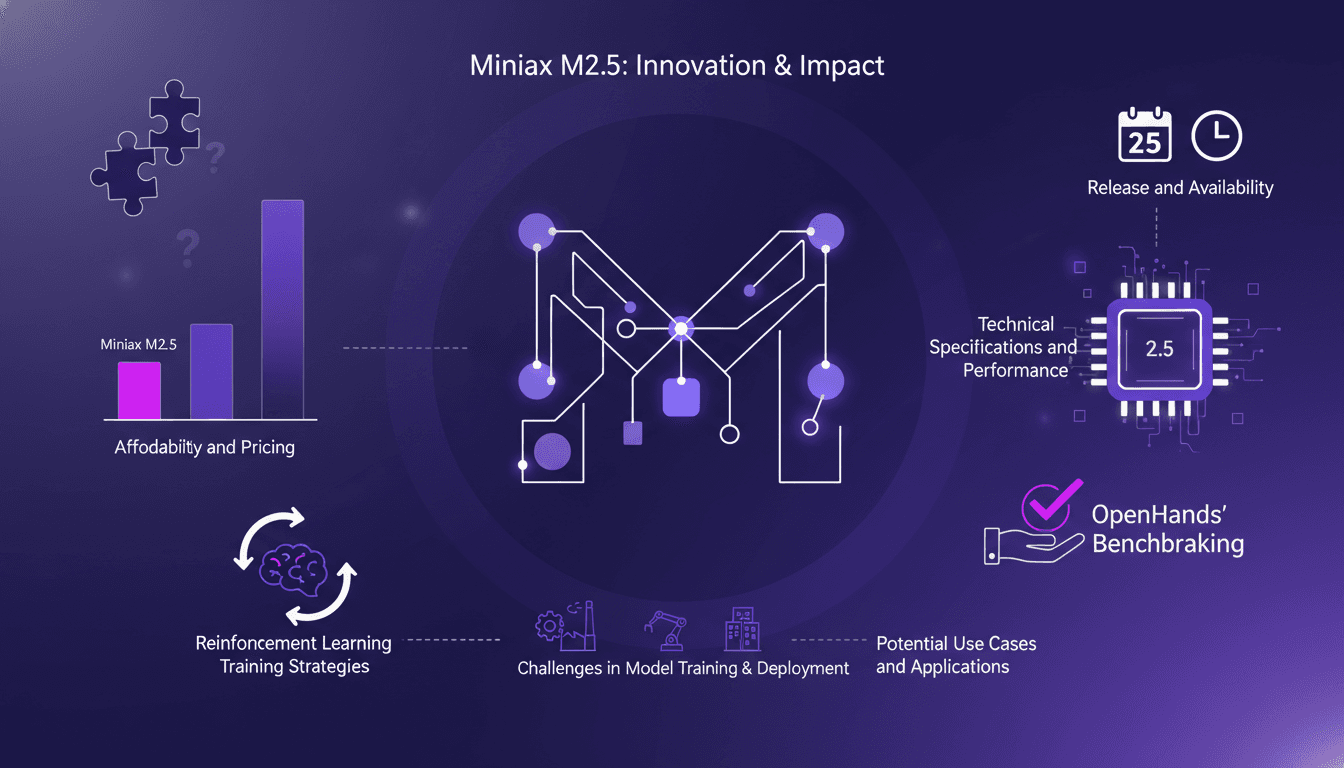
Minimax M2.5: Unpacking Strengths and Limits
I've had my hands on the Minimax M2.5, and trust me, it's not just another model on the shelf. I integrated it into my workflow, and its affordability made me rethink my entire setup. But hold on, it's not just about the price tag. This model stands out with its technical specs and efficiency. So why should the Minimax M2.5 get your attention? We're diving into its strengths, limitations, and how it stacks up against competitors. We'll also discuss reinforcement learning strategies and potential use cases. Get ready, because this model might just shake up your work approach.
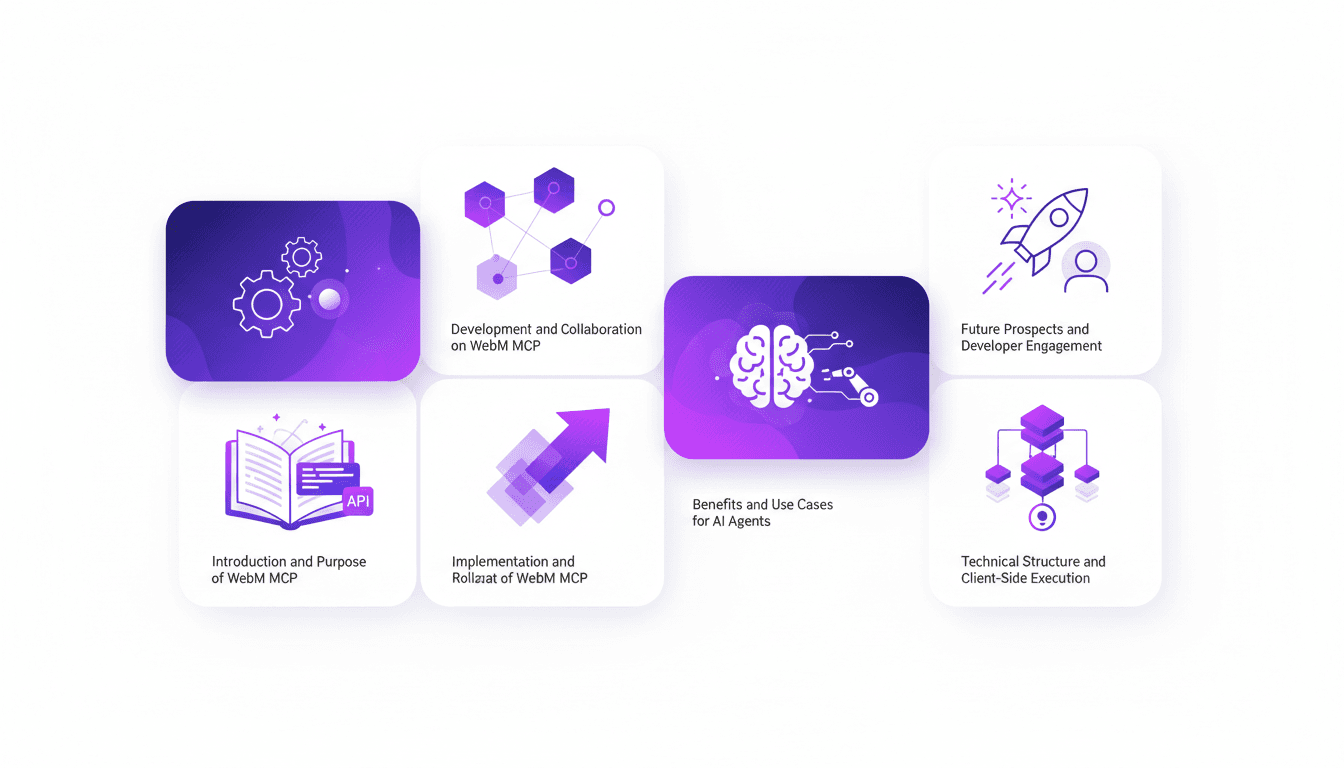
WebM MCP: Use Cases and Future Prospects
When I first heard about WebM MCP, I was skeptical. But after diving in, wrapping my head around its APIs, and seeing the potential, I realized it's a game changer for AI agent deployment. Developed by Google and Microsoft, WebM MCP offers a new way to handle media processing with AI agents. In this article, I share my hands-on experience, pitfalls to avoid, and how I integrated this tool into my daily workflow. Imagine managing thousands of tokens for each processed image, with just two APIs to master. I'll guide you through the benefits, use cases, and future prospects of this powerful tool.
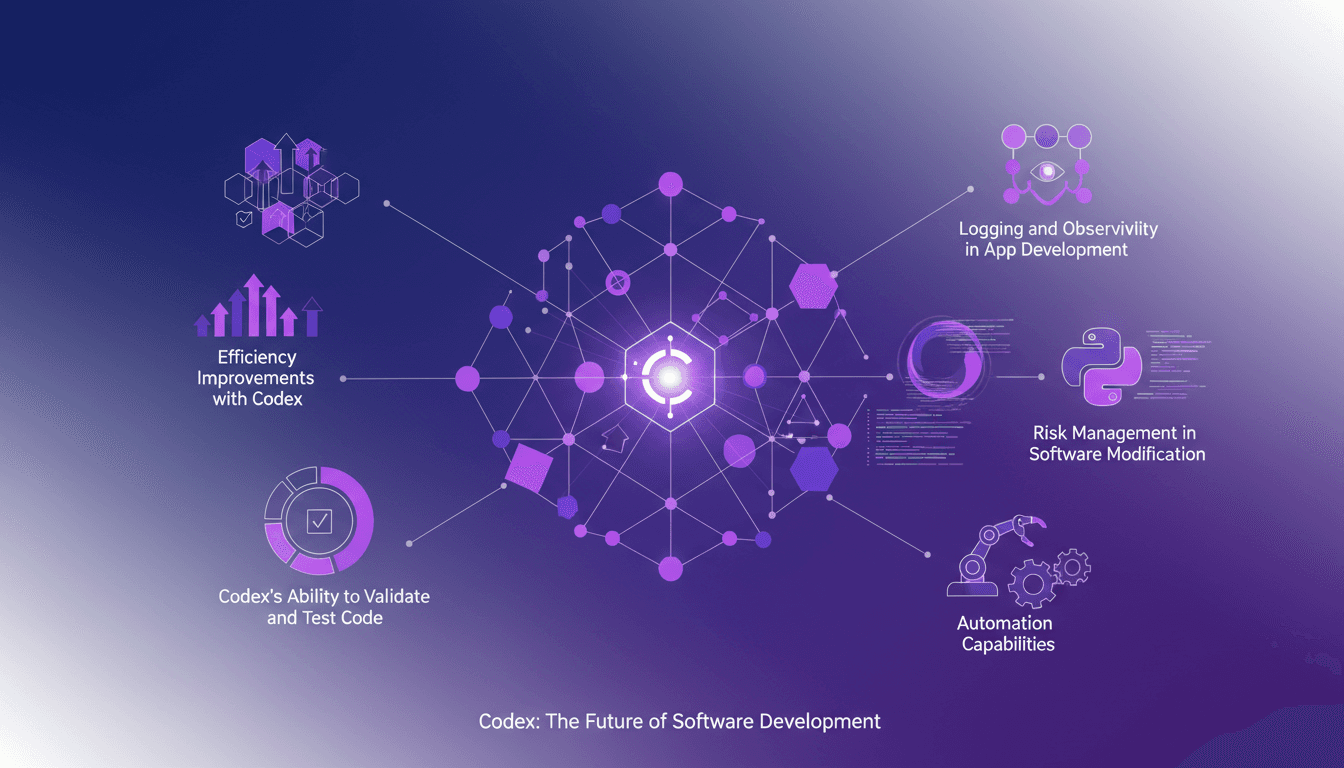
Boost Your Code with Codex: Validation and Testing
I've been in the trenches of software development long enough to know when a tool is more than just hype. Codex changed the game for me, especially in how I validate and test code. This isn't just theory—it's my daily workflow. Codex has allowed me to cut validation tasks down to less than ten minutes, which is a real win. Using Python, I've orchestrated code refactorings that were previously nightmares. But watch out, there are performance limits, especially when pushing automation capabilities to the max. Here, I'll share how Codex has transformed my approach to coding, efficiency, and risk management.
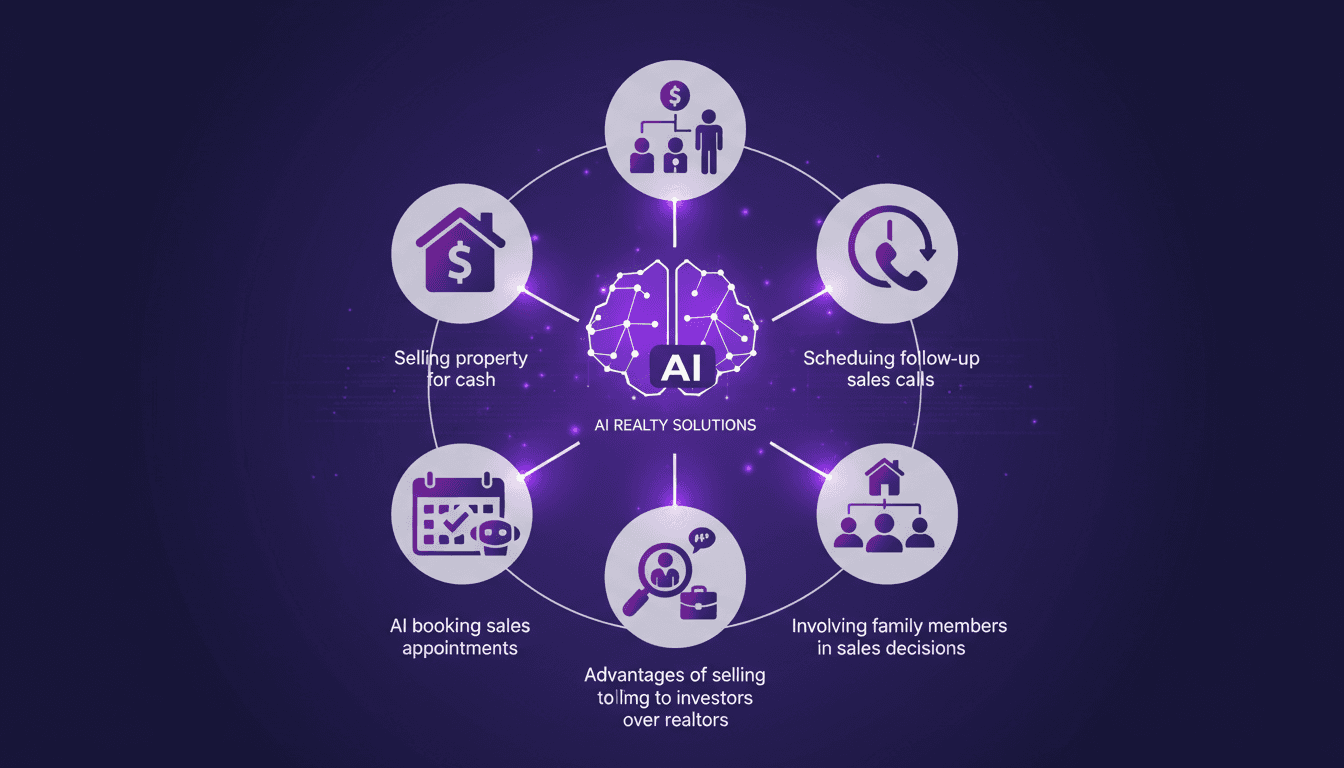
AI-Driven Sales: Booking Appointments Efficiently
I still remember when our AI booked a sales appointment without any human touch. That was a real game changer! In real estate, where speed and efficiency are key, integrating AI can truly transform how we operate. Imagine a tool that handles calls, schedules appointments, and even assists in closing deals. But it's not all smooth sailing. There are limits and pitfalls to watch out for. Let's dive into how I integrated this tech into my agency and the tangible results it brought.
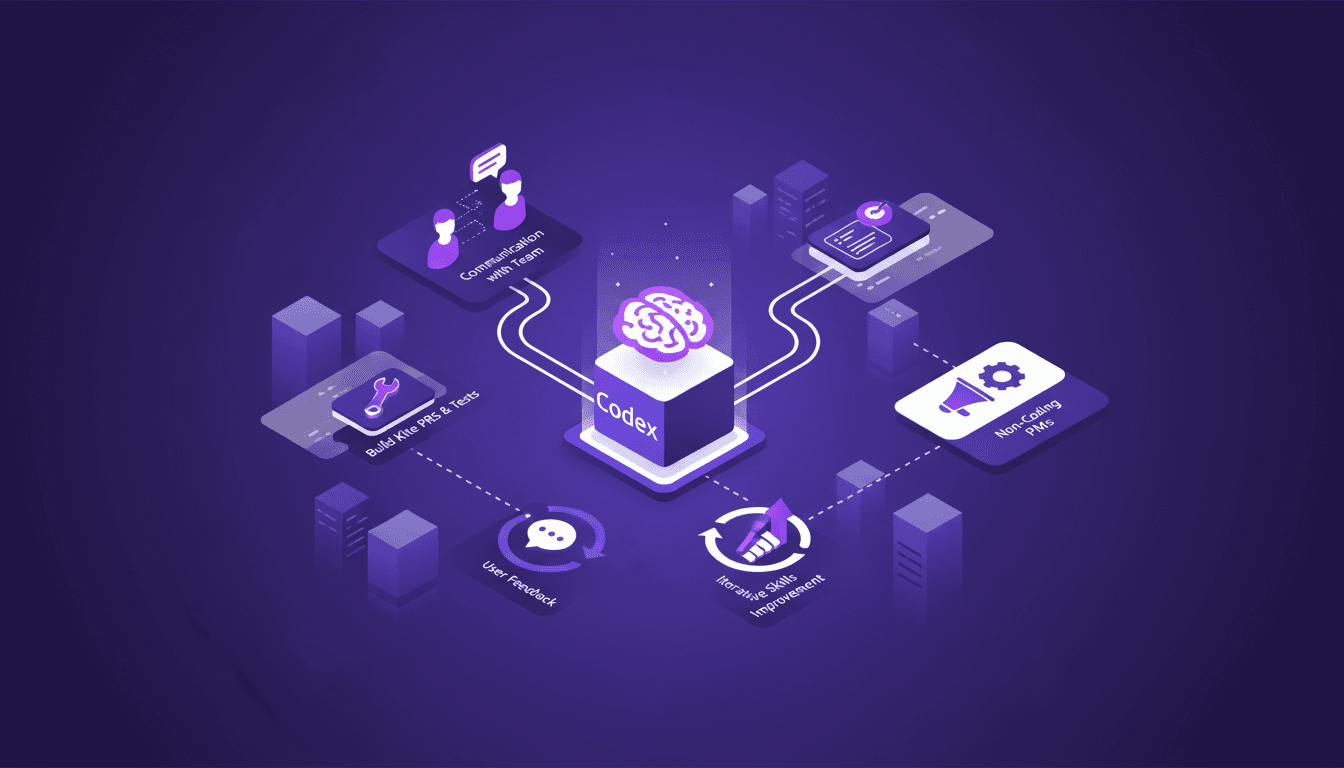
Codex: Code Navigation and Understanding
I've been knee-deep in codebases that felt like labyrinths. Then I found Codex—it was like finding the map I needed. Navigating code, managing PRs with Build Kite, everything started making sense. As a PM, diving into technical environments without coding can be daunting, but Codex bridges that gap. It's more than just a tool; it's a bridge between code navigation and team collaboration. Here’s how I use it to optimize code understanding, streamline team communication, and continuously improve my Codex skills. And even if you're not coding, a PM’s role in these environments can be really impactful.