OpenRAG: Building with an Open-Source RAG Stack
Ever tried building a RAG solution from scratch? I have, and let me tell you, OpenRAG is a game-changer. It's not just another toolset—it's a full-stack open-source powerhouse for retrieval augmented generation. In this article, I'll walk you through my experience with OpenRAG, from document processing to search indexing, and how it saves me time and headaches. Let's dive into the components and see how they fit into a robust AI workflow.
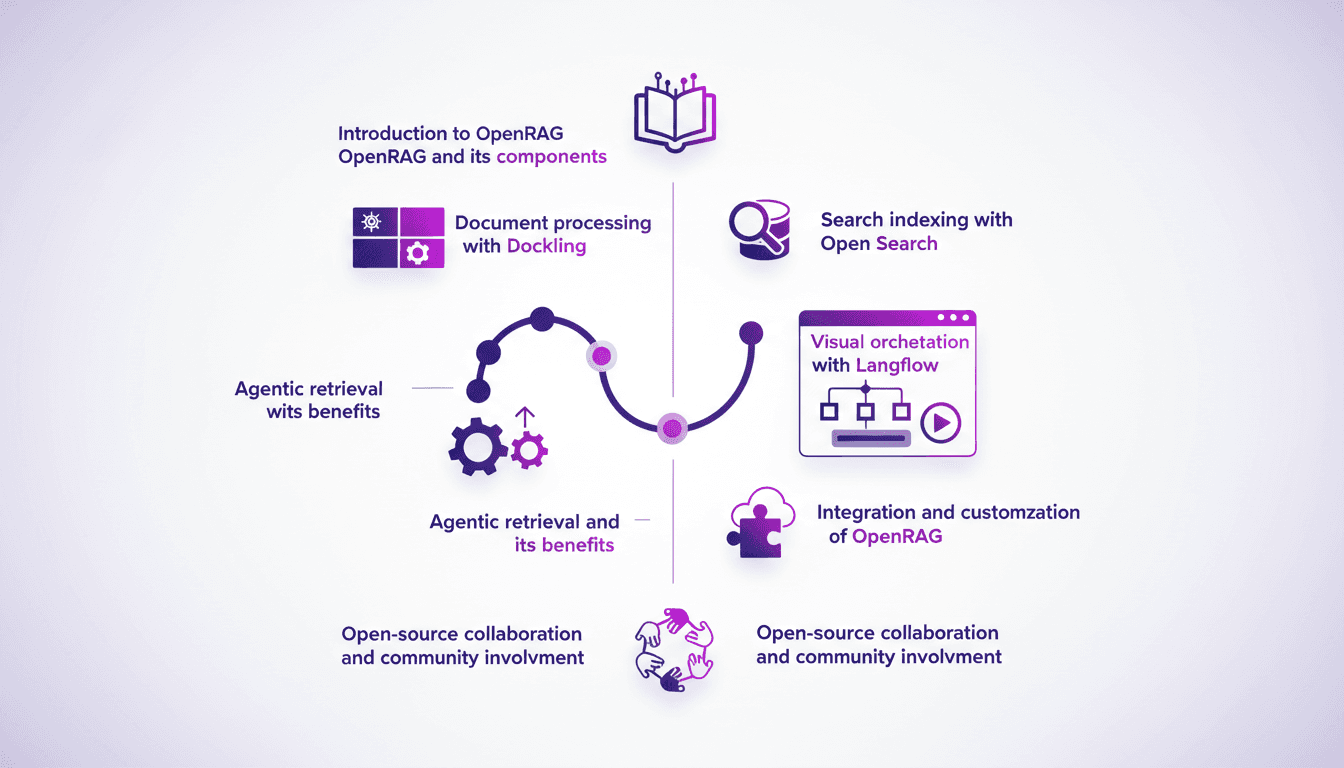
Ever tried building a RAG solution from scratch? I have. And let me tell you, OpenRAG is a game-changer. It's not just another toolset; it's a full-stack open-source powerhouse for retrieval augmented generation that truly reshapes how I handle AI projects. Before OpenRAG, I was constantly juggling document processing, search indexing (and got burned multiple times with partial and costly solutions). But since integrating OpenRAG into my workflow, I've seen a significant reduction in headaches and costs. I'll show you how Dockling simplifies document processing, how Open Search boosts indexing, and why Langflow makes visual orchestration almost intuitive. Add to that the advantage of agentic retrieval and you've got a system that not only works but evolves with your needs. And that's not all—the engagement with the open-source community opens the door to endless collaboration. Let's dive into this journey together.
Understanding OpenRAG and Its Components
When I first encountered OpenRAG, a remarkable open-source tool for RAG (Retrieval Augmented Generation), I immediately saw its potential to transform our AI workflows. OpenRAG is like a Swiss army knife for developers, integrating essential tools like Dockling, Open Search, and Langflow. In its version 0.4.0, it offers robust features that efficiently handle less than a million tokens of data. Notably, Granite Dockling's 258 million vision model is pivotal in processing. Knowing these components is like having an elite toolbox to build customizable RAG systems.
With OpenRAG, we can bid farewell to the limitations of old systems I used six months or a year ago. The efficiency gains and improvements in data processing are undeniable.
Document Processing with Dockling
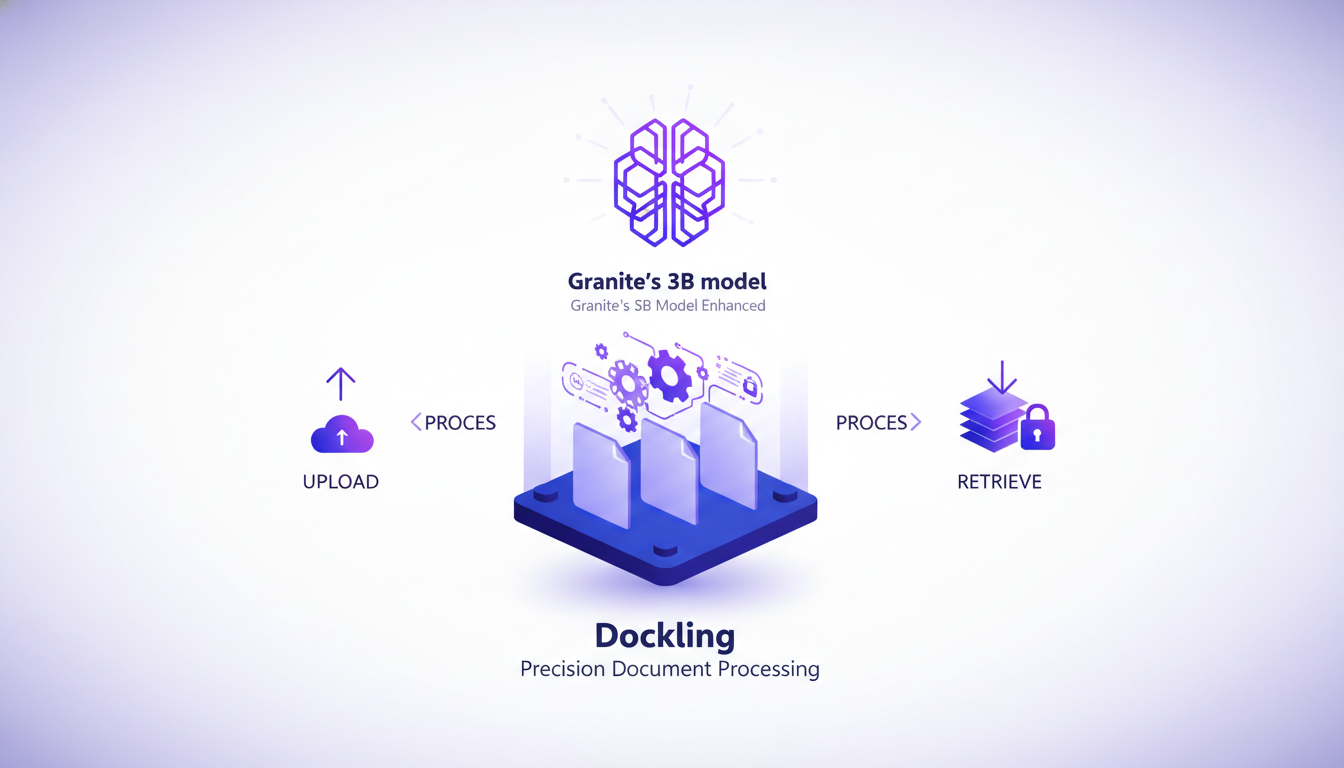
Let’s dive into Dockling, a tool that processes documents with surgical precision. By leveraging Granite's 3B model, Dockling can transform complex documents into structured, usable data. The workflow is simple: upload, process, and retrieve documents. But watch out, it's crucial to optimize for less than a million tokens to avoid getting stuck with data limitations.
What I really appreciate is the rapid processing that saves precious time, especially in large-scale projects. I've already seen significant efficiency gains by adopting Dockling for various document types, from PDFs to Word docs and presentations.
Search Indexing with Open Search
Open Search is a revelation for anyone looking to combine vector search and keyword search. Embedding models enhance search precision and relevance. First, you index your data; then, you fine-tune for optimal search results.
"Open Search is like a search engine on steroids for your data."
But be careful, you need to balance between search speed and accuracy. Thanks to its open-source nature, costs remain controlled, which is always a plus for tight budgets.
Visual Orchestration with Langflow
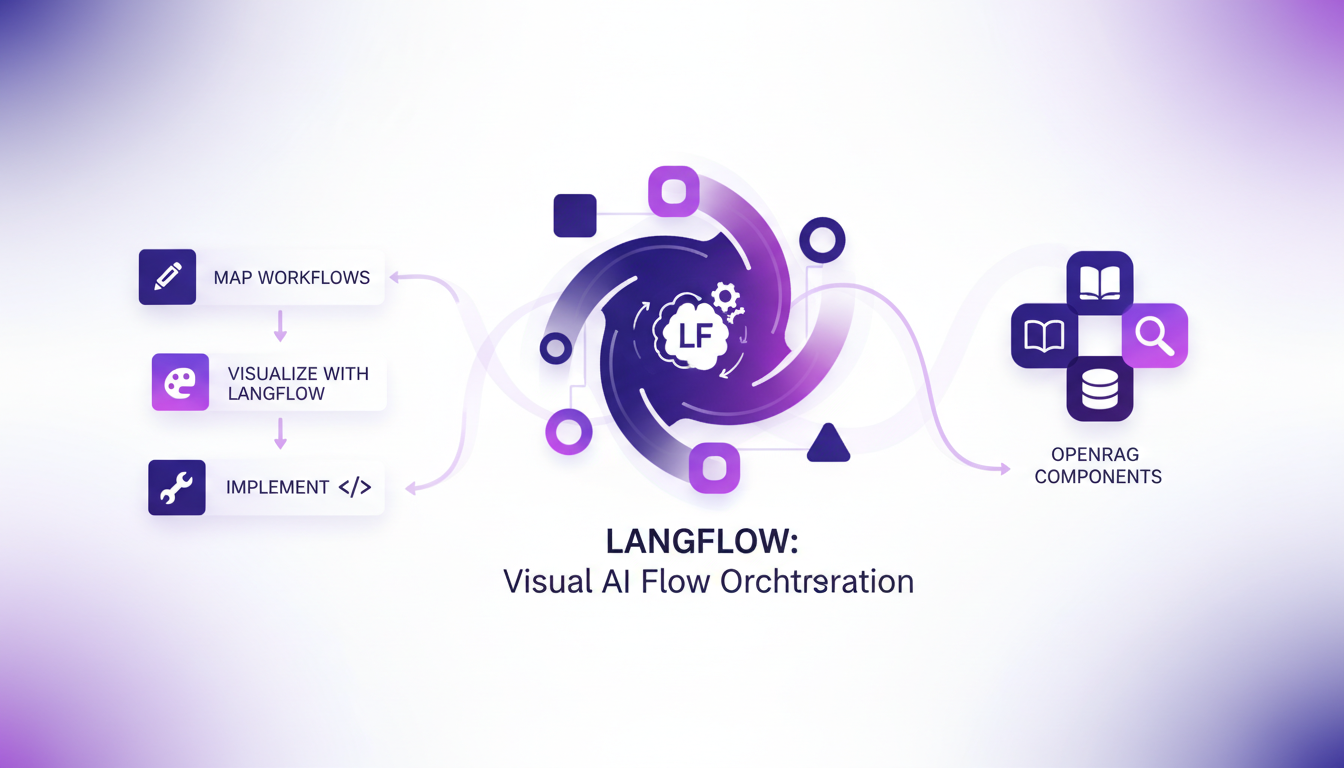
Langflow simplifies AI flow orchestration with intuitive visual tools. It integrates seamlessly with OpenRAG components, making it easier to create complex AI workflows. First, map out your AI workflows; then, implement using Langflow. But caution, don't overcomplicate the flows, as it can quickly become cumbersome.
The real strength of Langflow lies in its ability to reduce setup time and errors. This allowed me to optimize my projects without spending hours on technical details.
Agentic Retrieval and OpenRAG Customization
Agentic retrieval is like having an AI assistant that knows exactly what to search for and how to use the results. It offers enormous flexibility in customizing OpenRAG to meet specific project needs. Customizing OpenRAG also means leveraging community plugins and modules.
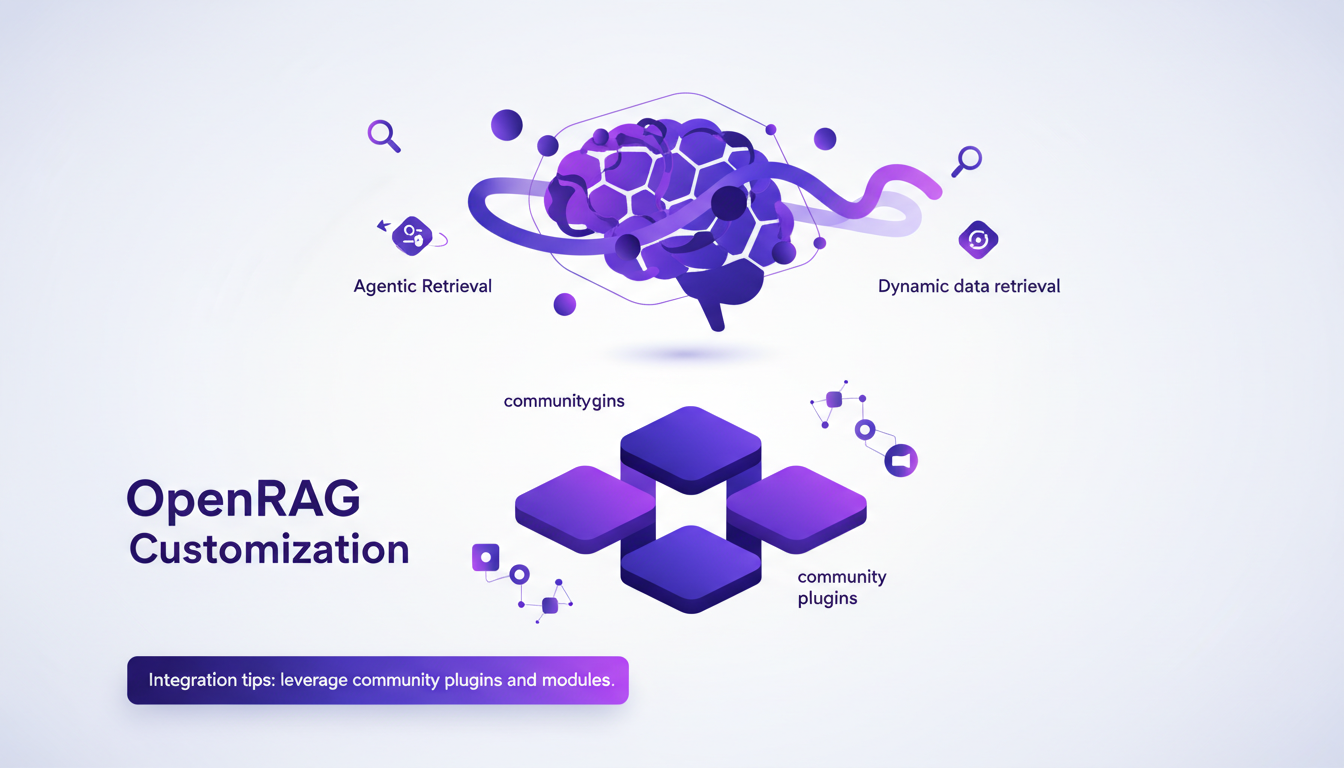
But watch out for compatibility with existing systems, it's a crucial point. Community involvement in OpenRAG boosts innovation and support, a real asset for all users.
OpenRAG isn't just a stack; it's a toolkit for driving efficiency and innovation in RAG. I plugged in Dockling for document processing and Open Search for indexing, and it's a game changer. Each component, from Langflow's visual orchestration to open-source customization, plays a crucial role. Here's what stands out:
- Dockling handles up to 258 million vision model instances, significantly boosting document processing.
- Open Search allows rapid indexing, even for data less than a million tokens.
- Langflow provides visual orchestration that simplifies complex workflows.
And with the open-source community, you can easily tailor OpenRAG to fit your specific needs. Ready to optimize your RAG workflows? Dive into OpenRAG and start building smarter solutions today. For a deeper understanding, check out the original video 'OpenRAG: An open-source stack for RAG' by Phil Nash on YouTube.
Get ready to transform your efficiency while keeping an eye on the technical limits.
Frequently Asked Questions

Thibault Le Balier
Co-fondateur & CTO
Coming from the tech startup ecosystem, Thibault has developed expertise in AI solution architecture that he now puts at the service of large companies (Atos, BNP Paribas, beta.gouv). He works on two axes: mastering AI deployments (local LLMs, MCP security) and optimizing inference costs (offloading, compression, token management).
Related Articles
Discover more articles on similar topics
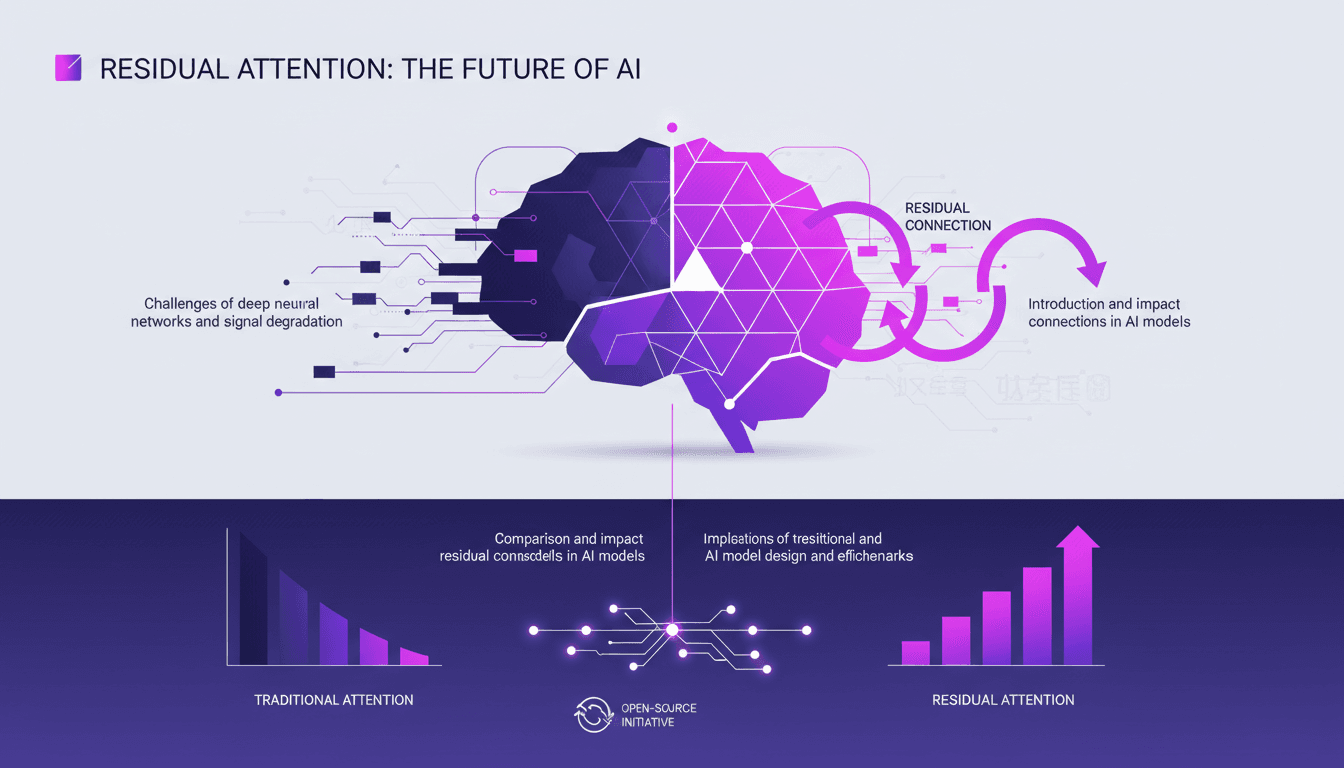
AI Breakthrough: Residual Attention Revolutionizes
I remember the first time I saw the impact of residual attention on AI models. It was like flipping a switch. Suddenly, inefficiencies that plagued deep learning for years were laid bare—and fixed. Since 2015, AI's foundations hadn't budged, but this breakthrough changes everything. Residual attention tackles signal degradation in deep neural networks, making models more efficient. Compared to traditional methods, it delivers superior performance on benchmarks. With open-sourcing, its potential impact is huge, notably in Chinese labs where hardware constraints drive innovation. But don't underestimate the complexity of integration.
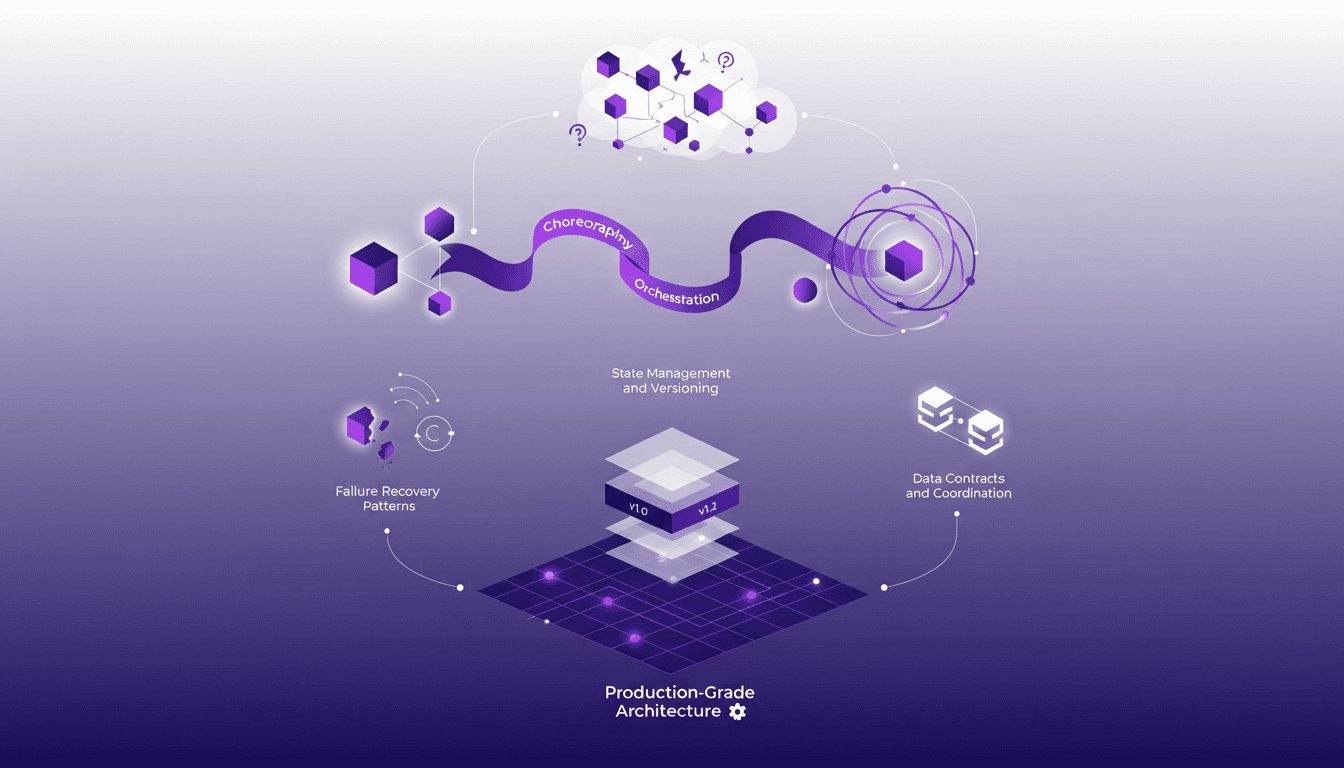
Multi-Agent Orchestration: Patterns That Work
Having spent 18 years building data systems, I've learned that chaos isn't just possible—it's inevitable without the right orchestration. In distributed systems, juggling multiple agents can quickly become a nightmare. But with the right multi-agent orchestration patterns, I've turned this complexity into a well-oiled machine. Dive into the real-world strategies that work: from state management to data contracts, and failure recovery. If you've ever seen two agents calculate different credit scores for the same customer (750 vs. 680), you know what I'm talking about. Welcome to the world of production-grade multi-agent architecture, where every decision impacts efficiency, cost, and reliability.
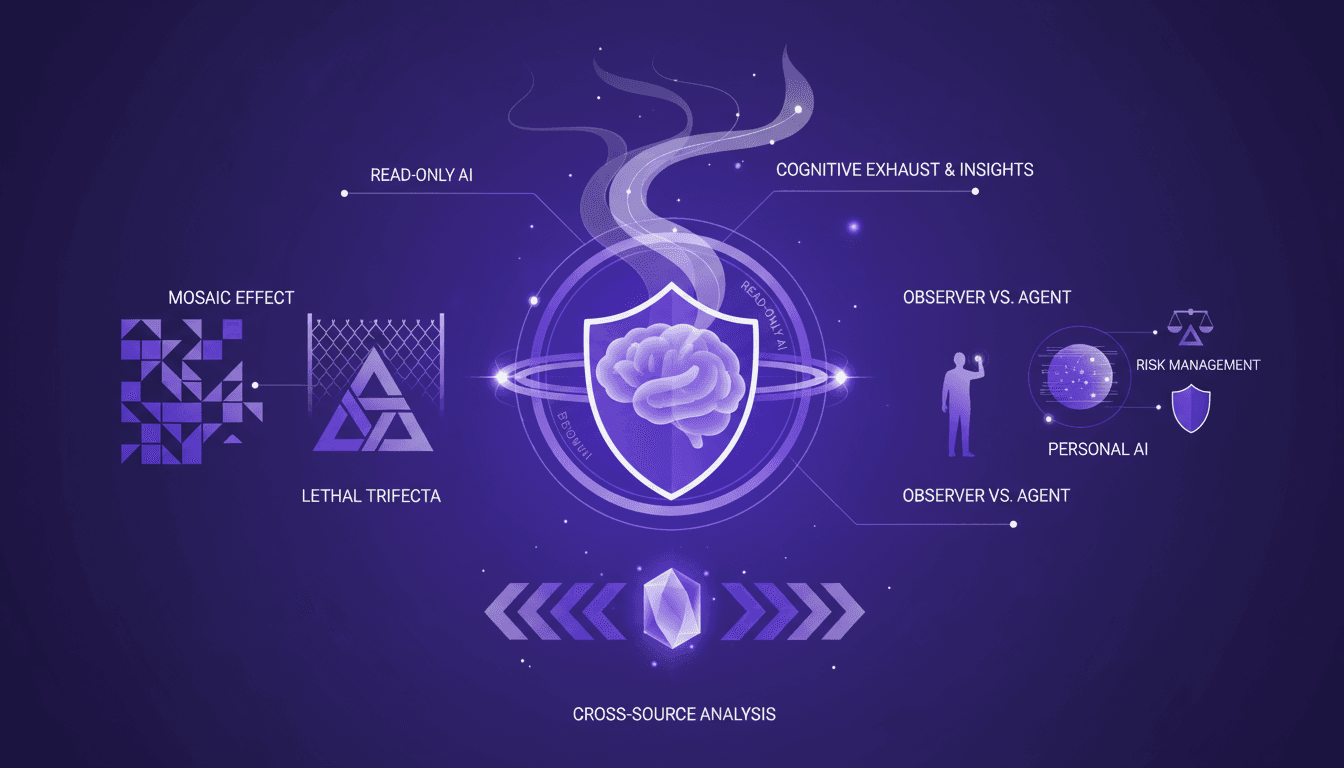
Harnessing Read-Only AI for Enhanced Safety
I've been in the AI trenches long enough to know when something's underrated. Read-only AI, for instance, is a game changer for safety and analysis. Just think about this: shaving off 30 seconds from your weather checks. It might seem trivial, but stack up these small wins, and you'll see why I call it a game changer. In this talk, I dive into how read-only AI can not only optimize your workflow but also provide a robust defense against cognitive exhaust fumes and the mosaic effect, two often-overlooked yet crucial concepts for any practitioner. I'll walk you through how these approaches, combined with cross-source analysis, can uncover unique insights and bolster the security of your personal AI systems.
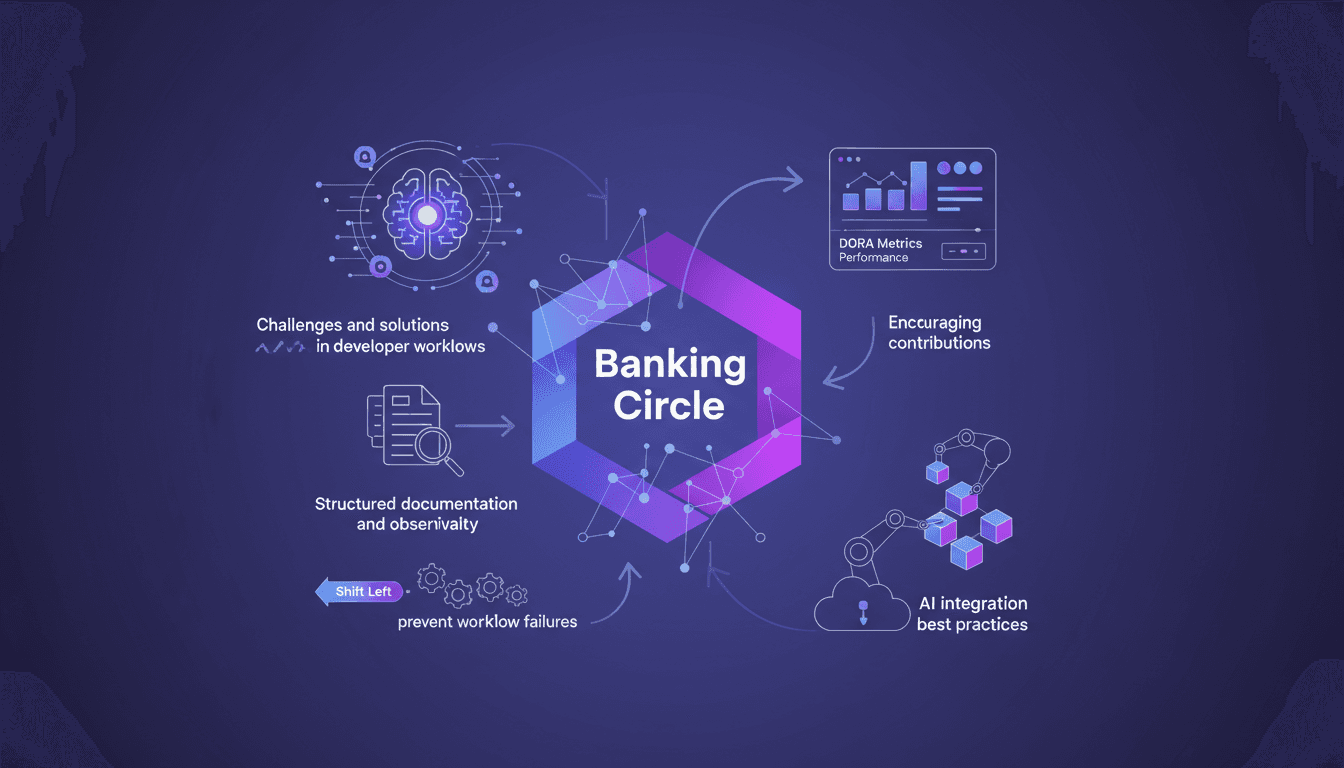
API Platform Engineering: A Practical Case
I've been knee-deep in platform engineering at Banking Circle, where we handle a staggering €1 trillion annually. With 700 financial institutions counting on us, our mission is clear: streamline workflows through API-based solutions and AI integration. But it's no walk in the park. Let me show you how we tackle these challenges: self-service, APIs, and AI agents. Our team of 250 engineers is at the forefront, leveraging metrics like Dora to measure success. Dive into how we preempt workflow failures with a 'shift left' approach and encourage contributions to our internal platforms.
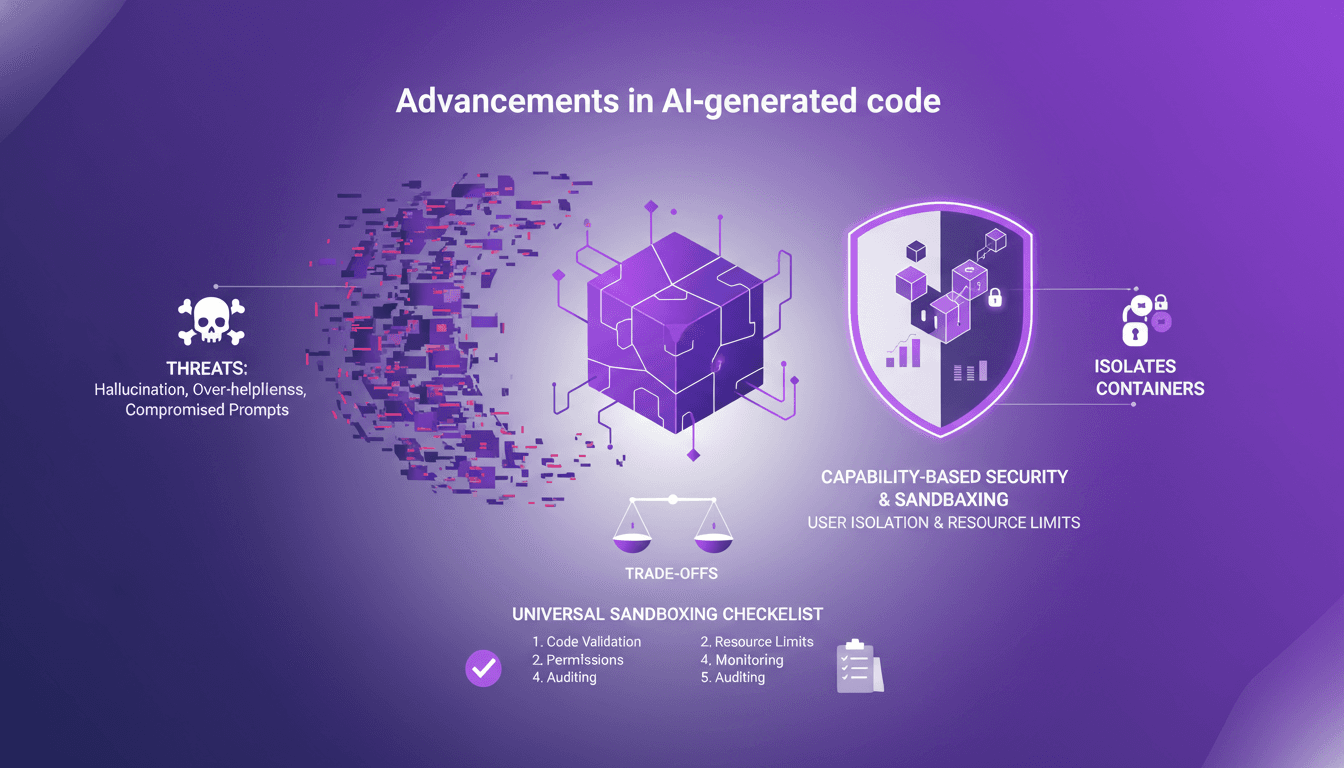
Sandboxing AI Code: Secure Your Projects
I've been burned by AI-generated code more times than I'd like to admit. From hallucinations that crashed my server to overly helpful suggestions that sent me spiraling down rabbit holes, I knew I had to sandbox that AI code. First, I'll walk you through why sandboxing is crucial, then how I set it up to protect my projects. With AI-generated code becoming more prevalent, robust security practices are essential. We’ll explore the threats posed by AI code and how sandboxing can mitigate these risks. (Hint: containers and isolates each have their trade-offs.)