API Platform Engineering: A Practical Case
I've been knee-deep in platform engineering at Banking Circle, where we handle a staggering €1 trillion annually. With 700 financial institutions counting on us, our mission is clear: streamline workflows through API-based solutions and AI integration. But it's no walk in the park. Let me show you how we tackle these challenges: self-service, APIs, and AI agents. Our team of 250 engineers is at the forefront, leveraging metrics like Dora to measure success. Dive into how we preempt workflow failures with a 'shift left' approach and encourage contributions to our internal platforms.
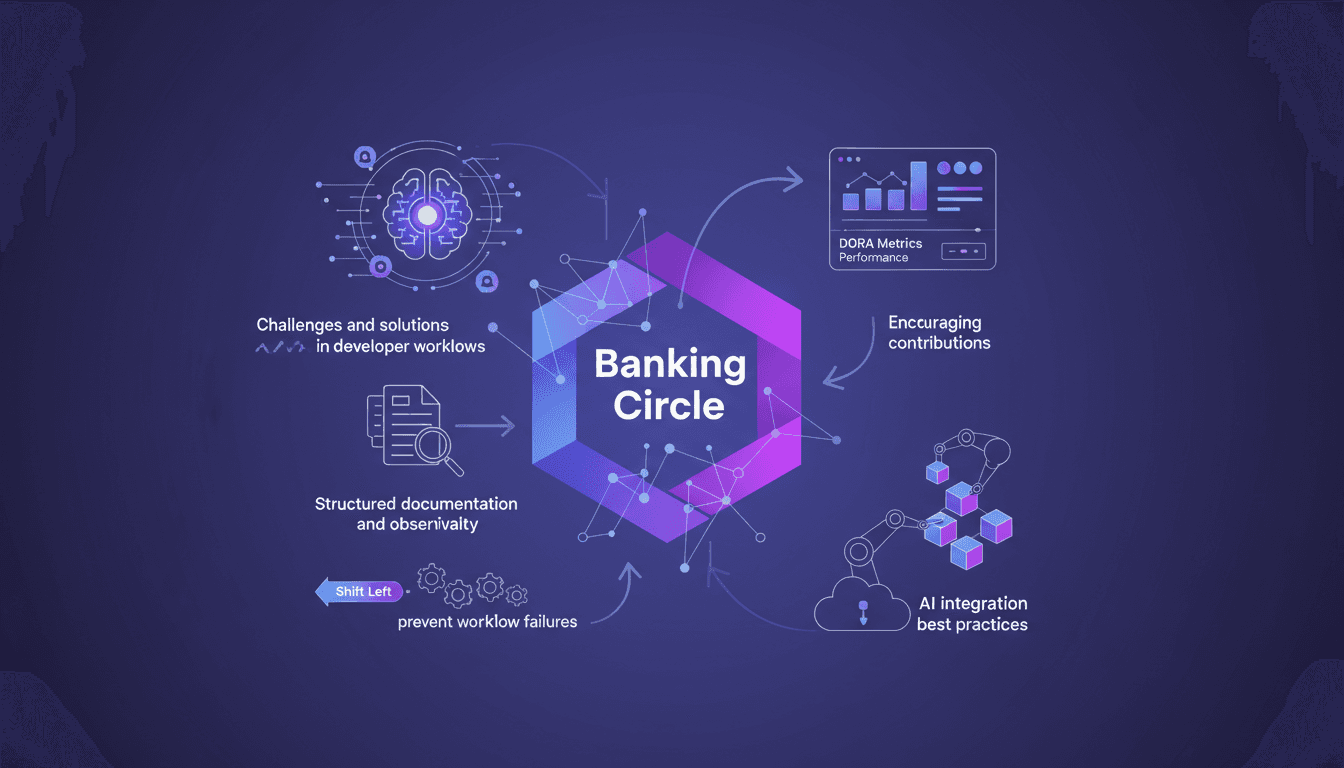
I've been knee-deep in platform engineering at Banking Circle, where we process a staggering €1 trillion annually. With 700 financial institutions relying on us, our mission is clear: streamline workflows through API-based solutions and AI integration. But it's not without its challenges—let me walk you through our journey. Our team of 250 engineers is at the forefront, leveraging self-service and API-driven approaches to enhance developer workflows. We've got Dora metrics to measure success, but it's the 'shift left' mindset that prevents workflow failures. Encouraging contributions to internal developer platforms is key, and I'll share how we tackle AI integration in platform engineering. This is not just theory—it's the practical, gritty work that keeps us ahead.
Building the Foundation: API-Based Platform Engineering
First, we structured our platform with well-defined APIs, crucial for seamless integration. This is the backbone of our diverse financial operations. Our Atlas platform acts as the core, supporting everything from compute to observability—imagine it as the skeleton that holds everything together.
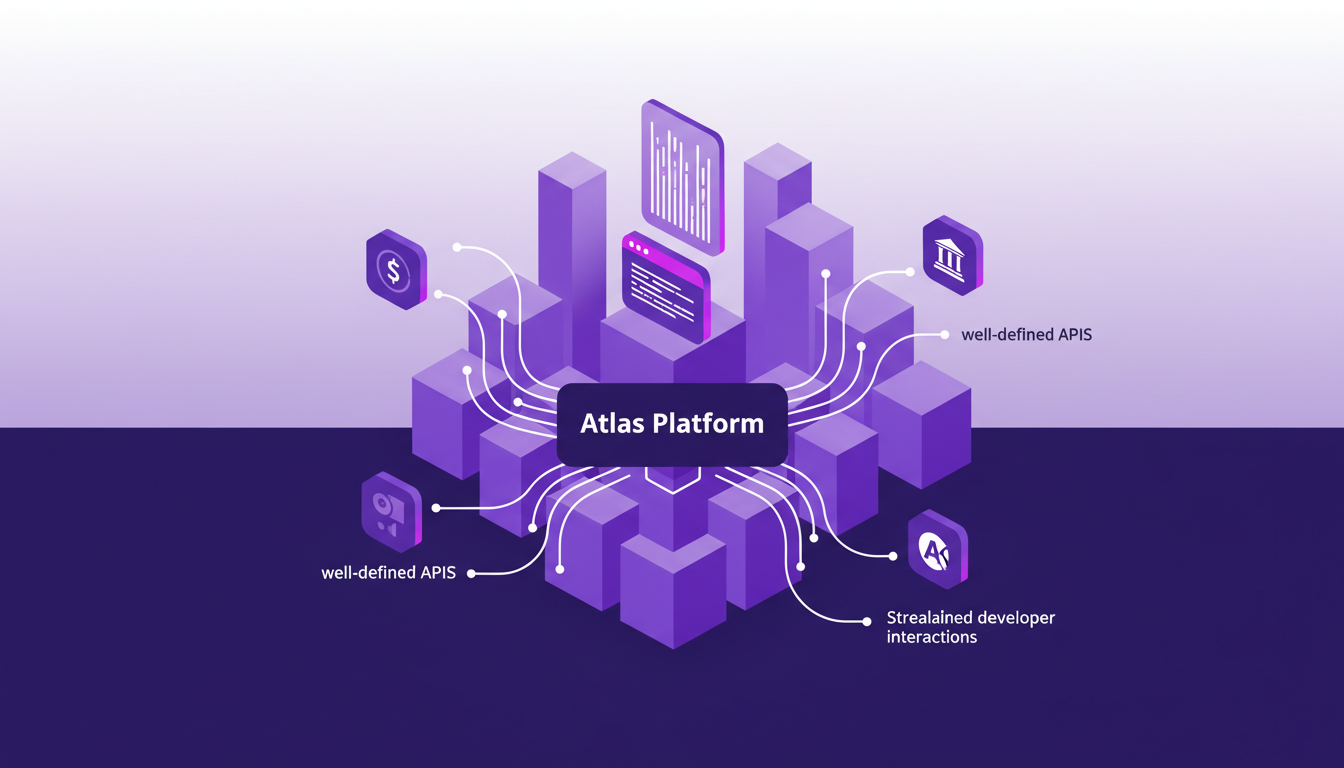
Then, implementing a robust CLI on top of these APIs streamlined developer interactions. But watch out for API versioning issues; they can trip up integration if not managed well. I've been burned more than once, but now I ensure every version is meticulously controlled.
- Structuring with well-defined APIs eases integration.
- Atlas, our platform, supports diverse financial operations.
- A robust CLI streamlines developer interactions.
- Watch out for API versioning issues.
AI and Developer Workflows: The Challenges
Deploying AI agents isn't plug-and-play; it demands precise workflow orchestration. We faced hurdles with deployment consistency and error management. Shift-left practices helped us catch issues earlier in the development cycle. This is a real time-saver.
Balancing AI autonomy with developer control is key. For instance, we resolved a deployment bottleneck with proactive monitoring. The result? Less time wasted figuring out what went wrong.
- Precise workflow orchestration is crucial.
- Challenges with deployment consistency and error management.
- Shift-left practices catch issues earlier.
- Balancing AI autonomy with developer control is key.
Self-Service and API Solutions: Driving Efficiency
Self-service platforms reduce dependency on centralized teams, speeding up processes. Our API-based solutions offer flexibility and scalability. We implemented structured documentation to ensure clarity and reduce onboarding time. It transformed our approach.
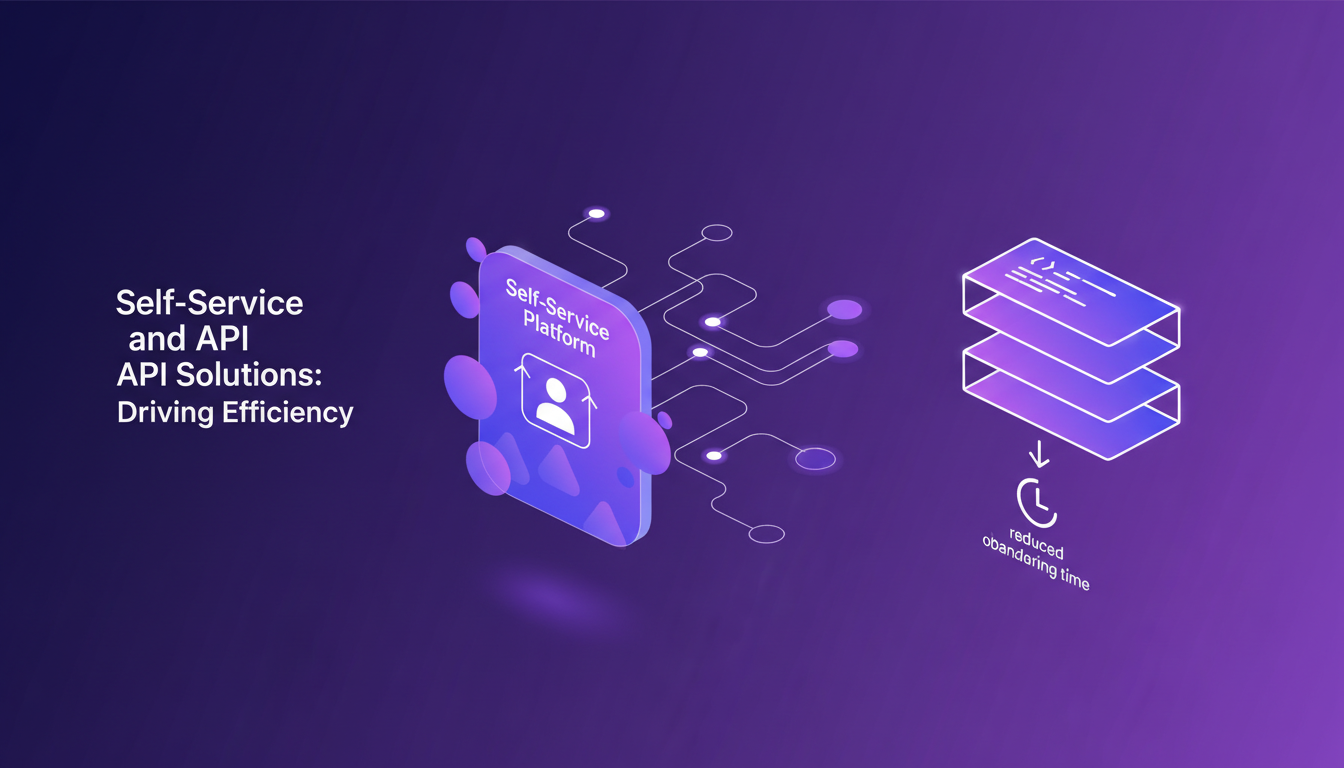
Observability tools are non-negotiable for tracking API performance. A practical tip: automate repetitive tasks to save time and reduce errors. I've seen teams lose hours on trivial tasks that could have been automated.
- Self-service platforms speed up processes.
- API-based solutions offer flexibility and scalability.
- Structured documentation reduces onboarding time.
- Automate repetitive tasks to save time.
Measuring Success: Metrics and Contributions
Dora metrics provide valuable insights into deployment frequency and lead time for changes. Encouraging team contributions is vital for platform evolution. We use performance indicators to assess the impact of our engineering efforts.
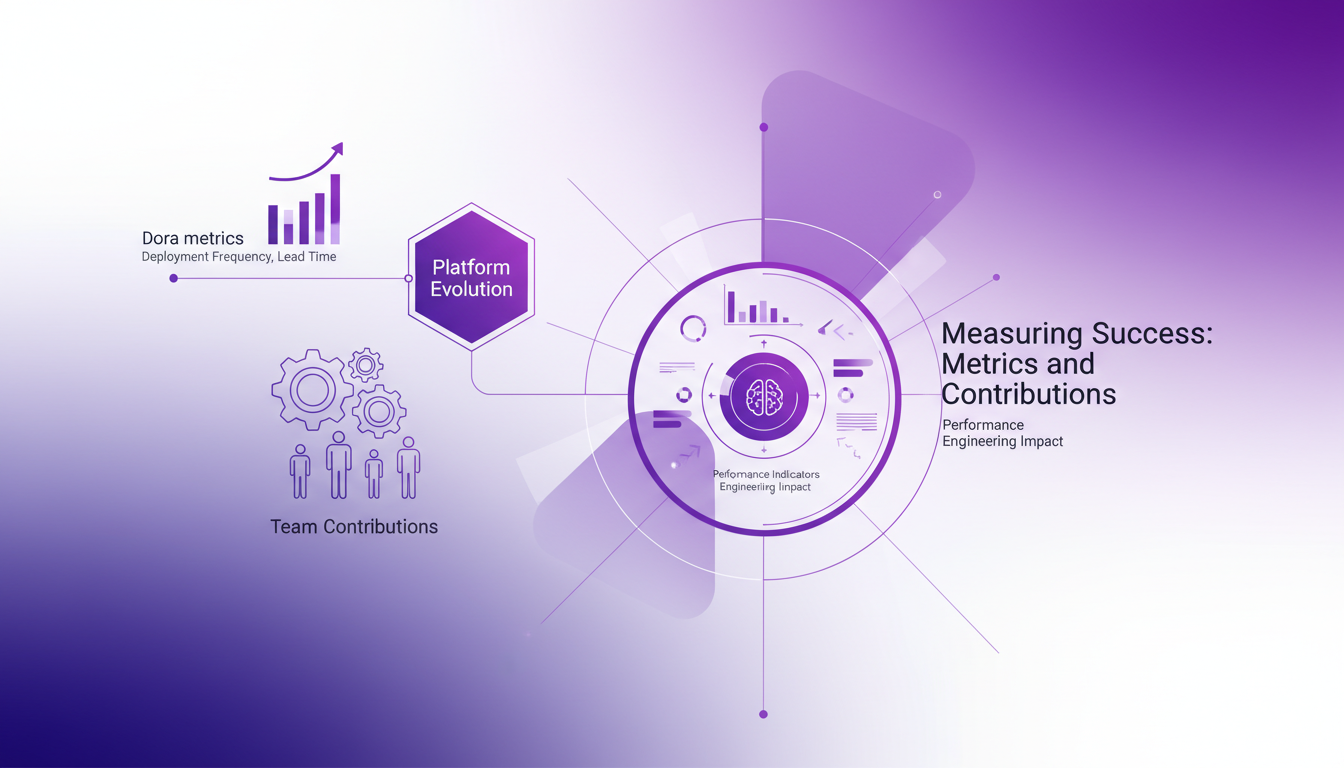
A culture of continuous improvement keeps us ahead. A concrete example: a small tweak in our API usage led to significant performance gains. It's often in the details where we find the biggest benefits.
- Dora metrics offer insights into deployments.
- Encouraging contributions drives platform evolution.
- Use performance indicators to measure impact.
- A culture of continuous improvement is crucial.
Best Practices for AI-Ready Platforms
Integrating AI into platforms requires a strategic approach. Focus on building a flexible, modular architecture. Ensure your team is equipped with the right skills and tools. But don't over-rely on AI; human oversight is crucial.
Final thoughts: the balance between innovation and stability is essential. I've seen projects fail because they rushed into AI without a solid structure. Take the time to build your foundations right, and the results will follow.
- A strategic approach is needed for AI integration.
- Build a flexible, modular architecture.
- Ensure the team has the right skills.
- Don't over-rely on AI; human oversight is essential.
Diving into platform engineering means leveraging APIs and AI to streamline workflows and foster a culture of constant innovation. Here's how we do it:
- We've amped up our efficiency with self-service and solid API-based approaches, which is critical when handling €1 trillion annually.
- Serving 700 regulated financial institutions, structured documentation and observability aren't luxuries—they're essentials to keep us agile.
- AI agents show promise in refining our workflows, but watch out for the challenges they bring; be ready to adapt continuously.
Looking ahead: The key is embracing a shift-left approach that embeds innovation right at the development stage. It's a real game changer, but don't underestimate the necessary tweaks.
Together, we can transform platform engineering. Start by reassessing your API strategies. For a deeper dive, check out Juan Herreros Elorza's full video: YouTube link. Let's build, learn, and innovate together.
Frequently Asked Questions

Thibault Le Balier
Co-fondateur & CTO
Coming from the tech startup ecosystem, Thibault has developed expertise in AI solution architecture that he now puts at the service of large companies (Atos, BNP Paribas, beta.gouv). He works on two axes: mastering AI deployments (local LLMs, MCP security) and optimizing inference costs (offloading, compression, token management).
Related Articles
Discover more articles on similar topics
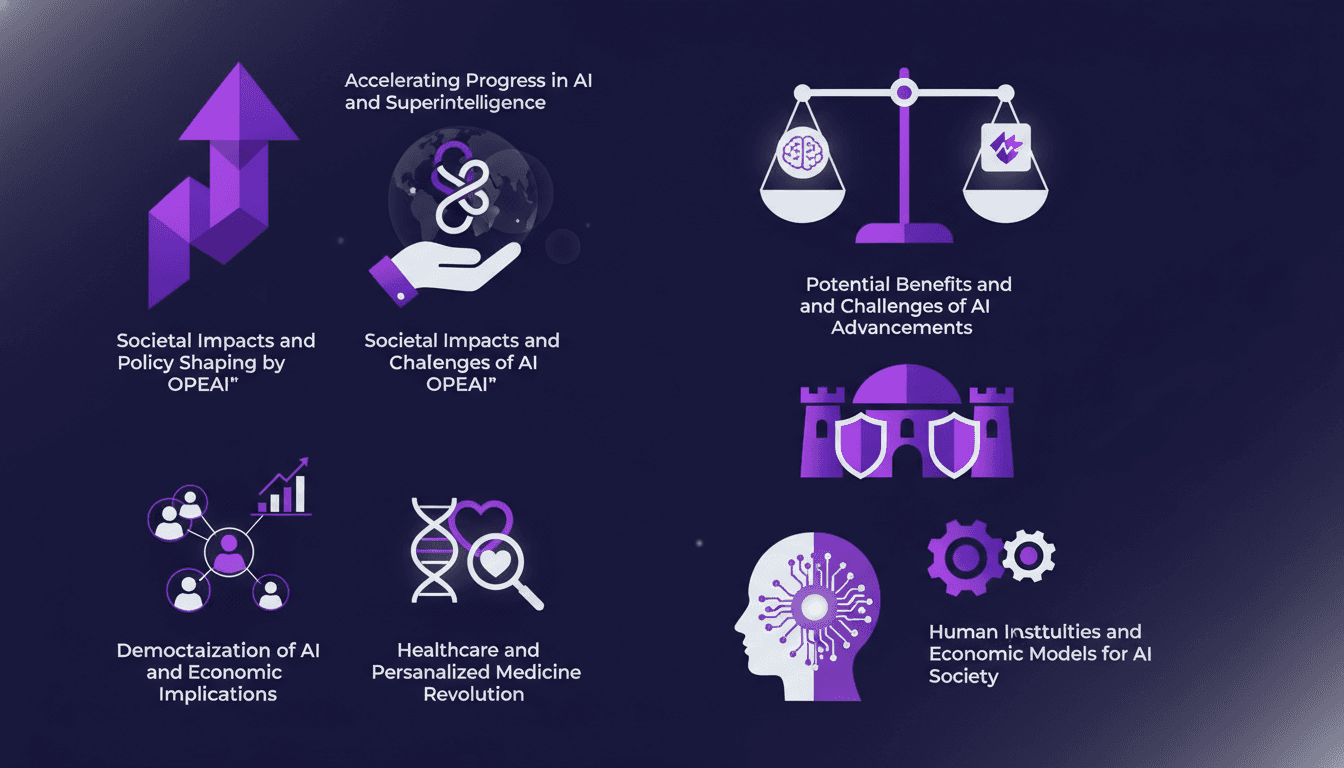
Accelerating AI: Building a Superintelligent Future
I've spent countless hours building AI systems that push boundaries. Imagine accelerating a decade of scientific progress in just one year. That's what Sam Altman and his OpenAI team are showcasing in their talk on the future of AI. We're diving into real-world applications, tangible challenges, and the potential societal impact. From AI democratization to personalized medicine and resilience against threats, the AI era is here. But watch out, there are challenges to tackle. Join me in exploring how we're shaping policies and economic models to integrate AI into our daily lives.
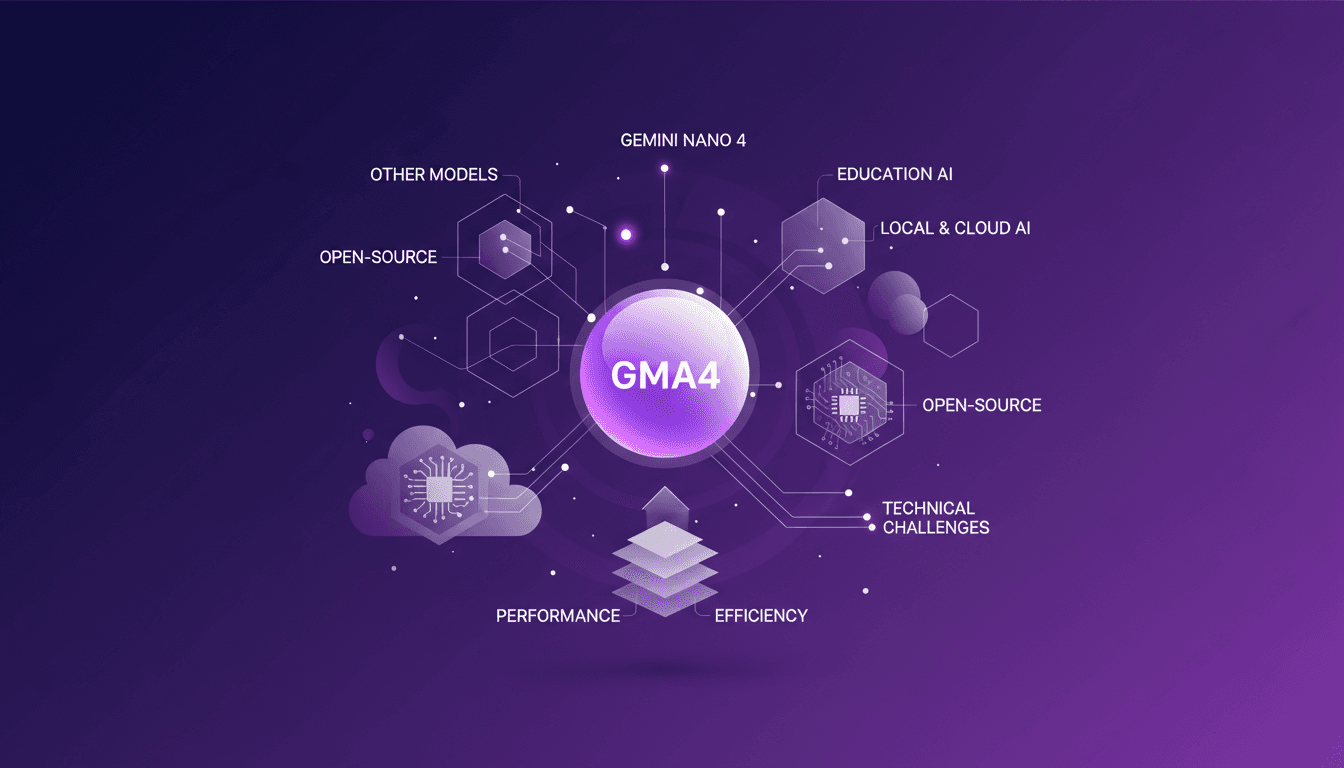
GMA4: Google's Open-Source AI Revolution
When Google released the GMA4 model, I knew it would be a game changer. I dove right into integrating it with Gemini Nano 4 for Android. And let me tell you, it wasn't a walk in the park. GMA4 is not just another AI model. With its open-source structure, it redefines local AI processing. But watch out, there are technical traps to avoid. I got burned several times, especially on performance optimization and efficiency. Yet, when you truly get a handle on these aspects, the impact is massive. Imagine a model 30 times smaller than its competitors but just as powerful. That's GMA4, a revolution in local and cloud AI. We'll talk about the educational opportunities for integrating this technology and what it means for the future of AI.
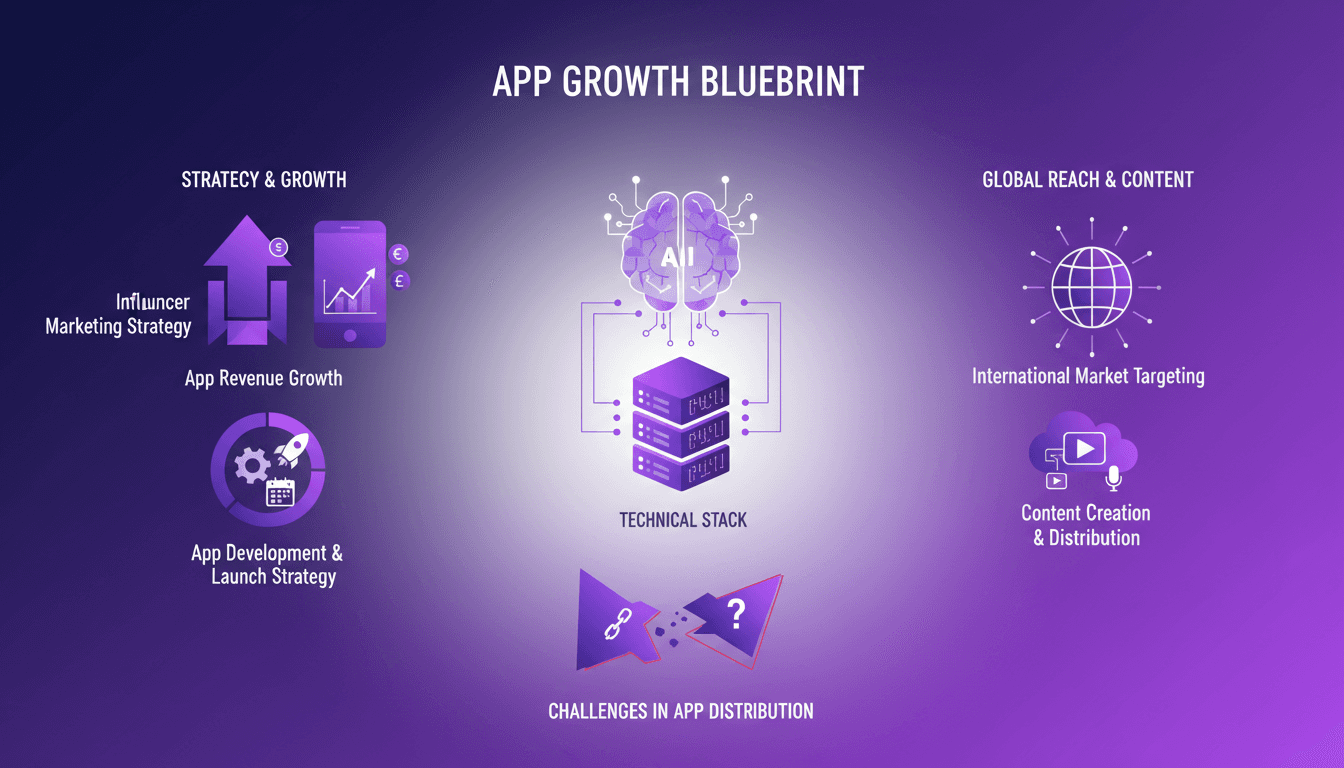
Influencer Strategy: $35K/Month with One App
I turned an app idea into a $35K/month cash machine by partnering with just one influencer. How? By orchestrating an influencer marketing strategy that skyrocketed our revenue by 10,000%. I'll walk you through how I navigated the challenges of app development, international market launch, and powerful content creation. And watch out—there are pitfalls to avoid (I've been burned more than once)!
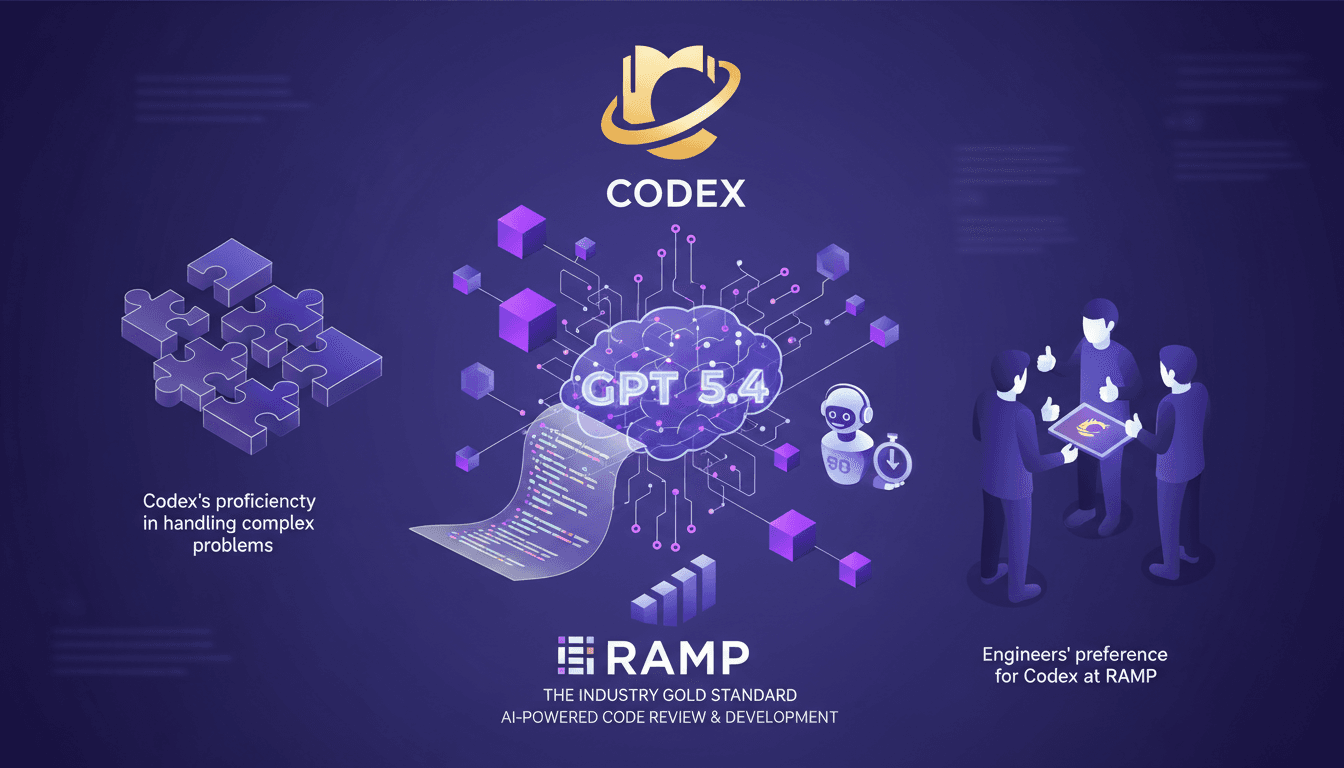
Codex: Revolutionizing Code Review at RAMP
When I first integrated Codex with GPT 5.4 at RAMP, I knew we were onto something big. The way it slashed code review times from hours to minutes was a game changer. That's not just talk. By pairing Codex with GPT 5.4, we've not only optimized our workflows but also developed an AI-driven on-call assistant that changed how we tackle complex problems. Codex has become the industry standard for code review, and at RAMP, our engineers swear by it. Let's dig into how this setup works and why it's winning over everyone here.

Harnessing Quantum Power in Living Organisms: Guide
I've spent countless hours in the lab wrestling with quantum computing concepts, and here's the kicker: our bodies are already quantum machines. By diving into the natural world, down to the cellular level, we find quantum principles that challenge even the giants like Google and IBM. Picture this: every second, the microtubules in our cells are performing super radiance quantum processes a trillion times. This untapped quantum biology power could revolutionize how we approach technology and AI. Let's dive into this new frontier together.