Nanabano 2: Setup, Comparison, and Tips
I dove into Google Nanabano 2 expecting just another AI tool, but what I found was a real game-changer for image generation. Let me walk you through how I set it up and what makes it tick. With high visual fidelity and multilingual support, Nanabano 2 holds a lot of promise, but how does it perform in the real world? I compared it with the Pro version, explored its features, and tested its rendering and image generation capabilities. In just 12 minutes, I'll show you how to access Nanabano 2, leverage its real-time translation capabilities, and why it might just become your favorite new tool.
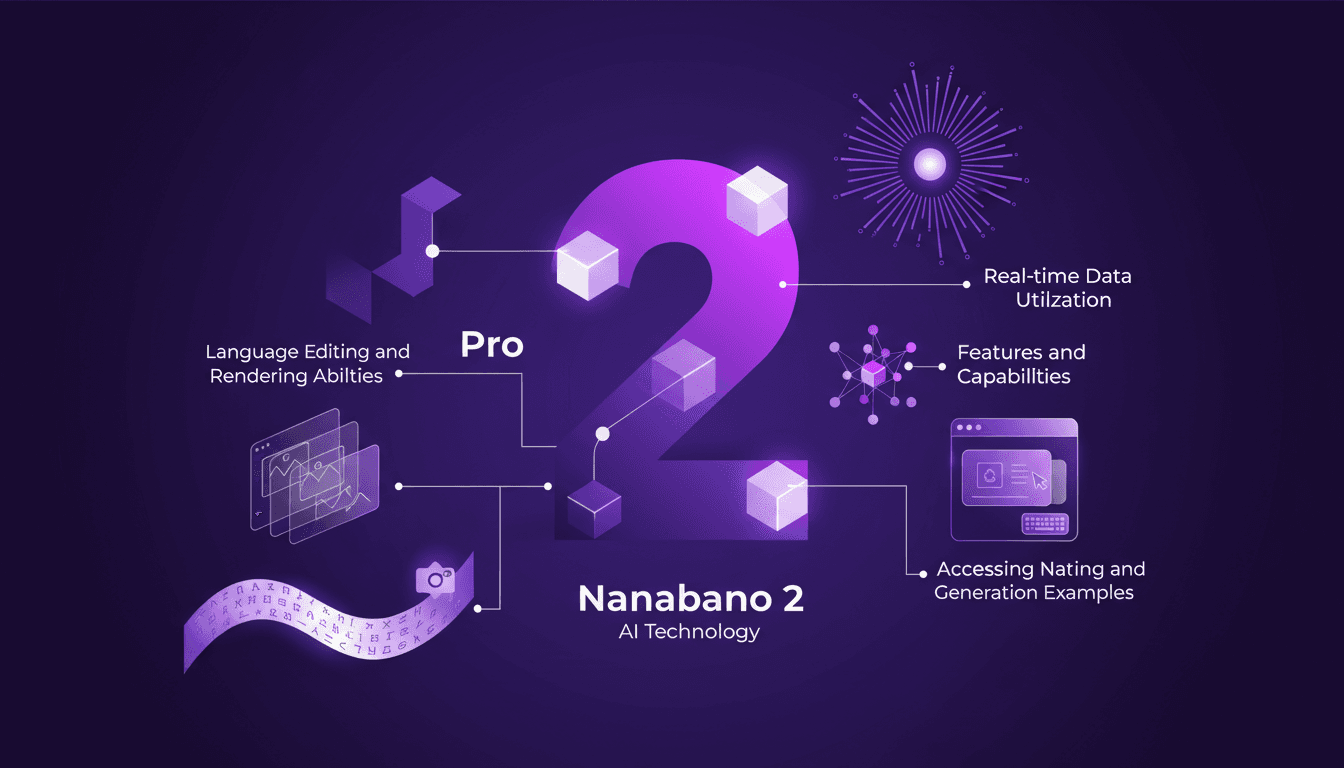
I dove into Google Nanabano 2 expecting just another AI tool, but what I found was a real game-changer for image generation. As a practitioner, I was immediately curious to see how it could fit into my workflow. First, I connect my account, set up the initial parameters, and then I discover the power of its visual rendering capabilities. But watch out, the real magic lies in its ability to handle multiple languages, opening up incredible possibilities for international projects. I tested its image generation up to 4K and compared it with the Pro version. Are the six features Google boasts about really up to par? In just 12 minutes, I'll show you how I orchestrated it all, the pitfalls to avoid, and why Nanabano 2 might just be the tool that revolutionizes how you create.
Setting Up Nanabano 2: A Step-by-Step Guide
I jumped into setting up Nanabano 2 via Google's platform, and let me tell you, it's straightforward when you know where to look. First, I connect to Google AI Studio. Watch out, it's paid here, but this interface is worth exploring for grasping the basics. Then, I switch to Google Vortex, also paid, but it offers more flexibility for developers.
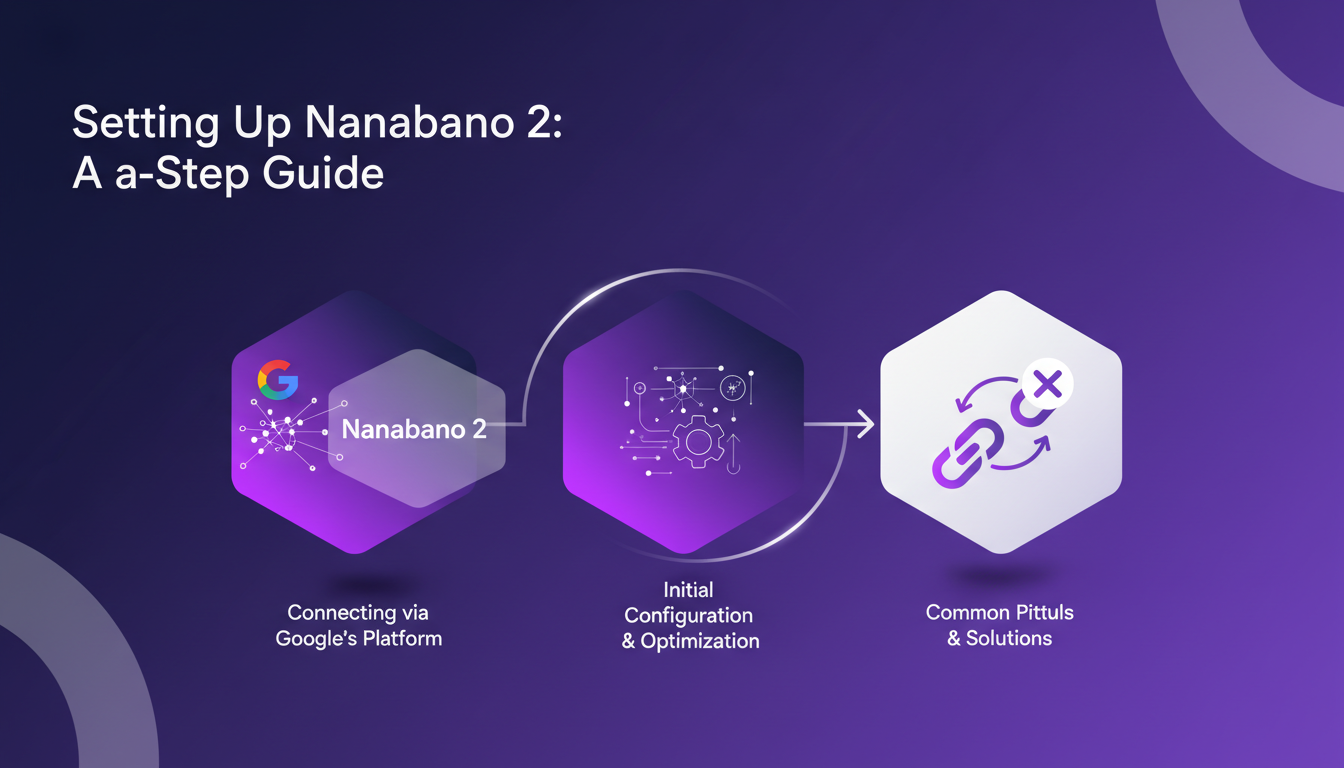
The initial configuration is crucial for optimal performance. I start by adjusting the rendering settings to avoid surprises. A common pitfall is neglecting token management, which can quickly inflate costs. My tip: set your visual fidelity according to your actual needs.
"Nanabano 2 is faster and cheaper than the Pro, but beware of the initial setup pitfalls."
I was pleasantly surprised by the interface. It's intuitive and, frankly, quite appealing for a tool of this caliber. But beware, don't get too swept up by the advanced options if you're just starting out, as this can unnecessarily complicate things.
Nanabano 2 vs Nanabano Pro: Key Differences
Let's dive into the differences between Nanabano 2 and Nanabano Pro. In terms of performance, I immediately noticed that Nanabano 2 is faster. Images generate in no time, even in 4K, a capability that Nanabano Pro couldn't achieve without an upscaler.
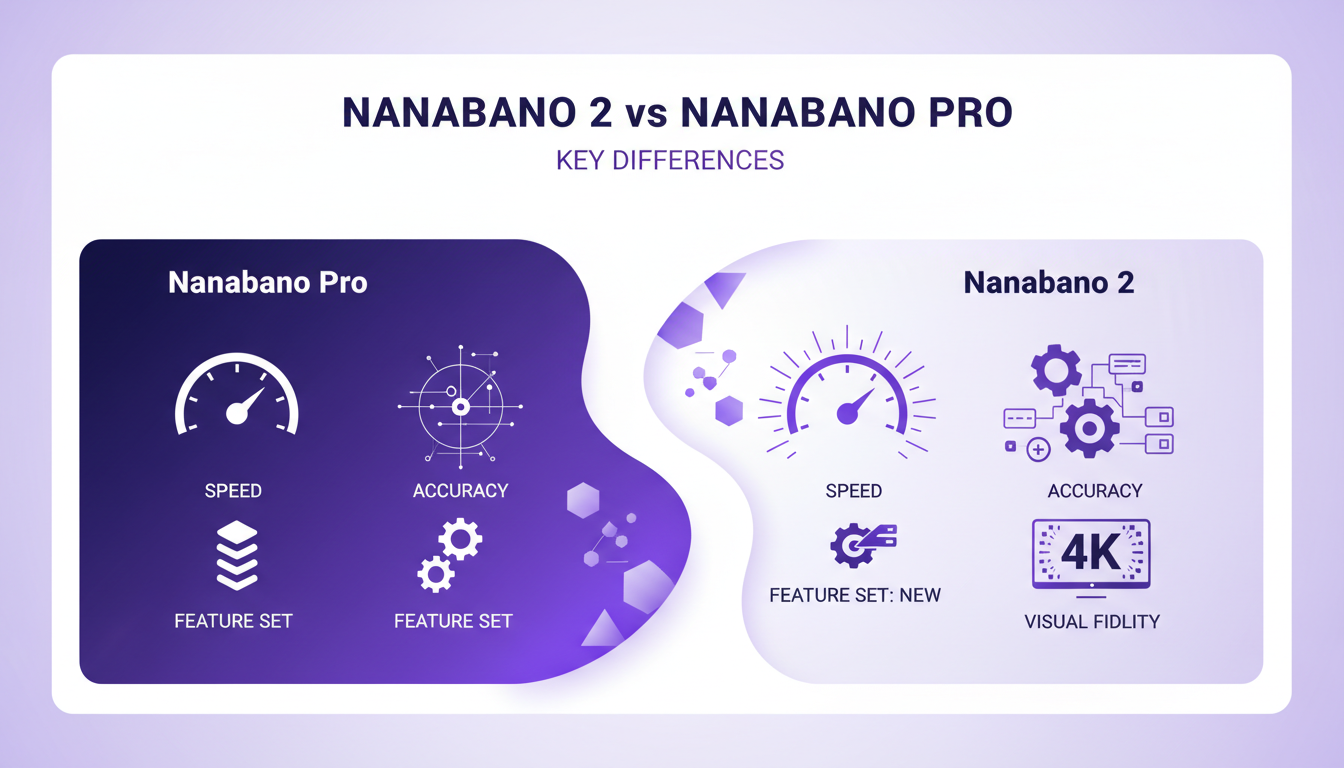
In terms of feature set, Nanabano 2 brings six new features, including better world understanding and impeccable text rendering. I tested creating a Spanish newspaper cover for the T20 World Cup, and the result was stunning.
On the cost side, this is where Nanabano 2 truly shines. More economical, it offers unbeatable value for money. But watch out, if you don't need 4K or the new features, the upgrade might not be necessary.
Exploring Features: Language and Image Capabilities
The text-to-image model of Nanabano 2 is a gem. In practice, this means I can generate complex images from simple text prompts. I particularly love the gradient rendering and the isometric exploded views this model can create.
The multilingual text rendering is also impressive. I've seen this model handle Arabic and Tamil text with a clarity I've never seen before. But watch out, every tool has its limits, and here, you might have to juggle multiple attempts to get the perfect rendering.
- Model uses real-time data for dynamic content
- Renders up to 4K resolution
- Six new features, including visual fidelity and subject consistency
- Impressive multilingual text rendering, but sometimes finicky
For dynamic content, it's a revelation. The model integrates updated data, perfect for infographics or contextual visuals.
Practical Use Cases: Image Editing and Generation
In terms of content creation, Nanabano 2 truly excels in generating social media ads at 1080 resolution. I've used text prompts to create detailed images, and the rendering is impressive.
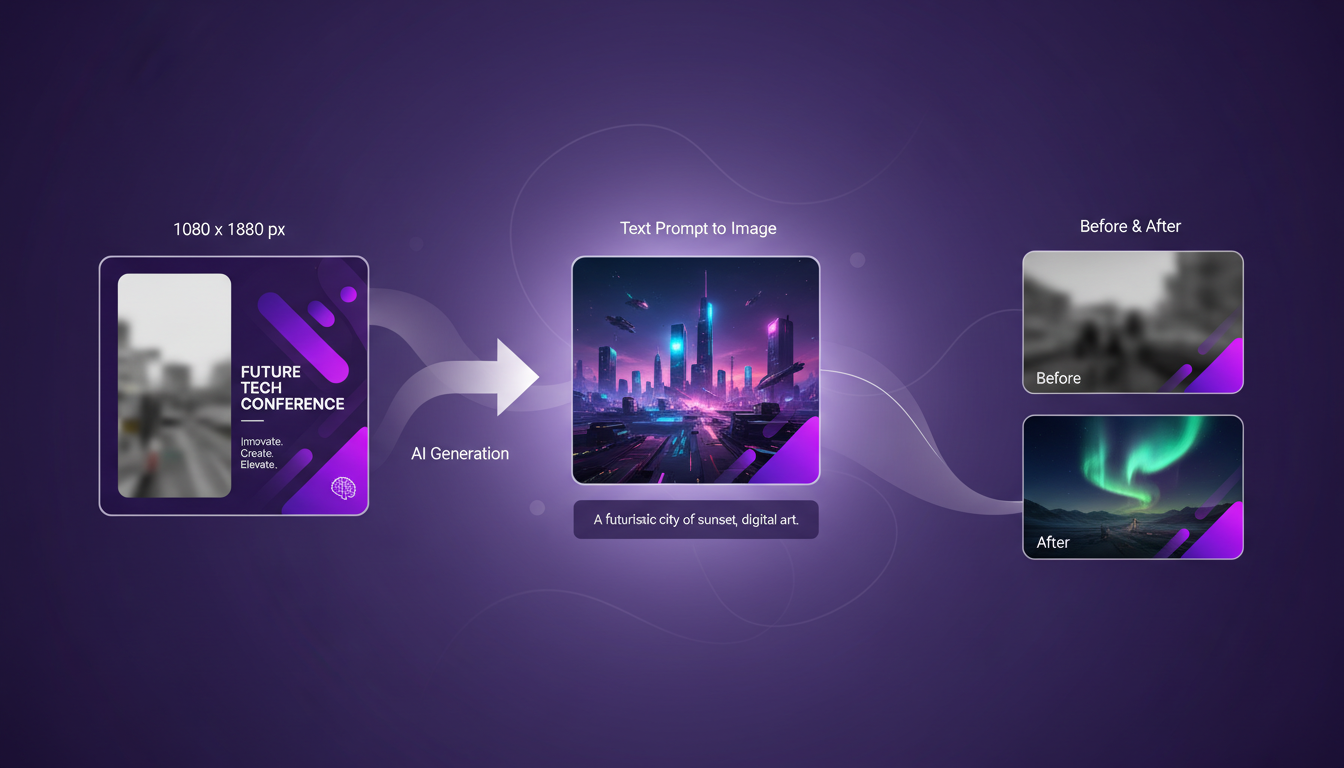
The before/after editing examples clearly show the power of this model. But there's a trade-off: more detail often means more processing time. You need to find a balance.
Translation and Multilingual Support: A Deep Dive
Setting up multilingual capabilities on Nanabano 2 is a breeze. The model excels in translating various texts while maintaining the style and details of the original.
But be cautious, translation accuracy can vary. Languages like Hindi are well managed, but others may require manual tweaks. More info here.
- Easy integration with existing workflows
- Variable translation accuracy
- Limitations: some languages need adjustments
- Future improvements promised by Google
By integrating Nanabano 2 into your existing workflows, you can streamline your processes, but keep in mind there are limitations that Google promises to improve over time.
With Nanabano 2, I've found a seriously powerful tool for image generation and multilingual support. But watch out—understanding its limits and setup intricacies is key. Here's what I’ve gathered:
- Versatility: With six standout features, Nanabano 2 can compete with many, but it takes some time to configure properly.
- 4K Resolution: Generating images up to 4K is a real game changer for our visual projects.
- Comparison: Compared to Nanabano Pro, it’s a different beast, but you need to weigh pros and cons based on your specific needs.
Looking ahead, I'm really excited about the possibilities Nanabano 2 opens up. But you need to be aware of its limits to maximize its potential. Ready to leverage Nanabano 2 in your projects? I suggest diving into its capabilities today. For a deeper understanding, check out the original video "Google Nano Banana 2 in 12 mins!" on YouTube. It's a great way to get started.
Frequently Asked Questions

Thibault Le Balier
Co-fondateur & CTO
Coming from the tech startup ecosystem, Thibault has developed expertise in AI solution architecture that he now puts at the service of large companies (Atos, BNP Paribas, beta.gouv). He works on two axes: mastering AI deployments (local LLMs, MCP security) and optimizing inference costs (offloading, compression, token management).
Related Articles
Discover more articles on similar topics
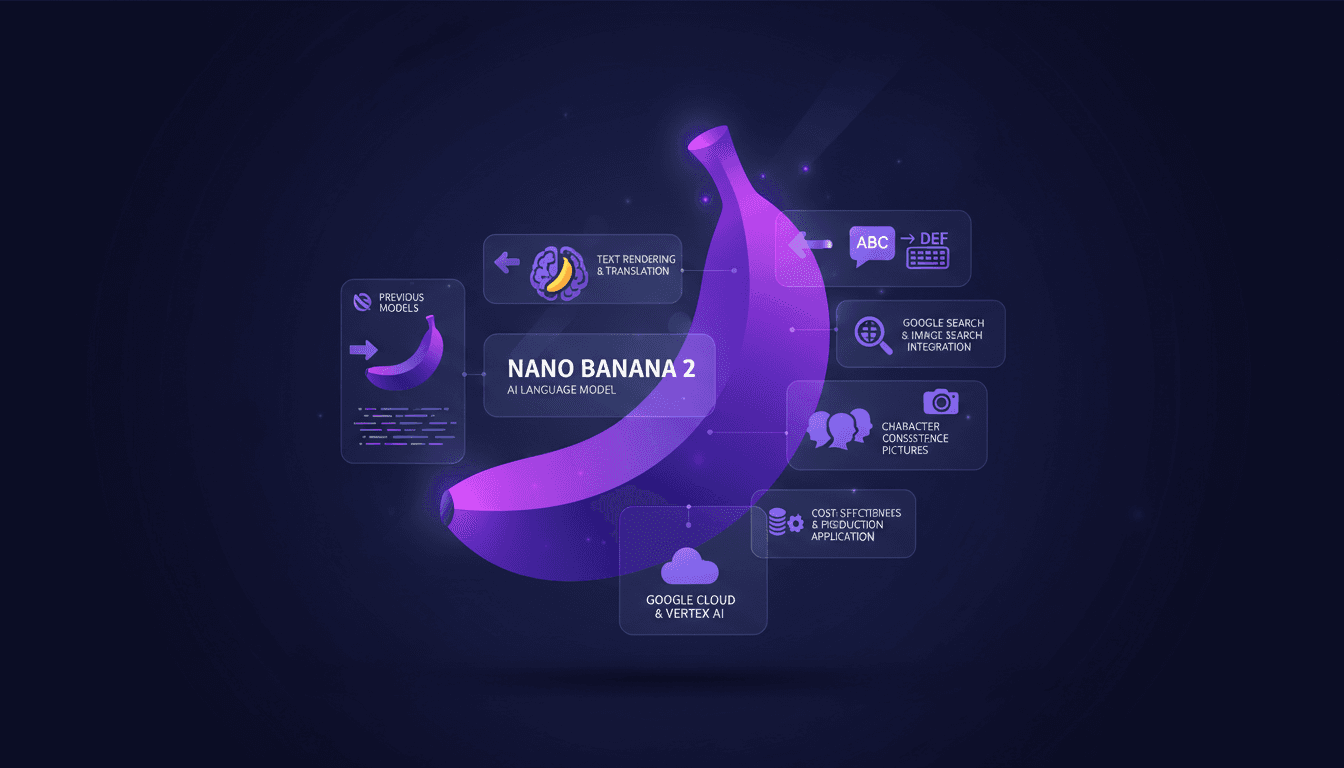
Nano Banana 2: Smaller, Faster, Cheaper
I've been in the trenches with image generation tools, and when Nano Banana 2 hit my workflow, it was a game changer. Smaller, faster, cheaper – it's not just marketing fluff. Let me walk you through how I've leveraged its capabilities to streamline my projects. With enhanced performance and cost-effectiveness, Nano Banana 2 transforms integration with tools like Google Cloud and Vertex AI. For those of us relying on precision and speed, understanding its integration is crucial.
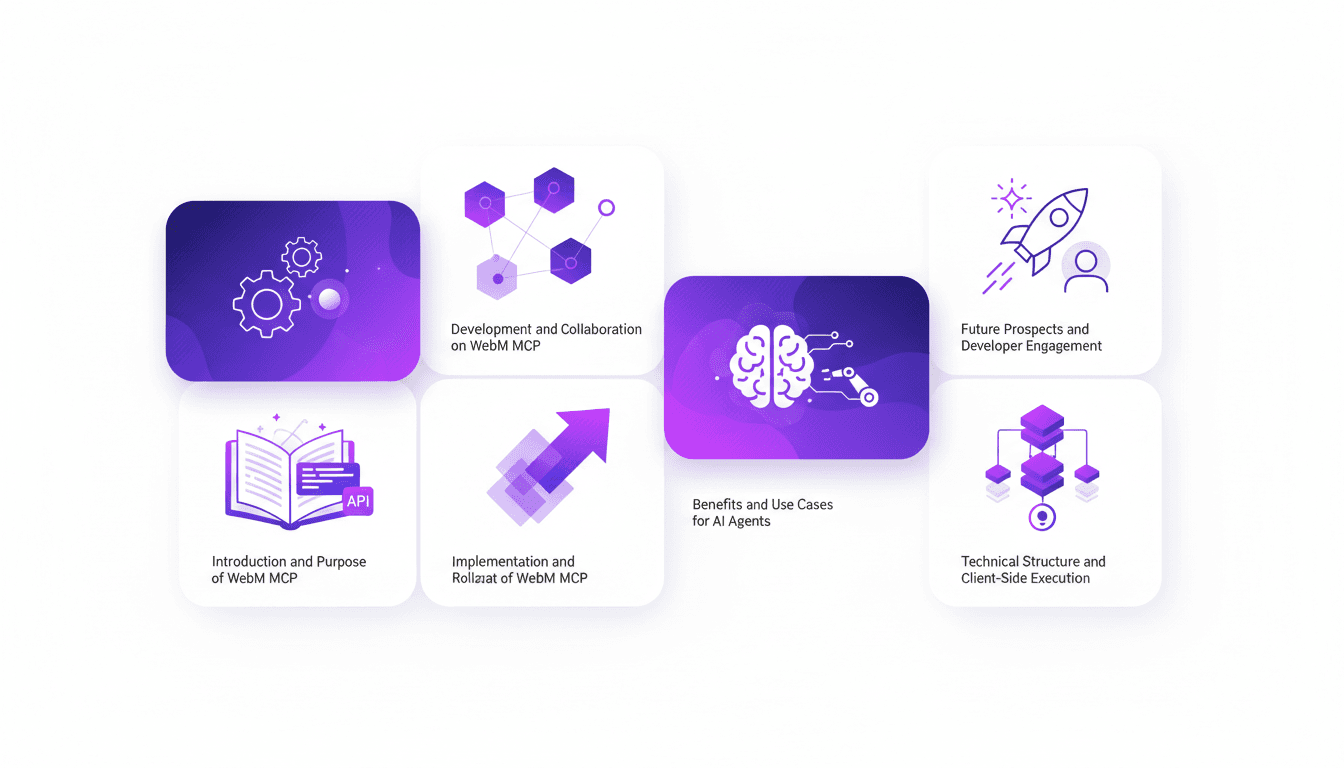
WebM MCP: Use Cases and Future Prospects
When I first heard about WebM MCP, I was skeptical. But after diving in, wrapping my head around its APIs, and seeing the potential, I realized it's a game changer for AI agent deployment. Developed by Google and Microsoft, WebM MCP offers a new way to handle media processing with AI agents. In this article, I share my hands-on experience, pitfalls to avoid, and how I integrated this tool into my daily workflow. Imagine managing thousands of tokens for each processed image, with just two APIs to master. I'll guide you through the benefits, use cases, and future prospects of this powerful tool.
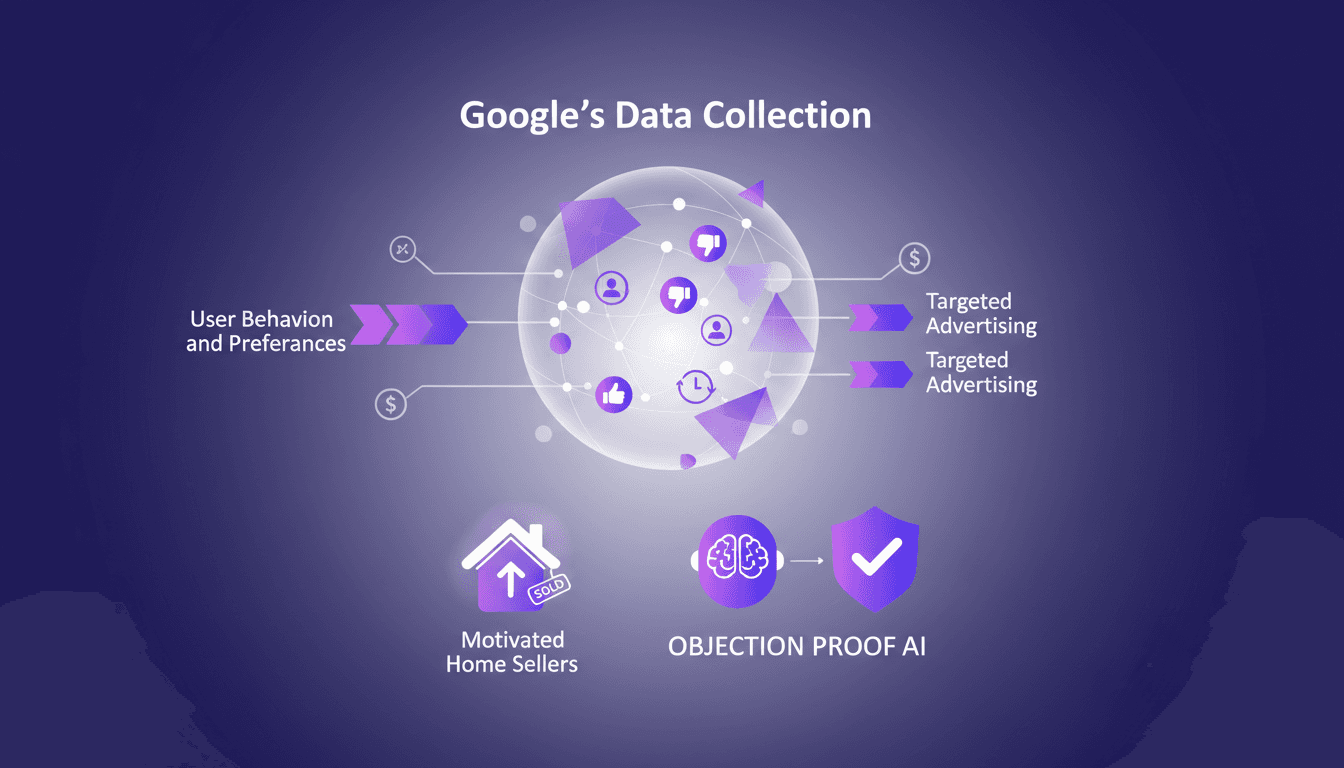
Google's Data Collection: What You Don't Know
I remember the first time I truly grasped how much Google knew about me. I was setting up a marketing campaign and the targeting options were eerily precise. It was like having a secret marketing assistant who knew my clients better than I did. Google doesn't just track your search history. It's a complex web of user behavior, preferences, and more. Are you leveraging this in your strategies yet? Let's dive into how Google collects and uses this data to fuel its advertising machine, and how you can take advantage of it.
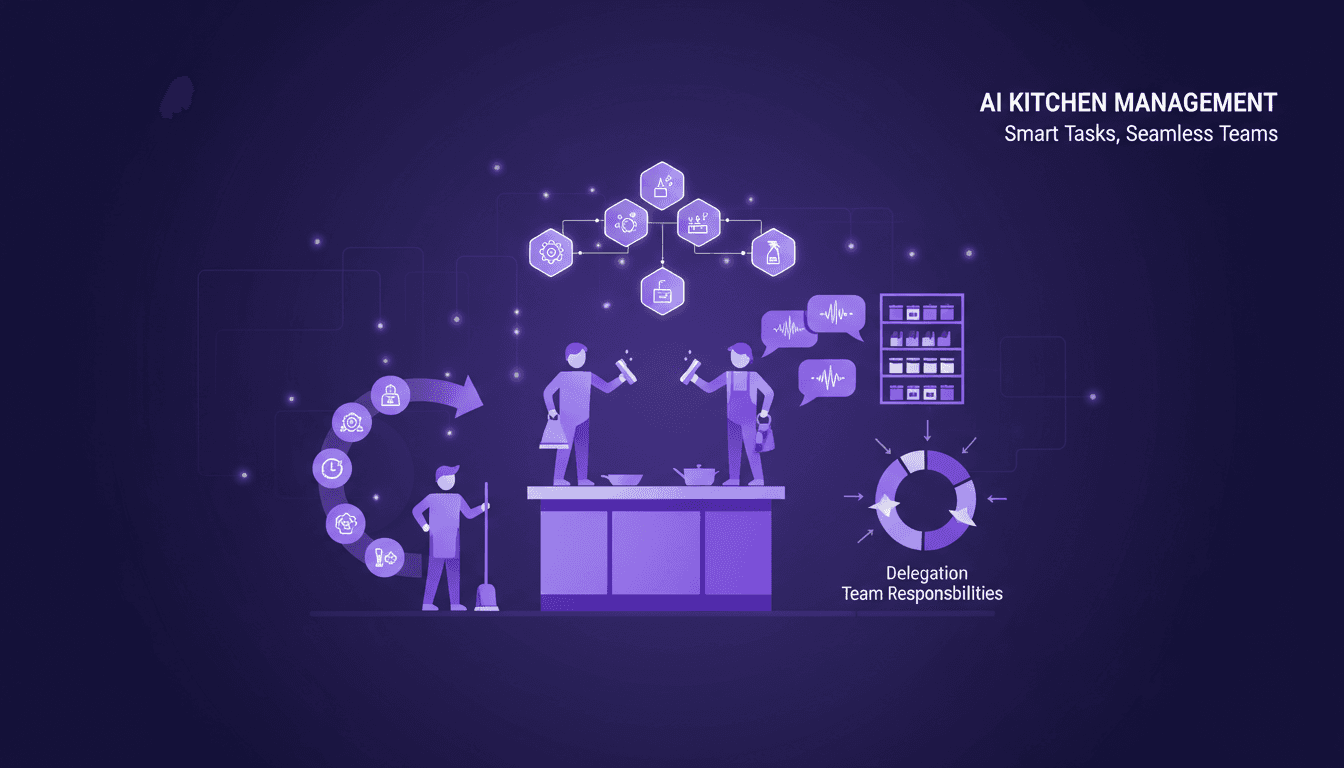
Optimize Kitchen Workflow: Pro Tips
I still remember the chaos of my first kitchen gig. Tasks flying everywhere, people bumping into each other, orders piling up. I knew there had to be a better way. So, I started experimenting with task assignments and workflow optimization, and let me tell you, it changed everything. In a fast-paced kitchen environment, efficiency isn't just a goal—it's a necessity. Every element needs to be finely tuned to keep the chaos at bay. I'll walk you through how I've managed to streamline kitchen operations. Pro tips on task assignments, the importance of cleanliness and organization, effective team communication, and delegating responsibilities. Let's dive into optimizing workflows in high-pressure environments.
Minimax M2.5: Unpacking Strengths and Limits
I've had my hands on the Minimax M2.5, and trust me, it's not just another model on the shelf. I integrated it into my workflow, and its affordability made me rethink my entire setup. But hold on, it's not just about the price tag. This model stands out with its technical specs and efficiency. So why should the Minimax M2.5 get your attention? We're diving into its strengths, limitations, and how it stacks up against competitors. We'll also discuss reinforcement learning strategies and potential use cases. Get ready, because this model might just shake up your work approach.