Merging Product and Engineering: Reinventing Processes
I was skeptical at first. Going from six engineers to just two seemed like a recipe for disaster. But merging product and engineering not only worked but thrived. In today's fast-paced tech environment, efficiency isn't just a buzzword—it's a necessity. By integrating roles and leveraging AI, we've redefined our workflow. This has transformed team dynamics, strengthening feedback loops and collaboration. Now, with one frontend and one backend engineer, we balance developing new features with maintenance. We experiment, adapt, and innovate. But watch out, the risk is moving too fast and losing sight of key objectives. When it works, the impact is tangible.
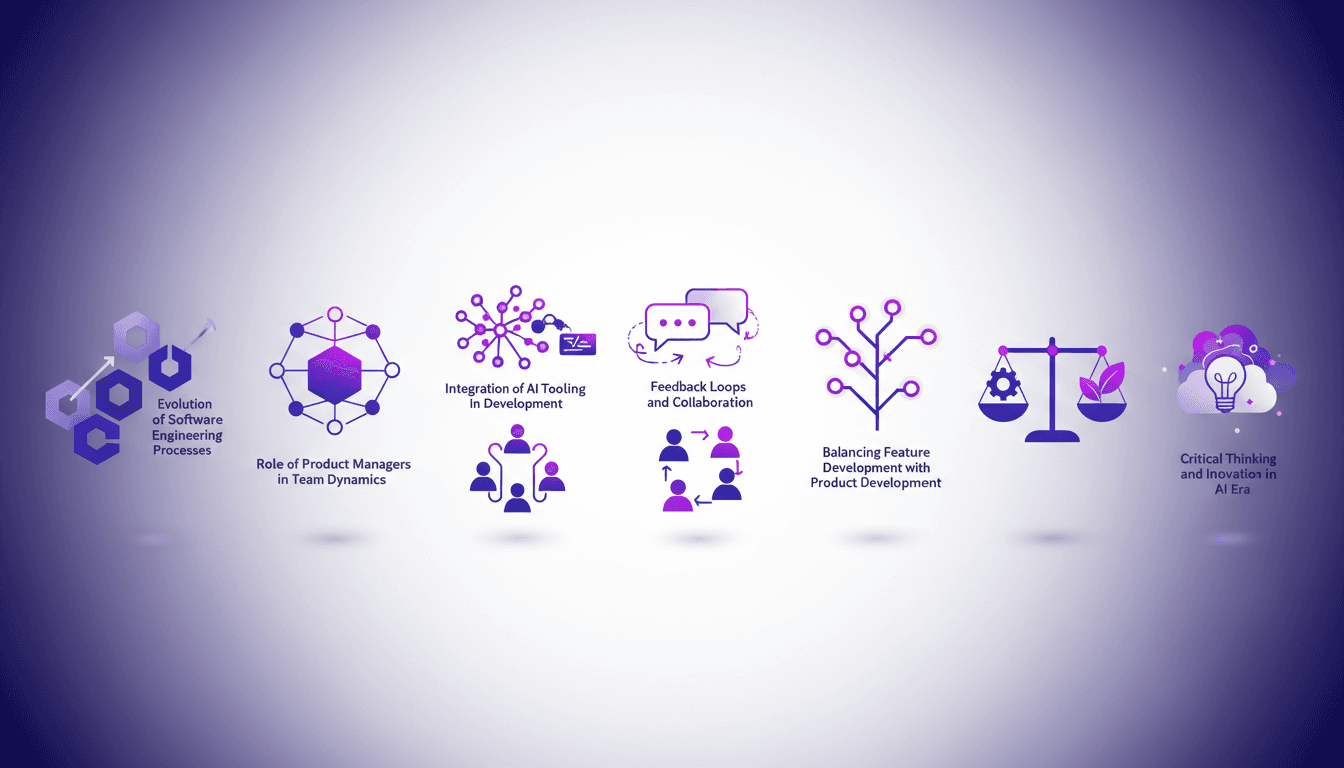
I've been burned before by poorly optimizing teams, so when I was pitched the idea of cutting down from six engineers to just two, it seemed like a disaster waiting to happen. But merging product and engineering has completely shifted the paradigm. In a world where speed is crucial, it's not just about slashing headcount to save costs. No, it's about rethinking our processes. I've incorporated AI tools that enhance collaboration and feedback loops. And honestly, with one frontend and one backend engineer, we've created an unexpected synergy. We juggle feature development and maintenance with an agility we lacked before. But watch out, the temptation to move too fast is real, and keeping an eye on the essentials is key. It's not just about surviving, but thriving in the field.
Revolutionizing Software Engineering Processes
In my agency, we pulled off something quite unexpected: reducing our team from six engineers to just two without losing momentum. Sounds crazy? Well, with AI tooling, we've streamlined our processes. First off, this tech has allowed us to focus on high-value tasks. Instead of drowning in repetitive work, my colleagues and I use tools like GPT to automate unit tests or generate PRDs (Product Requirements Document).
"AI freed us from grunt work and let us focus on innovation."
But let's not get carried away. During a three-month project, we got sidetracked by trying to integrate the latest tech bells and whistles. The result? A complete restart—a hard lesson learned. What I realized is that balancing innovation with tech debt is crucial. To avoid getting lost, prioritize what's directly impactful to the business.
- Successful transition: from six to two engineers thanks to AI.
- AI: pivotal in task optimization.
- Lesson learned: don't sacrifice efficiency for innovation at any cost.
The Evolving Role of Product Managers
In this new setup, product managers have become the glue of the team. Their role is central to integrating product insights directly into development cycles. I've seen PMs transform daily stand-up meetings into real communication engines. We talk less, but more effectively. The exchanges are fluid, and the team stays aligned on objectives. However, there are trade-offs: sometimes the product vision must take precedence over immediate fixes.
- Product managers: the pivot in new team dynamics.
- Daily stand-ups: optimized and fluid communication.
- Trade-offs: prioritize product vision when necessary.
Integrating AI Tooling in Development
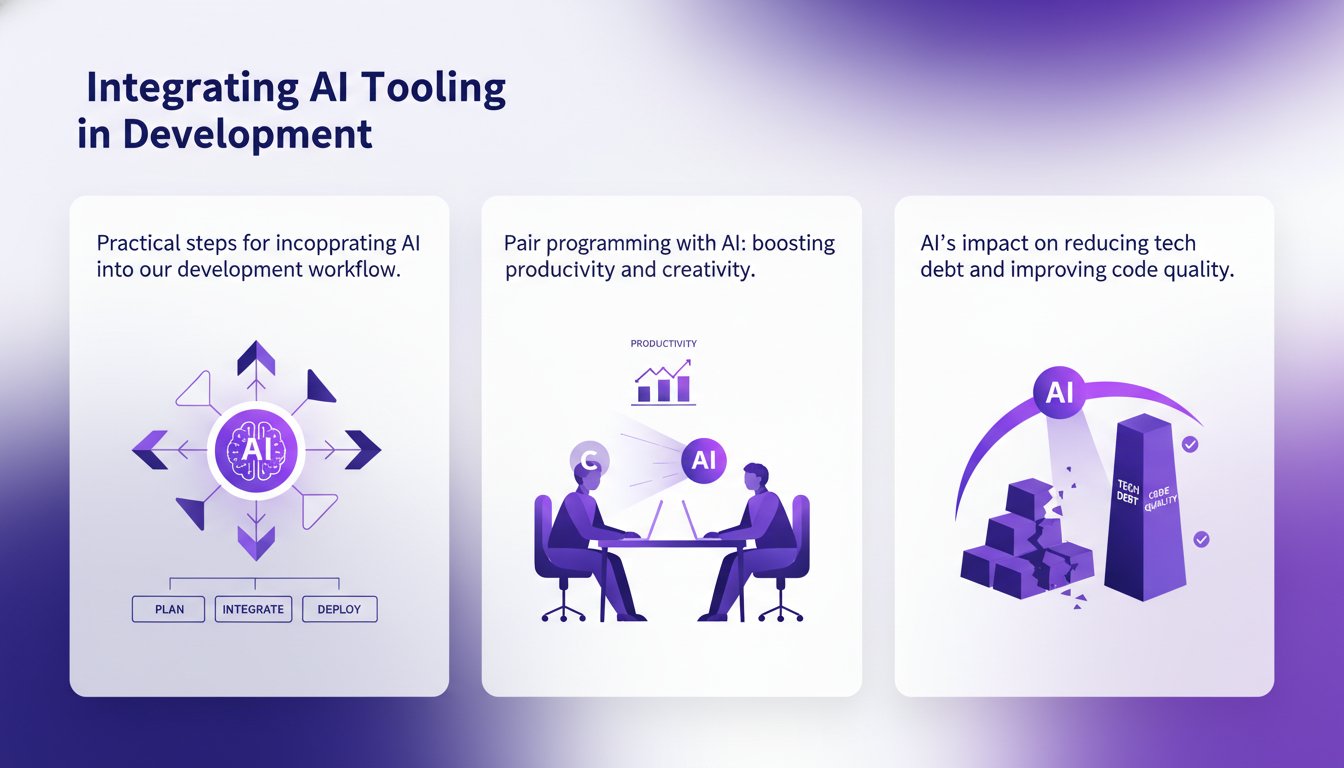
Incorporating AI tooling into our development workflows was a game-changer. The first step was identifying tasks that could be automated. For instance, I often use AI for pair programming, which boosts not just productivity but also creativity. Code quality improves, and tech debt is reduced. But watch out, don't become overly reliant. Maintaining critical thinking is essential to keep the innovation flowing.
- Automation: the first step towards increased efficiency.
- Pair programming with AI: boosts productivity and creativity.
- Caution: avoid over-reliance on AI.
Feedback Loops and Collaboration
With a smaller team, we had to rethink our feedback loops to make them effective. PRDs play a crucial role here in aligning product and engineering goals. Collaborative tools like Slack or Miro also made a significant difference in our workflow. Adaptability and continuous iteration have become our mantras.
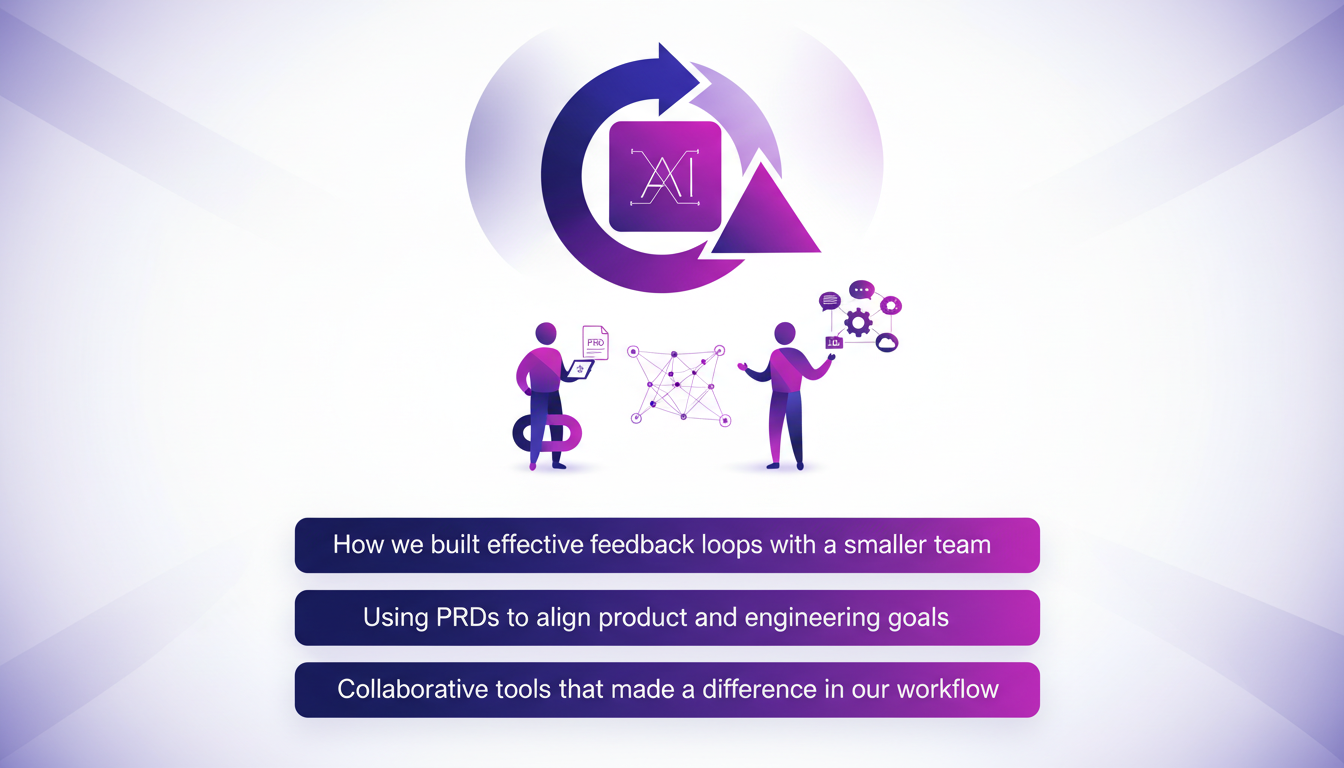
- PRD: key tool for goal alignment.
- Collaborative tools: Slack and Miro for better cohesion.
- Adaptability: key to ongoing success.
Balancing Feature Development with Maintenance
In a lean working environment, juggling new feature development with ongoing maintenance is a daily challenge. To maximize business impact, task prioritization is crucial. Experimentation becomes a valuable ally in refining our processes. But you have to anticipate and mitigate risks, especially in a lean team setup.
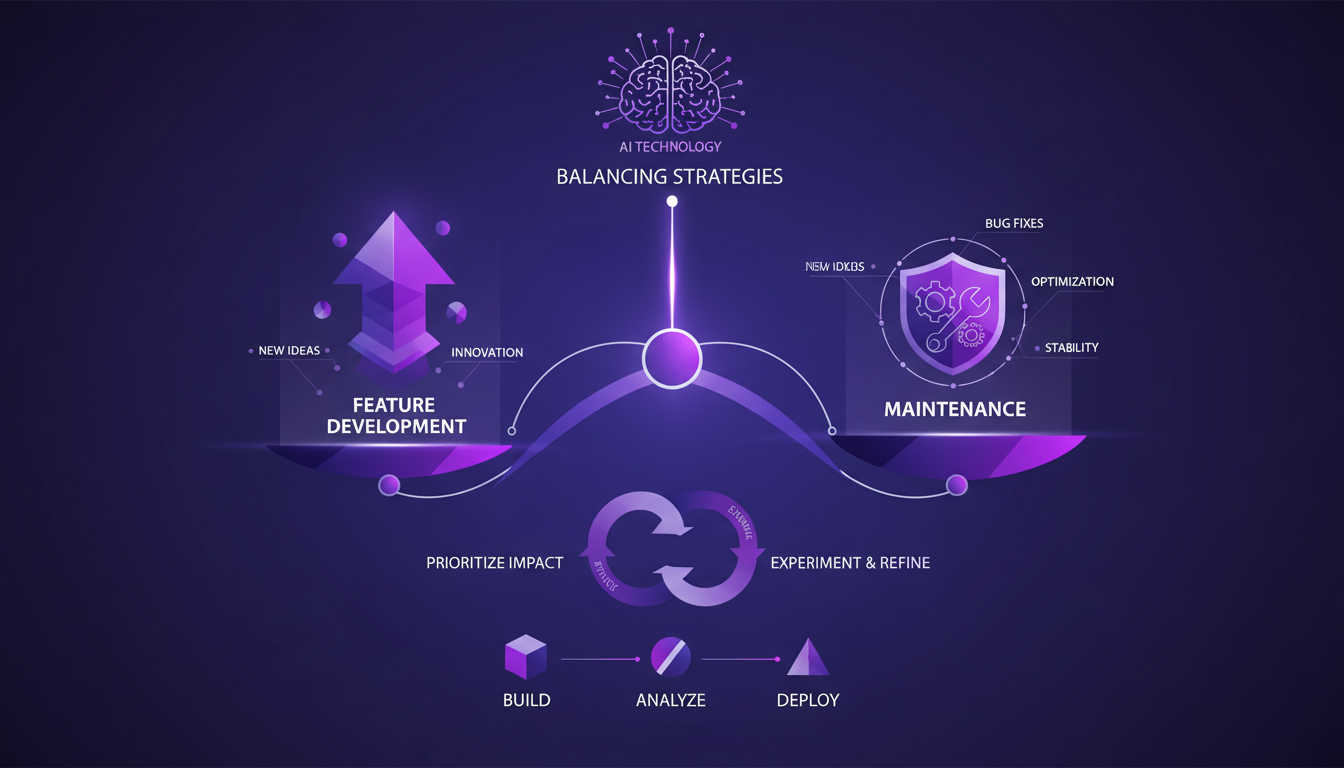
- Prioritization: maximize business impact.
- Experimentation: refine processes.
- Anticipation: mitigate risks in a lean setup.
Merging product and engineering is not just a trend—it's a necessity. From firsthand experience, by embracing AI and refining our processes, we've not only survived but thrived. Here are the key takeaways:
- Cutting down from 6 to 2 engineers seems risky, but it forces optimization and innovation.
- The Product Manager's role is no longer just coordination; they're now a central pillar in team dynamics.
- Integrating AI tools into development boosts not just efficiency but creativity.
- Feedback loops and collaboration are crucial to avoid bottlenecks.
Looking ahead, this merger is a game changer, but watch out for the limits: the workload on remaining engineers can be challenging. Ready to transform your team? Start by evaluating your current processes and see where integration can enhance efficiency and innovation. I highly recommend watching the full video for a deep dive into this transformation. It's definitely worth it: https://www.youtube.com/watch?v=vMujFxdRW18
Frequently Asked Questions

Thibault Le Balier
Co-fondateur & CTO
Coming from the tech startup ecosystem, Thibault has developed expertise in AI solution architecture that he now puts at the service of large companies (Atos, BNP Paribas, beta.gouv). He works on two axes: mastering AI deployments (local LLMs, MCP security) and optimizing inference costs (offloading, compression, token management).
Related Articles
Discover more articles on similar topics
Boost Your Skills through Hackathons
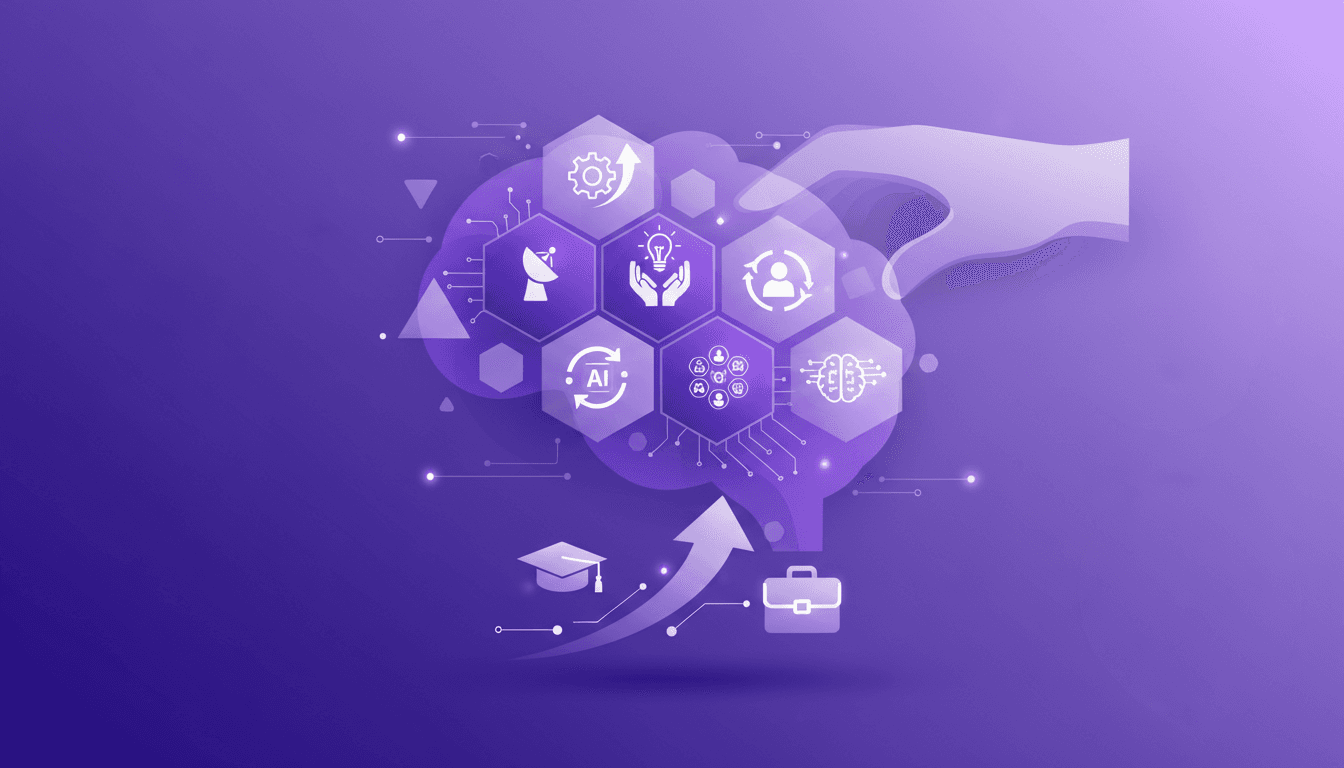
I've been through countless hackathons, and let me tell you, they're not just about caffeine-fueled coding marathons. They're a crash course in real-world problem-solving and innovation. At Booking.com, these events are a staple, offering a platform for collaboration, creativity, and even career advancement. Beyond the speed of coding, hackathons develop essential skills, both technical and soft. Whether you're a developer, designer, or data scientist, these intense sessions push you to iterate, test, and learn new technologies like AI. And the best part? It's a learning environment where mentorship and guidance are abundant. Dive into this world and see how these experiences can propel your career forward.
Llama 4 Deployment and Open Source Challenges
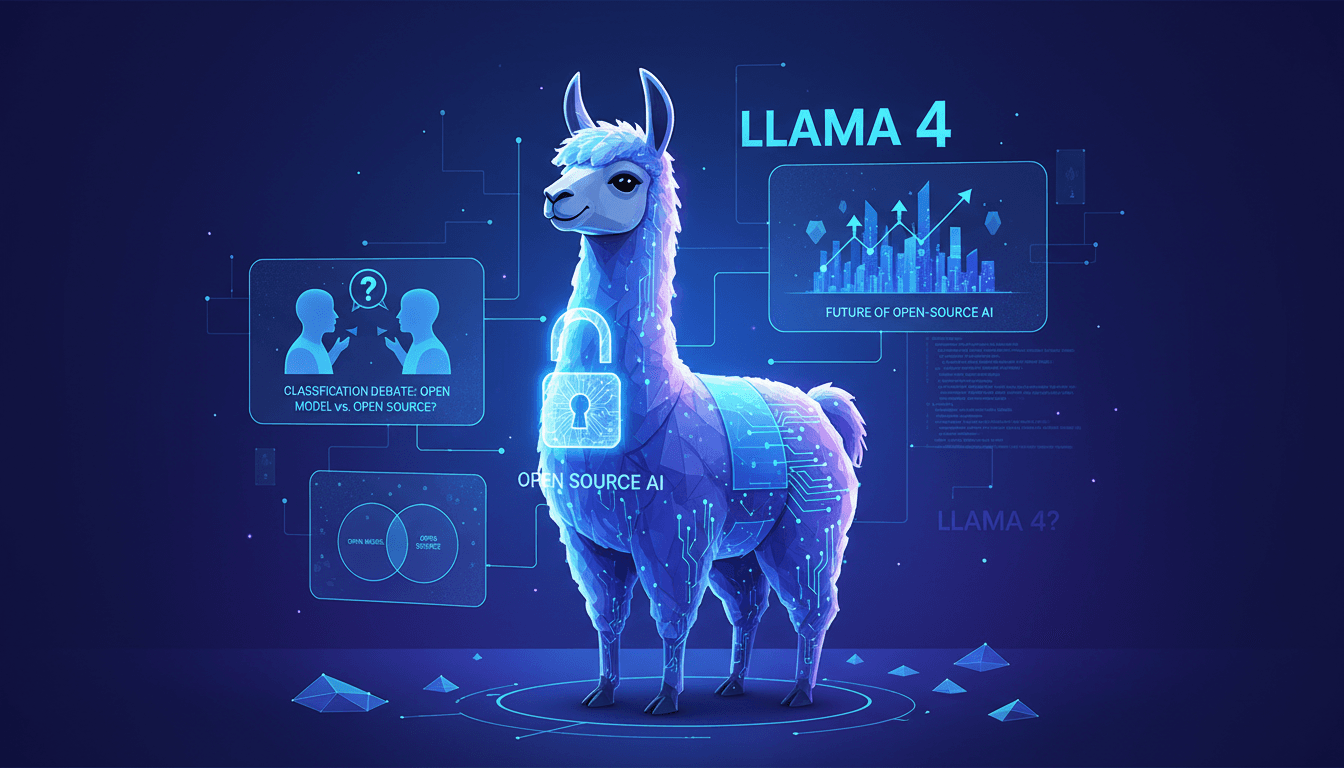
I dove headfirst into the world of AI with Llama 4, eager to harness its power while navigating the sometimes murky waters of open source. So, after four intensive days, what did I learn? First, Llama 4 is making waves in AI development, but its classification sparks heated debates. Is it truly open-source, or are we playing with semantics? I connected the dots between Llama 4 and the concept of open-source AI, exploring how these worlds intersect and sometimes clash. As a practitioner, I take you into the trenches of this tech revolution, where every line of code matters, and every technical choice has its consequences. It's time to demystify the terminology: open model versus open-source. But watch out, there are limits not to cross, and mistakes to avoid. Let's dive in!
Building with AI: Beyond UX Focus
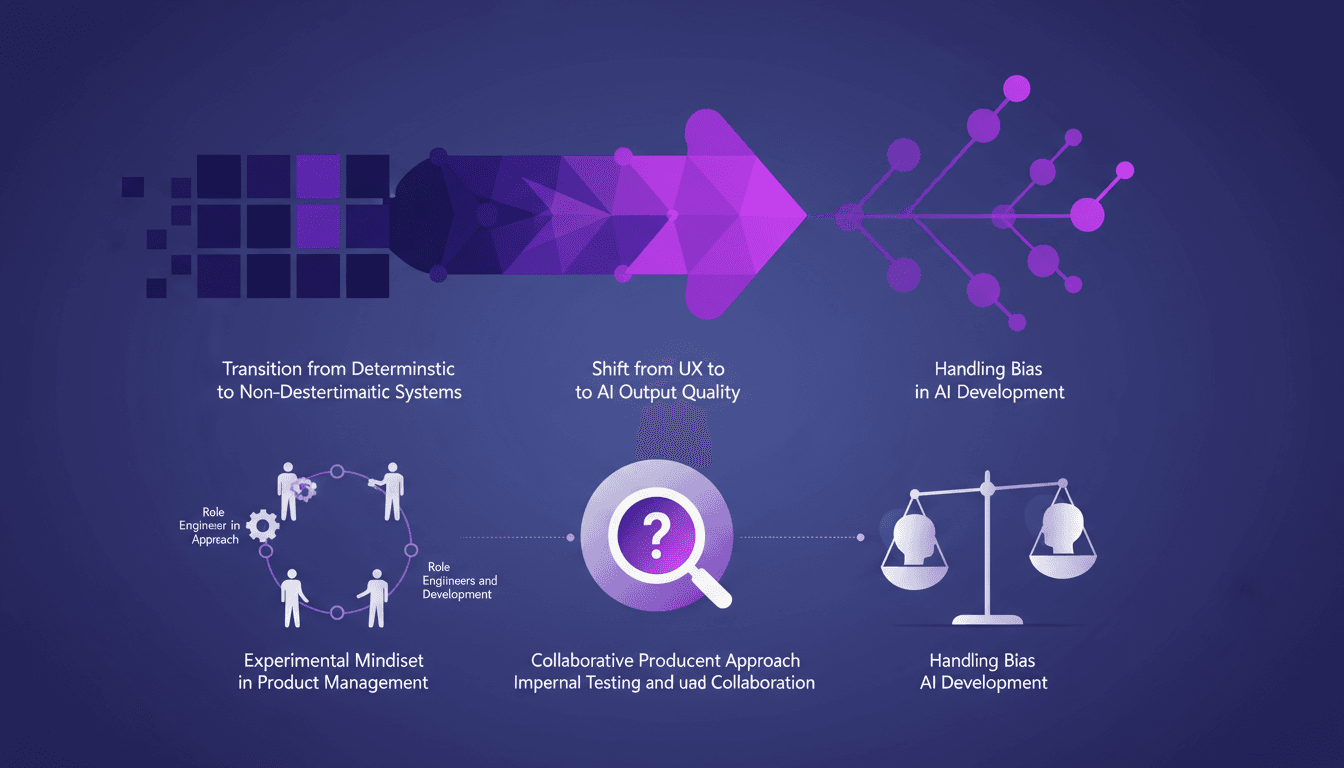
I remember when UX was king. We poured hours into perfecting interfaces, but now, it's all about the AI's output quality. The game has changed, and if you're still focused solely on UX, you're missing out. As a developer, I see it at every step: we've shifted from deterministic systems to non-deterministic ones, and it changes everything. We need an experimental mindset, involve users internally, and collaborate more. Engineers play a central role in this new paradigm, especially when handling AI biases. So, let's dive into this hot topic and see how it impacts our product management.
Why We Donated MCP to Linux
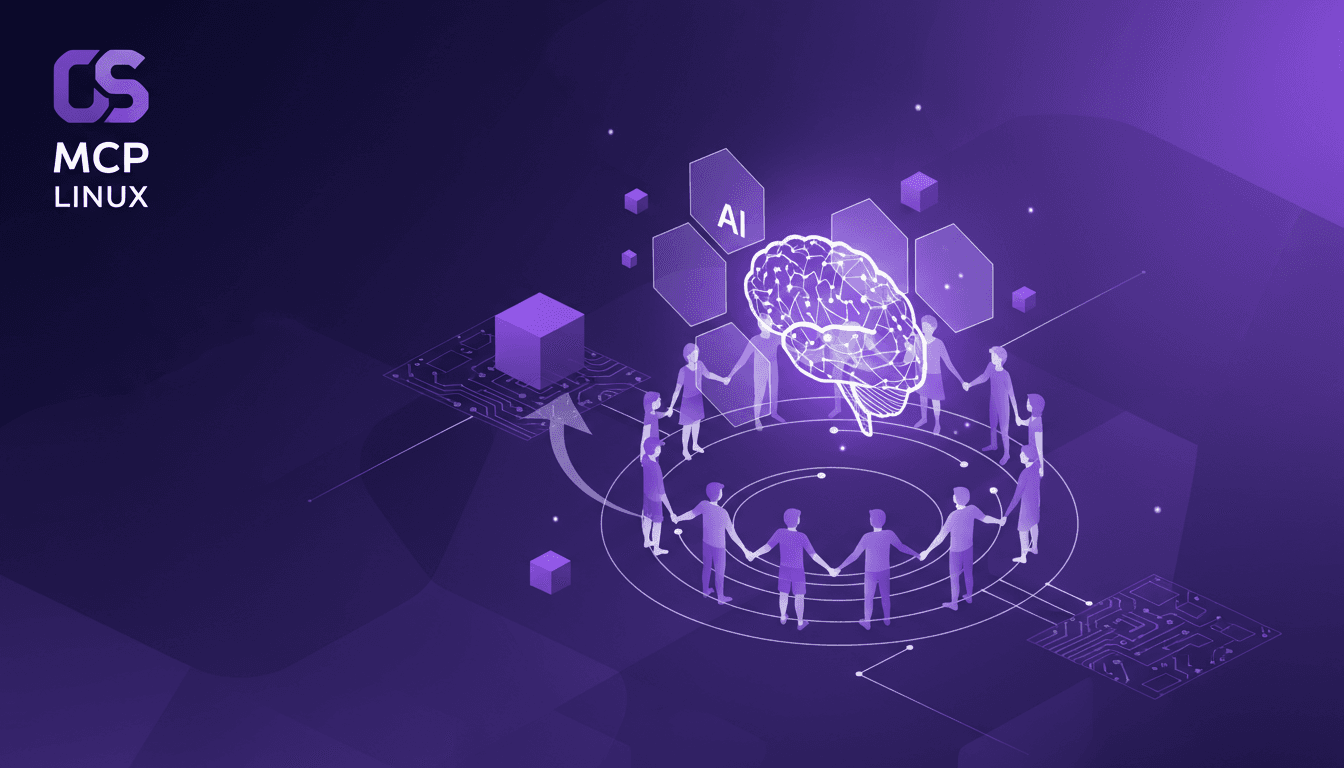
I was knee-deep in code when the idea hit me—what if we made the Model Context Protocol open-source? It wasn't just about sharing; it was about community and innovation. Donating the MCP to the Linux Foundation was our way of pushing boundaries and inviting others to join the journey. The technical challenges were many: security, context bloat, but that’s what makes the project exciting. The Agentic AI Foundation plays a crucial role in MCP's adoption and impact within the AI community. Our decision wasn't just a donation; it was an invitation to innovate together. Now, let's dive into the details.
Nvidia AI Supercomputer: Power and Applications
I plugged in Nvidia's new personal AI supercomputer, and let me tell you, it's like trading in your bicycle for a jet. We're talking about a device that outpaces your average laptop by a thousand times. This gem can handle 200 billion parameter models, thanks to the gb10 Grace Blackwell chip. But watch out, this colossal power brings its own challenges. It's a real game changer for individual users, but you need to know where to set the limits to avoid getting burned. Let's dive into what makes this tool exceptional and where you might hit a wall.