Boost Your Skills through Hackathons
I've been through countless hackathons, and let me tell you, they're not just about caffeine-fueled coding marathons. They're a crash course in real-world problem-solving and innovation. At Booking.com, these events are a staple, offering a platform for collaboration, creativity, and even career advancement. Beyond the speed of coding, hackathons develop essential skills, both technical and soft. Whether you're a developer, designer, or data scientist, these intense sessions push you to iterate, test, and learn new technologies like AI. And the best part? It's a learning environment where mentorship and guidance are abundant. Dive into this world and see how these experiences can propel your career forward.
I've been through countless hackathons, and let me tell you, they're not just about caffeine-fueled coding marathons. They're a crash course in real-world problem-solving and innovation. At Booking.com, hackathons have become a cultural staple, far beyond a mere test of coding speed. They are a genuine platform where collaboration and creativity meet, even opening doors for career advancement. Picture close to a thousand engineers coming together, switching teams every six hours to develop a project within a day. It's a learning ground where both technical and soft skills are sharpened at lightning speed. Whether you're a developer, designer, or data scientist, these sessions force you to iterate, test, and integrate new technologies like AI. With constant mentorship, hackathons provide an unparalleled professional growth environment. Let's dive into this invigorating universe together!
The Role of Hackathons in Skill Development
Diving into a hackathon feels like jumping into a pool of intense learning. You have no choice: you need to learn fast, adapt to new technologies, and finish a project in a day. I remember my first hackathon; it was a race against time. But what an adrenaline rush! You often finish the project the same day, pushing your limits.

Hackathons are also an excellent playground for experimenting with AI. Take the example of creating an AI trip planner. It's in this environment that you can truly test concepts of generative UI and prompt engineering. The real value lies in the iterative process: rapid prototyping and immediate feedback.
- Fast learning and adaptation
- Projects often finished in a day
- Experimentation with technologies like AI
- Value in rapid prototyping and quick feedback
Hackathons at Booking.com: Innovation in Action
At Booking.com, hackathons aren't just group activities. They are at the heart of the innovation strategy. Imagine thousands of engineers, all together, pushing the limits of what's possible. Participating in a hackathon here is a golden opportunity to boost your profile. Behrouz Pooladrak, a software engineer renowned for his successes in these events, is a perfect example of the impact it can have.
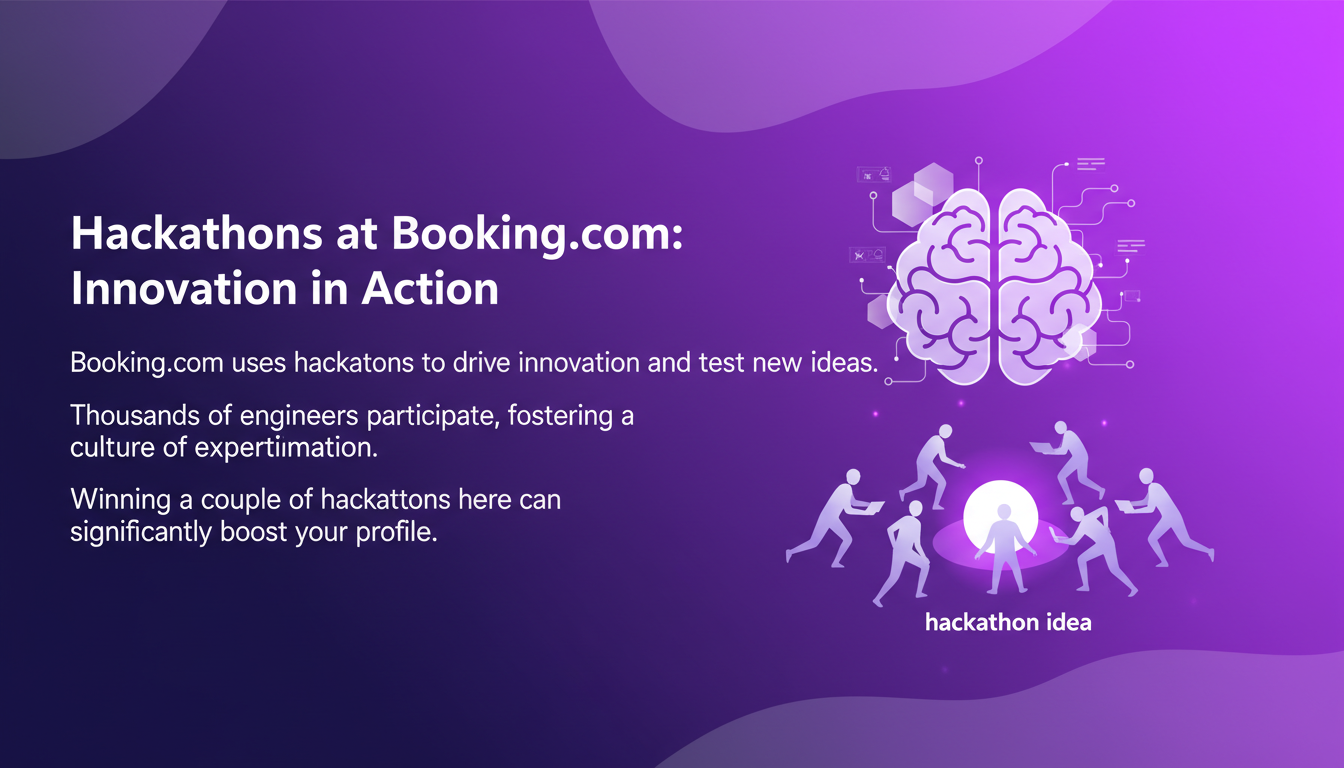
Projects developed during these events can include hundreds of lines of JavaScript, demonstrating impressive technical depth. Imagine developing an AI agent for planning trips, a project born from these intense sessions.
- Hackathons as a driver of innovation
- Thousands of participating engineers
- Complex and impactful projects
Collaboration and Soft Skills: The Hidden Curriculum
Make no mistake, hackathons aren't just about coding. It's also about teamwork and communication. I've often seen participants experiment with different roles: sometimes leading, sometimes following. This flexibility is essential. And then, mentorship opportunities abound, offering guidance and new perspectives.
The soft skills honed here are directly applicable to professional environments. Knowing how to collaborate, listen, and exchange ideas is what makes the difference.
- Importance of teamwork and communication
- Experimentation with roles and flexibility
- Mentorship opportunities and new perspectives
- Direct application of soft skills
Technical Challenges and AI Integration
Hackathons are the perfect sandbox for testing AI and new technologies like vector databases. Prompt engineering is crucial when working on generative UI projects. Each technical challenge is an opportunity to learn and refine skills.
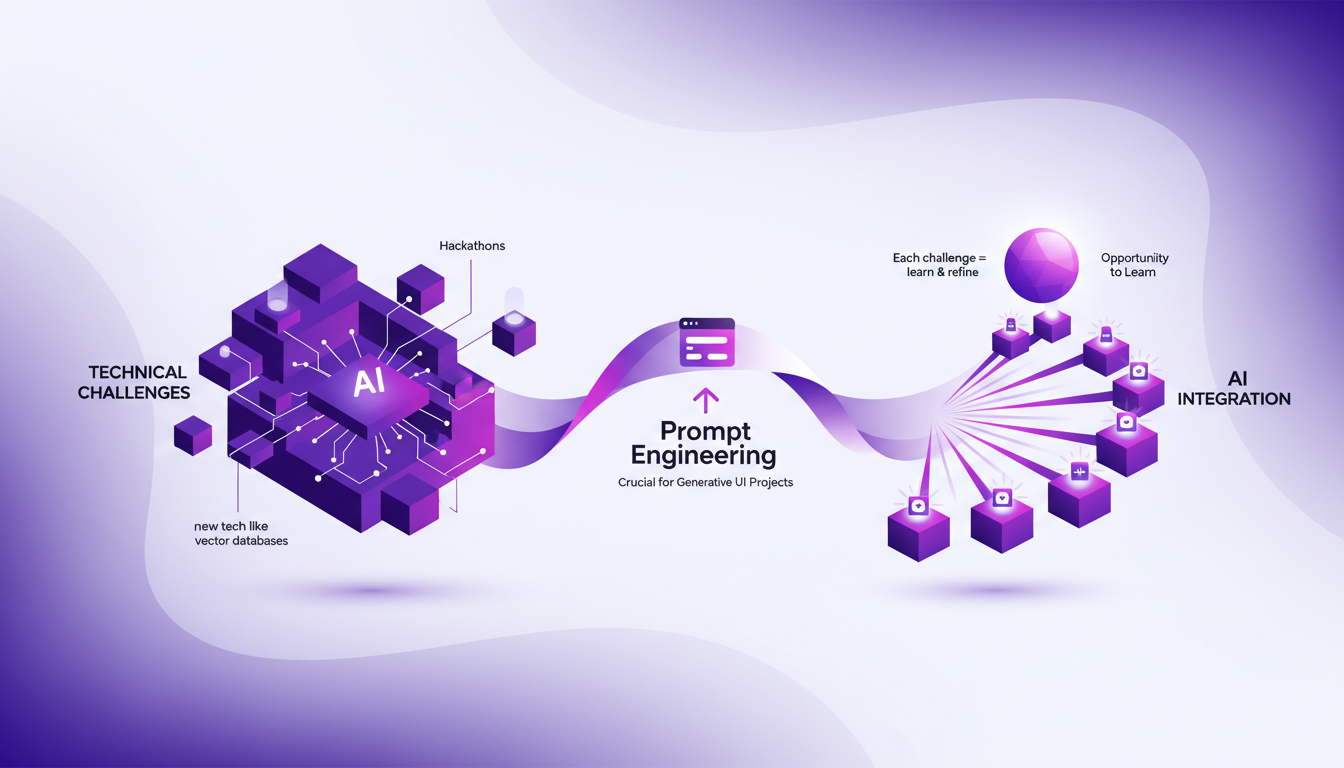
- Testing new technologies and AI
- Importance of prompt engineering
- Opportunity to learn with each challenge
- Avoid over-engineering for greater efficiency
Career Development: From Hackathon to Professional Growth
The skills and projects from hackathons can directly influence your career path. Personal projects developed here often translate into professional success. Hackathons offer a unique chance to network and learn from peers.
But be mindful of burnout. Balance is key to sustaining long-term growth.
- Direct impact of skills on career
- Personal projects translated into professional success
- Networking and learning opportunities
- Importance of balance to avoid burnout
Diving into a hackathon is more than just a coding frenzy; it's a golden opportunity to revamp your skills and career. First, you realize that finishing a project in a single day is entirely possible, and that's a rare speed boost in our line of work. Then, spending just six hours in each team before rotating teaches adaptability and collaboration—those underrated soft skills. With close to a thousand engineers participating, innovation is a given, each project serving as a playground for experimentation. But watch out, the chaos and pressure are very real. Yet, it's in this creative disorder that we truly grow. Ready to dive into your next hackathon? Embrace the challenge and see how it reshapes your engineering skills and career path. Don't just take my word for it; check out the video for deeper insights on how hackathons enhance our craft: https://www.youtube.com/watch?v=ux184jvdY60
Frequently Asked Questions

Thibault Le Balier
Co-fondateur & CTO
Coming from the tech startup ecosystem, Thibault has developed expertise in AI solution architecture that he now puts at the service of large companies (Atos, BNP Paribas, beta.gouv). He works on two axes: mastering AI deployments (local LLMs, MCP security) and optimizing inference costs (offloading, compression, token management).
Related Articles
Discover more articles on similar topics
Mastering Software Engineering: From Junior to Architect
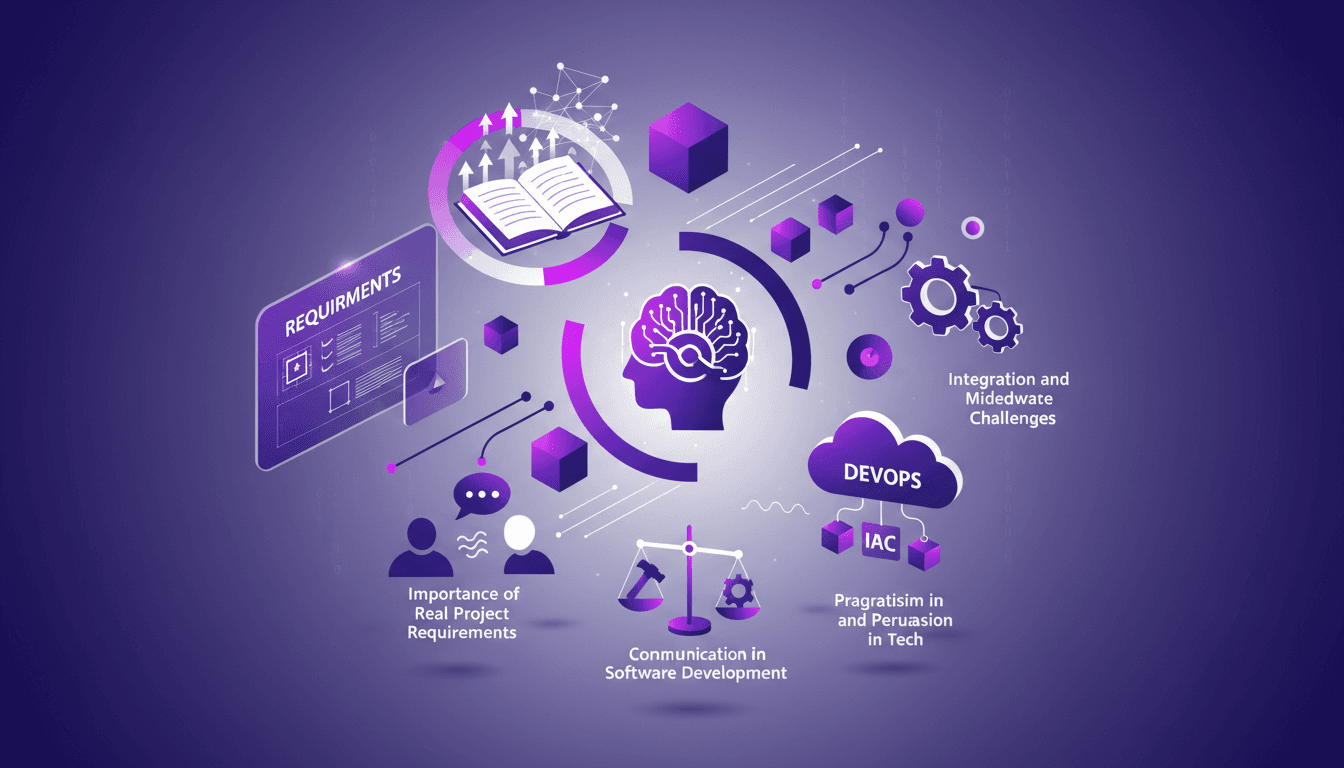
I remember when I first dipped my toes into software engineering. It felt like a maze of code and concepts. Fast forward to today, I'm orchestrating complex systems as an architect. Moving from a junior developer to an architect is about more than just coding. It's about mastering the art of software engineering, understanding real project demands, and navigating integration challenges. Let's talk about the core skills: continuous learning, reading and understanding code, facing middleware and DevOps challenges, and effectively communicating in tech. Let's dive in, I'll show you the way.
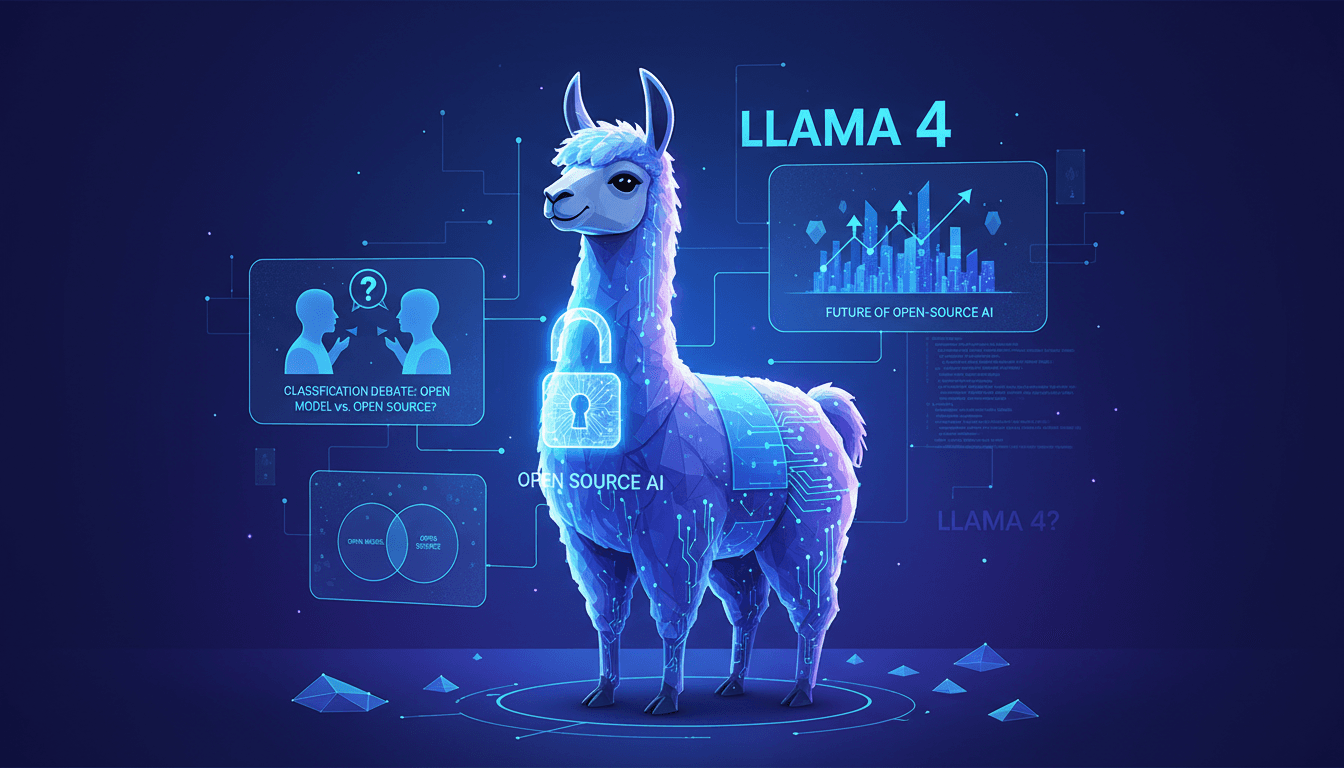
Llama 4 Deployment and Open Source Challenges
I dove headfirst into the world of AI with Llama 4, eager to harness its power while navigating the sometimes murky waters of open source. So, after four intensive days, what did I learn? First, Llama 4 is making waves in AI development, but its classification sparks heated debates. Is it truly open-source, or are we playing with semantics? I connected the dots between Llama 4 and the concept of open-source AI, exploring how these worlds intersect and sometimes clash. As a practitioner, I take you into the trenches of this tech revolution, where every line of code matters, and every technical choice has its consequences. It's time to demystify the terminology: open model versus open-source. But watch out, there are limits not to cross, and mistakes to avoid. Let's dive in!
Nvidia AI Supercomputer: Power and Applications
I plugged in Nvidia's new personal AI supercomputer, and let me tell you, it's like trading in your bicycle for a jet. We're talking about a device that outpaces your average laptop by a thousand times. This gem can handle 200 billion parameter models, thanks to the gb10 Grace Blackwell chip. But watch out, this colossal power brings its own challenges. It's a real game changer for individual users, but you need to know where to set the limits to avoid getting burned. Let's dive into what makes this tool exceptional and where you might hit a wall.
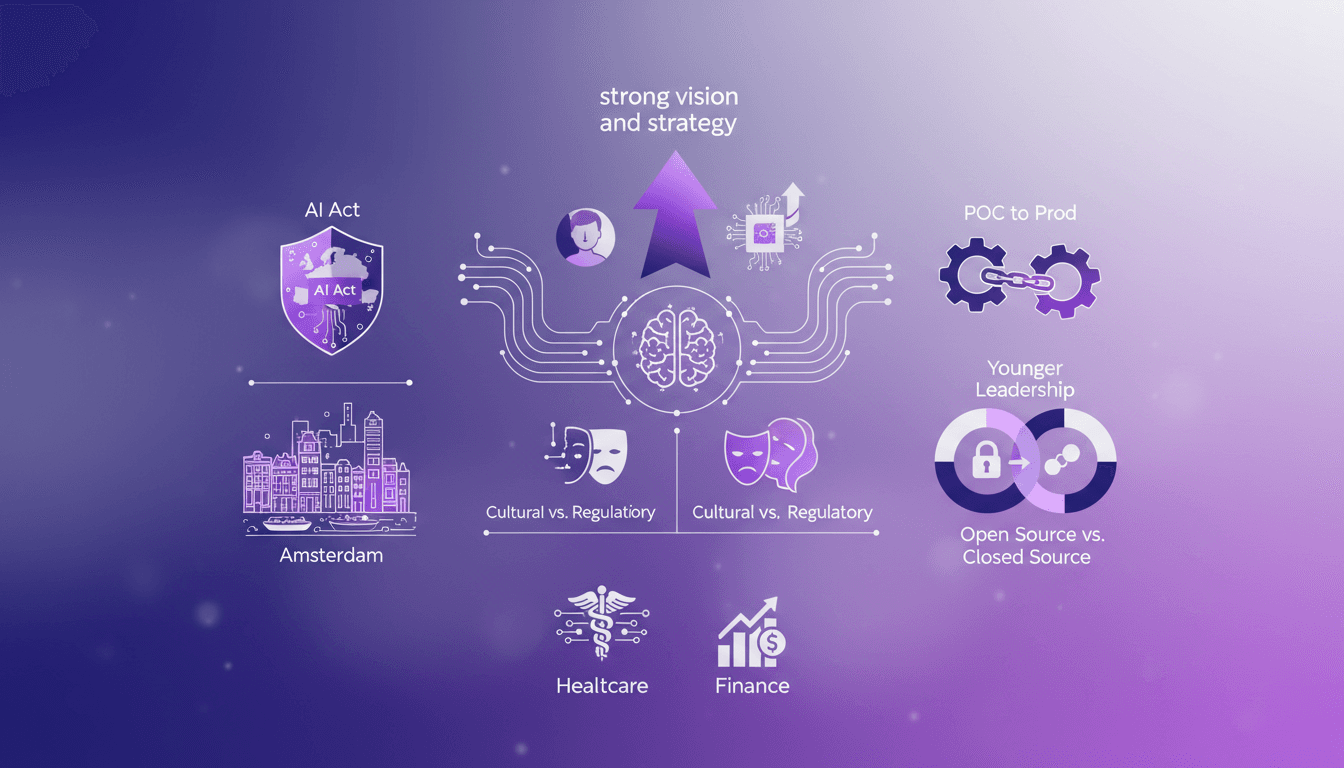
Winning Strategies for AI Projects: Field Lessons
I've been in the trenches of AI development, and let me tell you, it's not just about cutting-edge tech. It's about vision, strategy, and navigating a maze of regulations. Let's dive into what really makes or breaks AI projects. From the EU's AI Act to cultural and regulatory hurdles, I share insights from my journey and how younger leadership is reshaping the tech landscape. The keys to success lie in a clear vision and solid strategy, not to mention the open-source versus closed-source debate. But watch out, moving from proof of concept to production is fraught with pitfalls. Let's explore what truly works.
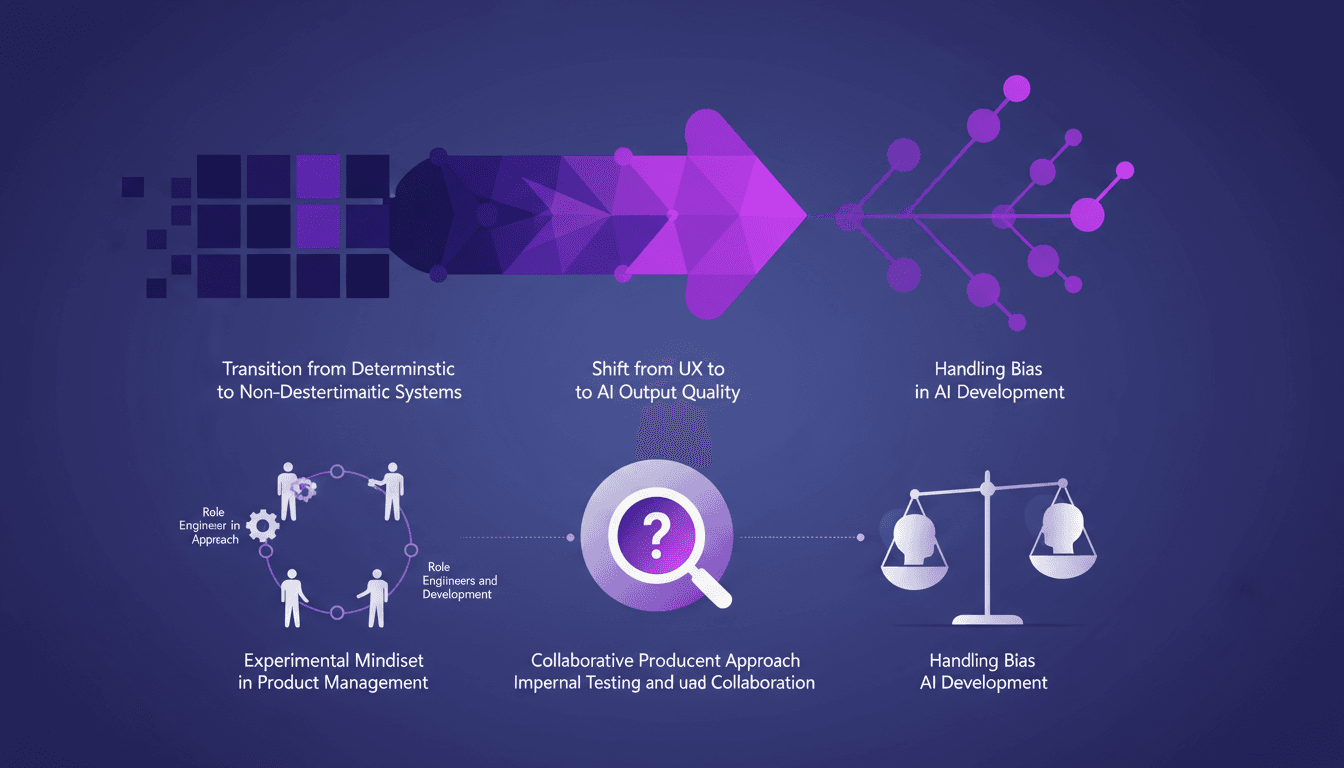
Building with AI: Beyond UX Focus
I remember when UX was king. We poured hours into perfecting interfaces, but now, it's all about the AI's output quality. The game has changed, and if you're still focused solely on UX, you're missing out. As a developer, I see it at every step: we've shifted from deterministic systems to non-deterministic ones, and it changes everything. We need an experimental mindset, involve users internally, and collaborate more. Engineers play a central role in this new paradigm, especially when handling AI biases. So, let's dive into this hot topic and see how it impacts our product management.