LangSmith Multi-Tenant Deployment: Key Steps
I remember the first time I tackled a multi-tenant deployment with LangSmith. It was a maze of API endpoints and custom auth handlers. But once I got the hang of it, the efficiency gains were undeniable. For those diving into this challenge, I’ll break down the process using LangSmith, Supabase, and LangGraph. We’ll navigate user authentication intricacies, permission management, and interaction with LangSmith deployments together. It's not rocket science, but you need to know the tricks to avoid getting lost in the complexities of multi-tenant deployments.
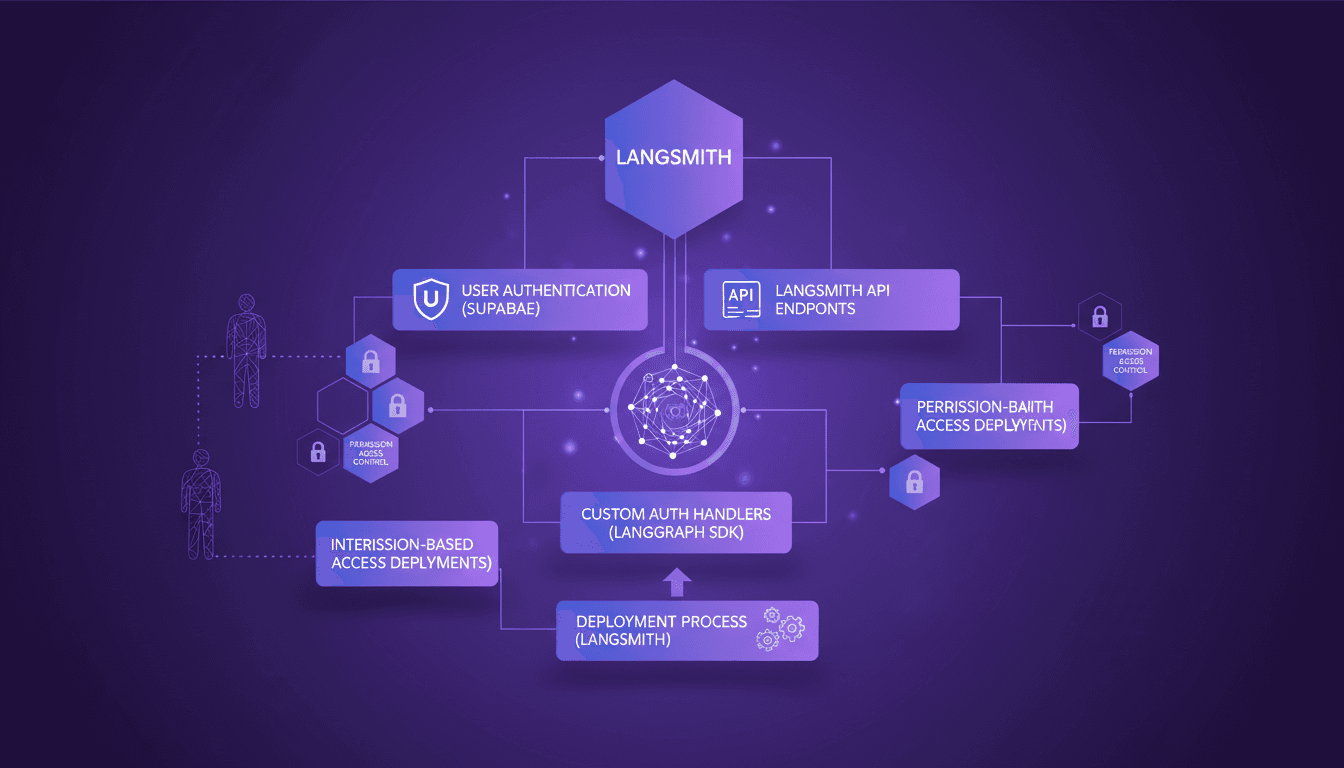
I remember the first time I dove into a multi-tenant deployment with LangSmith. It was like stepping into a maze of API endpoints and custom auth handlers. Honestly, I got burned more than once. But once I mastered the system, the efficiency gains were crystal clear. So, if you're ready to jump in, I'll show you how to streamline this process using LangSmith, Supabase, and LangGraph. We'll cover how to set up user authentication, manage role-based permissions, and seamlessly interact with LangSmith deployments. Watch out for pitfalls like API endpoint overload (over 30 to manage) and the complexity of auth handlers. But don't worry, with the right tools and a bit of persistence, you can orchestrate it all like a pro.
Understanding Multi-Tenant Deployment in LangSmith
Deploying a multi-tenant application is like managing an apartment complex. Each tenant has their space, but everyone shares the same infrastructure. In the context of LangSmith, this is crucial for maximizing resource efficiency while maintaining strict separation between user data. LangSmith offers over 30 API endpoints to help you orchestrate this.
Decorators play a key role here, allowing you to scope resources per user. Think of them as labels you attach to resources to ensure each user sees only what belongs to them.
Setting Up User Authentication with Supabase
Choosing Supabase for authentication is like opting for a bank vault for your user data. It’s not only robust but also easy to integrate with LangSmith for seamless user management. Start by setting up your Supabase project and integrating authentication into your application.
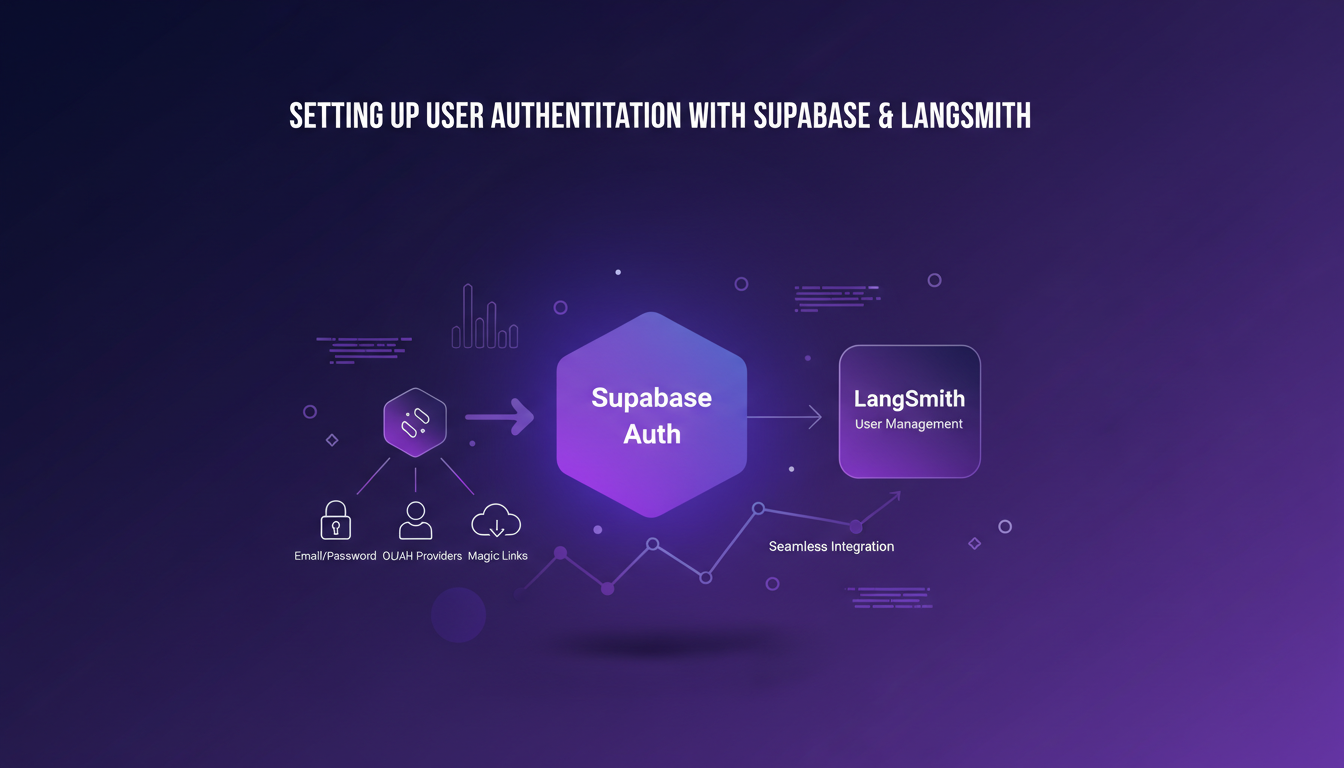
Watch out—a poor configuration can lead to security leaks. I got burned once by forgetting to set proper permissions. Always use permission-based access control to avoid headaches.
Leveraging LangGraph for Custom Auth Handlers
With the LangGraph SDK, you have the keys to create your own custom authentication handlers. This gives you tremendous flexibility in defining access controls based on user roles and permissions. I've found this particularly useful for precisely scoping resources.
Start by defining your auth logic in a separate file. Then, rigorously test your handlers to ensure they behave as expected. Decorators will help you ensure that each user accesses only their resources.
Deploying and Testing Multi-Tenancy Locally
Testing your deployment locally is essential before going into production. Use localhost:2024 to simulate your environment. Building your images and managing the deployment pipeline are crucial steps. I've often encountered compatibility issues that I resolved by adjusting my environment variables.
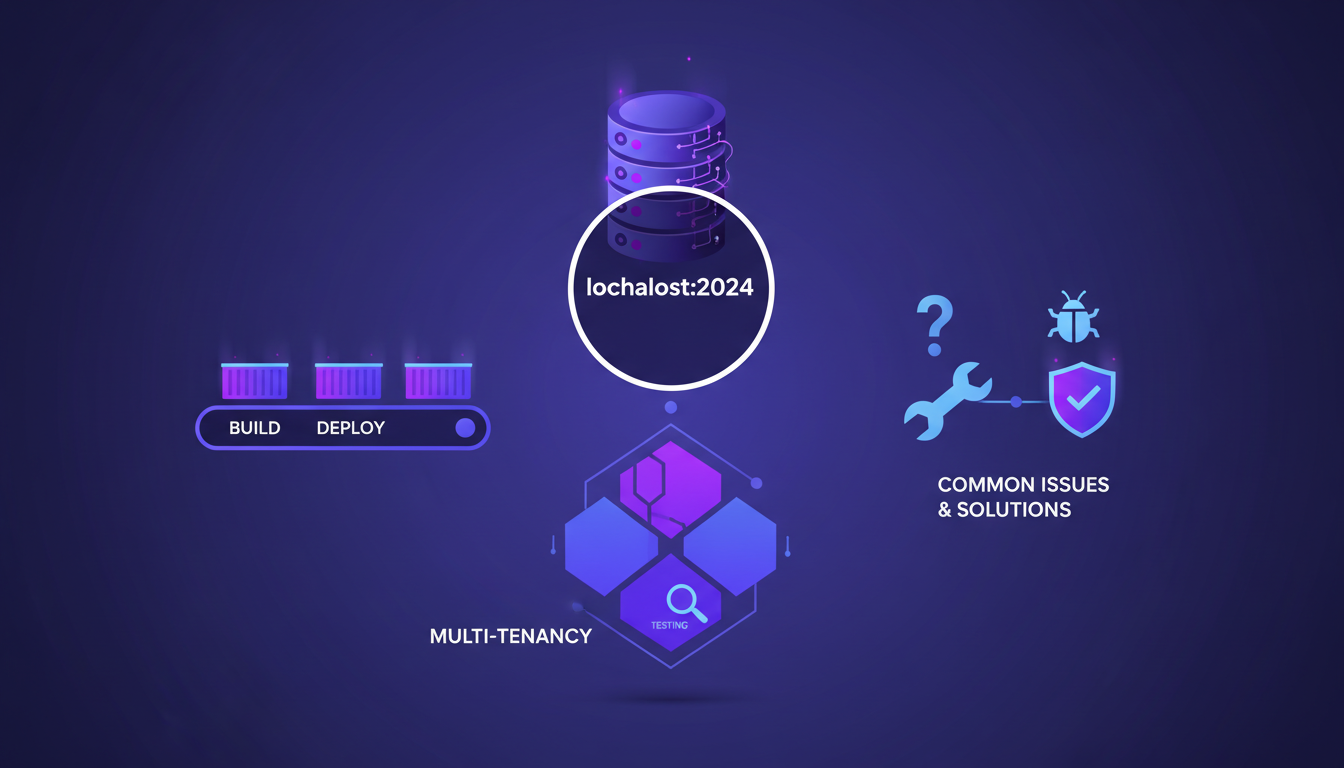
Don’t forget to test your architecture’s limits. Sometimes issues only appear under load. Optimize your process by automating your tests as much as possible.
Final Deployment to LangSmith and Ongoing Management
The final deployment to LangSmith is a nuanced but crucial step. Ensure every aspect of your multi-tenant architecture is tested and validated. Once deployed, ongoing monitoring is indispensable for quickly detecting and resolving issues.
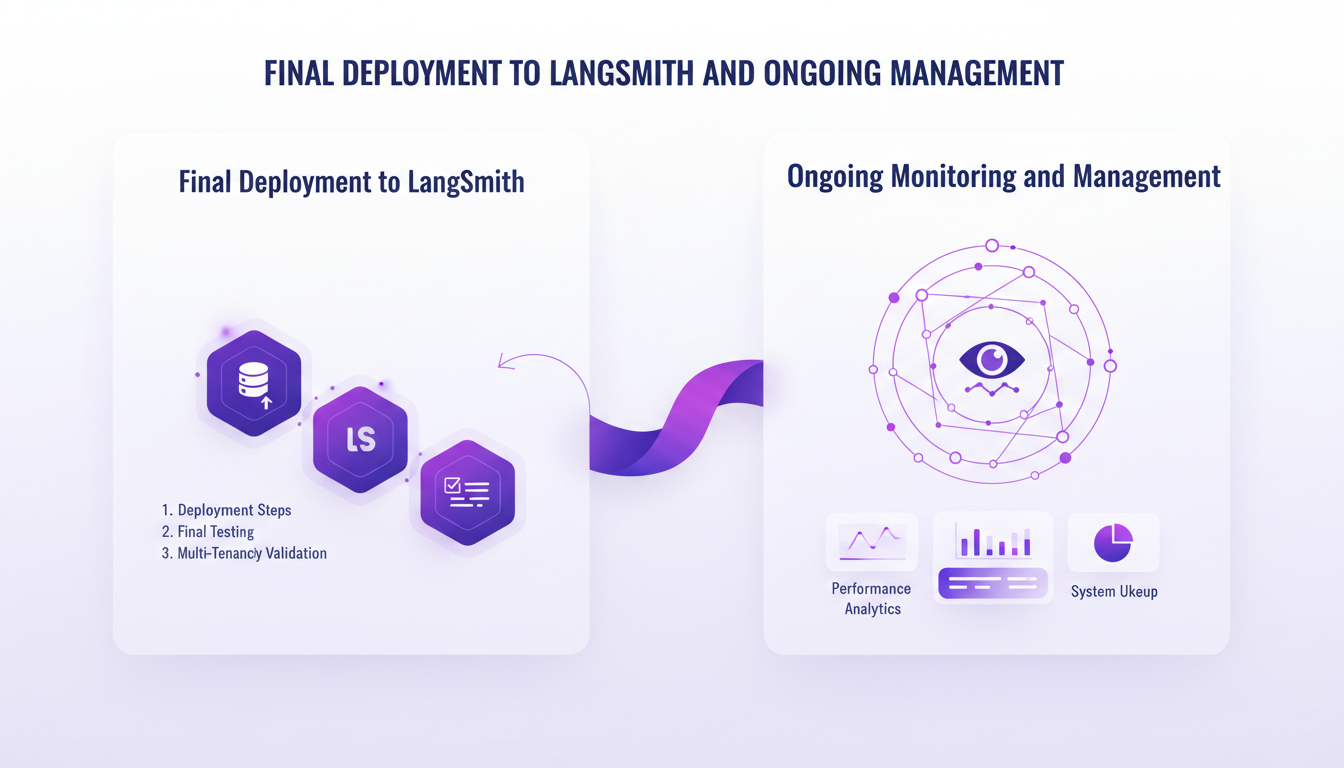
Adopt best practices to maintain an efficient multi-tenant environment. This will have a direct impact on your business in terms of efficiency and cost. As I've experienced, good management can turn a financial drain into a strategic asset.
"Well-managed multi-tenant deployments can turn a financial drain into a strategic asset."
Deploying a multi-tenant environment with LangSmith isn't a walk in the park, but with the right tools, it's a breeze. First, I set up user authentication using Supabase – crucial for securing access. Then, I leverage LangGraph to create custom auth handlers. This lets me manage over 30 API endpoints without losing my mind. But watch out, decorators are key here to scope resources to your users properly.
- Set up user authentication with Supabase for secure access.
- Use LangGraph for custom auth handlers.
- Keep an eye on your API endpoints, over 30 to manage.
Looking forward, mastering these tools paves the way for more efficient deployments. I'm excited to see how these configurations will evolve.
Ready to streamline your multi-tenant deployments? Dive into the full video and start optimizing your process with LangSmith and Supabase. You don't want to miss this learning opportunity. Watch the video here.
Frequently Asked Questions

Thibault Le Balier
Co-fondateur & CTO
Coming from the tech startup ecosystem, Thibault has developed expertise in AI solution architecture that he now puts at the service of large companies (Atos, BNP Paribas, beta.gouv). He works on two axes: mastering AI deployments (local LLMs, MCP security) and optimizing inference costs (offloading, compression, token management).
Related Articles
Discover more articles on similar topics
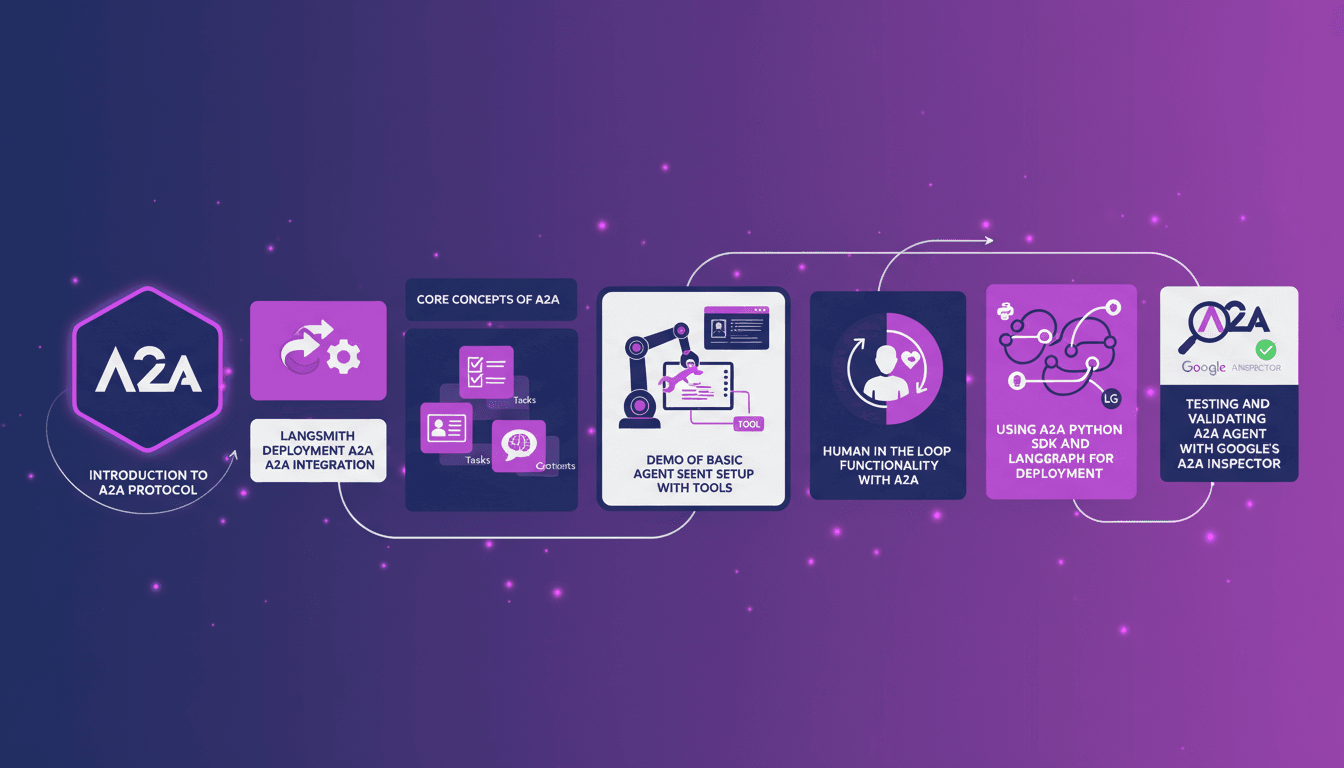
Deploy Agents with A2A on LangSmith
Ever tried deploying agents with the A2A protocol on LangSmith? I did, and it changed my workflow. When Google released A2A in 2024, I was intrigued. Integrating it with LangSmith has honestly streamlined everything, saving time and resources. I'll walk you through how I set it up, the pitfalls I avoided, and how I used LangGraph and the Python SDK to orchestrate it all. We're talking agent cards, tasks, contexts, and of course, testing with Google's inspector. It's powerful stuff, but watch out for limits, especially when you go beyond 100K tokens.
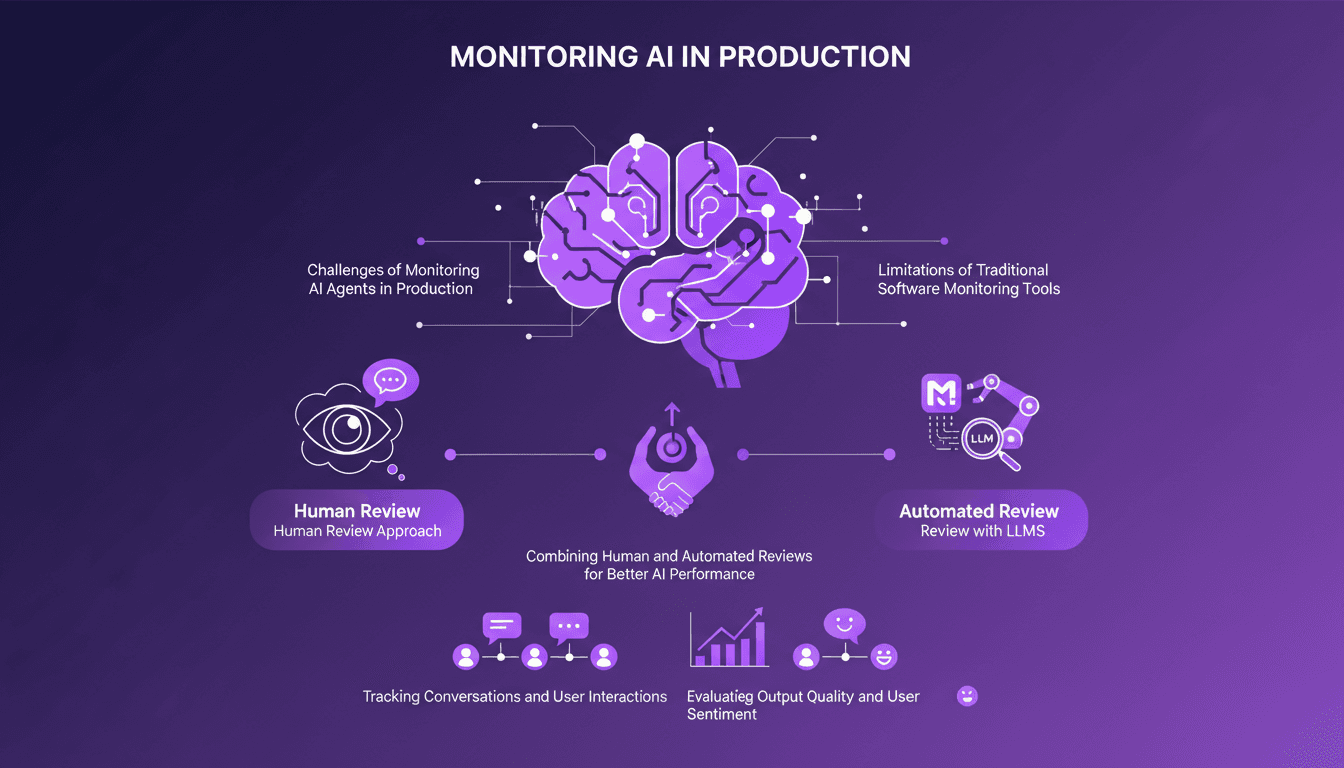
Monitoring AI Agents: Challenges and Solutions
I've been knee-deep in AI production environments, and trust me, monitoring AI agents isn't as straightforward as traditional software. First, I realized that traditional APM tools just don't cut it. With thousands of interactions at stake, ensuring optimal performance is crucial. So I explored new methodologies. LangSmith offers a human review approach and automated review with LLMs for better AI performance. The idea is to combine these two methods to track conversations and evaluate interaction quality. Here's how I tackled the challenge.
Real Estate Sales Strategies: Avoiding Unsold Homes
I've been in the real estate trenches for years, juggling between successful sales and listings that just won't budge. There's nothing more frustrating than a house that won't sell. Often, it's not about the house, but the strategy. I got burned more than once before figuring it out. Now, I pilot things differently with aggressive pricing strategies, smart counter offers, and AI tools for coaching. In this article, I'll share the five dreaded words every realtor fears and how to tackle them head-on to turn potential sales into real success.
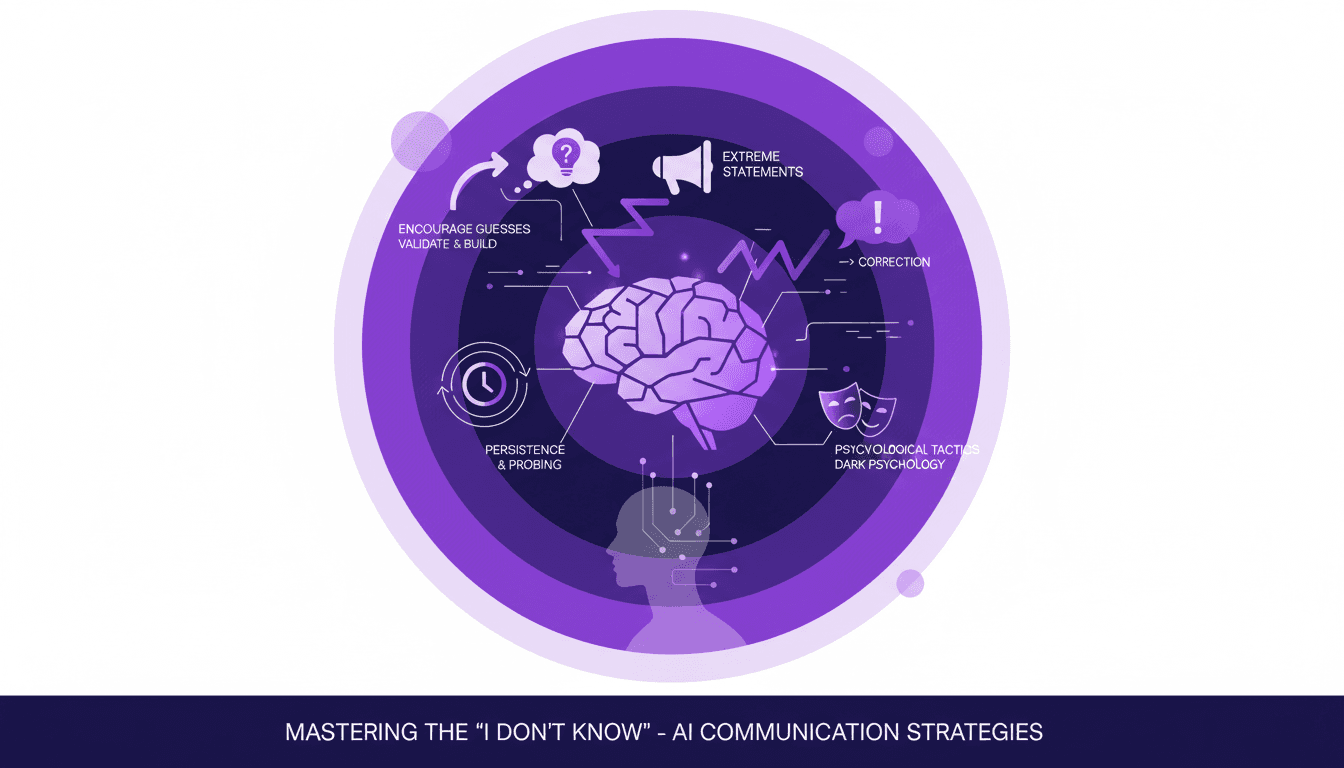
Overcoming 'I Don't Know' in Conversations
Ever been blocked by an 'I don't know' in the middle of a conversation? Yeah, me too. But I've learned to turn that dead end into a new beginning. Here's how I do it. In this article, I share my strategies for overcoming 'I don't know' responses – validating answers to encourage more detail, using extreme statements to provoke corrections, and the role of persistence. Psychology is key in communication, and mastering these techniques can make all the difference. Whether in negotiation or sales, breaking through that wall and digging deeper can uncover valuable insights.
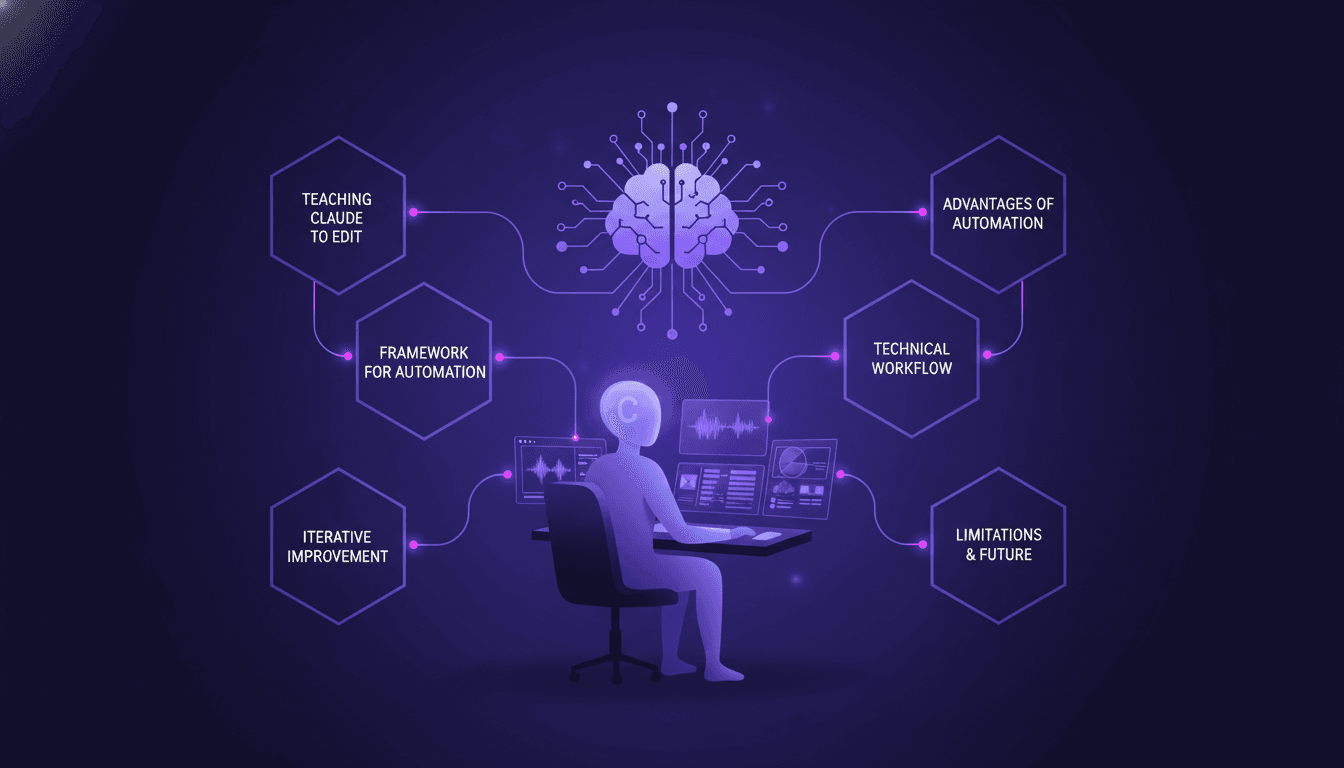
Teaching Claude to Edit Videos: My Approach
I remember the days of spending two hours manually editing a single YouTube video. Frustrating, right? Then I thought, why not teach Claude to do it for me? In this article, I take you through my journey of automating video editing using Claude's agent skills. We'll go through the tools, techniques, and iterative processes that made it possible. Teaching Claude to edit my videos not only cut the raw video time down by 50% but also transformed my approach to content creation.