Jackie Chow's Portfolio: $250K/Month, 10+ Businesses
I've been in the game long enough to know that building a business portfolio like Jackie Chow's isn't just about luck. It's about strategic diversification, relentless execution, and knowing when to pivot. Jackie pulls in $250K a month from over 10 businesses, from Indexy to Local Rank. Each venture plays a crucial role in the bigger picture. We're diving into the specifics: from Indexy's revenue breakdown to trackings.ai's performance, and Local Rank's growth. Trust me, orchestrating such a diverse revenue stream doesn't happen overnight.

When I first dove into managing multiple businesses, I quickly realized it's not just about luck. Jackie Chow, raking in $250K a month across over 10 businesses, is the perfect example. I connect the dots between his ventures like Indexy and Local Rank to understand how he manages such a revenue powerhouse. First, I dig into the revenue breakdown—Indexy alone brings in $85K. Then, I turn to trackings.ai's performance and the diverse revenue streams from small businesses. But watch out, it's not all smooth sailing. Knowing when to pivot is key, and Jackie does it masterfully. This isn't just talk; it's a lesson in orchestrating diverse revenue streams successfully.
Building a Diverse Portfolio
I didn't just stumble upon these businesses; I built them with a clear vision. Diversification is key in this game. As a practitioner, I know that putting all your eggs in one basket is never a good idea. Jackie Chow understood this by leveraging small internet businesses to create a robust portfolio. Each business serves a unique purpose, and together, they contribute to an impressive monthly revenue of $250,000. But watch out for over-expansion; focus on what you can manage effectively.
- Don’t put all your eggs in one basket
- Each business adds to the revenue puzzle
- Beware of over-expansion
Indexy: A Major Revenue Driver
Indexy alone brings in $85,000 monthly. It's the cornerstone of Jackie's portfolio. I've seen similar tools fail due to lack of market fit, but Indexy nailed it. Its efficiency and market demand play a significant role in its success. Scalability without compromising performance is crucial here. Don't over-rely on a single revenue stream; always have a backup plan.
- Indexy generates $85,000 per month
- Scalability is crucial
- Don’t rely too much on one revenue stream
Local Rank’s Impressive Performance
Local Rank contributes $454,000 annually, another powerhouse in the portfolio. It's all about local SEO—Jackie capitalizes on this niche effectively. The growth strategy involves constant iteration and feedback loops. But watch out for algorithm changes; they can hit local SEO hard. Balancing growth with sustainable practices is a must.
- Local Rank pulls in $454,000 annually
- Growth strategy through iteration
- Beware of algorithm changes
Advisory and Other Revenue Streams
Advisory services have brought in $500,000 over the past year. Jackie’s expertise is a product in itself—he monetizes his knowledge effectively. Diversifying into advisory helps mitigate risks from other ventures. This revenue stream requires less overhead but demands high credibility. Be wary of spreading yourself too thin; focus on where you add the most value.
- $500,000 in advisory revenue over one year
- Monetizing expertise
- Focus on credibility
Trackings.ai and Other Small Ventures
Trackings.ai pulls in an estimated $25,000 to $30,000 monthly, a solid contributor. These smaller ventures, although modest individually, add up to create a significant impact. Efficiency and automation are key to managing multiple small businesses. Watch out for diminishing returns; know when to cut losses. Balancing time across ventures ensures none are neglected.
- Trackings.ai revenue between $25,000 and $30,000 per month
- Importance of efficiency and automation
- Know when to cut losses
"Each business serves a unique purpose, and together, they contribute to an impressive monthly revenue of $250,000."
Gemma 4: Transforming Edge AI Deployment
Optimizing AI Agents: Challenges and Solutions
AI's Impact on Open Source: Opportunities

Managing a diverse portfolio like Jackie Chow's is about more than numbers; it's all about strategic execution and constant adaptation. Here's what I've gleaned from his $250K monthly revenue journey:
- Each business plays a pivotal role. Take Indexy, pulling in $85K monthly—that's a testament to doubling down on what performs.
- Diversification is non-negotiable. Jackie’s spread over 10+ businesses shields him from the ups and downs.
- Don't underestimate small ventures. They might seem minor but are essential for building diversified revenue streams.
Looking ahead, I'm convinced continuous experimentation is our ticket to success. Start small, iterate, and keep your eyes on the prize. Ready to diversify your revenue streams? Watch the full video for practical insights: Watch here. Let's build something great together.
Frequently Asked Questions

Thibault Le Balier
Co-fondateur & CTO
Coming from the tech startup ecosystem, Thibault has developed expertise in AI solution architecture that he now puts at the service of large companies (Atos, BNP Paribas, beta.gouv). He works on two axes: mastering AI deployments (local LLMs, MCP security) and optimizing inference costs (offloading, compression, token management).
Related Articles
Discover more articles on similar topics
Gemma 4: Transforming Edge AI Deployment
I dove into deploying AI on edge devices with Gemma 4, and let me tell you, it's a game changer. But there are nuances you need to know to make it work seamlessly. Gemma 4 brings new capabilities for processing data locally, reducing latency and bandwidth usage. I set up the Light RT deployment framework, and the performance boost with NPU acceleration is impressive. But don't get too excited just yet — cross-platform integration requires some tweaks. Community support and open-source contributions are key assets. Want to maximize these benefits? I'm sharing what I've learned from the field.
Optimizing AI Agents: Challenges and Solutions
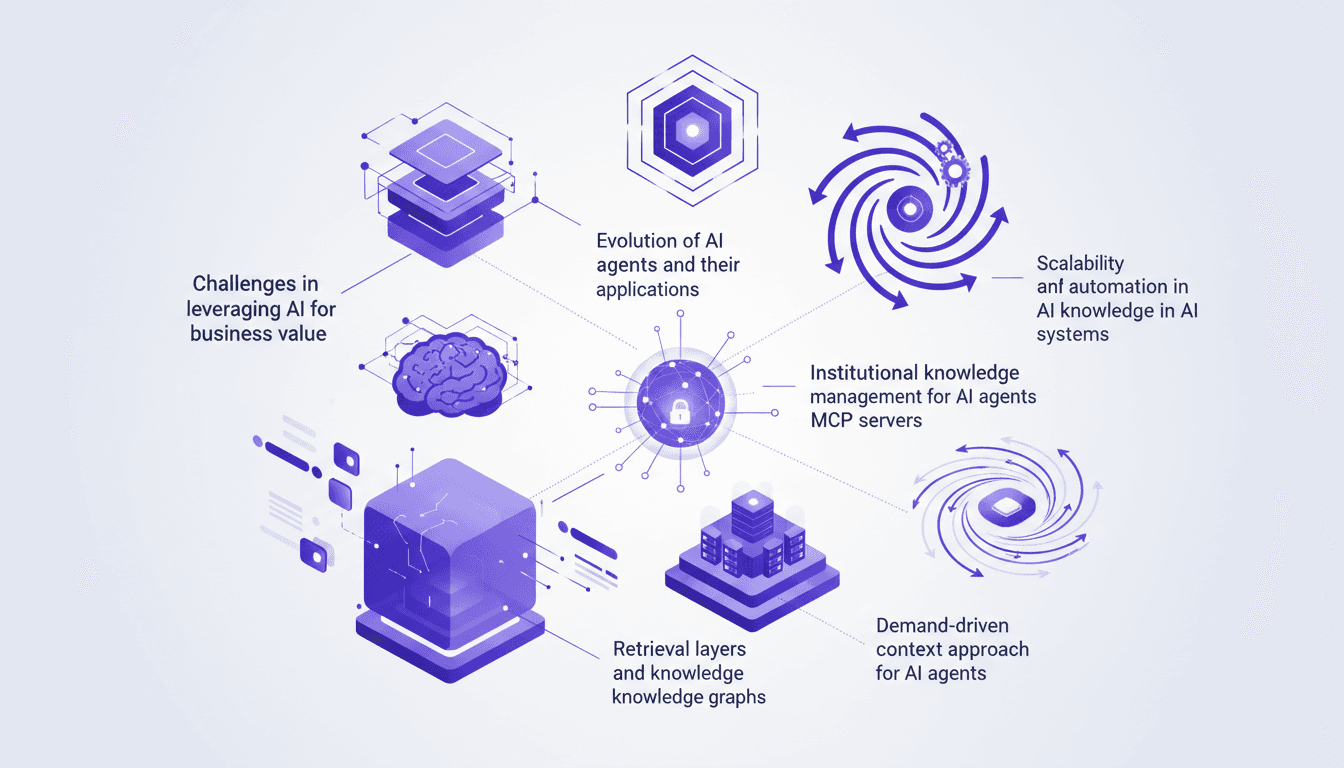
I've been knee-deep in AI agents, wrestling with their intricacies and harnessing their potential. Dive into how I tackled the challenges of integrating AI for real business value. As I explore the evolution of AI agents, their applications, and effective enterprise management, I'm sharing my hands-on experiences. From institutional knowledge management to building MCP servers and a context-driven approach, I'll guide you through optimizing AI agents. Remember: only 20% of your documentation is truly useful, so let's make every word count.
AI's Impact on Open Source: Opportunities
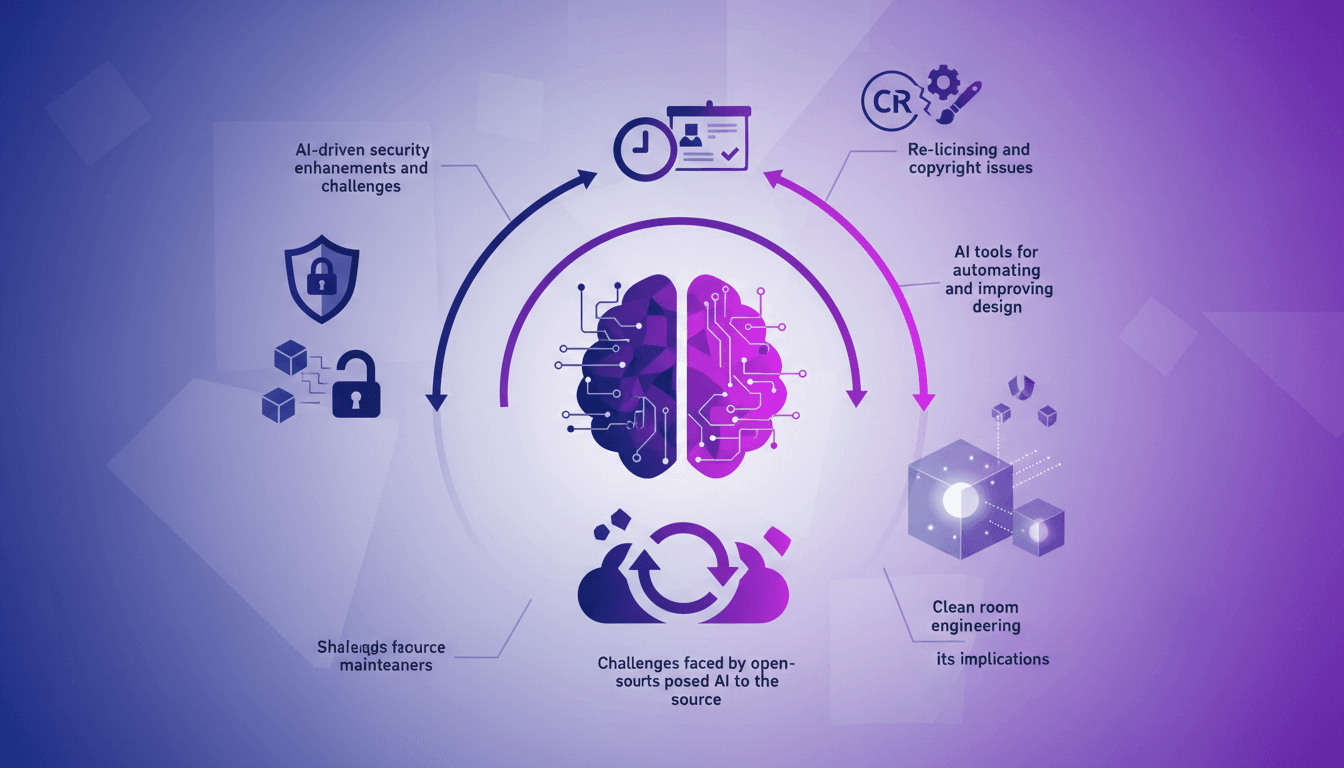
I remember the first time I integrated AI into my open-source project. It was a game changer, but not without its challenges. AI is reshaping the open-source landscape, enhancing security but also threatening traditional business models. Let's discuss the implications of this transformation – from AI tools boosting productivity to re-licensing and copyright issues. Open-source maintainers are facing unprecedented challenges, not to mention threats to existing business models. How is your open-source project adapting to this new era?
Optimizing Inference Chips for AI Agents
I've spent countless hours orchestrating AI agent workflows, and let me tell you, the right chip makes all the difference. But when I see current GPUs only hitting 30-40% utilization, it's clear we need purpose-built silicon. This article dives into the challenges and innovations in AI chip design, focusing on practical solutions for builders like us. We explore Nvidia's $20 billion acquisition of Groq, the role of compilers, and the promises of Google's TPU v7. In short, everything you need to optimize your AI agent loops.
Boosting Agents with Supabase Skills: Our Approach
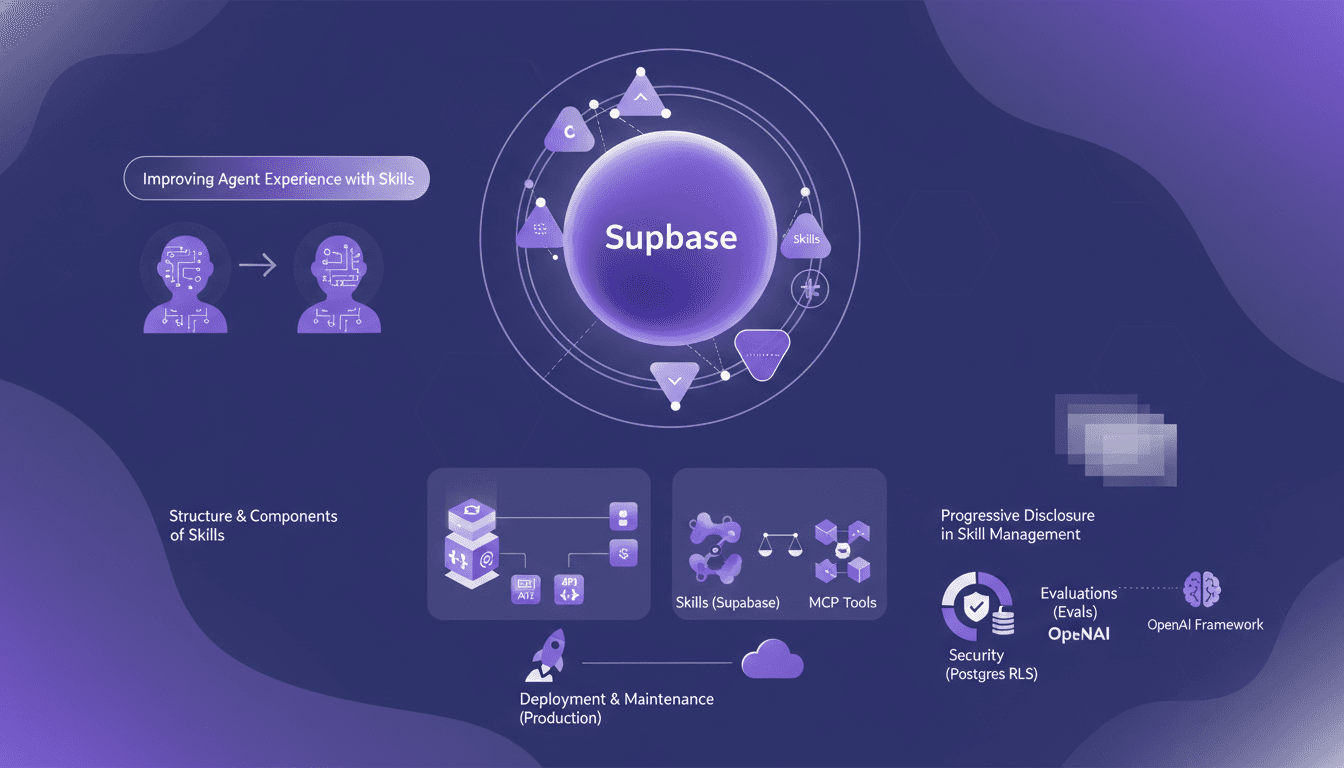
I spent two months knee-deep in Supabase, crafting skills for our AI agents. Let me walk you through how we made them not just good, but actually effective. In this article, I dive into our approach to enhancing agent experience with Supabase, dissecting the structure and components of skills, and comparing them to MCP tools. We've leveraged evaluations to test agent behavior, not to mention the pivotal role OpenAI’s framework played. From RLS in Postgres to deploying in production — each step came with its hurdles. I’ll explain how I orchestrated all of this and, importantly, what I wish I'd known earlier.