GPT 5.4: Performance, Cost, and Controversy
I just integrated GPT 5.4 into my workflow, and let me tell you, it's a game changer—but not without its quirks. OpenAI has just released GPT 5.4, and between boosted efficiency and cost management, it's a complex terrain of trade-offs. Priced at $15 per million tokens, it looks tempting, but watch out for the 295% surge in uninstalls on February 28th. Scoring 83% on the GDP val benchmark, surpassing Opus 4.6, GPT 5.4 promises a lot, but beware of the pitfalls. Let's dive into the technical details and potential professional impacts this new version might have.
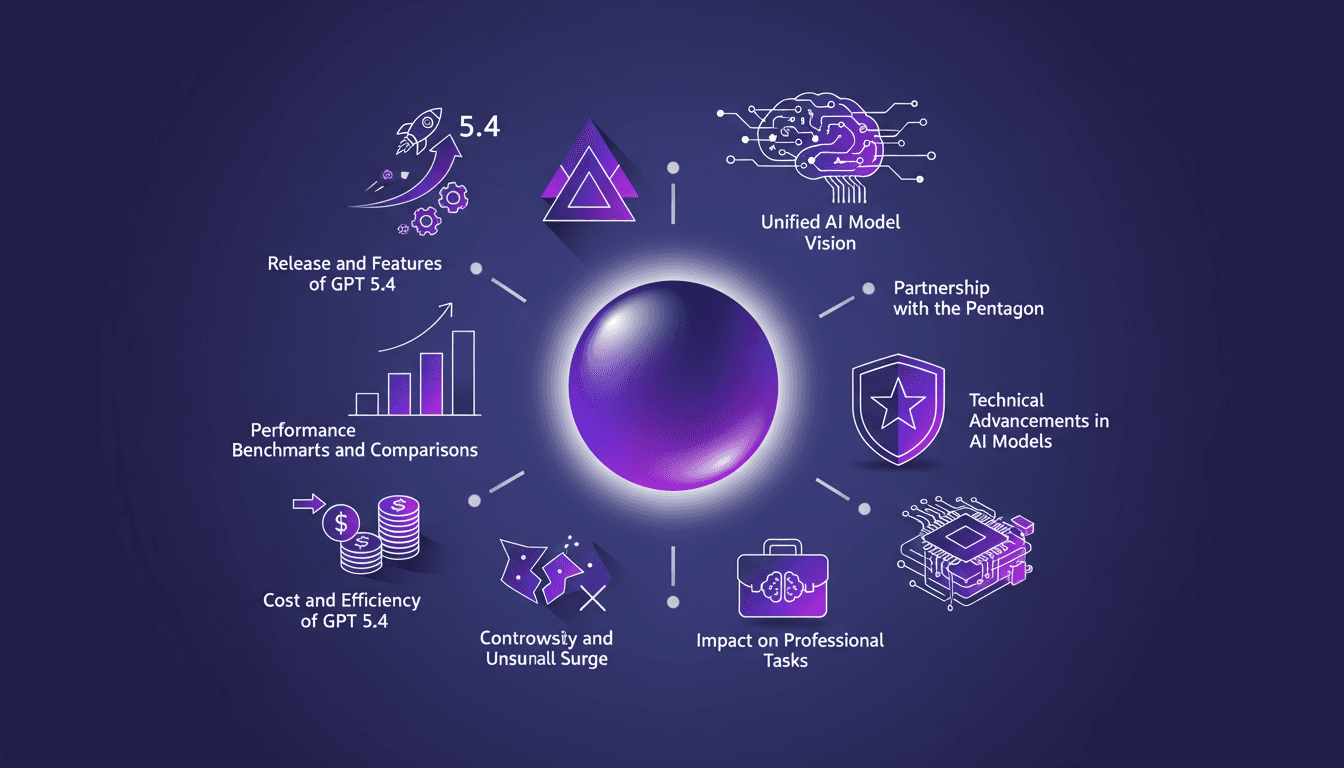
I just integrated GPT 5.4 into my workflow, and let me tell you, it's a game changer—but not without its quirks. OpenAI just rolled out GPT 5.4, packed with features promising to redefine efficiency and cost management in AI applications. But beware, every step forward comes with trade-offs and controversies. First off, priced at $15 per million tokens, some might grimace, but performance-wise, GPT 5.4 scores an impressive 83% on the GDP val benchmark, overshadowing Opus 4.6 and GPT 5.3. Yet, don't overlook the 295% surge in uninstalls in a single day. Their partnership with the Pentagon raises ethical eyebrows too. As a practitioner, I find this unified model fascinating for certain professional tasks, but I'm wary of technical limits and overblown expectations. Let's dive into these new features together.
Unpacking GPT 5.4 Features and Benchmarks
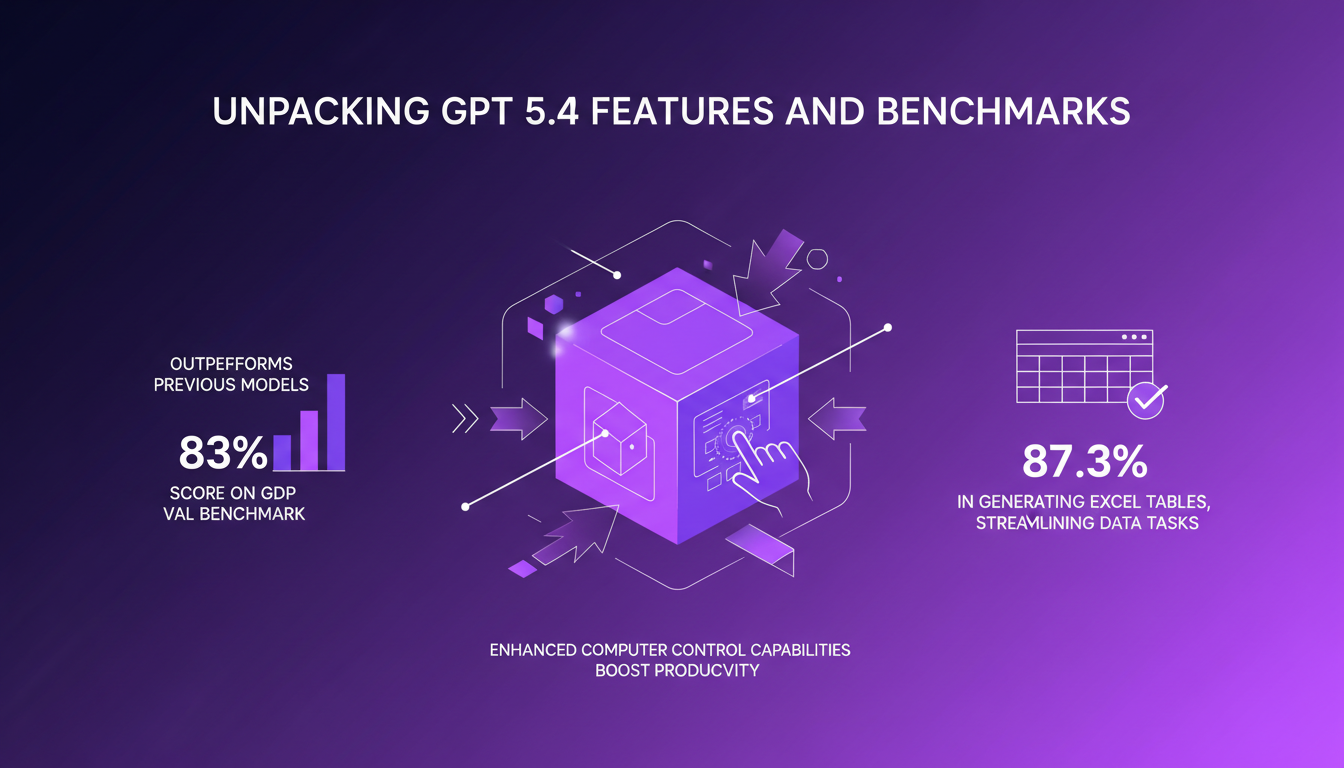
When OpenAI released GPT 5.4, I was eager to dive into what this model had to offer. First off, it scored an impressive 83% on the GDP val benchmark, surpassing Opus 4.6 and GPT 5.3. That already tells you a lot about the leap in improvement. But that's not all; this model also excels on a practical level, with an 87.3% efficiency in generating Excel tables. As someone who juggles data daily, I can tell you that's a huge time-saver.
For the legal field, GPT 5.4 achieves a 91% accuracy in drafting legal documents. I've seen legal professionals adopt this type of tool to reduce human errors and speed up the production of complex documents. However, watch out for the risk of over-reliance—human verification is always necessary.
- 83% on the GDP val benchmark
- 87.3% for Excel table generation
- 91% for legal drafting
Cost Efficiency: Token Pricing and Usage
One of the first things I checked was the cost. At $15 per million output tokens for the standard version, one might think it's expensive. But GPT 5.4 has reduced token consumption by 47%, which ultimately lowers operational costs. However, watch out for hidden costs if you're dealing with high volumes. Sometimes it's better to opt for premium features if they offer significant performance gains.
- Standard cost: $15 per million tokens
- Token consumption reduced by 47%
- Option to choose premium features based on usage
The Controversy: Uninstall Surge and Industry Reactions
A 295% increase in uninstalls was recorded following the Pentagon partnership announcement. Users expressed concerns over privacy and military use of AI. This impacted OpenAI's reputation but also their market strategy. For those of us adopting these new models, it's crucial to weigh potential risks carefully.
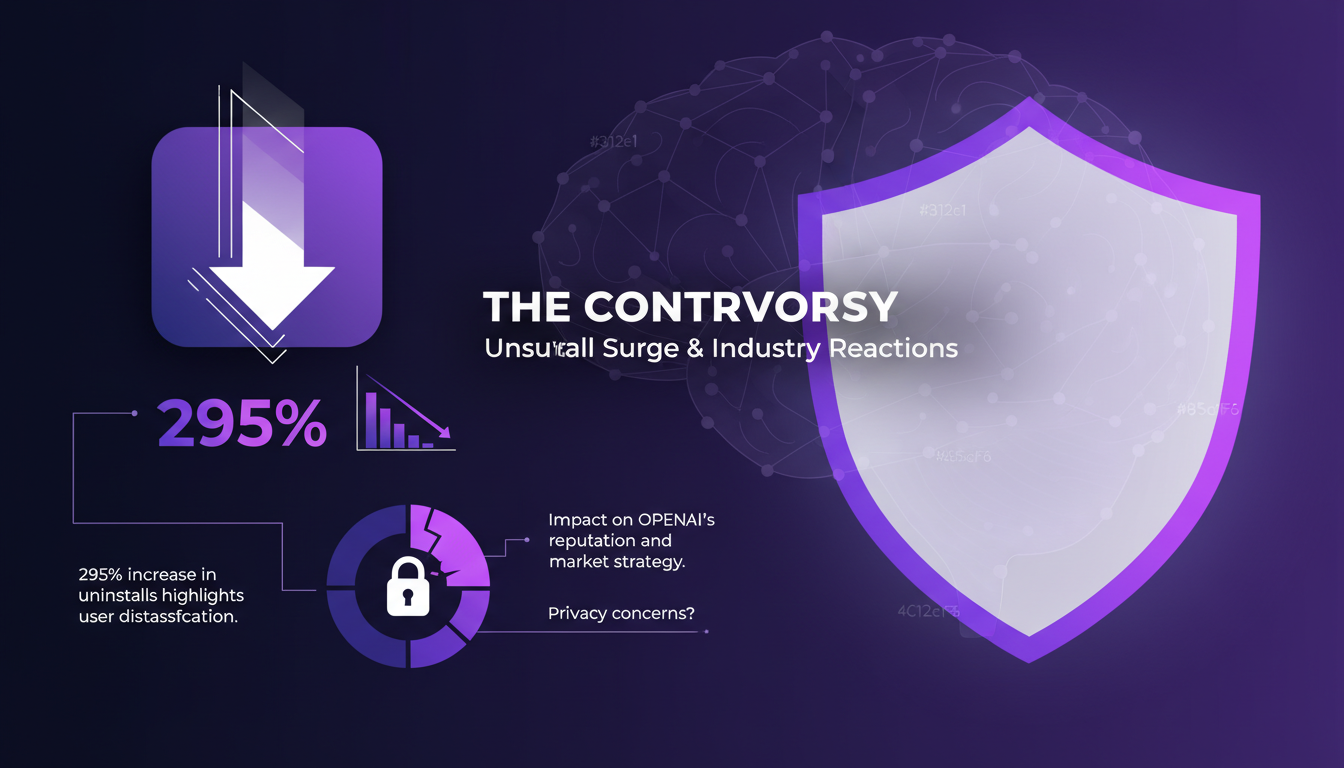
- 295% uninstall increase
- Privacy and military usage concerns
- Importance of risk management when adopting new models
Strategic Implications of the Pentagon Partnership
This partnership raised significant ethical questions around the use of AI in military applications. There's enormous potential for advanced applications, but we must balance innovation with ethical considerations. These collaborations influence industry trends and can change how companies approach AI development.
I recall a project where a similar decision led to long internal discussions about ethics. This isn't different with OpenAI—every step forward needs to be carefully weighed.
- Pentagon partnership raises ethical questions
- Potential for advanced defense applications
- Influence on industry trends
Unified AI Model Vision: A Glimpse into the Future
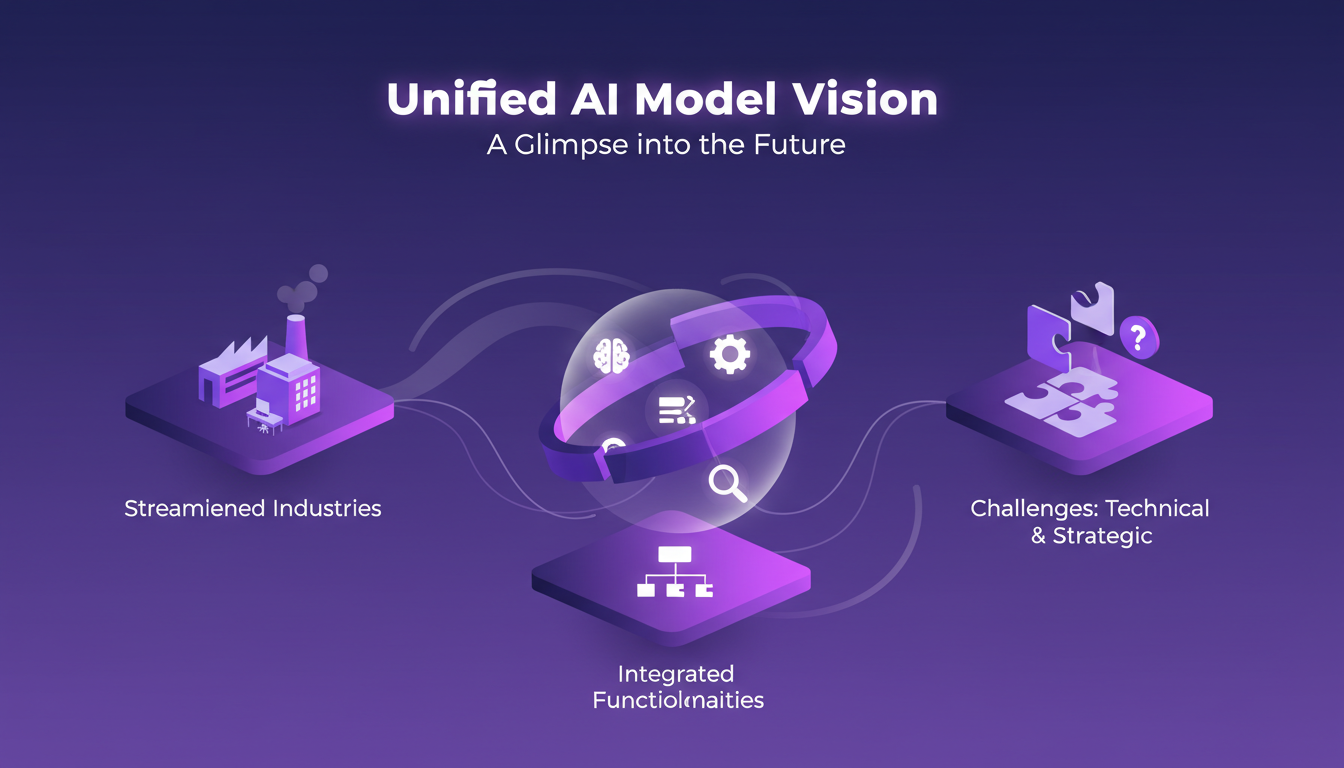
The idea of a unified AI model is fascinating. It promises to simplify processes across various sectors. However, achieving true unification presents technical and strategic challenges. For developers and businesses, this means preparing for a smoother integration of AI technologies into their systems.
In my experience, unifying systems not only cuts costs but also improves process coherence. However, don't assume everything is perfect right away—adjustments are always necessary.
- Integration of diverse functionalities
- Technical and strategic challenges
- Preparation for smooth AI integration
GPT 5.4 is really pushing boundaries with impressive performance and cost-effectiveness. But, it’s not all sunshine and rainbows. As a builder, here’s what stood out to me:
- Pricing at $15 per million tokens makes it affordable, but keep an eye on token usage to avoid surprise charges.
- Scoring 83% on the GDP val benchmark is a leap forward, yet the surrounding controversies shouldn’t be ignored.
- A 295% surge in uninstalls shows it’s not winning everyone over; strategic implications need careful consideration.
For me, GPT 5.4 is a game changer, but I’m cautious about long-term strategic impacts. Now’s the time to think about how GPT 5.4 can fit into your workflow and stay informed as it evolves. Check out the full video for a deeper dive and let's exchange thoughts: https://www.youtube.com/watch?v=7dxgRDKXJTE.
Frequently Asked Questions

Thibault Le Balier
Co-fondateur & CTO
Coming from the tech startup ecosystem, Thibault has developed expertise in AI solution architecture that he now puts at the service of large companies (Atos, BNP Paribas, beta.gouv). He works on two axes: mastering AI deployments (local LLMs, MCP security) and optimizing inference costs (offloading, compression, token management).
Related Articles
Discover more articles on similar topics
GPT 5.4: Context Revolution with 1 Million
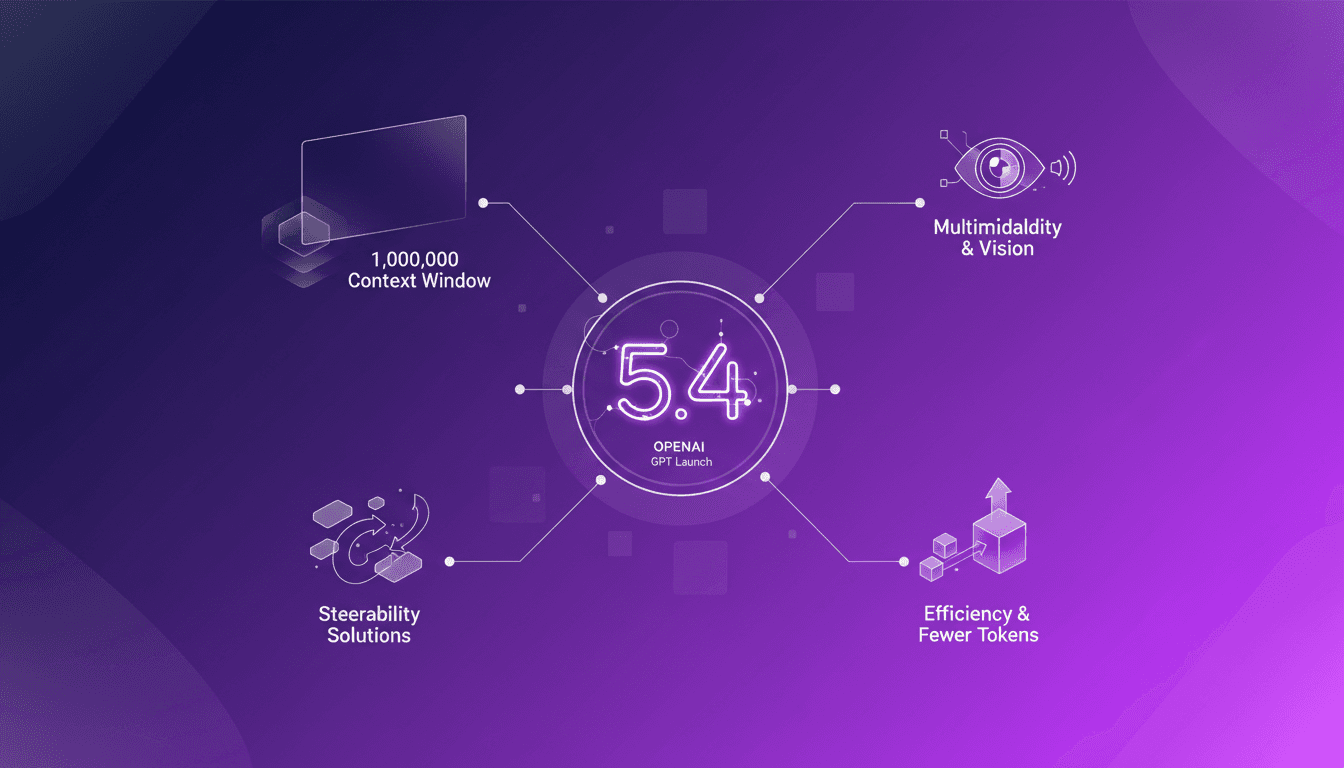
I've been in the trenches with AI models for years, and let me tell you, the launch of GPT 5.4 is a game changer. This model promises a massive leap with its 1 million context window, enhanced multimodal capabilities, and solutions to the notorious steerability problem. But before you dive in headfirst, let's break down what this means for us builders. Imagine orchestrating a project where context isn’t a crushing limit anymore, where vision and text blend seamlessly. GPT 5.4 isn’t just a simple update; it’s a reinvention of the wheel, but watch out for the usual pitfalls: don’t overload your project with promises without understanding the constraints. Let's explore these new features and see how they stack up in real-world applications.
GPT 5.4 vs Opus 4.6: Killer or Just Hype?
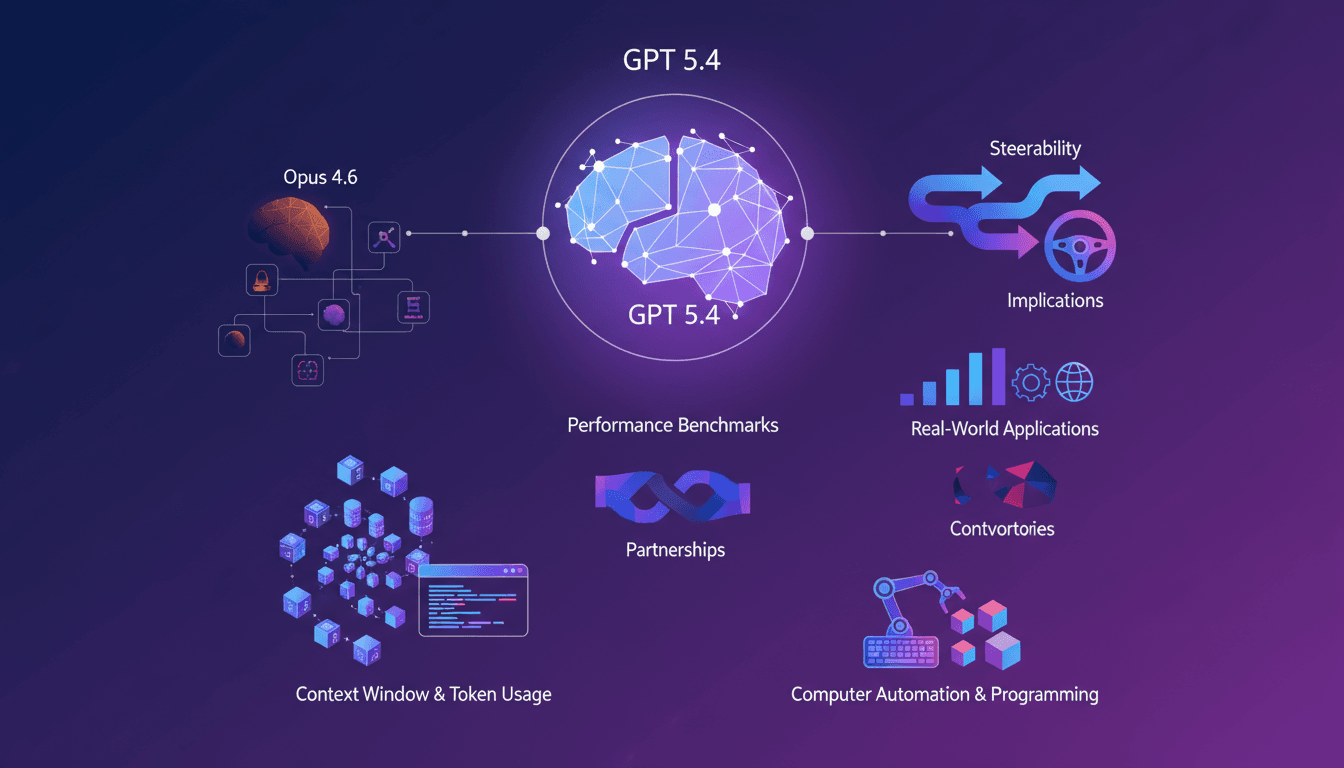
I dove headfirst into GPT 5.4 to see if it could dethrone Opus 4.6. Having been burned by overhyped AI promises before, I wanted to separate the noise from the real game changers. GPT 5.4 boasts a massive context window of one million tokens and new steerability features. But is it truly a leap forward or just another iteration with flashy marketing? Let's compare it to Opus 4.6. GPT 5.4's performance in computer automation is impressive, with 90% accuracy. However, even with a score of 75% versus Opus 4.6's 72.7%, is that enough to claim victory? Let's dive into the technical advancements and real-world implications of these features.
Mastering Gemini 3.1: Flash Lite in 14 Minutes
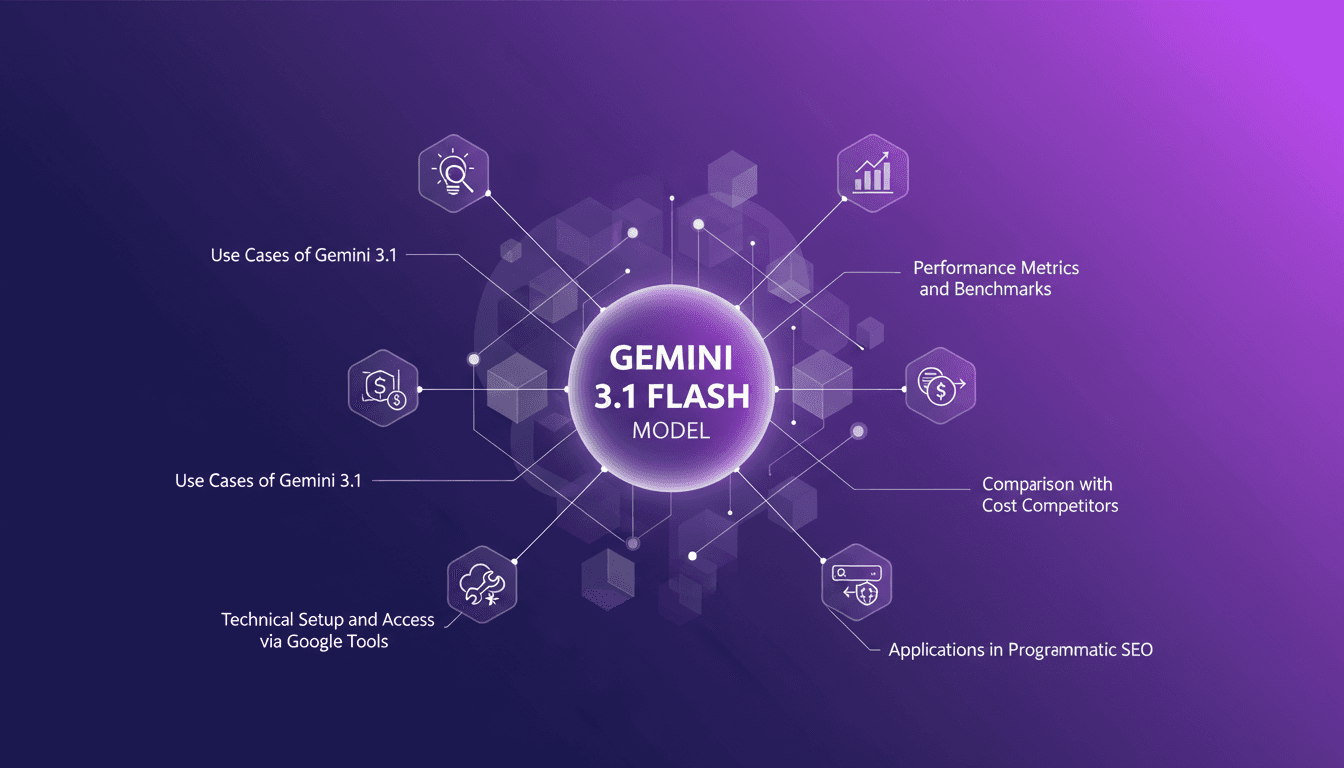
I dove headfirst into Gemini 3.1 Flash Lite, eager to see if it could truly revolutionize my workflow. Spoiler: It did, but not without a few hiccups along the way. Picture a model that can grasp multimodal data and optimize programmatic SEO in a flash. I tested five different use cases, and for a translation task, it took just one second. But watch out, setting it up with Google's tools isn’t exactly a walk in the park. I'll walk you through how I navigated it all, with candid comparisons to competitors and an eye on cost efficiency. If you're ready to supercharge your SEO, join me on this journey.
Boosting Web Search with GPT-5.3: Practical Guide
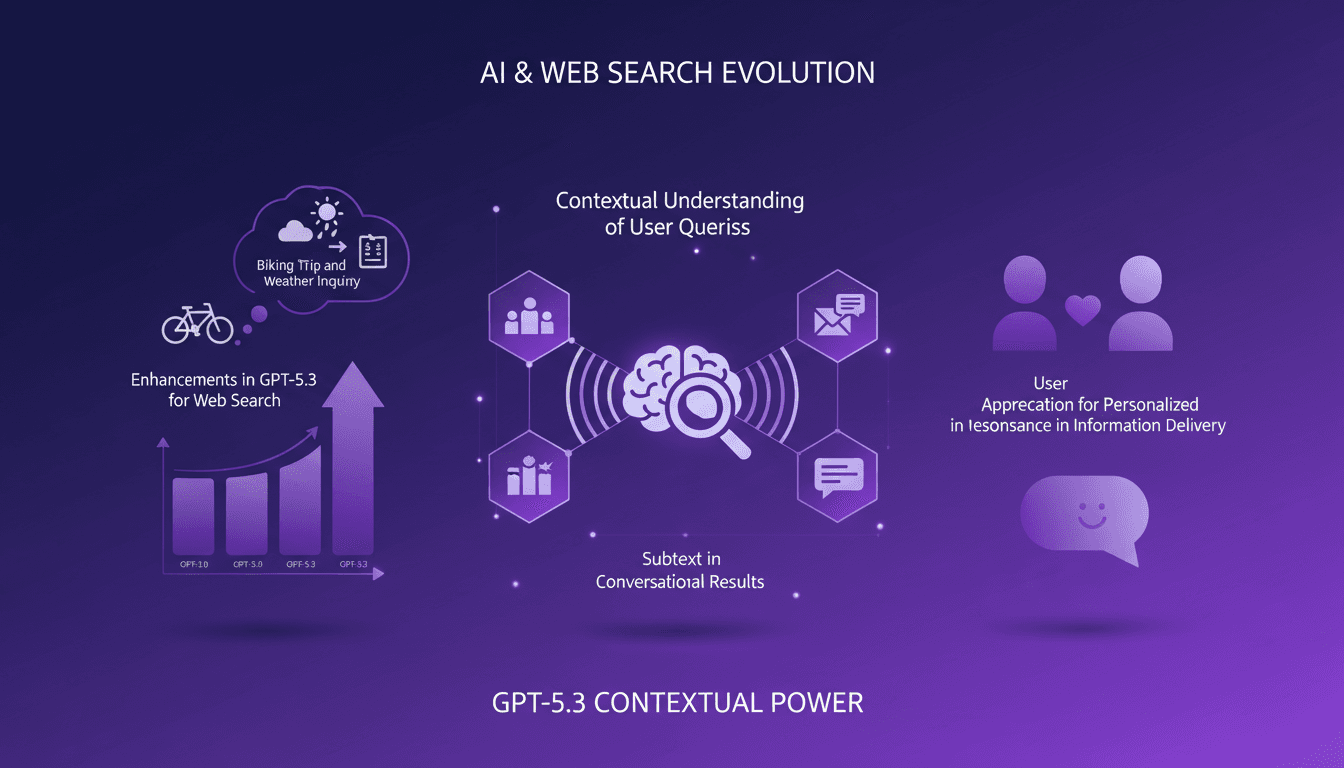
I've been tweaking search results for years, but integrating GPT-5.3 changed everything. With the latest enhancements, understanding user queries has become more nuanced. In this article, I walk you through how to leverage these advancements for better web search results. We'll dive into the importance of subtext, the enhancements in GPT-5.3, and how they make responses more natural and conversational. You'll see practical cases like planning a biking trip or understanding baseball rule changes. It's a powerful tool, but watch out for context limits—beyond 100K tokens, things get tricky. I'll share how I orchestrated these elements for direct user experience impact.
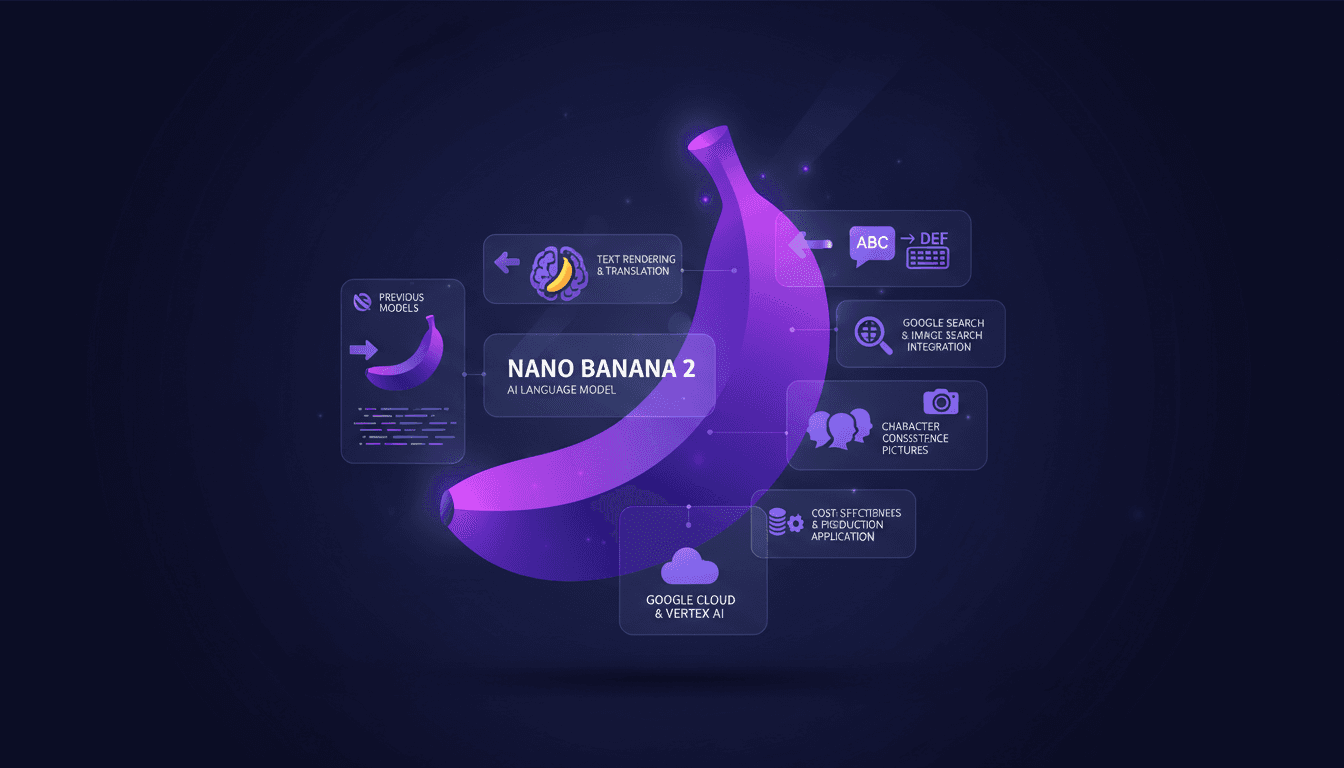
Nano Banana 2: Smaller, Faster, Cheaper
I've been in the trenches with image generation tools, and when Nano Banana 2 hit my workflow, it was a game changer. Smaller, faster, cheaper – it's not just marketing fluff. Let me walk you through how I've leveraged its capabilities to streamline my projects. With enhanced performance and cost-effectiveness, Nano Banana 2 transforms integration with tools like Google Cloud and Vertex AI. For those of us relying on precision and speed, understanding its integration is crucial.