From Failure to Success: $800K in One Year with Glow Up
I built ten apps that went nowhere before hitting the jackpot with Glow Up. In just a year, this app pulled in $800K in revenue. Want to know how? Let me walk you through turning a string of failures into a blazing success. From leveraging TikTok for growth to picking the right tech stack, it's a journey full of hurdles but rich with practical lessons. And did I mention I made $12.5K in one day from a single video? That's the kind of success I'm sharing here, with clear strategies and advice for any app developer aiming to make a mark in the field.
Before Glow Up, I built ten apps that went nowhere. It was a string of tough lessons, but they led me to this success: Glow Up generated $800K in just 365 days. In this journey, I’ll explain how I turned failures into triumph. I leveraged TikTok to boost growth, and trust me, you need to know how to work those algorithms. I also got burned on tech stacks before finding the right combo. So, if you’re a developer who's been through the wringer, I’m sharing solid strategies and the tools that made a difference. Imagine, $12.5K in sales in just one day, it’s possible. But watch out, don't get fooled by shortcuts: it takes work and smart choices.
My Journey: From Failures to Glow Up
I launched probably 10 apps before finding success. Each failure taught me something new about user needs and market demands. It was frustrating, but with every unsuccessful attempt, I was able to refine my understanding of what people were actually looking for. Glow Up was born from these lessons, focusing on what users truly wanted. I realized that often my ideas were too self-centered. However, once I started listening to what users genuinely wanted, things changed.
The breakthrough was focusing on actual feedback and no longer relying solely on my own assumptions. The turning point was inevitable when I began studying TikTok comments, where I found a goldmine of ideas that I could transform into an app that met an existing need.
Harnessing TikTok for App Growth
Using TikTok to validate my ideas was a real game changer. Feedback was instant, and I could quickly adjust my strategy. I inserted anchor links in my videos that drove direct traffic to the app. TikTok's algorithm allowed me to reach a much broader audience without having to spend a fortune.
In a single day, one of my videos generated 12.5K in sales. The comments provided valuable insights into what users really wanted, and each video became a testing ground for trying out new features or concepts.
Building Glow Up: Tech Stack Choices
For rapid development and cross-platform capabilities, I chose Flutterflow. It's simple and effective for rapid prototyping. On the backend, Firebase proved to be a judicious choice. It saved me time and money while efficiently handling backend needs.
I also utilized Google Cloud Functions for scalable serverless architecture. This allowed me to focus on user experience without worrying about scalability or server maintenance. However, watch out to properly size resource usage to avoid unexpected costs.
Revenue Model and Business Impact
Glow Up generated $800K in a year, with a monthly recurring revenue of $15K. I offered a 90% discount for six months to boost the initial user base. This strategy was crucial in quickly reaching a significant number of active users.
Understanding user engagement was key to sustaining growth. Offering incentives, like free makeup try-ons, bolstered engagement. This was a key factor in reaching 70,000 paying users out of 2 million total users.
Advice for Aspiring App Developers
Start with a Minimum Viable Product (MVP) to test your ideas quickly. Learn from your failures and pivot based on user feedback. Don't underestimate the power of social media for marketing.
Here are some key takeaways:
- Don't over-develop your MVP; it should be sufficient to test the idea.
- Analyze user comments and feedback to guide future development.
- Use anchor links to boost app downloads.
Ultimately, agility and actively listening to user needs are the cornerstones of success in app development.
Reflecting on my journey with Glow Up, a few key takeaways stand out:
- Persistence pays off: I built 10 apps before hitting success with Glow Up. It’s a lesson in resilience—fail, learn, and try again.
- Growth strategy with TikTok: Leveraging TikTok was a real game changer for us, generating 12.5K sales in one day. But watch out, you need to master the trends and adapt your message.
- Solid business model: With Glow Up, we found a profitable model, but it required constant tweaking and refining of our monetization strategy.
Looking forward, I’m convinced that the right mix of tools and platforms can turn an app idea into a commercial success.
Ready to build your own app success story? Start small, iterate fast, and leverage the right platforms. I highly recommend watching the full video for a deeper understanding of each step in this incredible journey. Watch here.
Frequently Asked Questions

Thibault Le Balier
Co-fondateur & CTO
Coming from the tech startup ecosystem, Thibault has developed expertise in AI solution architecture that he now puts at the service of large companies (Atos, BNP Paribas, beta.gouv). He works on two axes: mastering AI deployments (local LLMs, MCP security) and optimizing inference costs (offloading, compression, token management).
Related Articles
Discover more articles on similar topics
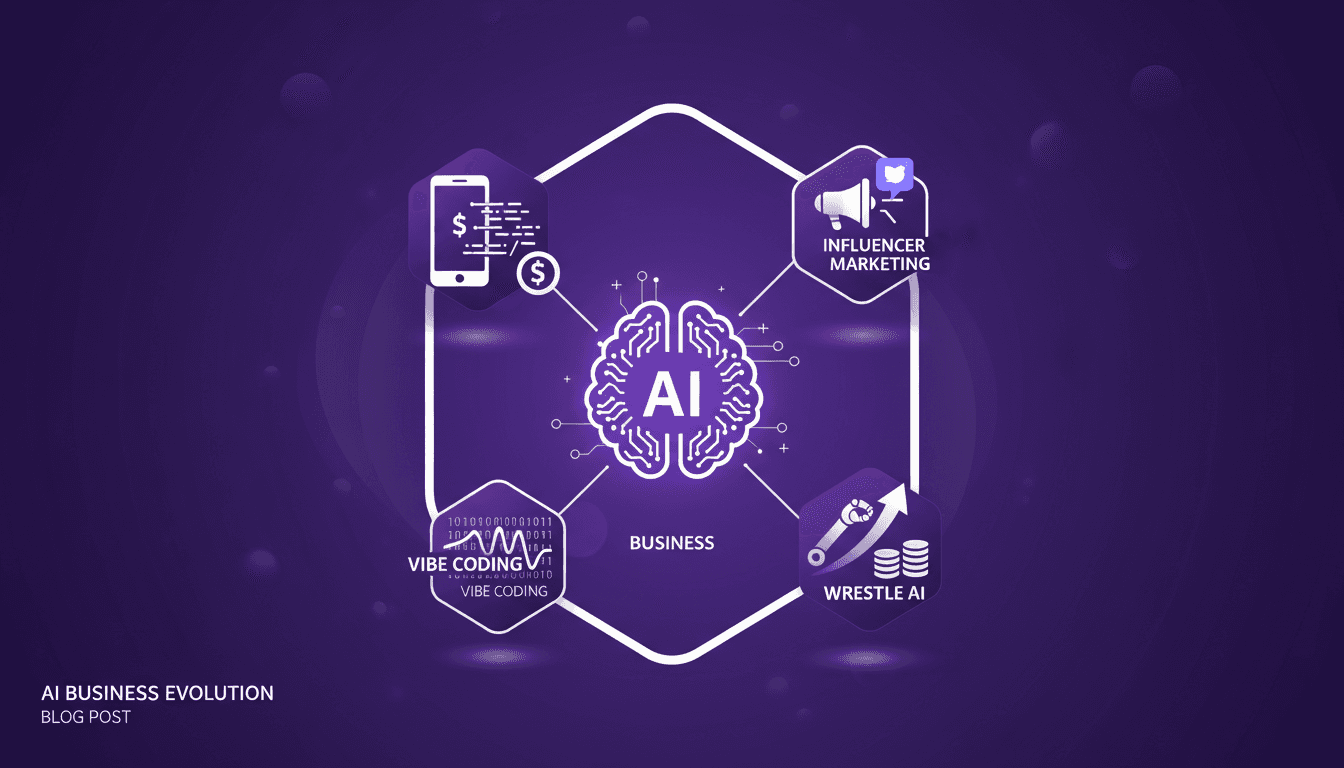
Growing Your App Revenue to $17K/Month
I've been deep in the app dev trenches, and believe me, growing an app to $17K a month isn’t just luck—it's strategy, the right tools, and a sprinkle of vibe coding magic. In this article, I’ll walk you through our journey with Wrestle AI, touching on everything from our revenue model to influencer marketing and technical stack. If you're aiming to turn your app into a revenue powerhouse, you're in the right place.

Revenue Growth: Simple Site, $40K a Month
I started with a simple idea: a bank statement converter tool. Fast forward a few years, and I'm pulling in $40K a month. How did I build this? First, I launched a basic tool. Then, I expanded the user base and turned the idea into a revenue machine. We'll cover the key milestones, traffic growth, and how I turned users into paying customers. If you're looking to boost your site, this is the place to be.
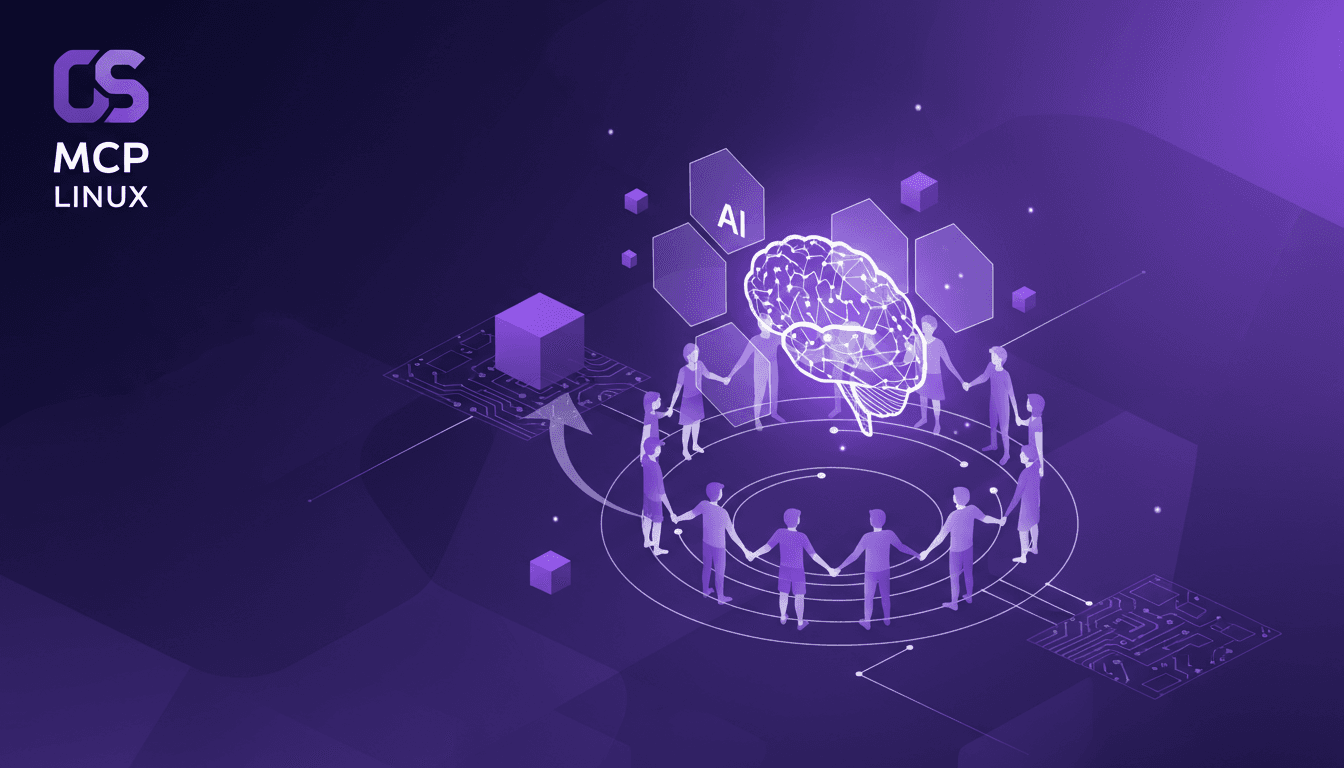
Why We Donated MCP to Linux
I was knee-deep in code when the idea hit me—what if we made the Model Context Protocol open-source? It wasn't just about sharing; it was about community and innovation. Donating the MCP to the Linux Foundation was our way of pushing boundaries and inviting others to join the journey. The technical challenges were many: security, context bloat, but that’s what makes the project exciting. The Agentic AI Foundation plays a crucial role in MCP's adoption and impact within the AI community. Our decision wasn't just a donation; it was an invitation to innovate together. Now, let's dive into the details.
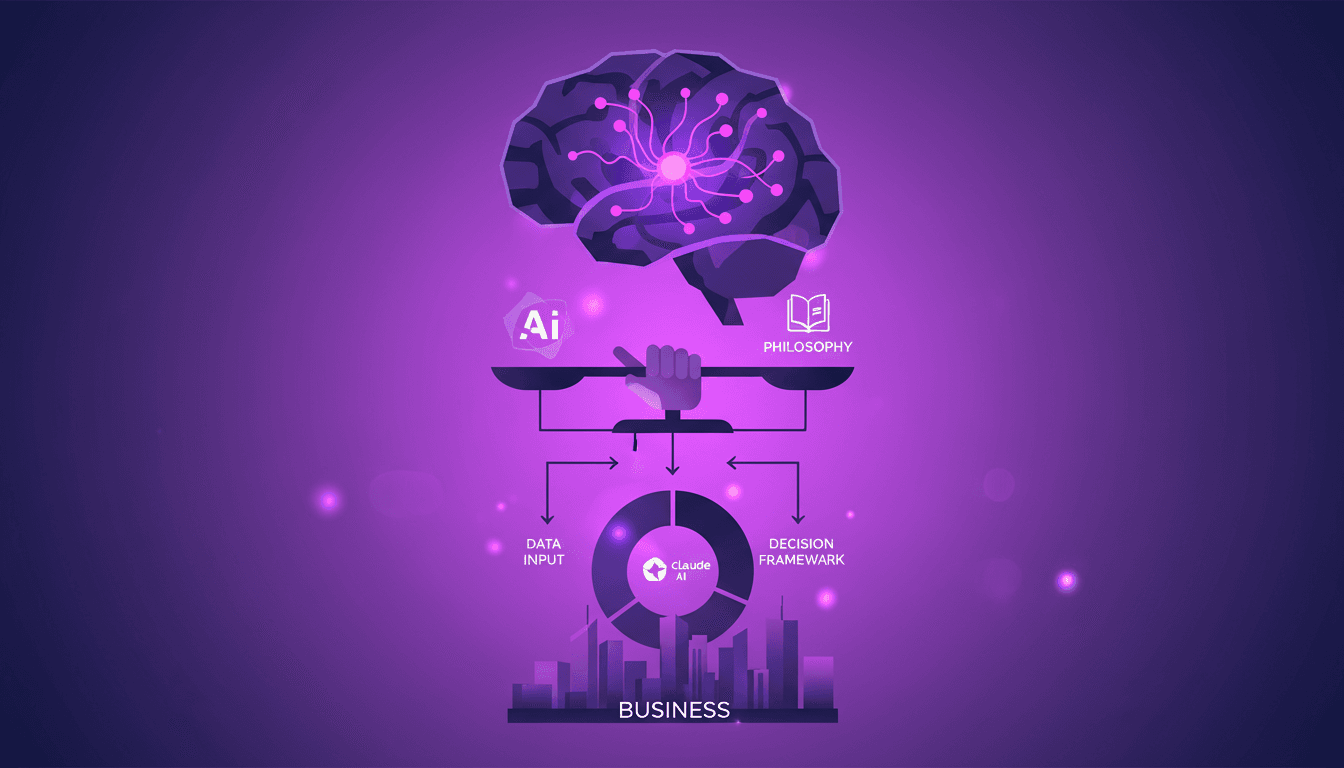
Claude: Philosophy and Ethics in AI
I joined Anthropic not just as a philosopher, but as a builder of ethical AI. First, I had to grasp the character of Claude, the AI model I’d be shaping. This journey isn't just about coding—it's about embedding ethical nuance into AI decision-making. In the rapidly evolving world of AI, ensuring that models like Claude make ethically sound decisions is crucial. This isn't theoretical; it's about practical applications of philosophy in AI. We tackle the character of Claude, nuanced questions about AI behavior, and how to teach AI ethical behavior. As practitioners, I share with you the challenges and aspirations of AI ethics.
Treating AI Models: Why It Really Matters
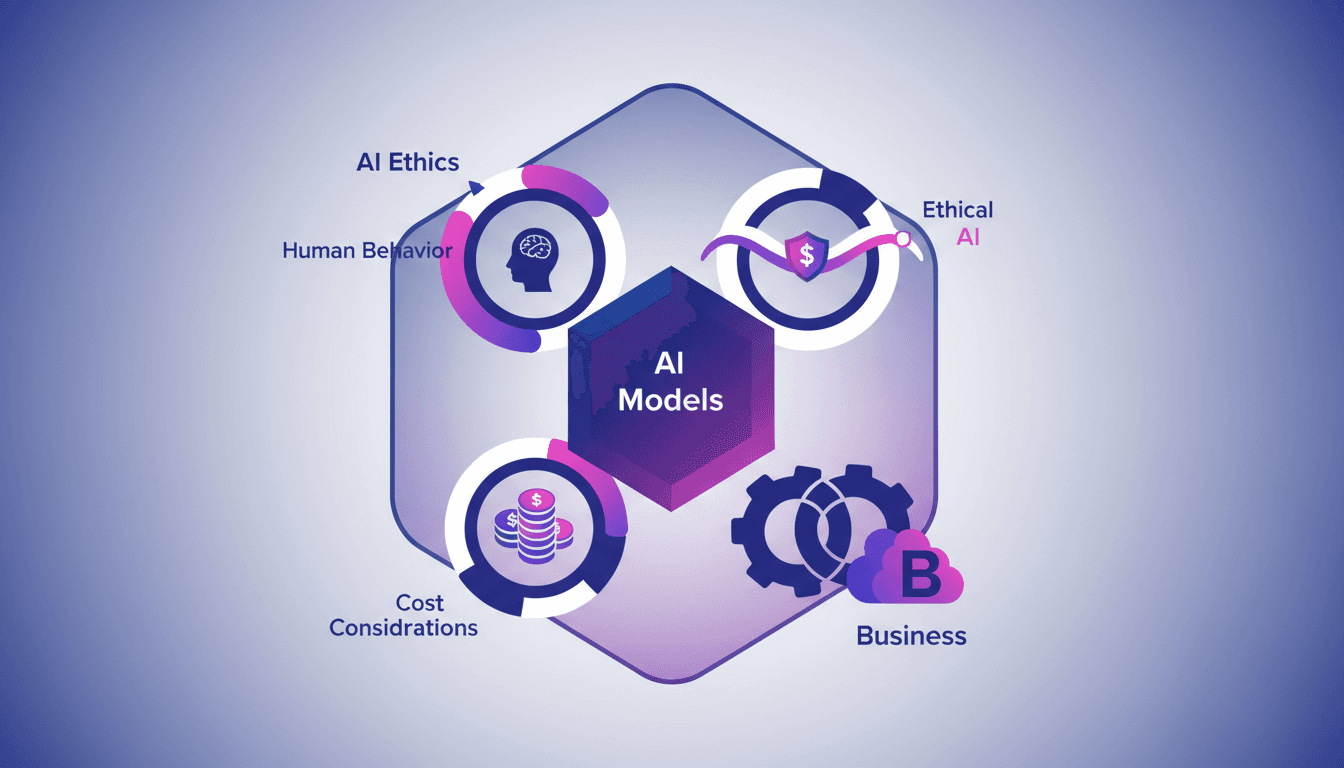
I've been in the trenches with AI models, and here's the thing: how we treat these models isn't just a tech issue. It's a reflection of our values. First, understand that treating AI models well isn't just about ethics—it's about real-world impact and cost. In AI development, every choice carries ethical and practical weight. Whether it's maintaining models or how we interact with them, these decisions shape both our technology and society. We're talking about the impact of AI interactions on human behavior, cost considerations, and ethical questions surrounding humanlike entities. Essentially, our AI models are a mirror of ourselves.