Revenue Growth: Simple Site, $40K a Month
I started with a simple idea: a bank statement converter tool. Fast forward a few years, and I'm pulling in $40K a month. How did I build this? First, I launched a basic tool. Then, I expanded the user base and turned the idea into a revenue machine. We'll cover the key milestones, traffic growth, and how I turned users into paying customers. If you're looking to boost your site, this is the place to be.

I started with a simple idea: a bank statement converter tool. Today, this tool pulls in $40K a month. The journey wasn't straightforward, but it was incredibly enlightening. When I launched this tool, I had no idea it would become a revenue-generating machine. With monthly traffic of 40,000 visits and MRR climbing from $6,000 in 2022 to $14,000 in 2023, I had to learn fast how to manage growth. How did I do it? First, by understanding my users and turning their interest into payments. Then, by constantly analyzing traffic to optimize user experience. This journey has been full of mistakes and successes, and I'm here to share what I've learned so you too can turn a simple idea into a roaring success.
Launching the Bank Statement Converter Tool
When I decided to embark on developing the bank statement converter tool, I knew I was diving into an ambitious project. The initial idea was simple: automate the conversion of bank statements into formats usable by accounting tools. But, as often is the case, the simplicity of an idea hides the complexity of its execution.
The first step was understanding the real needs of users. I talked to numerous accountants and business owners to pinpoint the specific problems they were facing. Quickly, I discovered that the diversity of bank formats was a real headache. That's when I decided to focus my efforts on creating an engine capable of handling this diversity.
The launch was fraught with challenges. The first version was far from perfect, and the feedback from the initial users was crucial. It allowed me to iterate quickly and improve the tool. The feedback was a mix of enthusiasm and constructive criticism, but that's exactly what I needed to move forward.
- Understanding the real needs of users is essential
- Diversity of formats was a major challenge
- Initial user feedback was crucial for improvement
Tracking Revenue Milestones: 2022 to 2024
In 2022, we reached 6,000 USD MRR (Monthly Recurring Revenue). It was an important first milestone. By 2023, this figure doubled to 14,000 USD. And today, in 2024, we are at 27,000 USD. These figures didn't just appear out of nowhere. They are the result of well-thought-out strategies and precise execution.
One of the keys to our growth has been setting clear financial goals. I learned early on that without precise targets, you're just spinning your wheels. Simultaneously, it was necessary to balance revenue growth with cost management. Too often, one gets carried away by rising revenues without realizing costs are skyrocketing in the background.
- MRR in 2022: 6,000 USD, in 2023: 14,000 USD, in 2024: 27,000 USD
- Setting clear financial goals is indispensable
- Watch out for cost management to avoid eating into margins
Understanding User Base vs. Paying Customers
Currently, the site has around 75,000 users, but only 1,000 are paying customers. This difference is significant, and it's crucial to understand it to improve the conversion rate. My first mistake was thinking that every user would naturally become a paying customer. Wrong!
To increase the number of paying customers, I implemented several conversion strategies. This involves personalized follow-ups and targeted offers. But be careful, these efforts need to be balanced with acquiring new users. Focusing too much on one or the other can harm overall growth.
- 75,000 users, but only 1,000 paying customers
- Conversion strategies: personalized follow-ups, targeted offers
- Balance between acquisition and conversion is crucial
Monthly Traffic Analysis and Insights
Our site receives about 40,000 visitors per month. This figure is impressive, but it's essential to dig deeper to understand where this traffic is coming from and how it translates into conversions. I first analyzed traffic sources: SEO, advertising campaigns, and word of mouth.
SEO has been a major lever. Optimizing content and keywords has attracted qualified traffic. However, watch out for vanity metrics. High traffic doesn't necessarily mean high conversions. It's crucial to focus on quality visitors rather than quantity.
- Monthly traffic: 40,000 visitors
- SEO as a major optimization lever
- Focus on quality over quantity of traffic
Success Factors and Lessons Learned
Several factors have contributed to the site's success. First, a deep understanding of user needs. Then, precise execution of growth strategies. I've made mistakes, particularly in underestimating certain technical complexities. But with each mistake, I managed to bounce back and improve the process.
Scalability was another challenge. Initially, the system was not designed to support such a load. I had to revisit the architecture to ensure optimal performance. Future plans include continuous improvements and the integration of new features to meet emerging needs.
- Understanding user needs and precise execution
- Scalability as a major challenge to overcome
- Future plans: continuous improvement and new features
Building this website has been an incredible journey. I started with a simple tool, and today I’m generating 14,000 USDM in MRR. Here are my main takeaways:
- Traffic: Hitting 40,000 visits a month wasn’t magic. I analyzed each traffic source and kept optimizing.
- Monetization: Turning users into paying customers required constant tweaking of offerings.
- User Expansion: I set up robust systems to manage fast growth, but watch out for hidden costs that can creep up.
It's truly a game changer, but it's a path filled with pitfalls. You have to pilot carefully and keep adjusting. Ready to turn your simple idea into a success story? Start now and iterate as you grow.
Check out the full video to dive into the details and see how I made it happen: https://www.youtube.com/watch?v=nVHTZ1CqWds. Trust me, it's worth watching!
Frequently Asked Questions

Thibault Le Balier
Co-fondateur & CTO
Coming from the tech startup ecosystem, Thibault has developed expertise in AI solution architecture that he now puts at the service of large companies (Atos, BNP Paribas, beta.gouv). He works on two axes: mastering AI deployments (local LLMs, MCP security) and optimizing inference costs (offloading, compression, token management).
Related Articles
Discover more articles on similar topics

Why We Donated MCP to Linux
I was knee-deep in code when the idea hit me—what if we made the Model Context Protocol open-source? It wasn't just about sharing; it was about community and innovation. Donating the MCP to the Linux Foundation was our way of pushing boundaries and inviting others to join the journey. The technical challenges were many: security, context bloat, but that’s what makes the project exciting. The Agentic AI Foundation plays a crucial role in MCP's adoption and impact within the AI community. Our decision wasn't just a donation; it was an invitation to innovate together. Now, let's dive into the details.
Claude: Philosophy and Ethics in AI
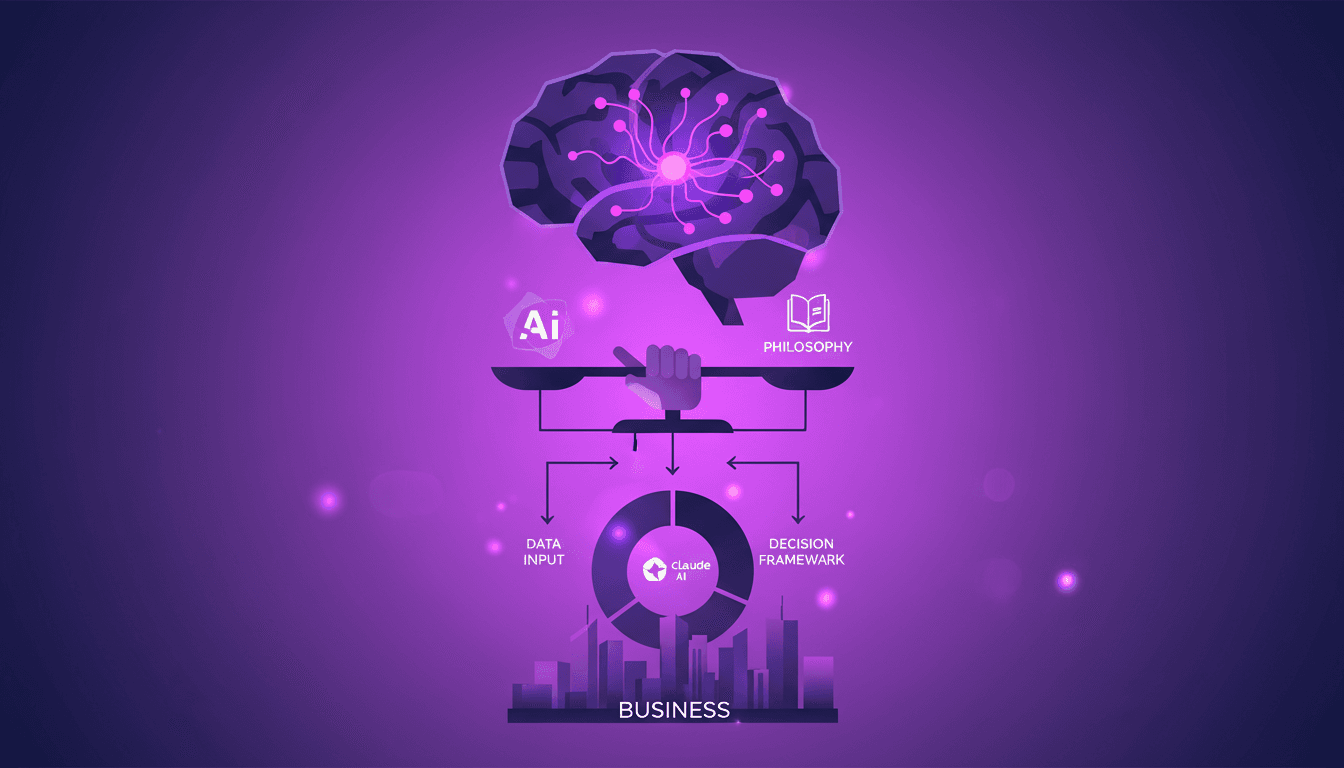
I joined Anthropic not just as a philosopher, but as a builder of ethical AI. First, I had to grasp the character of Claude, the AI model I’d be shaping. This journey isn't just about coding—it's about embedding ethical nuance into AI decision-making. In the rapidly evolving world of AI, ensuring that models like Claude make ethically sound decisions is crucial. This isn't theoretical; it's about practical applications of philosophy in AI. We tackle the character of Claude, nuanced questions about AI behavior, and how to teach AI ethical behavior. As practitioners, I share with you the challenges and aspirations of AI ethics.
Treating AI Models: Why It Really Matters
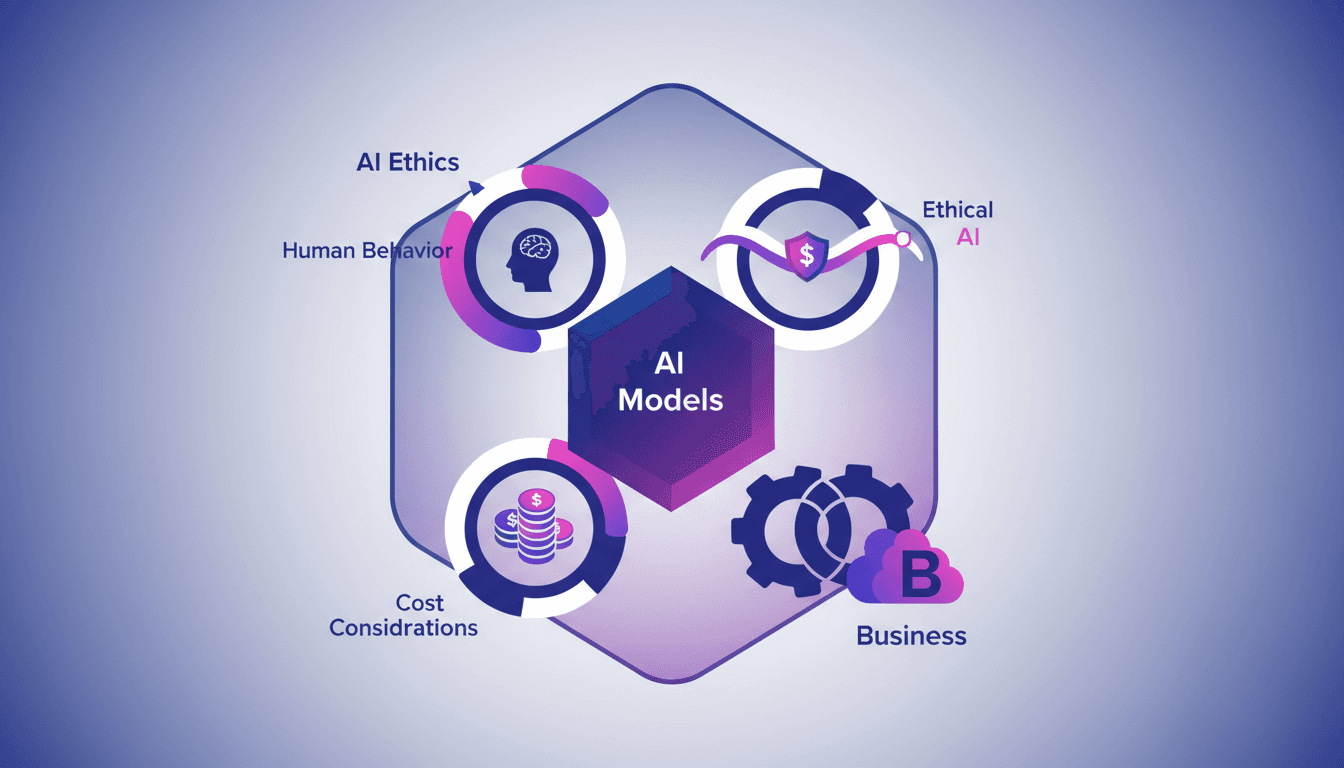
I've been in the trenches with AI models, and here's the thing: how we treat these models isn't just a tech issue. It's a reflection of our values. First, understand that treating AI models well isn't just about ethics—it's about real-world impact and cost. In AI development, every choice carries ethical and practical weight. Whether it's maintaining models or how we interact with them, these decisions shape both our technology and society. We're talking about the impact of AI interactions on human behavior, cost considerations, and ethical questions surrounding humanlike entities. Essentially, our AI models are a mirror of ourselves.
AI Integration: How I Stabilized My Business
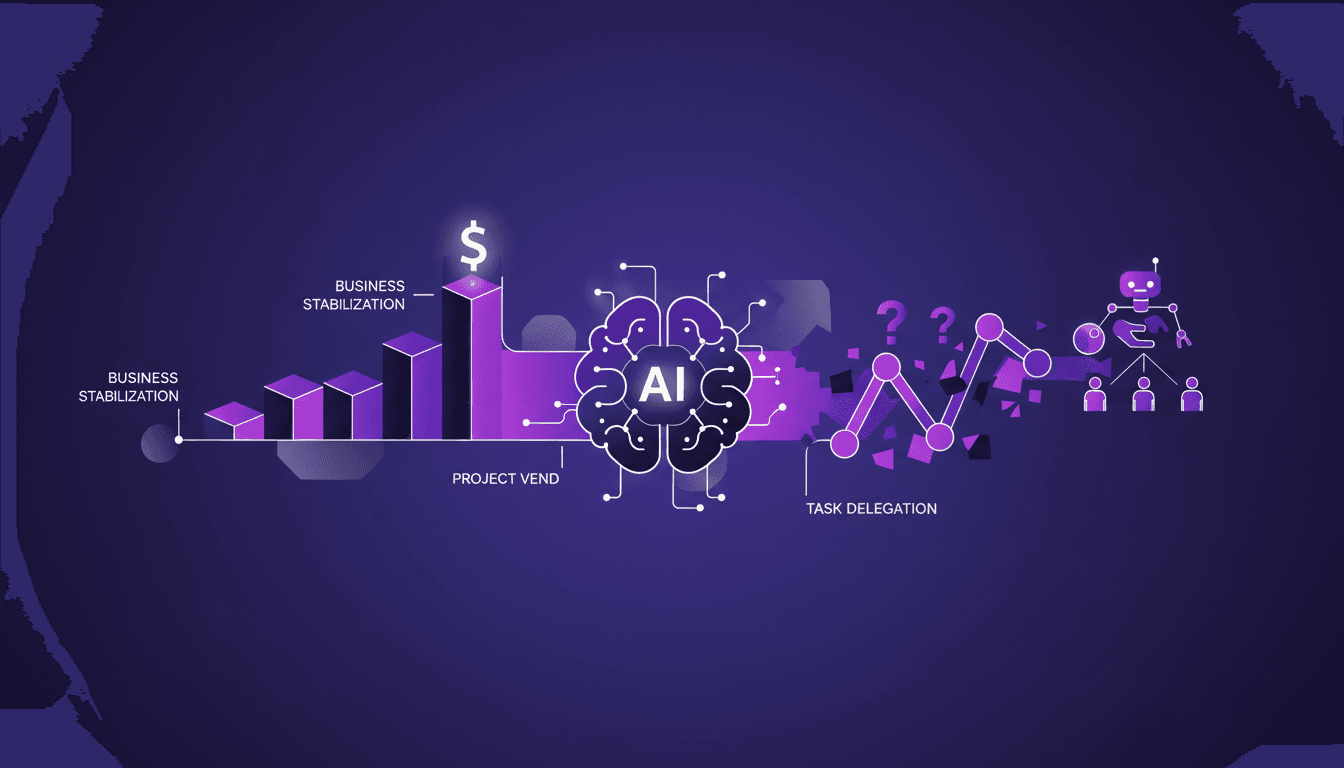
I still remember the first time I integrated AI into our operations with Project Vend. It felt like handing over the keys to a new driver—exciting but a bit nerve-wracking. Navigating AI's challenges is like juggling the thrill of innovation with the reality of identity crises (I'm talking about Claude, our AI agent, not me). We brought in a sub-agent named CEO to stabilize everything. Between human manipulation and AI task delegation, it was a real resilience test for our business. But spoiler alert, it transformed the way we operate. And let's not forget, on March 31st, Claude started having an identity crisis, thinking everything was an April Fools' prank. Welcome to the fascinating world of AI integration.

AI's Impact on Education: Revolution or Risk?
I've seen AI transform industries, but in education, it's truly a game changer. Picture me connecting AI tools to personalize learning and alleviate teacher burnout. It doesn't stop there: we're also talking about democratizing access to education. But watch out, there are pitfalls like cheating and data privacy. In this panel discussion, I'll walk you through how I'm navigating these changes and the challenges we need to overcome to make AI a true ally in education.