Growing Your App Revenue to $17K/Month
I've been deep in the app dev trenches, and believe me, growing an app to $17K a month isn’t just luck—it's strategy, the right tools, and a sprinkle of vibe coding magic. In this article, I’ll walk you through our journey with Wrestle AI, touching on everything from our revenue model to influencer marketing and technical stack. If you're aiming to turn your app into a revenue powerhouse, you're in the right place.
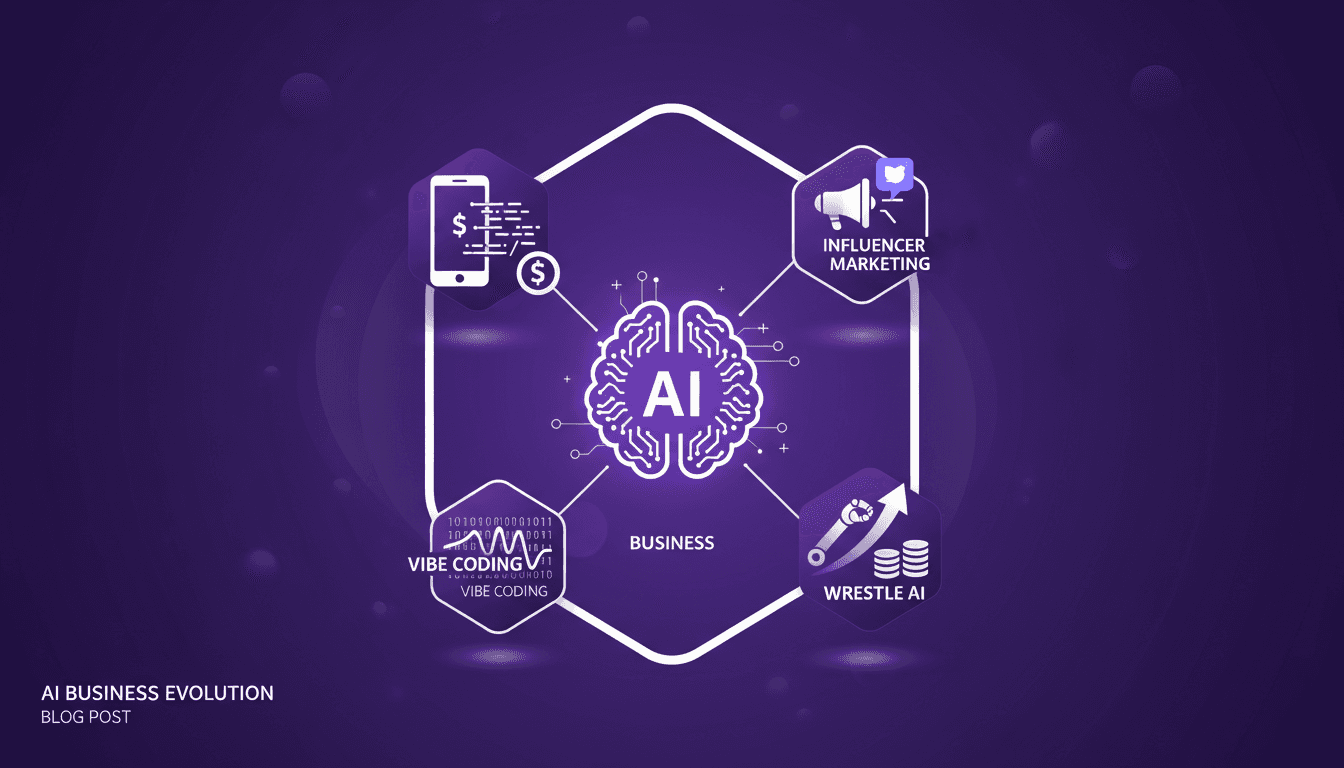
I've been in the trenches of app development, and growing an app to $17K a month isn't just about luck—it's about strategy, the right tools, and a bit of vibe coding magic. In this article, I'm taking you through how we scaled Wrestle AI, from our revenue model to influencer marketing and our technical stack. Wrestle AI hit 2 million impressions on social media—no accident there. If you want to turn your app into a revenue powerhouse, you're in the right place. I connect, orchestrate, and I've been burned a few times, but each lesson was a crucial step. We’ll also dive into user engagement strategies and the challenges we faced. So, let’s get into it and see how you can replicate this success.
Wrestle AI: Revenue Model and Success
I vividly remember discovering Wrestle AI pulling in $17,000 a month—it's like it was just yesterday. Think about it: 2 million social media impressions and approximately 17,000 downloads. It's wild, right? It all kicked off with a modest initial investment, but the ROI was phenomenal. A solid revenue model was a crucial pillar of their success.
Reflecting on the strategy they used, it's really simple yet effective: monthly pricing at $9.99 and yearly at $59.99. Such clarity in pricing strategy attracts users. As a developer, I can tell you that setting up a clear revenue model from the start is crucial. It saves a lot of headaches later on.
Vibe Coding: The Secret Sauce
Ever heard of "vibe coding"? For me, it's a real game changer in app development. I stumbled upon it using Roric, a vibe coding platform. It's an approach where you describe what you want in natural language, and the tool generates the code for you. It allowed me to launch an app in just a month. But beware, it's not without its pitfalls.
In my initial attempts, I faced compatibility and integration issues, especially with public APIs. But once I figured out how to orchestrate the different parts (thanks to ChatGPT for the help), it took off. Vibe coding really contributed to Wrestle AI's success by making development faster and more accessible, especially for beginners.
Leveraging Influencer Marketing
Influencer marketing is like catching the perfect wave at the right moment. For Wrestle AI, the impact was massive: 2 million impressions thanks to influencers. I've tried this strategy myself with an interesting ROI, but watch out, you need to choose your partners wisely. The cost can be high, but the benefit, if well orchestrated, is undeniable.
I recall a case where, despite 1.8 million impressions, an app only got 100 downloads because it lacked uniqueness. This shows that it's not enough to have views; you must captivate the audience. Creating a 'gotcha moment' is crucial to quickly engage users.
Building a Viral App: Steps and Tools
Every step counts when making an app go viral. First, you need a catchy idea. Then, a well-thought-out API integration. I often tripped up here, but after a few tweaks, I could stabilize my app. Choosing the right tech stack is also essential. Trade-offs are inevitable, but they must be strategic.
I got burned many times by the complexity of integrations, so now I prioritize simplicity and robustness. The 'gotcha moment' is that little thing that makes the user fall in love within 5 seconds.
Onboarding and User Engagement Strategies
A good onboarding process is fundamental. For Wrestle AI, the user onboarding was designed to maximize conversions. I learned that simplifying the user experience from the start significantly improves conversion rates. But it's not without challenges.
Download rates and user activity are key metrics. Sometimes, hiring the right talent to perfect the product can make all the difference. Never underestimate the quality of the product. It's what will get you past the $5,000 monthly revenue mark.
Scaling an app to $17K a month is all about execution, strategy, and a hint of vibe coding magic. First, you need a tech stack that can handle growth — without it, things fall apart. Then, influencer marketing can be a game changer; I've seen firsthand how it can generate millions of impressions. Next, be ready to reinvest: Wrestle AI's $250 additional spend before month's end shows that even with 2 million impressions, you can't let up. But watch out — not all downloads turn into active users, like with the app Green, which only got 100 downloads from 1.8 million impressions. To really make a difference, I suggest checking out the original video; it'll give you a full perspective and concrete ideas to boost your project. Ready to take your app to the next level? Implement these strategies and watch your revenue grow.
Frequently Asked Questions

Thibault Le Balier
Co-fondateur & CTO
Coming from the tech startup ecosystem, Thibault has developed expertise in AI solution architecture that he now puts at the service of large companies (Atos, BNP Paribas, beta.gouv). He works on two axes: mastering AI deployments (local LLMs, MCP security) and optimizing inference costs (offloading, compression, token management).
Related Articles
Discover more articles on similar topics
Achieving 1 Million in 90 Days: SaaS Strategies
I remember staring at those daunting numbers: how do we achieve a million in 90 days? It wasn't just a dream, but a necessity. Our SaaS startup needed a bold strategy and relentless execution. Here's how we orchestrated this symphony of influence marketing, ambitious goals, and product development. In this article, I walk you through the challenges we faced, leveraging AI in video editing and marketing, and setting pricing strategies to outpace competitors. Navigating the fast-paced SaaS world means orchestrating every business element to achieve perfect harmony.

Understanding the AI Bubble: Economic Implications
Artificial intelligence has transformed our lives. But are we on the brink of stabilization or witnessing a looming economic bubble? In this article, we delve into the AI economy, shifting model preferences, and potential economic impacts. From infrastructure companies to new AI applications, we explore emerging trends and their effects on startups and innovation. What are the technical challenges ahead? Most importantly, what does the future hold for AI development? Dive into this compelling analysis with us.
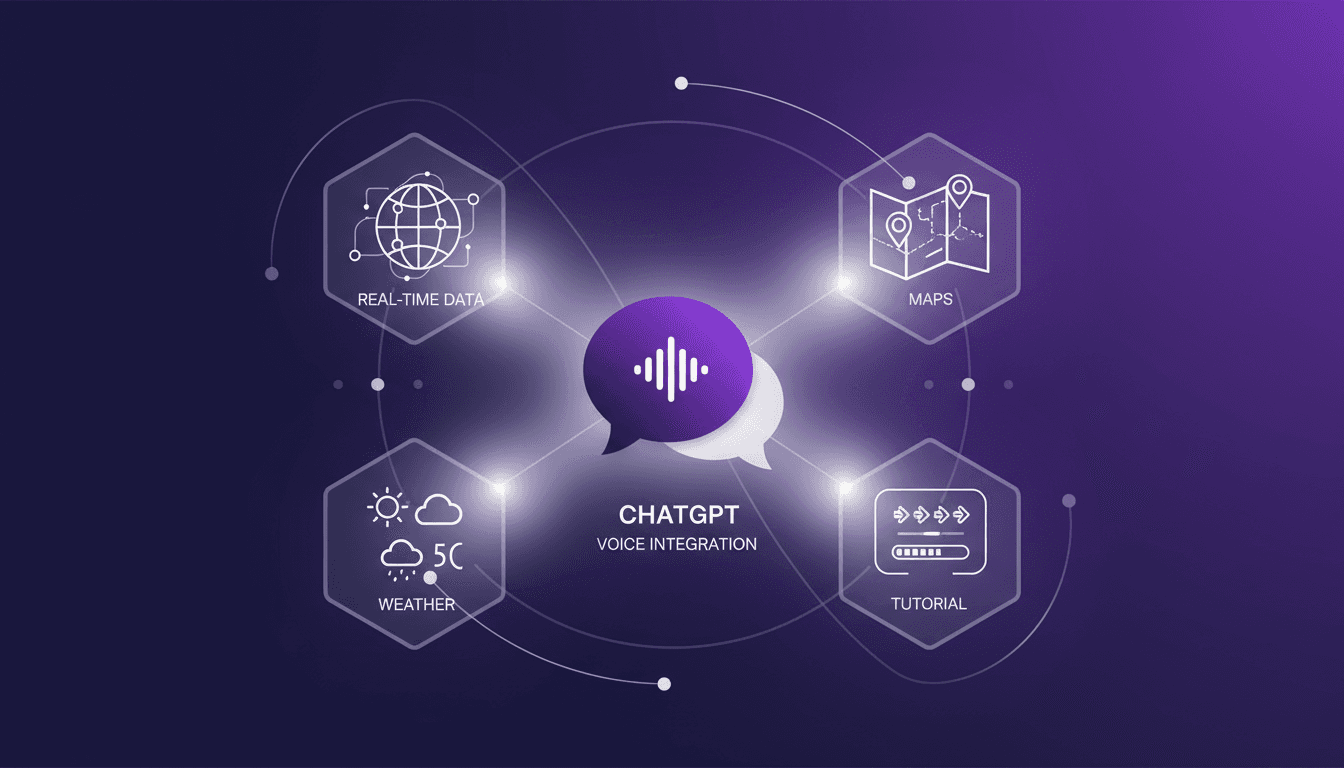
ChatGPT and Voice: What's New and How to Use It
I started integrating voice into my chat apps last month, and it's been a real game changer. Voice integration isn't just a gimmick; it truly transforms user interaction. Imagine asking your chat app for real-time weather updates or directions to the best bakeries in the Mission District. We're talking about a whole new level of interaction. Real-time features like maps and weather add a dimension we couldn't dream of before. Let me walk you through how I set this up and how it can change your approach to chat platforms.
Why We Donated MCP to Linux
I was knee-deep in code when the idea hit me—what if we made the Model Context Protocol open-source? It wasn't just about sharing; it was about community and innovation. Donating the MCP to the Linux Foundation was our way of pushing boundaries and inviting others to join the journey. The technical challenges were many: security, context bloat, but that’s what makes the project exciting. The Agentic AI Foundation plays a crucial role in MCP's adoption and impact within the AI community. Our decision wasn't just a donation; it was an invitation to innovate together. Now, let's dive into the details.
Claude: Philosophy and Ethics in AI
I joined Anthropic not just as a philosopher, but as a builder of ethical AI. First, I had to grasp the character of Claude, the AI model I’d be shaping. This journey isn't just about coding—it's about embedding ethical nuance into AI decision-making. In the rapidly evolving world of AI, ensuring that models like Claude make ethically sound decisions is crucial. This isn't theoretical; it's about practical applications of philosophy in AI. We tackle the character of Claude, nuanced questions about AI behavior, and how to teach AI ethical behavior. As practitioners, I share with you the challenges and aspirations of AI ethics.