Forward Deployed Engineer: Role Growth and How to Get It
I've been in the trenches as a Forward Deployed Engineer, and let me tell you, the role is exploding. We're talking an 800% rise in demand. But why? And how can you ride this wave? In today's AI-driven landscape, traditional qualifications are taking a backseat. Instead, skills in AI and adaptability are the new currency. I'll walk you through what makes this role tick and how you can position yourself to thrive. Whether you're a veteran or a newcomer, this podcast is your guide to navigating this new skills-based economy.
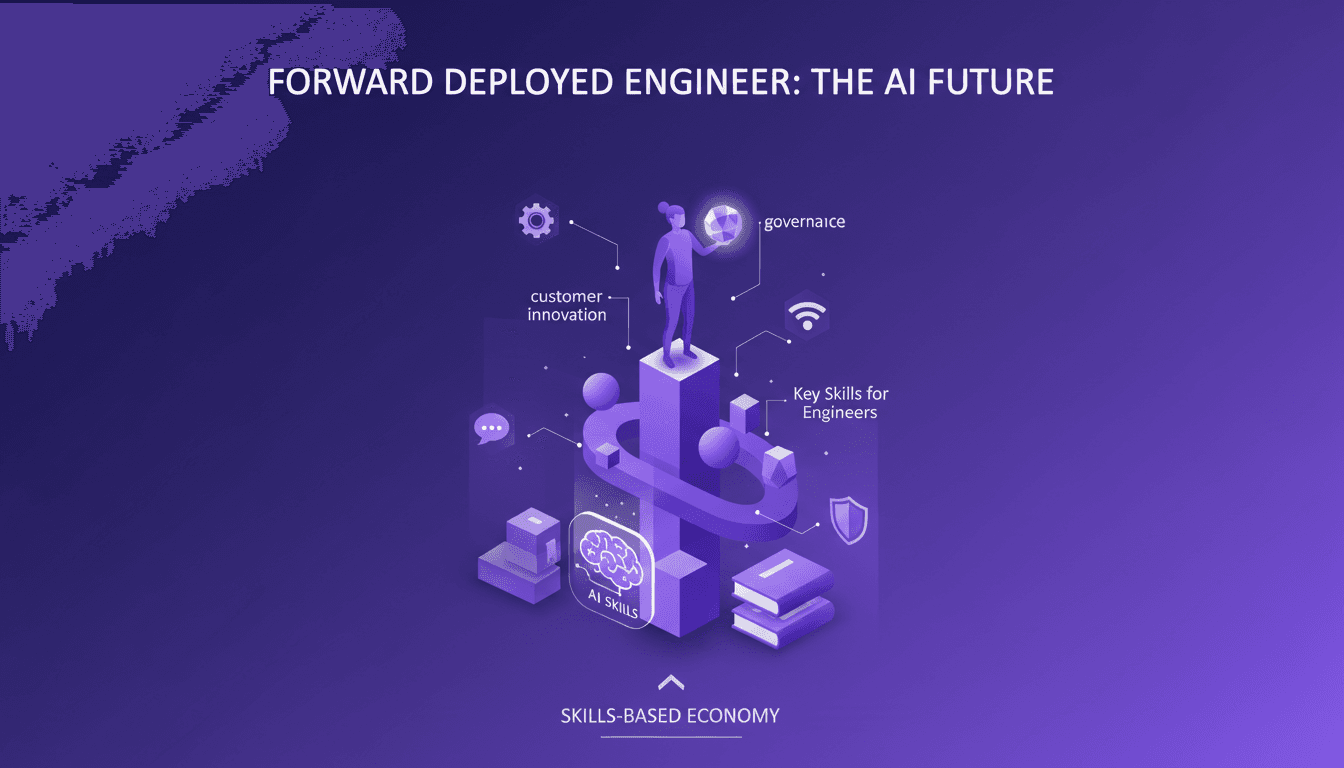
I've been in the trenches as a Forward Deployed Engineer, and let me tell you, the role is exploding. An 800% rise in demand is no joke. But why such a boom? And how can you ride this wave? In today's AI-driven world, traditional qualifications are taking a backseat. What's really crucial is your adaptability and AI skills. First, understand that the Forward Deployed Engineer isn't just a trendy title; it's a necessity for companies wanting to innovate and stay competitive. Then, adapt: projects in Europe depend 60-70% on successful AI adoption. That's huge. To drive these projects, we need you, engineers who understand customers and orchestrate innovation. I'll guide you on how to play this critical role, avoid common pitfalls, and transform your career. So, ready to dive in?
Understanding the Forward Deployed Engineer Role
When I hear the term Forward Deployed Engineer, I think of a hybrid role straddling software engineering and strategic consulting. This position has seen an 800% demand increase from Q1 2023 to Q1 2025. It's not by chance. Companies are looking for professionals who can bridge the gap between technical needs and client requirements. In an era where AI skills are overtaking traditional degrees, FDEs have become essential for customer innovation and project success.
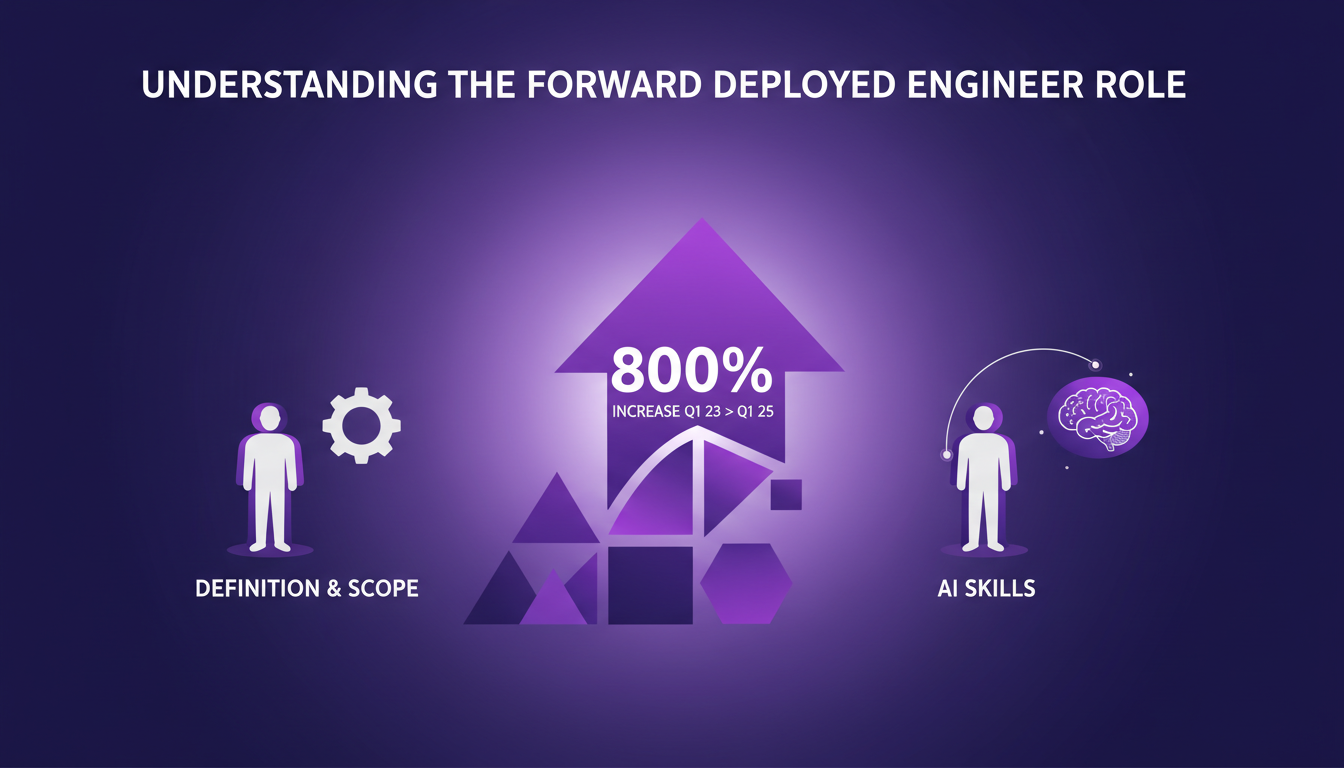
FDEs often work closely with solution architects and product managers, orchestrating transformative ecosystems for clients. They don't just code; they help clients innovate and adapt, which is crucial for project success. It's this ability to integrate AI skills and meet client needs that makes them key players in today's industry.
Essential Skills for Forward Deployed Engineers
To be an effective forward deployed engineer, mastering AI isn't enough. We're talking about multidisciplinary skills: multi-cloud technologies, data-driven frameworks, and of course, T-shaped skills. This means having depth in one specific area while possessing a general knowledge in others. It's not simple, but that's what sets a good forward deployed engineer apart from a great one.
In my projects, I've often had to juggle between data architecture and client project management. Adaptability and leadership are critical elements. I've seen colleagues excel because of their ability to quickly adapt to new technologies while steering teams towards innovative solutions. But, watch out, specialization can sometimes restrict flexibility. You need to find the right balance between expertise and versatility.
AI Project Success: Adoption and Governance
Another crucial aspect of the FDE role is the adoption and governance of AI projects. In Europe, 60 to 70% of projects hinge on end-user adoption. That's where governance comes into play. Orchestrating a multi-cloud environment to maximize efficiency can be a real challenge. There are many pitfalls to avoid, especially in terms of regulatory compliance.
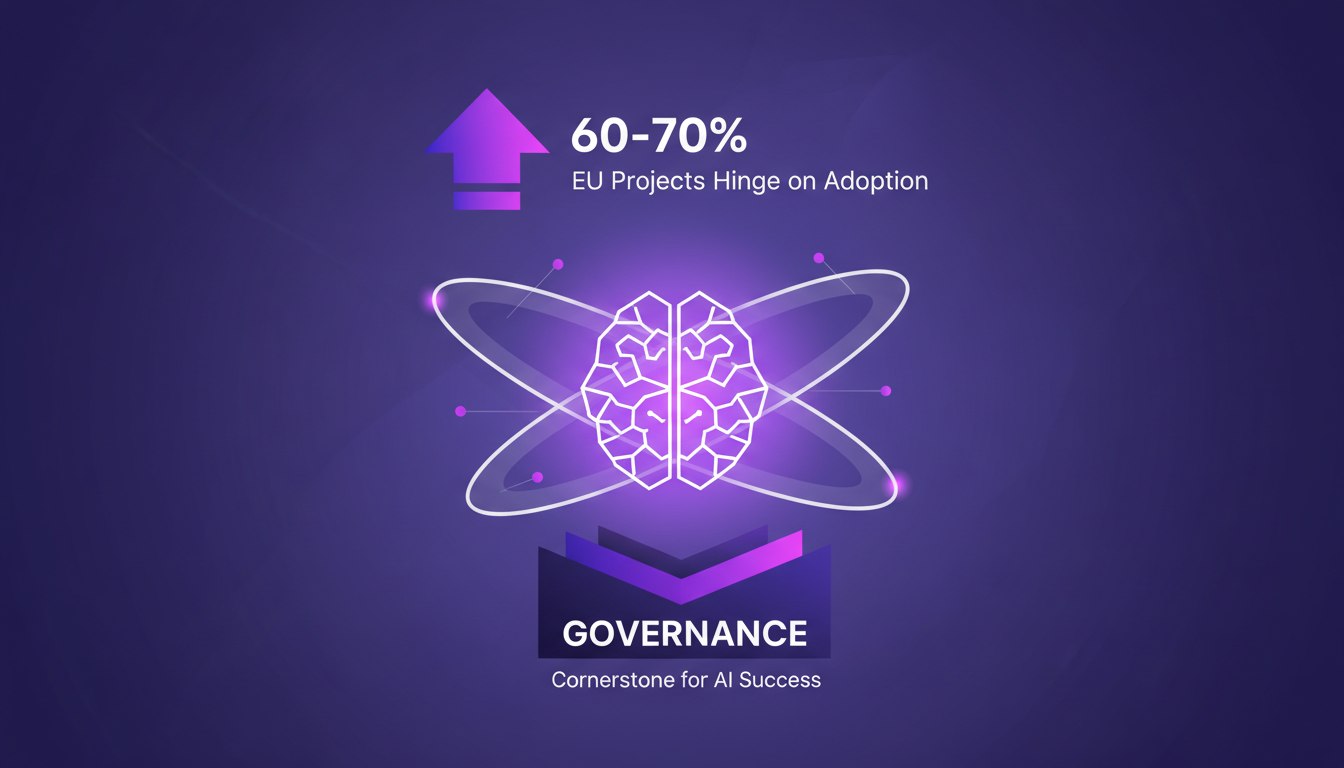
In one of my projects, we had to reassess our governance approach after facing compliance issues that threatened to derail the project. It was an essential lesson: always balance innovation and compliance. Without this, even the most innovative project can fail.
Future Prospects and Economic Shifts
We are witnessing a 70% decline in traditional software engineering roles from Q1 2023 to Q1 2025. The economy is moving towards valuing skills over degrees. Future trends in AI and the role of FDEs indicate a radical transformation of the job market. Forward deployed engineers will be at the heart of this revolution, leading to new career paths.
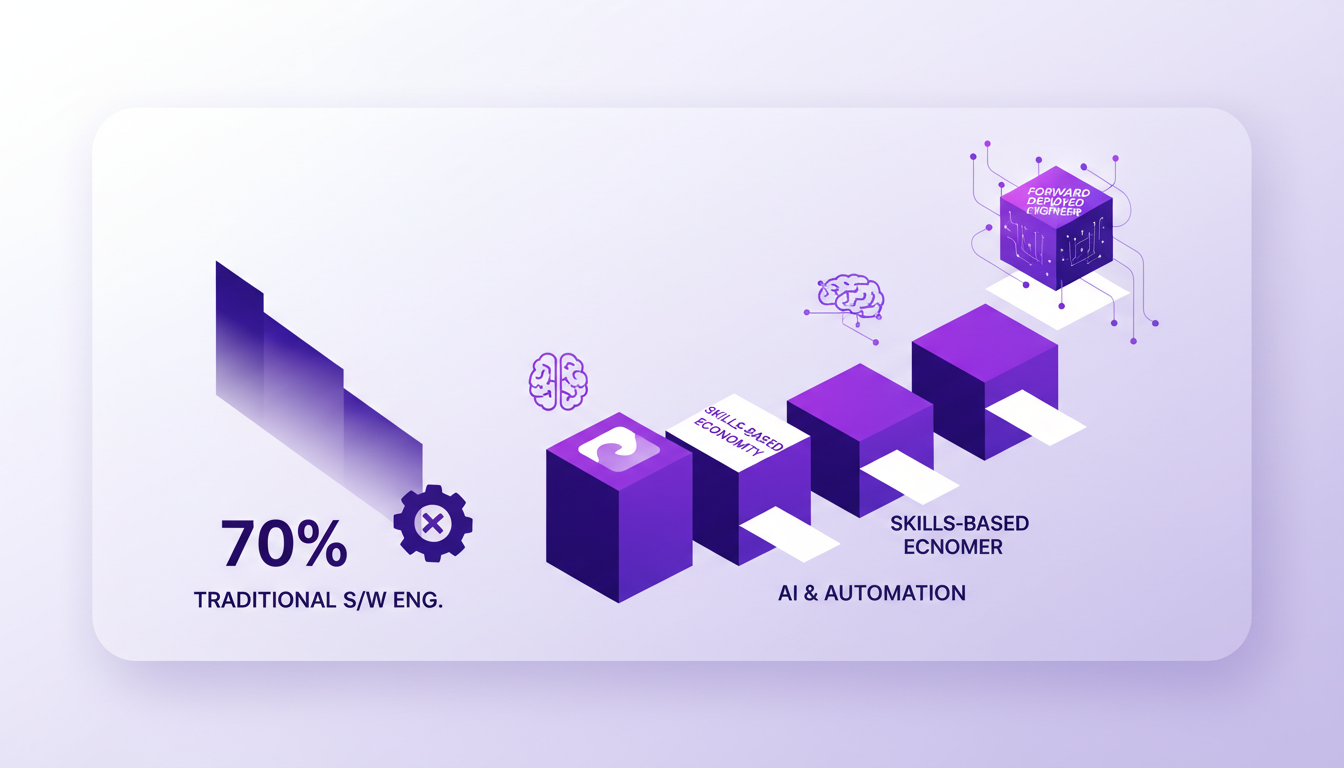
Prepare now for these changes. Invest in continuous learning and build AI skills that will be in high demand. This will not only keep you relevant but also allow you to seize emerging opportunities in this new economy.
Advice for Aspiring Forward Deployed Engineers
If you aspire to become a forward deployed engineer, start by building a strong portfolio showcasing your AI skills. Participate in hackathons to boost your skills and get noticed. Professional networks are also crucial: establish meaningful connections that can open doors.
Never neglect continuous learning. The pace of technological changes requires constant re-evaluation of your skills. And watch out for common pitfalls: avoid specializing too early without a solid foundation of cross-functional skills.
In conclusion, the role of forward deployed engineer is not only trendy but essential for the future. With the right skills and mindset, you can position yourself as a key player in the AI industry.
So, I've dove into the Forward Deployed Engineer role and I can tell you, it's not just a passing trend. It's a fundamental shift. First, I noticed a staggering 1,000% increase in hiring for these roles over the past year – that's huge. Then, there's the fact that 60 to 70% of EU projects rely on successful AI adoption. This clearly shows how AI skills are now more critical than traditional qualifications. But watch out, it's not just about knowing AI; you need to be adaptable and embrace this change with an open mindset.
Looking ahead, I see these roles as game changers for our industry. If you start building your skill set today, dive into AI, and stay adaptable, you'll be ready to thrive in this evolving landscape.
I encourage you to check out the original video "Forward Deployed Engineer: The Role Up 800% (And How to Get It)" for a deeper dive into the essential details and to prepare yourself thoroughly. It's an opportunity you don't want to miss.
Frequently Asked Questions

Thibault Le Balier
Co-fondateur & CTO
Coming from the tech startup ecosystem, Thibault has developed expertise in AI solution architecture that he now puts at the service of large companies (Atos, BNP Paribas, beta.gouv). He works on two axes: mastering AI deployments (local LLMs, MCP security) and optimizing inference costs (offloading, compression, token management).
Related Articles
Discover more articles on similar topics
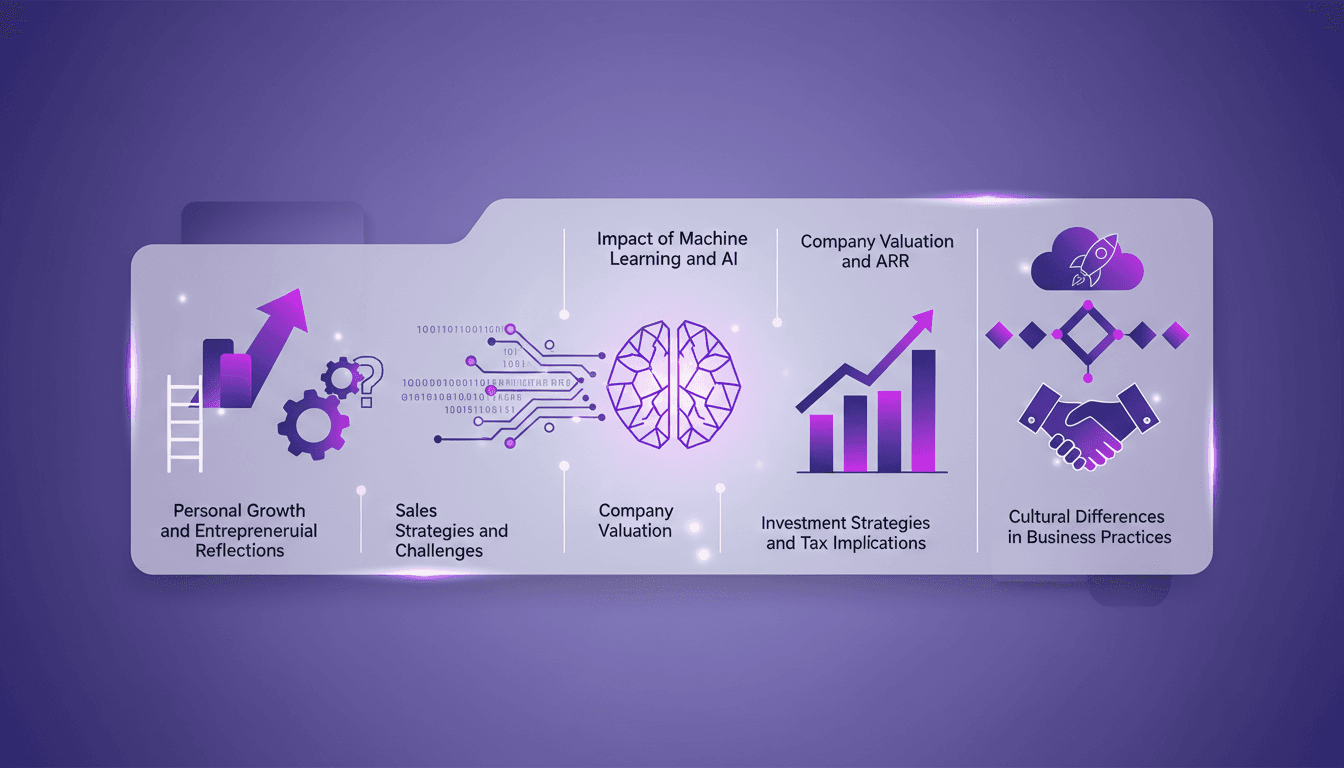
Company Valuation: Practical Strategies and Challenges
I've been in the trenches of startup building, where every decision can make or break the future. In this podcast, we dive into Guillaume Moubeche's insights on company valuation, sales strategies, and the impact of AI. I'm sharing what I've learned by living these challenges daily—from entrepreneurial reflections to investment strategies. Watch out for cultural differences in business practices—they can really catch you off guard. And don't get me started on technical debt and product development; I've learned the hard way that mishandling it can be costly. If you're aiming for rapid growth, you'd better be prepared.

AI in Software Engineering: Revolution or Evolution?
I've been in the trenches of software engineering long enough to know AI isn't replacing us, but it's definitely reshaping our landscape. I've plugged AI-powered low-code platforms into legacy systems, and trust me, it's a game changer. We're talking redefined workflows, the essential blend of high-code and low-code, and what this means for us engineers. If you're still running 60-year-old COBOL apps, it's time to wake up! AI isn't just theory; it's what I'm doing every day to meet evolving demands. And while automation takes over 98% of the time, knowing when and how to intervene is critical. Let's discuss how these changes affect our roles and how to stay at the cutting edge.
Boost Your Skills through Hackathons
I've been through countless hackathons, and let me tell you, they're not just about caffeine-fueled coding marathons. They're a crash course in real-world problem-solving and innovation. At Booking.com, these events are a staple, offering a platform for collaboration, creativity, and even career advancement. Beyond the speed of coding, hackathons develop essential skills, both technical and soft. Whether you're a developer, designer, or data scientist, these intense sessions push you to iterate, test, and learn new technologies like AI. And the best part? It's a learning environment where mentorship and guidance are abundant. Dive into this world and see how these experiences can propel your career forward.
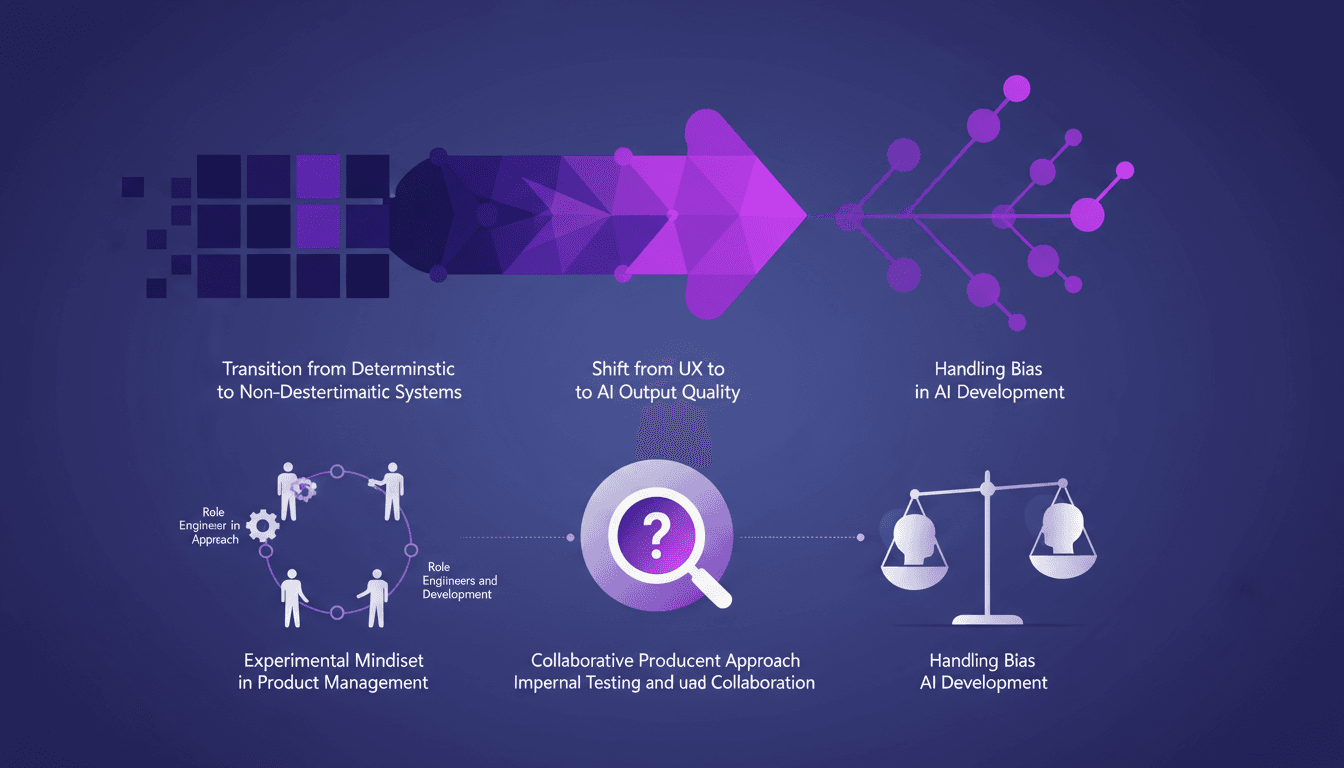
Building with AI: Beyond UX Focus
I remember when UX was king. We poured hours into perfecting interfaces, but now, it's all about the AI's output quality. The game has changed, and if you're still focused solely on UX, you're missing out. As a developer, I see it at every step: we've shifted from deterministic systems to non-deterministic ones, and it changes everything. We need an experimental mindset, involve users internally, and collaborate more. Engineers play a central role in this new paradigm, especially when handling AI biases. So, let's dive into this hot topic and see how it impacts our product management.
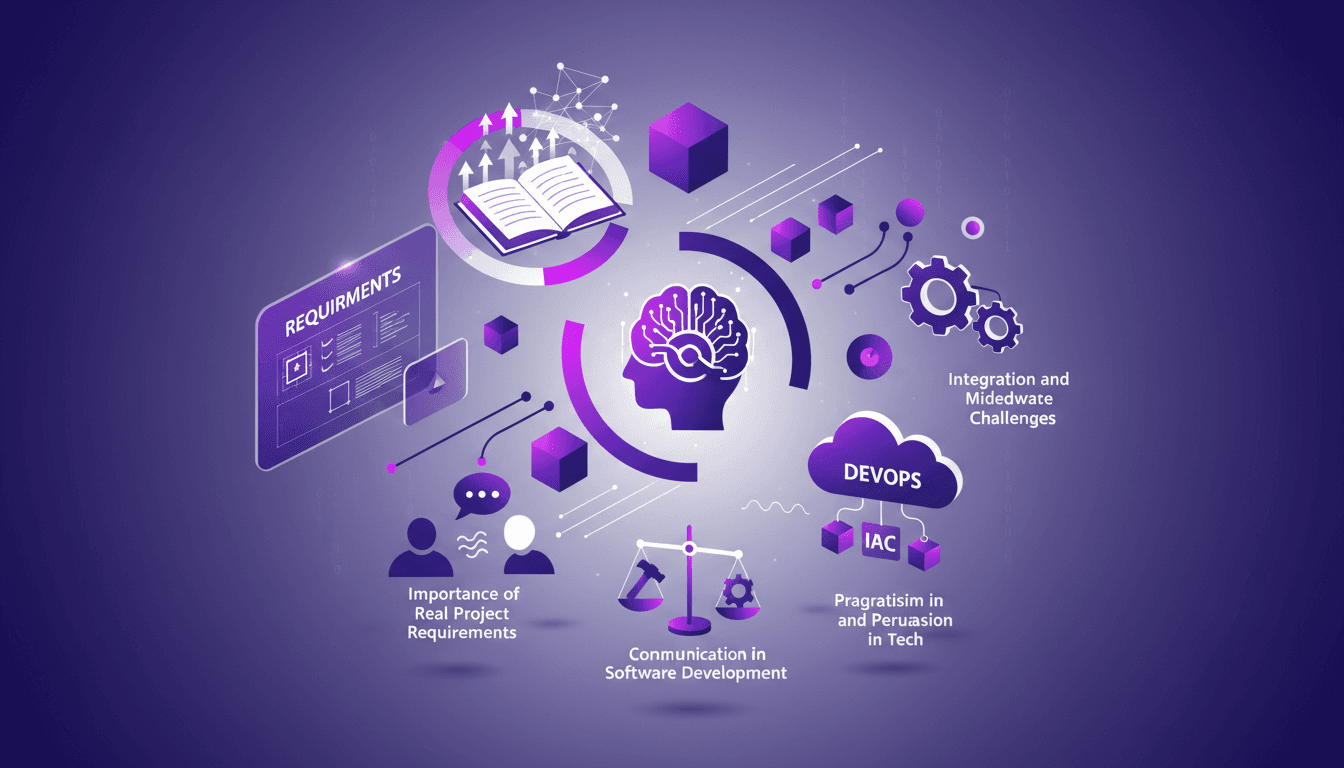
Mastering Software Engineering: From Junior to Architect
I remember when I first dipped my toes into software engineering. It felt like a maze of code and concepts. Fast forward to today, I'm orchestrating complex systems as an architect. Moving from a junior developer to an architect is about more than just coding. It's about mastering the art of software engineering, understanding real project demands, and navigating integration challenges. Let's talk about the core skills: continuous learning, reading and understanding code, facing middleware and DevOps challenges, and effectively communicating in tech. Let's dive in, I'll show you the way.