Company Valuation: Practical Strategies and Challenges
I've been in the trenches of startup building, where every decision can make or break the future. In this podcast, we dive into Guillaume Moubeche's insights on company valuation, sales strategies, and the impact of AI. I'm sharing what I've learned by living these challenges daily—from entrepreneurial reflections to investment strategies. Watch out for cultural differences in business practices—they can really catch you off guard. And don't get me started on technical debt and product development; I've learned the hard way that mishandling it can be costly. If you're aiming for rapid growth, you'd better be prepared.
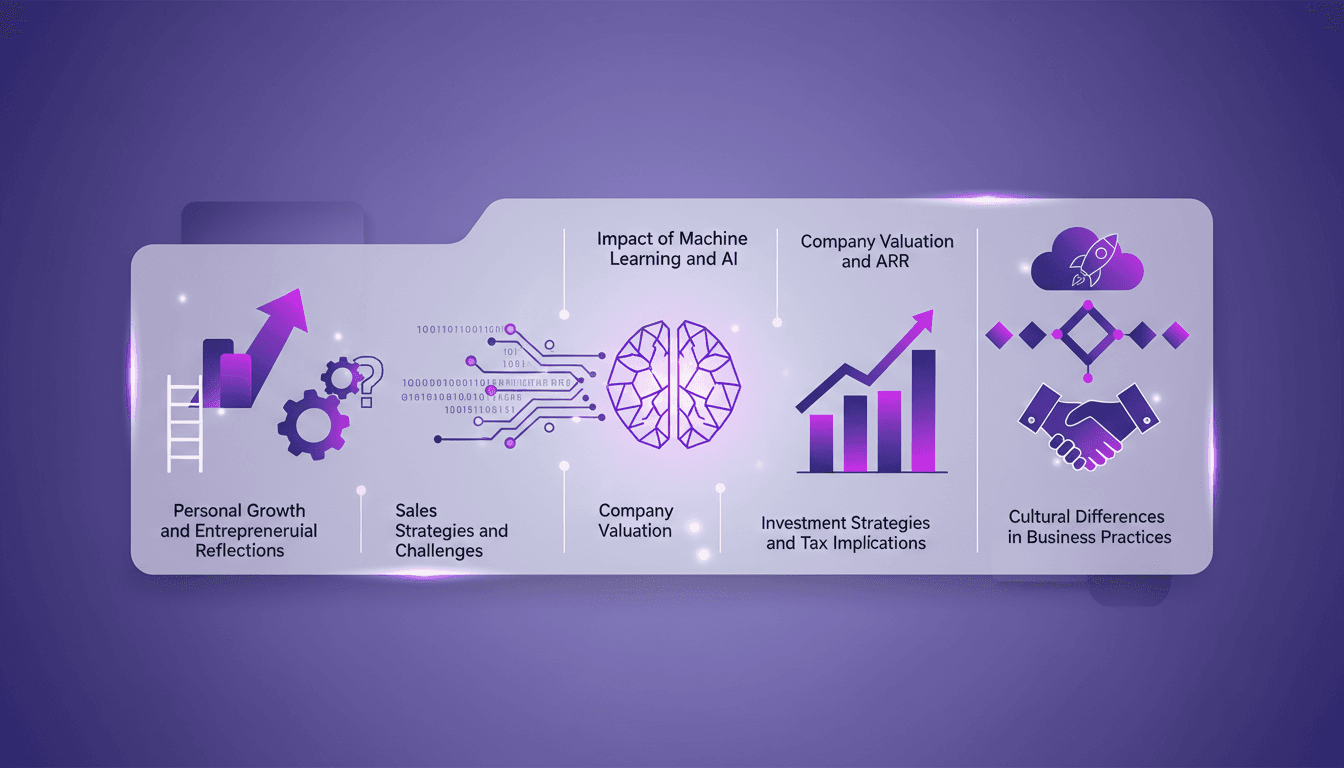
I've been in the trenches of building a startup, where every decision can make or break the future. Instead of talking theory, let me take you behind the scenes of what I've learned about company valuation, sales strategies, and AI impact from the field. Guillaume Moubeche shares his experiences in this podcast, and trust me, there are practical lessons to be gleaned. When I had to navigate between investment strategies and growth challenges, I realized how crucial balance is—underestimating tax implications or getting caught by poorly managed technical debt can seriously hinder your progress. So, let's dive into these topics together, with an eye on cultural differences in business that can catch you off guard. Ready to dive in?
Company Valuation and ARR: Lessons from the Field
Let's dive into ARR (Annual Recurring Revenue). It's a key metric for evaluating the financial health of your company. Starting with only 15K in ARR, I didn't fully appreciate its significance. But it's like a barometer for measuring our growth and stability. Over the years, we managed to scale it to an estimated 43-44 million dollars. Getting there required meticulous decision-making, especially avoiding the trap of overestimating growth projections.
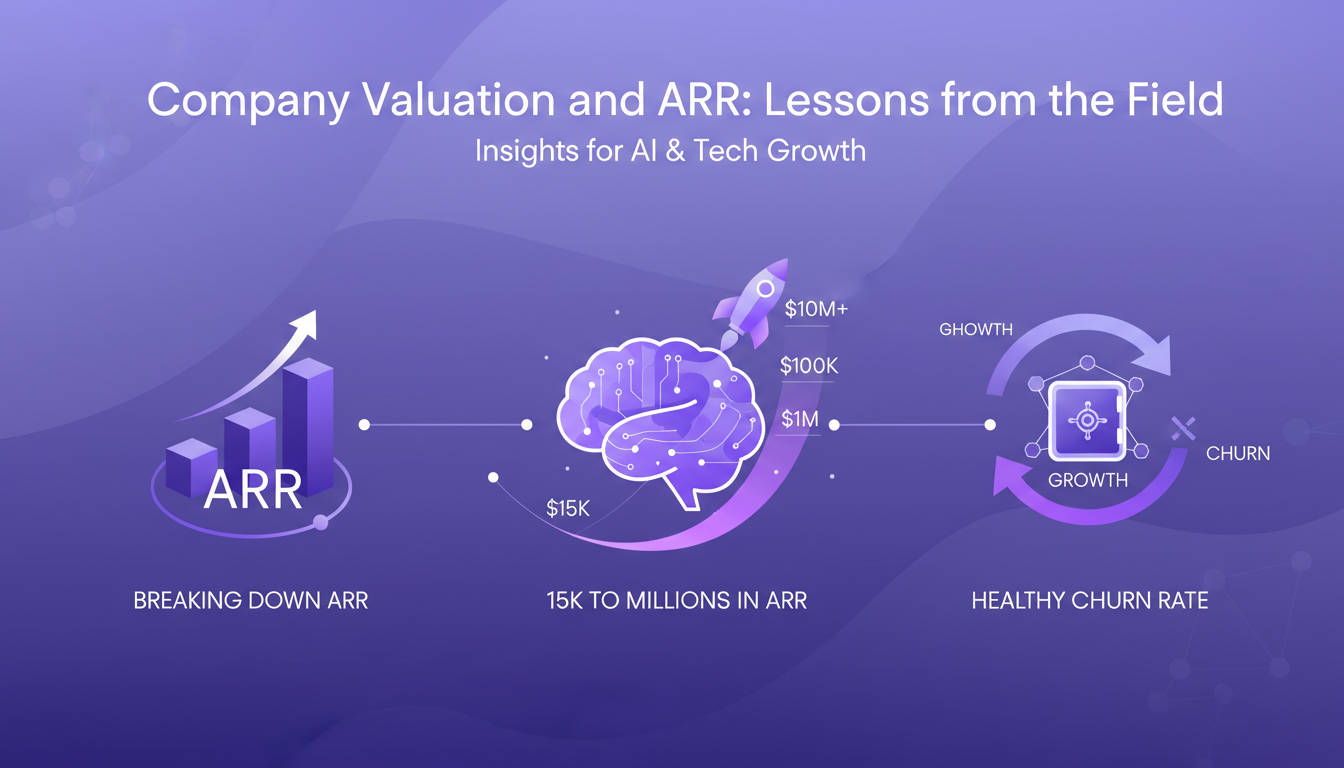
Maintaining a healthy churn rate was a continuous challenge. With a monthly churn rate of 10%, a company could hit zero within a year. I learned to keep a close eye on this rate and adjust our retention strategies accordingly. Don't get lured by rapid but unsustainable growth. Know your limits and plan accordingly.
Sales Strategies and Overcoming Challenges
A 20% email open rate might seem impressive, but it often masks issues with email subject lines. This is a prime example of the difference between raw numbers and their real significance. I've had to adapt our sales strategies to different markets, taking into account cultural differences that can greatly impact sales.
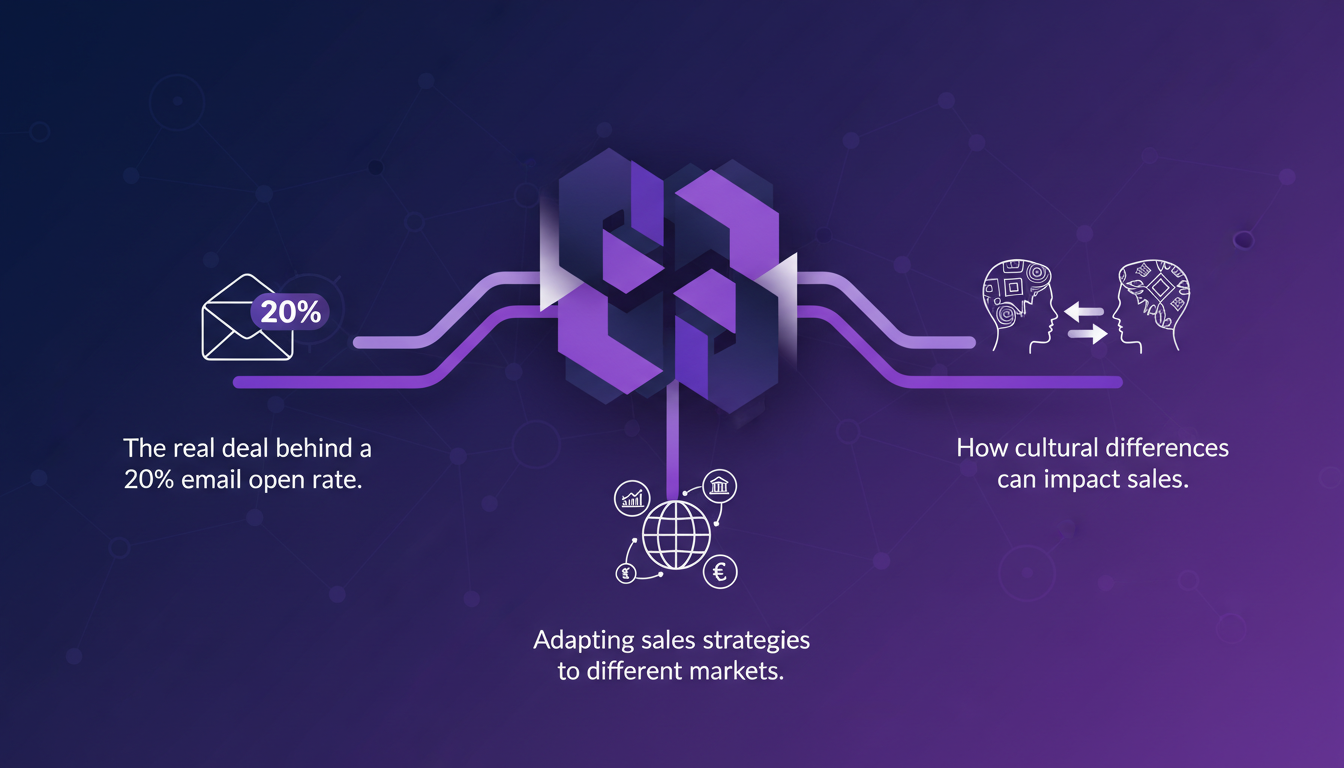
Building a resilient sales team doesn't happen overnight. I've learned to avoid common pitfalls in sales forecasting, which can be deadly for a startup. Sometimes, it's better to be realistic than overly optimistic.
- Adapt your strategies based on local cultures.
- Monitor your open rates to detect issues.
- Avoid overly optimistic sales forecasts.
Personal Growth and Entrepreneurial Insights
As an entrepreneur, personal growth is as important as company growth. I realized the importance of balancing personal and professional life. Early-stage mistakes taught me a lot. For instance, underestimating the value of mentorship and networking was a mistake. These are key for navigating an ever-changing environment.
Staying adaptable is crucial. I've seen so many startups fail because they didn't adapt in time. Flexibility is your best ally.
Impact of AI and Machine Learning
Integrating AI into our processes was a real game changer. But beware of the hype. AI can bring significant efficiency and cost savings, but it also has its limits. For example, it can add about 1 million in new net revenue per month, but only if implemented correctly.
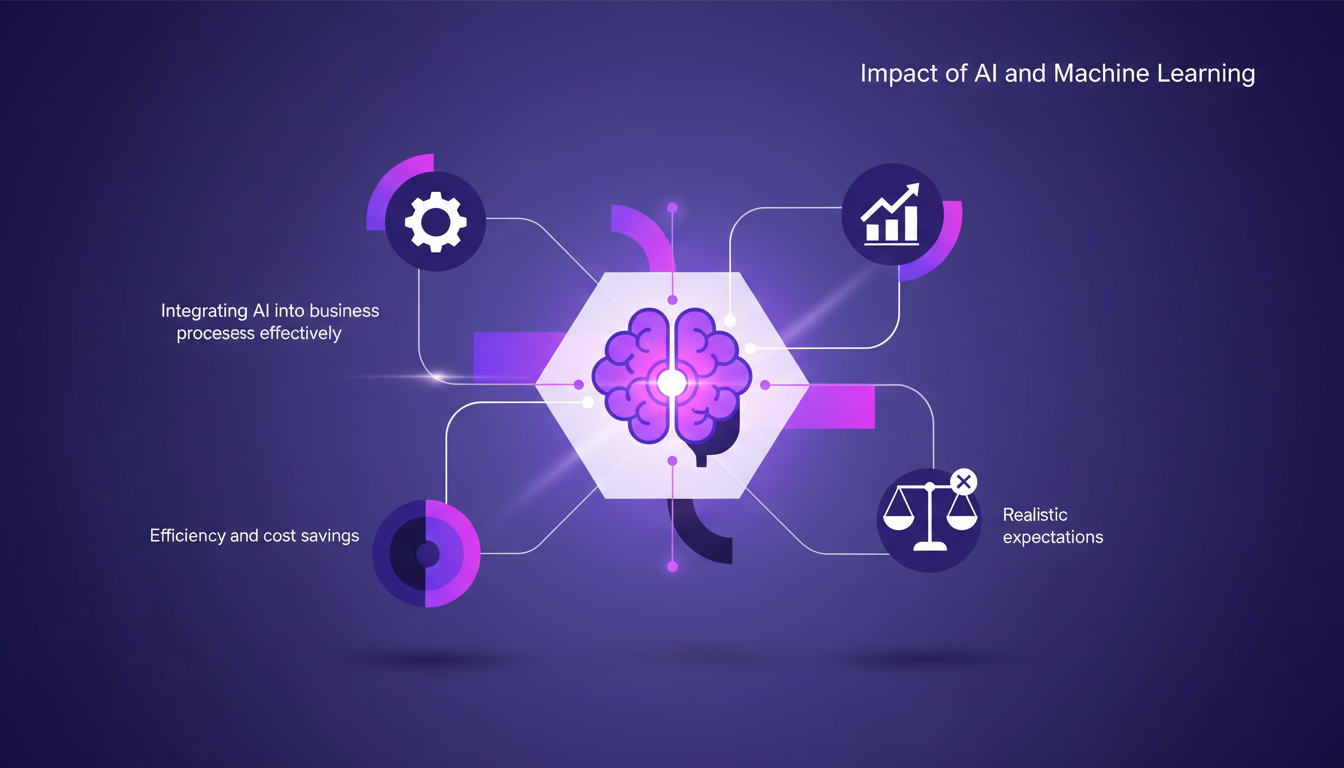
Don't lose sight of technological advancements, but keep your focus on the main goal.
Investment Strategies and Technical Debt
Navigating investment opportunities and their tax implications is a tricky path. I've understood the importance of LBO (Leveraged Buyout) in business growth. However, technical debt is a burden that shouldn't be underestimated. It can slow down long-term scalability.
Finding the right balance between short-term gains and long-term vision is crucial. The role of technical debt in product development should not be overlooked.
- Carefully assess the tax implications of an investment.
- Understand the role of technical debt in growth.
- Don't sacrifice long-term vision for quick wins.
Reflecting on it all, I see that building a successful business is about balancing strategic planning, adaptability, and continuous learning. Managing an ARR of 43-44 million isn't just figures; it's daily decisions. Guillaume Moubeche taught me that AI is a game changer, but let's not forget its limits.
- Strategic Planning: To reach such a substantial ARR, you need a rock-solid strategy and the flexibility to pivot when things get tough.
- Sales and Adaptation: A 20% open rate can be a red flag for subject lines, so constant adjustment is key.
- Personal Growth: Entrepreneurial challenges shape character. Learning and adapting are vital.
Looking ahead, it's all about being ready to integrate even more AI, but watch out for getting swept up in the hype. Join the conversation and share your experiences, your winning strategies. And to truly dive into Guillaume's insights, check out the video "Guillaume Moubeche comme tu ne l’as jamais entendu" on YouTube: https://www.youtube.com/watch?v=hu4C2rIYg4w. You'll find some gems for your journey.
Frequently Asked Questions

Thibault Le Balier
Co-fondateur & CTO
Coming from the tech startup ecosystem, Thibault has developed expertise in AI solution architecture that he now puts at the service of large companies (Atos, BNP Paribas, beta.gouv). He works on two axes: mastering AI deployments (local LLMs, MCP security) and optimizing inference costs (offloading, compression, token management).
Related Articles
Discover more articles on similar topics

Cracking Y Combinator: Strategies and Pitfalls
I remember the moment I got the call from Y Combinator. It was 7 a.m., and my heart was racing. Getting into YC is tough—99.5% don't make it. But I managed to navigate the maze and here's how. Y Combinator is the gold standard for startup accelerators, with a rigorous selection process. But it's not just about getting in; it's about understanding the landscape, preparing strategically, and leveraging the network. I'll walk you through how I prepared my application, the mistakes I made (and you should avoid), and the importance of ambition and humility in this cutthroat world.

Building a 20M€ ARR App: My Journey
I didn't set out to build a 20M€ ARR app. It all started with a list of 100 dreams after Christmas 2019. Fast forward to today, and we're in 52 countries, tackling urban loneliness head-on. I orchestrated the development, navigated through financial challenges, and adjusted our business model to reach a global audience. This journey is more than just code; it's about human connection. In this article, I take you behind the scenes of our entrepreneurial journey, from the initial idea to managing global expansion. If you're ready to see how an idea turns into success, dive in with me.
Turn Any Folder into LLM Knowledge Fast
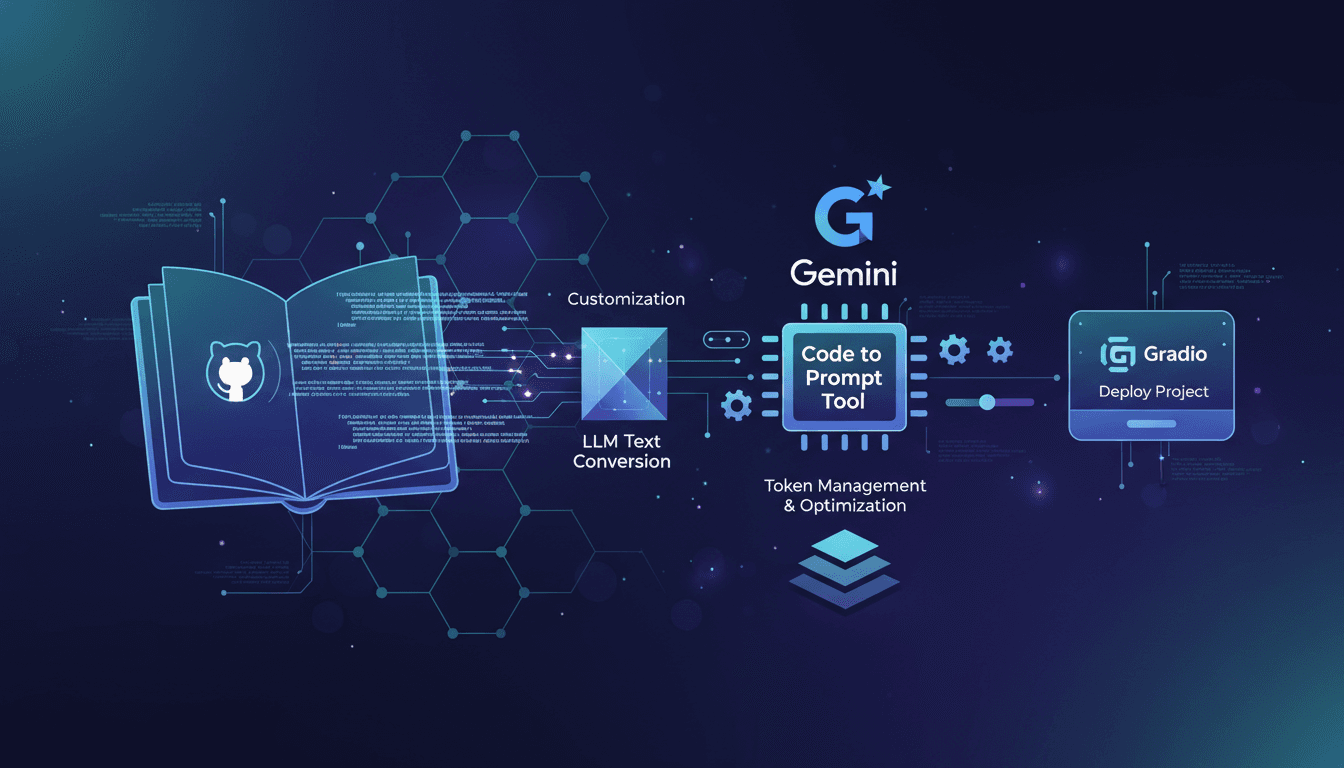
Ever stared at a mountain of code wishing you could just snap your fingers and make it intelligible? That's where Code to Prompt comes in. I've been there, and here's how I made it work. We're diving into transforming GitHub repositories into LLM-friendly text using this tool, and leveraging the Google Gemini model. It's about making your codebases not just readable, but actionable. I'll guide you through integrating Code to Prompt, optimizing token management, and deploying projects with Gradio code. It's a real game changer, but watch out for token limits.

AI in Software Engineering: Revolution or Evolution?
I've been in the trenches of software engineering long enough to know AI isn't replacing us, but it's definitely reshaping our landscape. I've plugged AI-powered low-code platforms into legacy systems, and trust me, it's a game changer. We're talking redefined workflows, the essential blend of high-code and low-code, and what this means for us engineers. If you're still running 60-year-old COBOL apps, it's time to wake up! AI isn't just theory; it's what I'm doing every day to meet evolving demands. And while automation takes over 98% of the time, knowing when and how to intervene is critical. Let's discuss how these changes affect our roles and how to stay at the cutting edge.
Maximizing Engineering: Alpha and AFAS at Work
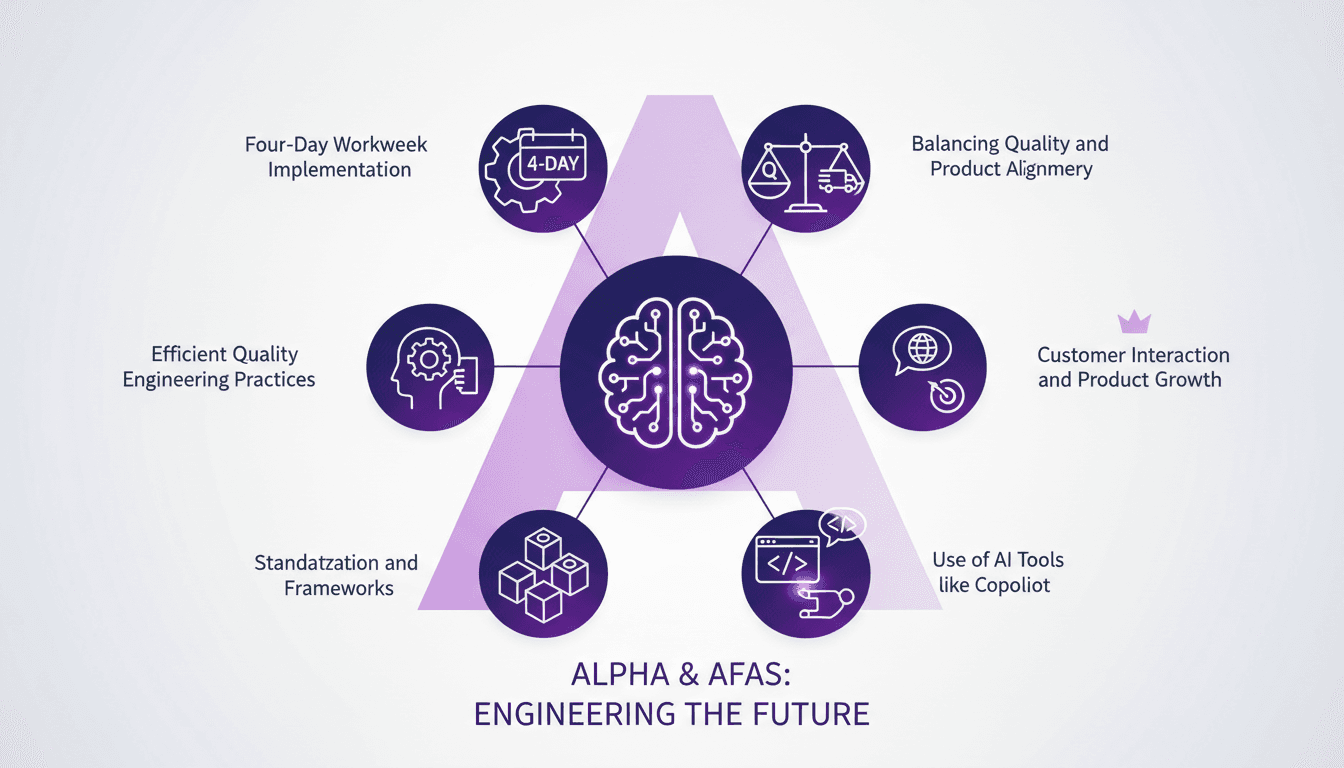
I still remember the moment I first heard about Alpha's four-day workweek. It sounded like a dream, yet it was real. We were getting more done with fewer engineers, and the magic lay in our approach: streamlining processes and leveraging AI tools like Copilot. In today's competitive landscape, engineering teams need to be both efficient and adaptable. At Alpha and AFAS, we've honed practices that balance quality with delivery while maintaining a healthy work culture. This involves effective engineering practices, four-day workweek implementation, balancing quality and product delivery, and embracing AI tools.