Cracking Y Combinator: Strategies and Pitfalls
I remember the moment I got the call from Y Combinator. It was 7 a.m., and my heart was racing. Getting into YC is tough—99.5% don't make it. But I managed to navigate the maze and here's how. Y Combinator is the gold standard for startup accelerators, with a rigorous selection process. But it's not just about getting in; it's about understanding the landscape, preparing strategically, and leveraging the network. I'll walk you through how I prepared my application, the mistakes I made (and you should avoid), and the importance of ambition and humility in this cutthroat world.

I vividly remember the moment when the call from Y Combinator came in. It was 7 a.m., and my heart was pounding like crazy. Getting into YC isn't a walk in the park—99.5% of applicants don't make it. But I managed to navigate through the maze, and I'm here to tell you how. Y Combinator is the Holy Grail of startup accelerators, with a grueling selection process. But hold on, it's not just about getting in; it's also about understanding the ecosystem, strategic preparation, and skillfully leveraging the network. First, I meticulously prepared my application, avoiding the mistakes I made (and you should dodge too). Then, you've got to juggle ambition and humility to carve out a place in this competitive universe. In short, I'll share the strategies that allowed me to succeed where so many fail, while touching on the cultural challenges between Silicon Valley and France, not to mention the significance of having a strong team and a solid track record.
Understanding Y Combinator's Selection Process
When it comes to Y Combinator, we're talking about a staggering 99.5% failure rate. Sounds daunting, right? But that's exactly what makes every success story so remarkable. I remember the first time I saw that number. I thought, "How do you stand out among so many applicants?" The key here is ambition, market understanding, and, most importantly, storytelling. Why storytelling? Because it's what grabs the attention of investors and mentors. What they're looking for is a strong team with a solid track record and a story that makes sense.
"If you're ambitious without humility, you're shooting yourself in the foot."
A common mistake I've seen is a lack of preparation. Too often, startups come in with weak narratives that fail to excite. And yet, ambition must be tempered with humility. It's this balance that can make all the difference.
Cultural Differences: Silicon Valley vs. France
Being immersed in Silicon Valley is a cultural shock. Over there, ambition and risk-taking are the norm. For a French startup, adapting to this pace might seem daunting, but it's doable. I've learned that ambition must be coupled with a good dose of humility. And, of course, networking is fundamental. I've seen French startups thrive by adopting local methods while retaining their identity.
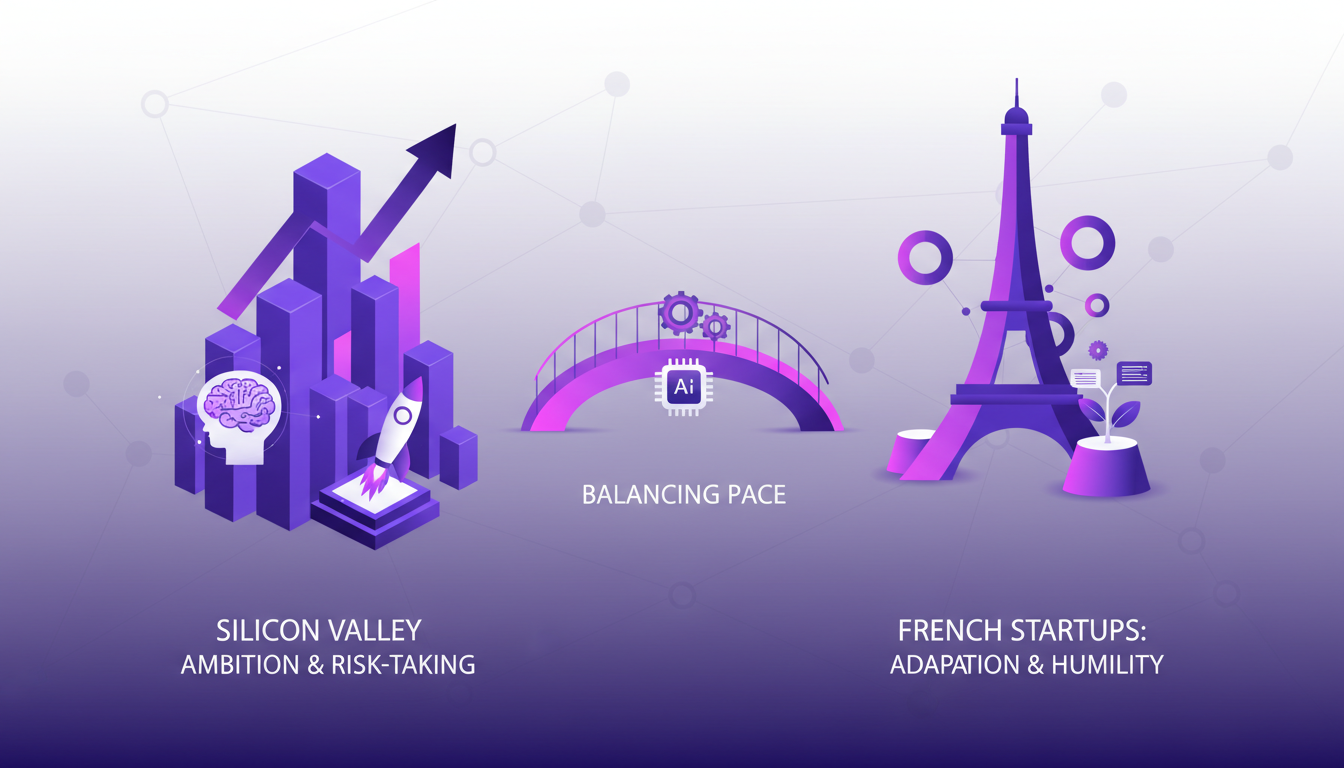
Observing and learning from this ecosystem is crucial. Some practices work, others don't. For example, too much ambition without preparation can be a hindrance.
Preparing for Y Combinator: Strategies and Pitfalls
Preparation is crucial. I've seen startups fail simply because they didn't have a well-defined strategy. To build a compelling application, storytelling is essential. But be wary of falling into the trap of overconfidence. It's easy to lose focus. Sometimes, a pivot is necessary. I've had to adjust my business model several times before finding the right angle.
A good storytelling approach can transform your pitch into an irresistible proposition. I've seen teams pivot successfully by changing their narrative approach.
Legal and Logistical Challenges in Startup Development
Understanding the SAFE (Simple Agreement for Future Equity) is crucial. Structuring your company correctly from the start can save a lot of headaches later on. Legal complexities should not be underestimated. Navigating through the logistics of startup growth is a constant challenge, but with a strong legal foundation, it's manageable.

Don't get caught up in avoidable legal complications. Plan, structure, and anticipate logistical challenges.
Leveraging Y Combinator's Ecosystem
Networking is one of the true added values of Y Combinator. Participating in Demo Day is an invaluable experience. You're preparing to pitch to investors, but it's also an opportunity to build long-term relationships. What you gain goes far beyond funding. I've seen startups maximize their experience by leveraging every connection opportunity offered by YC.
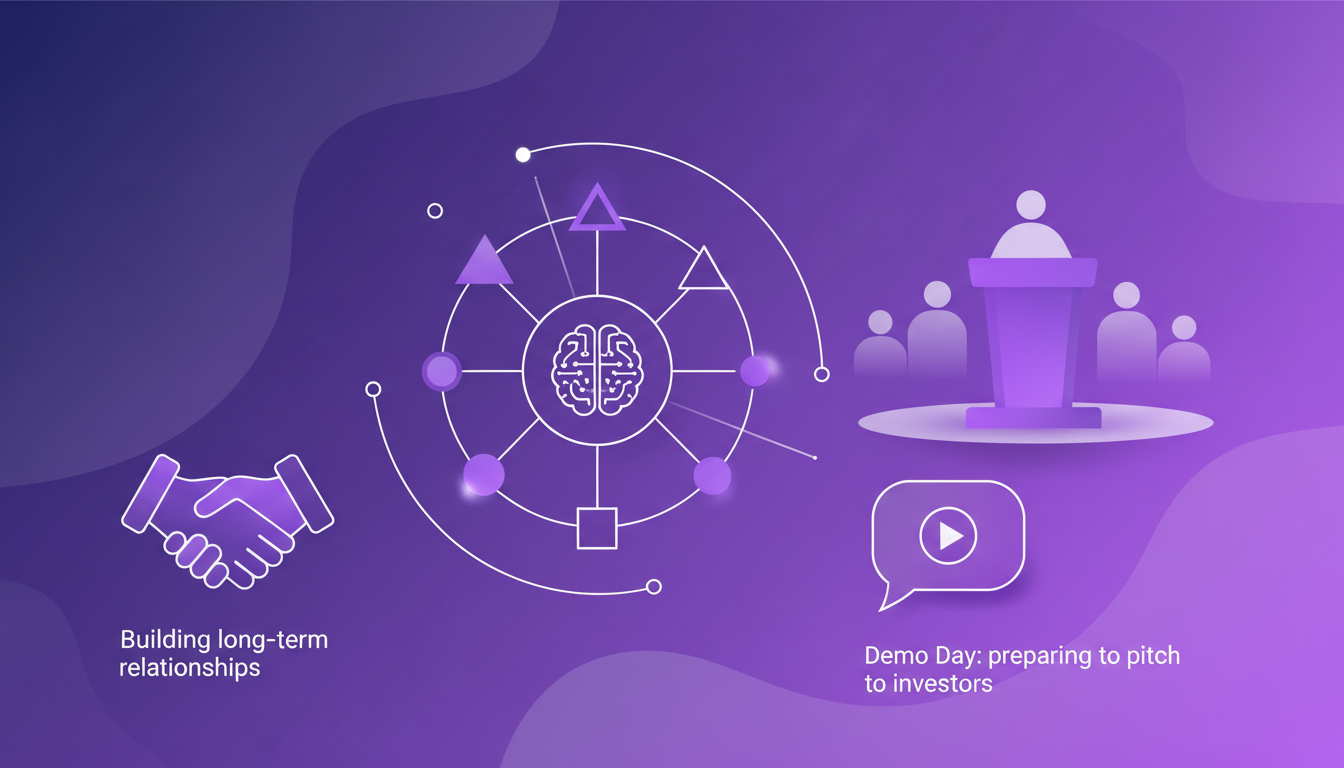
The key is to make the most of the accelerator. Make every meeting an opportunity for learning.
- 99.5% of applications fail, but that means standing out is crucial.
- Silicon Valley values ambition, but with a dose of humility.
- Preparation and storytelling are key elements for a successful YC application.
- A good understanding of legal aspects can prevent many future problems.
- Networking during Demo Day offers unique opportunities for the future.
Getting into Y Combinator is just the start, and I've learned that the hard way. Here's what stands out for me:
- Don't underestimate preparation: It's not just about the pitch, it's about the whole journey. Every detail matters, and Silicon Valley's culture is a real game changer—but watch out for the cultural differences compared to France.
- High failure, huge potential: With a 99.5% failure rate, be ready to pivot fast. But those who succeed can truly transform their business.
- Networking is crucial: The network you build at Y Combinator can be as valuable as the funding. Invest time in it from the get-go.
Looking forward, I'd say it's an opportunity you can't miss if you're ready to invest the necessary time and energy. Ready to apply? Take these insights, prepare your strategy, and make your mark. The journey is challenging, but the rewards can be transformative.
I'd recommend watching the full video here to get all the details: YouTube link. Trust me, it's worth it.
Frequently Asked Questions

Thibault Le Balier
Co-fondateur & CTO
Coming from the tech startup ecosystem, Thibault has developed expertise in AI solution architecture that he now puts at the service of large companies (Atos, BNP Paribas, beta.gouv). He works on two axes: mastering AI deployments (local LLMs, MCP security) and optimizing inference costs (offloading, compression, token management).
Related Articles
Discover more articles on similar topics

Building a 20M€ ARR App: My Journey
I didn't set out to build a 20M€ ARR app. It all started with a list of 100 dreams after Christmas 2019. Fast forward to today, and we're in 52 countries, tackling urban loneliness head-on. I orchestrated the development, navigated through financial challenges, and adjusted our business model to reach a global audience. This journey is more than just code; it's about human connection. In this article, I take you behind the scenes of our entrepreneurial journey, from the initial idea to managing global expansion. If you're ready to see how an idea turns into success, dive in with me.
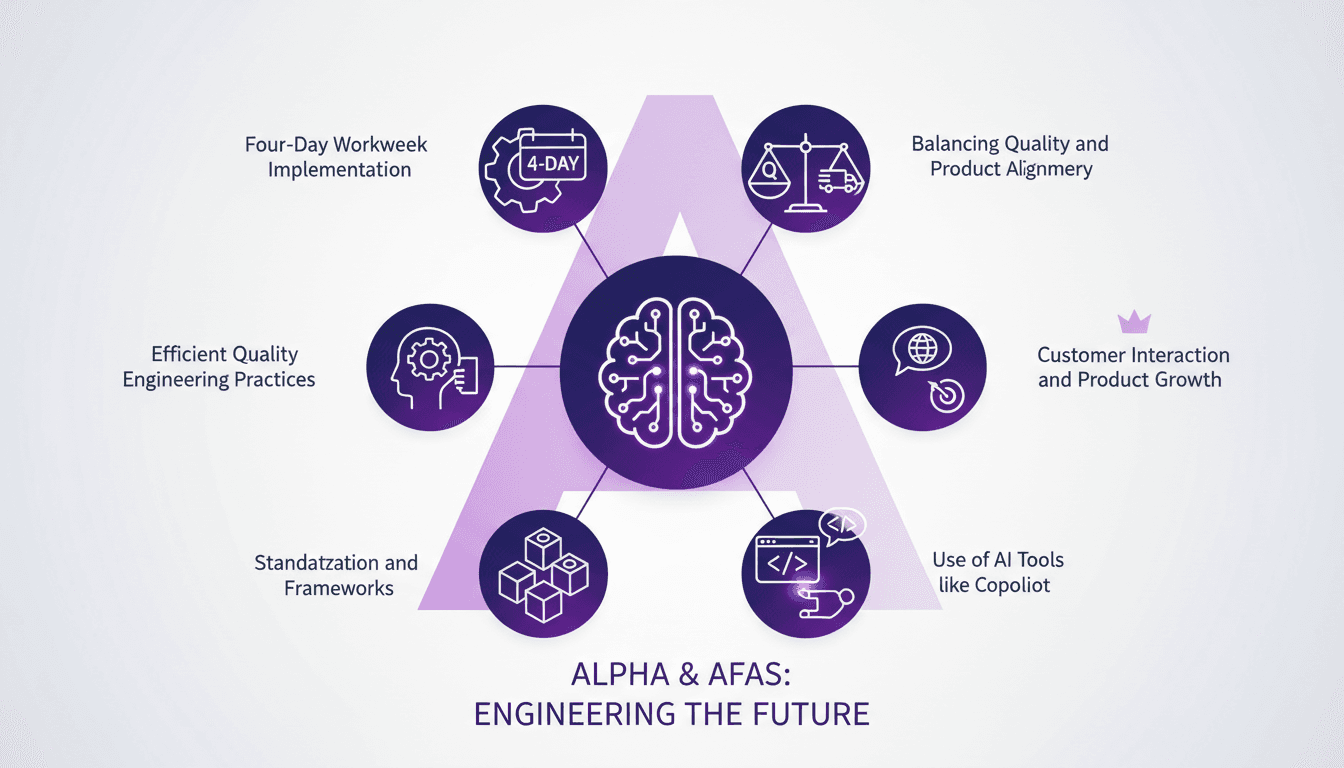
Maximizing Engineering: Alpha and AFAS at Work
I still remember the moment I first heard about Alpha's four-day workweek. It sounded like a dream, yet it was real. We were getting more done with fewer engineers, and the magic lay in our approach: streamlining processes and leveraging AI tools like Copilot. In today's competitive landscape, engineering teams need to be both efficient and adaptable. At Alpha and AFAS, we've honed practices that balance quality with delivery while maintaining a healthy work culture. This involves effective engineering practices, four-day workweek implementation, balancing quality and product delivery, and embracing AI tools.
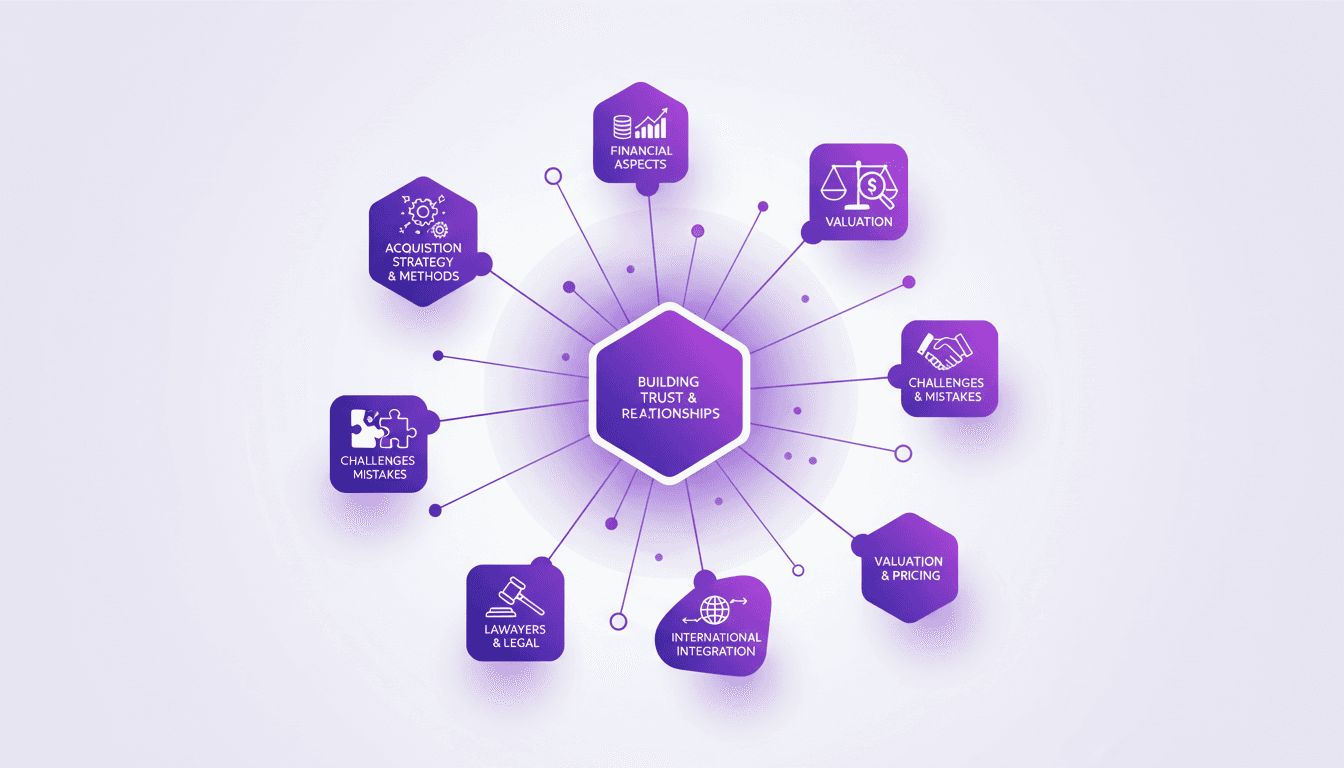
Acquisition Strategies: Effective Methods
I've navigated the trenches of business acquisitions, spending 25M€ across several deals. Let me reveal the strategies that worked and the pitfalls to avoid. Acquiring a company isn't just a financial transaction. It requires solid strategy, trust-building, and meticulous planning. I'll walk you through my approach, from initial strategy to post-acquisition integration. We'll dive into acquisition strategy, financial aspects, building trust in business deals, challenges and mistakes to avoid, and the critical role of lawyers. And if you're considering international expansion, we'll also touch on market entry.
Designing Scalable Systems: Practical Approach
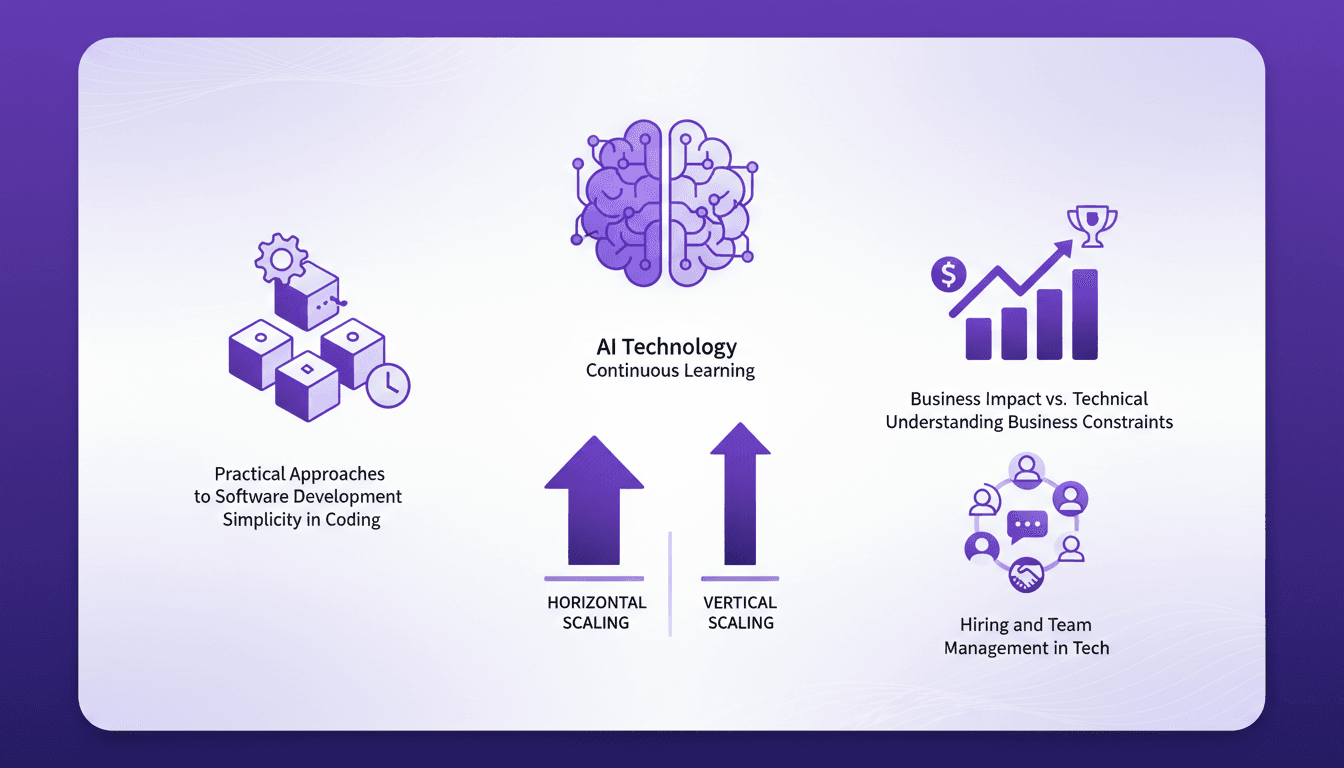
When I first joined GitHub, scaling quickly became more than a buzzword—it was a daily reality. Handling millions of requests per second isn't just an engineering feat; it's essential. Let me walk you through how I approach system design, scaling, and the real-world trade-offs we face. This isn't about theory; it's about what works in the trenches. We'll cover vertical vs. horizontal scaling, the importance of simplicity in code, and even hiring the right tech team. Because ultimately, it's the practical solutions that matter.
Raise Funds Without Losing Control: Key Strategies
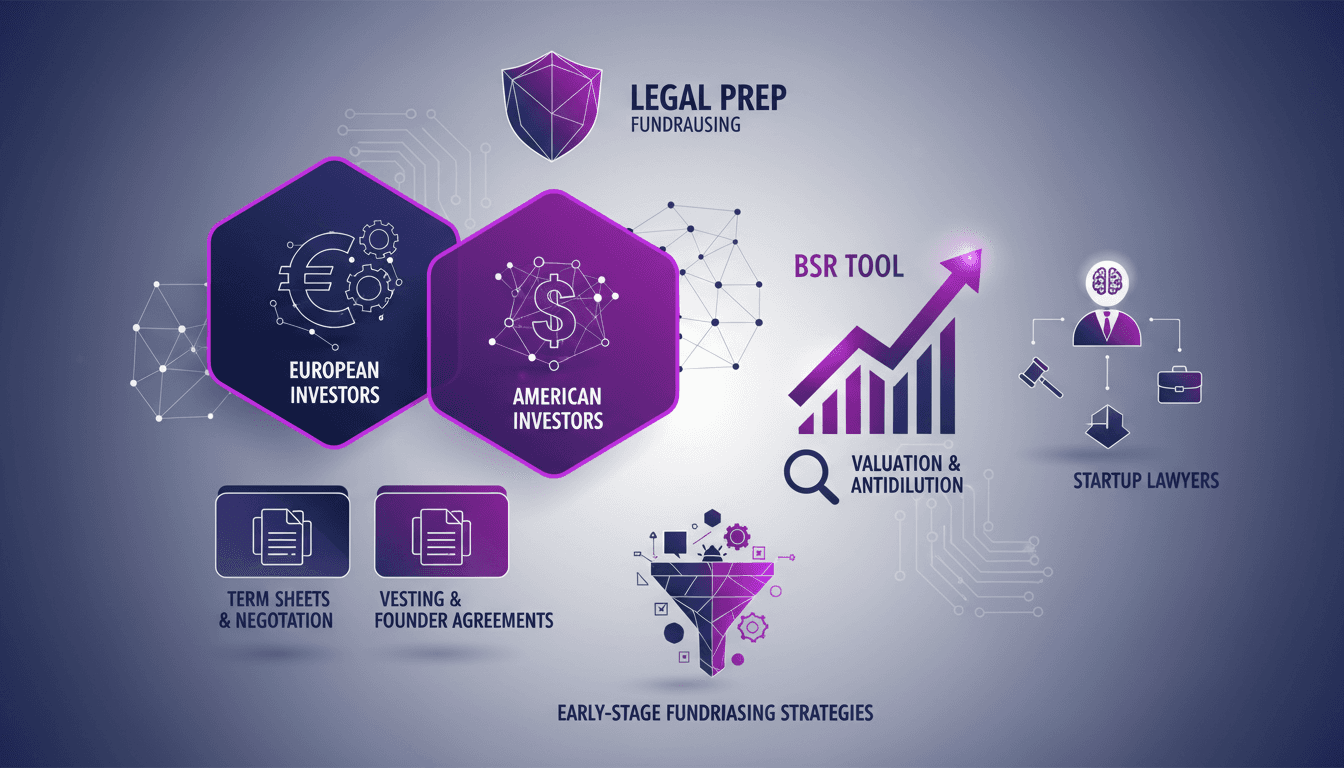
Raising funds is like sailing through a storm. I've been through the fundraising wringer more times than I can count, and if there's one thing I've learned, it's this: preparation is everything. Whether you're dealing with European or American investors, every detail matters. Let me guide you through this maze without losing your shirt—or your company. We're diving into everything: the differences between European and American investors, legal prep, term sheets, and even using BSR as a fundraising tool. Don't get burned by antidilution clauses or inflated valuations. Let's explore key strategies to raise funds without losing control.