Maximizing Engineering: Alpha and AFAS at Work
I still remember the moment I first heard about Alpha's four-day workweek. It sounded like a dream, yet it was real. We were getting more done with fewer engineers, and the magic lay in our approach: streamlining processes and leveraging AI tools like Copilot. In today's competitive landscape, engineering teams need to be both efficient and adaptable. At Alpha and AFAS, we've honed practices that balance quality with delivery while maintaining a healthy work culture. This involves effective engineering practices, four-day workweek implementation, balancing quality and product delivery, and embracing AI tools.
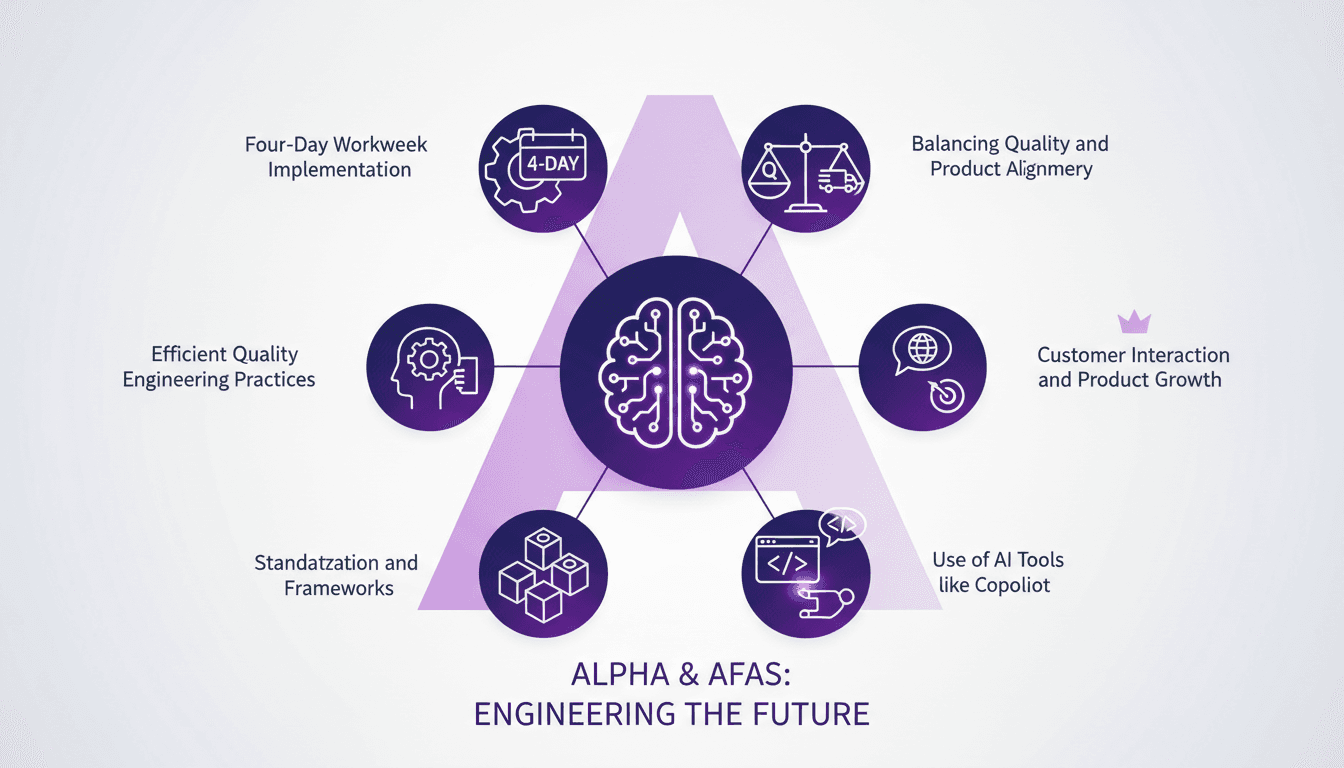
I remember the first time I heard about Alpha's four-day workweek. It sounded like a dream, but it was real. We were getting more done with fewer engineers, and the secret was in our approach: streamlining processes and leveraging AI tools like Copilot. In today's competitive landscape, engineering teams need to be efficient and adaptable. At Alpha and AFAS, we've honed practices that balance quality with delivery, all while maintaining a healthy work culture. We're diving into the implementation of the four-day workweek, balancing quality with product delivery, and how we leverage AI to get there. And it's not just about cutting hours; it's about standardization, customer interaction, and product alignment. If you've been burned trying to implement these concepts, our experience might just help you navigate the pitfalls.
Setting the Stage: Team Dynamics and Revenue
There's something fascinating about how Alpha's engineering team, which makes up just 10% of the entire staff, manages to generate hundreds of millions in revenue. It's a striking example of efficiency and productivity pushed to their limits. I remember my early days in the field, often facing the dilemma of doing more with less. But at Alpha, they've truly mastered this art. On the other hand, AFAS takes a slightly different approach. With an engineering team of 70 people, they focus on innovation and efficiency. Understanding these team structures is crucial for aligning engineering efforts with business objectives.
- Alpha: 10% of staff in engineering for massive revenue
- AFAS: 70 engineers, focus on innovation
- Team structure essential for strategic alignment
Implementing a Four-Day Workweek
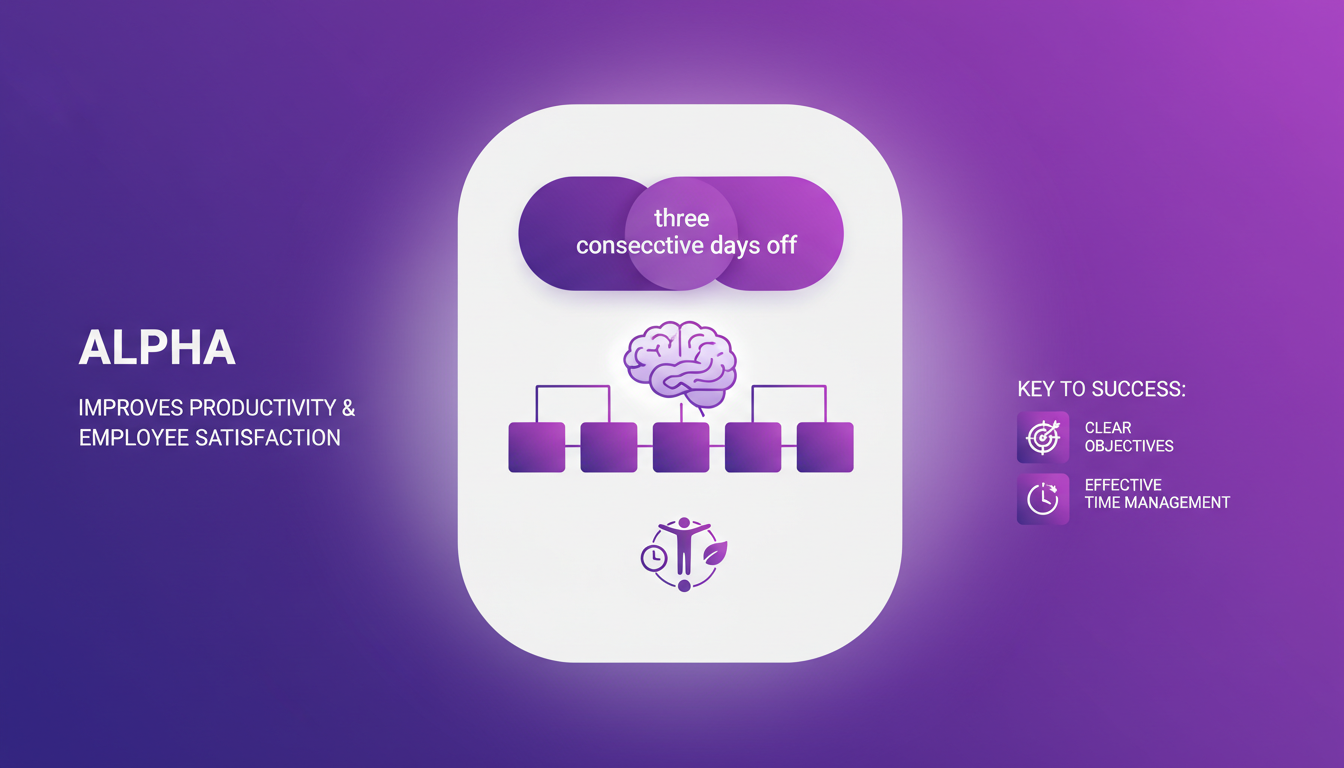
Transitioning to a four-day workweek at Alpha has been a real game changer. I've personally experienced shortened workweeks, and I can attest to the positive impact on productivity and employee satisfaction. Having three consecutive days off helps maintain work-life balance and reduces burnout. But watch out, the key here is to have clear objectives and effective time management. Without that, the system can quickly become counterproductive. I got burned in the past, thinking I had more free time, but in reality, it's the opposite if the organization doesn't follow suit.
- Improved productivity and employee well-being
- Importance of clear objectives and time management
- Strengthened work-life balance
Standardization: Boosting Efficiency
Standardization in processes is an absolute necessity to reduce complexity and errors. I remember introducing frameworks to my team, and the difference was noticeable. It allows teams to focus on innovation rather than technical details. At Alpha, they've taken this to the extreme, not allowing everyone to choose their own database, for example. It might seem restrictive, but that's precisely what allows more to be done with less. Adopting Scrum practices adds a layer of agility, enabling flexible responses to changing demands.
- Reduced complexity and errors
- Focus on innovation with standard frameworks
- Increased agility with Scrum practices
Balancing Quality and Delivery
In the development world, craftsmanship is about quality, but delivery timelines matter too. Finding the right balance between perfection and practicality is vital. I've often seen projects fail due to an incessant quest for perfection. Customer feedback loops are crucial for aligning the product with market needs. Without them, you risk drifting away from real expectations. I've learned the hard way that sometimes, it's quicker to deliver an imperfect solution than to wait for perfection.
- Importance of quality while meeting deadlines
- Balance between perfection and functionality
- Product-market alignment through customer feedback
Leveraging AI Tools and Leadership
AI tools like Copilot are true accelerators of efficiency in coding and knowledge sharing. But watch out, don't overuse them. Leadership plays a critical role in fostering a growth-oriented culture. Encouraging innovation while maintaining oversight is a delicate balance. I've often seen teams get lost in innovation without a clear direction, which can be disastrous. At Alpha, they've managed to maintain this balance by hiring engineers passionate about learning and craftsmanship.
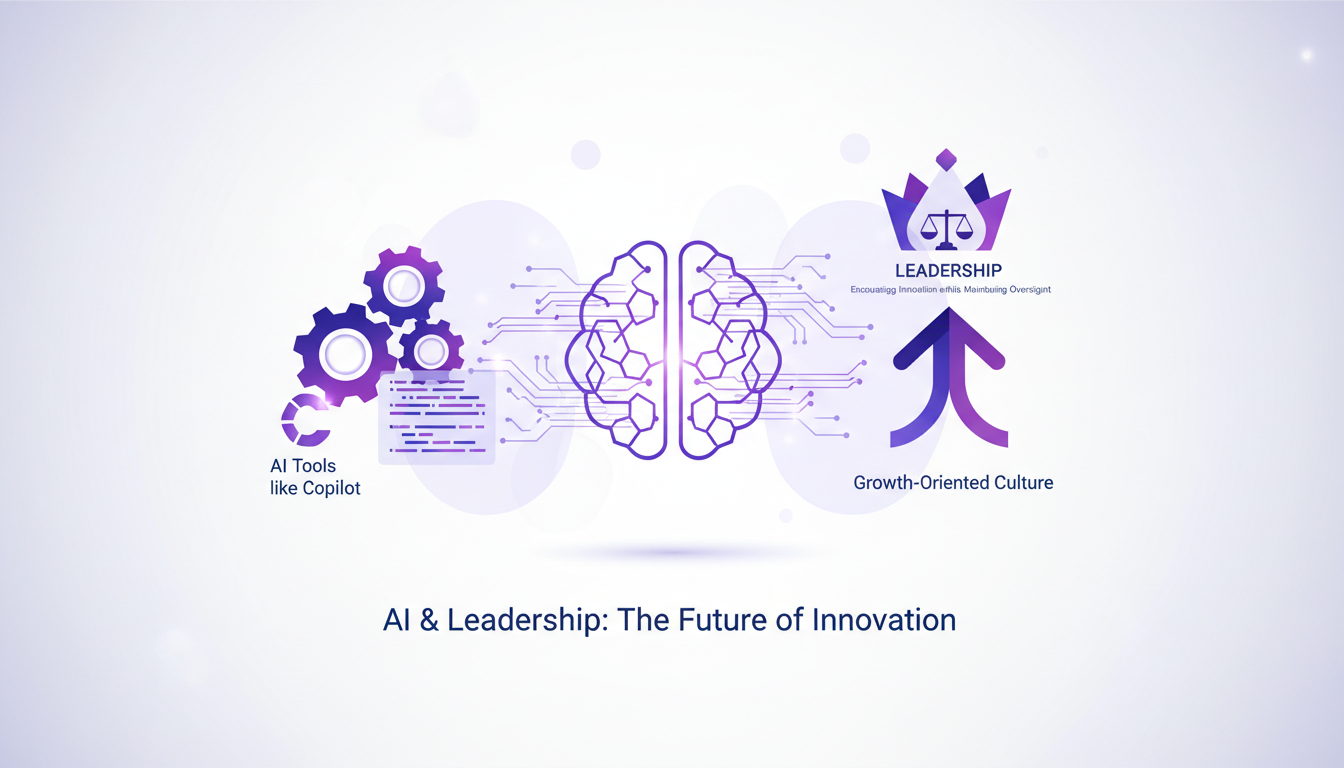
- Improved efficiency with AI tools
- Growth culture through leadership
- Balanced innovation with oversight
At Alpha and AFAS, I've learned that efficiency doesn't mean cutting corners. It's about smart practices, leveraging tech, and fostering a culture that values both quality and delivery. The four-day workweek has been a real game changer for us. Here's what I take away:
- No corner cutting. We maximize impact with 70 solid engineers at AFAS and only 10% of the team dedicated to engineering at Alpha.
- The four-day workweek at Alpha doesn't sacrifice productivity—it boosts it while improving team satisfaction.
- Balancing quality and delivery is an art; it involves thoughtful hiring and a well-cultivated culture.
I believe these practices can inspire changes in your team. Imagine what you could achieve by boosting efficiency and satisfaction. To dive deeper, watch our original video: [YouTube link: https://www.youtube.com/watch?v=gqt-leFkuqE].
Frequently Asked Questions

Thibault Le Balier
Co-fondateur & CTO
Coming from the tech startup ecosystem, Thibault has developed expertise in AI solution architecture that he now puts at the service of large companies (Atos, BNP Paribas, beta.gouv). He works on two axes: mastering AI deployments (local LLMs, MCP security) and optimizing inference costs (offloading, compression, token management).
Related Articles
Discover more articles on similar topics
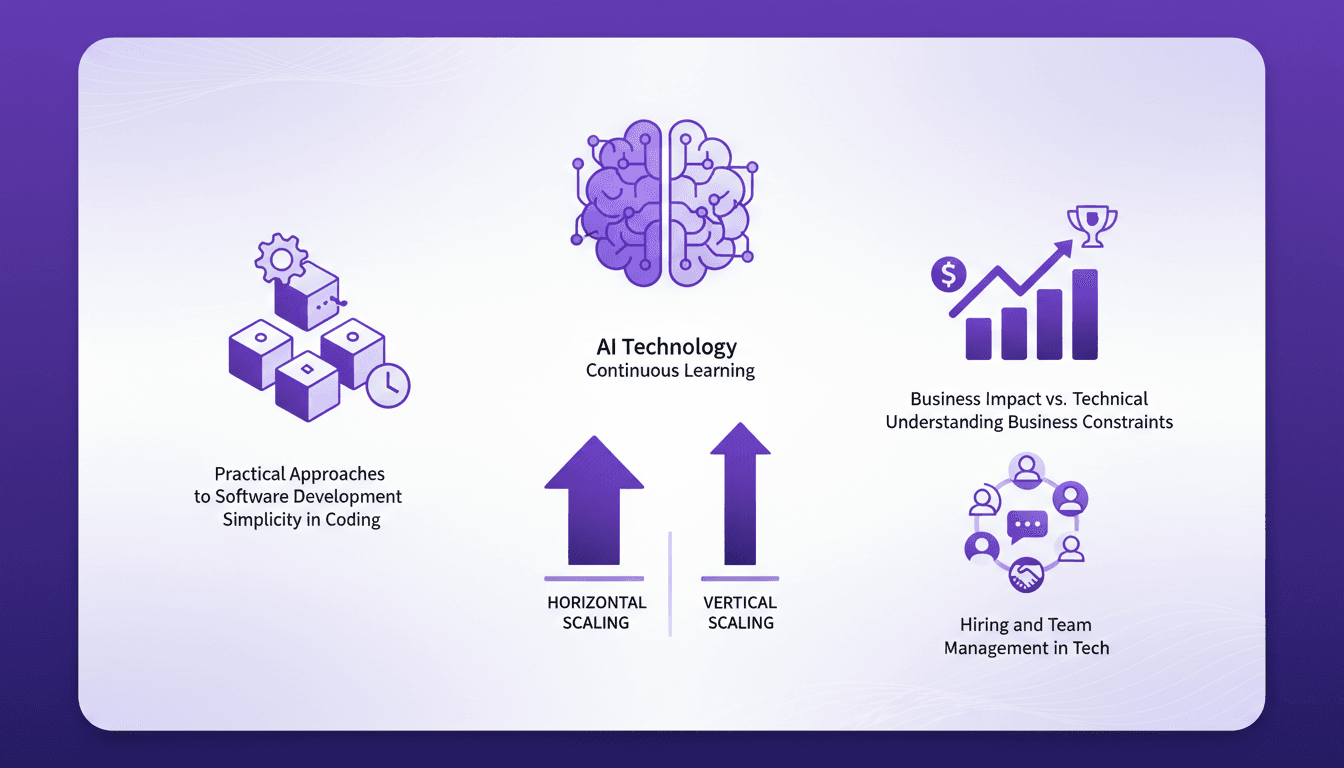
Designing Scalable Systems: Practical Approach
When I first joined GitHub, scaling quickly became more than a buzzword—it was a daily reality. Handling millions of requests per second isn't just an engineering feat; it's essential. Let me walk you through how I approach system design, scaling, and the real-world trade-offs we face. This isn't about theory; it's about what works in the trenches. We'll cover vertical vs. horizontal scaling, the importance of simplicity in code, and even hiring the right tech team. Because ultimately, it's the practical solutions that matter.
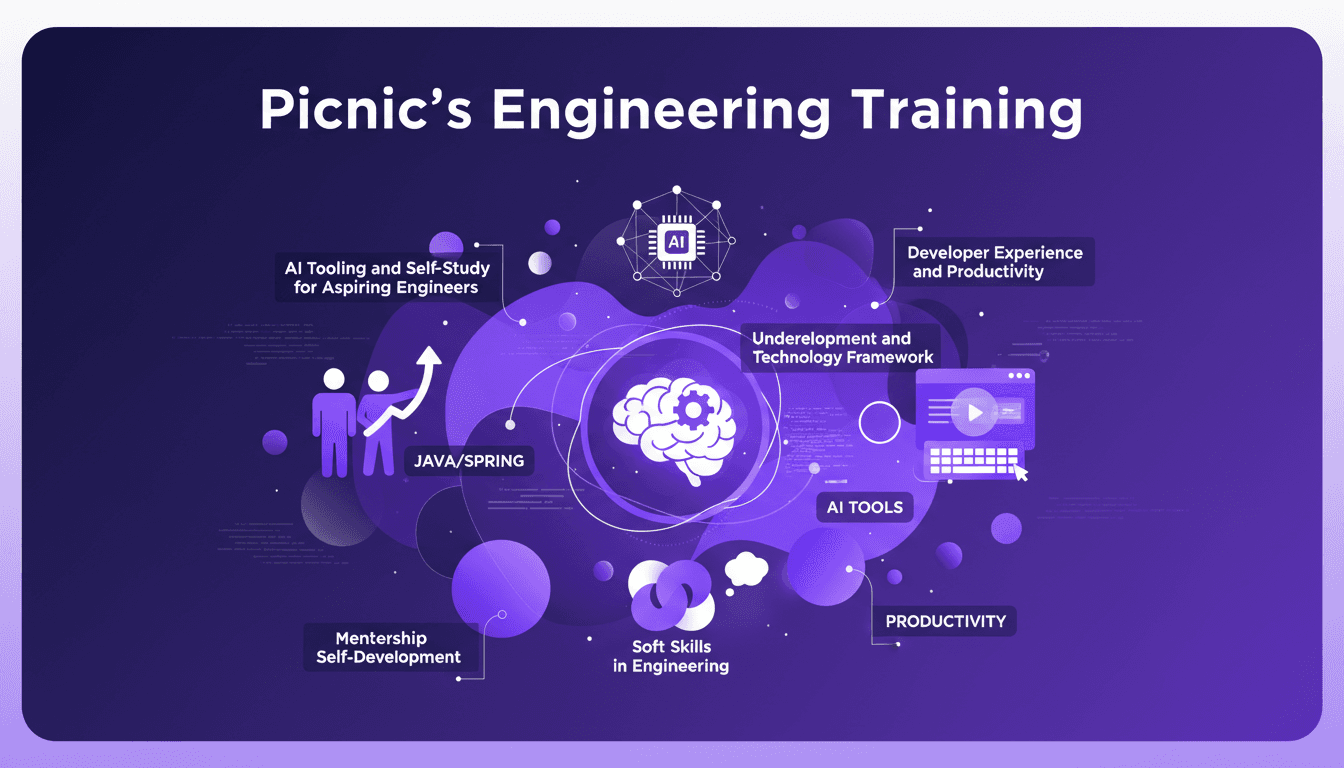
Elevate Your Engineering with Picnic
I remember the first time I walked into Picnic's training program. It was like stepping into a new world of engineering. The energy was palpable, and the focus on not just coding, but thinking like an entrepreneur, was a game changer. In the engineering world, standing out means more than just knowing your code. It's about mindset, continuous learning, and leveraging the right tools. Let's dive into how Picnic's approach bridges the gap between good and great engineers. We're talking Java, Spring Framework, and the importance of deeply understanding technology, not to mention soft skills and AI tooling for aspiring engineers.
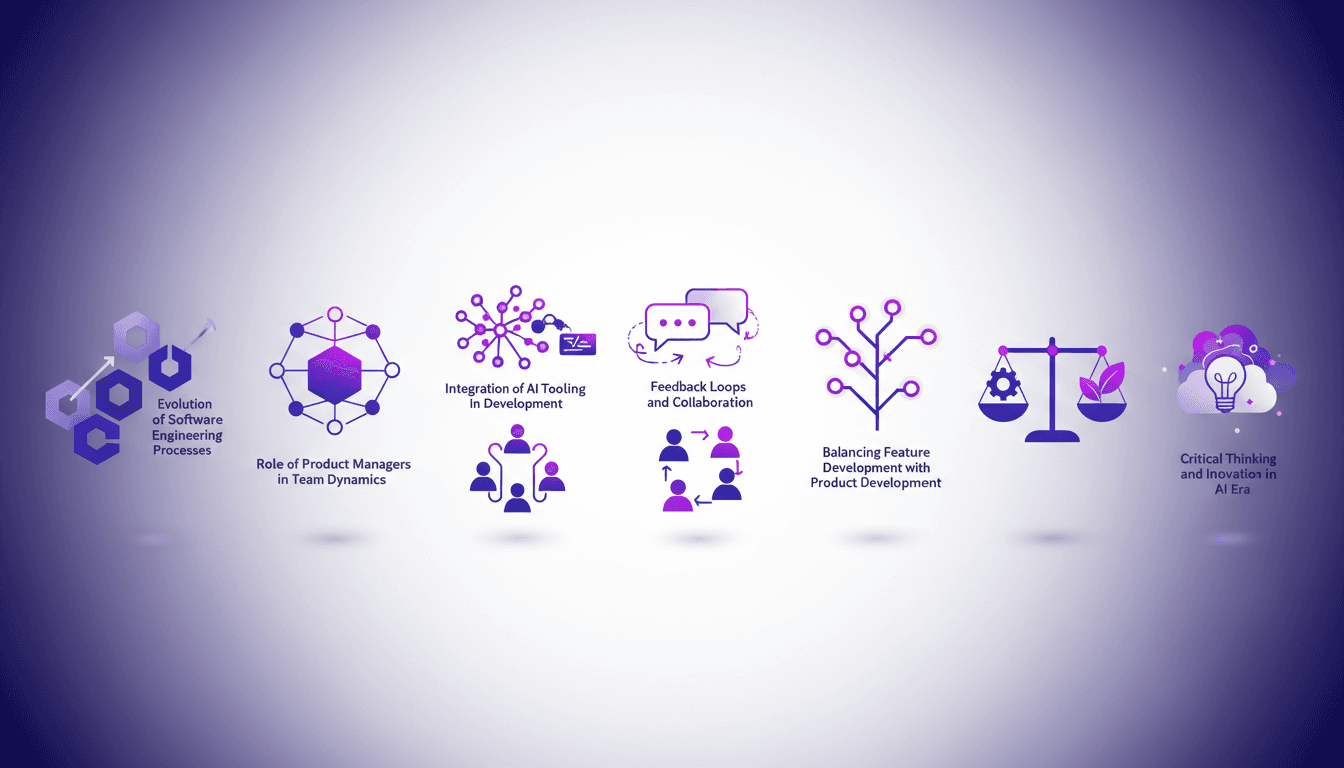
Merging Product and Engineering: Reinventing Processes
I was skeptical at first. Going from six engineers to just two seemed like a recipe for disaster. But merging product and engineering not only worked but thrived. In today's fast-paced tech environment, efficiency isn't just a buzzword—it's a necessity. By integrating roles and leveraging AI, we've redefined our workflow. This has transformed team dynamics, strengthening feedback loops and collaboration. Now, with one frontend and one backend engineer, we balance developing new features with maintenance. We experiment, adapt, and innovate. But watch out, the risk is moving too fast and losing sight of key objectives. When it works, the impact is tangible.
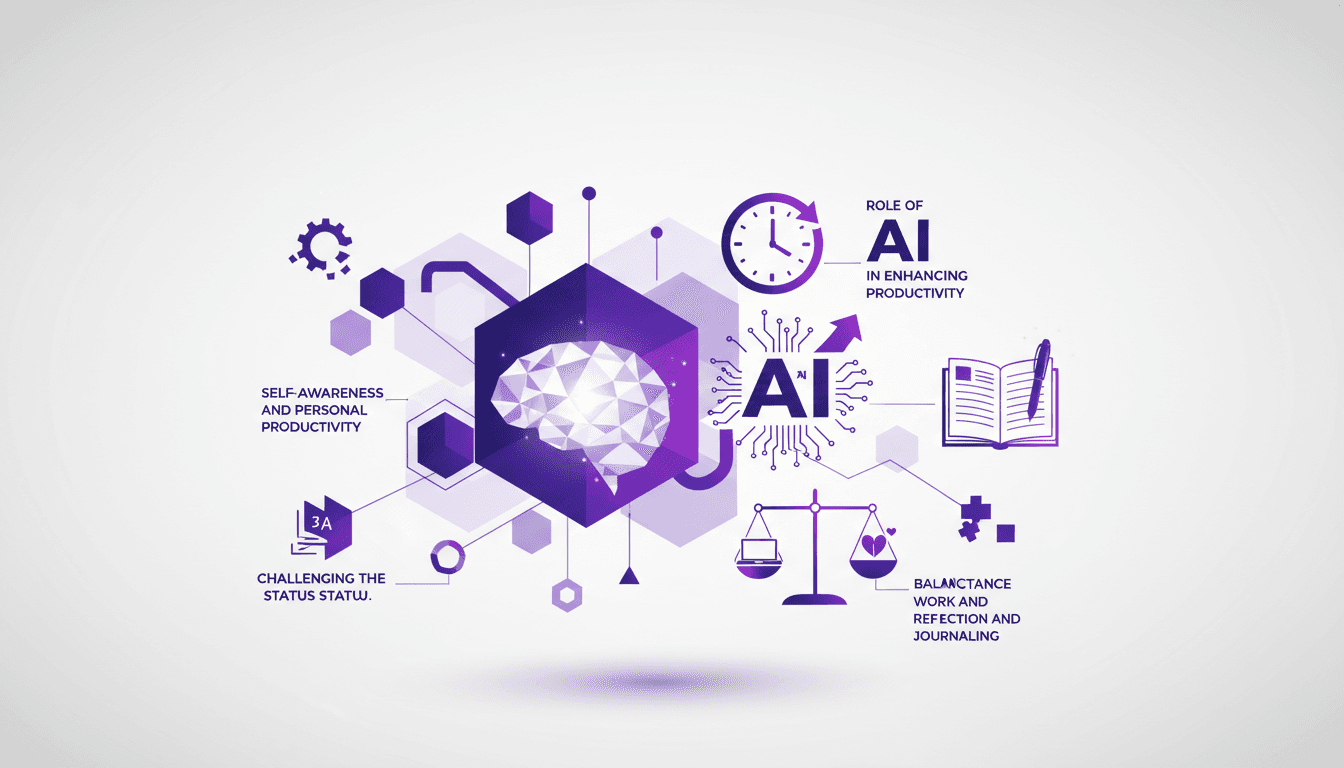
Unlock Productivity: Daily Habits and Key Tools
I started experimenting with productivity tools out of necessity. Eight-hour meetings were draining me, and my workflows felt outdated. So, I set up a Zettelkasten system and dove into 'Getting Things Done'. Here's how I transformed my daily grind into a streamlined machine. In this article, I’ll walk you through my journey of challenging workflows, leveraging AI, and balancing work with personal life. These aren't just theories; they're tested strategies that led to real productivity gains.
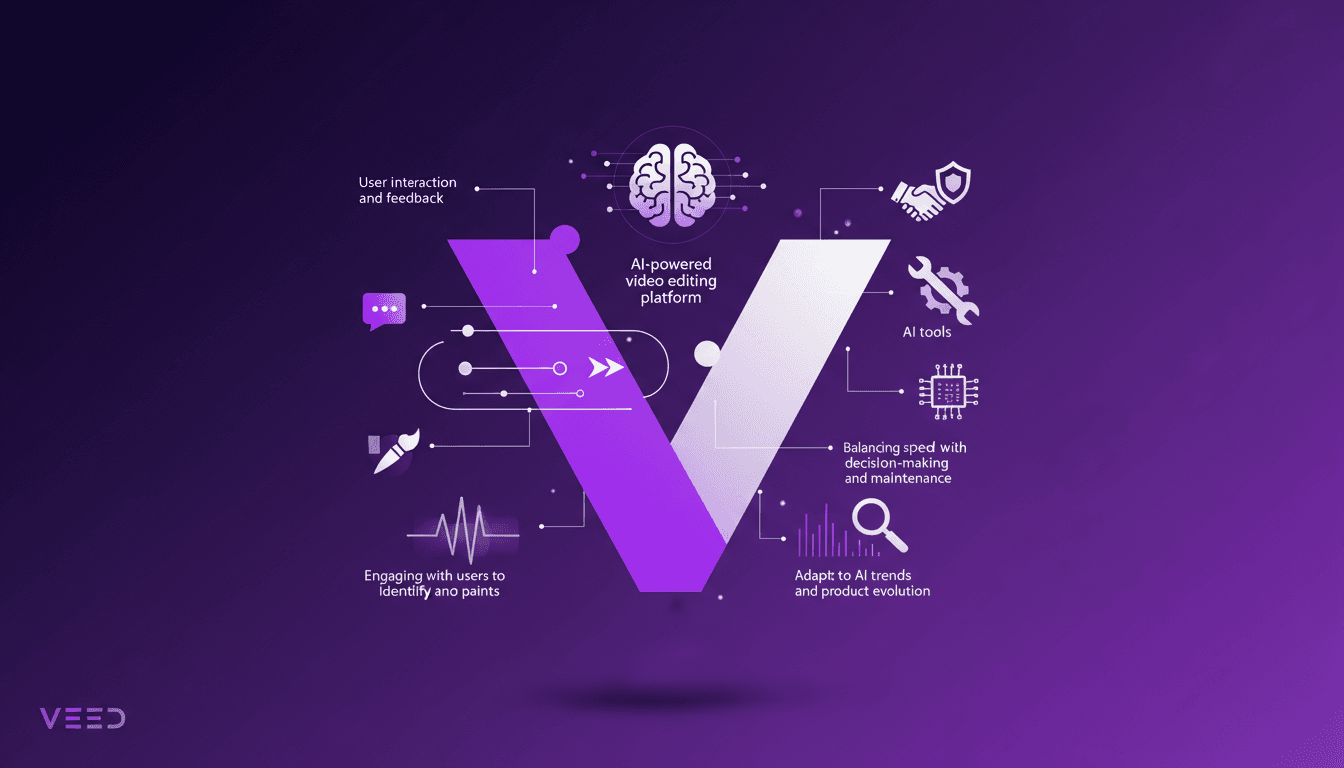
VEED Ships AI Features Fast and Effectively
When I first joined VEED, I was blown away by how quickly we could iterate on AI features. It's not just about deploying fast; it's about making sure those features actually work for users. Let me walk you through our approach. VEED, the largest browser-based AI video editing platform, aims to deliver tools that genuinely enhance user experience. In this article, I share our workflow: how we ship AI features fast that resonate with our users without overcomplicating things. We focus on user interaction, identifying pain points, and balancing speed with creativity and maintenance. It's a delicate dance between following AI trends and evolving the product.