Deepfakes Evolving: What You Need to Know
I first encountered deepfakes when a client brought me a video that seemed off. It was a wake-up call, showing me how far AI technology had come—and how much further it could go. As AI advances rapidly, deepfakes are becoming more sophisticated and accessible. They offer creative possibilities but also pose significant security risks. In this article, I take you through the technological advancements, detection challenges, and what we need to know to stay ahead of potential threats. We discuss impacts on the finance and media sectors, and the ethical and legal implications. I share strategies to combat these threats, drawing on five years of experience training specific systems to catch deepfakes. If you're a builder like me, you know staying ahead is crucial, but we also need to be aware of the dangers this technology presents.
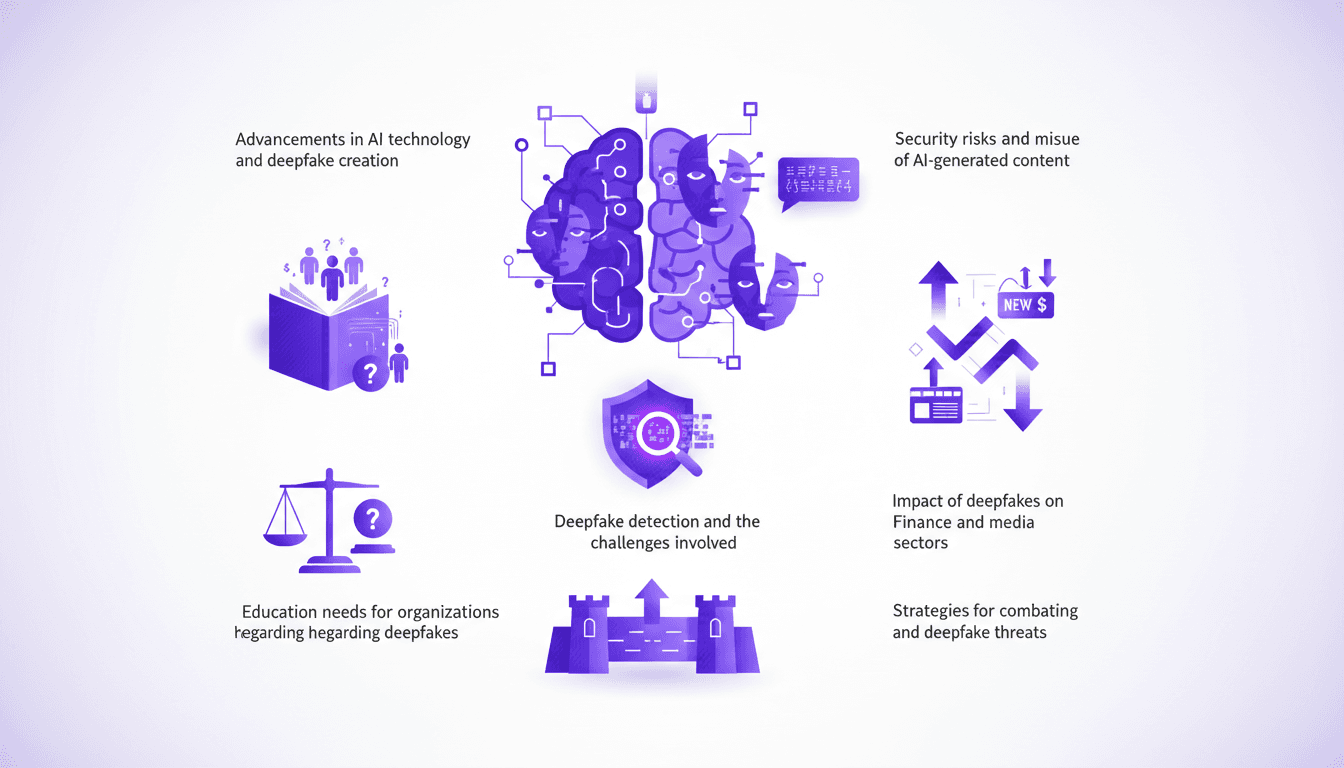
The first time I encountered deepfakes was when a client brought me a video that seemed off. It was a wake-up call. I saw how far AI technology had come and how much further it could still go. As AI evolves rapidly, deepfakes are not only becoming more sophisticated but also more accessible. On one hand, they open up incredible creative possibilities, but on the other, they pose massive security risks. I'll take you through the current technological advancements, the detection challenges, and what we as builders need to know to stay ahead of these potential threats. We’ll discuss impacts on the finance and media sectors, along with ethical and legal implications. Drawing on five years of experience training specific systems to catch deepfakes, I share strategies to protect ourselves. If you're a builder like me, staying ahead is crucial, but we also need to be aware of the dangers this technology presents. Let's dive into this complex and fascinating universe together.
Understanding Deepfake Technology and GenAI
Deepfakes, those eerily realistic fake videos, are the result of Generative AI (GenAI) and neural networks. I've seen firsthand how these technologies can create videos and voices so believable that they fool even the experts. With large language models like ChatGPT, generating deepfakes from minimal input has become possible. Imagine this: a simple photo transforming into a moving video. It's fascinating yet terrifying.
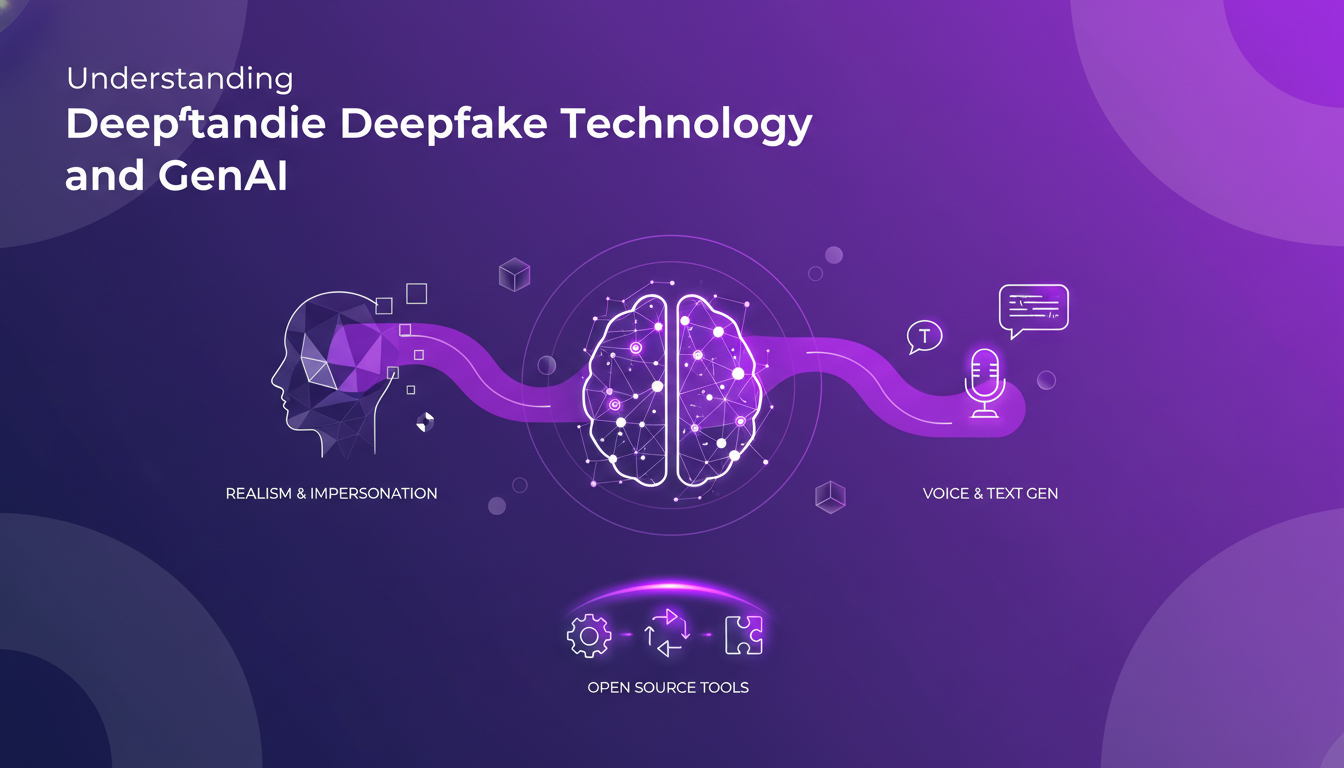
What makes this accessible are open source tools. But watch out, the learning curve is steep. I've spent hours understanding these systems before effectively using them. And with rapid advancements in facial and voice biometrics, the future promises even more challenges and opportunities.
- Deepfakes are more accessible thanks to open source tools.
- Generating realistic content requires minimal input.
- Facial and voice biometrics are the next critical frontier.
Security Risks and Misuse of AI-Generated Content
I recall a case where a bank lost millions due to a voice deepfake. Criminals are using these technologies to create sophisticated financial fraud. Each day, thousands of fake accounts are created, targeting banking institutions. Losses can reach millions, and balancing security measures with customer experience is imperative.
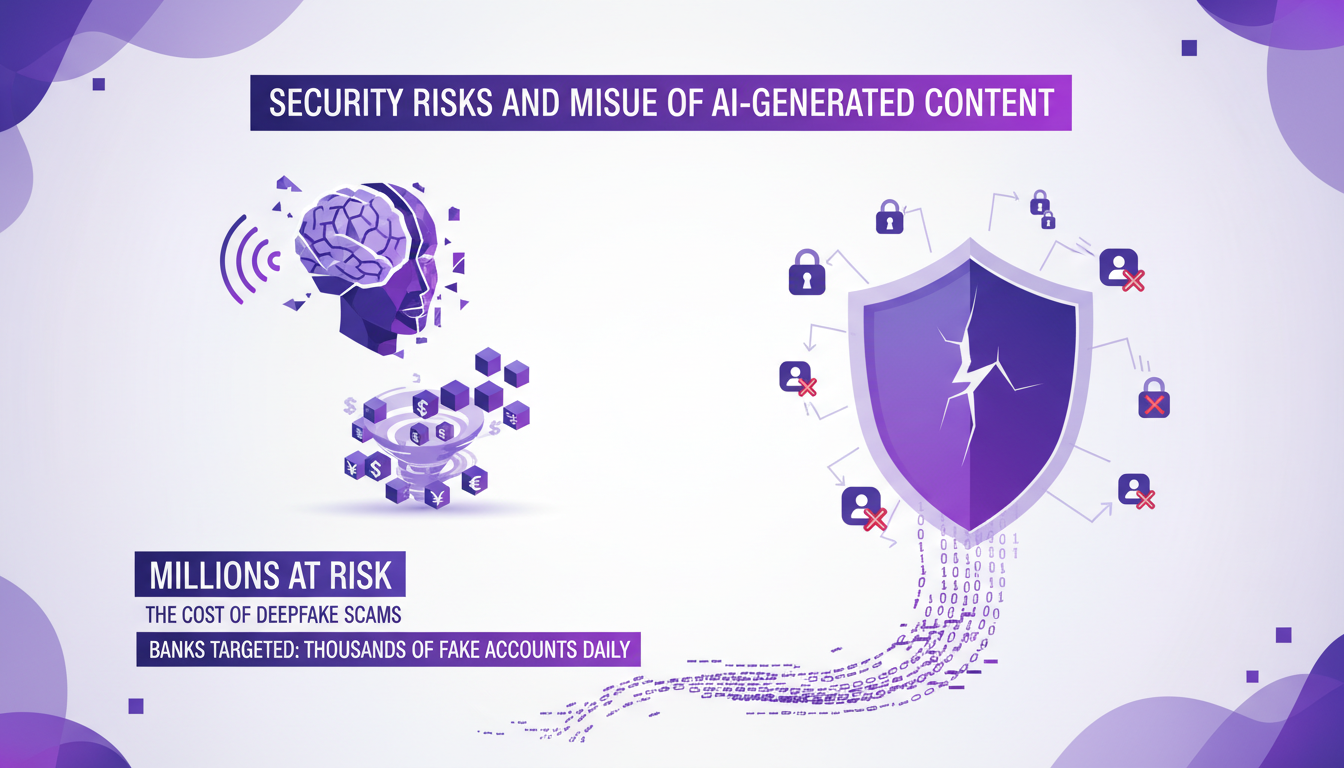
The speed at which technology evolves is astonishing. Security measures I put in place a few months ago are already outdated. It's crucial to stay updated and anticipate the next steps.
- Deepfakes are used for massive financial frauds.
- Thousands of fake accounts appear daily.
- Technology evolves incredibly fast, don't underestimate it.
Deepfake Detection: Challenges and Developments
After five years of experience training deepfake detection systems, I can tell you the challenge is immense. Techniques to identify these fakes have improved, but they're not perfect. Some methods work, others don't. Staying updated with the latest detection tools is essential.
There's always a trade-off between accuracy and speed. Sometimes, it's faster to manually verify suspicious content, especially when technology lags. But beware, this approach can become time-consuming if overused.
- Five years of progress in deepfake detection.
- Various techniques for identifying deepfakes with variable results.
- Manual verification may be necessary when in doubt.
Impact on Finance and Media Sectors
Deepfakes cost the financial sector millions. I've seen companies lose huge sums within minutes due to fake videos. For media, credibility is at stake. Fake news and misinformation spread like wildfire. Companies must adapt to protect their assets.
Training employees to recognize deepfake threats is essential. Educational initiatives are crucial to preparing staff for these new challenges. But don't rely solely on technology. Human judgment is still indispensable for evaluating complex situations.
- Deepfakes cause massive financial losses.
- Media credibility is threatened by misinformation.
- Employee training is key to countering threats.
Strategies for Combating Deepfake Threats
To combat deepfakes, I implement robust verification processes. Training staff to recognize and report these contents is a priority. Existing legal frameworks are insufficient. Collaborating with tech companies to develop better tools is crucial.
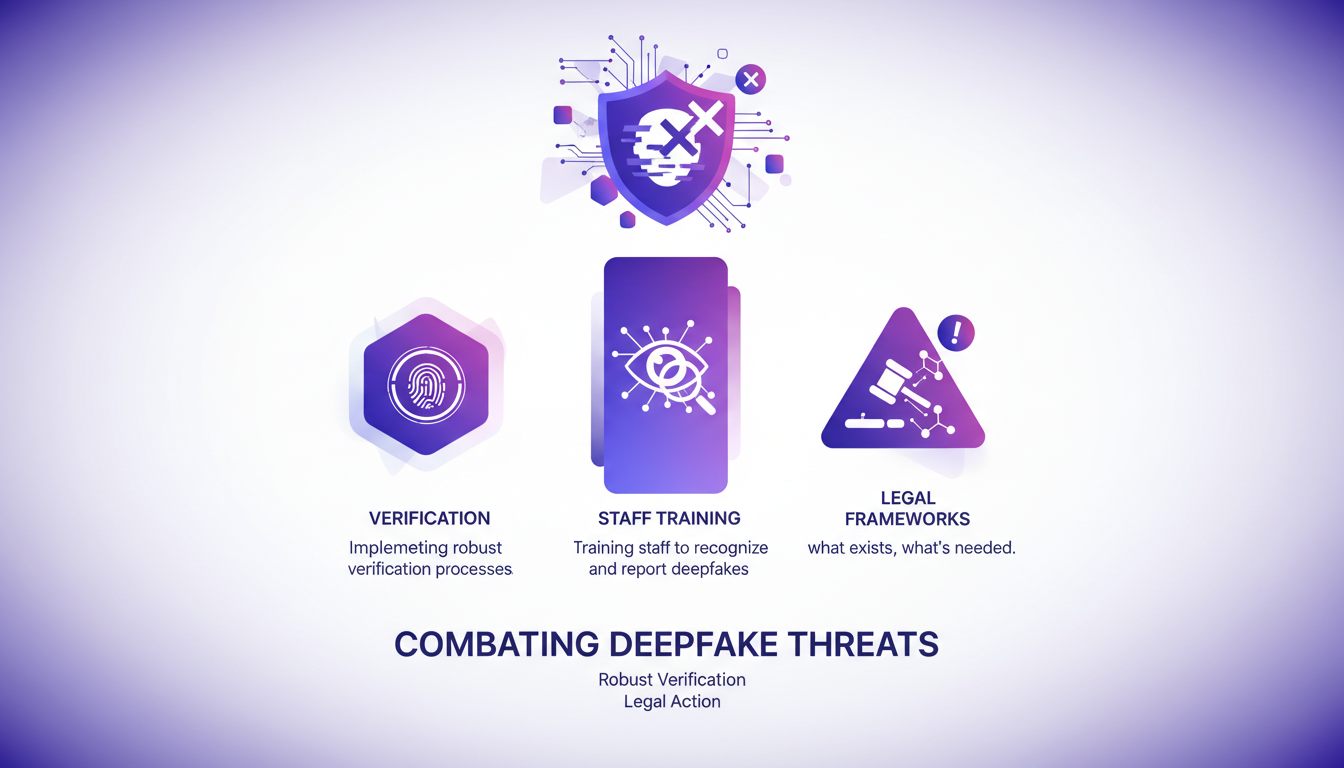
Balancing cost with the need for comprehensive security is vital. Don't underestimate the importance of adequate preparation. Ultimately, a proactive and collaborative approach is our best defense against this evolving threat.
- Implementing solid verification processes.
- Training staff to recognize deepfakes.
- Collaborating with tech companies for better tools.
Deepfakes are here to stay, no doubt about it, and they're evolving at breakneck speed. As builders, I need to stay informed and adapt our strategies. First, I focus on implementing robust systems to mitigate risks. It's not just about technology—it's also about understanding the implications, especially in sectors like finance and media. Then, I ensure my tools effectively detect deepfakes, though that's still a challenge. Finally, I've committed to training specific systems for 5 years, a critical investment to stay competitive.
Looking forward, I'm convinced that collaborating with experts and participating in industry discussions is essential. Don't hesitate to innovate in your approaches to combating deepfakes.
I recommend watching the video "How Deepfakes are Evolving (And What You NEED to Know)" for a deeper dive into these topics. Trust me, it's packed with insights.
Frequently Asked Questions

Thibault Le Balier
Co-fondateur & CTO
Coming from the tech startup ecosystem, Thibault has developed expertise in AI solution architecture that he now puts at the service of large companies (Atos, BNP Paribas, beta.gouv). He works on two axes: mastering AI deployments (local LLMs, MCP security) and optimizing inference costs (offloading, compression, token management).
Related Articles
Discover more articles on similar topics
Nvidia's Personal AI Supercomputer: Project DIGITS
I’ve been knee-deep in AI projects for years, but when Nvidia announced their personal AI supercomputer, I knew this was a game changer. Powered by the gb10 Grace Blackwell chip, this beast promises to handle models with up to 200 billion parameters. This isn't just tech hype; it's a shift in how we can build and deploy AI solutions. With power a thousand times that of an average laptop, this isn't for amateurs. Watch out for the pitfalls: before diving in, you need to understand the specs and the costs. I'll walk you through what's changing in our workflows and what you need to know to avoid getting burned.
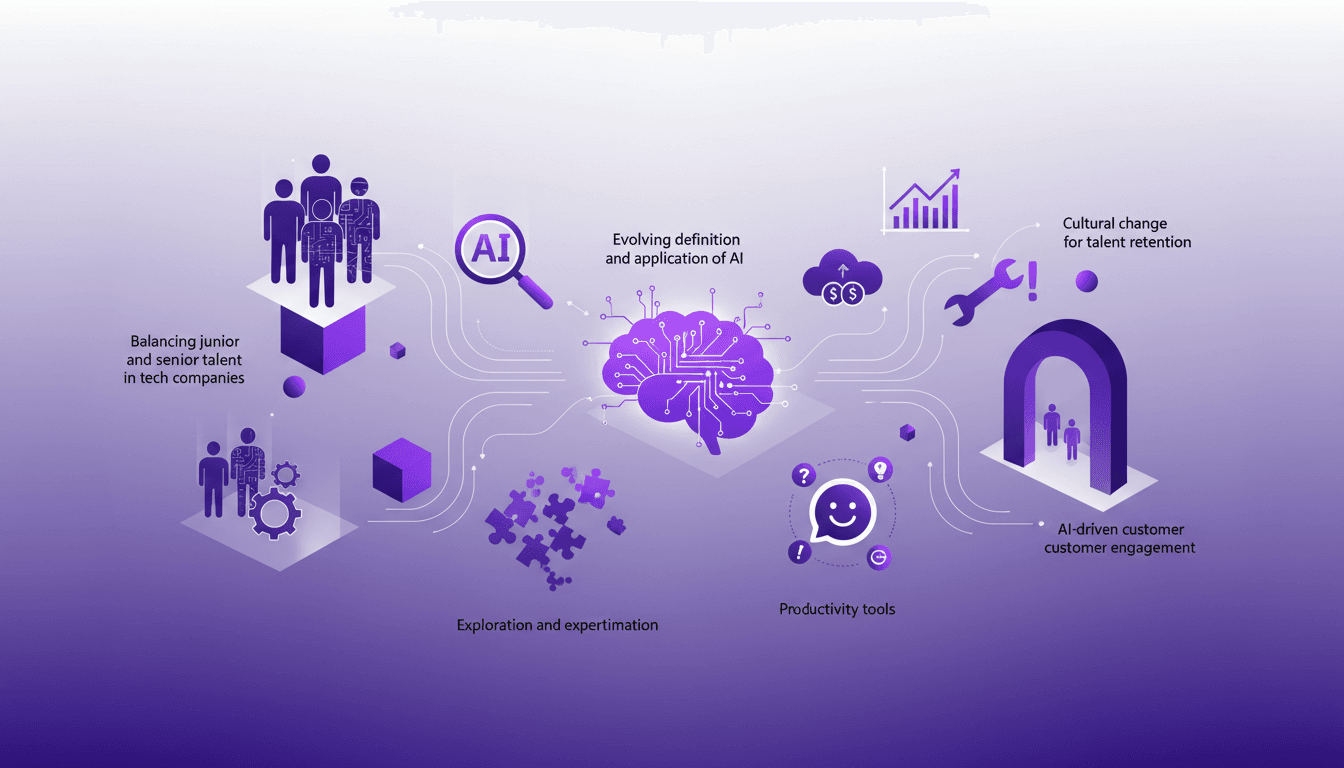
Impact of AI on Hiring Junior Engineers
I've been deep in the tech hiring trenches, and AI is shaking things up. Initially, it was just about evaluating junior engineers' skills. But then I realized it's about adapting these talents to AI-driven roles. AI isn't just a buzzword; it's redefining productivity and expectations. In this article, I dive into how AI impacts our hiring processes and the critical balance between junior and senior talent. We'll explore the practical implications, challenges, and opportunities for tech companies. Make no mistake, integrating AI into your teams is more than just adding another tool to your toolkit.

Voice Cloning: Efficient Model for Commercial Use
I dove into voice cloning out of necessity—clients needed unique voiceovers without the hassle of endless recording sessions. That's when I stumbled upon this voice cloning model. First thing I did? Put it against Eleven Labs to see if it could hold its ground. Voice cloning isn't just about mimicking tones—it's about creating a scalable solution for commercial applications. In this article, I'll take you behind the scenes of this model: where it shines, where it falters, and the limitations you need to watch out for. If you've dabbled in voice cloning before, you know technical specs and legal considerations are crucial. I’ll walk you through the model's nuances, its commercial potential, and how it really stacks up against Eleven Labs.
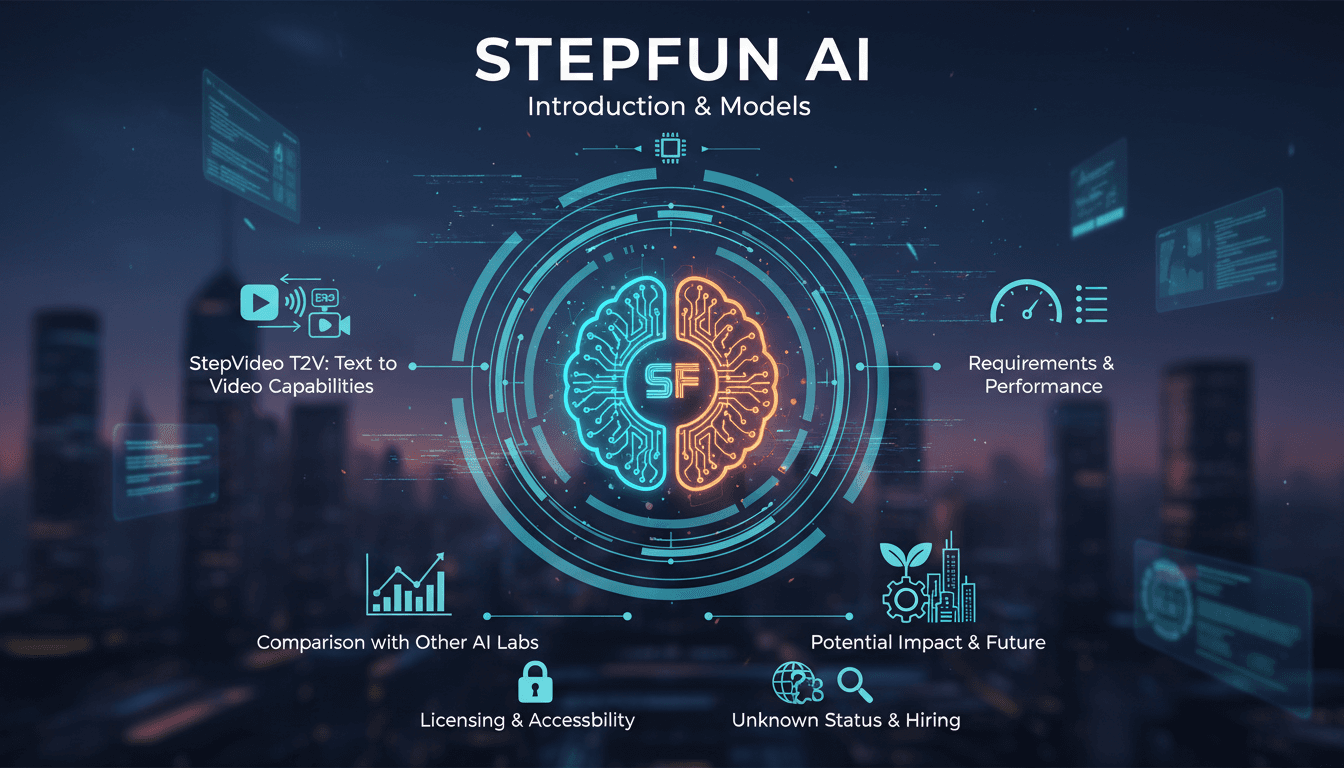
StepFun AI Models: Efficiency and Future Impact
I dove into StepFun AI's ecosystem, curious about its text-to-video capabilities. Navigating through its models and performance metrics, I uncovered a bold contender from China. With 30 billion parameters and the ability to generate up to 200 frames per second, StepFun AI promises to shake up the AI landscape. But watch out, the Step video t2v model demands 80 GB of GPU memory. Compared to other models, there are trade-offs to consider, yet its potential is undeniable. Let's explore what makes StepFun AI tick and how it might redefine the industry.
Kokoro TTS: The New King of Text-to-Speech
I stumbled upon Kokoro TTS while searching for a robust, cost-effective Text-to-Speech solution. Unlike the overhyped options that drain your budget, Kokoro offers a refreshing alternative with its Apache 2.0 license. In this comparison with 11 Labs, I explain why Kokoro might be your next go-to tool. With 10 unique voice packs and an impressive ranking on the Hugging Face TTS Arena leaderboard, Kokoro doesn't just promise—it delivers. I dive into its technical specs, use cases, and implementation ease to show you how to integrate it effectively into your projects.