Crafting Effective Soundscapes in Videos
I still remember the first time I realized the power of sound in a video. It was a simple project, but the moment I added background music, everything transformed. That's when I knew audio wasn't just an accessory; it was a game changer. Today, in the media landscape, sound plays a pivotal role in shaping viewer perception. Whether through subtle theme repetition or strategic use of music, audio elements can make or break your content. In this video, I share how I crafted effective soundscapes and the impact of auditory repetition on atmosphere creation.
I remember vividly the moment I realized how transformative sound could be for a video. It was a straightforward project. I had shot and edited it, but something was missing. Then, I added a layer of background music, and the whole atmosphere shifted. That's when I knew audio wasn't just an accessory—it was a game changer. In today's media landscape, sound is crucial for shaping viewer perception. I've often found that the subtle repetition of a theme or the strategic use of background music can make all the difference. In this video, I show you how I crafted effective soundscapes, leveraging repetition and creating immersive atmospheres. You don't need to be an expert to harness these techniques—even with basic technical skills, you can transform your audiovisual content.
Understanding the Role of Repetition in Media
In the media landscape, repetition isn't merely redundancy; it's a powerful tool for reinforcing key themes. I've used repetition in my projects to cement important messages. For instance, in one of my videos, I hammered the word 'Heat' along with background music, creating a persistent mood that solidified the theme with viewers.
Repetition has a powerful psychological impact. Hearing the same sound or word repeatedly can create a form of recognition and familiarity that reinforces the message. But watch out, don't overdo it. Too much repetition can lead to viewer fatigue and dilute the initial impact. It's a delicate balance to maintain.
Leveraging Background Music to Influence Perception
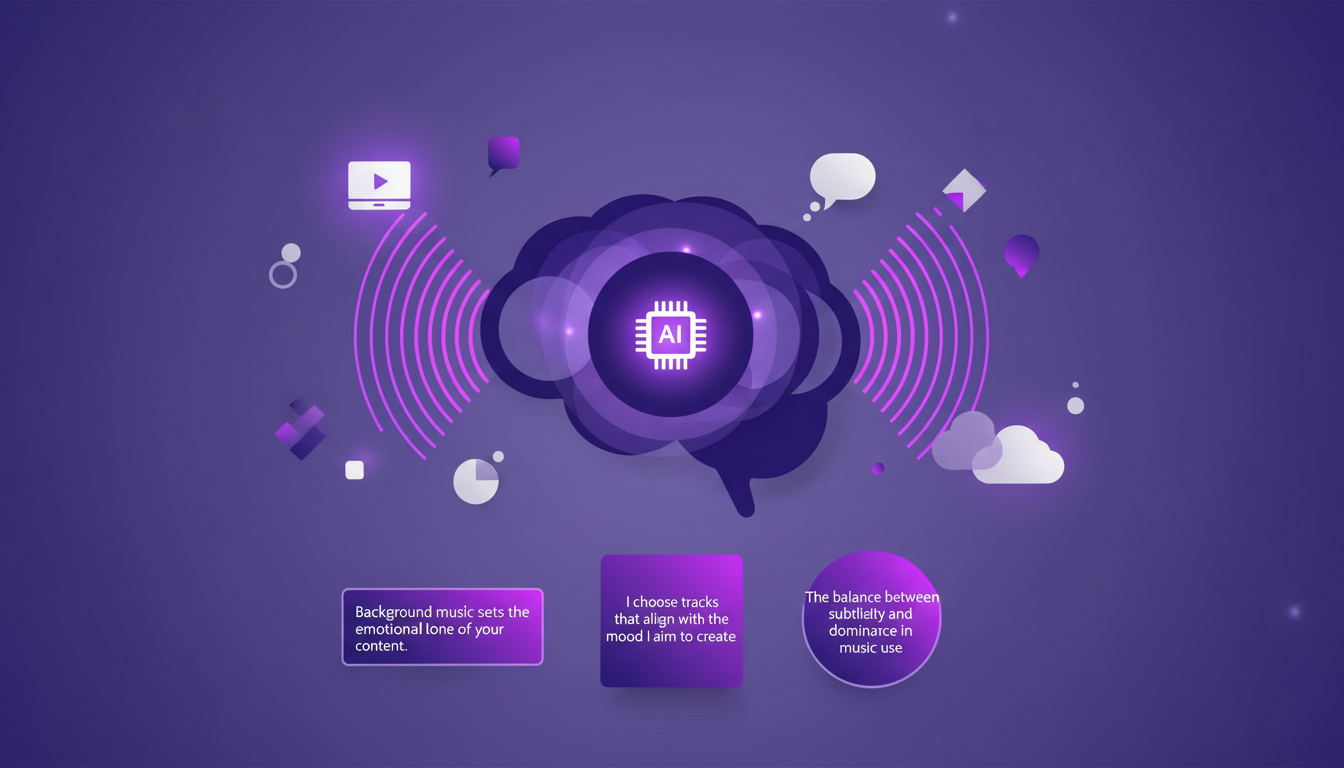
Background music is not just an aesthetic add-on; it sets the emotional tone of your content. Personally, I choose tracks that align with the mood I aim to create. In a dramatic scene, for example, a subtle melody amplifies emotions without overshadowing the visual action.
It's crucial to find the right balance between subtlety and dominance. Music that's too prominent can distract viewers from the main action. Sometimes, silence is just as powerful. I've often noticed that well-placed pauses, without music, accentuate critical moments.
Creating Atmosphere with Audio Cues
Audio cues guide the viewer's emotional journey. In my projects, I've often used specific sounds to define a scene. For instance, the slow ticking of a clock can evoke tension or anticipation.
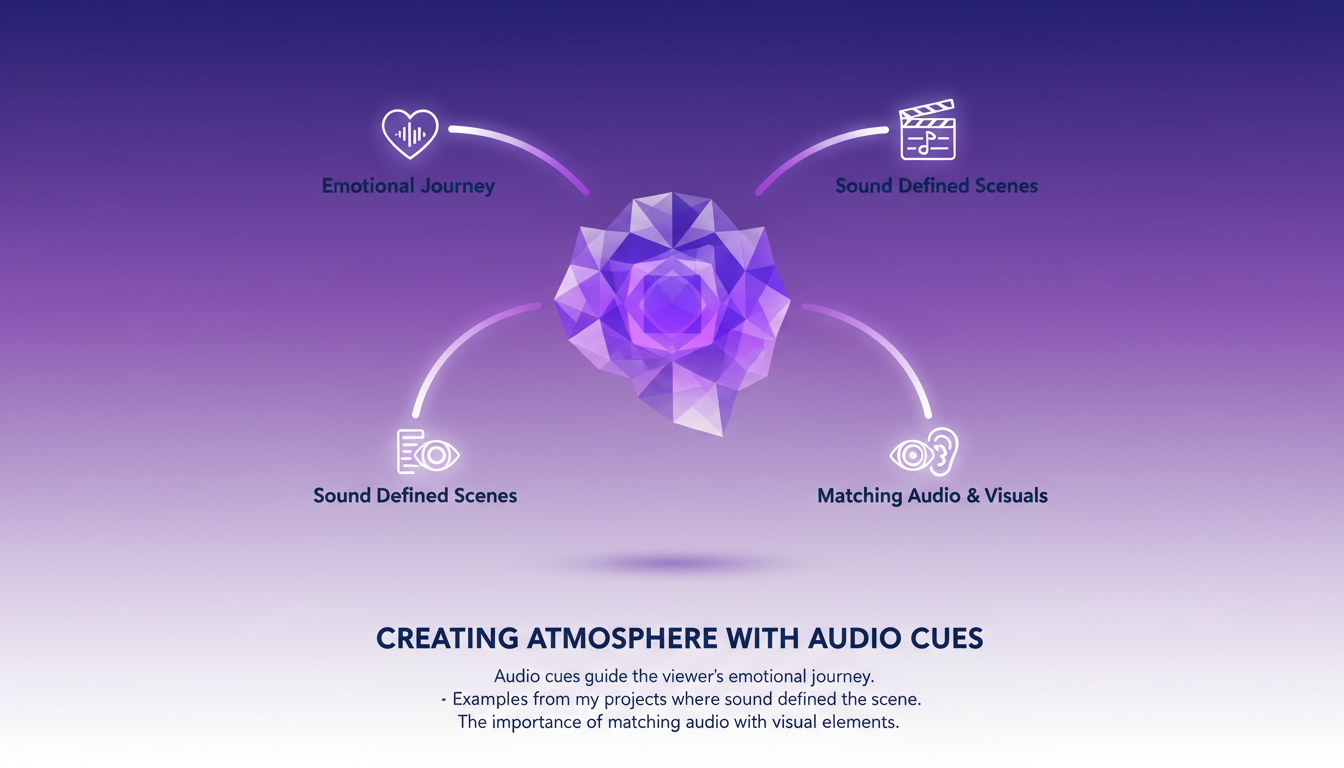
The importance of matching sounds with visual elements cannot be overstated. A mismatch between audio and video can create confusion and ruin the immersive experience. However, when these elements complement each other, the audience is transported into the world you've created.
Practical Takeaways for Efficient Audio Integration
First, identify the emotional arc of your content. Then, select audio elements that complement this arc. I've saved a lot of time by using audio libraries and presets, which allowed me to focus my efforts on other creative aspects.
- Use audio libraries for quick access to a variety of sounds.
- Prioritize quality over cost in audio production.
- Test different elements to see what works best.
By balancing cost and quality, you can produce high-quality sound without breaking the bank. Trust me, it's possible to create an impressive sound impact without spending a fortune.
Orchestrating Audio for Maximum Impact
Orchestration is about timing and layering of sounds. In my work, I often test different audio combinations to find the best fit. It can take time, but the result is usually worth it.
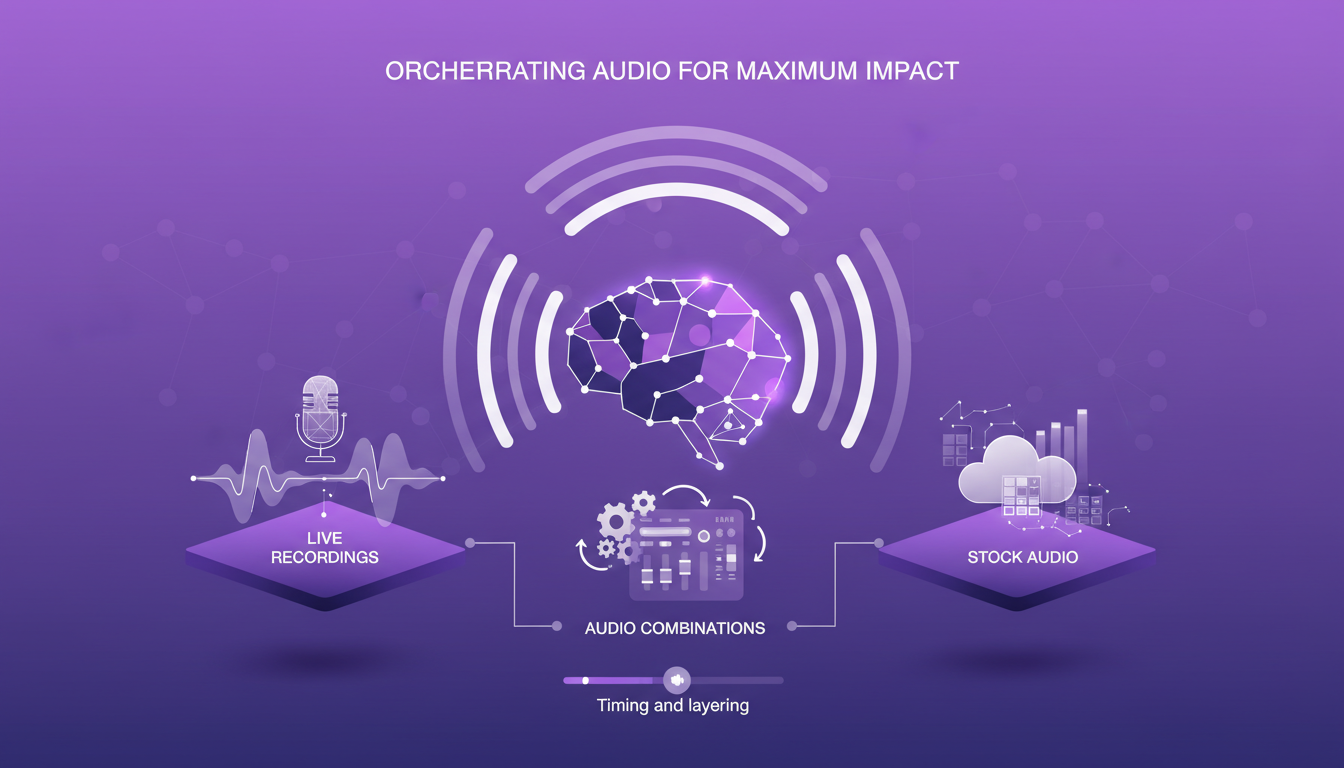
Choosing between live recordings and stock audio is often a dilemma. Live recordings offer unmatched authenticity but can be costly and time-consuming. Stock sound, while economical, can lack personality. However, when used well, it can still be extremely effective.
"The right audio can elevate your entire project."
Ultimately, well-orchestrated audio transforms a good project into a memorable experience. Never underestimate the power of audio in creating captivating media.
In video production, sound isn't just background noise; it's a powerful tool. I've found that repeating key mentions like 'Heat' can really anchor your message. Then, integrating background music sets the tone, and I've managed to create immersive atmospheres with audio cues. But watch out, too much sound can distract. Here are my key takeaways:
- Repeat key sound elements to reinforce the message.
- Use music to influence mood and emotion.
- Leverage audio cues for full immersion. I see huge potential in creatively using sound to transform audience engagement. Start experimenting with audio in your next project; feel the impact and iterate. Your audience will thank you. Check out the video "LangSmith Fleet: Agents for the whole company" on YouTube for more concrete tips. It's a peer-to-peer conversation!
Frequently Asked Questions

Thibault Le Balier
Co-fondateur & CTO
Coming from the tech startup ecosystem, Thibault has developed expertise in AI solution architecture that he now puts at the service of large companies (Atos, BNP Paribas, beta.gouv). He works on two axes: mastering AI deployments (local LLMs, MCP security) and optimizing inference costs (offloading, compression, token management).
Related Articles
Discover more articles on similar topics
Building Consistent Characters with Sora 2
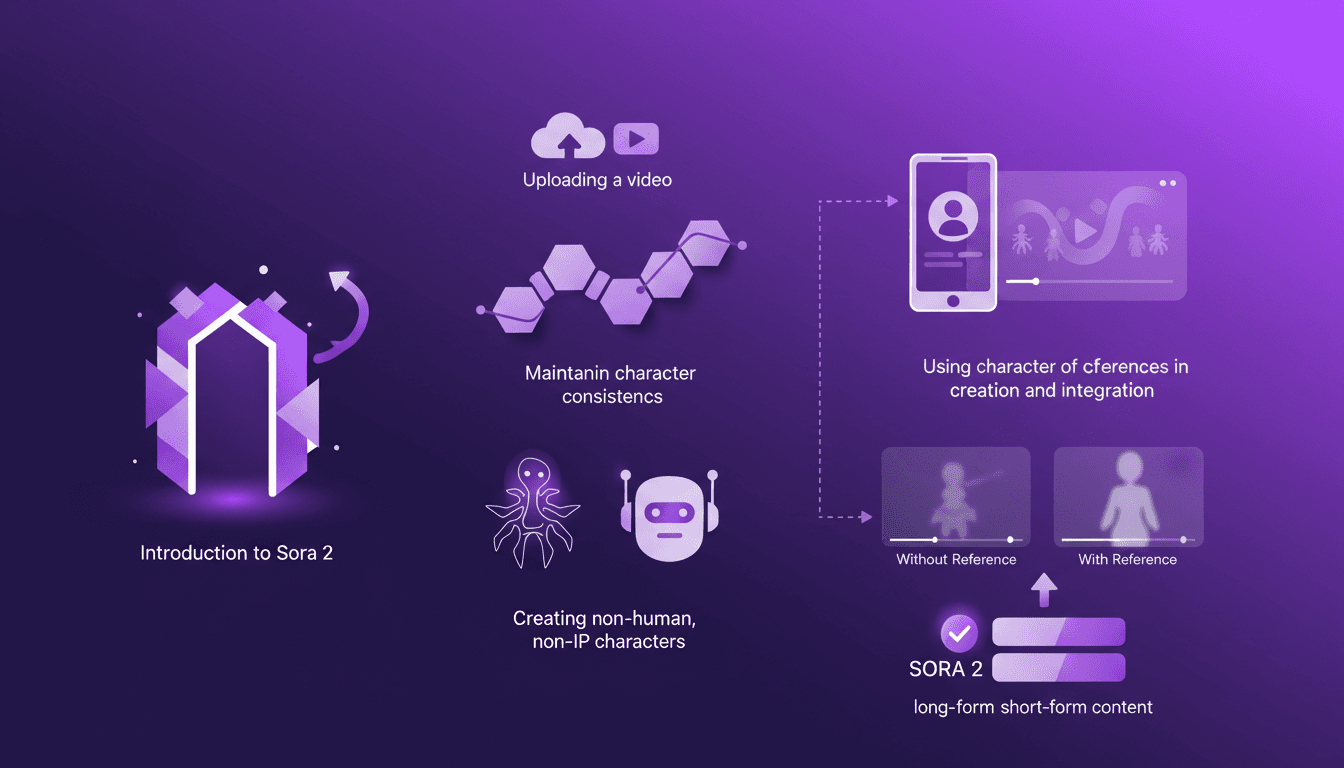
I've been diving into Sora 2, and let me tell you, the character creation functionality is a game changer for anyone serious about video consistency. You know how frustrating it is when your AI-generated characters look different in every scene? Sora 2 tackles that head-on. In this piece, I’ll walk you through how I use Sora 2 to maintain character consistency, even when creating non-human, non-IP characters. We’ll explore the workflow from uploading your initial video to seeing the final consistent output. I’ll demonstrate character creation and integration, and compare video outputs with and without character references. Sora 2 is a major asset for long-form and short-form content. Buckle up, this is hands-on.
Google Stitch: The AI Tool Redefining Design
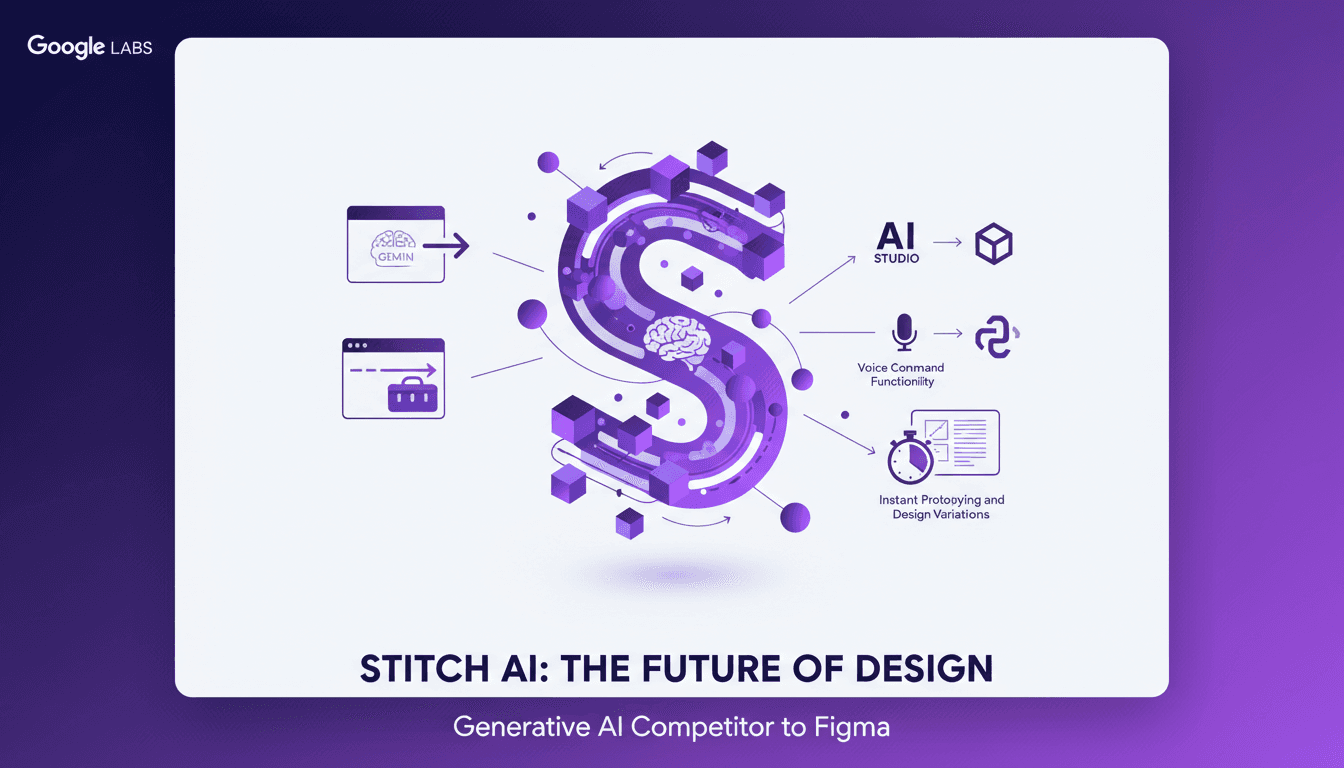
Diving into Google Stitch's latest update was like stepping into a new era of design. With Gemini model integration and voice commands, this isn't just another tool—it's a game changer. I'll show you how I leveraged these features. Google Labs has turned Stitch into a powerhouse generative AI design tool, extracting design standards from URLs and exporting to Figma and React. It's a serious contender to Figma. But watch out for the pitfalls, and I'll guide you through them.
Machine Payments Protocol: AI Agents Take Charge
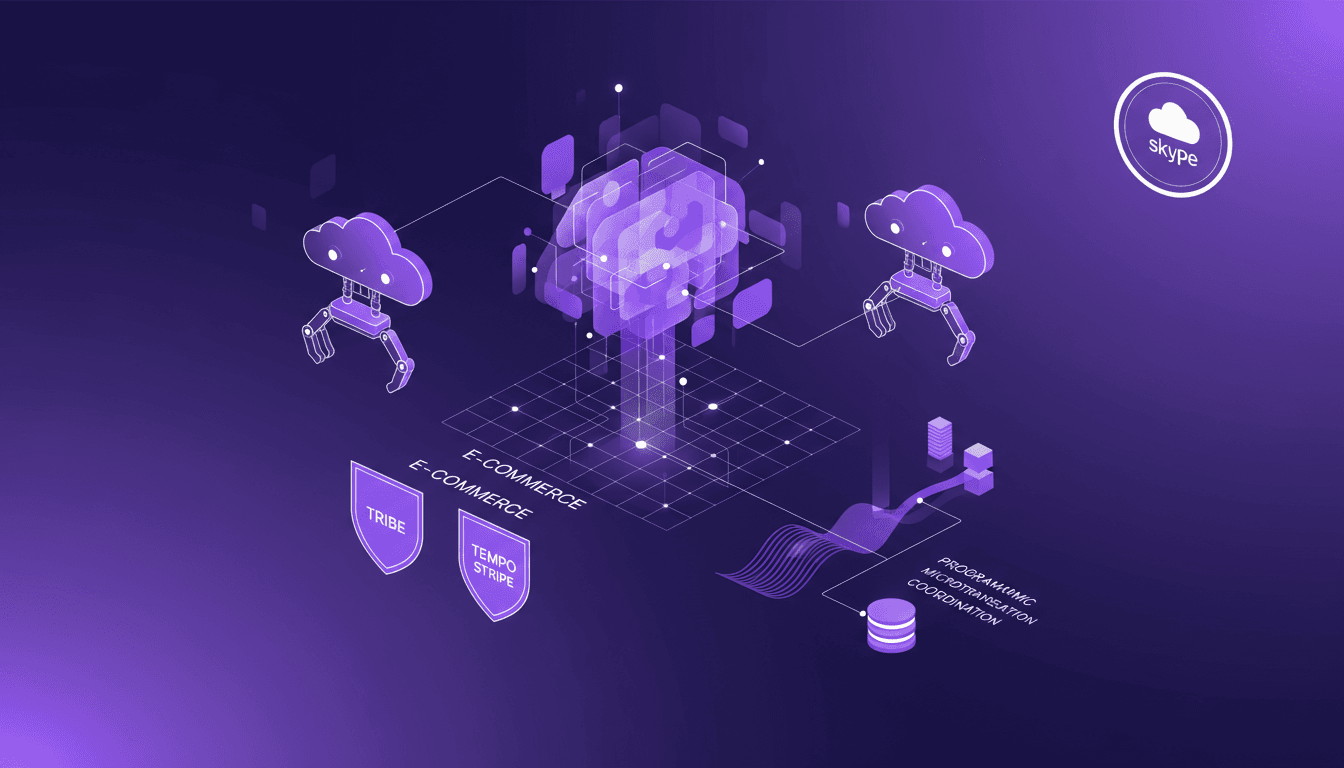
I still remember the first time I saw a cloudbot autonomously handle a transaction. The Machine Payments Protocol (MPP) isn't just a concept – it's a real game changer for agent-driven e-commerce. Co-authored by Tempo and Stripe, this protocol redefines how AI agents manage microtransactions, making human intervention obsolete. In this article, I'm diving into how the MPP revolutionizes efficiency and cost savings. We’ll talk about the launch by Tribe, the role of cloudbots and open claws, and Skype's significance as a major payment provider. Buckle up, we're diving into this new world.
Poly AI in Langmith: Enhance Your Traces
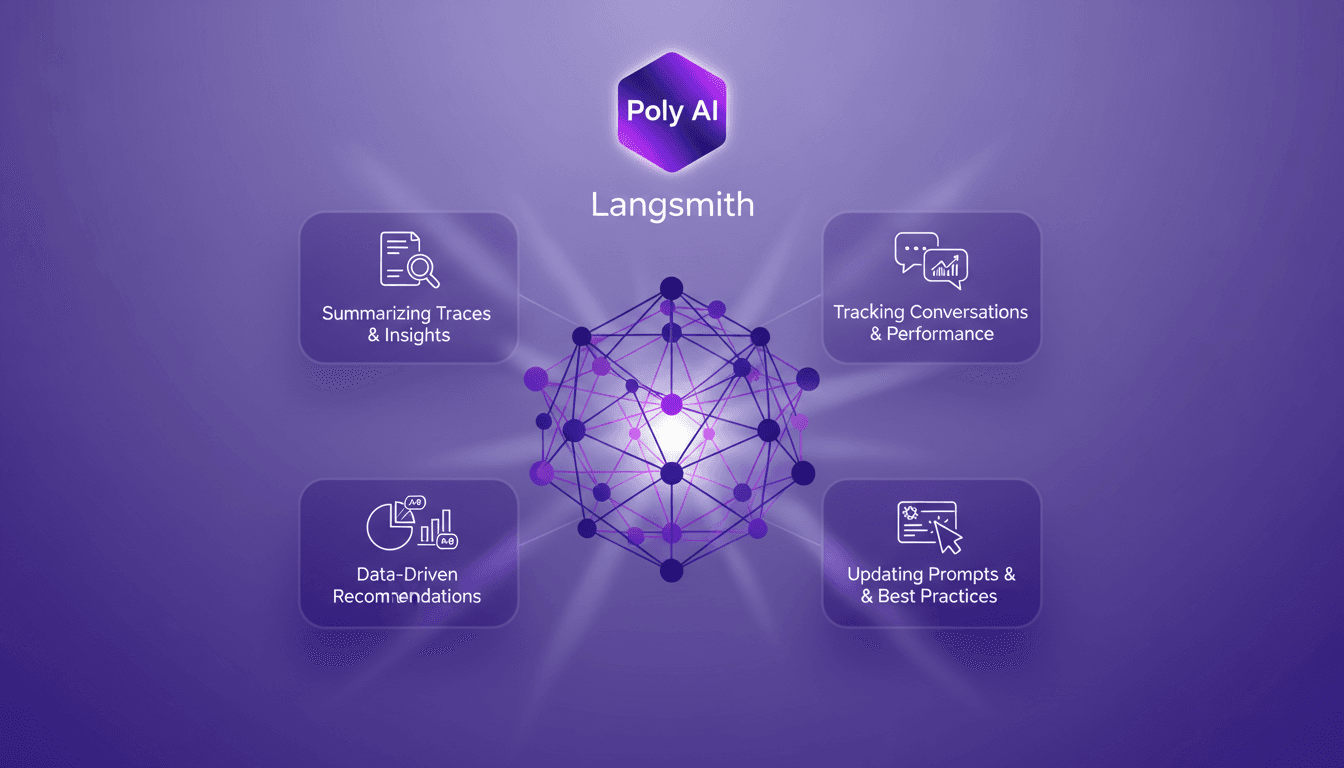
I recently integrated the Polly AI Assistant into Langmith, and let me tell you, it's like having a supercharged co-pilot. The first thing I noticed? How it transformed my workflow for tracking conversations and updating prompts. Polly provides tools for summarizing traces, offering insights, and making data-driven recommendations. It's a game changer for anyone looking to optimize agent performance and experiment with new prompts. In this article, I'll show you how to leverage these capabilities to boost your workflow and enhance your performance.
LangChain & Nvidia: Create Your AI Agent
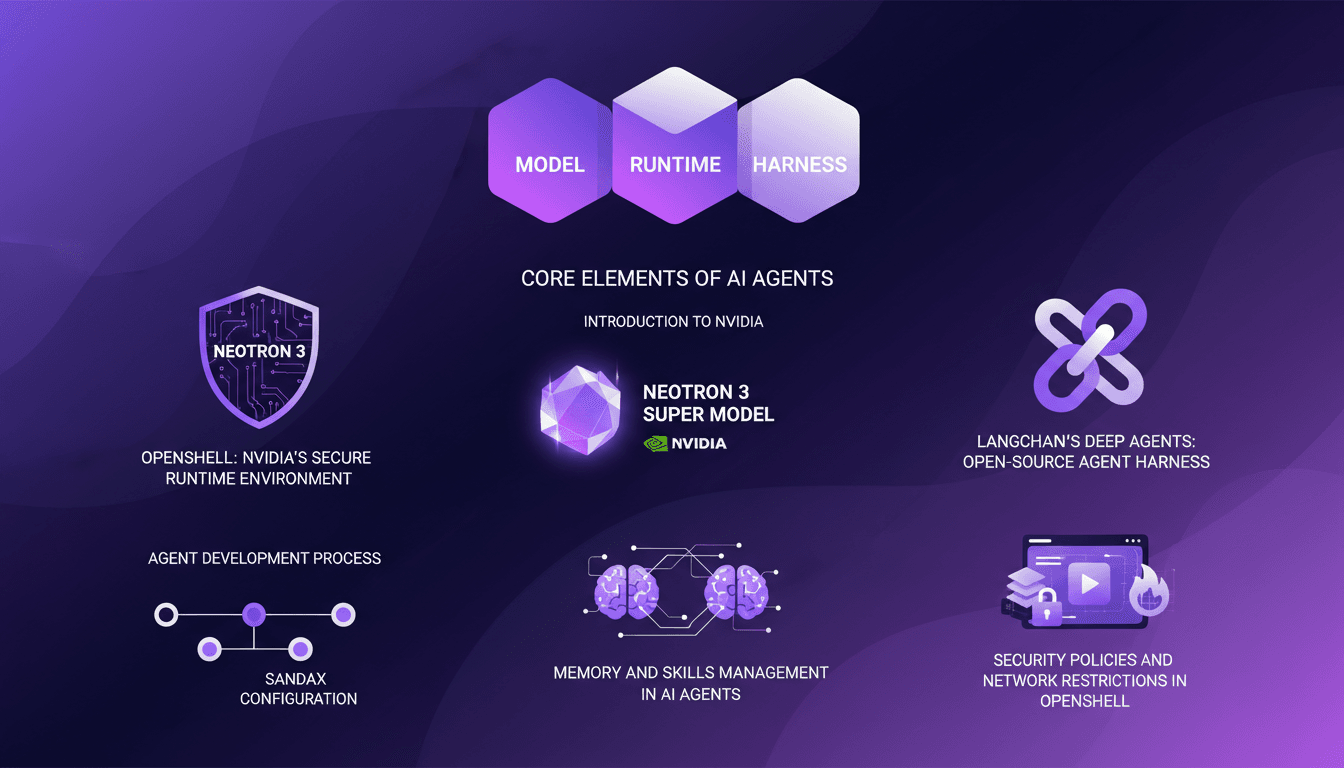
I dove headfirst into building AI agents using LangChain and Nvidia's latest tech, and it's been a game changer. First, I connected my Neotron 3 model, then secured the runtime with OpenShell. LangChain's Deep Agents helped me craft an open-source harness, and juggling the agent's memory and skills was both complex and fascinating. But watch out, the security policies and network restrictions in OpenShell can be tricky. If you're looking to build your own AI agent, I break down how I orchestrated it all.