Machine Payments Protocol: AI Agents Take Charge
I still remember the first time I saw a cloudbot autonomously handle a transaction. The Machine Payments Protocol (MPP) isn't just a concept – it's a real game changer for agent-driven e-commerce. Co-authored by Tempo and Stripe, this protocol redefines how AI agents manage microtransactions, making human intervention obsolete. In this article, I'm diving into how the MPP revolutionizes efficiency and cost savings. We’ll talk about the launch by Tribe, the role of cloudbots and open claws, and Skype's significance as a major payment provider. Buckle up, we're diving into this new world.
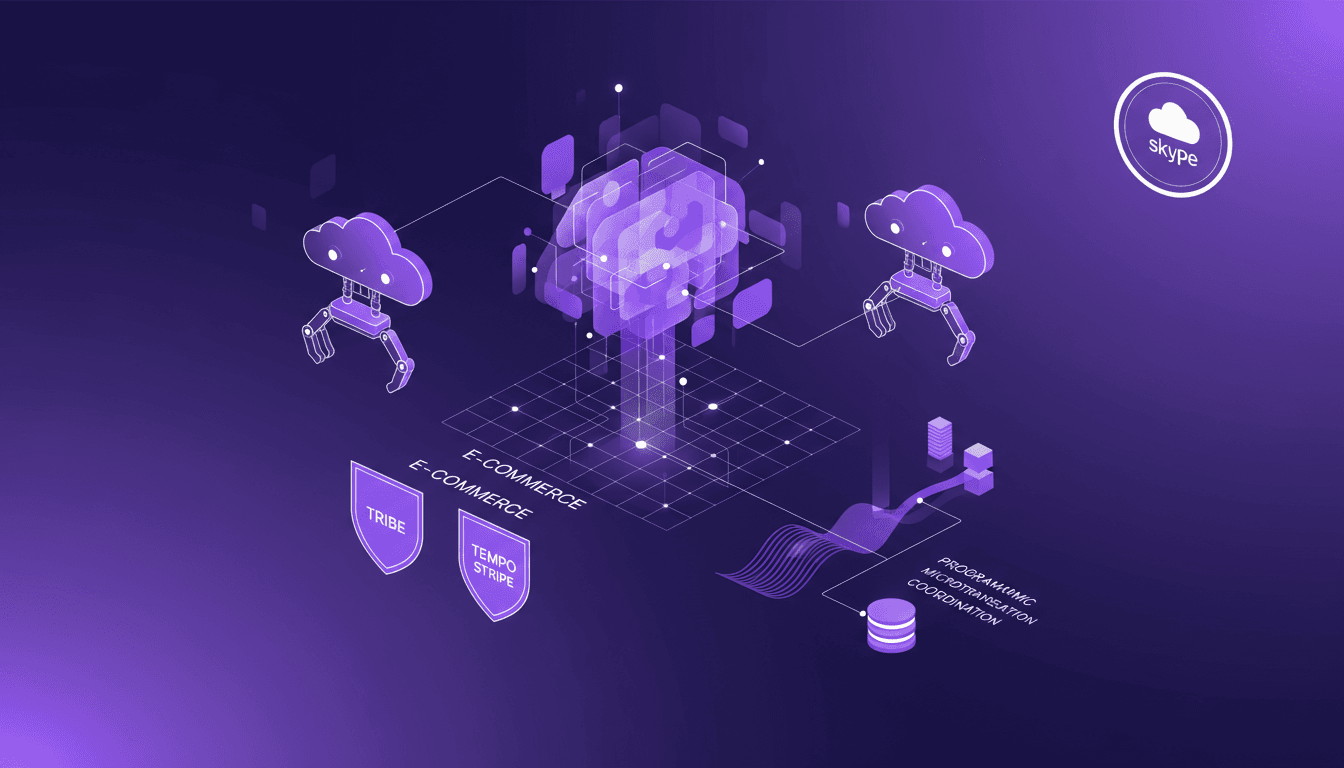
I still remember the first time I watched a cloudbot autonomously handle a transaction. It was a shock, a real glimpse into the future. Today, with the Machine Payments Protocol (MPP), co-authored by Tempo and Stripe, we've taken a giant leap forward. What was once a science fiction vision is now a concrete reality. The MPP allows AI agents to manage microtransactions without human intervention, and that changes everything. Imagine slashing costs and boosting efficiency without constant human effort. In this article, I'm going to break down this groundbreaking protocol, its launch by Tribe, and the impact of cloudbots and 'open claws' on e-commerce. Oh, and don't underestimate the role of Skype as a major payment provider. Get ready to explore how these elements come together to transform the digital financial landscape.
Understanding the Machines Payments Protocol
The Machines Payments Protocol (MPP) has recently entered the scene of AI-driven transactions, and it's no small addition. This open standard, co-authored by Tempo and Stripe, provides a new way for agents to programmatically coordinate payments. Imagine your cloudbots and open claws managing payments on your behalf, without human intervention. This is the future of agent-driven e-commerce.
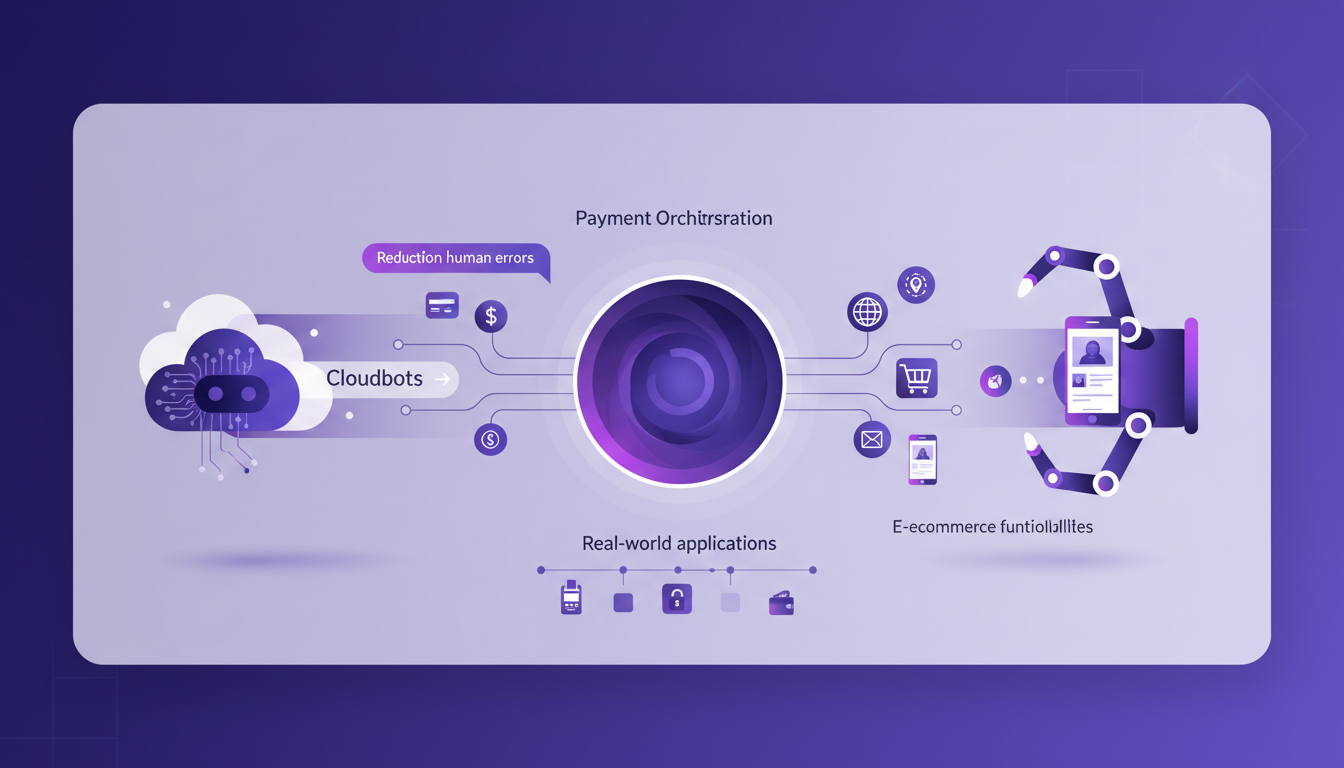
Integrating MPP with existing systems like Stripe is crucial. With the x402 protocol identifier used by Coinbase, transitioning between different payment systems becomes seamless. This co-authorship by Tempo and Stripe only adds to the credibility of this protocol, which could ultimately redefine how we perceive digital transactions.
- MPP is an open standard, co-authored by Tempo and Stripe.
- Uses the x402 identifier, recognized by Coinbase.
- Allows cloudbots and open claws to manage payments automatically.
Capabilities of Cloudbots and Open Claws
Cloudbots are powerful tools in automating payment processes. By reducing human error, they enable more efficient and secure transaction management. It's like having a virtual assistant that never sleeps.
Meanwhile, open claws extend e-commerce functionalities by allowing more dynamic and personalized interactions. This translates to a better user experience and optimized services offered.
In practice, these technologies are already used to orchestrate payments automatically. However, watch out for current limitations: the increasing complexity of systems can sometimes lead to bugs or failures.
- Automation of payments by cloudbots.
- Extension of e-commerce functionalities with open claws.
- Reduction of human errors through automation.
Programmatic Payment Coordination and Microtransactions
Programmatic payment coordination greatly simplifies microtransactions. With MPP, these small transactions become more economical by reducing associated costs. It's like moving from a hammer to a power drill: same job, but faster and more efficient.
APIs play a crucial role in making payment integration seamless. But let's not get too carried away: gains from automation can introduce security risks. It's crucial to balance benefits and risks carefully.
- Simplification of microtransactions through programmatic coordination.
- Reduction in transaction costs.
- Seamless payment integration via APIs.
Demo by Tempo: API Integration in Action
Tempo recently showcased a demo of MPP API integration, and here's how it goes. First step, set up your development environment. Then, integrate the API code provided by Tempo. It's intuitive, but watch out not to neglect validation steps to avoid costly errors.
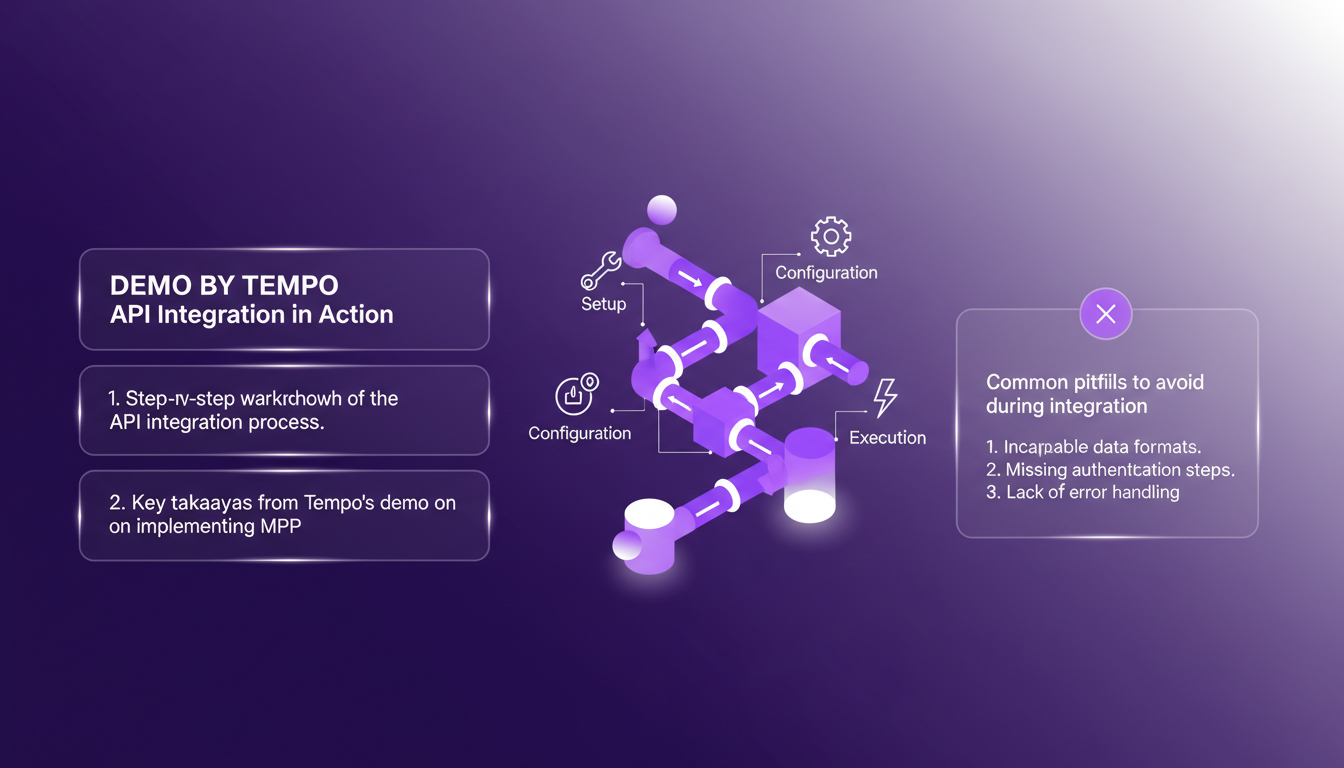
Key takeaways from this demo include the necessity to rigorously test each step and monitor the impact on business performance. Take the time to measure how adopting MPP affects your workflow and profitability.
- API integration steps: setup, integration, validation.
- Avoid common pitfalls during integration.
- Measure the business impact of adopting MPP.
The Future of Agent E-commerce with MPP
Looking to the future, we can expect AI agents to play an increasingly central role in e-commerce. The potential for MPP to expand into other industries is immense, but it will require balancing innovation with regulatory and security concerns.
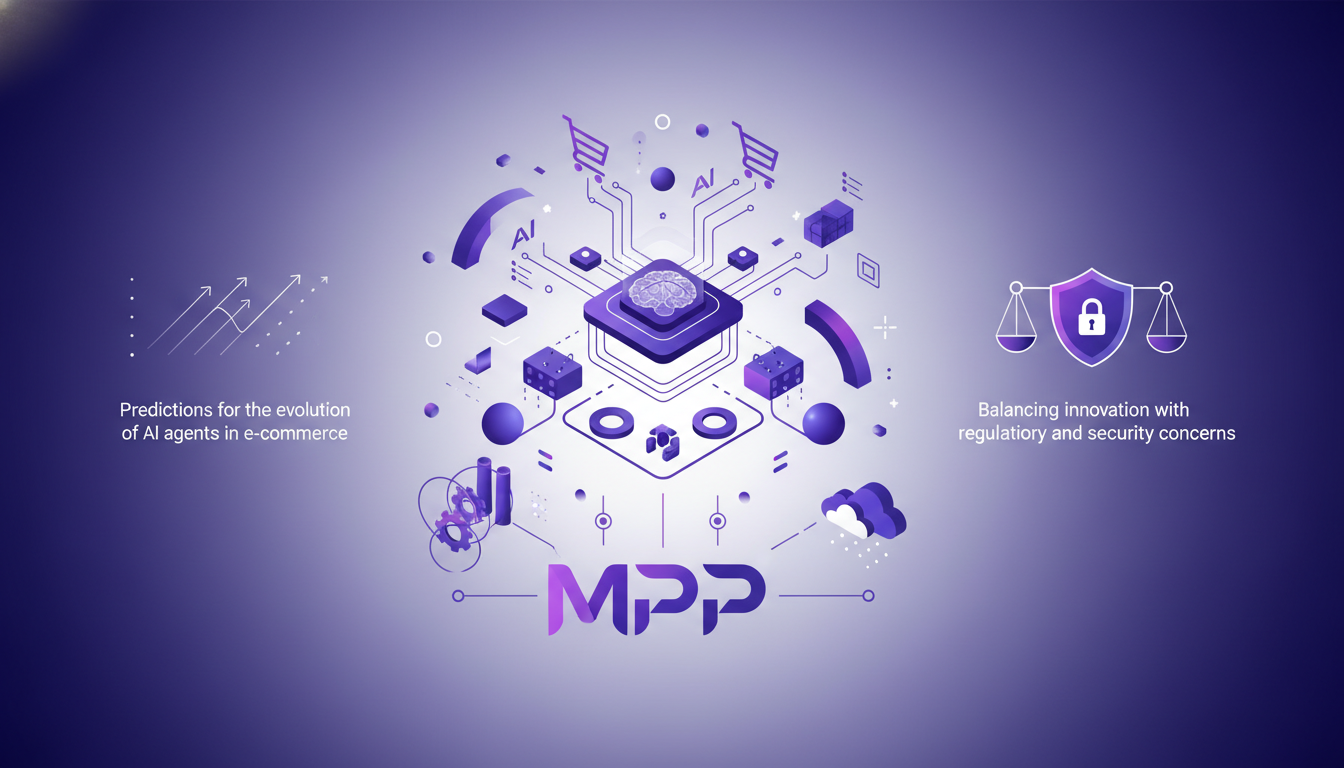
Ultimately, the transformative power of MPP should not be underestimated. It is a significant advancement that could well redefine the rules of the game.
- AI agents in the future of e-commerce.
- Potential expansion of MPP into other industries.
- Innovation vs. regulatory and security concerns.
So, the Machines Payments Protocol isn't just a tech toy, it's a strategic shift for AI in commerce. By automating payments, we're not only saving time and cutting costs, but we're laying the groundwork for a new era of digital transactions.
- First, I saw how Tribe launched this game-changing protocol with cloudbots and open claws in agent e-commerce.
- Then, the co-authorship by Tempo and Stripe shows the power of collaboration in pushing this forward.
- Finally, the programmatic coordination of payments and microtransactions is a massive efficiency boost.
Look, we talk about the x402, the protocol identifier used by Coinbase, which shows how it's already making waves in the market. But be aware of potential limitations in initial adoption – always check compatibility with your internal systems.
Honestly, I'm convinced this could transform how we do business. Ready to integrate MPP into your systems? Take a look at the API documentation and see how you can leverage this protocol for your business.
I really recommend watching the full video to dive deeper, it's a must for anyone wanting to stay ahead: YouTube.
Frequently Asked Questions

Thibault Le Balier
Co-fondateur & CTO
Coming from the tech startup ecosystem, Thibault has developed expertise in AI solution architecture that he now puts at the service of large companies (Atos, BNP Paribas, beta.gouv). He works on two axes: mastering AI deployments (local LLMs, MCP security) and optimizing inference costs (offloading, compression, token management).
Related Articles
Discover more articles on similar topics
LangChain & Nvidia: Create Your AI Agent
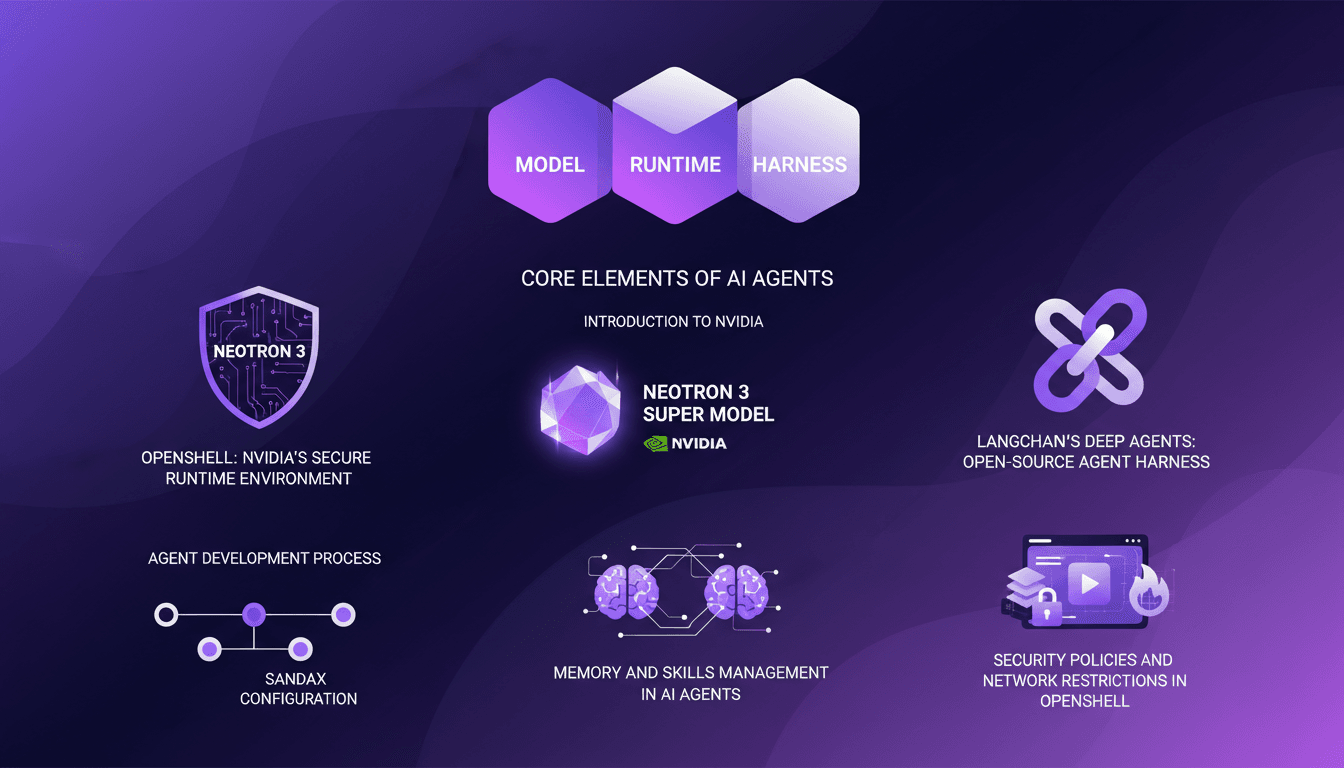
I dove headfirst into building AI agents using LangChain and Nvidia's latest tech, and it's been a game changer. First, I connected my Neotron 3 model, then secured the runtime with OpenShell. LangChain's Deep Agents helped me craft an open-source harness, and juggling the agent's memory and skills was both complex and fascinating. But watch out, the security policies and network restrictions in OpenShell can be tricky. If you're looking to build your own AI agent, I break down how I orchestrated it all.
Automate Without Coding Using Claude Code
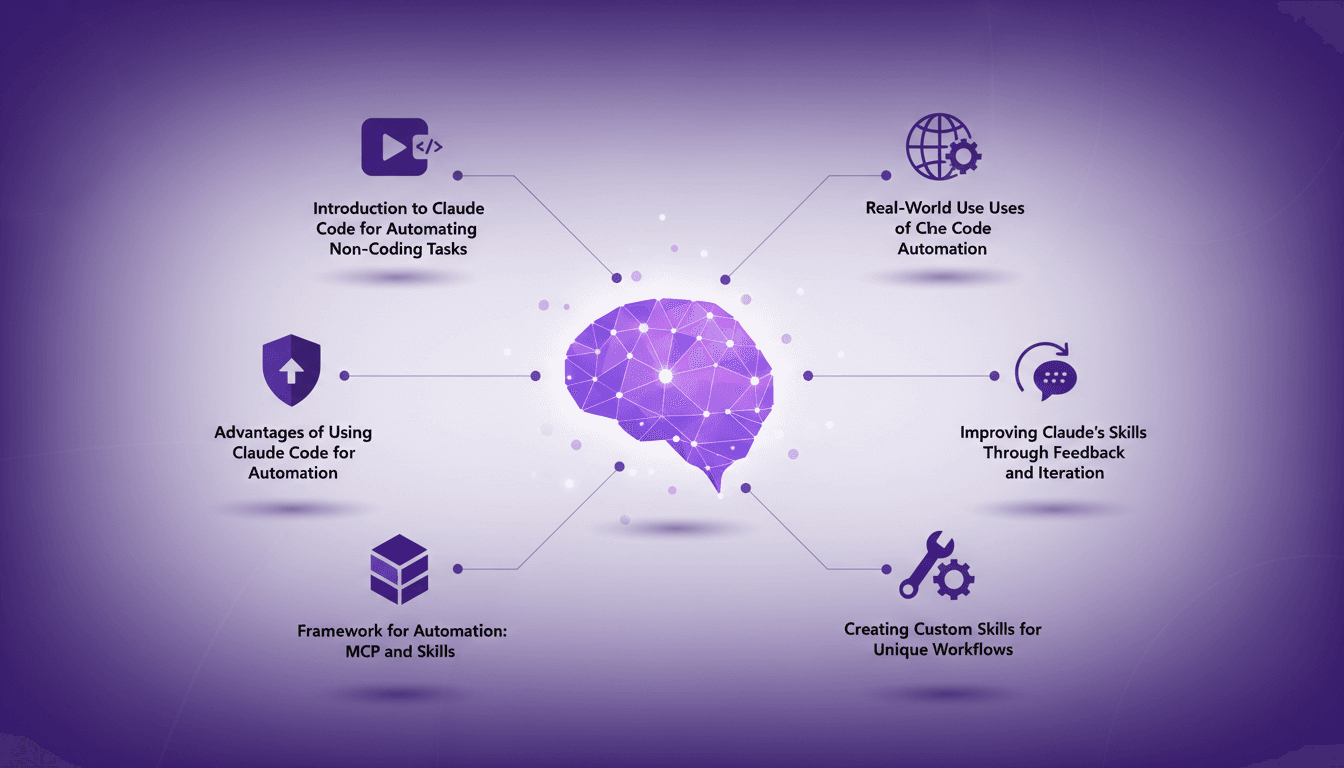
I still remember the moment I realized I could automate my tasks without writing a single line of code. It felt like uncovering a secret weapon. With Claude Code, I turned repetitive tasks into efficient workflows, saving time and reducing errors. In this article, I'll show you how I did it, covering the frameworks, real-world applications, and how you can tailor it to your unique needs. If efficiency is your goal, you won't want to miss this.

AI in Sales: Replacing the Sales Rep
I've been in the real estate game long enough to spot a true game changer when it comes along. Initially, when I integrated AI into my sales process, I was skeptical. But let me tell you, it's not just hype. This AI caller didn't just assist; it replaced a sales rep and sold a property at 123 Main Street faster than I thought possible. In a real estate world where efficiency and speed are everything, AI is no longer just a theory; it's a reality that's changing the game. Let's explore how AI is redefining property sales, tackling financial hurdles, and what it means for us in the field.
AI Agents: Speeding Up Software Development
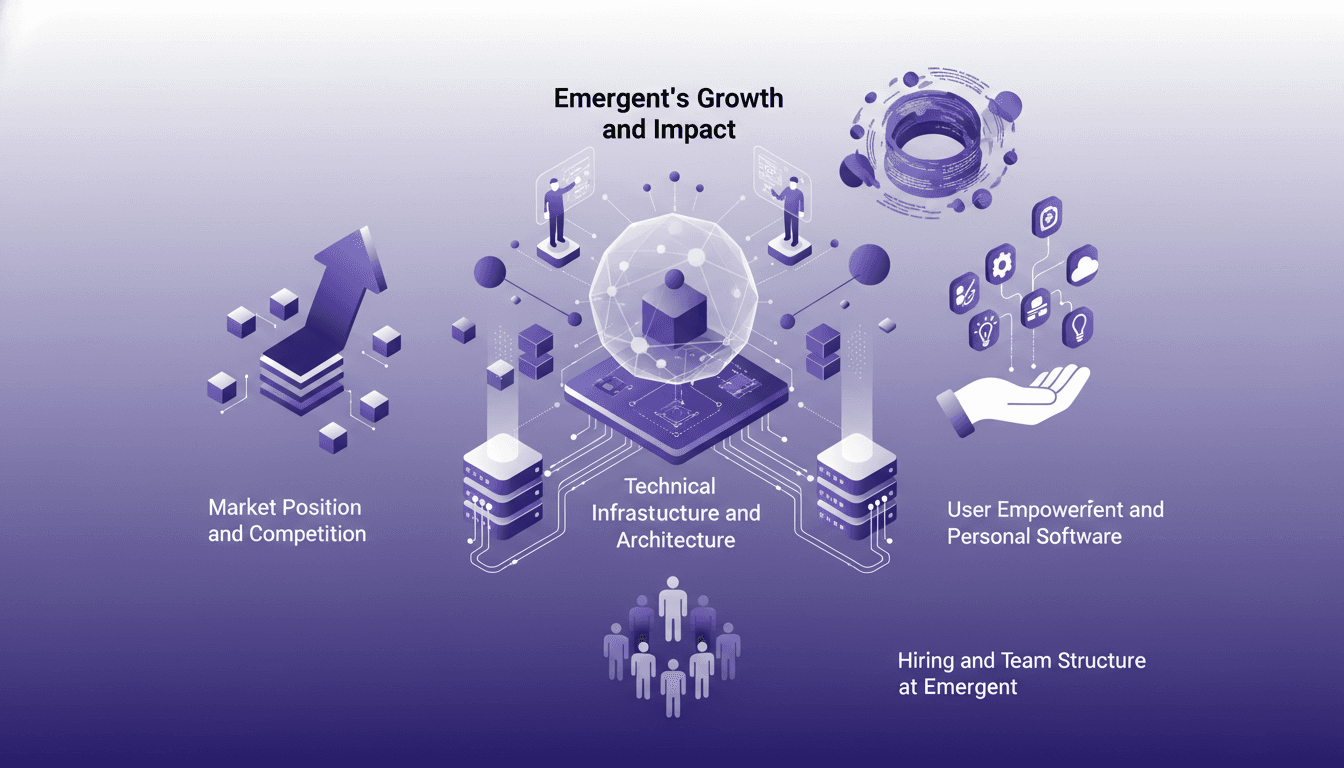
I've been knee-deep in AI development for years, and when I first heard about Emergent's AI agents for non-technical users, I was skeptical. But diving into their infrastructure and seeing the impact firsthand, I realized these tools are reshaping software development. Emergent has built a platform where even non-tech users can harness AI agents’ power. With a growing user base and robust infrastructure, they're setting new tech industry standards. From technical architecture to user empowerment and even team structure, this is a game-changer. Sure, there are challenges, but the potential is massive.
Can AI Really Boost Sales Performance?
I've spent a decade in sales, and let me tell you, AI is changing the game. Not just in theory, but in how we actually close deals. Let's dive into how AI can outperform traditional methods and the real-world impact it has on our sales teams. AI is no longer a futuristic concept; it's here, reshaping how we approach sales. This isn't just about automating tasks—it's about enhancing performance and efficiency. We'll explore practical strategies, success stories, and the challenges you might face.