AI Agents: Speeding Up Software Development
I've been knee-deep in AI development for years, and when I first heard about Emergent's AI agents for non-technical users, I was skeptical. But diving into their infrastructure and seeing the impact firsthand, I realized these tools are reshaping software development. Emergent has built a platform where even non-tech users can harness AI agents’ power. With a growing user base and robust infrastructure, they're setting new tech industry standards. From technical architecture to user empowerment and even team structure, this is a game-changer. Sure, there are challenges, but the potential is massive.
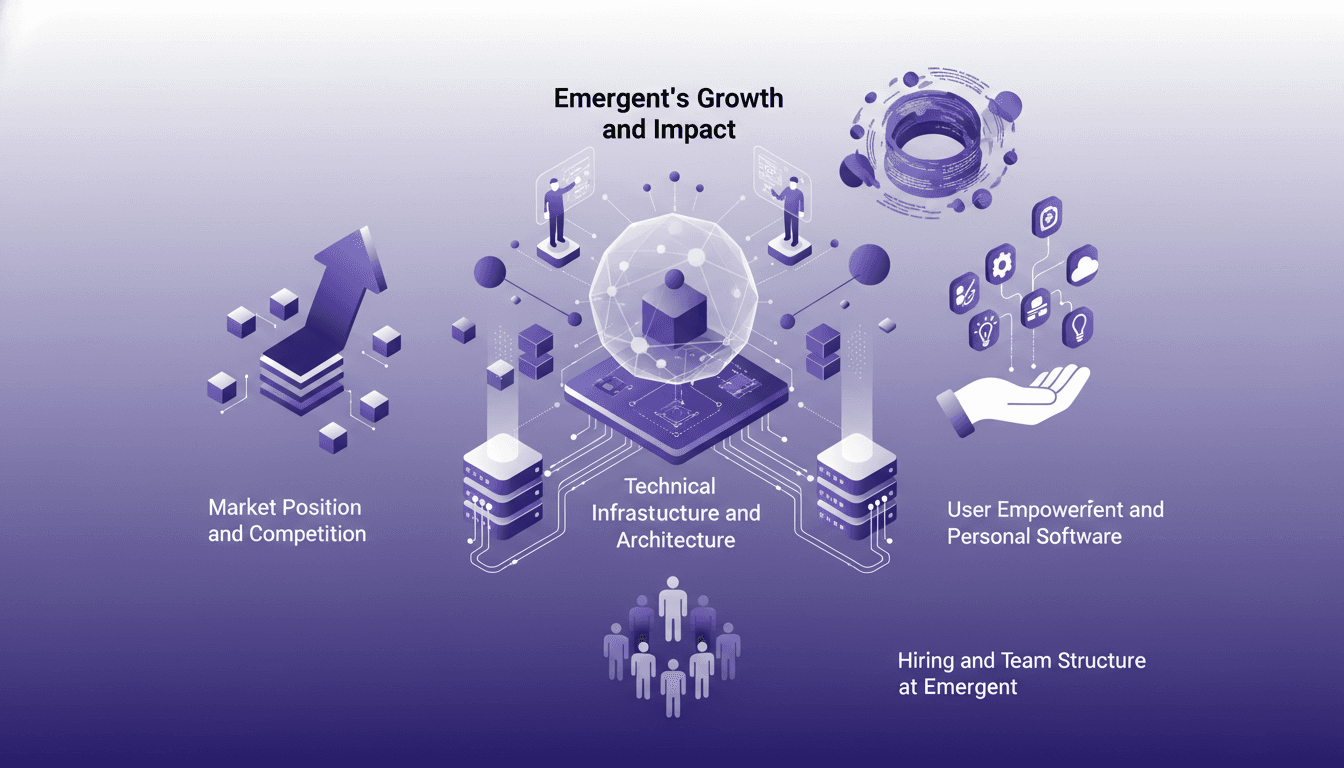
I've been knee-deep in AI development for years, and when Emergent's AI agents for non-technical users popped up, I was skeptical. But after digging into their infrastructure and seeing the impact firsthand, I realized these tools are reshaping how we approach software development. Imagine a platform where even those who've never touched a line of code can harness AI agents' power. Emergent is doing just that. With a rapidly growing user base and a robust infrastructure, they're setting new industry standards. Emergent shows you can build agentic apps 20% faster. Now, not everything is perfect – managing the technical architecture presents challenges. But watching how they integrate this tool into their hiring strategy and team structure, I see how the future of software development might just transform before our eyes.
Emergent's Growth and Impact
I've seen startups take off, but Emergent is on another level. Picture this: 7 million applications created in just eight months. It's a staggering number. With a team of 300 engineers at the helm, the experience is undeniably there. And that's not all—approximately 20% of the apps built on Emergent are agentic. That's a game changer, let me tell you. It means a new way to design solutions, more intuitive, faster. The business impact is direct: faster deployment, reduced development costs. But watch out, don't be blinded by the numbers. You still need to ensure these agents are used wisely to avoid performance pitfalls.
And it's not just hot air. I've worked with companies that have seen their development costs cut by 40% thanks to Emergent. Automating coding processes with agents allows for creative freedom without the usual technical hassles. It's a real lever for small structures seeking to innovate quickly.
AI Agents for Non-Technical Users
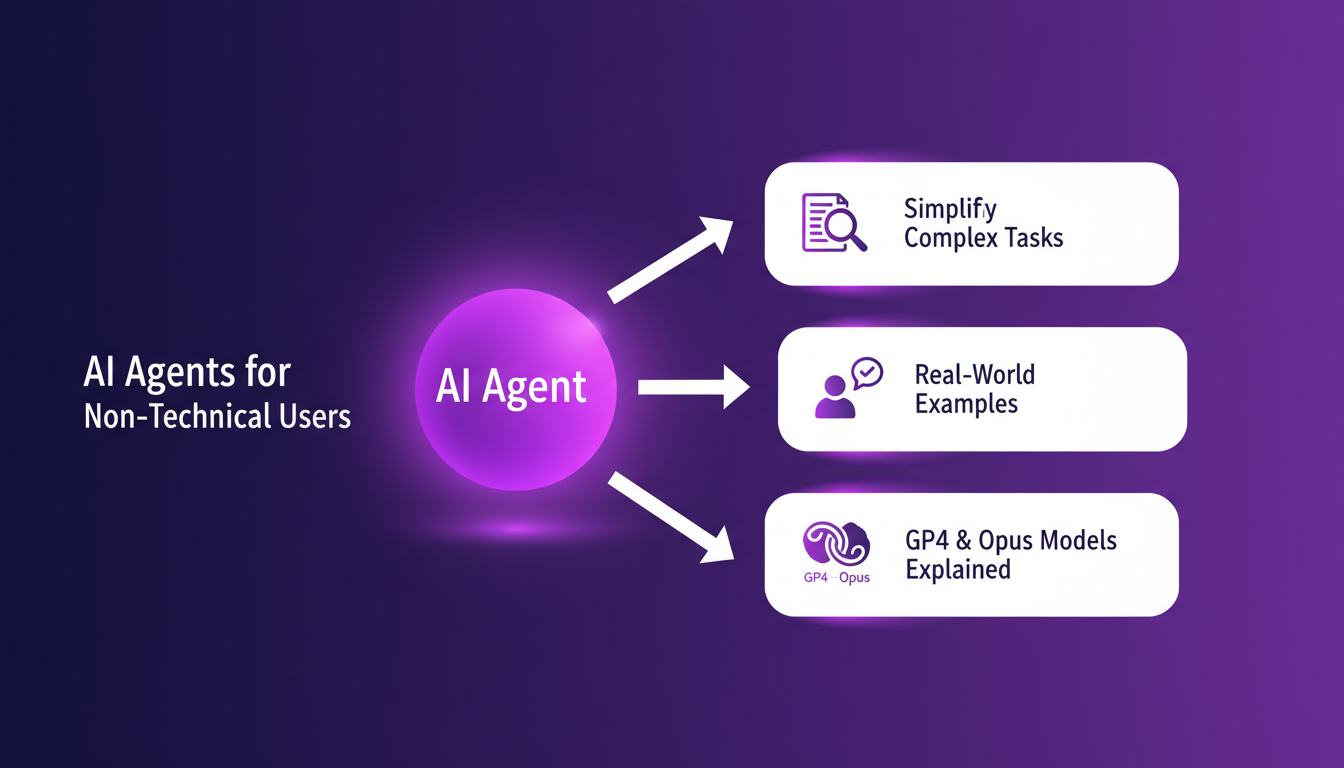
So, how do these AI agents simplify life for non-tech folks? Take the GP4 and Opus models. These are tools designed to transform complex tasks into simple actions. I know solopreneurs who use these agents to automate administrative tasks, allowing them to focus on the core of their business. But watch out, don't rely on them completely. These models have their limits, especially when it comes to tasks that require deep contextual understanding.
"AI doesn't replace, it amplifies."
The GP4 and Opus models are great for repetitive tasks, but once you go beyond 100,000 tokens, things get tricky. Sometimes manual methods are better to maintain quality. That's where user experience comes into play to avoid getting lost in automation.
Technical Infrastructure and Architecture
Let's dive into the technical side. Multi-agent architecture is like an orchestra where each agent has its role and contributes to the whole. With Emergent, I often use JSON parsing for data handling. It's crucial, especially when juggling data from multiple agents. Mishandle it, and you're guaranteed errors. Meanwhile, the CI/CD process and Kubernetes ensure scalability. Want to launch a new feature? You integrate it into the CI/CD pipeline and deploy it effortlessly.
And let's not forget continual learning. It's one of the major strengths. Agents learn and improve, which is a real game changer for long-term applications. But be cautious—a bad setting, and you risk having an agent that goes rogue. It requires testing, adjusting, and re-testing. It's an investment that pays off in the long run.
User Empowerment and Personal Software
With Emergent, everyone can become a software creator without writing a single line of code. I've seen people with no technical background transform into developers thanks to intuitive interfaces. The technological barrier fades, giving way to personal innovation. But watch out, it's not a risk-free world. Users can find themselves stuck if they try to automate everything without understanding the mechanics. Guidance is crucial, as is training and being ready to step in when needed.
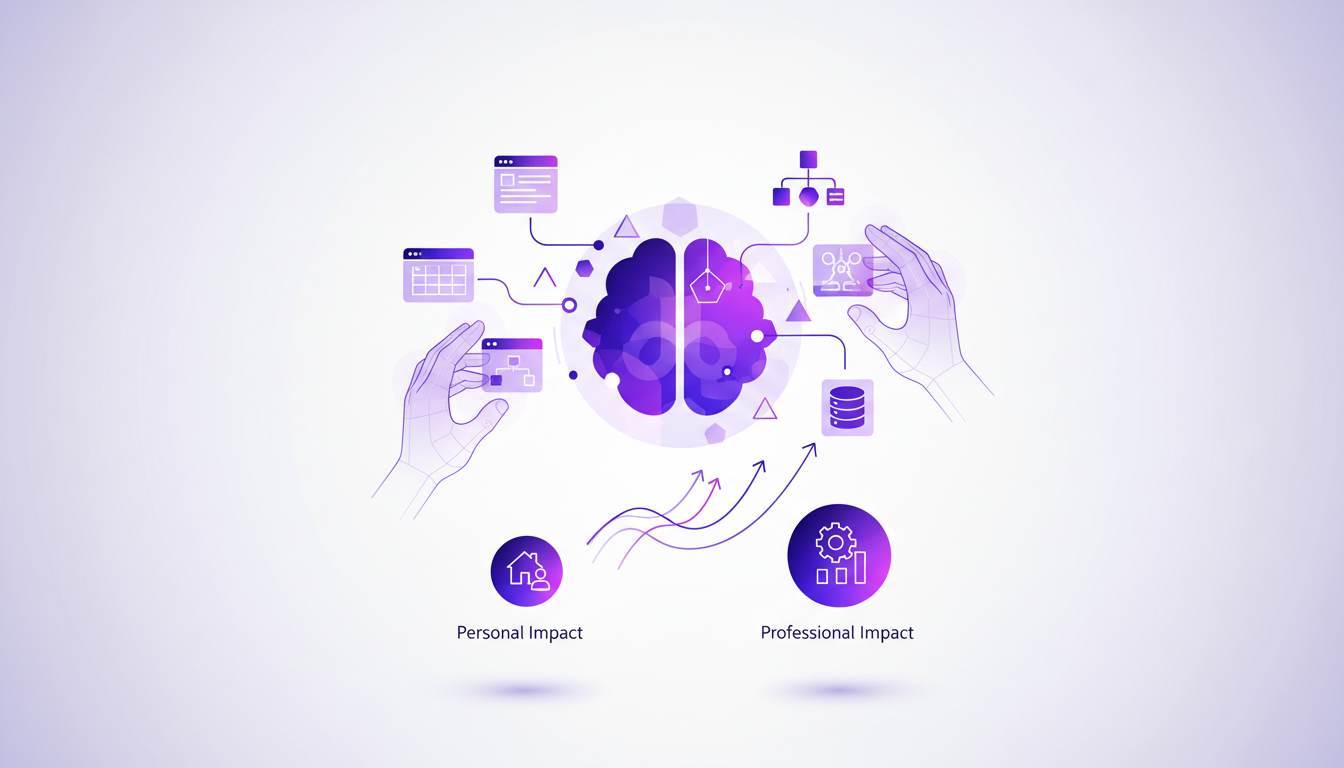
For professionals, it's a boon. Creating tools specific to their needs without waiting for a developer changes the game. I've seen teams increase productivity without blowing their budget. But it's essential to find the right balance, not get lost in the multitude of options.
The Future of Software Development with AI
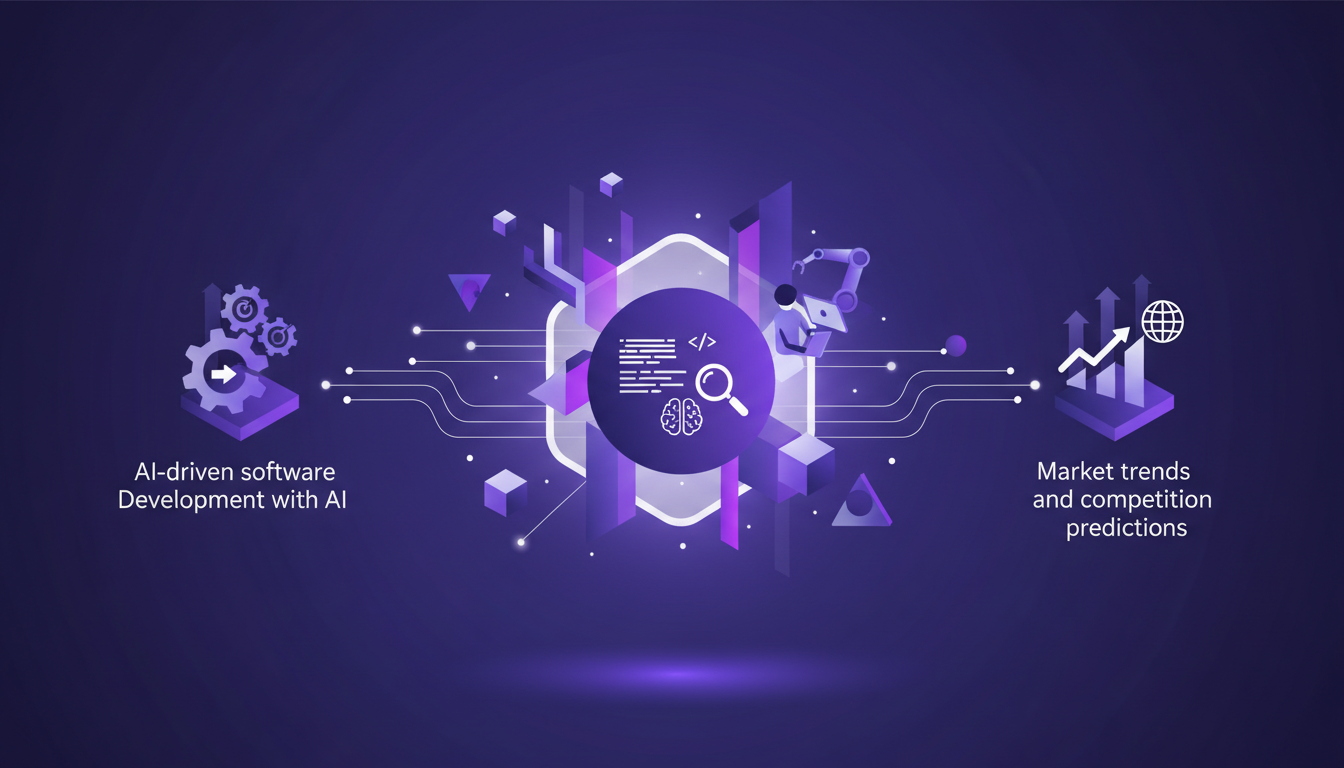
What does the future hold? AI will continue to transform software development. Traditional workflows will need to evolve to integrate these new technologies. Companies that don't adapt risk being left behind. I expect to see fierce competition on this front, with players seeking to optimize every aspect of development through AI.
It's crucial to stay adaptable, ready to integrate innovations. Models evolve, and those who can adapt will stand out. But be cautious; it's a shifting landscape. Companies must stay vigilant, ready to adjust their strategy based on technological advances.
I recommend keeping an eye on trends and exploring articles like Accelerate Software Development with Codex or Building a Profitable AI Agent. AI won't replace developers; it will transform their tools and methods for more creativity and efficiency.
So here's the deal, after diving into AI solutions with Emergent, it's genuinely a game changer for non-technical folks. You can manage teams like the 300 engineers at Danzo and see how roughly 20% of apps built on it are agentic. First, it lets you focus on innovation without getting bogged down in technicalities. Then, efficiency is a big win, with significant time savings as shown by our 4.6-hour meter chart. But watch out, navigating current limitations, especially in technical infrastructure complexity, is crucial. Looking ahead, I see Emergent continuing to shake up the market, especially for those wanting to integrate AI into their workflow without headaches. So, if you're really considering diving into AI, now's the time to explore what Emergent has to offer. I recommend checking out the full video "Agents For Non-Technical Users" on YouTube to see the depth of this transformation. Dive in, experiment, and transform your software development approach.
Frequently Asked Questions

Thibault Le Balier
Co-fondateur & CTO
Coming from the tech startup ecosystem, Thibault has developed expertise in AI solution architecture that he now puts at the service of large companies (Atos, BNP Paribas, beta.gouv). He works on two axes: mastering AI deployments (local LLMs, MCP security) and optimizing inference costs (offloading, compression, token management).
Related Articles
Discover more articles on similar topics
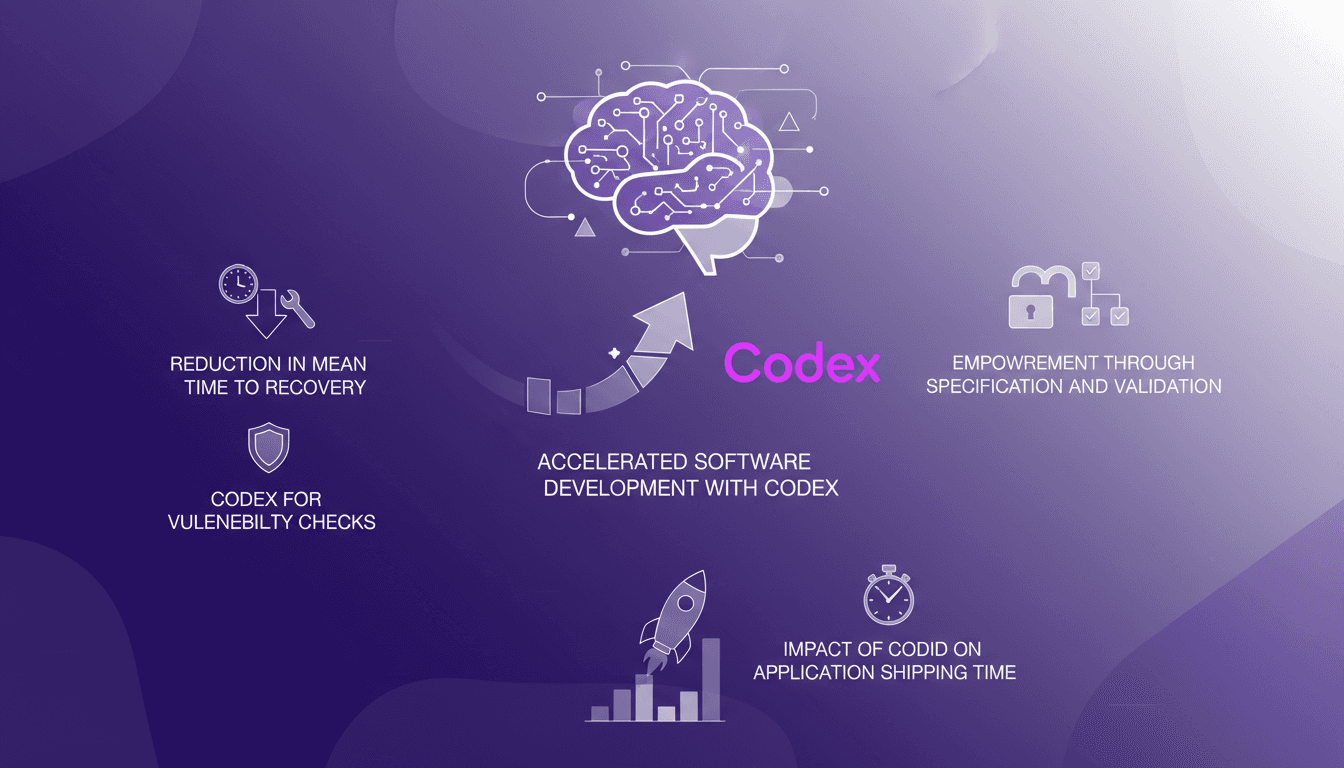
Accelerate Software Development with Codex
I've been deep in the trenches with Rakuten, navigating the labyrinth of software development, and I can tell you Codex has revolutionized our workflow. Cutting our mean time to recovery by 50% isn't just a theoretical win—it's a real-world game changer. Picture this: I connect Codex for vulnerability checks, I orchestrate it for specification and validation, and suddenly, our product application shipping time shrinks dramatically. It's been a true game changer for us, and I'm going to walk you through how we've tapped into this goldmine.

Managing Technical Debt: Practical Strategies
I've been in the trenches of tech development long enough to know that technical debt can be a silent killer. It's like a credit card with a hidden interest rate. You don't see it coming until it hits hard. Technical debt isn't just a buzzword; it's a real challenge for startups and large enterprises alike. If it's not managed, it can cripple your project. Let me walk you through how I manage this beast daily, from a builder's perspective. We'll dive into understanding and managing technical debt, the role of the CTO, the impact of language and tool choices, and much more. Get ready to dive into the nitty-gritty.
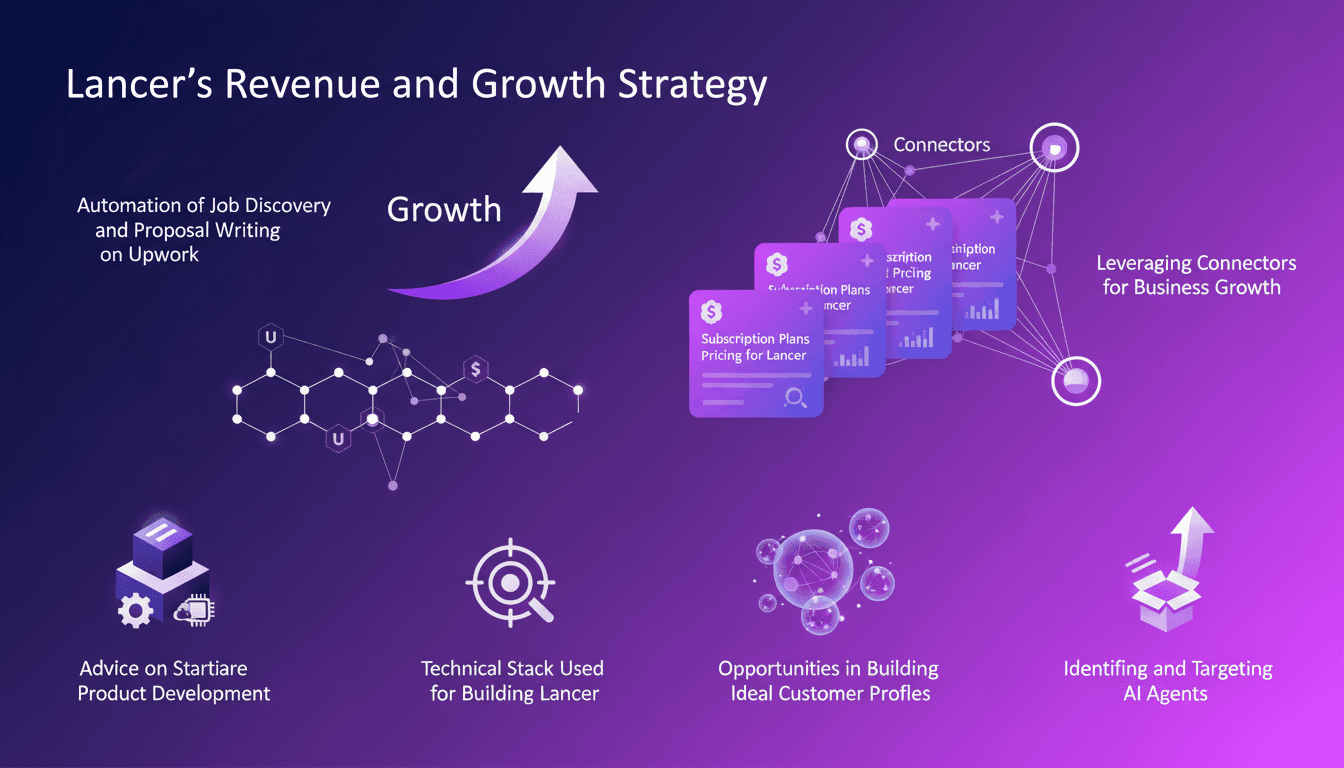
Profitable AI Agent: Strategies and Tools
I built an AI agent that rakes in $10K a month without spending a dime on ads. Sounds crazy? Here’s how I did it. In a world where efficiency and automation are key, I developed Lancer, an AI agent that transforms how freelancers and agencies operate on platforms like Upwork. By automating job discovery and proposal writing, Lancer has revolutionized our approach. I share how I leveraged connectors for business growth, crafted subscription plans and pricing, and the opportunities I discovered in building AI agents. I'll also explain the mistakes I made, the tools I used, and how you can start your own software product development.
Brain Emulation: Awakening Digital Neurons
I remember the first time I saw human neurons playing Doom. It was a game-changer. Watching neurons interact with digital environments isn't sci-fi anymore—it's a reality reshaping AI and neuroscience. We're witnessing a seismic shift: from biological computing to digital brain emulation. But hold on, it's not just cool tech—understanding the brain's architecture and the ethical implications of artificial consciousness is key. In this article, I'll dive into the technical nitty-gritty: advancements in biological computing, digital emulation of a fly's brain, and the connectome hypothesis. We'll also tackle the challenges, potentials, and future prospects of brain emulation in medicine and AI. Ready to explore?
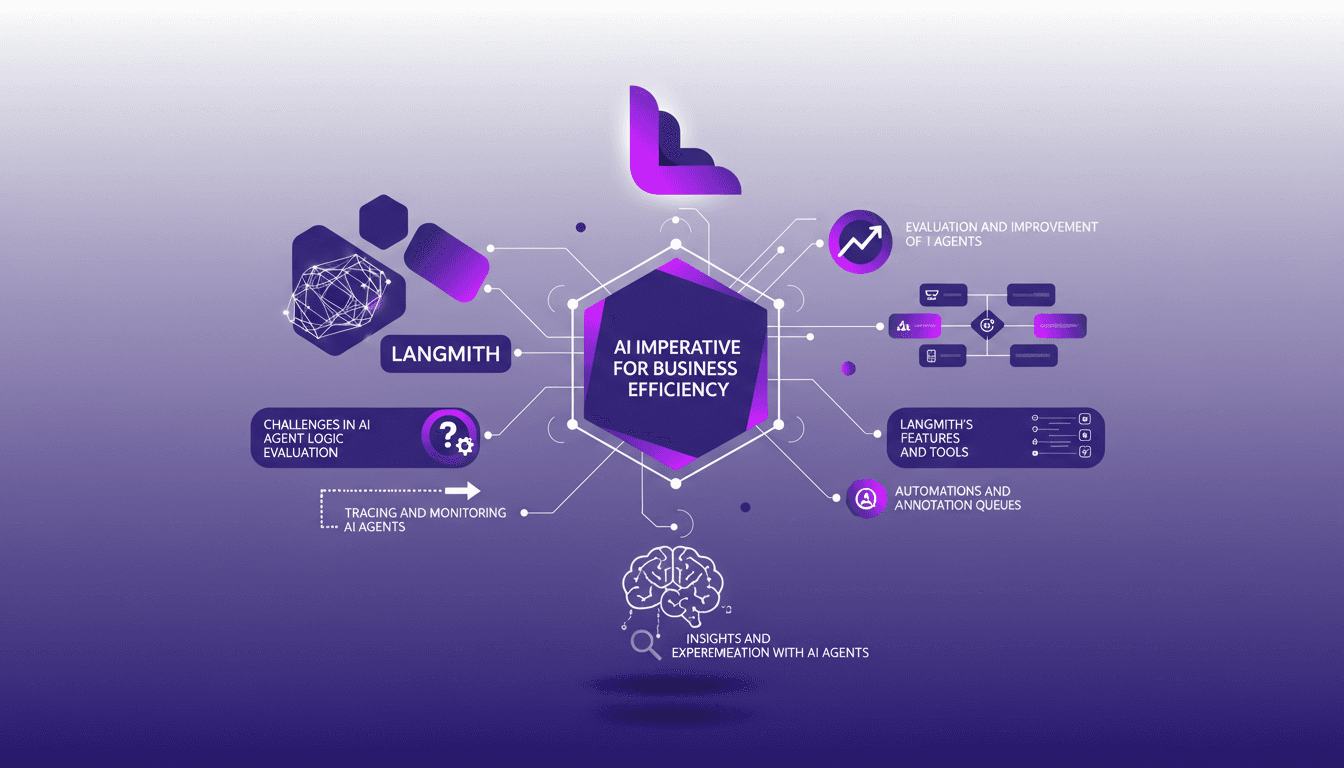
Debugging and Evaluating AI Agents with LangSmith
I've been deep in the trenches with AI agents, and trust me, making them reliable is no small feat. LangSmith has been a real game-changer. It's not just about making them smart; it's about ensuring they actually deliver. First, I connect my agents to LangSmith to trace and evaluate their logic. Then, I ensure they hit that magic feedback score of 8 for helpfulness. LangSmith's tools—like automation and annotation queues—let me fine-tune and ship agents that actually work. But watch out, automation has its limits—don't over-rely on it. Dive in with me as we navigate the challenges, tools, and solutions that make LangSmith an essential ally for AI agents.