Building an AI Startup: Impact and Strategies
I've spent countless hours in the trenches, building companies from the ground up with AI. AI isn't just a tool—it's the backbone of modern startups. I'll guide you on how to effectively leverage these transformations to turn your company into a more agile and efficient organization. We're diving into closed-loop systems, AI-driven productivity, and maximizing token usage over headcount. Whether you're an early-stage founder or looking to transition an existing company, it's time to dive into the AI universe.
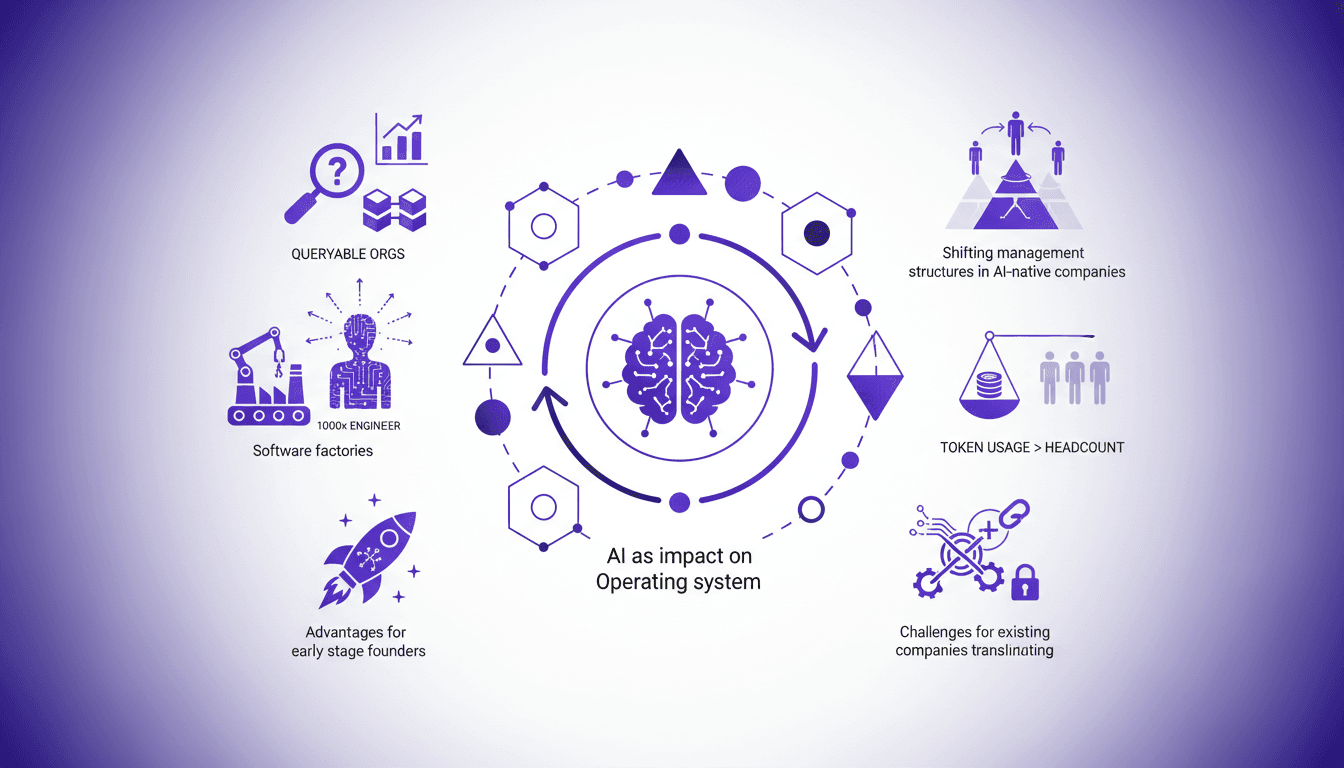
I've spent countless hours in the trenches, building companies with AI from the ground up. Let me tell you, AI isn't just a tool—it's the backbone of modern startups. First, I'll share real workflows and pitfalls I've navigated (and yes, I got burned more than once). AI is reshaping startup operations, from closed-loop systems to AI-driven productivity. I'll walk you through how to leverage these changes to build a more efficient and agile company. We're diving into AI's impact on startup operations, how closed-loop systems and AI can become your operating system, and why maximizing token usage over headcount is the way to go. Whether you're an early-stage founder or looking to transition an existing company, it's time to dive into the AI universe.
AI's Impact on Startup Operations
Kicking things off, the integration of AI in startup operations is a real game changer. Often, we talk about cutting operational costs through automation of repetitive tasks. Let me give you a concrete example: in my agency, I implemented AI tools to handle day-to-day administrative tasks, and I observed a 30% reduction in costs. That's huge for a small setup. But it's not just about automation; AI also accelerates decision-making. With predictive analytics tools, I was able to anticipate market trends and quickly adjust our strategies. However, watch out for the trade-offs: integrating AI brings challenges like data privacy concerns and system compatibility issues.
Speaking of compatibility, it's crucial to integrate AI strategically to avoid information silos. AI tools can boost team productivity, but they need to be implemented thoughtfully. For instance, in my startup, implementing an AI-based management system halved our internal coordination time, getting us close to the "10x" improvements mentioned in the video.
- 30% reduction in operational costs through automation.
- Faster strategic decisions with predictive analytics tools.
- Integration challenges: data privacy and compatibility.
Closed-Loop Systems: AI as an Operating System
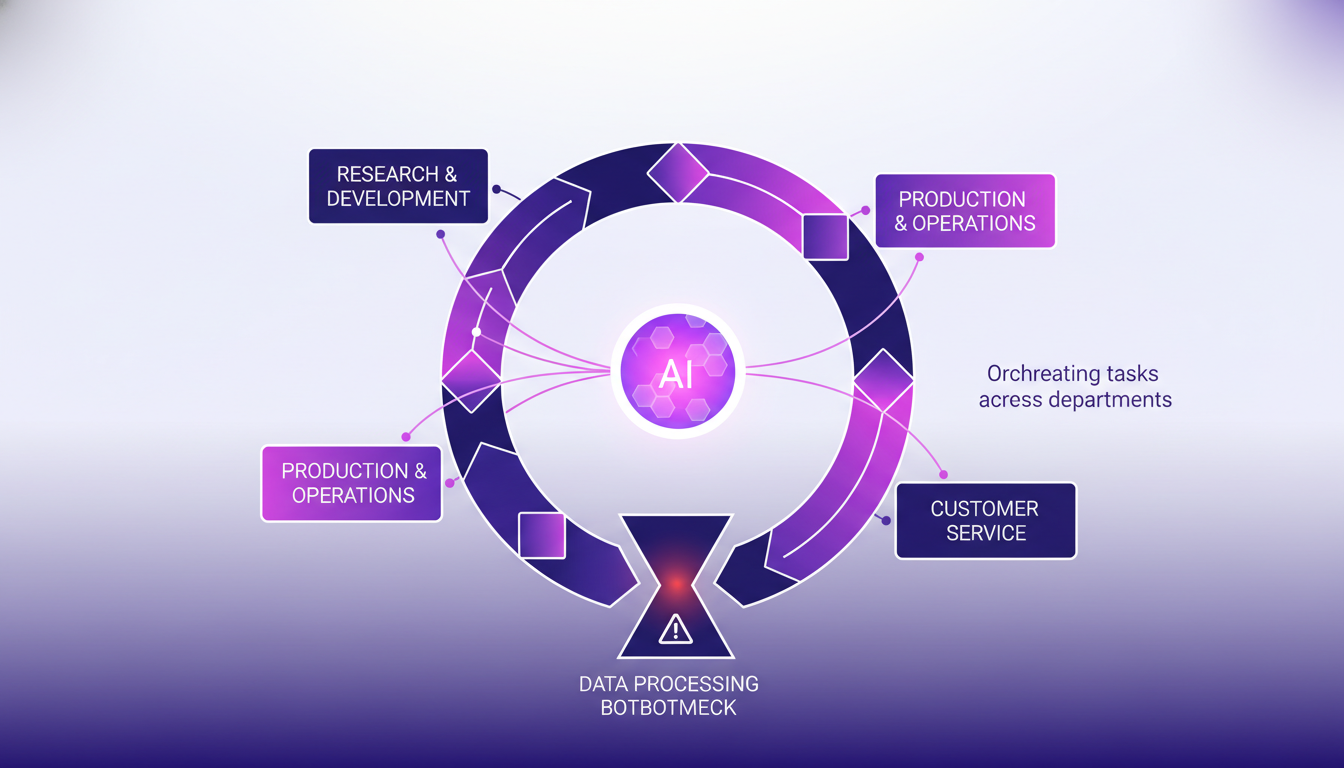
Next, let's talk about closed-loop systems. This is where AI becomes the true operating system of your company. As a practitioner, I've implemented such a system in my startup, and the continuous improvement is tangible. We orchestrate tasks across departments, and every feedback is used to refine processes. However, watch out for data processing bottlenecks. Once, I underestimated the required computing power, and it cost me dearly in performance.
It's like your company becomes a well-oiled machine, where every cog is optimized in real-time. I've seen teams reduce their sprint times by up to 50% thanks to this model. Closed-loop systems allow for capturing, analyzing, and reacting to data continuously, creating an adaptive and resilient environment.
- Continuous optimization through real-time feedback.
- Up to 50% reduction in sprint times.
- Watch out for data processing bottlenecks.
Queryable Organizations and AI-Driven Productivity
Then, we tackle the concept of queryable organizations. By making the entire organization accessible in real-time, you facilitate data access and insights. In my experience, this transformed our decision-making, making it both faster and more accurate. You gain agility, but be careful not to become too reliant on AI outputs. I've seen cases where over-reliance on these tools led to biased decisions.
To set up a queryable organization, I started by integrating custom dashboards that centralize all key company data. It's a real time-saver. AI can then analyze this data to provide strategic recommendations. However, it's essential to maintain a critical eye on these recommendations.
- Real-time data access: speed and accuracy gain.
- Setup of centralized dashboards for an overview.
- Beware of over-reliance on AI outputs.
Software Factories and the Thousandx Engineer
Another exciting topic: the thousandx engineer. The idea is to maximize individual output with AI tools. In my startup, I experimented with this approach, and the result is astonishing. AI allows one engineer to do the work of many, but you need to balance this with human oversight. I learned the hard way that blind trust can lead to costly errors.
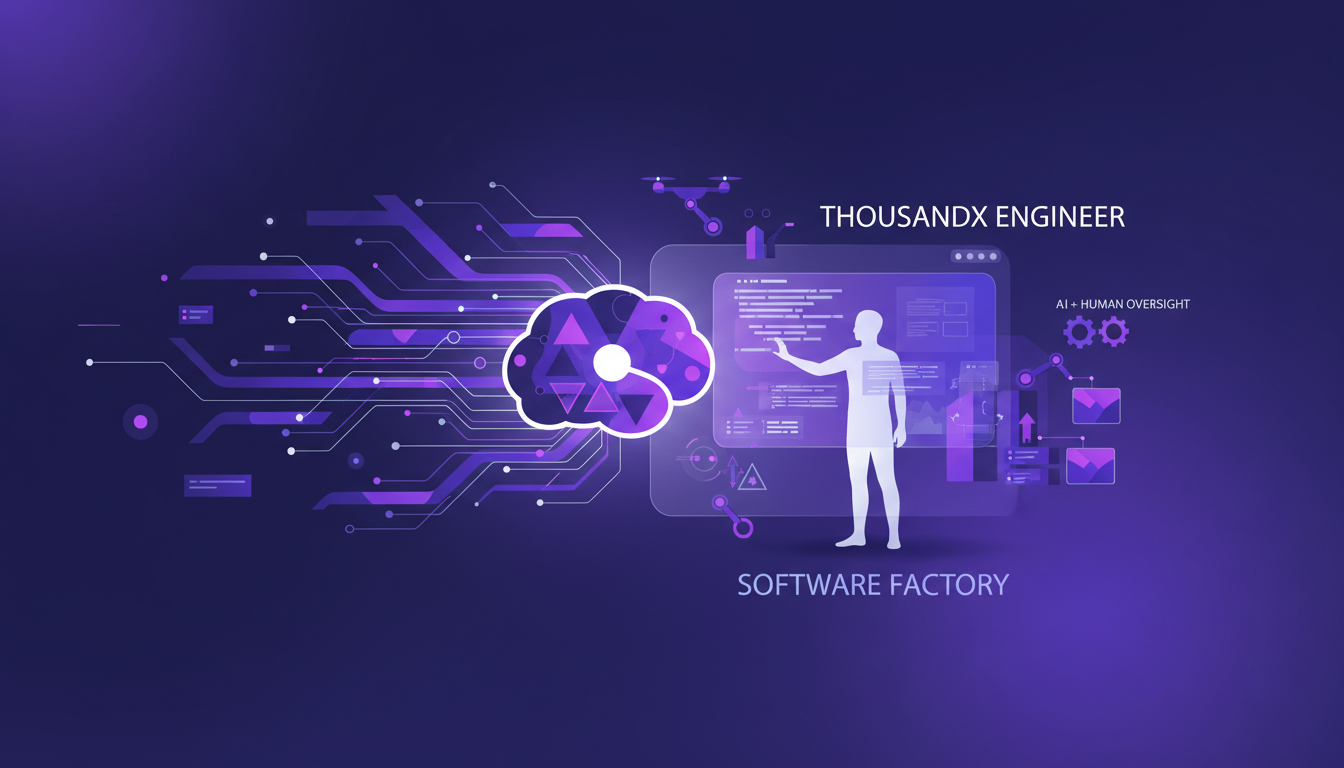
By creating a software factory, I was able to automate code generation and testing, freeing up time for innovation. A well-orchestrated software factory can eliminate the need to manually write or review code, transforming one engineer into a true production force.
- Maximization of individual output with AI.
- Balance between automation and human oversight.
- Automation of code and testing to free up innovation time.
Maximizing Token Usage Over Headcount
Finally, the concept of token maxing is crucial. Instead of increasing your headcount, the idea is to do more with less, thanks to AI. In my practice, I've seen how smaller teams equipped with AI can be more productive than large traditional teams. However, beware of overestimating AI capabilities. A strategy I've adopted is to use AI to automate repetitive tasks and free up talent for higher-value missions.
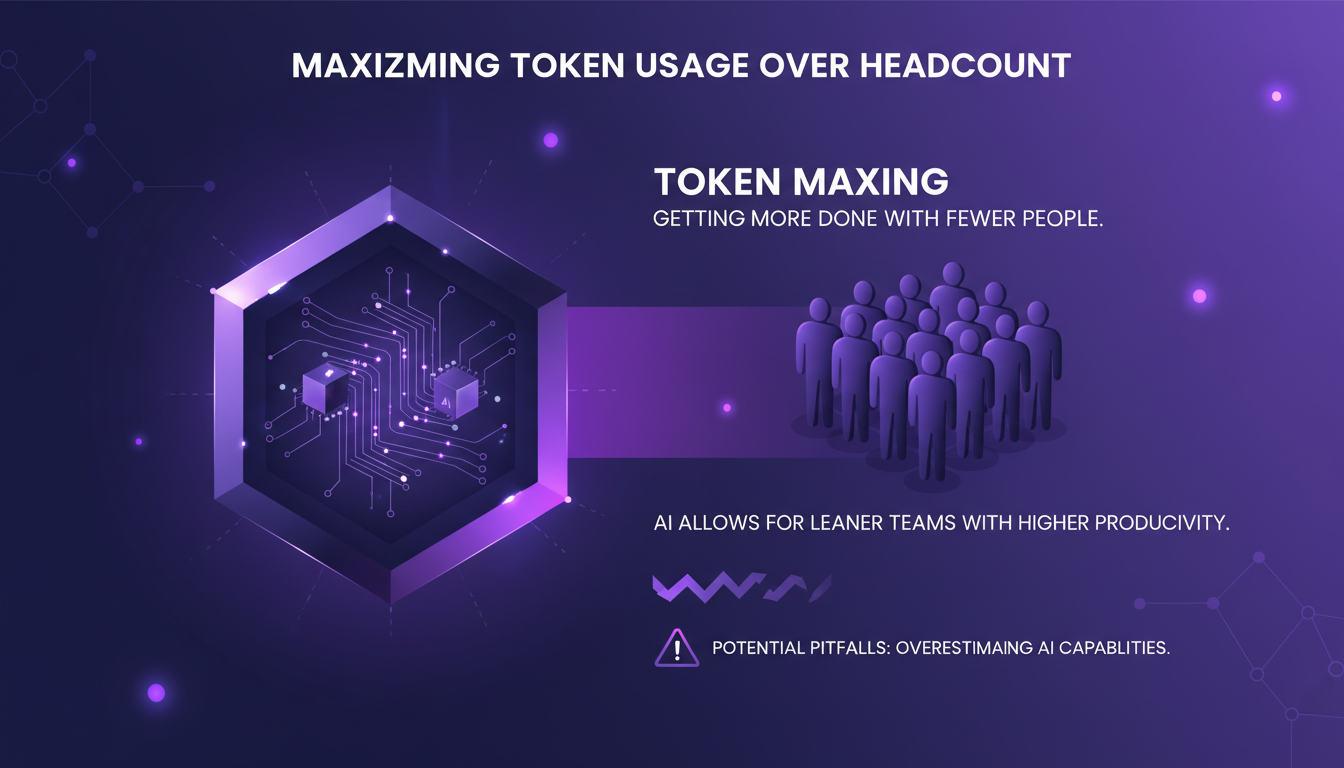
An effective approach is identifying processes that consume the most human resources and targeting them for automation. With this strategy, I've observed a 20% increase in overall productivity while reducing salary costs.
- Do more with less thanks to AI: smaller, more efficient teams.
- Beware of overestimating AI capabilities.
- Automating repetitive tasks to free up talent.
First Steps with GPT-5.5: Boosting Efficiency | AI Table Structure: Building Efficiently | Building with GPT 5.5 and Codex: Cut the Third Parties
AI isn't just a buzzword; it's a real game changer in how we're building startups today. I've seen teams cut their sprint times in half, getting nearly 10 times more done. That's where AI makes a real impact. But let's not forget, every rose has its thorns: managing closed-loop systems and maximizing token usage can be challenging. Queryable organizations and AI-driven productivity are the real deal, not just theory. For engineers aiming to be the 'thousandx' or even 'ten thousand x', this is your era.
- Cut engineering sprint time by half for a 10x output.
- Become a 'thousandx', even 'ten thousand x' engineer.
- AI as an OS for queryable organizations.
Ready to integrate AI into your startup? Start small, iterate, and watch your operations transform. I encourage you to check out the original video "How To Build A Company With AI From The Ground Up" for a deeper dive into these concepts. From one builder to another, it's worth your time.
Frequently Asked Questions

Thibault Le Balier
Co-fondateur & CTO
Coming from the tech startup ecosystem, Thibault has developed expertise in AI solution architecture that he now puts at the service of large companies (Atos, BNP Paribas, beta.gouv). He works on two axes: mastering AI deployments (local LLMs, MCP security) and optimizing inference costs (offloading, compression, token management).
Related Articles
Discover more articles on similar topics
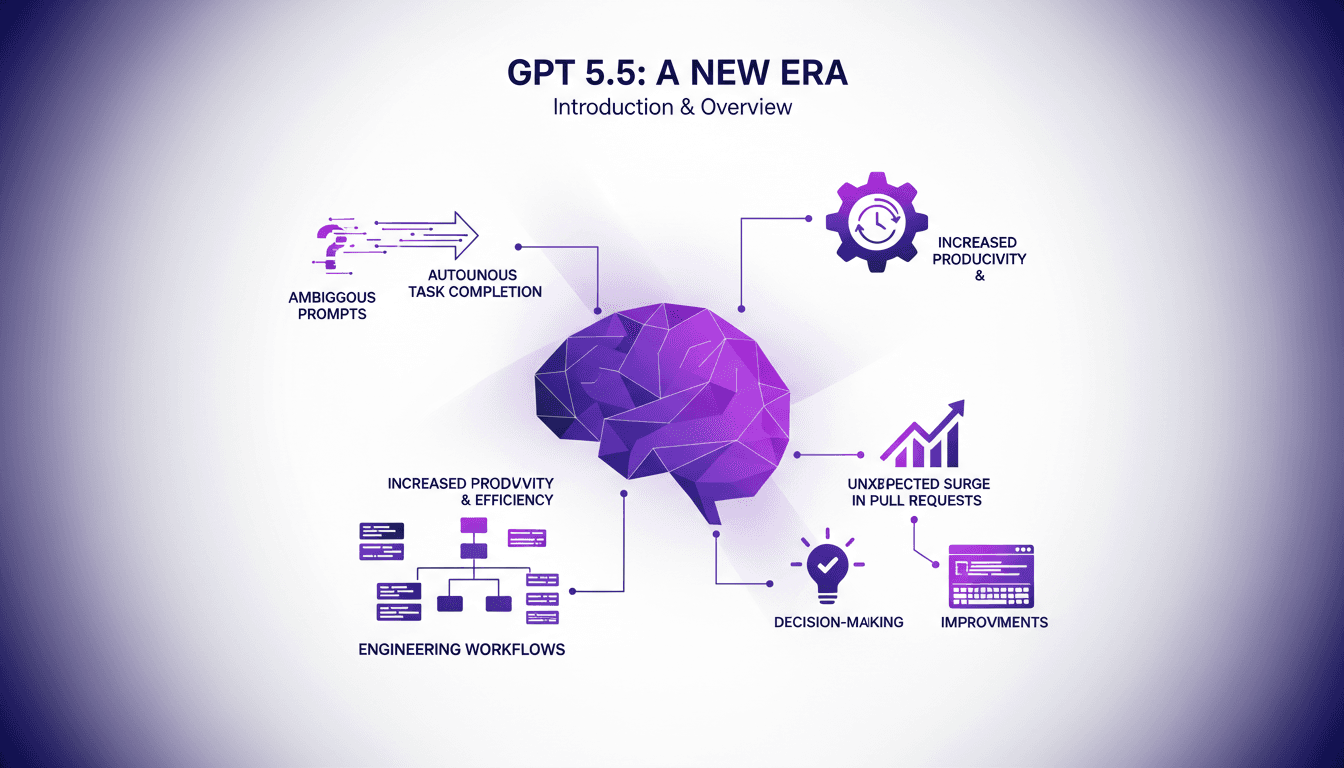
First Steps with GPT-5.5: Boosting Efficiency
When I first integrated GPT-5.5 into my daily workflow, I wasn't just looking for a new tool—I was looking for a game changer. And let me tell you, it didn't disappoint. As an engineer, I'm always hunting for ways to streamline processes and boost productivity. GPT-5.5 promises to do just that by handling ambiguous prompts and autonomously completing tasks. Early tests showed increased efficiency, a direct impact on my engineering workflows, and noticeable improvements in decision-making and code writing. But watch out, the unexpected surge in pull requests caught me off guard. Here, I share my first impressions and how GPT-5.5 can transform our workways.
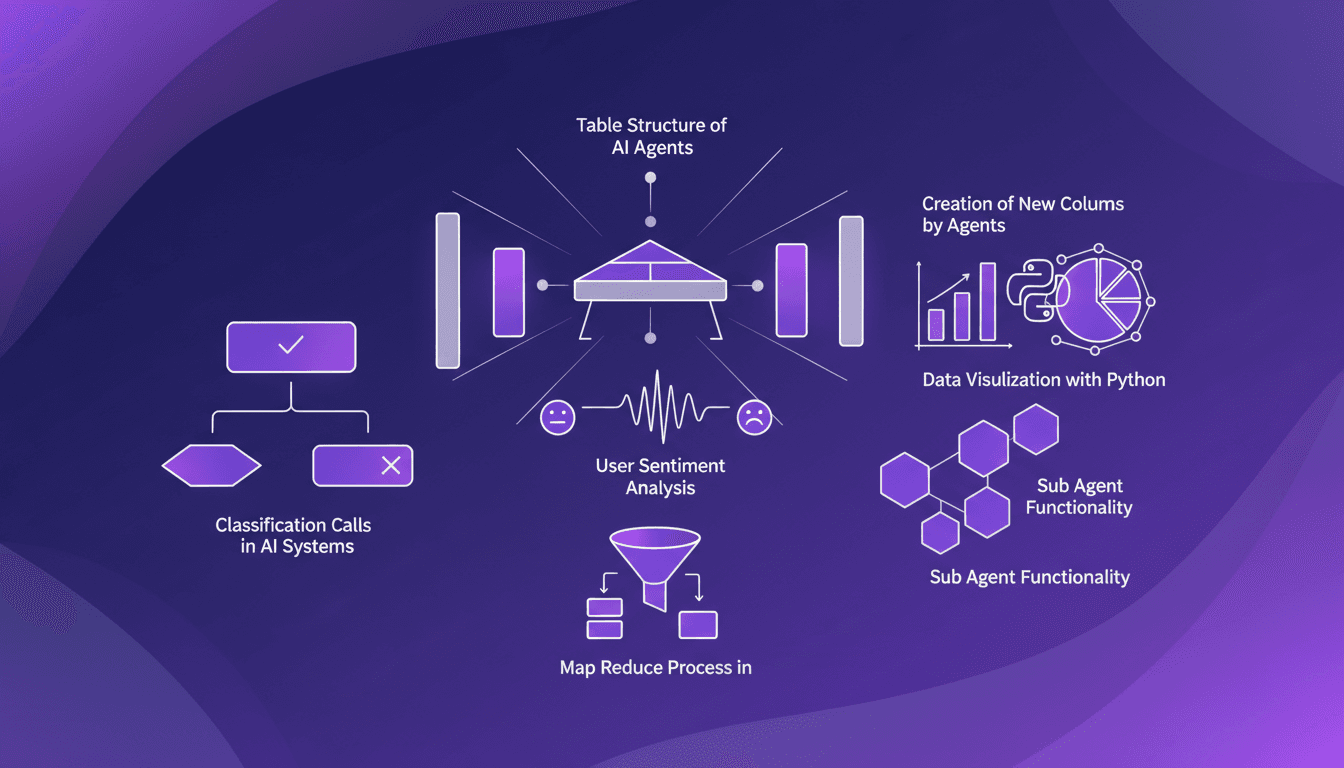
AI Table Structure: Building Efficiently
I've been in the AI trenches, building agents that do more than just process data—they create their own structures. Let's talk about how these AI agents build their own data tables and why it's a game changer. In the AI world, creating dynamic data tables is crucial. It's not just about storing data; it's about making it actionable. How do I do it? I connect my agents to Map Reduce processes, create new columns for user sentiment analysis, and use Python for data visualization. But watch out, if you forget to properly structure your classification calls, you'll end up with a real mess.
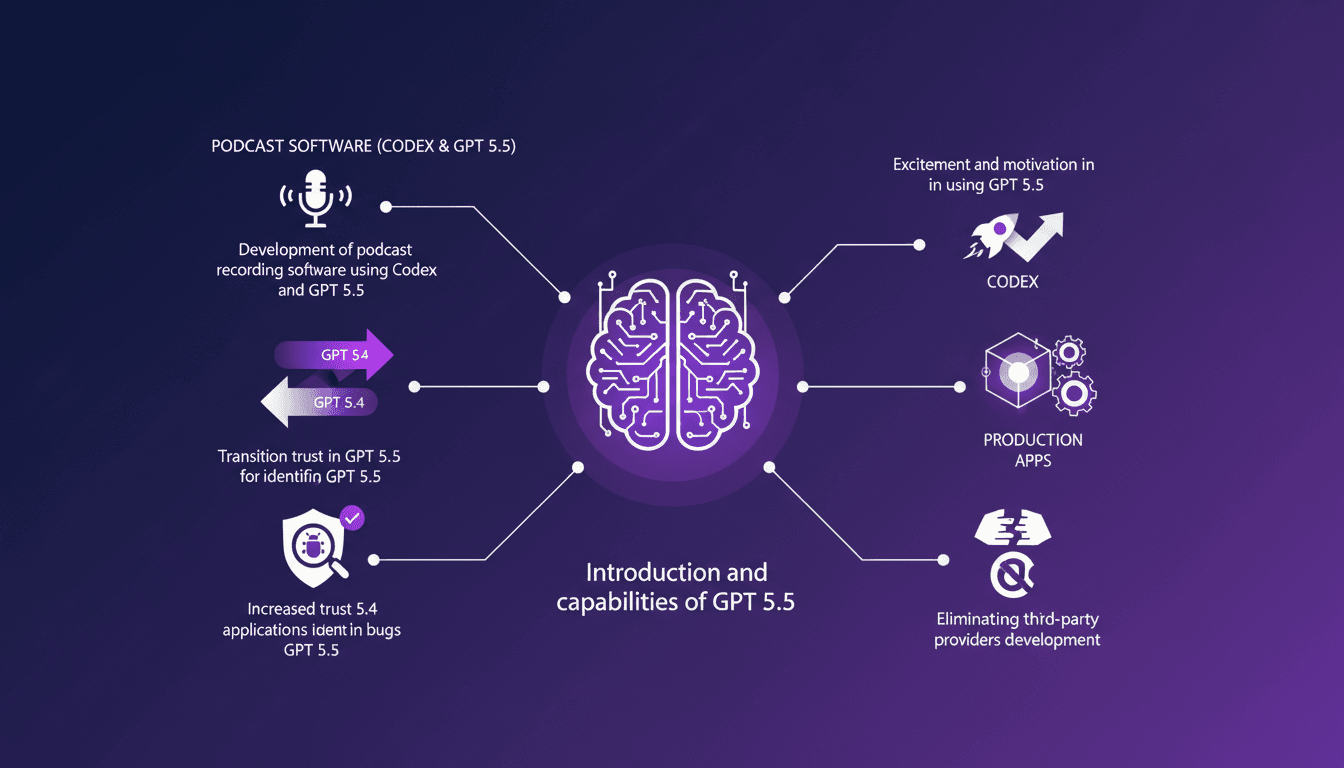
Building with GPT 5.5 and Codex: Cut the Third Parties
I dove headfirst into GPT 5.5, and what a ride it's been! From building podcast software to cutting out third-party providers, this version has changed the game for me. With GPT 5.5, we're not just talking upgrades; we're talking a whole new level of trust and capability. First, I integrated Codex to develop a podcast app and cut the middlemen out. Then, bugs? GPT 5.5 spots them like a pro. Tired of third-party solutions bogging down your productivity? This tool might just be your new secret weapon. Let's dive into some real-world applications together.
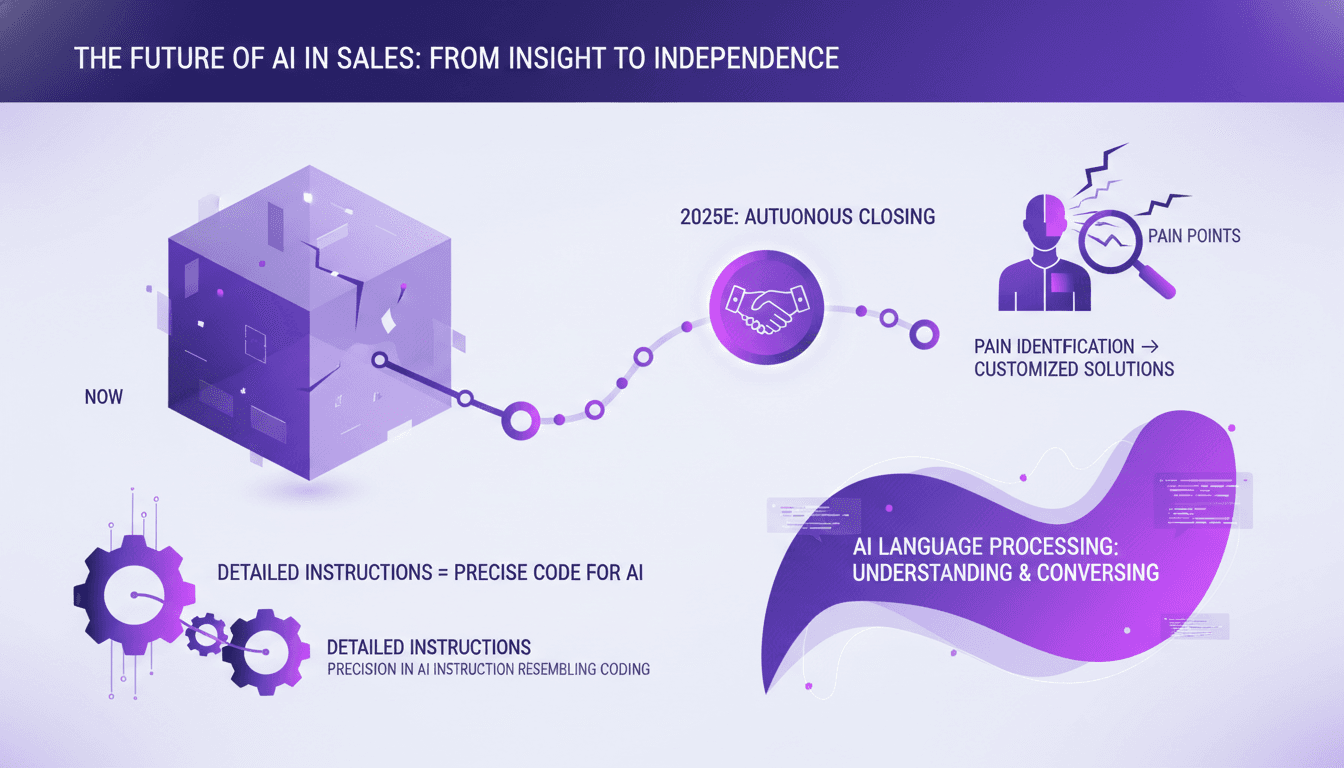
Building an AI Closer: Busting Sales Training Myths
I've spent countless hours trying to get AI to close sales for me, and let me tell you, we're not there yet. But I've learned what it can do now and how to make it work effectively. In the sales world, AI is the shiny tool everyone talks about. Yet, it can't close a deal on its own—yet. What it can do is transform our approach to sales training and execution, especially in identifying and addressing customer pain points. We might be five years away from AI closing a sale, but with the right instructions, it can already recommend 80% of solutions based on pain identification. Follow along, and I'll show you how to orchestrate this for direct impact.
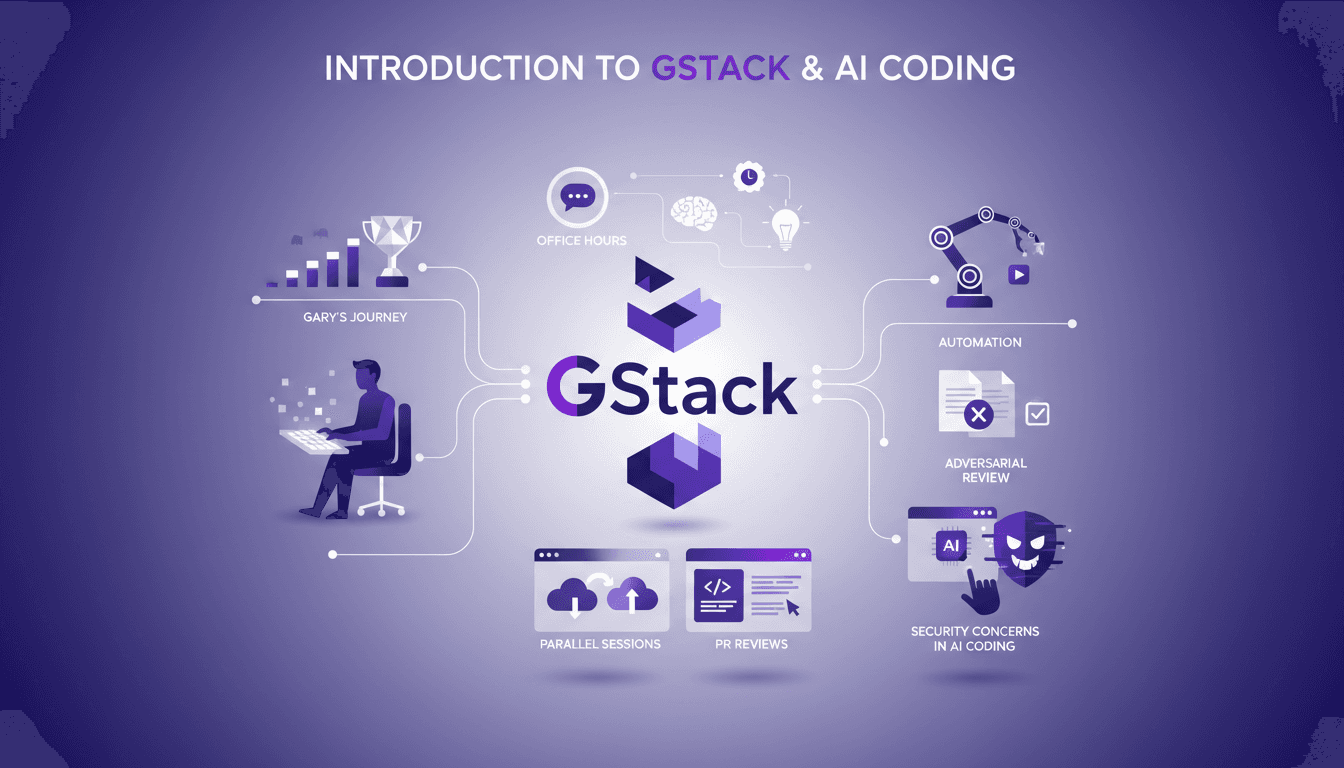
Setting Up GStack: My Experience with Claude Code
I've been deep in the trenches with GStack and Claude Code, and let me tell you, the way Garry Tan orchestrates his workflow is something else. From coding marathons to leveraging office hours for refining startup ideas, there’s a lot to unpack here. GStack is a powerhouse for automation in software development, and Garry has taken it to new heights. In this article, we dive into his tools, his methods, and the lessons we can all learn. We'll explore his use of GStack for automation, parallel cloud code sessions, and how he integrates AI into his process. But watch out, there are security concerns not to overlook.