Building AGI: Techniques and Challenges
I've been in the AI trenches for over 30 years, and building the future isn't just a catchphrase—it's a daily grind. We're talking about Artificial General Intelligence (AGI), something that's not just on the horizon but already reshaping our workflows. Guided by Deep Mind's milestones, we're diving into efficient AI models and distillation techniques, alongside the interdisciplinary work pushing boundaries. Building AGI is a marathon, not a sprint. Let's get going, one model at a time.
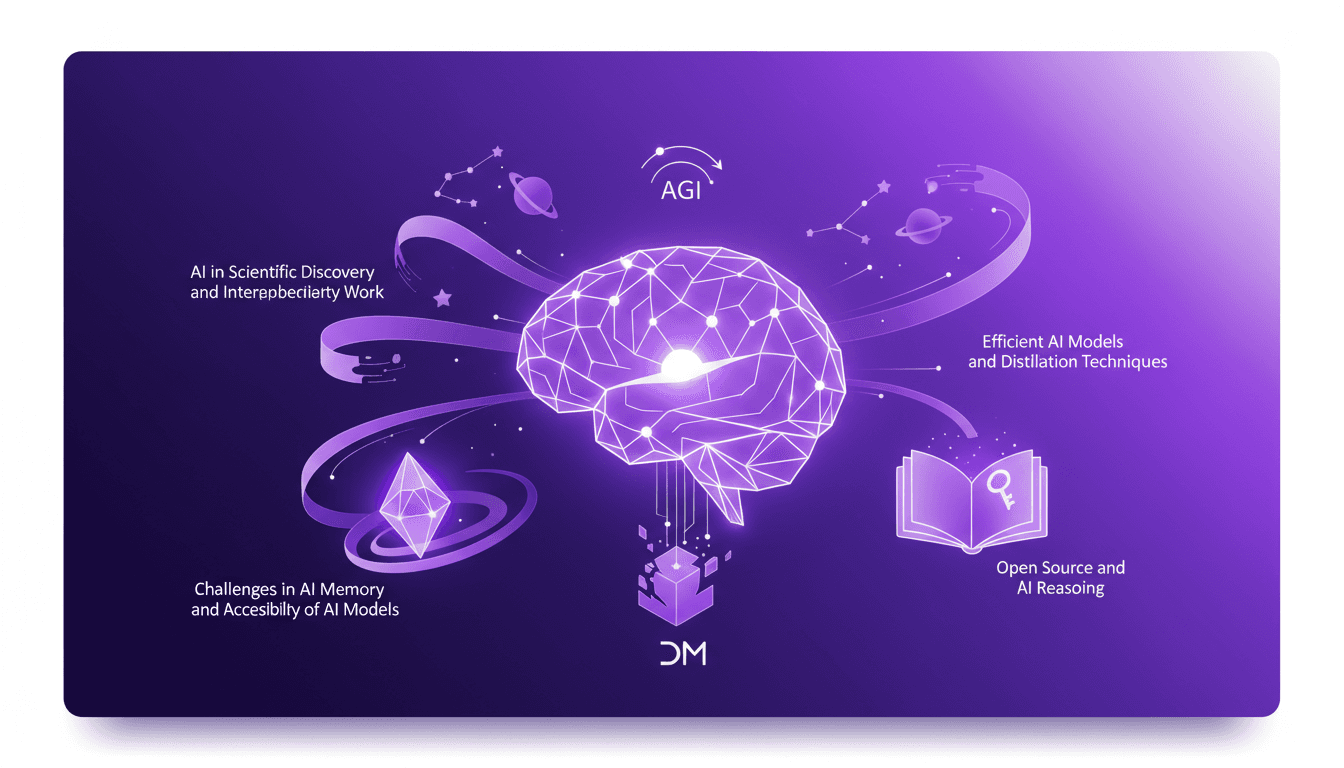
I've been in the AI trenches for over 30 years, and let me tell you, building the future isn't just a catchphrase—it's a daily grind. Let's talk about Artificial General Intelligence (AGI). It's not just a distant concept; it's already weaving into our workflows, redefining how we operate. Guided by Deep Mind's milestones, we'll dissect efficient AI models, distillation techniques, and the interdisciplinary work that's pushing boundaries. I've gotten burned more than once by underestimating these challenges. AI memory and reasoning limits are hurdles, but each breakthrough nudges us closer to our goal: AGI by 2030. It's a marathon, not a sprint, and we're advancing one model at a time. Ready to dive into how we're actually constructing this future?
AGI Development: The Roadmap and Realities
When talking about Artificial General Intelligence (AGI), the 2030 timeline isn't just a shot in the dark. Deep Mind, co-founded in 2010 by Demis Hassabis, has already made significant strides, whether it's with AlphaGo or AlphaFold. These achievements indicate that AGI is on the right track. But let's not get ahead of ourselves; there are practical challenges: memory, reasoning, and especially, reinforcement learning which plays a crucial role. I've often struggled to balance these elements in my projects, and I can tell you there's no one-size-fits-all solution.
To achieve AGI by 2030, we need to tackle these questions pragmatically. For example, continual learning and long-term reasoning are still unresolved topics, even though progress has been made. But be cautious, this requires constant adjustments and heightened vigilance to avoid costly errors.
Efficient AI Models: Distillation Techniques
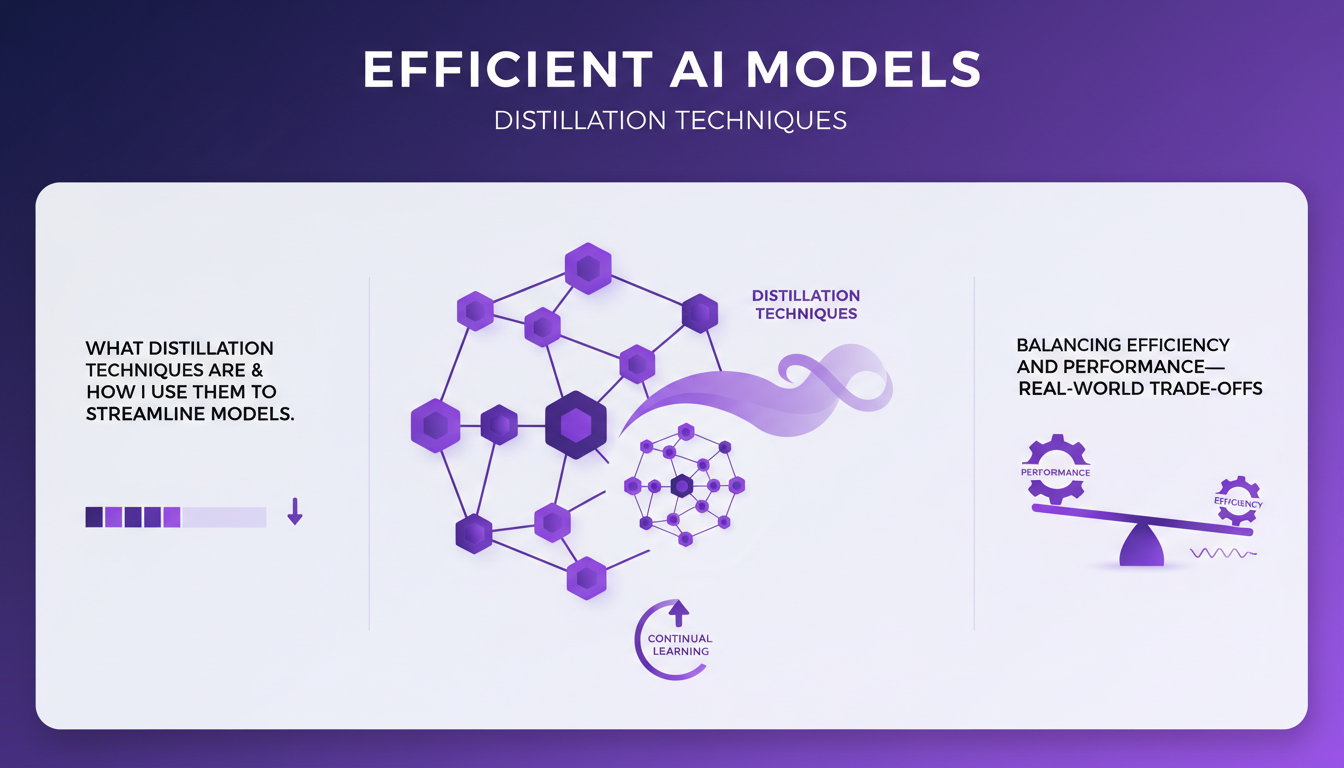
Distillation techniques are essential for optimizing our AI models. Essentially, they allow us to extract the essence of a complex model to make it lighter without sacrificing performance. I use them frequently to gain efficiency. But again, there's a balance to strike: between performance and efficiency, you have to navigate carefully.
Continual learning is another piece of the puzzle. It allows refining AI capabilities over time. To implement distillation in your projects, start by identifying heavy models that could benefit from reduction, then apply distillation to lighten them. But be cautious not to over-reduce, or you'll lose quality.
AI in Scientific Discovery: Interdisciplinary Approaches
We can't overlook AI's impact on scientific discovery. Advances like AlphaFold have transformed structural biology. We're even talking about modeling a complete virtual cell within ten years, which is monumental. To achieve this, interdisciplinary collaboration is crucial. I've seen teams combine AI and biology, and the results are often greater than the sum of their parts.
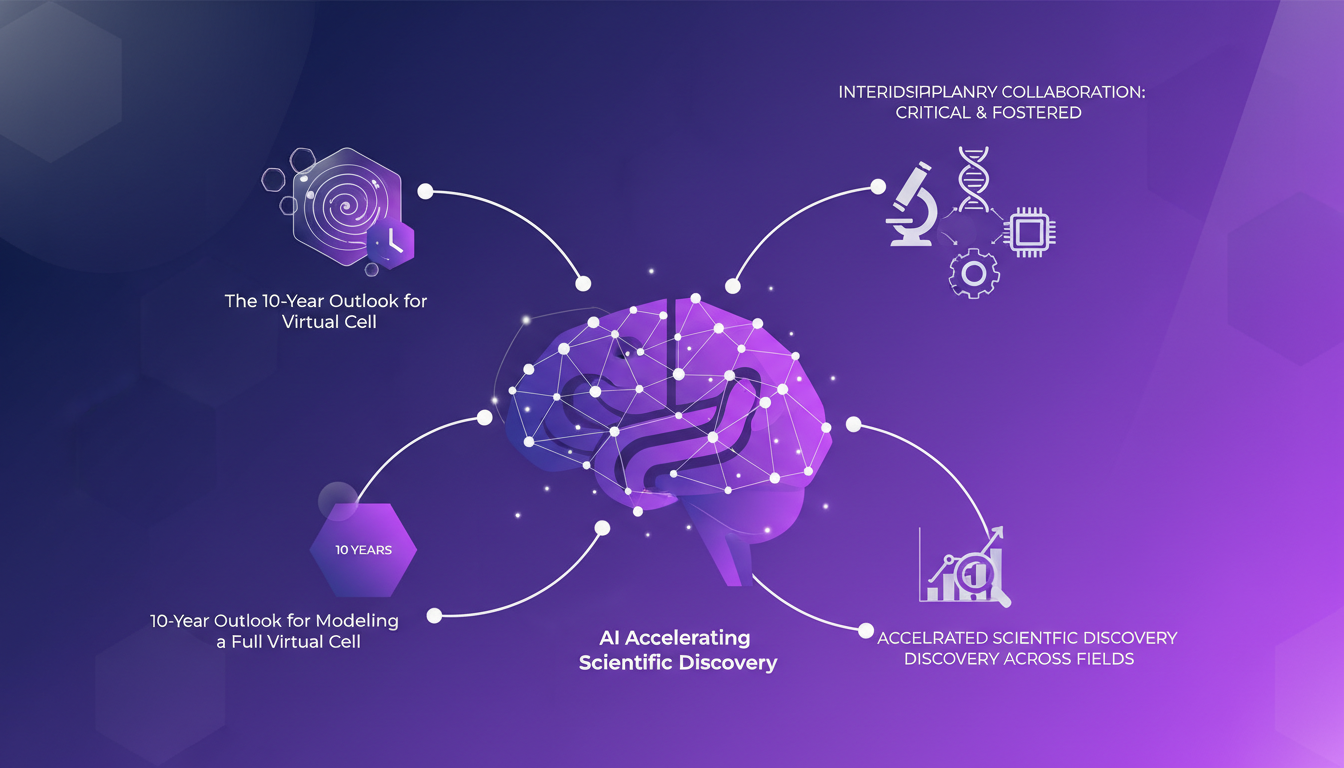
If you're working in this field, make sure to build bridges between disciplines to fully exploit AI's potential. Sometimes, it means putting egos aside and listening to experts from other fields. The results can be incredibly rewarding.
Open Source and Accessibility: Democratizing AI
Open source is revolutionizing AI development. It increases accessibility but also poses challenges, particularly regarding security and quality. In my daily work, I heavily use open-source tools. It allows me to cut costs while speeding up development. But, you need to be vigilant about maintaining and securing these solutions.
The impact of open source on innovation is undeniable. It allows small entities to access cutting-edge technologies without prohibitive costs, fueling innovation at all levels.
Future Technologies: AI's Expanding Role
AI continues to expand its influence, but don't get swept away by the hype. There's a balance to find between innovation and ethics. In emerging sectors, AI plays a key role, but you need to be ready to navigate between innovation and ethical considerations. Prepare yourself by acquiring the necessary skills now.
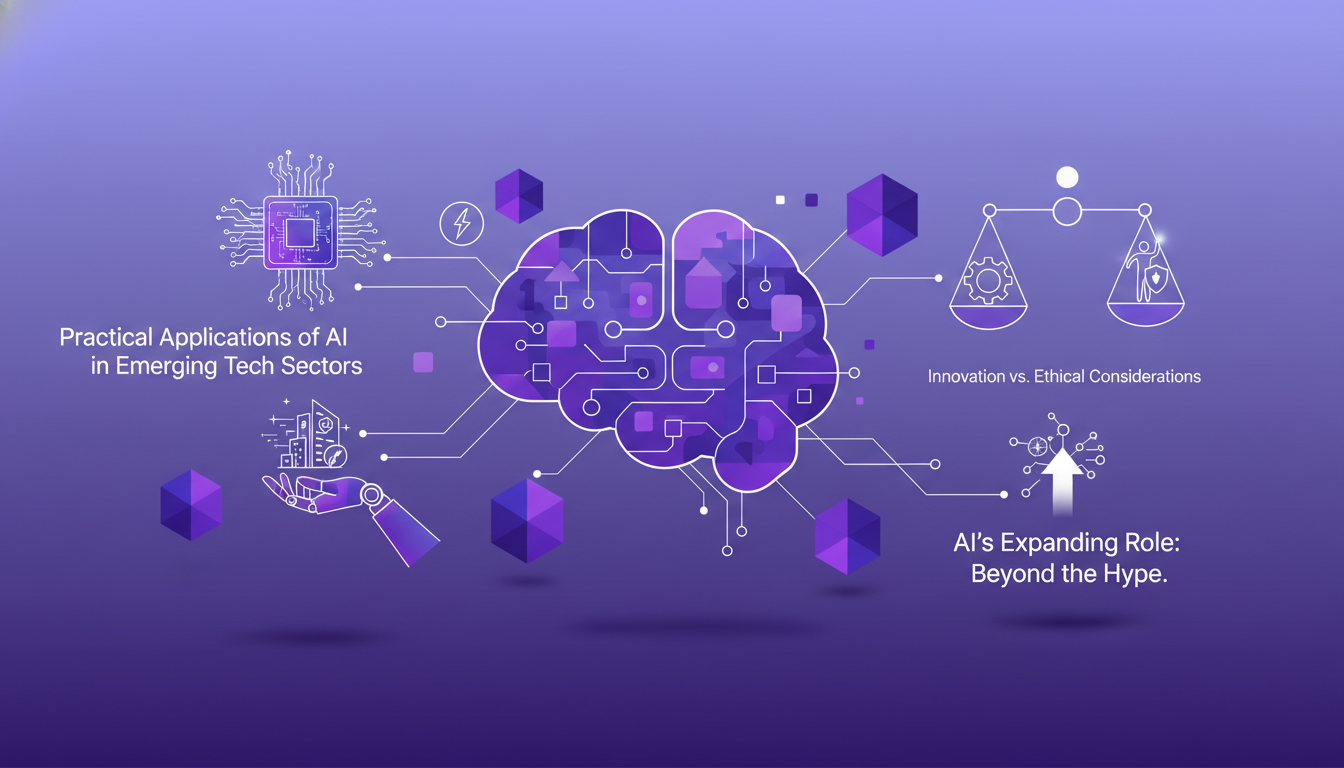
The practical applications of AI in these sectors are varied: from healthcare to the environment. To be ready, train and stay updated on in-demand tools and skills. AI Native Services is a good resource to start with.
In our AI development journey, we've seen that AGI isn't just a distant dream but a tangible goal. By leveraging efficient models, we've cut down computation time and costs. Interdisciplinary work has helped us break knowledge silos, and open-source accessibility opens doors for everyone. Let's not kid ourselves, challenges remain, especially in AI memory and reasoning, but we're moving forward. By 2030, reaching AGI is on the table, an exciting horizon to approach with a healthy dose of pragmatism.
- Efficient Models: Reduce computation time and costs.
- Interdisciplinary Work: Breaks knowledge silos.
- Open-source Accessibility: Facilitates collective innovation.
Ready to dive deeper? Start implementing these techniques in your projects and join the conversation shaping tomorrow's technologies. For more insights, I recommend watching the full video: "How to Build the Future: Demis Hassabis".
Frequently Asked Questions

Thibault Le Balier
Co-fondateur & CTO
Coming from the tech startup ecosystem, Thibault has developed expertise in AI solution architecture that he now puts at the service of large companies (Atos, BNP Paribas, beta.gouv). He works on two axes: mastering AI deployments (local LLMs, MCP security) and optimizing inference costs (offloading, compression, token management).
Related Articles
Discover more articles on similar topics
AI Native Services: Revolutionizing Industries
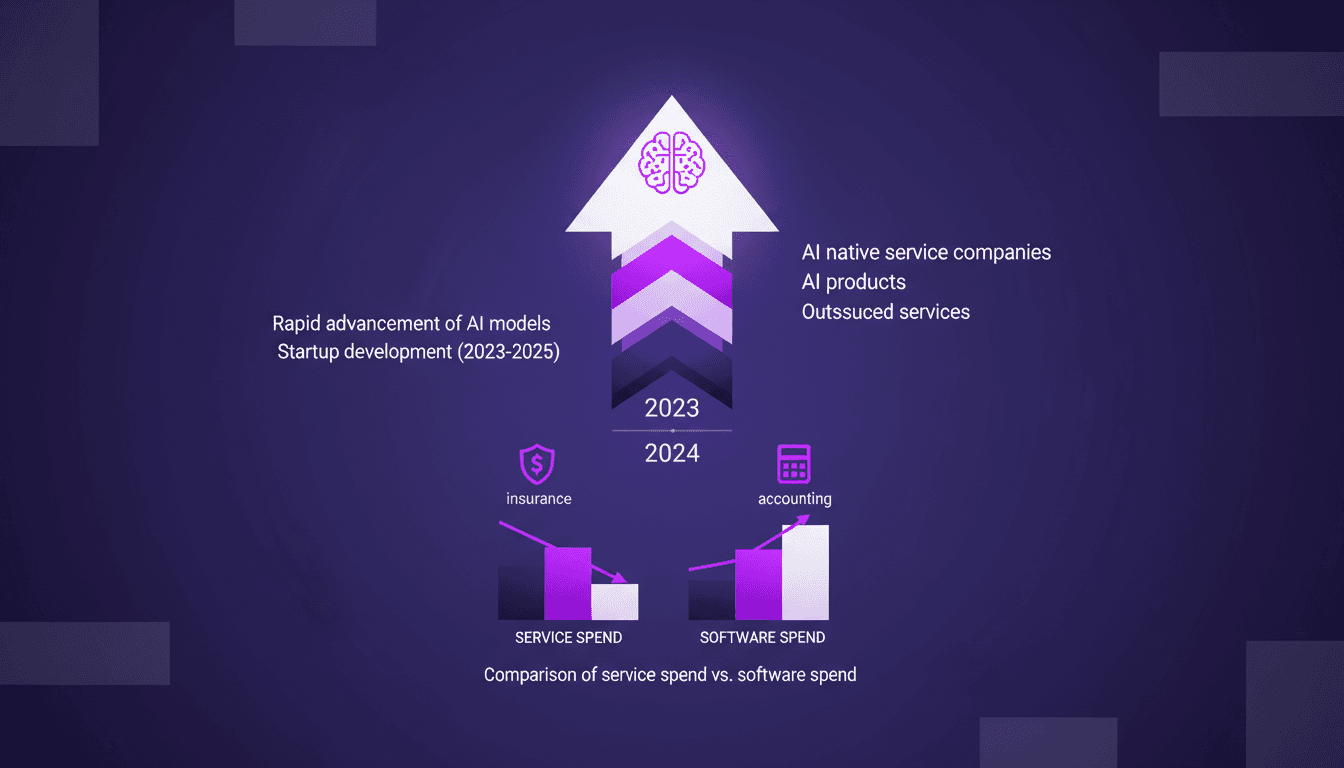
I've been knee-deep in AI for years, watching tools evolve into full-fledged AI native services. This isn't just a trend—it's a revolution. With AI models advancing at breakneck speed, we're witnessing a shift from traditional software tools to AI-native services. These aren't just buzzwords—real companies are emerging that leverage AI to replace entire service sectors. Industries like insurance and accounting are already feeling the impact. Let me walk you through how this unfolds and why it's a game changer. It's not just hype, it's happening.
AI Model Limits: What Still Falls Short
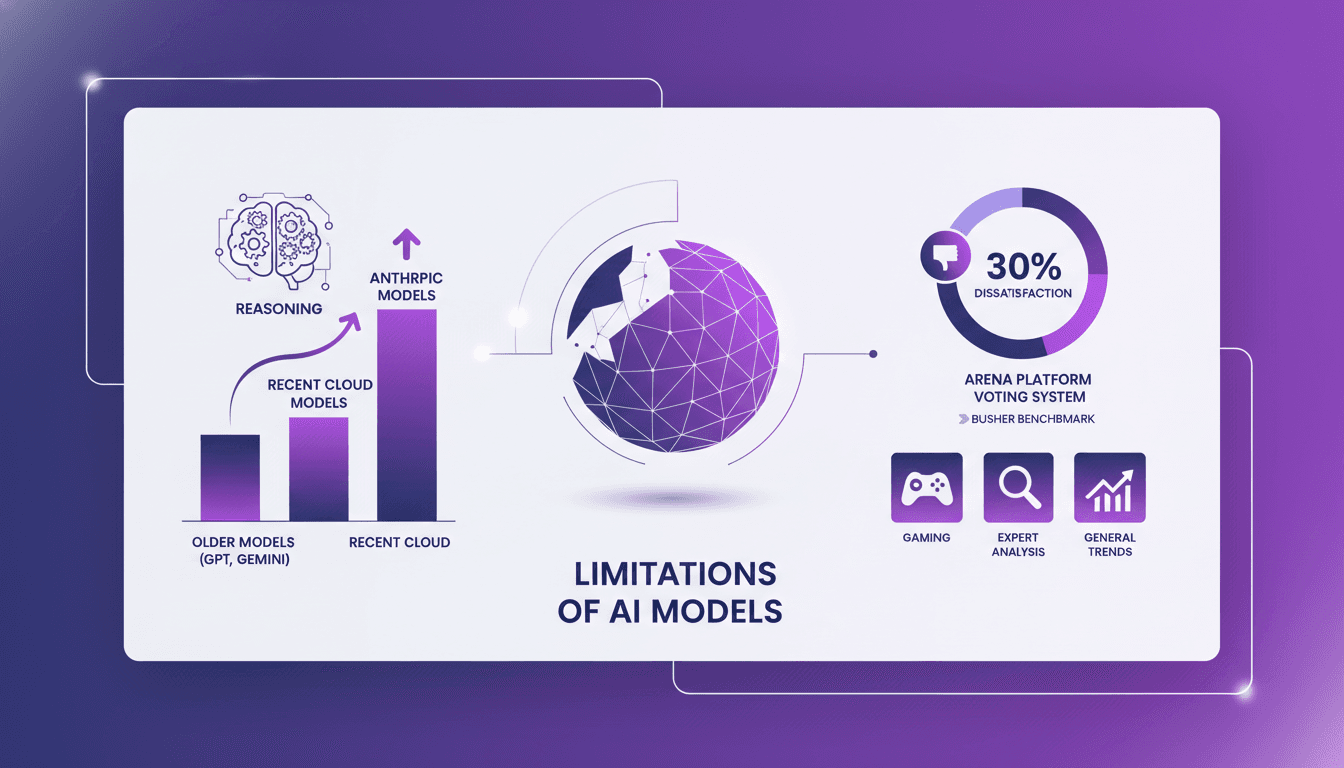
I've been knee-deep in AI models, testing and retesting, and let me tell you, there's still a lot they can't handle. I've been burned more than once by putting too much faith in these models. From the 'Busher benchmark' to Arena's voting system, I've seen where models shine and where they stumble. Let's dissect these limitations together and understand the real performance landscape. From recent cloud models to older ones like GPT and Gemini, there are clear trends and specific fields, like gaming, where performance still falls short. Ready to cut through the hype? Let's dive in!
Mastering Generative AI: A Practical Guide
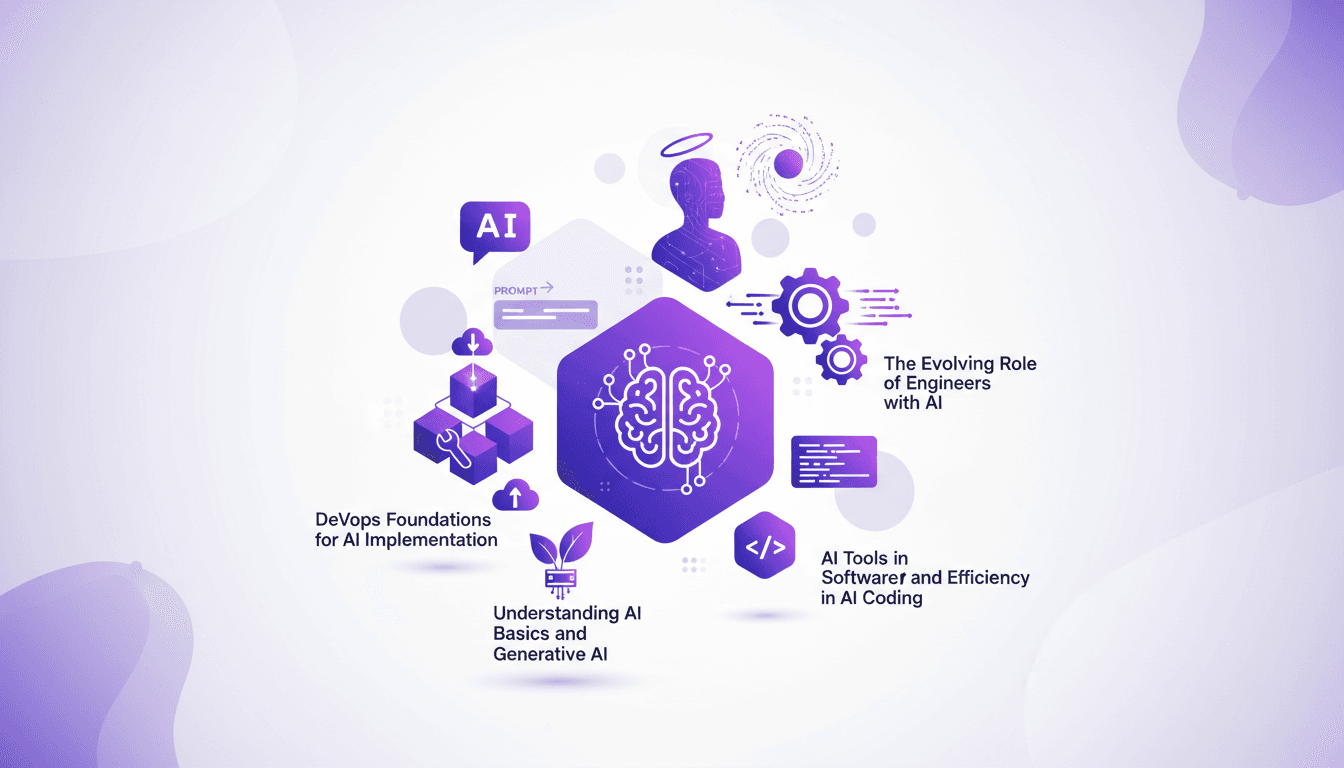
I still recall diving into AI coding, thinking generative AI was just another buzzword. Then I realized it’s a real game changer, but only if you know how to harness it. First, I immersed myself in its fundamentals—understanding how these tools transform how we code. Engineers spend barely two hours a day on actual coding; the rest is orchestration. And that’s where AI steps in, boosting productivity and redefining our roles. I’ll walk you through how I navigated this complex landscape, from the environmental impact of AI technologies to prompt engineering and context management. Let's explore how mastering generative AI can revolutionize our approach to software development.
Reusable Rockets: Unlocking Space Capacity
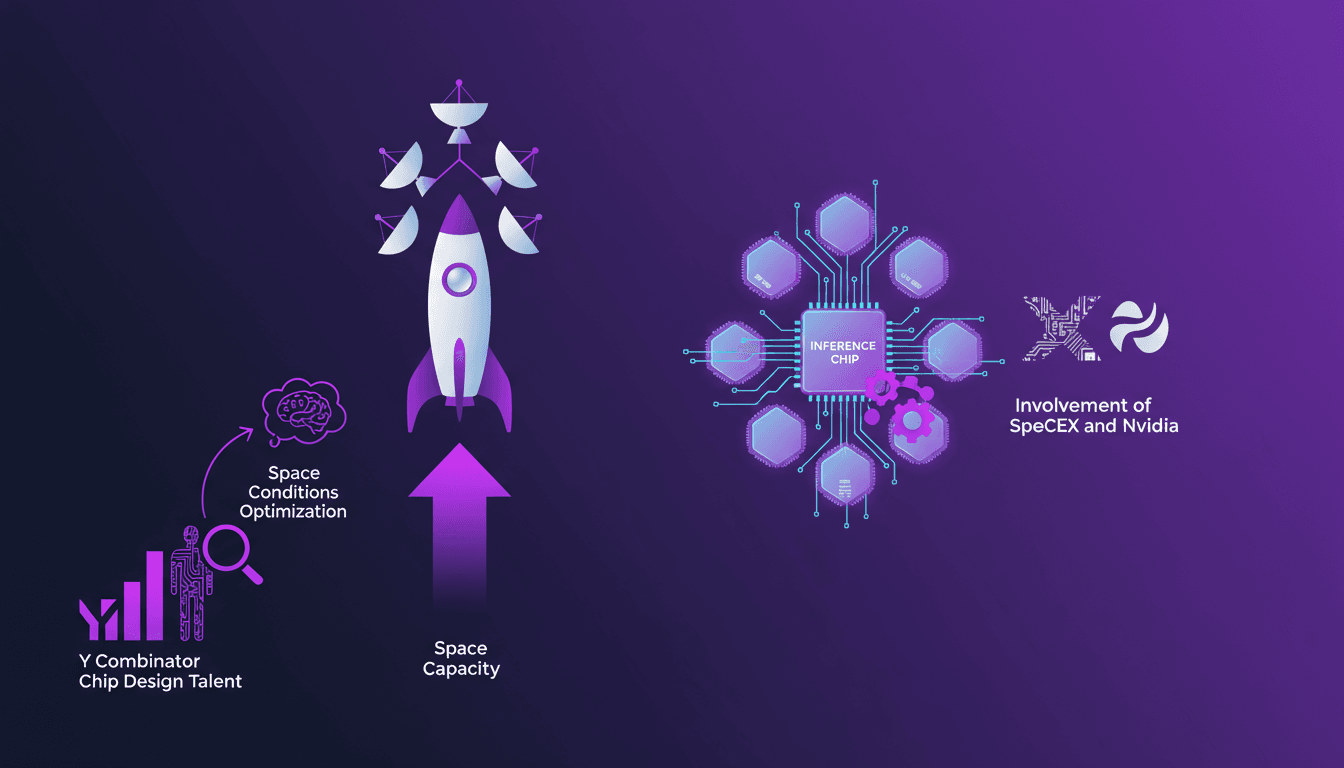
I remember the first time I witnessed a reusable rocket launch. It was a game-changer for space capacity. Now, as we push the boundaries of compute power in space, the demand for specialized chips is skyrocketing. With companies like SpaceX and Stoke Space at the forefront, reusable rockets are transforming our approach to space capacity. But it's not just about getting there—it's about what we do once in orbit. That's where inference chips come into play, optimized for unique space conditions. Let's dive into how we're optimizing electronics for the harsh realities of space.
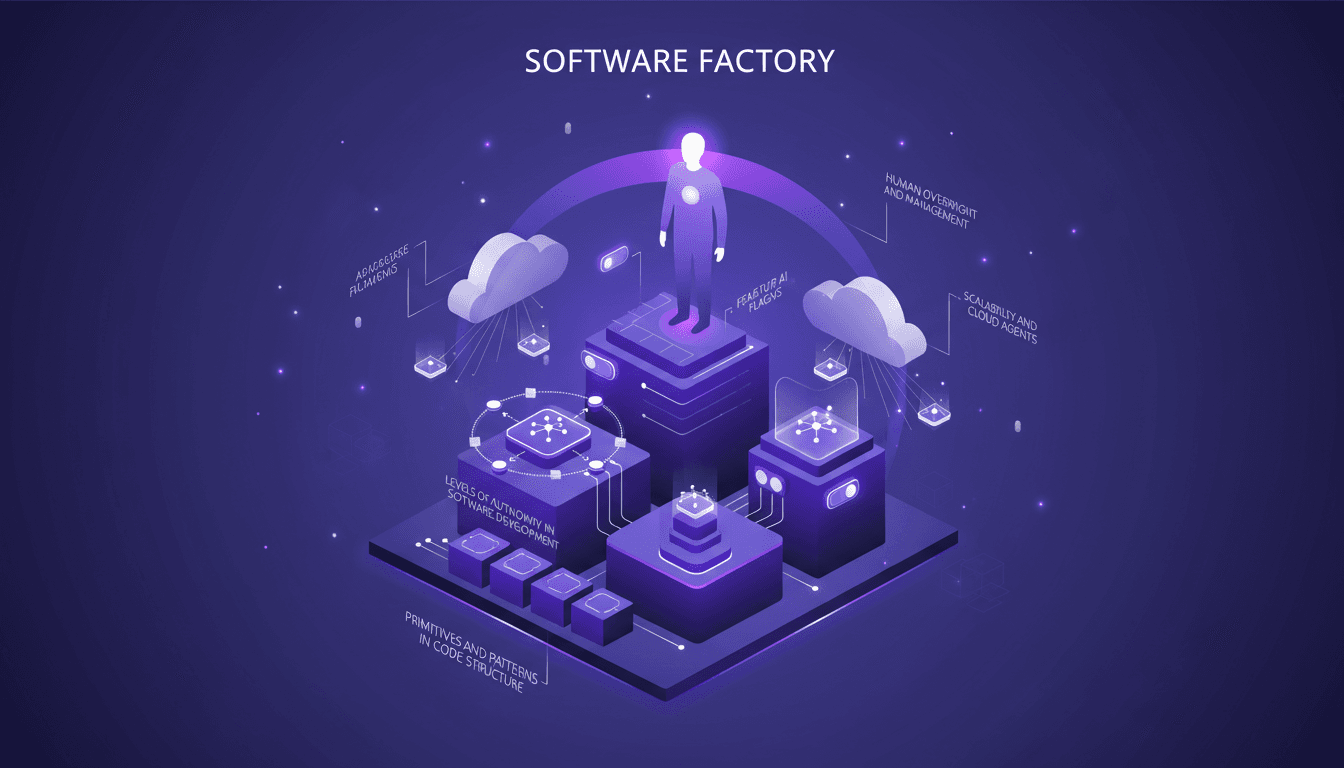
Building Your Software Factory: Key Steps
I remember my first thought about building a software factory. It felt overwhelming, but with a step-by-step approach, it turned manageable. In this article, I walk you through how I set up my own software factory, focusing on efficiency and scalability. We dive into the key components and strategies for success, from the role of AI agents and feature flagging to verification and testing in automated systems. For me, a software factory is more than just automation; it's a paradigm shift that can transform productivity. So how do you pilot this without getting burned? I share my mistakes, successes, and most importantly, the lessons learned.