Build AI Fashion Influencer: Step-by-Step
I dove headfirst into the world of virtual fashion influencers, and let me tell you, the potential for virtual try-ons is massive. Imagine crafting a model that showcases your designs without a single photoshoot. That's exactly what I did using straightforward AI tools, and it's a real game changer for cutting costs and sparking creativity. With less than a dollar per try-on and just 40 seconds per generation, this isn't just hype. In this article, I'll walk you through how to leverage this technology to revolutionize your fashion marketing approach. From AI-generated models to monetization opportunities, here’s how to orchestrate this tech effectively.
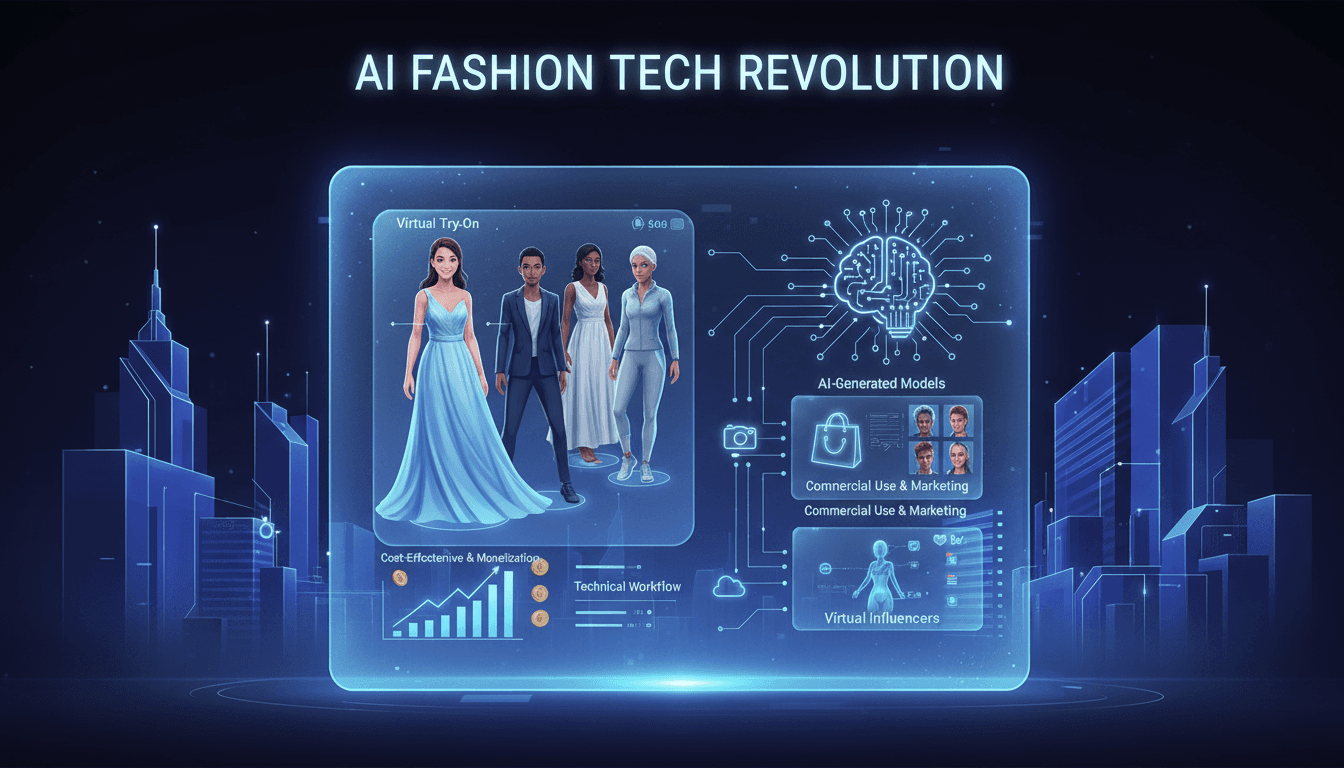
I jumped into the world of AI fashion influencers, and let me tell you, the potential for virtual try-ons is massive. Imagine creating a model that wears your designs without a photoshoot. That's what I did with some straightforward AI tools, and it's a game changer for cost and creativity. In under a minute and for less than a dollar per image generation, you've got a model showcasing your work. I'll walk you through how I orchestrated this to maximize marketing efficiency. We'll cover AI-generated models, monetization strategies, and how this tech can reshape your business approach. For those in the fashion industry, this is a practical tool that goes beyond the buzz. I’ll guide you through the technical workflow, customization options, and commercial opportunities this innovation presents.
Getting Started with AI Virtual Try-On
Diving into the world of AI virtual try-on is like stepping into the future of fashion marketing. Imagine trying on any piece of clothing on a virtual model, all for less than a dollar per try-on. That's the power of this technology, and I'm here to guide you through the process. First, you need the right tools. I started by setting up the necessary software and testing a few APIs. It's not rocket science, but you have to be methodical. Each image generation takes about 40 seconds, so be prepared for a bit of waiting.
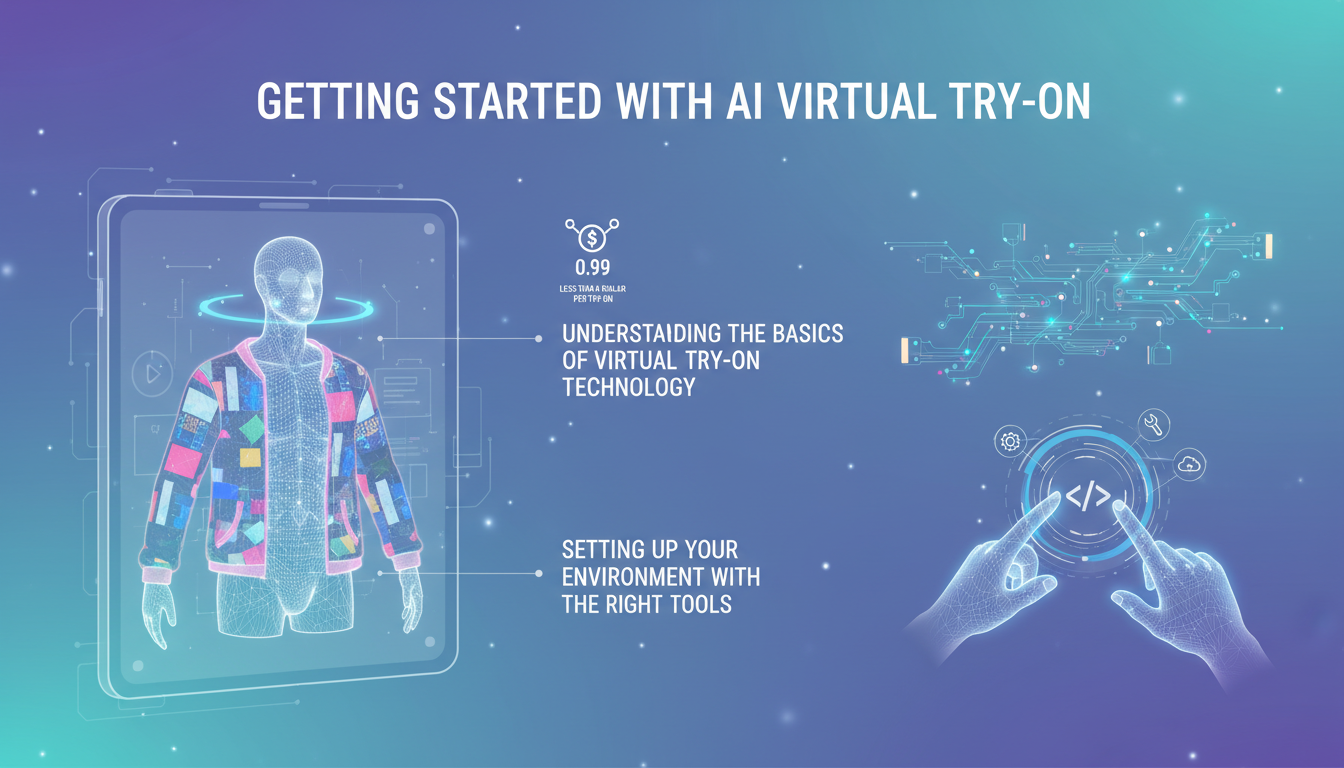
The first step in creating your AI-generated models is to choose the model and garment images. The key is ensuring the images are high quality to guarantee a realistic rendering. Remember, each try-on costs less than a dollar, which is a real bargain for businesses looking to experiment without breaking the bank.
Deep Dive into the Tron Tool
The Tron tool is a game-changer for virtual try-ons. The first time I used it, I was impressed by its ability to seamlessly integrate APIs into fashion applications. With Tron, I managed to generate images with incredible depth and image dynamics. However, watch out for common pitfalls in setup. I learned the hard way that poor configuration can ruin the user experience.
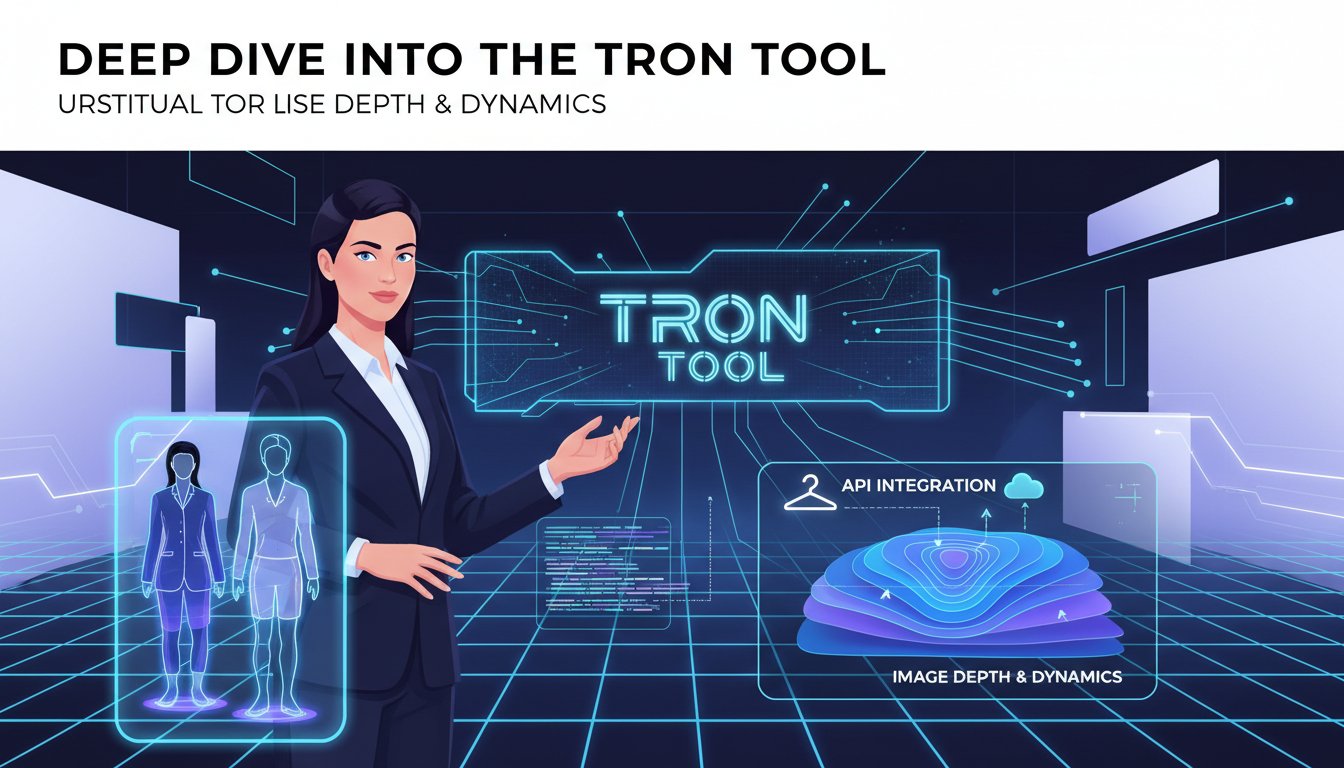
I recommend finding a balance between customization and performance. Too much customization can slow down the process, but a well-configured API can turn your workflow into a well-oiled machine.
Cost-Effectiveness and Efficiency
When it comes to costs, each generated image will cost you between $1 and $2. This can quickly add up, so it's crucial to optimize for faster results. I've found that speed and quality are often at odds. I had to make a few compromises to maintain a good balance.
Here are some tips for budget-conscious creators:
- Assess your actual needs before diving into costly customizations.
- Use high-quality base images to avoid unnecessary retouching.
- Avoid unnecessary expenses by testing each step of the workflow before scaling up.
By following these tips, I was able to avoid wasting resources and improve the overall efficiency of my process.
Customization and Flexibility
Customization is one of the most exciting aspects of virtual try-ons. I successfully tailored my models for different demographics by experimenting with various customization options. However, be aware of the limitations of current AI models. Sometimes, adjustments aren't perfect and require a few tricks to work around these limitations.
Ensure consistent quality across all your variations. This is essential to guarantee a positive user experience.
Commercial Applications and Monetization
The commercial applications for virtual try-on are vast. From marketing to sales, the possibilities are endless. I've explored monetization strategies using virtual influencers. For example, I created a case study with 10 different people wearing the same hoodie to demonstrate the effectiveness of this approach.
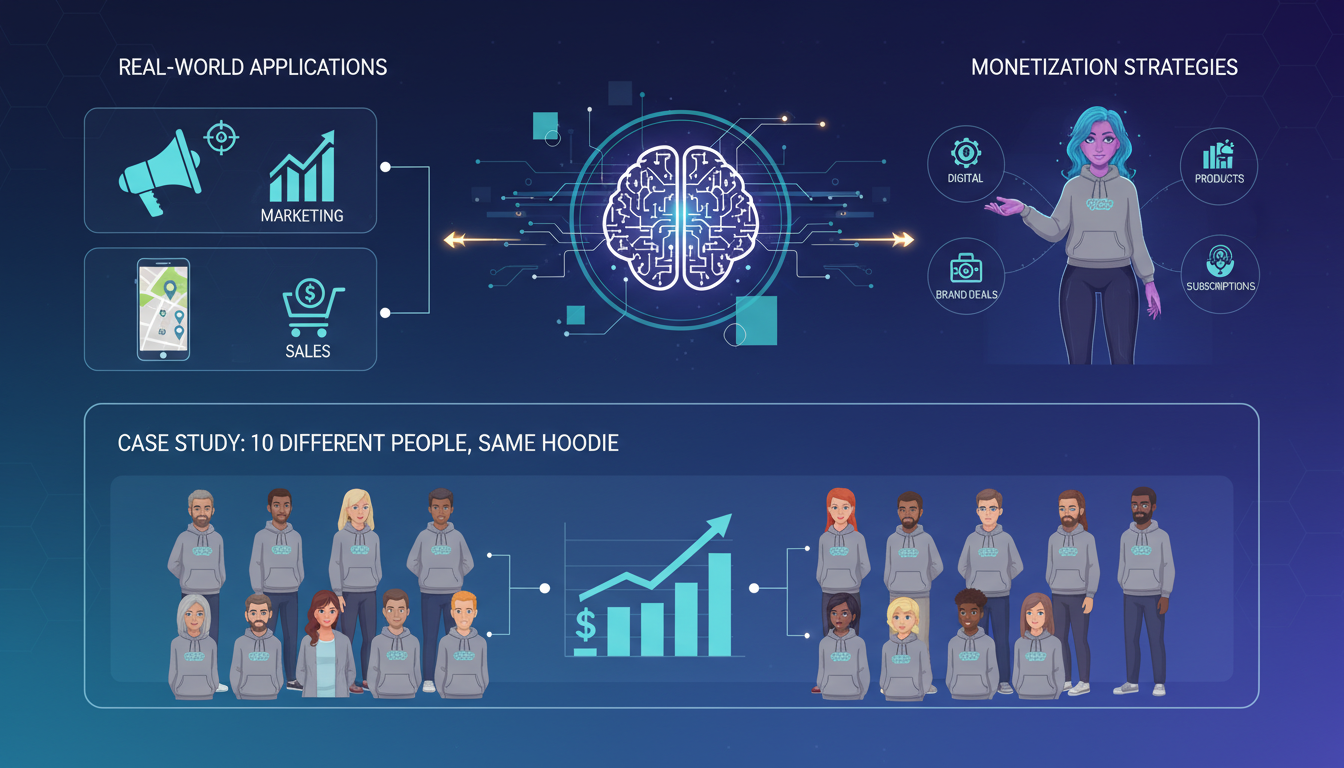
Here are some potential revenue streams:
- Direct sales through integrated e-commerce platforms.
- Brand partnerships for advertising campaigns.
- Creating unique content for social media.
It's crucial to find a balance between creative and commercial goals to maximize the impact of your monetization strategy. Learn more about virtual try-on technology.
Diving into AI virtual try-ons has been a revelation. Here’s what I learned:
- Minimal cost: for less than a dollar, you can start using AI for virtual try-ons.
- Impressive speed: each image generation takes about 40 seconds.
- Direct budget impact: with just $1 or $2, you can generate a whole series of images. But watch out, it's not without technical challenges. You’ll need to navigate some hurdles, but with the right approach, you can transform your fashion marketing strategy. Looking ahead, mastering these tools can truly be a game changer for fashion creators. So, ready to build your own AI fashion influencer? Start experimenting today and watch your creativity and business impact soar. For a deeper dive, I highly recommend checking out the full video: Build your own AI Fashion Influencer 💥 Virtual Tryon Tutorial 💥.
Frequently Asked Questions

Thibault Le Balier
Co-fondateur & CTO
Coming from the tech startup ecosystem, Thibault has developed expertise in AI solution architecture that he now puts at the service of large companies (Atos, BNP Paribas, beta.gouv). He works on two axes: mastering AI deployments (local LLMs, MCP security) and optimizing inference costs (offloading, compression, token management).
Related Articles
Discover more articles on similar topics
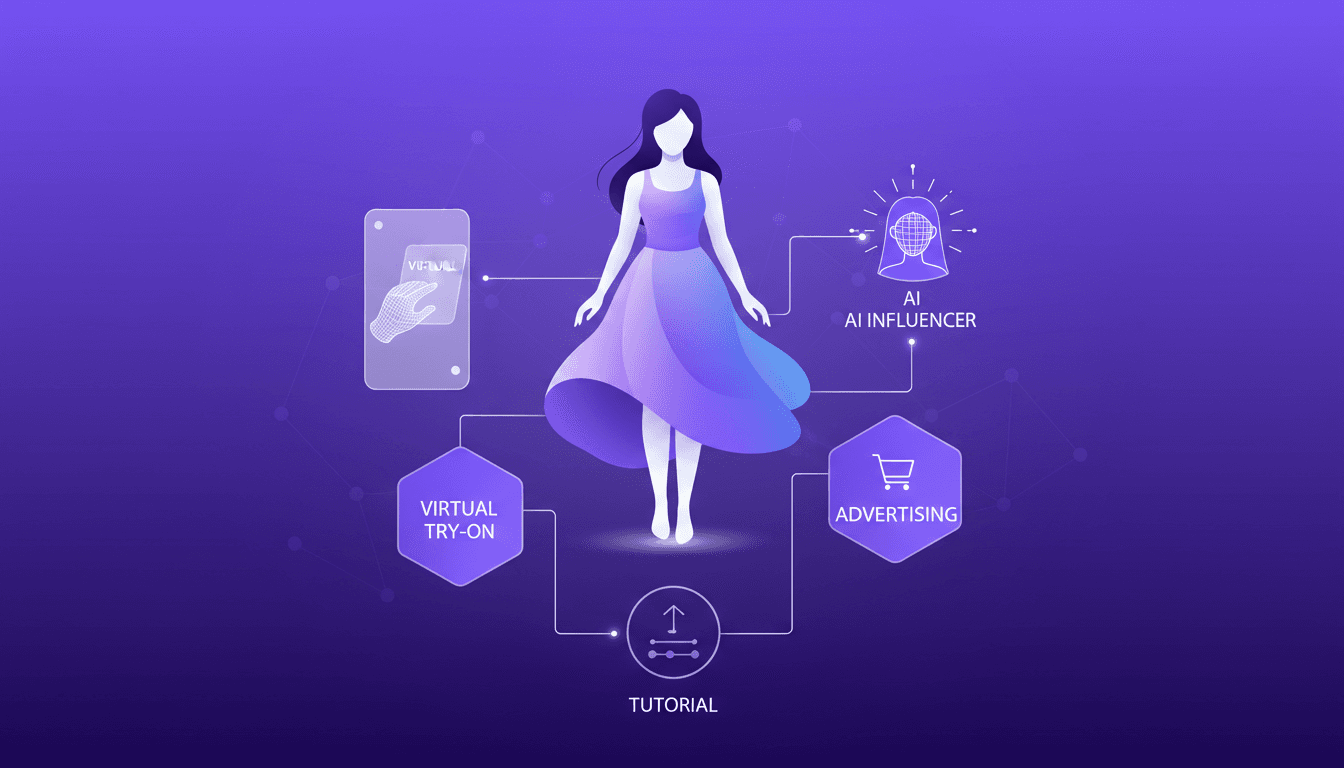
Build Your Own AI Fashion Influencer
I dove into the world of virtual try-on tech to build my own AI fashion influencer. It's like playing dress-up, but with code. First, I integrated an AI model using tools that cost less than a dollar per virtual try. Each generation takes about 40 seconds and costs just 4 cents. It's a real game changer for fashion advertising. I'll walk you through how I orchestrated everything—from model integration to cost management—and how this opens up new monetization opportunities in the industry. Don't get burned by context limits; beyond 100K tokens, it gets tricky. Ready to transform your fashion marketing approach with AI? Follow along, I'll show you how.
Becoming an AI Whisperer: A Practical Guide
Becoming an 'AI Whisperer' isn't just about the tech, trust me. After hundreds of hours engaging with models, I can tell you it's as much art as science. It's about diving headfirst into AI's depths, testing its limits, and learning from every quirky output. In this article, I'll take you through my journey, an empirical adventure where every AI interaction is a lesson. We'll dive into what truly being an AI Whisperer means, how I explore model depths, and why spending time talking to them is crucial. Trust me, I learned the hard way, but the results are worth it.
Nvidia AI Supercomputer: Power and Applications
I plugged in Nvidia's new personal AI supercomputer, and let me tell you, it's like trading in your bicycle for a jet. We're talking about a device that outpaces your average laptop by a thousand times. This gem can handle 200 billion parameter models, thanks to the gb10 Grace Blackwell chip. But watch out, this colossal power brings its own challenges. It's a real game changer for individual users, but you need to know where to set the limits to avoid getting burned. Let's dive into what makes this tool exceptional and where you might hit a wall.
Nvidia's Personal AI Supercomputer: Project DIGITS
I’ve been knee-deep in AI projects for years, but when Nvidia announced their personal AI supercomputer, I knew this was a game changer. Powered by the gb10 Grace Blackwell chip, this beast promises to handle models with up to 200 billion parameters. This isn't just tech hype; it's a shift in how we can build and deploy AI solutions. With power a thousand times that of an average laptop, this isn't for amateurs. Watch out for the pitfalls: before diving in, you need to understand the specs and the costs. I'll walk you through what's changing in our workflows and what you need to know to avoid getting burned.
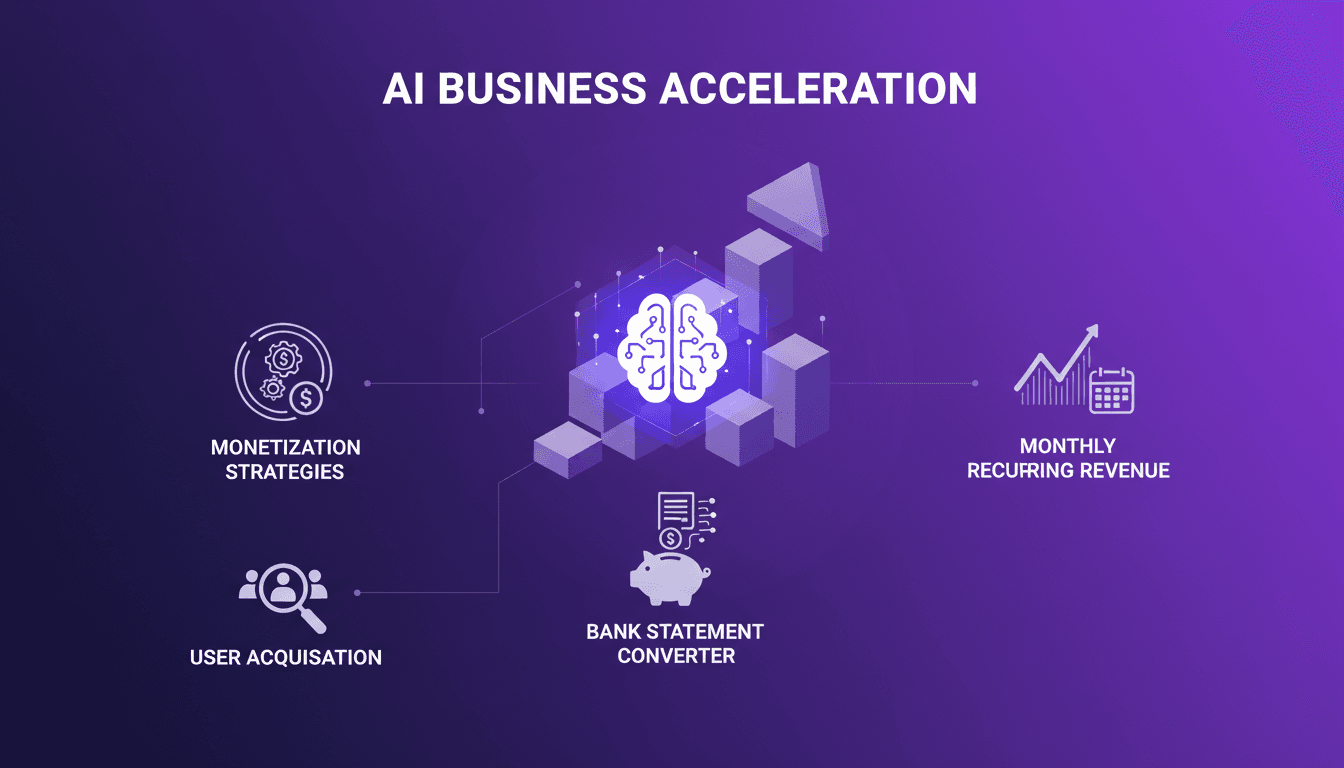
Revenue Growth: Bank Statement Converter Insights
I launched the Bank Statement Converter with a simple idea and a clear goal: make financial data more accessible. Fast forward to today, we're pulling in $40K MRR. How did we get here? Back in 2022, we started modestly with just $6K MRR. Since then, we've deployed precise strategies to grow our user base and refine our business model. This journey hasn't been without its challenges: I had to tweak our monetization strategy and optimize our monthly traffic to sustain exponential growth. As a builder, I'm sharing the steps that transformed a simple website into a revenue-generating machine.