Balancing Motherhood and Self-Care with ChatGPT
Balancing motherhood with self-care felt like a myth. Then I started leveraging AI tools like ChatGPT, and everything shifted. Picture this: managing chronic pain and decoding CAT scan results without losing my mind. In this article, I walk you through my journey of integrating AI into my health routine. We're talking real workflows: how I schedule 15-minute workouts with 10-pound dumbbells and track symptoms without stress. It's been a game changer in managing family health. Honestly, it's a revolution.
I used to think balancing motherhood and self-care was a myth. Then I started leveraging AI tools like ChatGPT, and everything changed. Imagine trying to manage chronic pain while deciphering CAT scan results that look like they're written in another language. It was a nightmare before. Now, I connect these tools to streamline my daily health management. For instance, I schedule 15-minute workouts with my 10-pound dumbbells, all orchestrated stress-free through AI. It's been a game changer in managing family health. It's even changed how I track symptoms and understand my personal metrics. The impact is direct and profound. If you're wondering how to integrate these tools into your routine, I'll share my experience so you can avoid the mistakes I made. The key is in task orchestration through technology. Ready for the change?
Balancing Motherhood and Self-Care with AI
Like many, balancing motherhood with self-care is a juggling act. I start my day with a quick 15-minute workout using 10-pound dumbbells. It’s not much, but it sets a positive tone for the day. Every minute counts when you're a mom. I've integrated AI reminders to schedule self-care activities like a quick meditation or a herbal tea break. These small moments of self-care are crucial to maintaining my sanity.
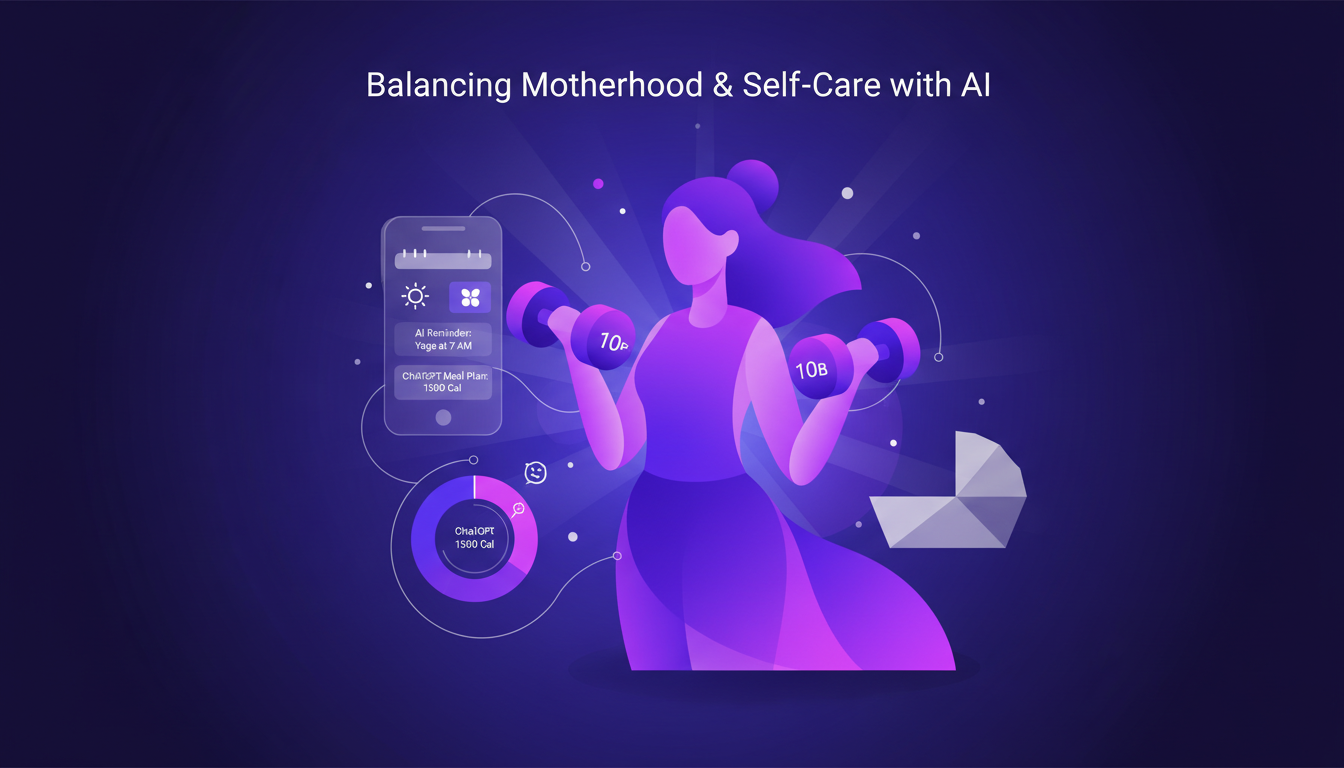
Next, I use ChatGPT to plan meals with optimal calorie intake. It helps me avoid the hassle in the kitchen. For busy moms, time management is key, and AI tools can really make a difference. But watch out not to overload your schedule, it’s a common trap.
- 15 minutes for an effective workout
- Using AI to schedule self-care
- Meal planning with ChatGPT
- Time management tips for busy moms
Mindset Management in Chronic Pain
Living with chronic pain isn’t just about symptom management; it’s also about managing your mindset. I use ChatGPT daily for mindset check-ins and affirmations. It might sound simple, but it makes a world of difference. I’m also diligent in tracking my pain levels and triggers through AI-assisted journaling. It helps me identify patterns and take actions accordingly.
"Mindset management is as crucial as symptom management."
To stay productive, setting realistic goals is helpful. It reduces stress and channels your efforts. But be careful not to overburden yourself, that’s counterproductive.
- Using ChatGPT for daily check-ins
- Tracking pain levels with AI journaling
- Practical strategies to stay productive
- Realistic goals to reduce stress
Decoding Medical Test Results with Confidence
Understanding medical test results can transform your treatment approach. Recently, I used AI to break down my CAT scan results. It empowered me to be more active in my treatment decisions. I learned to interpret the inflammation score and its dietary implications through resources like How to understand lab test results with AI. Then there's the Burtness metric, a gauge I’ve used to assess my overall well-being.
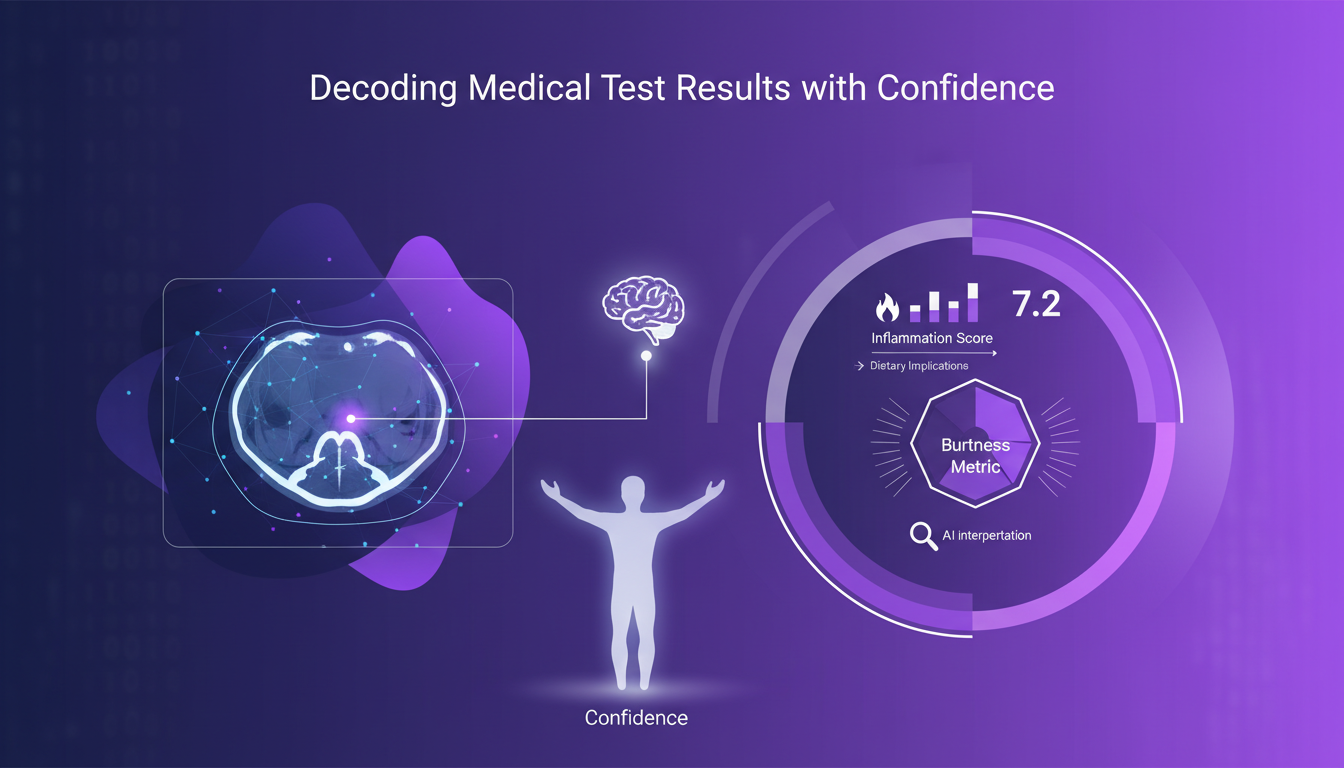
But be cautious: self-diagnosing with AI can be slippery. Always consult a healthcare professional for critical decisions.
- Breaking down CAT scan results with AI
- Understanding inflammation score
- Leveraging the Burtness metric
- Avoiding self-diagnosis pitfalls
Tracking Symptoms and Personal Metrics Efficiently
To truly understand your health, tracking symptoms and personal metrics is key. I use AI to log symptoms and identify patterns over time. It has allowed me to create a personalized health dashboard, with the help of ChatGPT. It’s a great way to see trends emerge, but watch out for the trap of over-monitoring. Balance is critical.
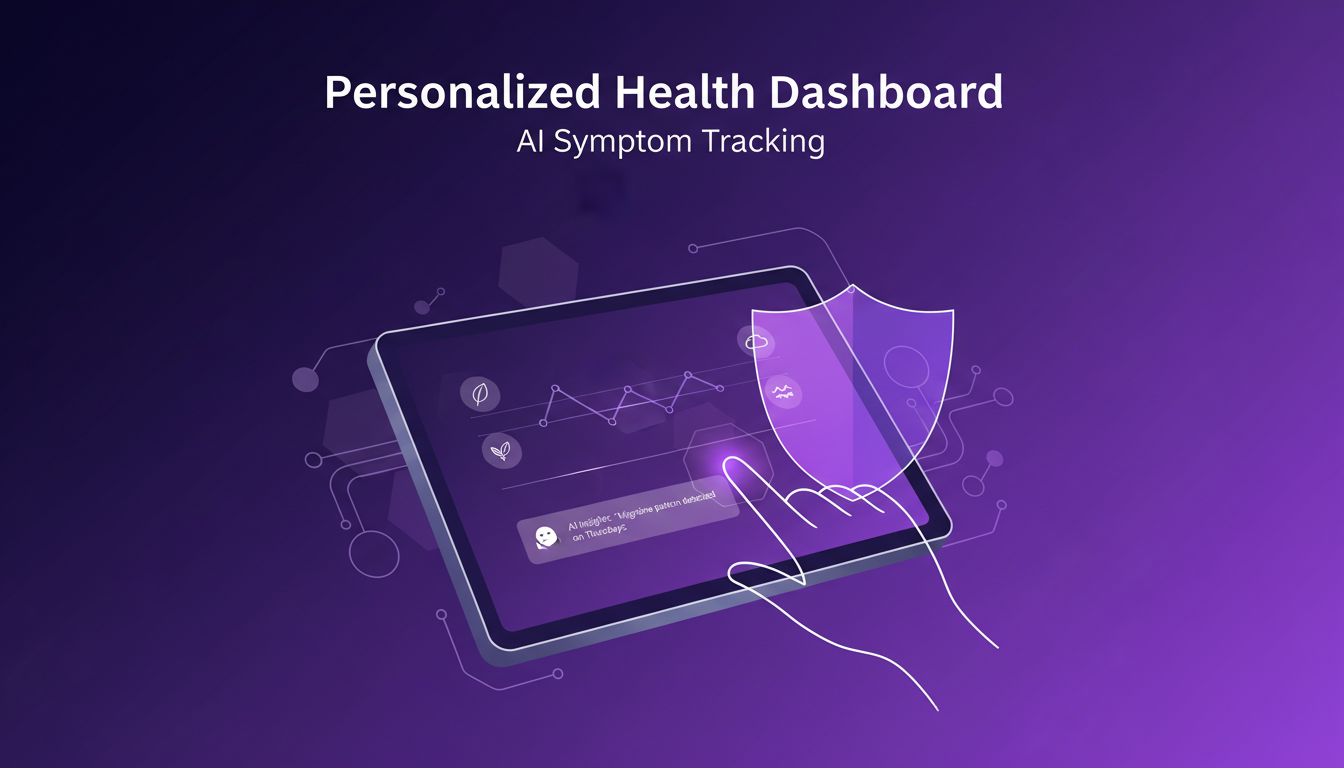
Integrating these data points into your daily routine without being overwhelmed is an art. Sometimes, it’s faster to jot down a few key points than to detail everything.
- Logging symptoms with AI
- Creating a personalized dashboard
- Avoiding over-monitoring
- Integrating metrics into daily routine
Empowering Patient Health Outcomes with AI
AI offers a proactive approach to health management. I've seen real-life examples where patient outcomes improved through AI insights. Understanding lab results not only boosted my confidence but also my engagement in my care. Yet, it's crucial not to rely too heavily on AI. Knowing when to consult a doctor is essential.
Empowered patients tend to have better health outcomes. It’s not just a slogan; I’ve seen it in my own experience. Ultimately, it’s about using AI as one tool among others, without forgetting professional judgment.
- Proactive health management with AI
- Real-life examples of improved outcomes
- Balancing AI recommendations with medical advice
- Avoiding over-reliance on AI
Integrating AI into my health routine has truly been a game changer. First, I balance my role as a mom with personal care. Then, AI helps me decode those complex medical results that used to baffle me. It's a valuable tool, but remember, it's not about replacing health professionals, just enhancing our approach.
Key takeaways:
- A 15-minute workout with 10-pound dumbbells makes a difference.
- Managing chronic pain with a mindset shift is possible.
- Tracking symptoms and personal metrics is about reclaiming your health.
Looking forward, AI is only going to get better. Ready to take control of your health journey? Start exploring AI tools like ChatGPT and see the impact in your daily life. For a deeper dive, I recommend watching the video "Navigating Health | with ChatGPT" on YouTube: https://www.youtube.com/watch?v=305lqu-fmbg. It's like chatting with a peer who's already been through the process.
Frequently Asked Questions

Thibault Le Balier
Co-fondateur & CTO
Coming from the tech startup ecosystem, Thibault has developed expertise in AI solution architecture that he now puts at the service of large companies (Atos, BNP Paribas, beta.gouv). He works on two axes: mastering AI deployments (local LLMs, MCP security) and optimizing inference costs (offloading, compression, token management).
Related Articles
Discover more articles on similar topics
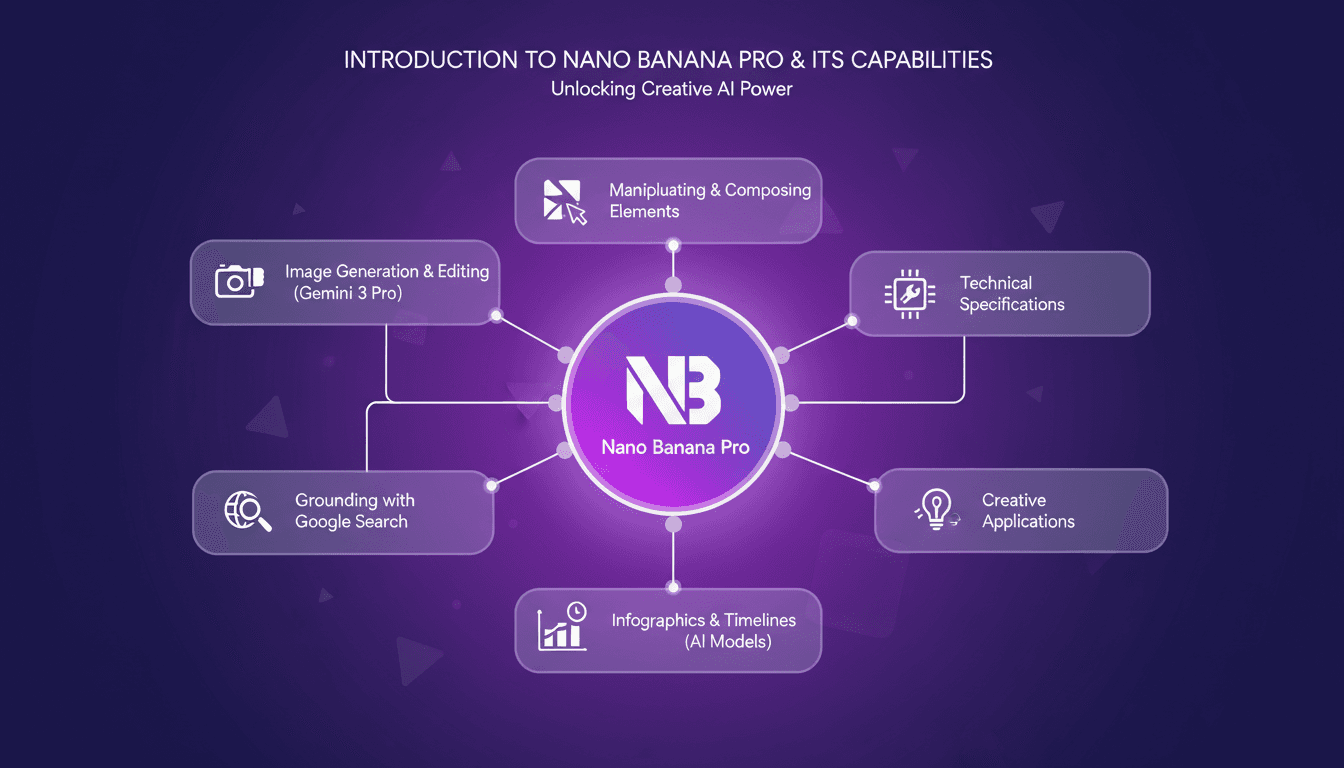
Nano Banana Pro: AI Image Generation Guide
Last week, I dove headfirst into Nano Banana Pro, and it's a real game changer. I'm not just talking theory here—I hands-on tested it, generating and editing images like never before. First, I'll walk you through how I set it up, then we'll dive into what it can really do. From image generation with Gemini 3 Pro to manipulating various visual elements, this new tool opens up massive creative doors. Whether you're an artist, designer, or just curious about AI, Nano Banana Pro has something for you. We'll also cover technical specs and creative application cases. Buckle up, because it's worth the ride.
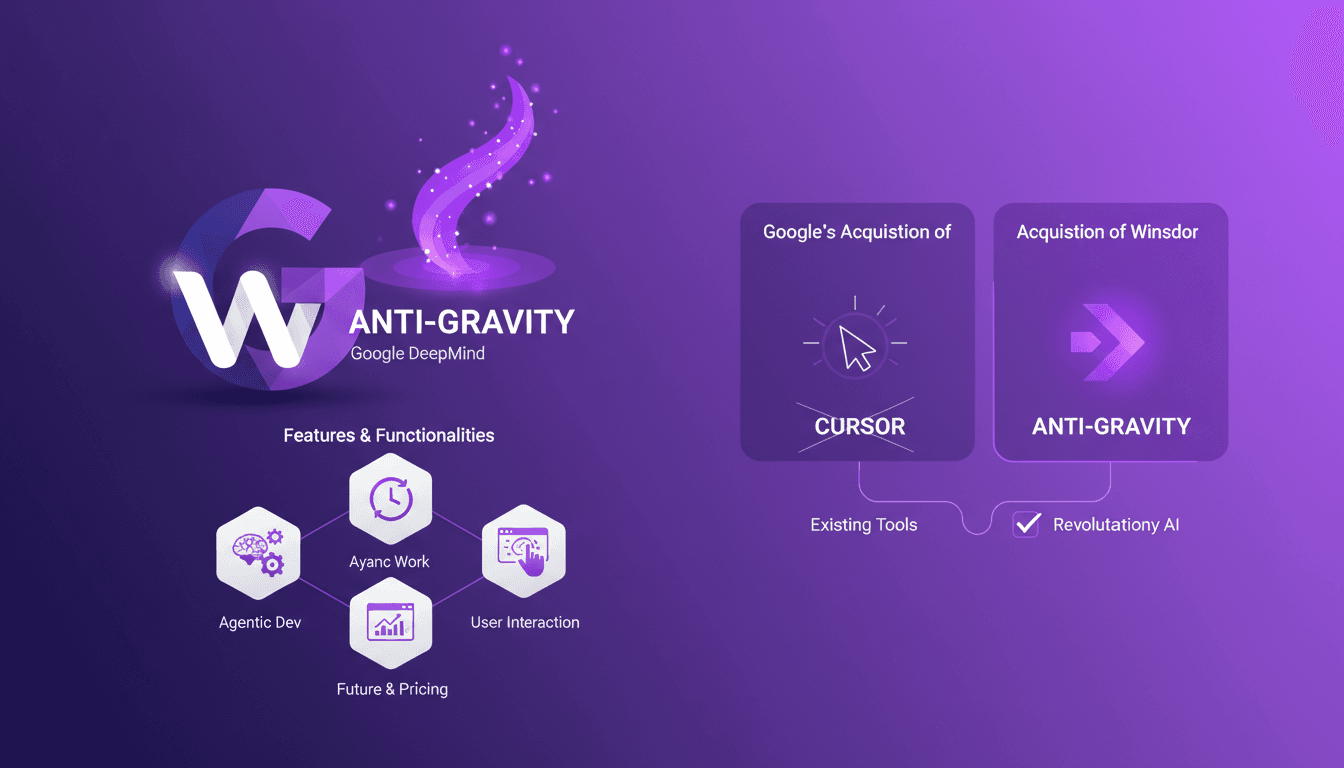
Google's Anti-gravity: Revolutionizing Development
I've been in the development trenches long enough to spot a game changer when I see one. Google's acquisition of Windsor and the introduction of Anti-gravity has me rethinking my workflows entirely. With Anti-gravity, Google DeepMind is redefining agentic development and asynchronous work. Its innovative features and potential to outshine tools like Cursor are exciting. But watch out: the promises are big, and the limits must be understood. Let's dive into what could very well be a revolution for us seasoned developers.
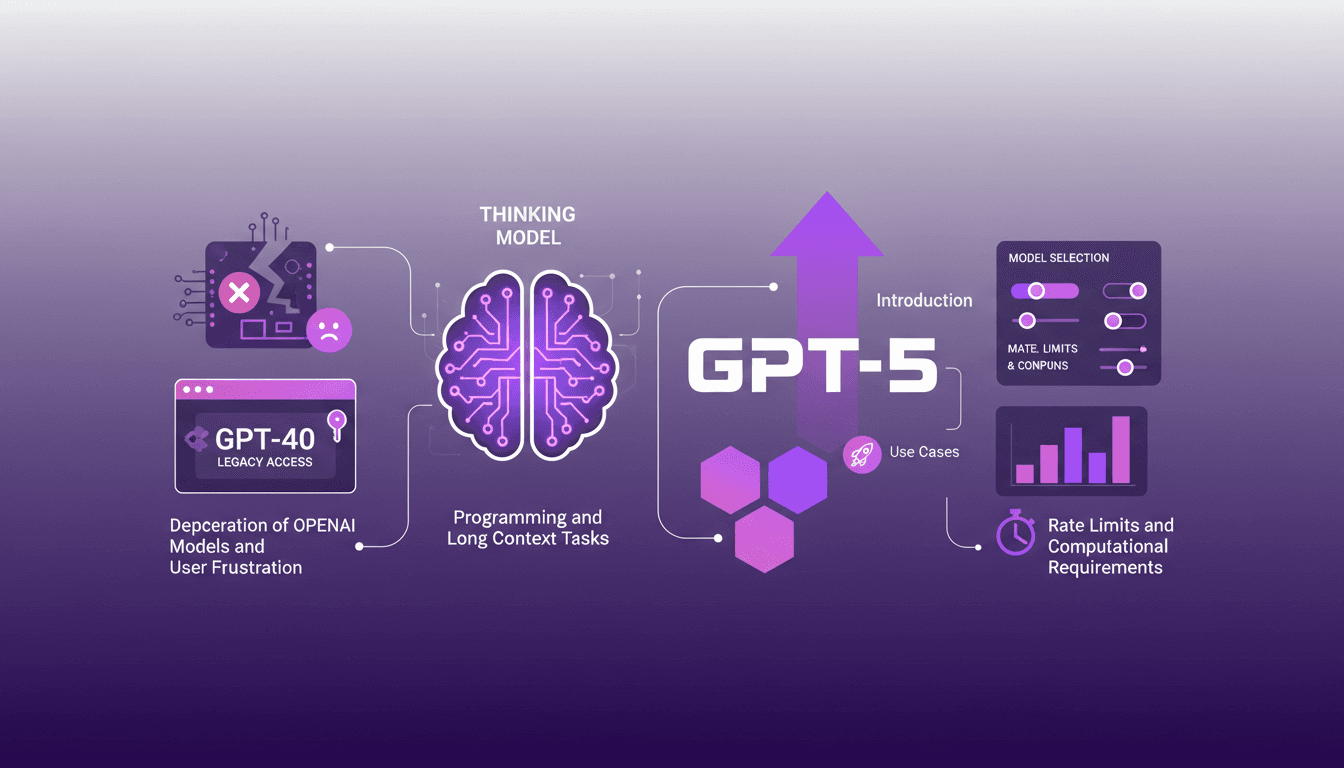
Accessing GPT-40 on ChatGPT: Practical Tips
I remember the day OpenAI announced the deprecation of some models. The frustration was palpable among us users, myself included. But I found a way to navigate this chaos, accessing legacy models like GPT-40 while embracing the new GPT-5. In this article, I share how I orchestrated that. With OpenAI's rapid updates, staying current can feel like a juggling act. The deprecation of older models and introduction of new ones like GPT-5 have left many scrambling. But with the right approach, you can leverage these changes. I walk you through accessing legacy models, the use cases of GPT-5, and how to configure your model selection settings on ChatGPT, while keeping an eye on rate limits and computational requirements.
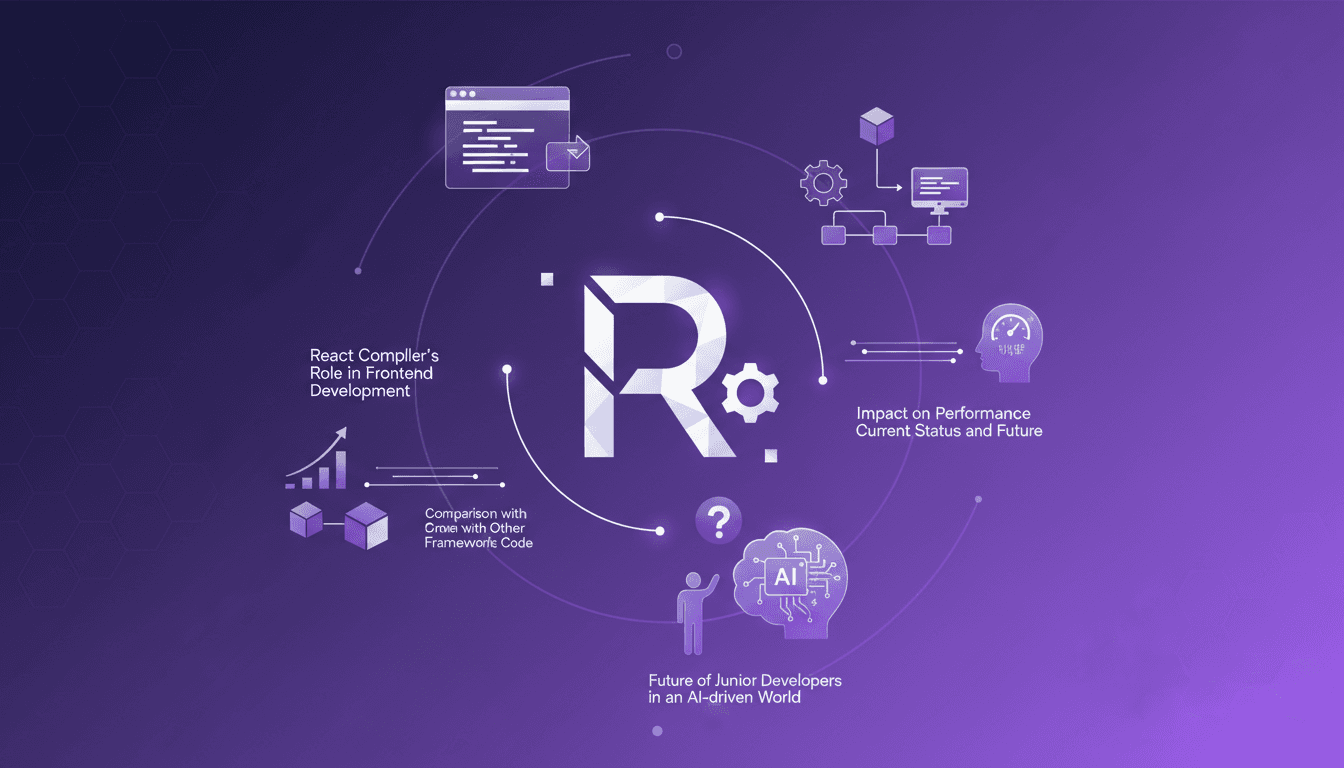
React Compiler: Transforming Frontend
I still remember the first time I flipped on the React Compiler in a project. It felt like turning on a light switch that instantly transformed the room's atmosphere. Components that used to drag suddenly felt snappy, and my performance metrics were winking back at me. But hold on, this isn't magic. It's the result of precise orchestration and a bit of elbow grease. In the ever-evolving world of frontend development, the React Compiler is emerging as a true game changer. It automates optimization in ways we could only dream of a few years ago. Let's dive into how it's reshaping the digital landscape and what it means for us, the builders of tomorrow.
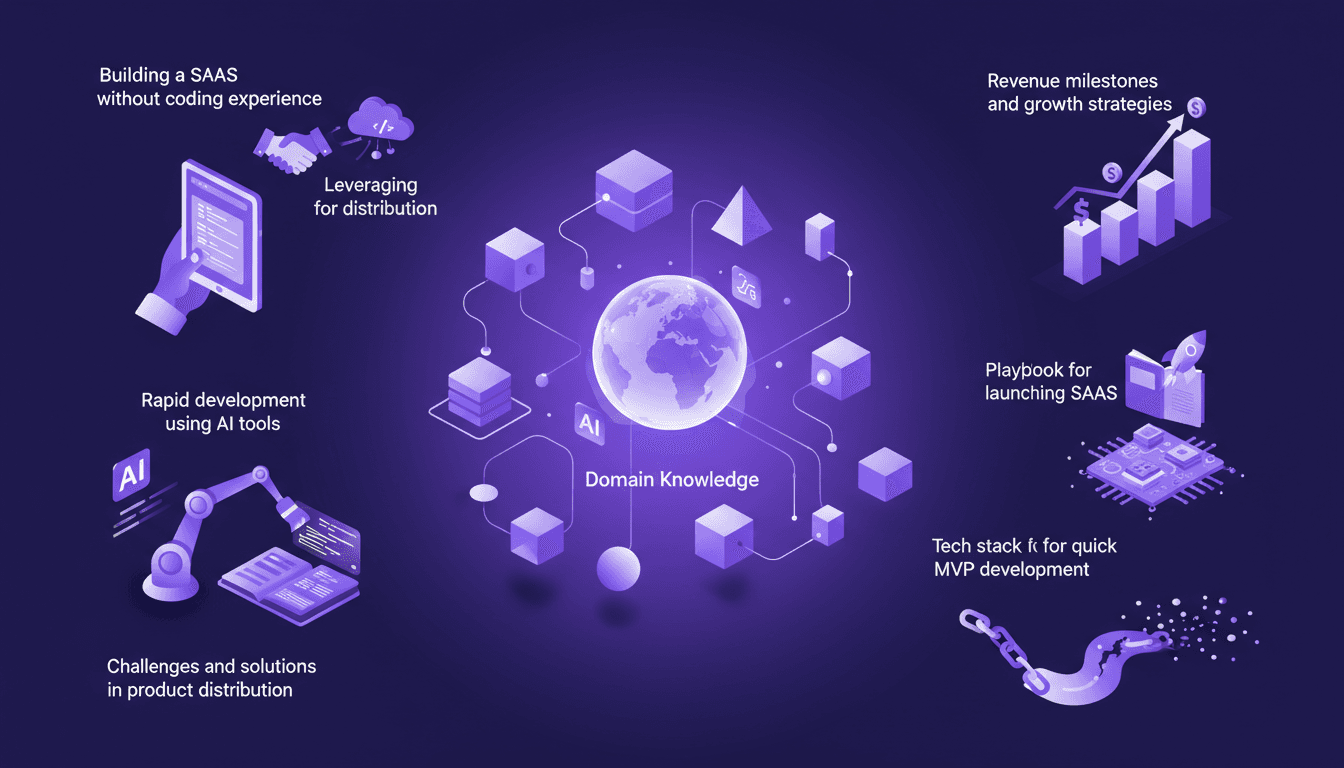
Building a SaaS Without an Audience: Key Strategies
I built my first SaaS with zero coding experience and no audience. Sound crazy? Let me walk you through how I hit $25K/month along the way. In today's digital age, building a SaaS might seem daunting, especially without technical skills or an existing audience. But with the right approach, domain knowledge, and leveraging AI tools, it's more achievable than ever. I'll share how I went from idea to MVP in 48 hours, the 1,000 hours of effort it takes, and the 10 to 12 failed projects before success. We'll talk partnerships for distribution, rapid development using AI tools, and growth strategies.