Building a SaaS Without an Audience: Key Strategies
I built my first SaaS with zero coding experience and no audience. Sound crazy? Let me walk you through how I hit $25K/month along the way. In today's digital age, building a SaaS might seem daunting, especially without technical skills or an existing audience. But with the right approach, domain knowledge, and leveraging AI tools, it's more achievable than ever. I'll share how I went from idea to MVP in 48 hours, the 1,000 hours of effort it takes, and the 10 to 12 failed projects before success. We'll talk partnerships for distribution, rapid development using AI tools, and growth strategies.
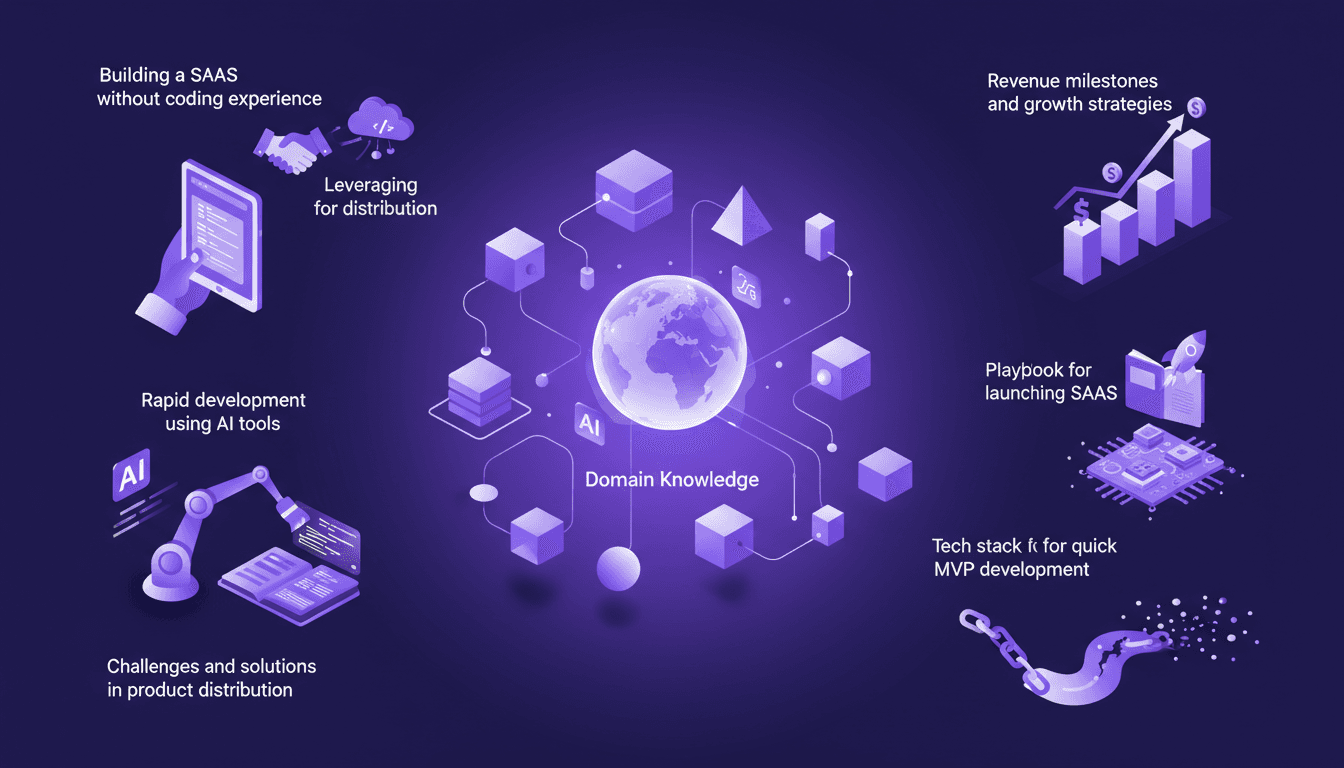
I built my first SaaS with zero coding experience and no audience. Sounds crazy? Let me walk you through how I reached $25K/month in the process. In today's digital age, building a SaaS might seem daunting, especially without technical skills or an existing audience. But with the right approach, domain knowledge, and leveraging AI tools, it's more achievable than ever. I remember transforming an idea into an MVP in just 48 hours thanks to a well-chosen tech stack. It's often said you need about 1,000 hours of effort to succeed, and believe me, I had my share of failures with 10 to 12 projects going nowhere before hitting the jackpot. In this interview, I'll share how I leveraged partnerships for distribution, used AI tools for rapid development, and implemented effective growth strategies. If you're ready to dive into the behind-the-scenes of this journey, stay tuned.
From Idea to MVP in 48 Hours: My Tech Stack
Building a Minimum Viable Product (MVP) in 48 hours is like speed cooking: knowing what to toss in the pan and what to skip ensures you don't burn the dish. Choosing the right tech stack is crucial for rapid development. In my case, I leveraged AI tools to bypass coding barriers, focusing on functionality above all. The goal was to craft a minimum viable product without getting bogged down by unnecessary details.
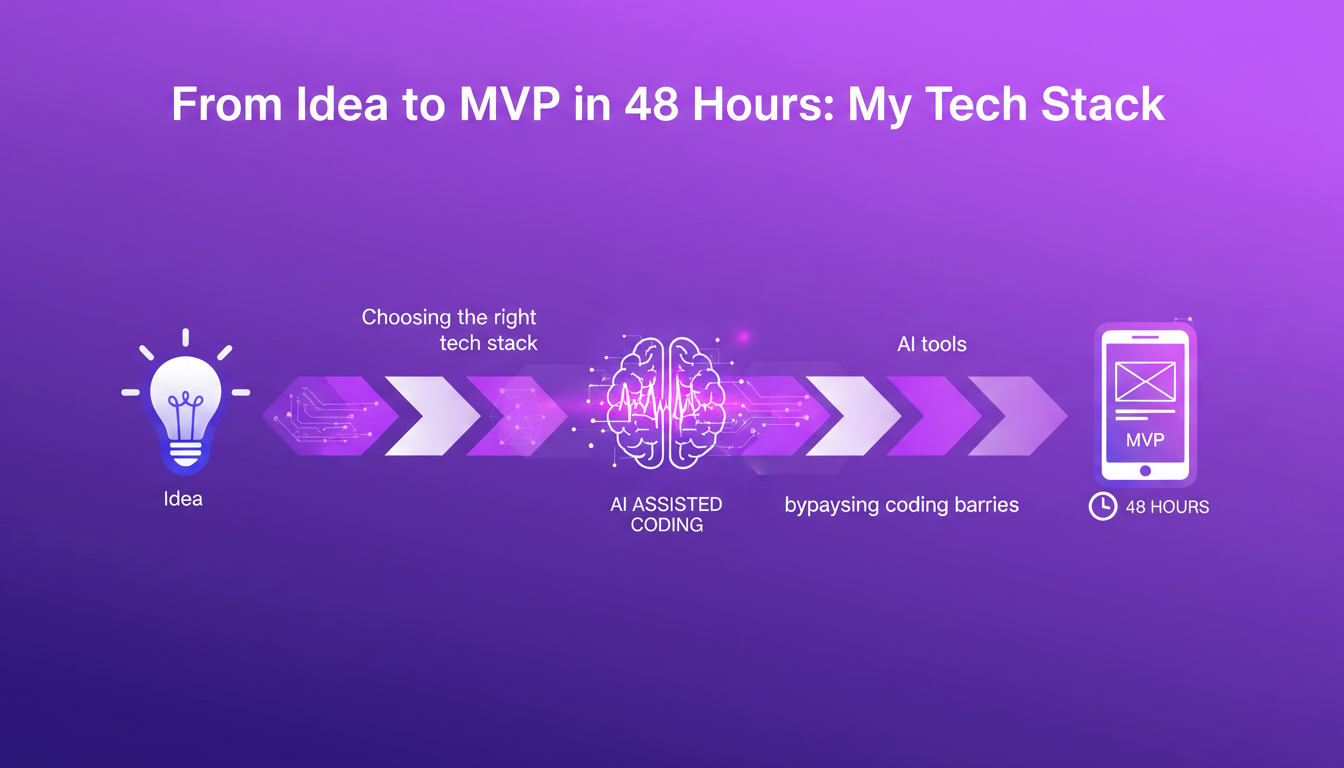
Tools like Cursor, Verscell, Superbase, Resend, and Apify enabled me to build swiftly without drowning in code. But watch out, don't overcomplicate the MVP. Simplicity is key, otherwise, you risk losing focus. In 48 hours, I had a functional MVP. Quite a feat, but beware of limits: beyond 100K tokens, it gets tricky.
Hitting $20K MRR in 90 Days: Growth Strategies
Growing the Monthly Recurring Revenue (MRR) to $20,000 in 90 days isn't accidental. It's the result of deeply understanding and leveraging domain knowledge. I focused on solving a specific problem for a well-defined audience. As a result, MRR hit $10K in just 30 days, $17-18K by 60 days, and $21.8K at 90 days. This journey was steered by an effective partnership strategy.
Partnerships were key. Sometimes, equity shares with partners reached 50%, but it was worth it for distribution and growth. It's about balancing immediate gains and long-term investments. Picture juggling flaming torches: exciting yet precarious.
The Power of Domain Knowledge in SaaS
Having deep domain knowledge is like having a treasure map. It allows you to identify real pain points and develop features that truly matter. By avoiding common pitfalls of unnecessary features, you focus on what counts.
A key moment was understanding the market better than competitors. My advice? Spend at least 1,000 hours diving deep into your domain. It's intense, but worth it. The insights you gain will set you apart.
Distribution Channels: A Strategy with Legacy X
Distribution is as critical as the product itself. Partnering with Legacy X was pivotal for market penetration. I focused on channels aligned with user behavior. But beware, not all channels are worth the time. Being selective is essential.
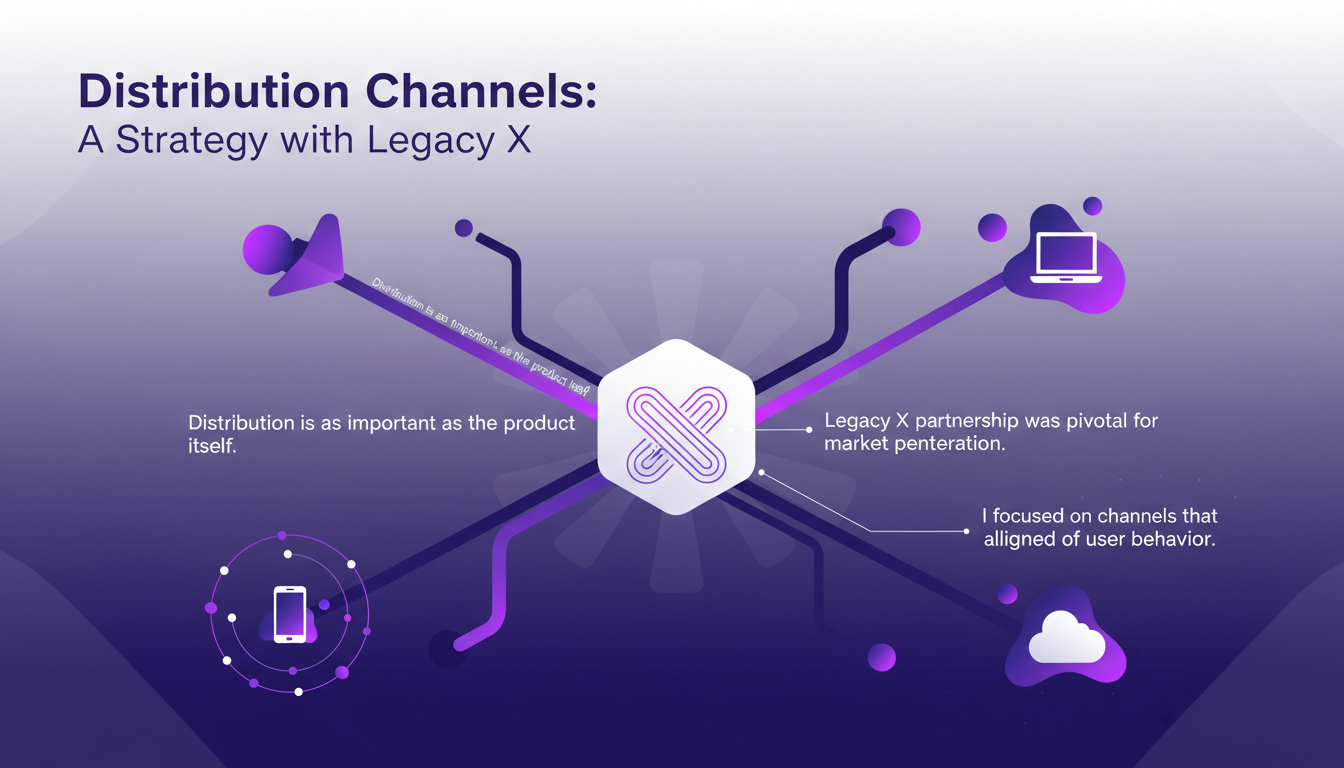
The lesson here is simple: focus on what works and don't waste energy on dead-end paths. Balancing direct sales with partnership channels is an art.
Crafting a SaaS Success Playbook
You need to iterate quickly based on user feedback. Documenting processes to streamline future projects is key. Being ready to pivot based on market needs is a strength. The key takeaway: fail fast, learn faster. I got burned on 10-12 projects before succeeding, but each failure brought me closer to success.
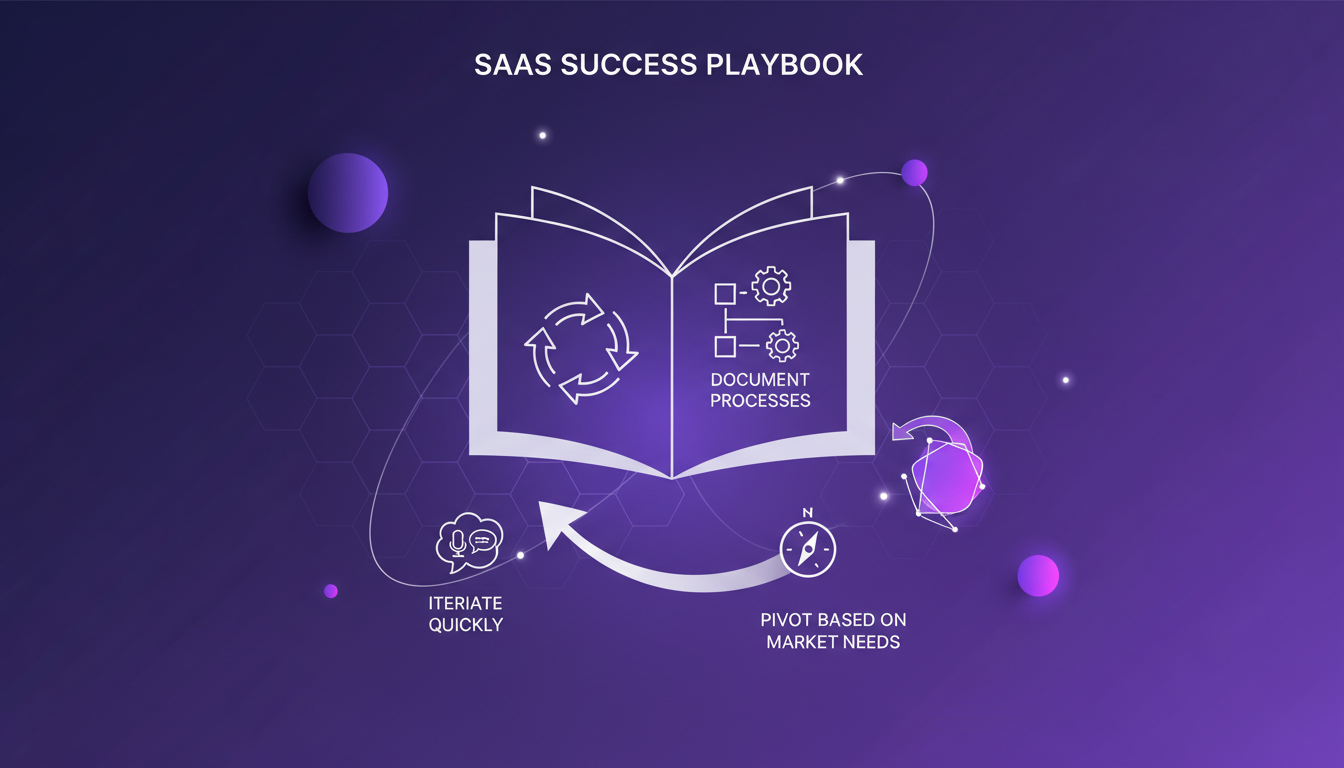
In summary, a playbook for starting a SaaS includes steps like identifying domain knowledge, finding validated markets, and building an MVP. Remember: perseverance and continuous learning are your best allies.
If this journey excites you, check out other strategies with Max's Strategy: 28 Apps, $10K/Month and learn how to build a SaaS product without coding.
Building a SaaS without coding skills or an audience is tough but doable. Here's what I learned:
- First, leverage your domain knowledge. Without it, you're building blind.
- Then, partnerships are key for distribution. Find allies, because going solo is slower.
- Use AI tools for rapid development. I went from idea to MVP in 48 hours thanks to them.
- Don't get discouraged by failures: 10 to 12 failed projects before a successful one is normal.
Looking ahead, with AI getting smarter, SaaS development is only going to get faster and more accessible. But remember, it still demands a massive time investment (expect around 1,000 hours to succeed).
Ready to start your SaaS journey? Leverage these insights to avoid common pitfalls and build something impactful. For a deeper dive, check out the original video: How I built my first SaaS without an audience. It's practical, not just theory.
Frequently Asked Questions

Thibault Le Balier
Co-fondateur & CTO
Coming from the tech startup ecosystem, Thibault has developed expertise in AI solution architecture that he now puts at the service of large companies (Atos, BNP Paribas, beta.gouv). He works on two axes: mastering AI deployments (local LLMs, MCP security) and optimizing inference costs (offloading, compression, token management).
Related Articles
Discover more articles on similar topics
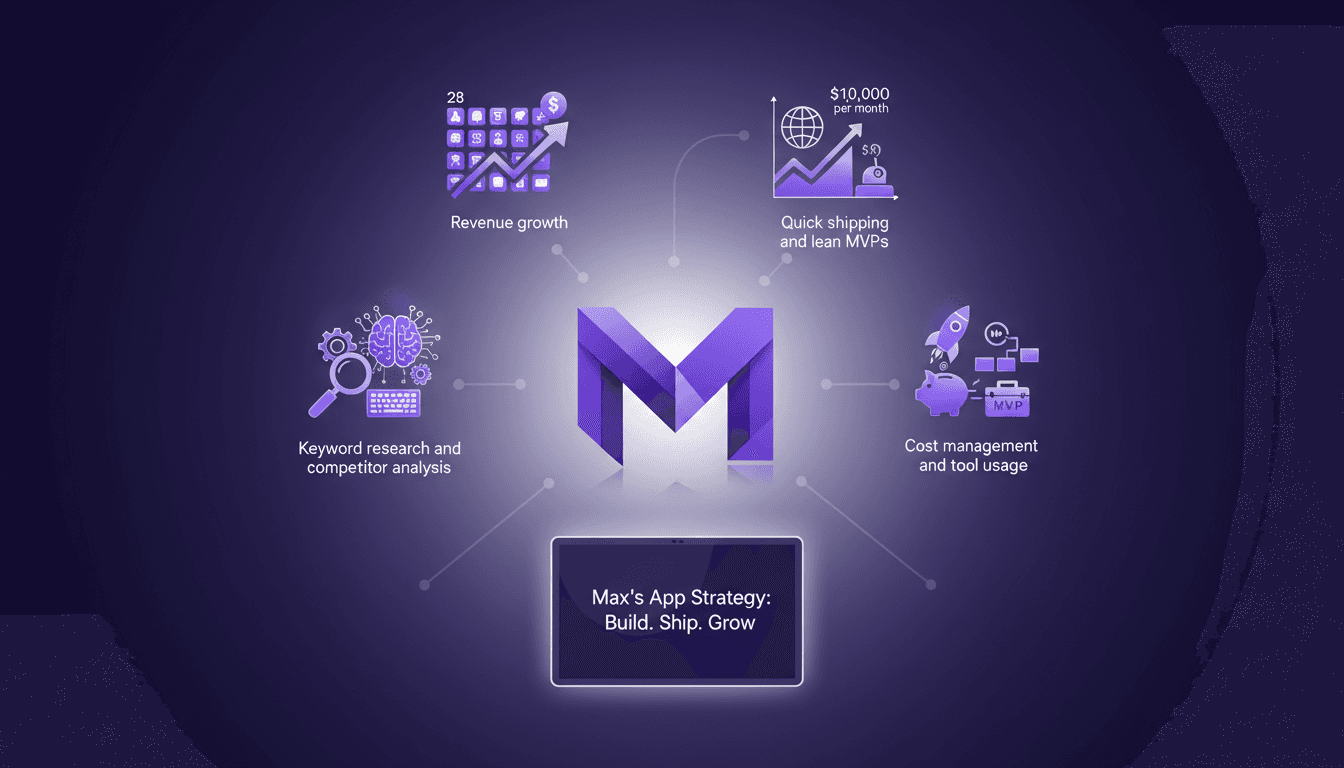
Max's Strategy: 28 Apps, $10K/Month
I still remember starting with just a simple app, barely pulling in $200 a month. Fast forward eight months, and I'm orchestrating 28 apps that bring in a steady $10,000 monthly. How did I do it? I focused on efficiency and smart use of AI tools. In this article, I share my methods—from keyword research to competitor analysis for app ideas, to rapid development and the importance of quick shipping with lean MVPs. I'll share tips on cost management and the pitfalls I stumbled into at the start.
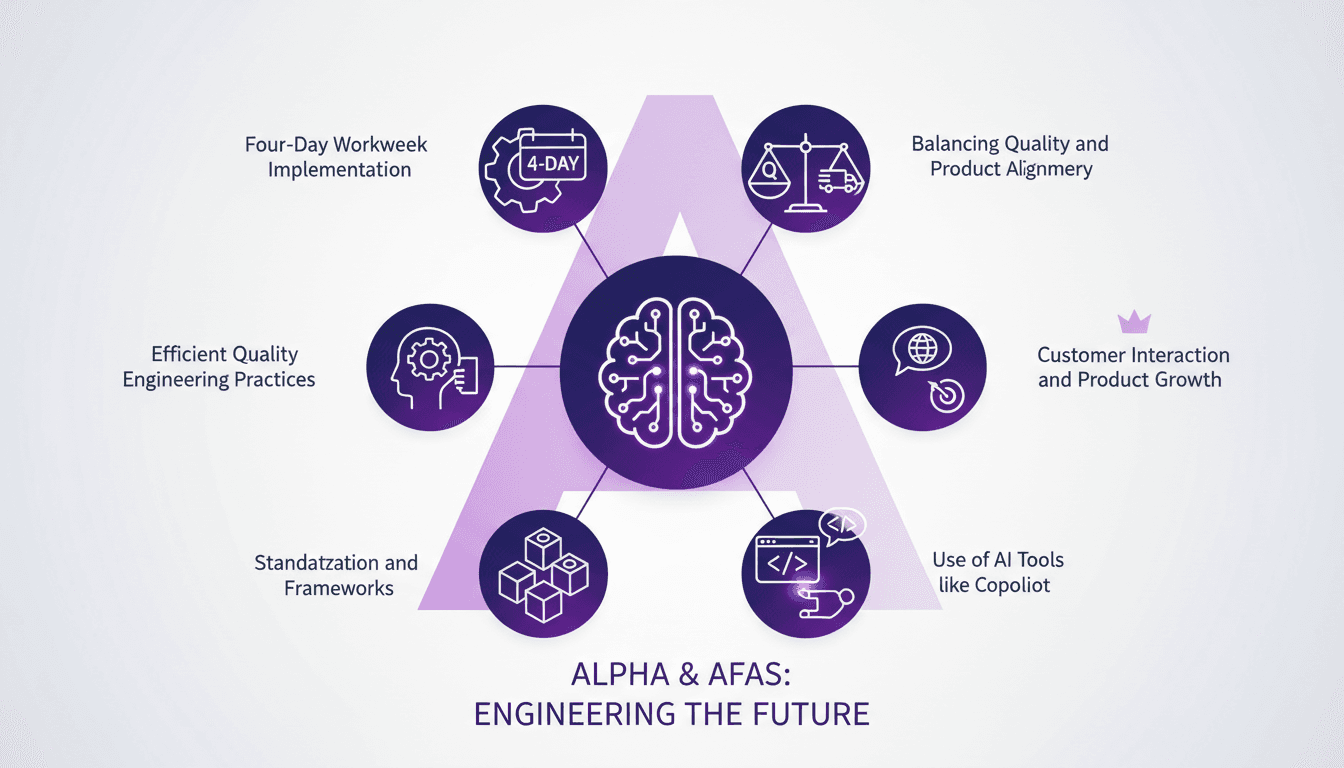
Maximizing Engineering: Alpha and AFAS at Work
I still remember the moment I first heard about Alpha's four-day workweek. It sounded like a dream, yet it was real. We were getting more done with fewer engineers, and the magic lay in our approach: streamlining processes and leveraging AI tools like Copilot. In today's competitive landscape, engineering teams need to be both efficient and adaptable. At Alpha and AFAS, we've honed practices that balance quality with delivery while maintaining a healthy work culture. This involves effective engineering practices, four-day workweek implementation, balancing quality and product delivery, and embracing AI tools.
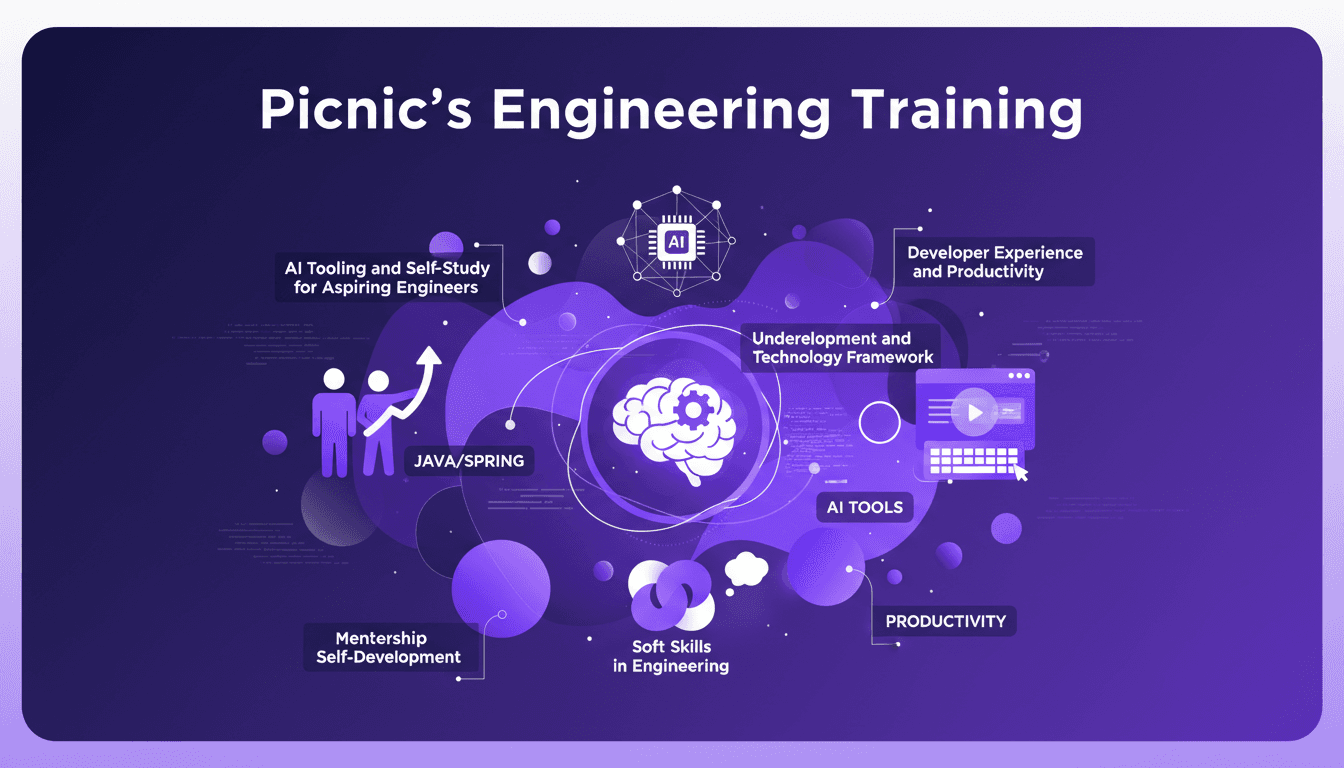
Elevate Your Engineering with Picnic
I remember the first time I walked into Picnic's training program. It was like stepping into a new world of engineering. The energy was palpable, and the focus on not just coding, but thinking like an entrepreneur, was a game changer. In the engineering world, standing out means more than just knowing your code. It's about mindset, continuous learning, and leveraging the right tools. Let's dive into how Picnic's approach bridges the gap between good and great engineers. We're talking Java, Spring Framework, and the importance of deeply understanding technology, not to mention soft skills and AI tooling for aspiring engineers.
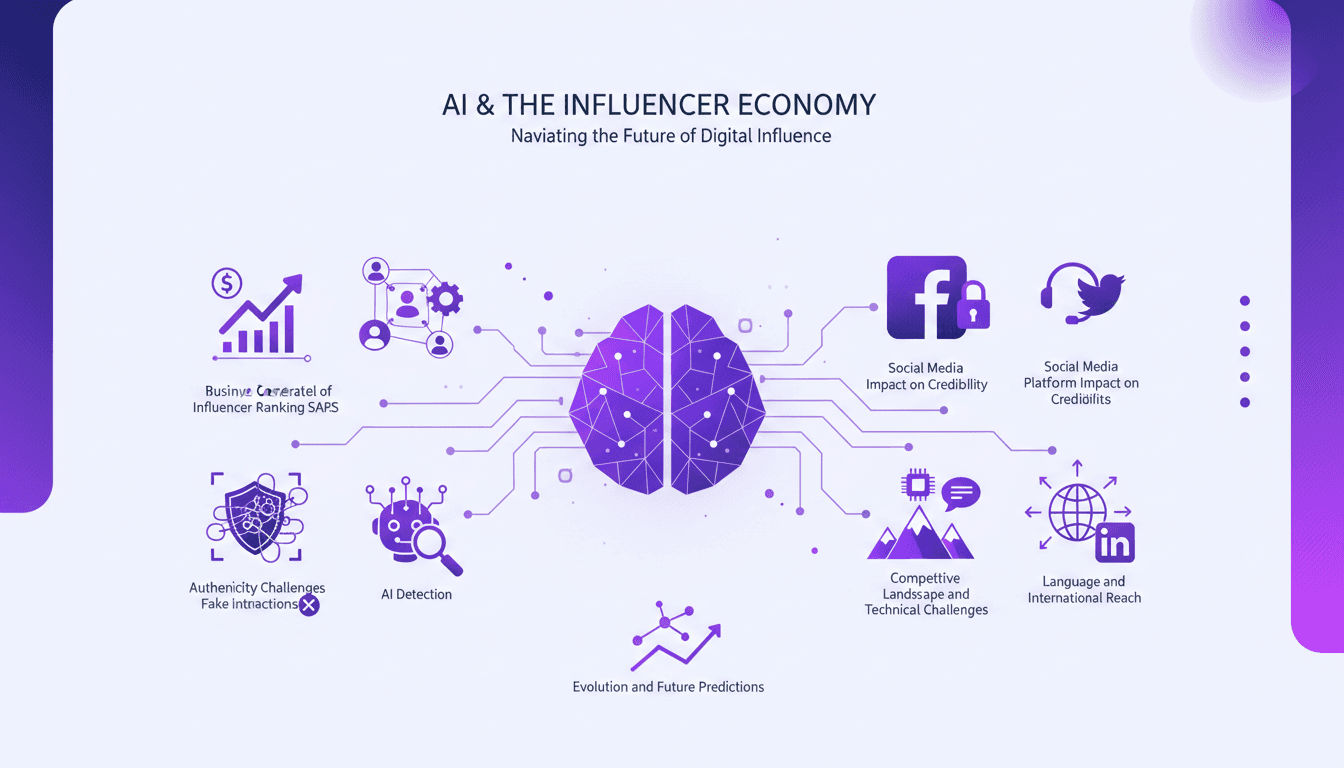
Generating €120K/Month with Influencer SaaS
I started with an idea and a laptop, and now my SaaS is pulling in €120K a month. I built an influencer ranking platform that cuts through the noise of fake engagements and delivers real value. In today's influencer marketing landscape, authenticity is king. But with fake interactions rampant, how do you build a tool that truly ranks influencers by their real impact? Here's how I tackled this challenge using AI, PLG, and a relentless focus on authenticity.

Unlock Productivity: Daily Habits and Key Tools
I started experimenting with productivity tools out of necessity. Eight-hour meetings were draining me, and my workflows felt outdated. So, I set up a Zettelkasten system and dove into 'Getting Things Done'. Here's how I transformed my daily grind into a streamlined machine. In this article, I’ll walk you through my journey of challenging workflows, leveraging AI, and balancing work with personal life. These aren't just theories; they're tested strategies that led to real productivity gains.