Max's Strategy: 28 Apps, $10K/Month
I still remember starting with just a simple app, barely pulling in $200 a month. Fast forward eight months, and I'm orchestrating 28 apps that bring in a steady $10,000 monthly. How did I do it? I focused on efficiency and smart use of AI tools. In this article, I share my methods—from keyword research to competitor analysis for app ideas, to rapid development and the importance of quick shipping with lean MVPs. I'll share tips on cost management and the pitfalls I stumbled into at the start.
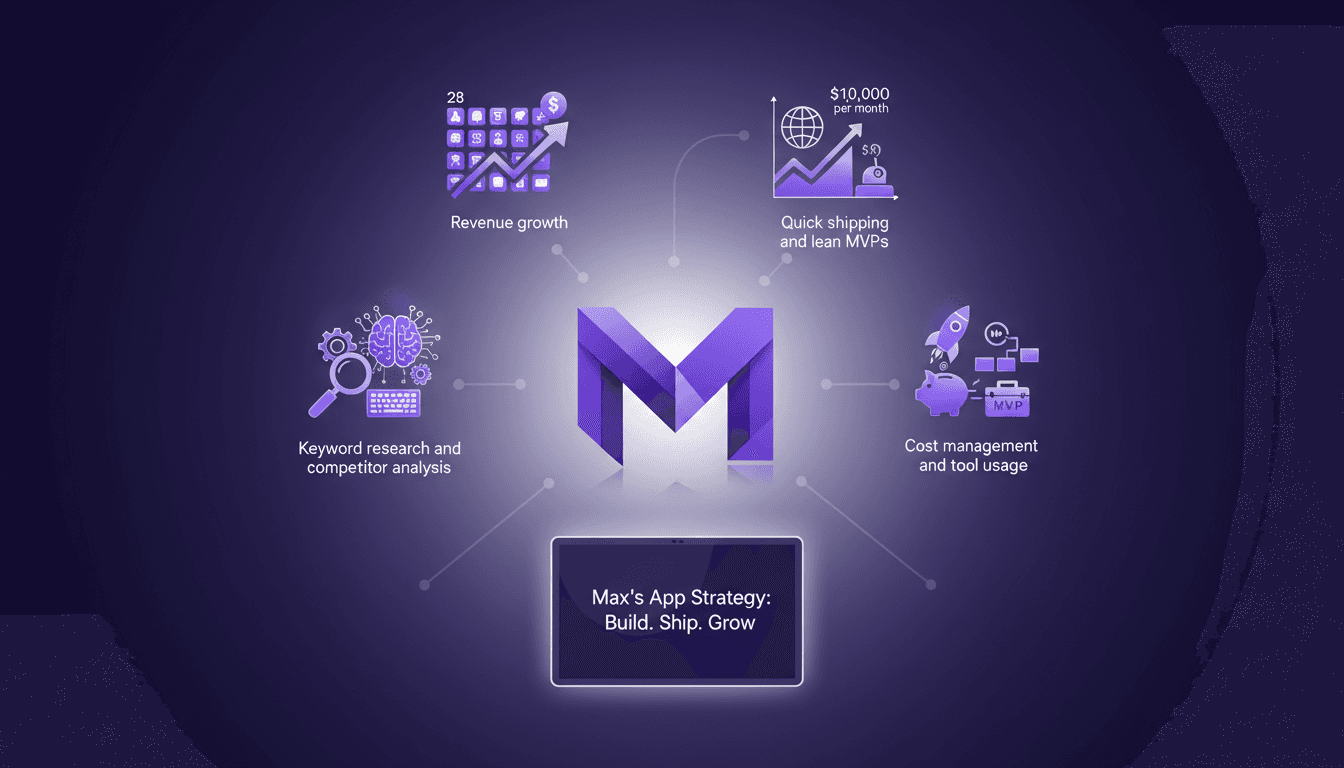
Eight months ago, I was launching my first app with a modest $200 in monthly revenue. Today, I'm managing 28 apps bringing in $10,000 every month. What's my secret? Strategic planning and rigorous execution. I started by connecting my ideas with AI tools, focusing on keyword research and competitor analysis to pinpoint the best app ideas. I learned to ship lean MVPs quickly, manage costs wisely, and avoid the pitfalls I stumbled into early on. The importance of efficiency and continuous innovation can't be overstated. In this article, I take you through my journey, my successes, and my mistakes, showing you how to turn a modest idea into a thriving business.
Building the Foundation: Keyword Research and Competitor Analysis
When diving into app development, I always start with thorough keyword research. It's the compass that guides me to identify app opportunities. Without it, you're navigating blind. I use tools like Astro to uncover relevant keywords. The trick is to select keywords with at least 20% popularity and 60-70% difficulty. This allows targeting promising niches without too much saturation.
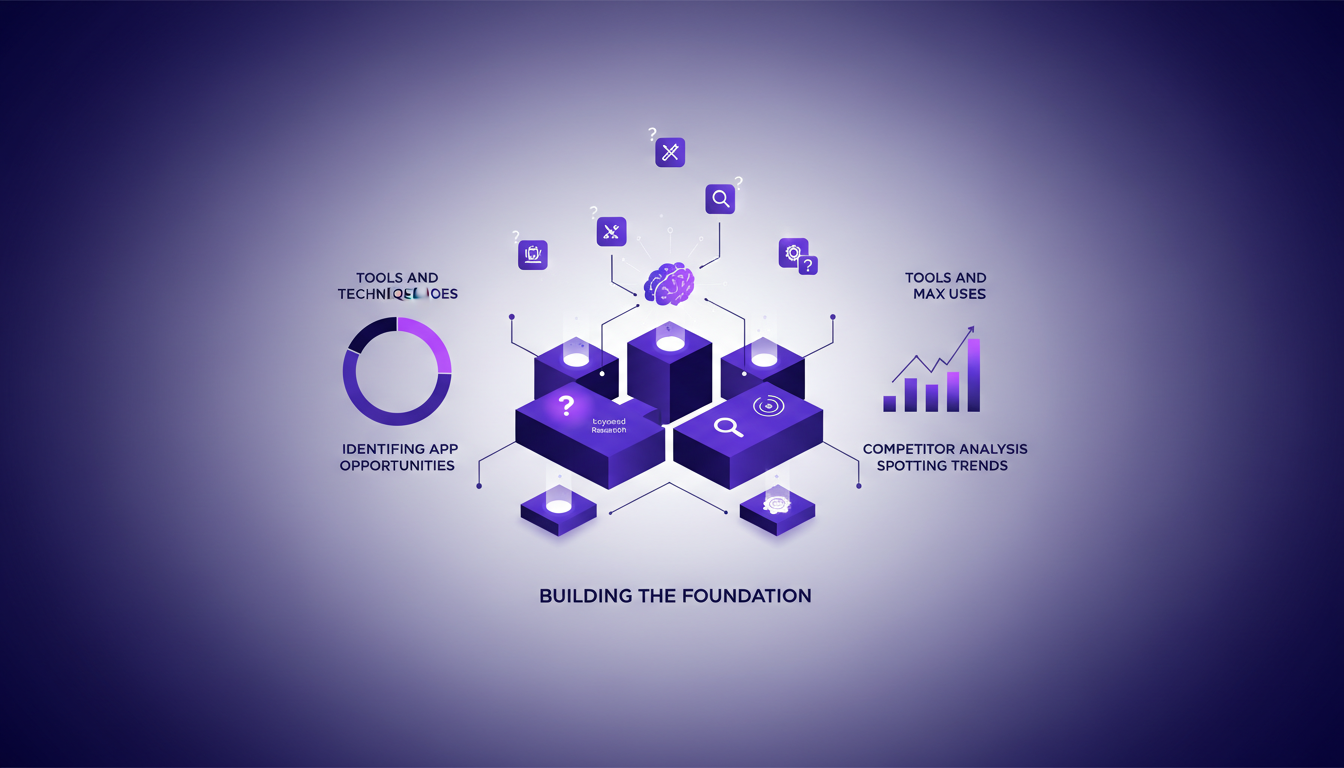
Next, I tackle competitor analysis. Knowing what's popular isn't enough; you need to understand who dominates the market and how. I scrutinize competing apps using tools like Sensor Tower, checking their monthly revenue. If a competitor doesn't exceed $100 or $200 monthly, it's not worth venturing there. A concrete example: I found an opportunity targeting students with various science apps. This allowed me to create multiple apps from one base idea.
"I realized that targeting keywords was as crucial as understanding your market."
But watch out, you have to juggle between broad and niche targeting. Too much focus on a niche can limit your audience, while too broad targeting can dilute your message.
Rapid Development with AI Tools
AI tools like Chat GPT and Gemini have revolutionized my development process. These tools accelerate development and reduce costs, which is crucial when juggling a dozen apps. My workflow is simple: I integrate these AIs from the brainstorming phase. They assist in generating code, testing features, and refining user experience.
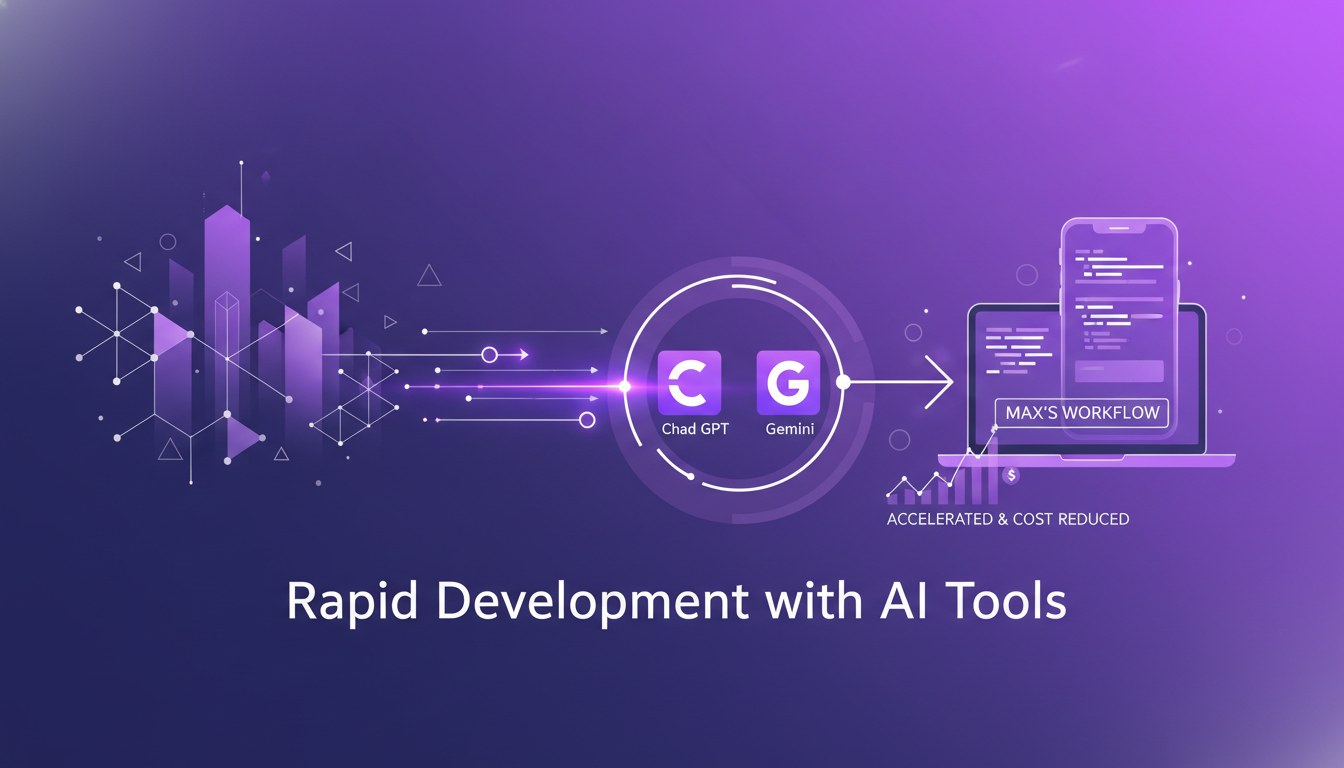
However, there are limitations. AIs don't replace human intuition. I've burned hours correcting AI-introduced errors. Nevertheless, for rapid development, they're unbeatable. For instance, thanks to these tools, I've reduced my development time to 2 hours per app, literally.
- Integrating AI from the start
- Reducing development time to 2 hours
- Watch out for AI-induced errors
Lean MVPs and Quick Shipping
The concept of a Minimum Viable Product (MVP) is key. It's about building a simplified version of your app to quickly test the market. I ensure each MVP is functional and bug-free. I focus on unique and impactful features. Once ready, I ship it fast because in the app market, time is money.
It's tempting to perfect an app before launch, but that can be a mistake. I've seen developers get lost in insignificant details and miss the opportunity window. On the other hand, quick shipping has allowed me to grow my revenue from $200 to $10,000 per month in just eight months.
- Focus on a simple, bug-free MVP
- Quick shipping to test the market
- Avoid excessive perfectionism
Cost Management and Tool Usage
Cost optimization is essential. I keep a close eye on every expense. Tools that are worth it offer great ROI. For example, a subscription to Astro for ASO is a must, while other tools might be superfluous. I focus on essentials and avoid unnecessary expenses.
Rigorous cost management has directly impacted my profitability. With the promo code '28 apps', I offer a 20% discount on the Starter Story Build Boot Camp, which has also helped attract more followers.
- Monitor every expense
- Invest in high ROI tools
- Avoid unnecessary expenses
Advice for Aspiring App Developers
For those starting out, here are my top tips: first, be ready for continuous learning. The app world evolves quickly. Then, don't hesitate to leverage the community. Networking is a powerful lever for solving problems and discovering new opportunities.
Finally, set realistic goals. It's better to start small and aim big, rather than exhaust yourself on a colossal project. My journey is proof: by shipping quickly and learning from each failure, I've built a thriving business.
- Continuous learning
- Network to grow
- Set realistic goals
Max's journey from a single app to 28, pulling in $10K a month, is a real playbook for anyone serious about apps. First, focus on keyword research. That's your goldmine for discovering winning app ideas. Then, leverage AI for rapid development – but watch those costs, they can spiral if unchecked. Lastly, managing expenses is key. Max started at $200 a month and scaled to $10K.
Looking forward, this journey is a game changer for app building. With the right strategy and tech, you can make a real impact. Ready to start your own app adventure? Take a leaf out of Max’s book: start with solid keyword research and a lean MVP. Remember, start small, iterate fast, and scale efficiently.
For a deeper dive into how Max did it, I recommend watching the full video. It's packed with insights for anyone diving into app development: YouTube video link.
Frequently Asked Questions

Thibault Le Balier
Co-fondateur & CTO
Coming from the tech startup ecosystem, Thibault has developed expertise in AI solution architecture that he now puts at the service of large companies (Atos, BNP Paribas, beta.gouv). He works on two axes: mastering AI deployments (local LLMs, MCP security) and optimizing inference costs (offloading, compression, token management).
Related Articles
Discover more articles on similar topics
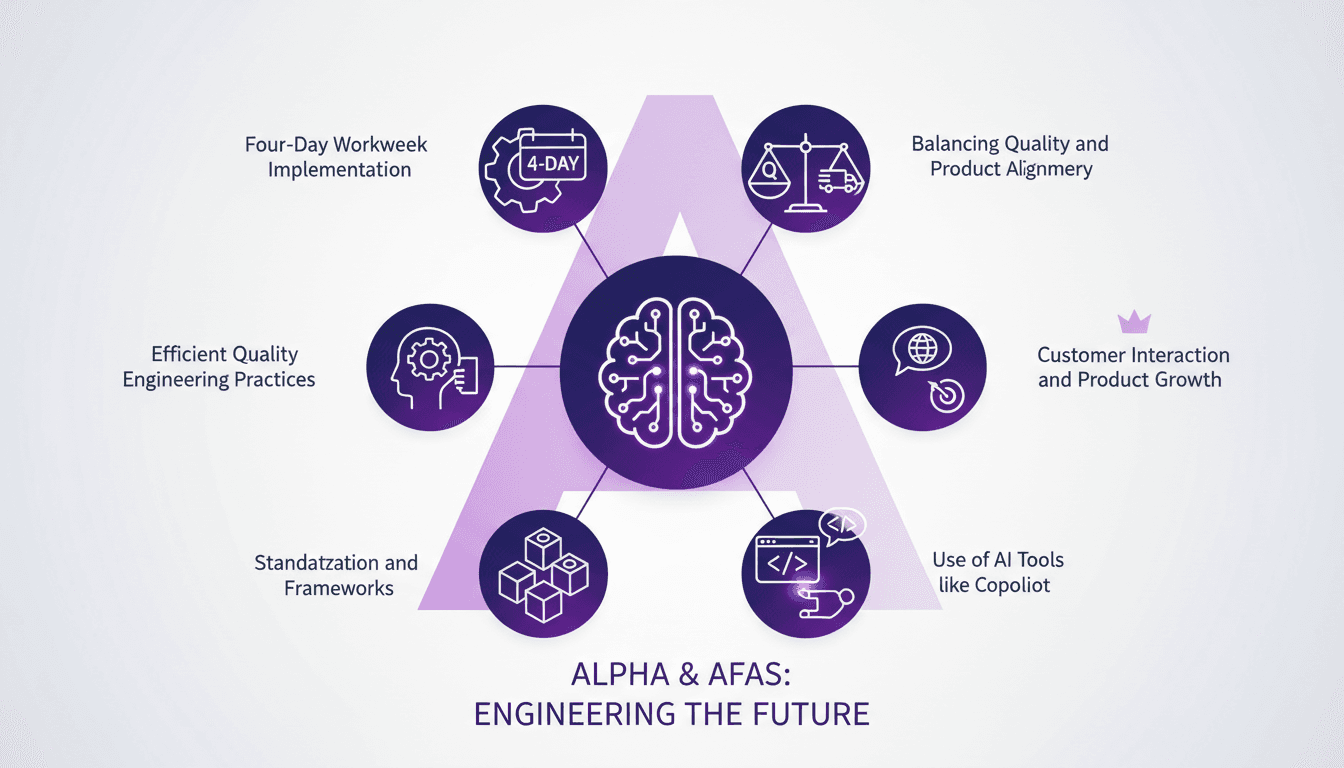
Maximizing Engineering: Alpha and AFAS at Work
I still remember the moment I first heard about Alpha's four-day workweek. It sounded like a dream, yet it was real. We were getting more done with fewer engineers, and the magic lay in our approach: streamlining processes and leveraging AI tools like Copilot. In today's competitive landscape, engineering teams need to be both efficient and adaptable. At Alpha and AFAS, we've honed practices that balance quality with delivery while maintaining a healthy work culture. This involves effective engineering practices, four-day workweek implementation, balancing quality and product delivery, and embracing AI tools.

Building a 20M€ ARR App: My Journey
I didn't set out to build a 20M€ ARR app. It all started with a list of 100 dreams after Christmas 2019. Fast forward to today, and we're in 52 countries, tackling urban loneliness head-on. I orchestrated the development, navigated through financial challenges, and adjusted our business model to reach a global audience. This journey is more than just code; it's about human connection. In this article, I take you behind the scenes of our entrepreneurial journey, from the initial idea to managing global expansion. If you're ready to see how an idea turns into success, dive in with me.
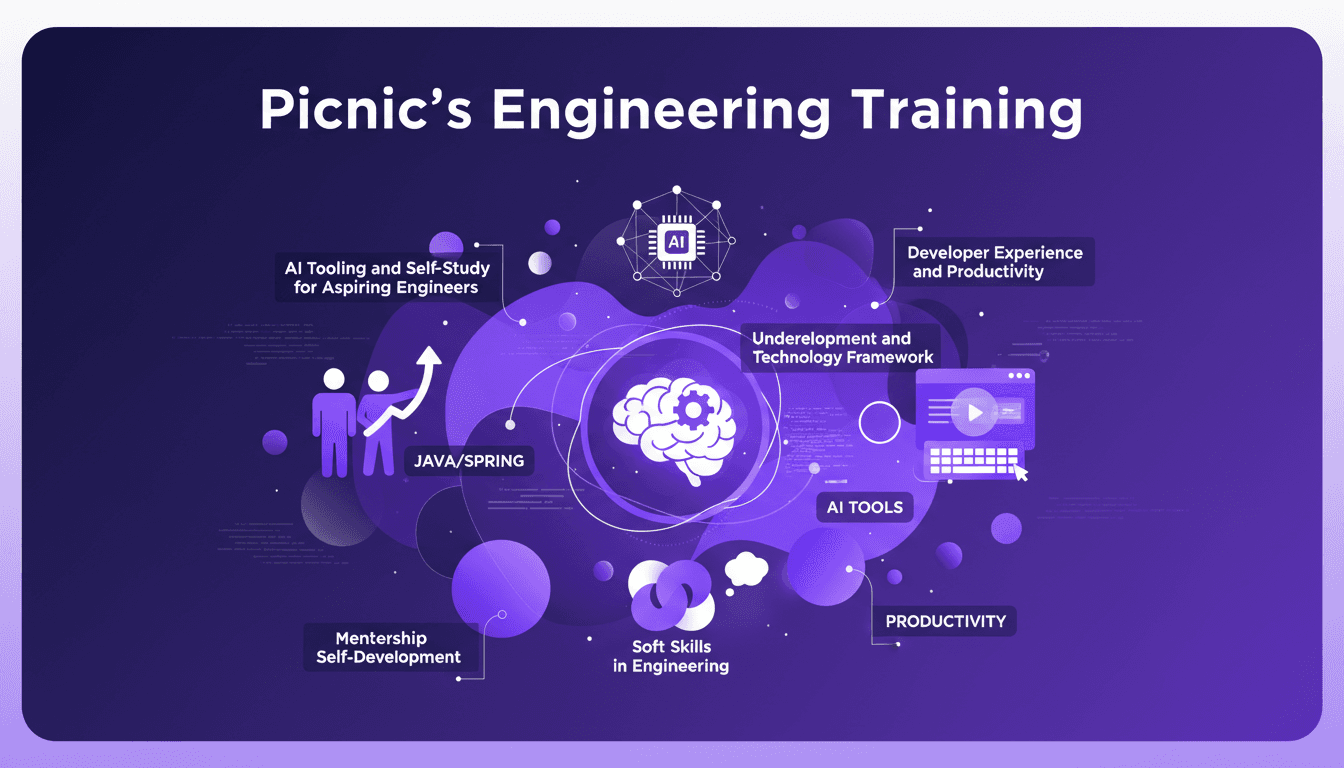
Elevate Your Engineering with Picnic
I remember the first time I walked into Picnic's training program. It was like stepping into a new world of engineering. The energy was palpable, and the focus on not just coding, but thinking like an entrepreneur, was a game changer. In the engineering world, standing out means more than just knowing your code. It's about mindset, continuous learning, and leveraging the right tools. Let's dive into how Picnic's approach bridges the gap between good and great engineers. We're talking Java, Spring Framework, and the importance of deeply understanding technology, not to mention soft skills and AI tooling for aspiring engineers.

Unlock Productivity: Daily Habits and Key Tools
I started experimenting with productivity tools out of necessity. Eight-hour meetings were draining me, and my workflows felt outdated. So, I set up a Zettelkasten system and dove into 'Getting Things Done'. Here's how I transformed my daily grind into a streamlined machine. In this article, I’ll walk you through my journey of challenging workflows, leveraging AI, and balancing work with personal life. These aren't just theories; they're tested strategies that led to real productivity gains.
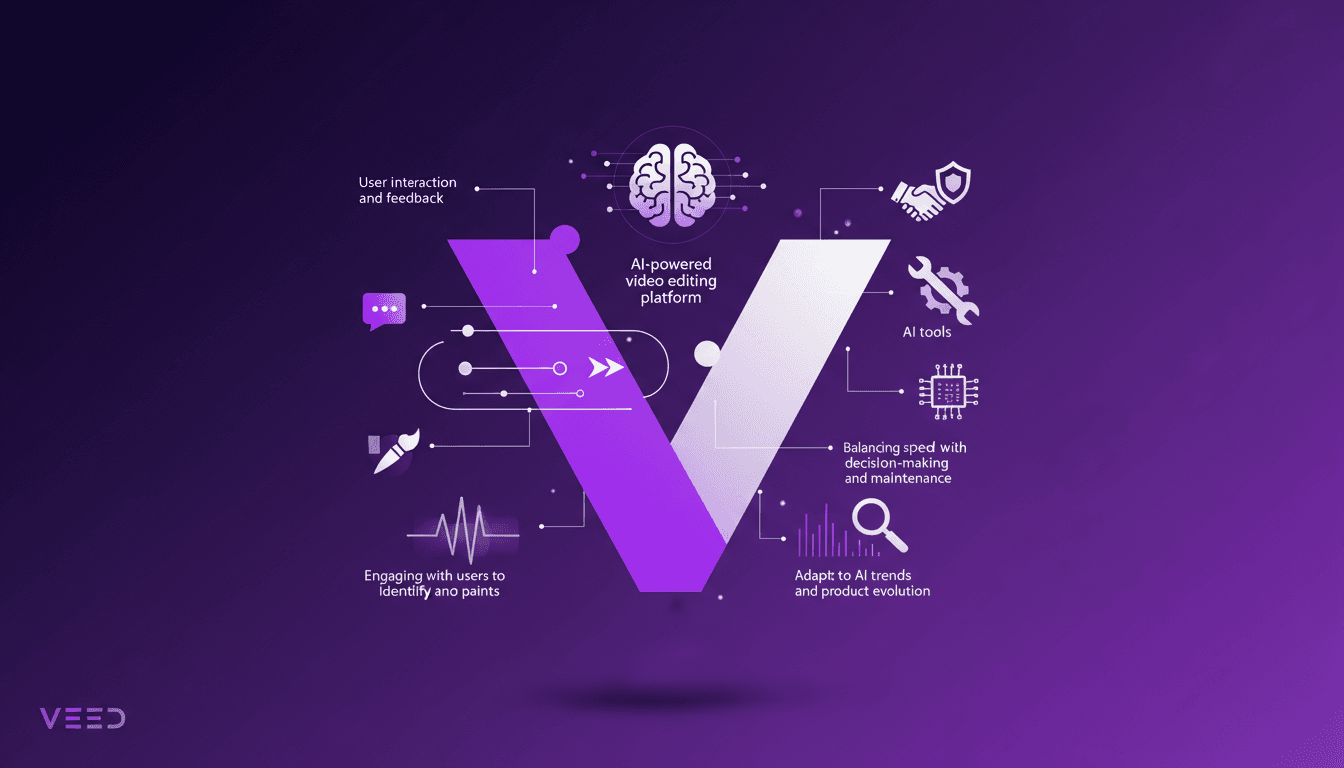
VEED Ships AI Features Fast and Effectively
When I first joined VEED, I was blown away by how quickly we could iterate on AI features. It's not just about deploying fast; it's about making sure those features actually work for users. Let me walk you through our approach. VEED, the largest browser-based AI video editing platform, aims to deliver tools that genuinely enhance user experience. In this article, I share our workflow: how we ship AI features fast that resonate with our users without overcomplicating things. We focus on user interaction, identifying pain points, and balancing speed with creativity and maintenance. It's a delicate dance between following AI trends and evolving the product.