AI Revolution: Creating 100x More Content
I remember the exact moment I realized AI was about to disrupt content creation. It wasn't just about automation; it was about scaling our creativity to unimaginable heights. I connect my AI tools with the immediate impact in mind: creating 100x more content is a game-changer. But watch out, integrating AI into our business models raises challenges: understanding your audience, maintaining trust and authenticity... It's not as simple as hitting a button. In this article, I break down how I integrated AI into my workflow, the mistakes I made, and how I overcame the hurdles. It's a journey between innovation and the reality on the ground.
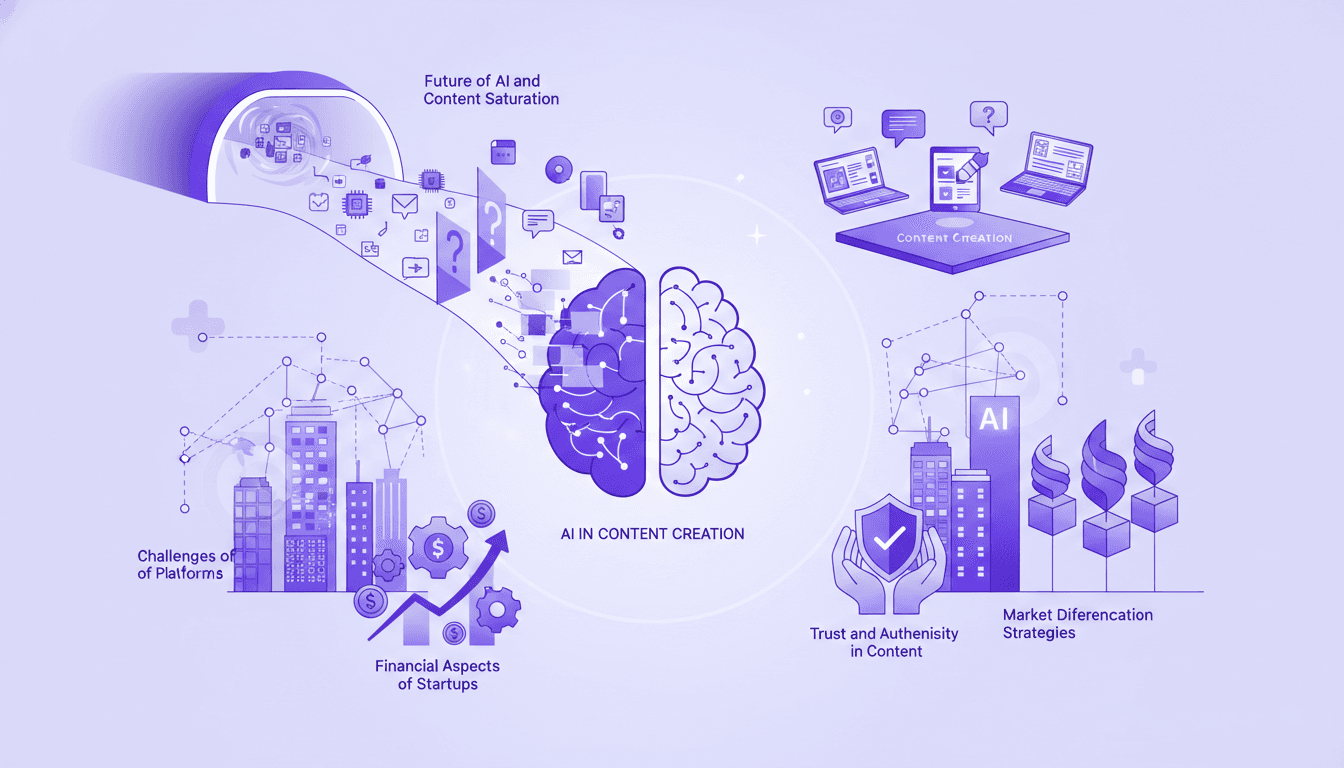
I remember the first time I realized AI could change the game in content creation. It wasn't just about automation; it was about scaling creativity to levels we hadn't imagined. When I connected my AI tools to produce 100x more content, I saw the direct impact. But watch out, it's not without its challenges. Understanding your audience, avoiding content saturation, maintaining trust and authenticity... these are real obstacles. In this episode, I'll talk about the pitfalls I encountered, the mistakes I made — like when I got burned underestimating the complexity of integrating AI into our business models. We're diving into differentiation strategies in a saturated market, and how AI can truly become a creative partner, not just a tool. So, ready to explore this revolution together?
AI in Content Creation: The New Frontier
I vividly remember the first time I integrated AI into my content creation workflow. Right off the bat, I realized AI could produce 100 times more content than before. By employing generative AI models, not only could I increase the volume of content produced, but I could also explore new creative ideas. That said, beware, it's not a magic replacement for human creativity. AI, with Reinforcement Learning (RL) and Reinforcement Learning with Human Feedback (RLHF), becomes more of a creative partner rather than just a tool.
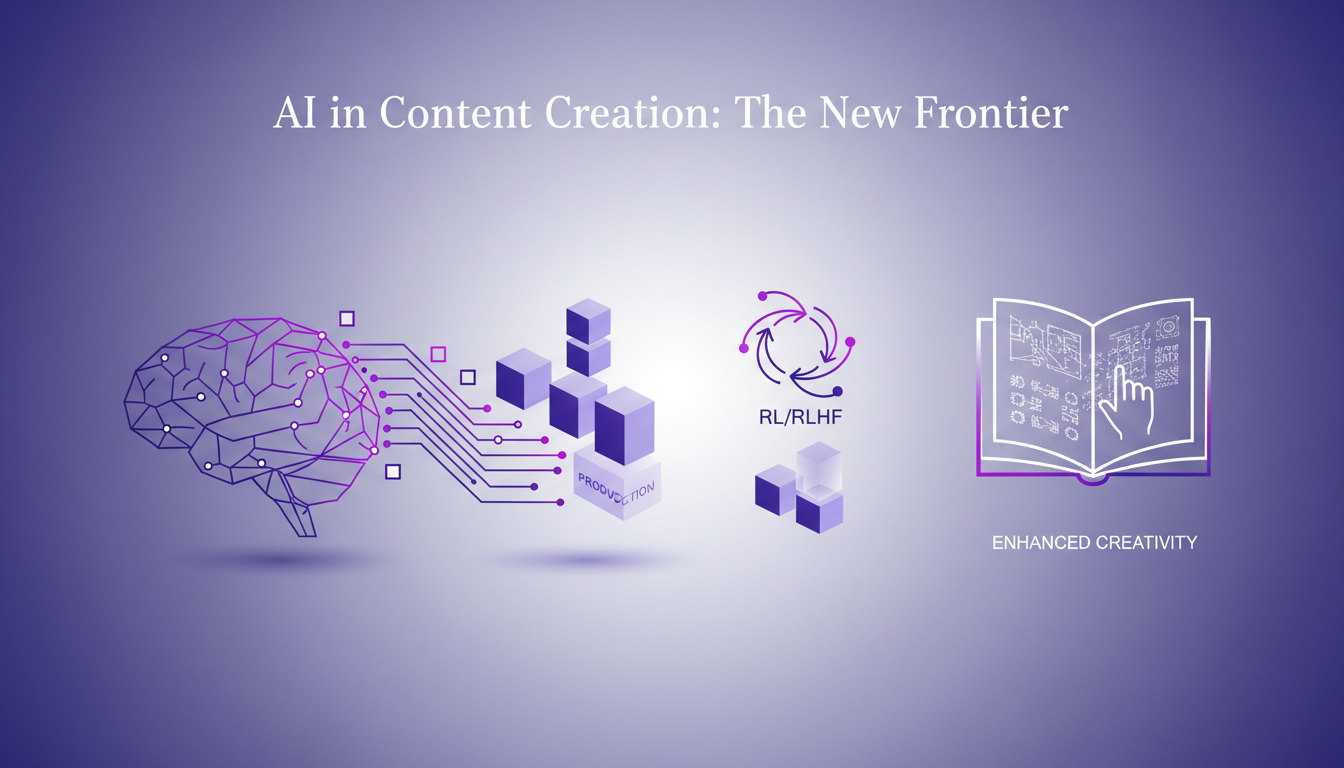
But let's be clear, maintaining authenticity is a constant challenge. I've seen cases where authenticity was questioned, which can damage credibility. Take for example the integration of AI tools into platforms like Argil. This has enabled a reduction in content production time by six months. However, it requires constant vigilance to ensure the content remains true to the brand's voice.
Audience Comprehension: Bridging the Gap
In the AI world, understanding your audience is key. You must ensure your content is both engaging and comprehensible for your target audience. I've found that audience comprehension metrics play a crucial role here. By adjusting content for different age groups, I've been able to improve audience engagement.
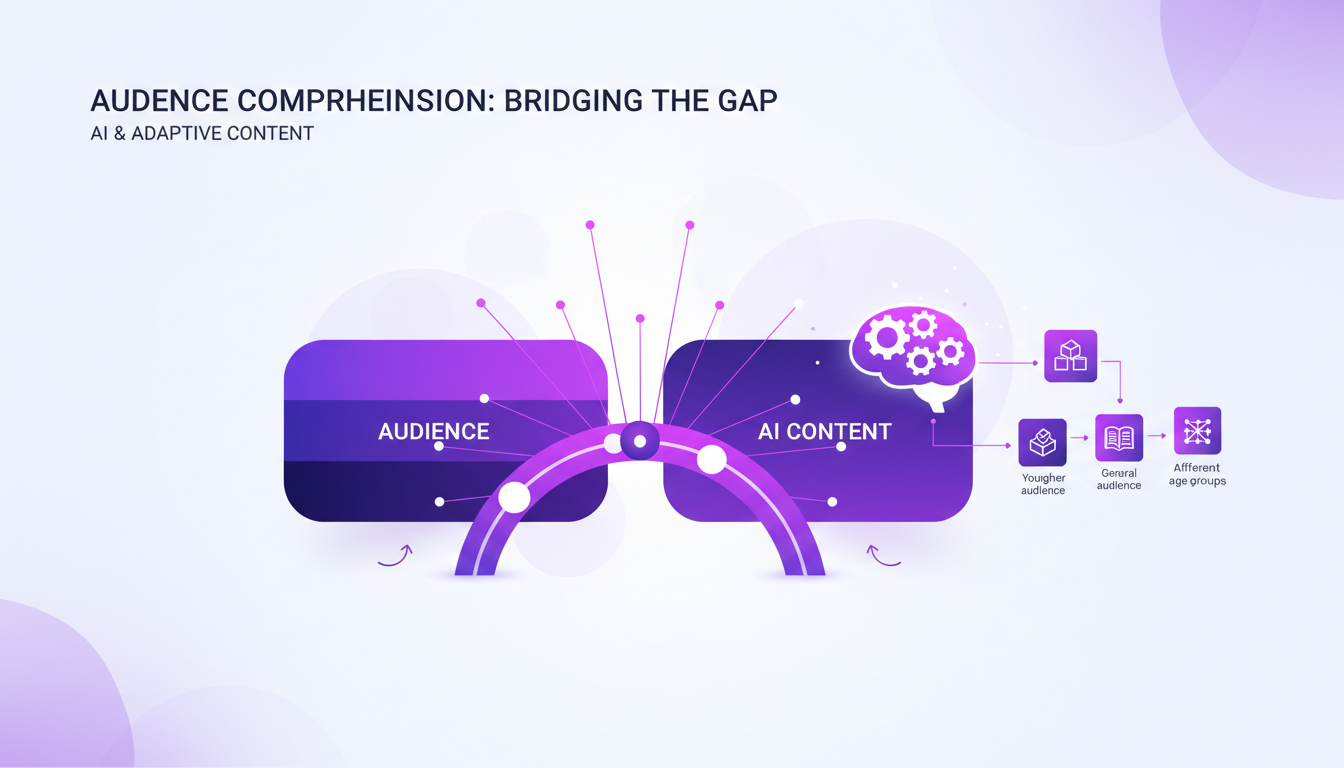
With AI, it's possible to use feedback loops to refine generated content. For example, on TikTok, I've seen accounts dedicated to specific niches, and AI has enabled the message to be tailored for maximum impact. But watch out, complexity should not overshadow clarity. Studies have shown that audience comprehension significantly drops for content creators over 40, so finding the right balance is essential.
Financial Aspects: Funding and Costs
Raising funds is often the first step to bringing an idea to life. I've seen firsthand how raising a $15 million round can make a huge difference for AI model development. However, the initial cost can be high, ranging between $200,000 and $300,000 for the first model. These financial decisions directly influence content strategy. Should one invest in AI or stick with traditional methods? Each choice comes with trade-offs.
I've learned from some startups that managing AI development costs is crucial. Some have managed to generate monthly profits of hundreds of thousands of euros through savvy financial decisions. But beware, it's easy to get caught up in the excitement of AI and forget the economic fundamentals.
Trust and Authenticity: Building Credibility
In the realm of content creation, trust is paramount. I've seen brands struggle to maintain their authenticity while using AI. The key is a strategy that balances AI efficiency with the human touch. Some companies have successfully integrated AI without losing their audience's trust.
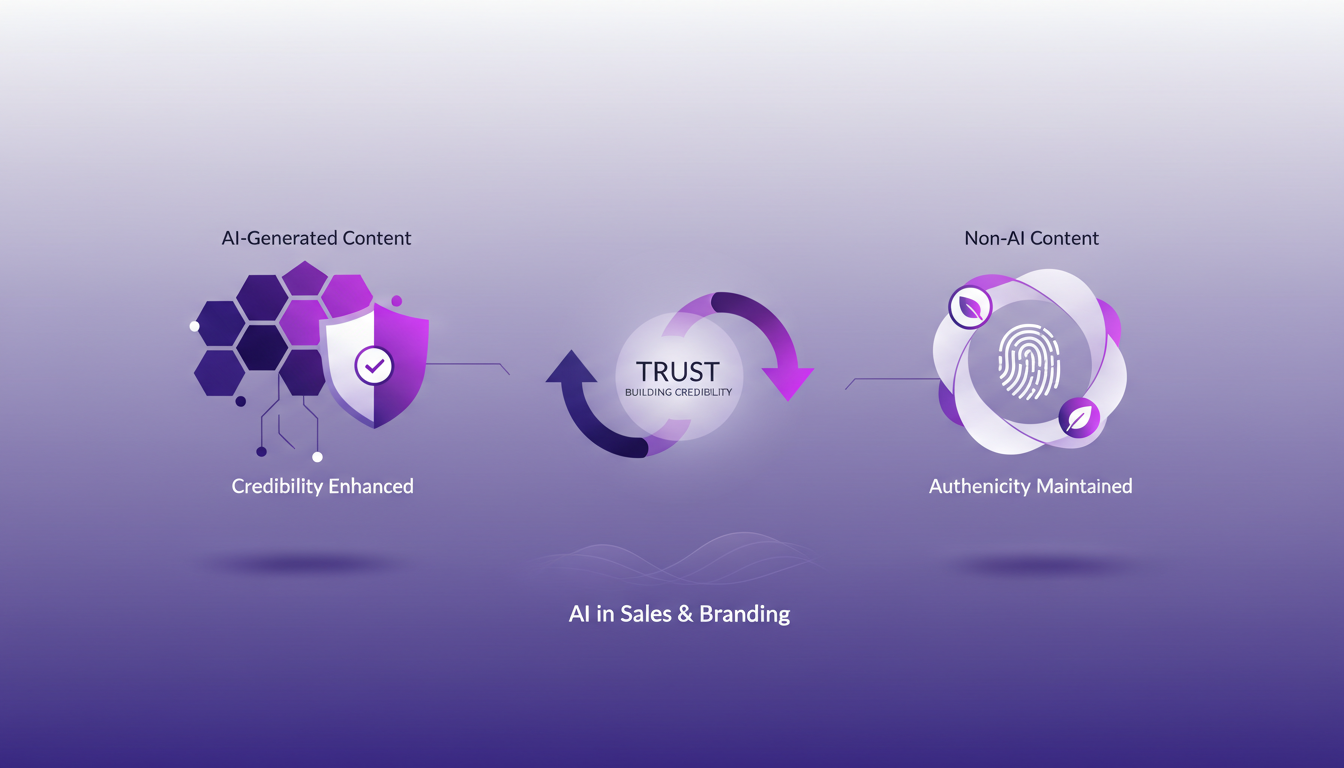
Strategies for maintaining authenticity include regular checks of AI-generated content and human intervention. Ultimately, trust is directly linked to sales and is crucial for successful branding. AI integration must be done carefully to avoid any loss of credibility.
The Future of AI: Navigating Content Saturation
In the future, AI will play an increasingly important role in the content landscape. However, with market saturation, standing out becomes crucial. I've seen companies develop strategies to differentiate themselves in a market saturated by AI. This often involves using platforms and tools in innovative ways.
Preparing for AI-driven changes is essential. This means understanding content creation platforms and being ready to adopt new technologies. But watch out for potential pitfalls; it's easy to get lost in the excitement of AI and neglect the fundamentals of content creation.
- Predictions: AI will continue to transform the content landscape.
- Differentiation: Need for innovative strategies to survive saturation.
- Preparation: Understanding and adopting new technologies is crucial.
- Pitfalls: Beware of neglecting the fundamentals of creation.
AI in content creation is a revolution that's already here. I've started incorporating these tools and, honestly, it's a game changer for efficiency. The ability to produce 100 times more content is massive. But watch out—you need to keep an eye on authenticity. I've seen too many creators drown in AI usage without considering audience trust. The stats are compelling: a Chinese model can have ten times the impact of Dieps, but it requires a nuanced understanding of cultural and technical dynamics. Finally, the cost: I started small, testing in stages, which saved me from costly mistakes. Move forward gradually, test often, and keep your audience at the heart of your creations. Ready to integrate AI into your content strategy? Watch the full video on YouTube for deeper insights. It's a game changer, but every tool has its limits.
Frequently Asked Questions

Thibault Le Balier
Co-fondateur & CTO
Coming from the tech startup ecosystem, Thibault has developed expertise in AI solution architecture that he now puts at the service of large companies (Atos, BNP Paribas, beta.gouv). He works on two axes: mastering AI deployments (local LLMs, MCP security) and optimizing inference costs (offloading, compression, token management).
Related Articles
Discover more articles on similar topics
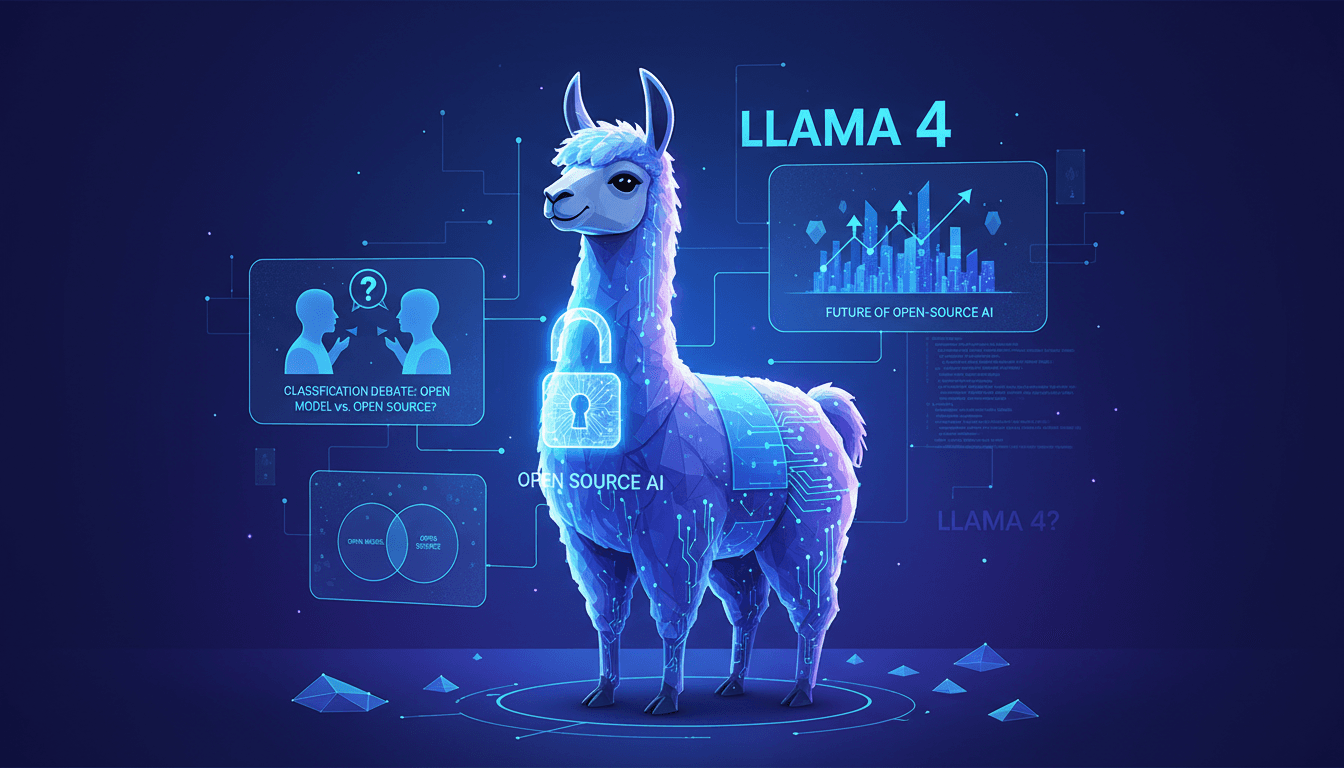
Llama 4 Deployment and Open Source Challenges
I dove headfirst into the world of AI with Llama 4, eager to harness its power while navigating the sometimes murky waters of open source. So, after four intensive days, what did I learn? First, Llama 4 is making waves in AI development, but its classification sparks heated debates. Is it truly open-source, or are we playing with semantics? I connected the dots between Llama 4 and the concept of open-source AI, exploring how these worlds intersect and sometimes clash. As a practitioner, I take you into the trenches of this tech revolution, where every line of code matters, and every technical choice has its consequences. It's time to demystify the terminology: open model versus open-source. But watch out, there are limits not to cross, and mistakes to avoid. Let's dive in!
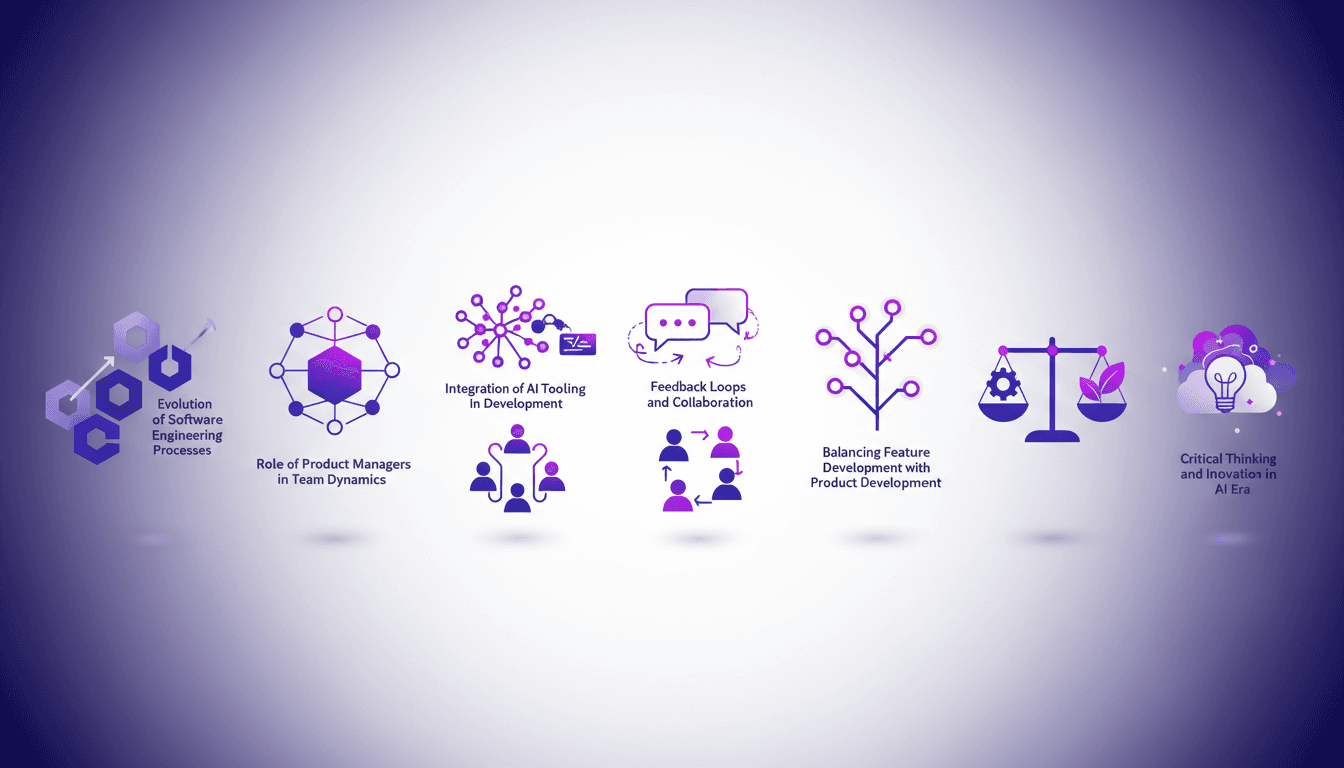
Merging Product and Engineering: Reinventing Processes
I was skeptical at first. Going from six engineers to just two seemed like a recipe for disaster. But merging product and engineering not only worked but thrived. In today's fast-paced tech environment, efficiency isn't just a buzzword—it's a necessity. By integrating roles and leveraging AI, we've redefined our workflow. This has transformed team dynamics, strengthening feedback loops and collaboration. Now, with one frontend and one backend engineer, we balance developing new features with maintenance. We experiment, adapt, and innovate. But watch out, the risk is moving too fast and losing sight of key objectives. When it works, the impact is tangible.
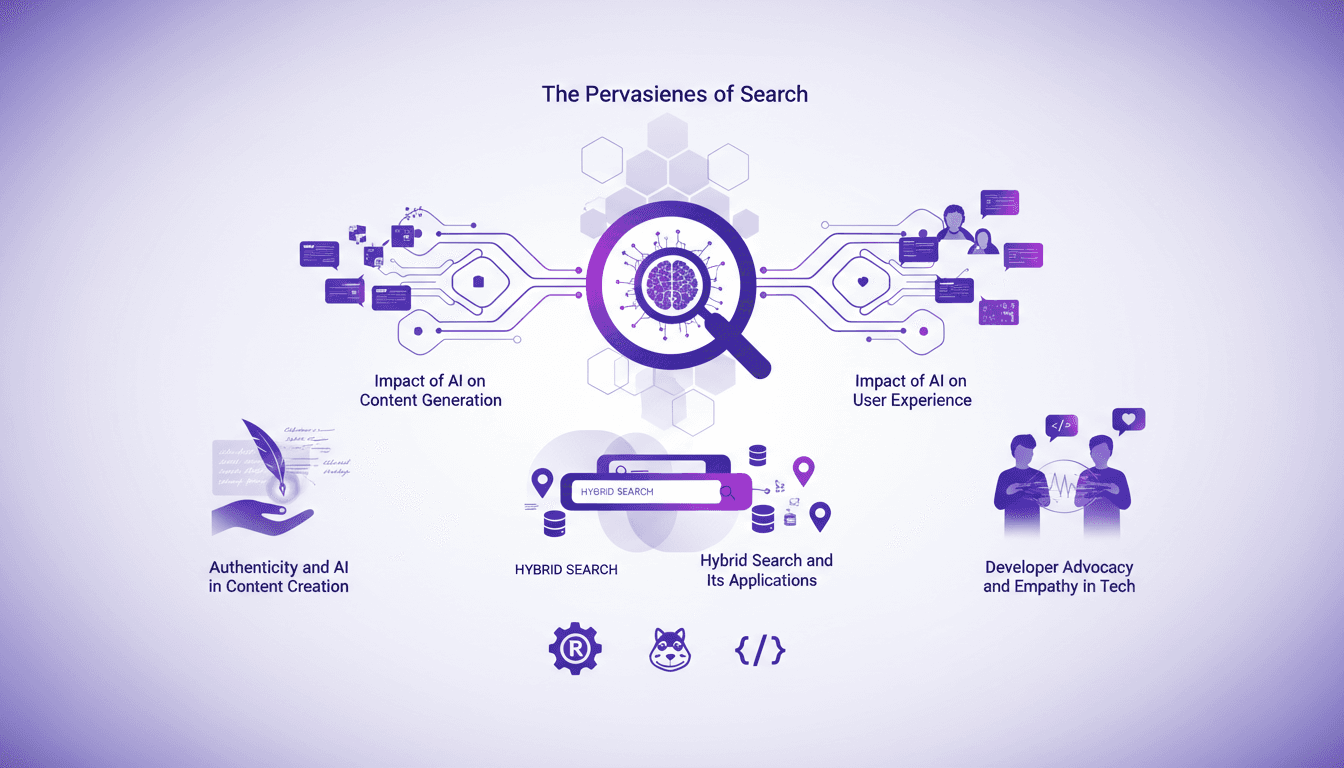
Integrating Search Everywhere: A Builder's Guide
I've been building tech solutions for years, and if there's one thing I've learned, it's that search is everywhere. Whether you realize it or not, every app, every platform, every piece of tech you touch has some form of search baked in. And it's not just about finding stuff; it's about enhancing the user experience. In this article, I share my insights on integrating search into your projects, the trade-offs to watch out for, and how to leverage programming languages like Rust, Go, and JavaScript to optimize your solutions. Hybrid search, authenticity in AI content creation, and empathy in tech are key themes here. Get ready to see search from a new perspective.
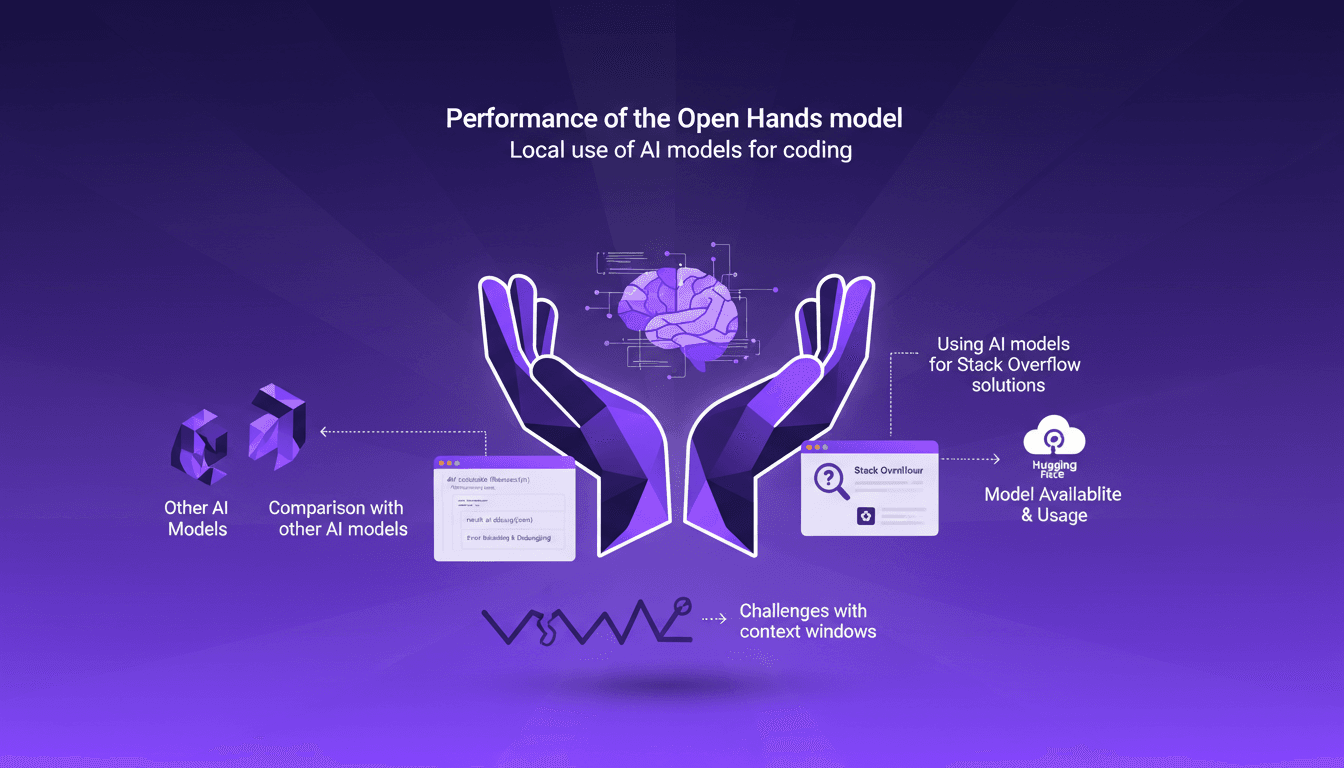
Open Hands Model Performance: Local and Efficient
I’ve been diving into local AI models for coding, and let me tell you, the Open Hands model is a game changer. Running a 7 billion parameter model locally isn’t just possible—it’s efficient if you know how to handle it. In this article, I’ll walk you through my experience: from setup to code examples, comparing it with other models, and error handling. You’ll see how these models can transform your daily programming tasks. Watch out for context window limits, though. But once optimized, the impact is direct, especially for tackling those tricky Stack Overflow questions.
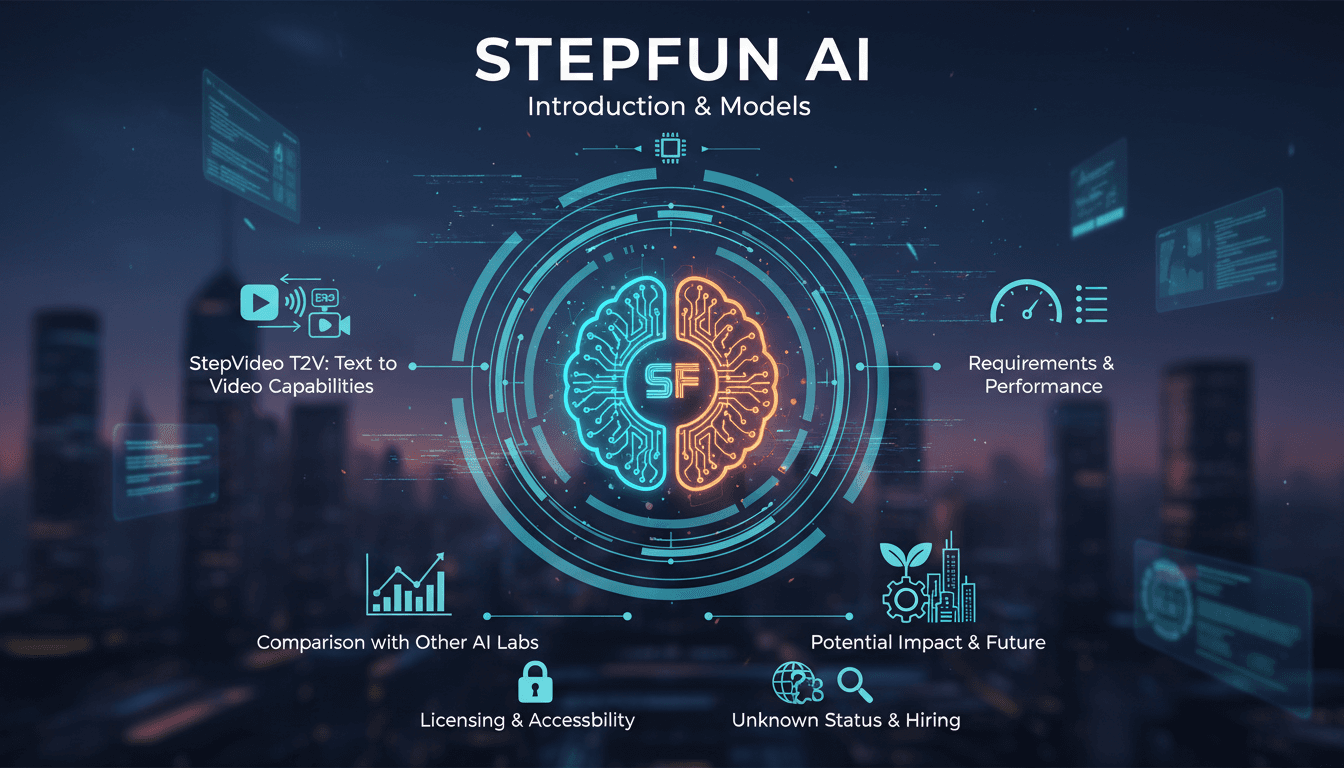
StepFun AI Models: Efficiency and Future Impact
I dove into StepFun AI's ecosystem, curious about its text-to-video capabilities. Navigating through its models and performance metrics, I uncovered a bold contender from China. With 30 billion parameters and the ability to generate up to 200 frames per second, StepFun AI promises to shake up the AI landscape. But watch out, the Step video t2v model demands 80 GB of GPU memory. Compared to other models, there are trade-offs to consider, yet its potential is undeniable. Let's explore what makes StepFun AI tick and how it might redefine the industry.