Boost Financial Modeling with GPT-5.5
I dove into GPT-5.5 for financial modeling, and the results were nothing short of transformative. Jumping from GPT-4 to this version felt like a leap forward, with a 19 percentage point uplift. Let me show you how this model handles both structured and unstructured data more efficiently than ever. But watch out, it's not all smooth sailing: I ran into challenges, especially with complex financial use cases. Still, by orchestrating this tech properly, the impact on the finance industry is undeniable.
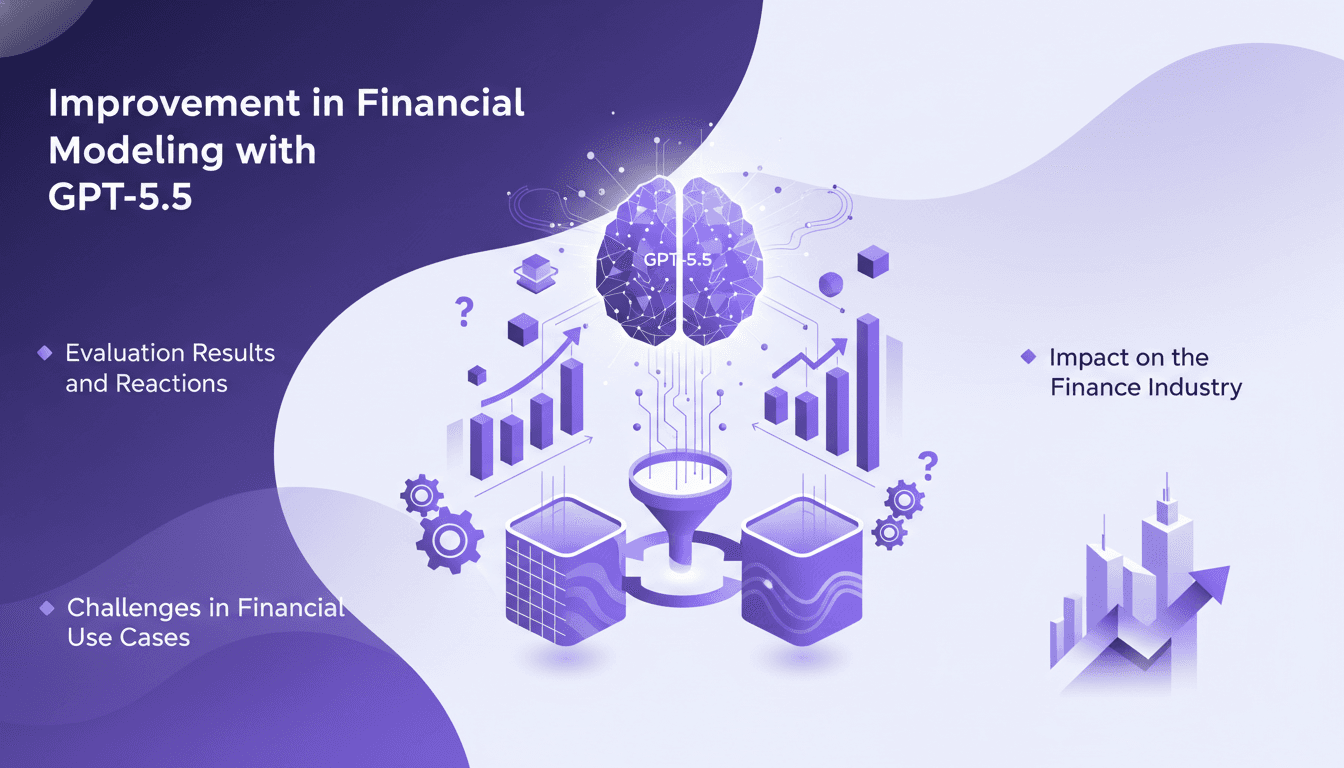
I dove into GPT-5.5 for financial modeling, and honestly, it's a game changer. The moment I plugged it into my models, I noticed the shift. With a 19 percentage point improvement over the previous version, the impact is immediate. I'll walk you through how I've integrated this tech to handle both structured and unstructured data. But beware, every silver lining has its cloud. I faced challenges, especially with complex financial use cases. For instance, some risk analyses still require fine-tuning to avoid pitfalls. Yet, when you pilot this tool correctly, the impact on our industry is undeniable. I'll explain how I navigated these waters and why I believe GPT-5.5 is crucial for our future in finance.
Evaluating GPT-5.5: Results and Reactions
First up, I ran a series of tests to compare GPT-5.5 with its predecessors. Let me tell you, the results were staggering—a 19% uplift in accuracy. Yes, 19 percentage points, which is no small feat! This was a real game changer for my financial models. I literally had to do a double take. As expected, my colleagues were skeptical at first. But when the data speaks, skepticism fades quickly.
It's not just about numbers; it's about building trust in the model's predictions. Watching my models shift from approximations to reliable forecasts changed the game for my team. The initial reaction was disbelief, but now it's pure enthusiasm. For a deeper dive, check out GPT 5.5: Transforming the Finance Sector.
Enhancing Financial Modeling with GPT-5.5
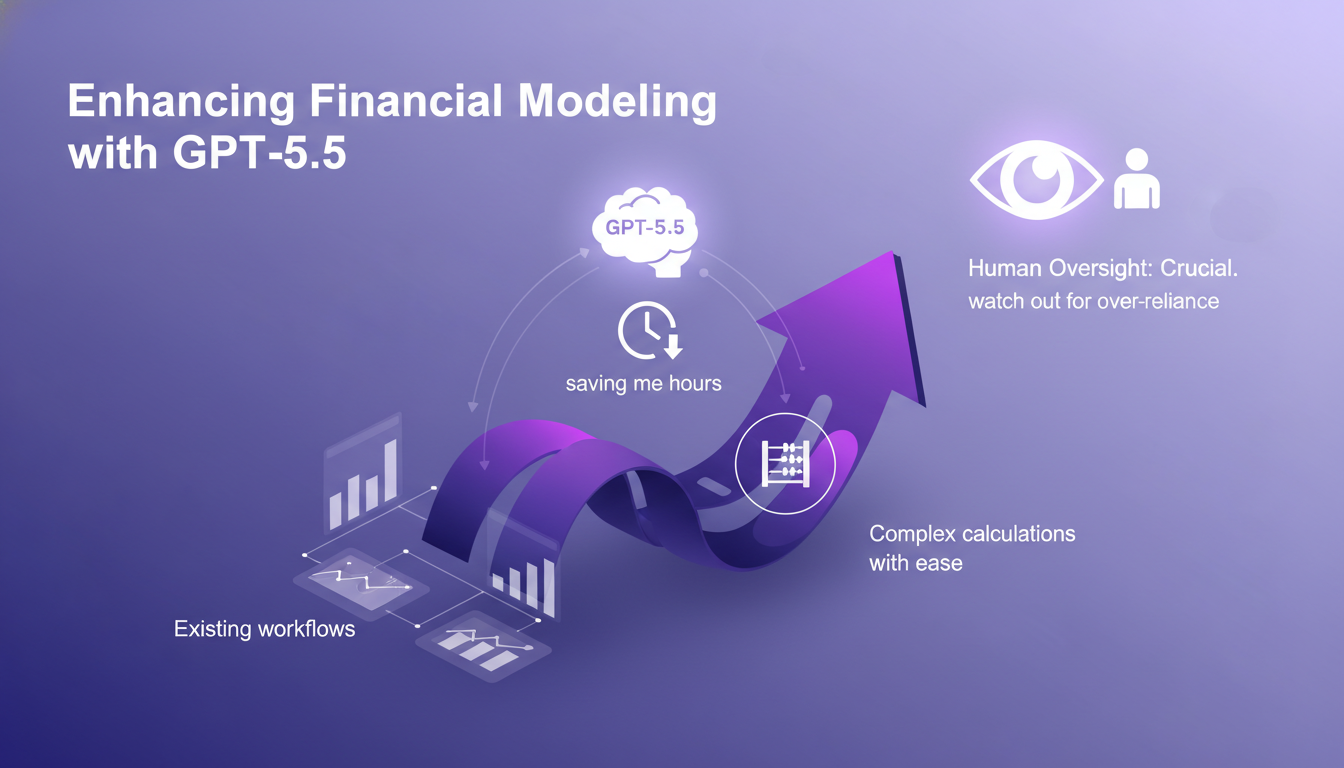
Integrating GPT-5.5 into my existing workflows was a revelation. I orchestrated this integration to streamline our processes. The model handles complex calculations with surprising ease, saving me precious hours. Previously, I spent a lot of time double-checking data. Now, these tasks are almost automated.
But watch out, don't overuse it. Over-relying on the model can be dangerous. Human oversight remains crucial. What I particularly appreciated was the increased efficiency leading to faster decision-making and notable cost savings. You can find similar insights in Automating Finance Tasks with RAMP Sheets.
Handling Structured and Unstructured Data
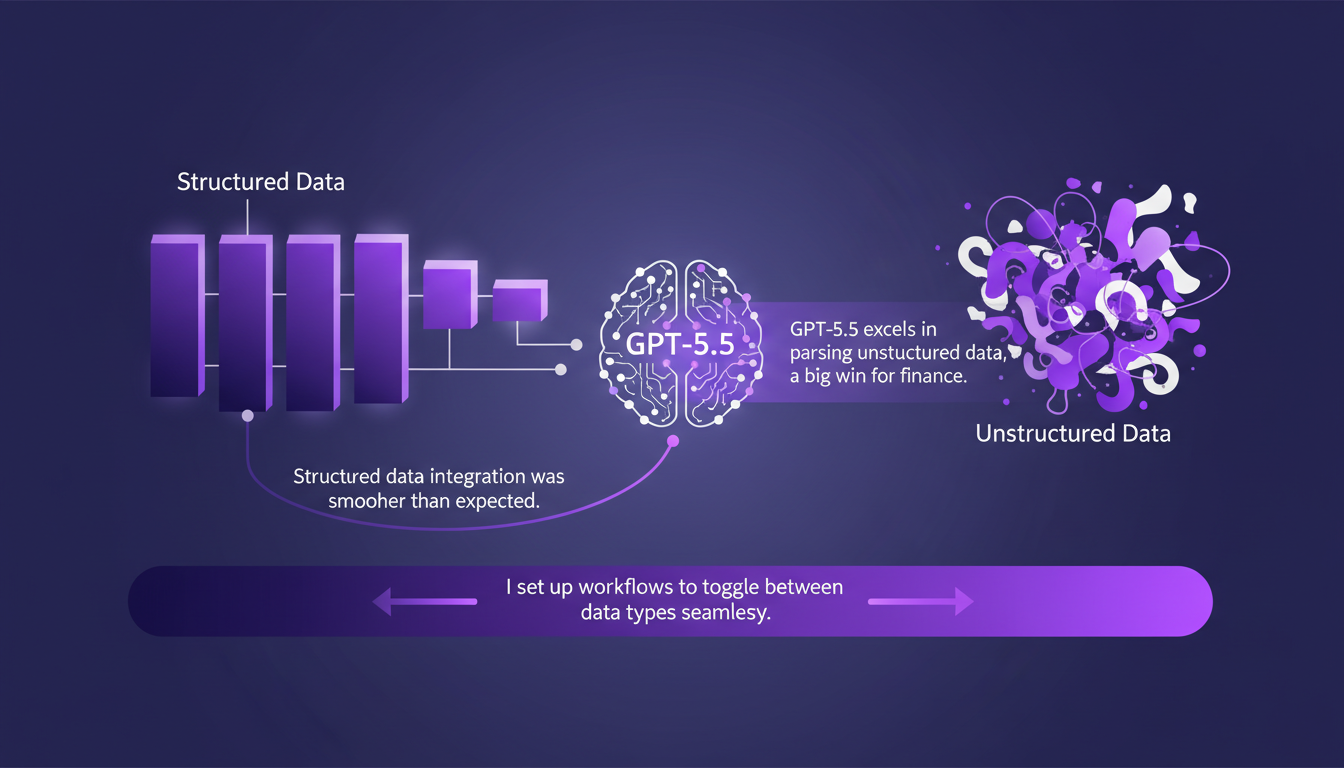
GPT-5.5 excels at parsing unstructured data, which is a big win for finance. It's often a headache, but here, the model does a brilliant job. The integration of structured data was smoother than expected. I set up workflows to toggle seamlessly between different data types.
Be mindful of data quality; garbage in, garbage out. A robust model can't compensate for poor data quality. Evolving AI Models: Limits and Opportunities also discusses data-related challenges.
Challenges in Financial Use Cases
First, I pinpointed areas where GPT-5.5 struggled, notably in niche markets. Regulatory compliance posed unique challenges. I had to adapt our models to stay compliant. Some financial models required extra tweaking post-GPT-5.5 integration.
Balancing automation with human insight remains key. You can't automate everything, and that's where human experience comes into play. I often found myself adjusting parameters to optimize results. Optimizing AI Agents: Challenges and Solutions offers strategies to overcome these hurdles.
Impact on the Finance Industry
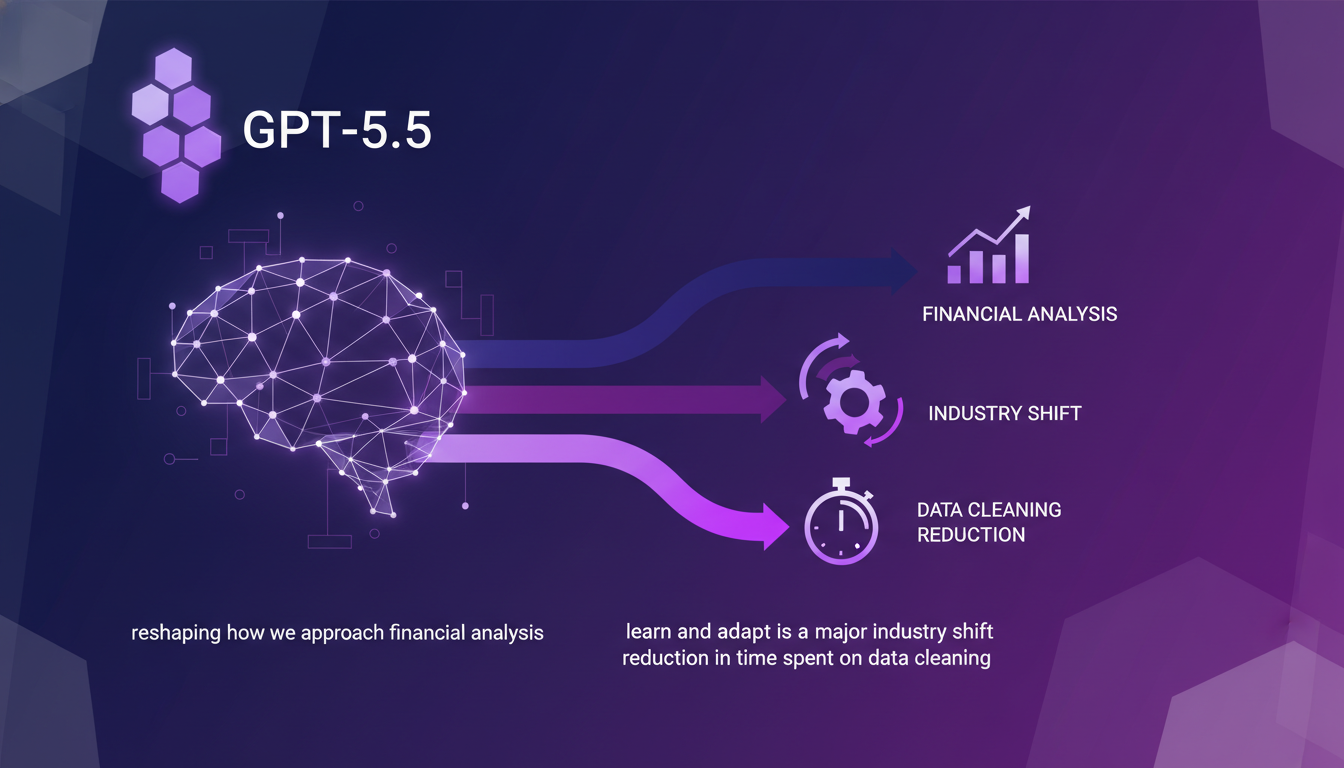
GPT-5.5 is reshaping how we approach financial analysis. Its ability to learn and adapt marks a major industry shift. I've seen firsthand the reduction in time spent on data cleaning. That's a huge time saver!
Expect more automation, but don't underestimate the human element. AI's Impact on Open Source: Opportunities and Risks explores how these changes also influence other sectors.
GPT-5.5 has really transformed how I approach financial modeling. First off, there's a 19 percentage point uplift from the previous version. That's huge. And whether it's structured or unstructured data, the efficiency improvements are clear. But remember, it's a tool, not a replacement for your intuition and critical thinking. Sometimes I have to double-check my calculations to ensure everything aligns logically. Overall, this model is a real game changer for those of us in finance, but keeping our expertise in the loop is crucial.
Looking ahead, integrating GPT-5.5 into your workflows could make a real difference, but always with a critical eye. I encourage you to explore this for yourself. Check out the full video; it's worth it to get a deeper understanding of the implications. Here's the link: https://www.youtube.com/watch?v=eoyHCYXoNMQ
Frequently Asked Questions

Thibault Le Balier
Co-fondateur & CTO
Coming from the tech startup ecosystem, Thibault has developed expertise in AI solution architecture that he now puts at the service of large companies (Atos, BNP Paribas, beta.gouv). He works on two axes: mastering AI deployments (local LLMs, MCP security) and optimizing inference costs (offloading, compression, token management).
Related Articles
Discover more articles on similar topics
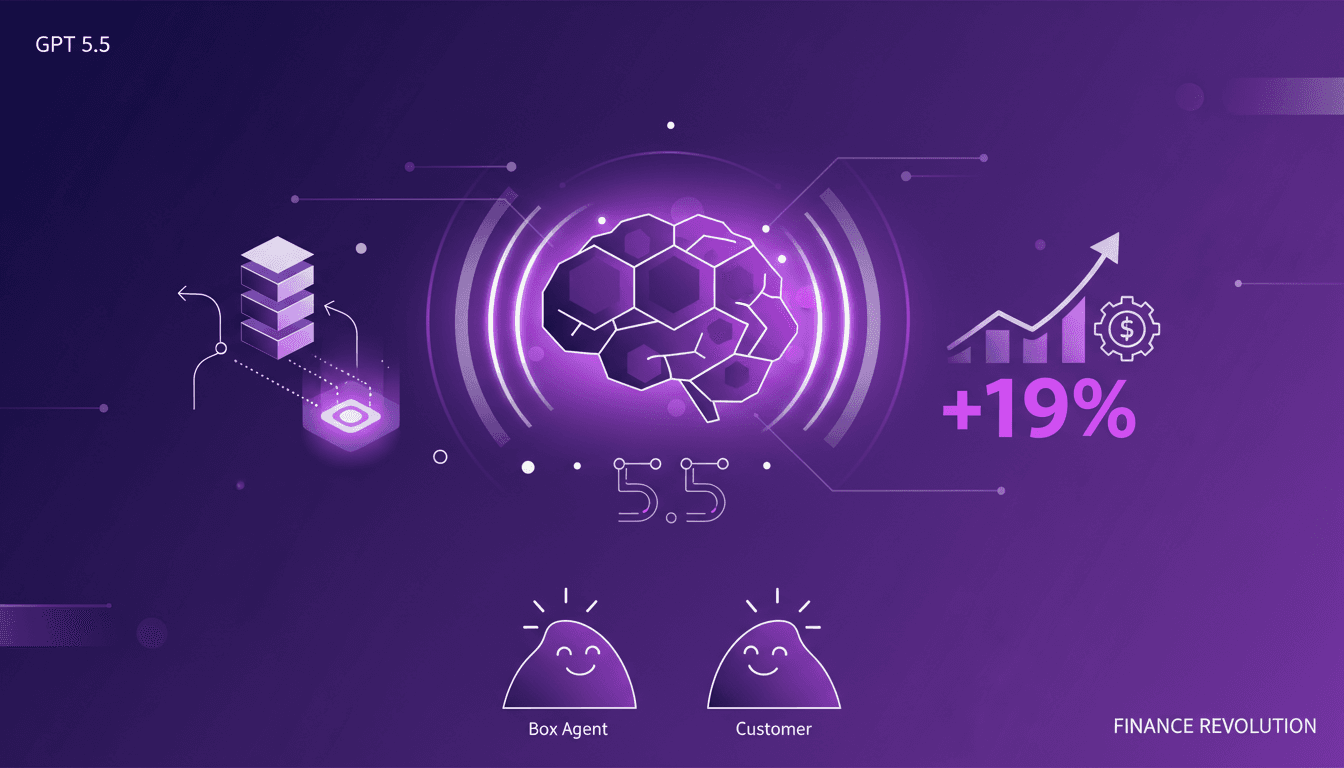
GPT 5.5: Transforming Finance Sector
When I first integrated GPT 5.5 into my workflow, it was like adding a turbocharger to a classic engine. Tasks that used to take hours were suddenly done in minutes, and the precision was off the charts. With the arrival of GPT 5.5, we're witnessing a paradigm shift in how AI handles complex reasoning and data tasks, especially in the finance sector. We're looking at a 19 percentage point improvement from the previous version, transforming our approach to daily efficiency and quality.
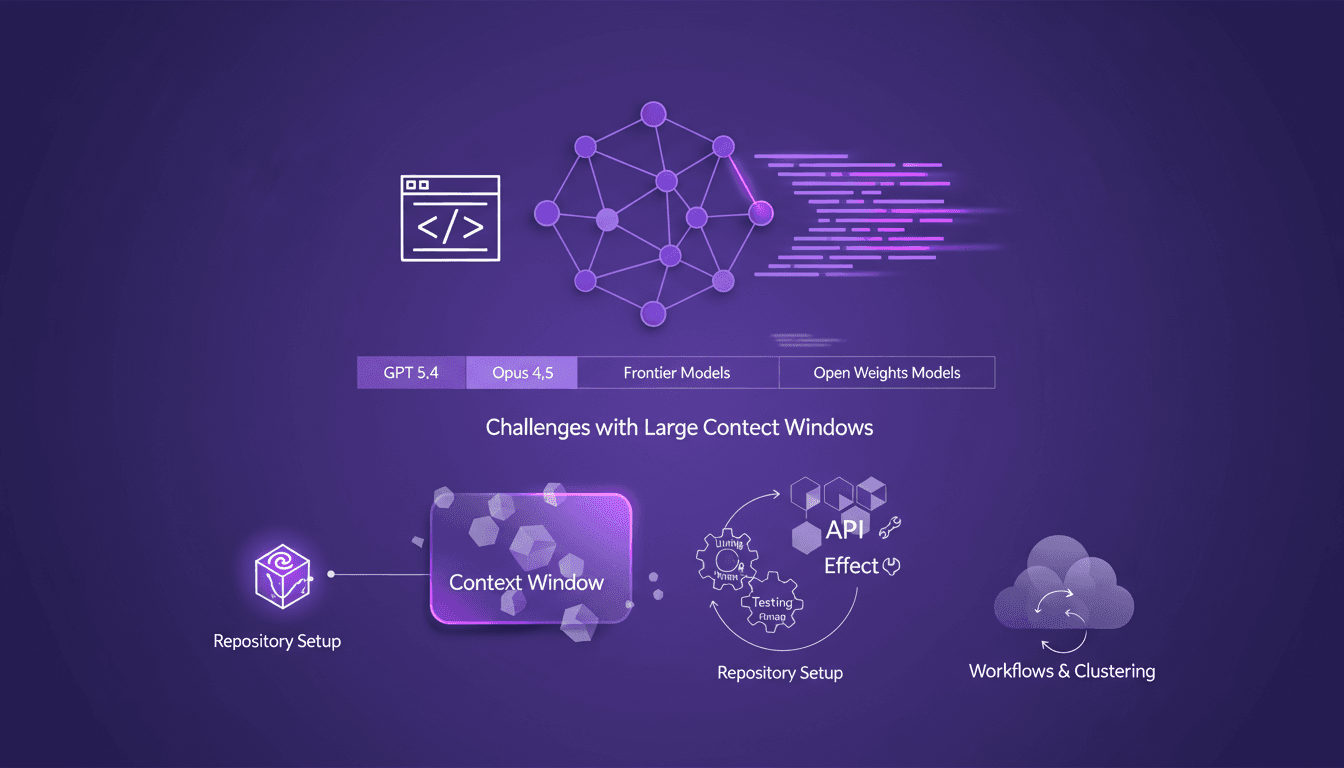
Evolving AI Models: Limits and Opportunities
I still remember setting up my first repository for AI-driven code generation. It was a game changer, but also a minefield of potential pitfalls. In this talk, I'm diving into how AI models like GPT 5.4 and Opus 4.5 are reshaping our workflows and where they still stumble. Shifting from hand-coding to automated code generation is what I live daily in the field. But watch out—large context windows can be a real headache. Your repository setup is critical to avoid pitfalls, and I'll share how I use Effect and other tools for efficient API development. Buckle up, because understanding these models and their limitations is crucial for anyone navigating AI-assisted development.
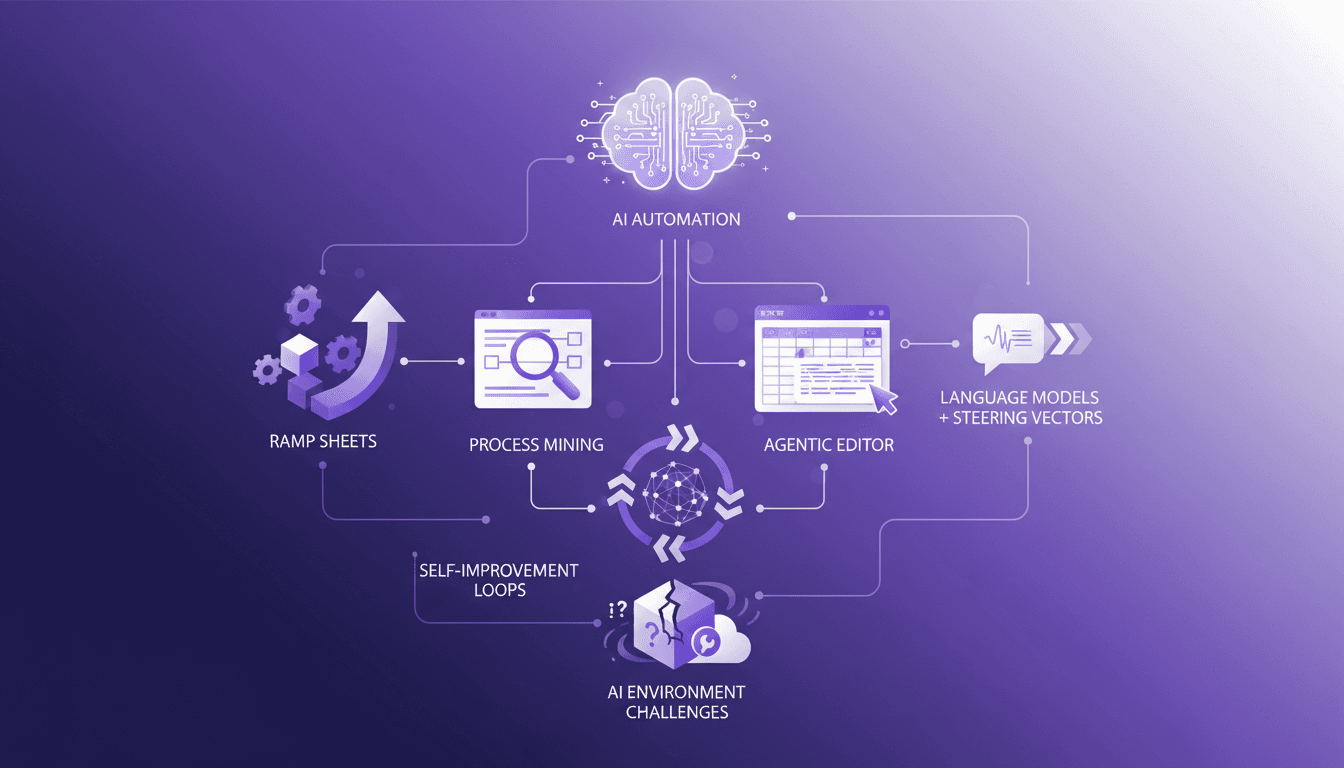
Automating Finance Tasks with RAMP Sheets
I've been knee-deep in spreadsheets, and let me tell you, RAMP Sheets is a game changer. I launched it in November, and it's been automating finance tasks in ways I didn't think possible. In the world of finance, 99% of the time is spent in spreadsheets. RAMP Sheets aims to cut that down by integrating AI directly into Excel, automating repetitive tasks, and allowing for smarter data manipulation. The agentic spreadsheet editor and its functionalities, self-monitoring and self-improvement loops in AI systems, and the challenges in building AI environments and evaluation are at the core of our discussion today. It's crazy how just five layers can change an entire paradigm.
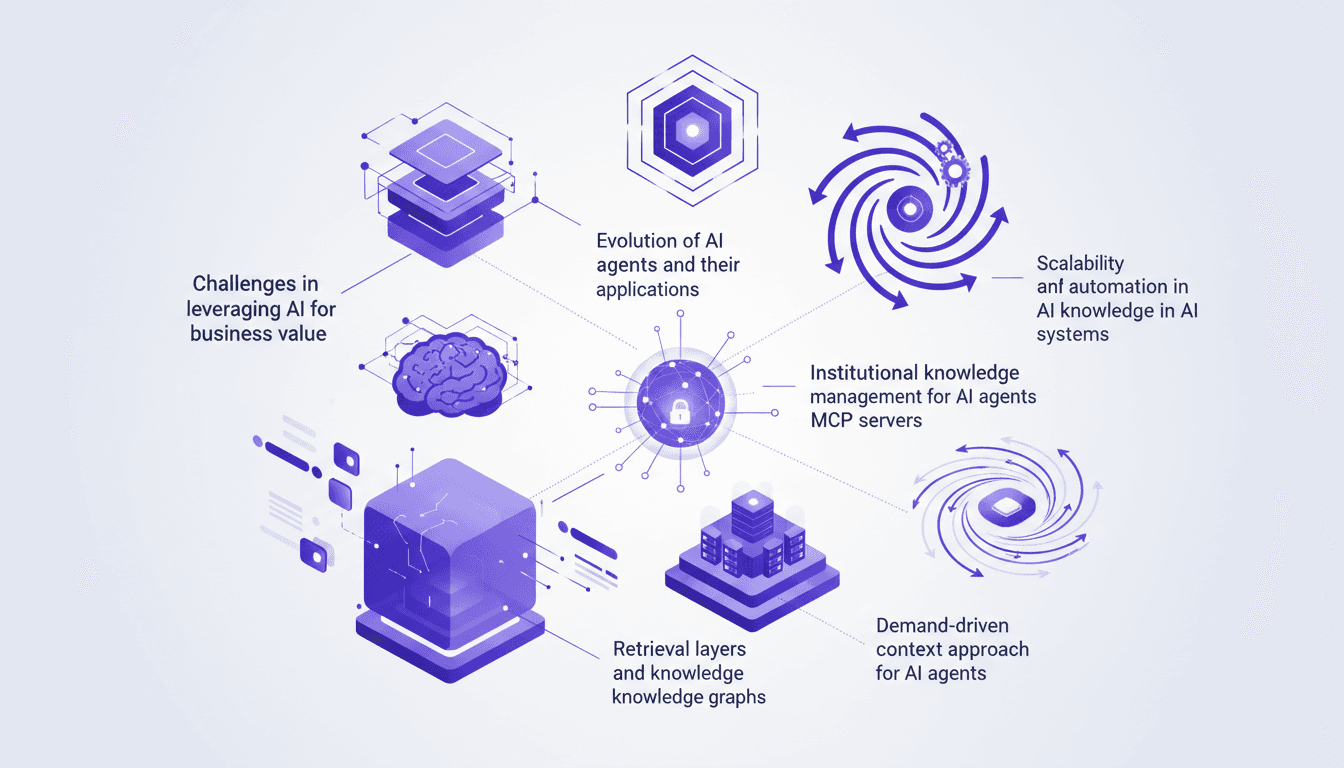
Optimizing AI Agents: Challenges and Solutions
I've been knee-deep in AI agents, wrestling with their intricacies and harnessing their potential. Dive into how I tackled the challenges of integrating AI for real business value. As I explore the evolution of AI agents, their applications, and effective enterprise management, I'm sharing my hands-on experiences. From institutional knowledge management to building MCP servers and a context-driven approach, I'll guide you through optimizing AI agents. Remember: only 20% of your documentation is truly useful, so let's make every word count.
AI's Impact on Open Source: Opportunities
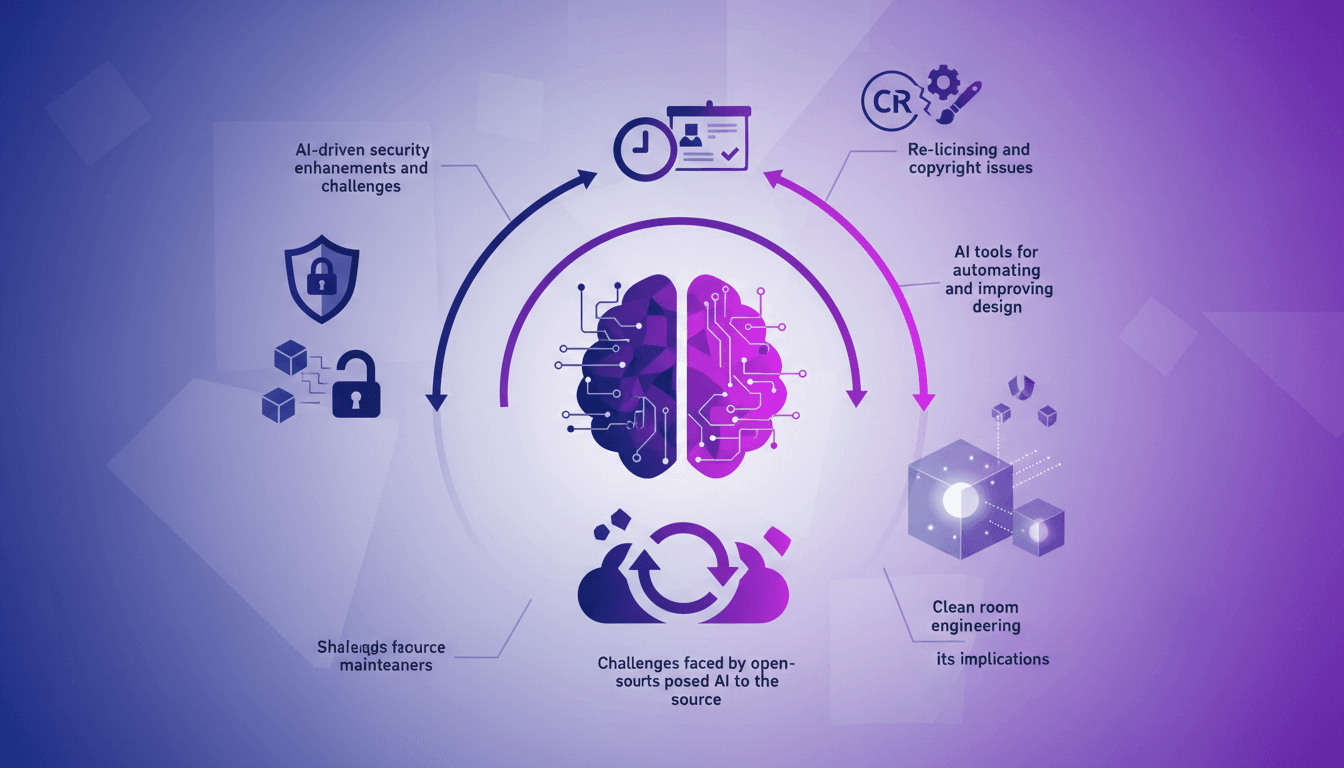
I remember the first time I integrated AI into my open-source project. It was a game changer, but not without its challenges. AI is reshaping the open-source landscape, enhancing security but also threatening traditional business models. Let's discuss the implications of this transformation – from AI tools boosting productivity to re-licensing and copyright issues. Open-source maintainers are facing unprecedented challenges, not to mention threats to existing business models. How is your open-source project adapting to this new era?