Automating Finance Tasks with RAMP Sheets
I've been knee-deep in spreadsheets, and let me tell you, RAMP Sheets is a game changer. I launched it in November, and it's been automating finance tasks in ways I didn't think possible. In the world of finance, 99% of the time is spent in spreadsheets. RAMP Sheets aims to cut that down by integrating AI directly into Excel, automating repetitive tasks, and allowing for smarter data manipulation. The agentic spreadsheet editor and its functionalities, self-monitoring and self-improvement loops in AI systems, and the challenges in building AI environments and evaluation are at the core of our discussion today. It's crazy how just five layers can change an entire paradigm.
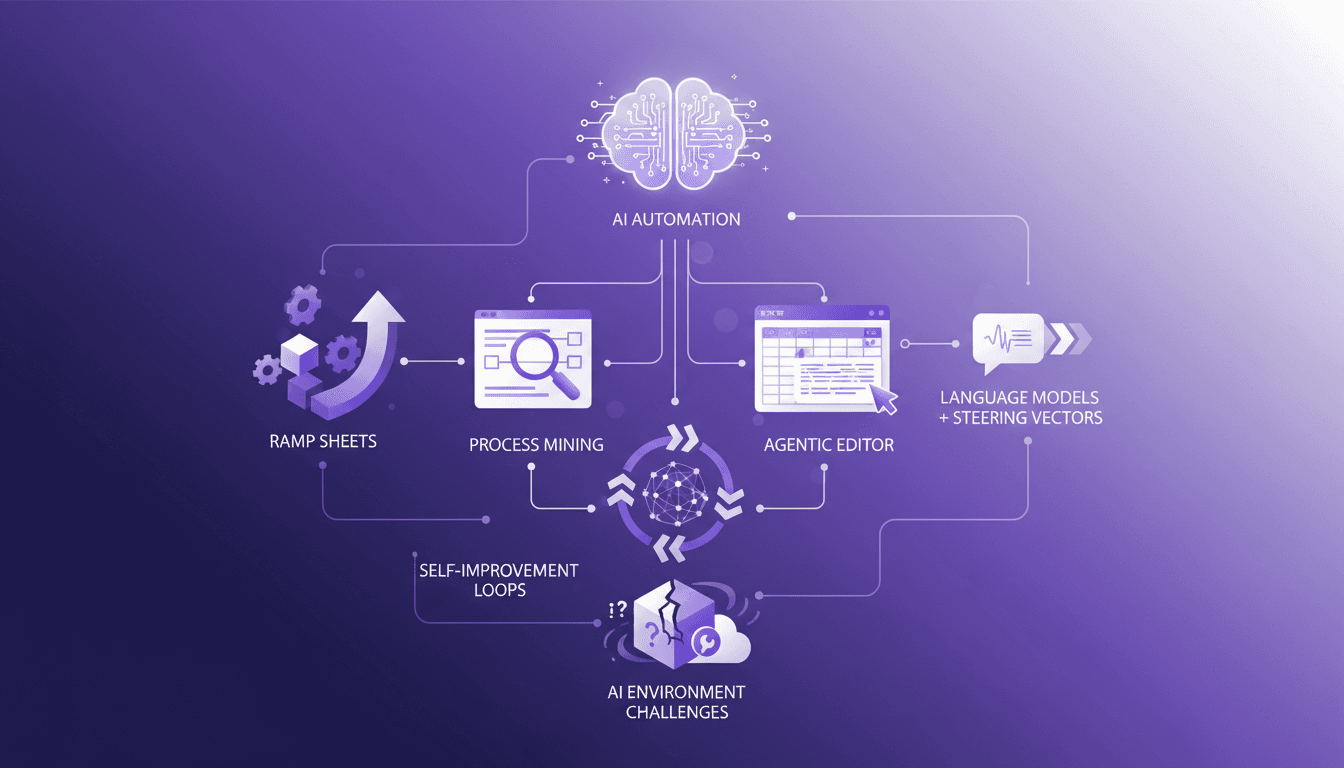
I've been stuck in spreadsheets more times than I'd like to admit. And then RAMP Sheets came along. I launched it in November, and boom, it's like my finance tasks went on autopilot. Seriously, in finance, 99% of the time is glued to spreadsheets. With RAMP Sheets, I integrate AI directly into Excel, and it's a real relief. We're talking about automating repetitive tasks, manipulating data smarter. But watch out, there are pitfalls – self-monitoring and improvement loops sound great, but you need to orchestrate them right. We also dug into language models and steering vectors, and trust me, it's not a walk in the park. I've made mistakes building these AI environments, but now I've got a clear vision and tangible results. And all this, it's a game changer for finance teams looking to really boost efficiency.
Building RAMP Sheets: From Concept to Launch
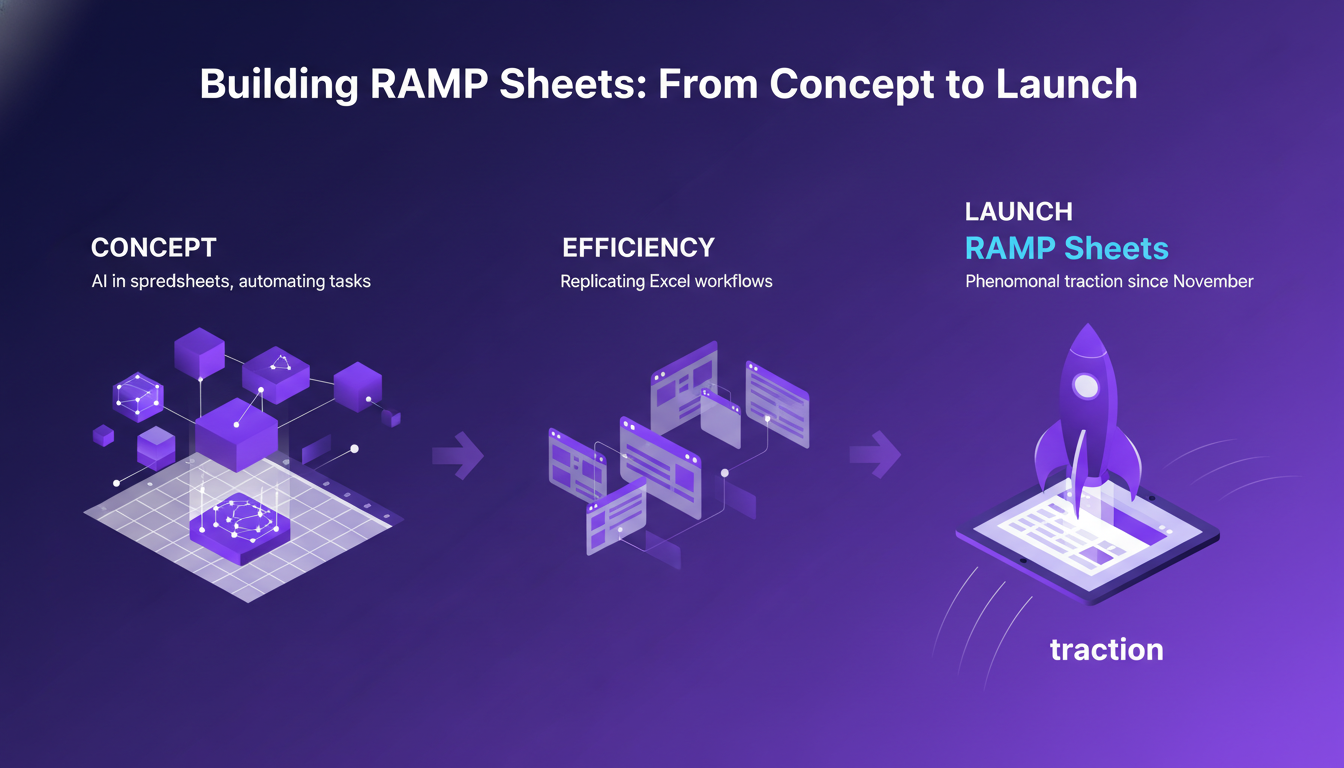
It all started with a simple idea: embed AI into spreadsheets to automate mundane tasks. I wanted RAMP Sheets to be that revolutionary tool, something that replicates how finance professionals work in Excel but with enhanced efficiency. The idea was to simplify without compromising power. By November, our vision became a reality with the launch of RAMP Sheets, and the traction has been phenomenal.
But watch out, Excel isn't always friendly to new tech. Integration challenges are plentiful, and you often have to juggle technical limitations that can slow down the process. I've had to reassess our approach multiple times to prevent token usage from exploding. But that's the game, you need to be ready to adjust constantly.
Process Mining: Understanding Finance Tasks
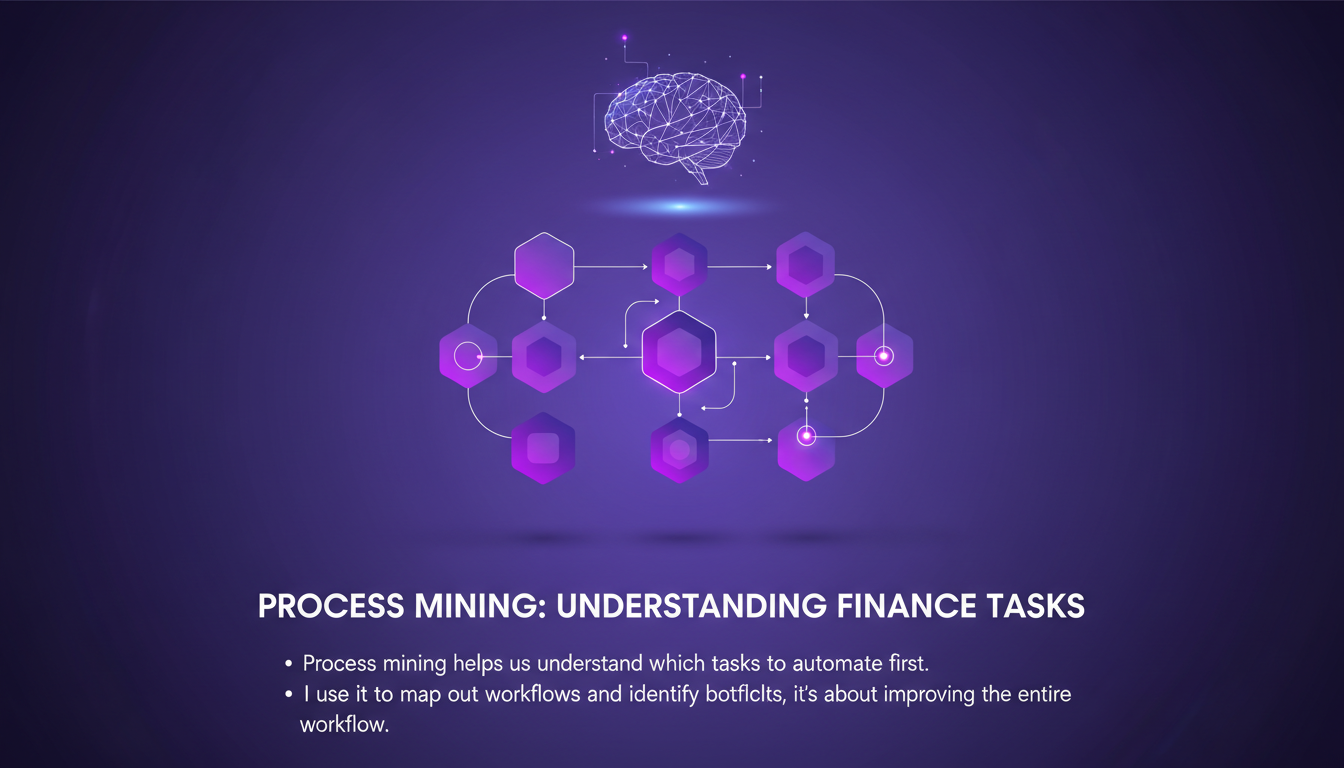
Process mining was crucial in understanding which tasks to automate first. I use this method to map workflows and identify bottlenecks in finance processes. It's not just about automating; it's about improving the entire workflow.
However, beware of over-mining. Sometimes, simple direct observation can be more effective than overly detailed analysis. I learned the hard way that accumulating data can become a hindrance rather than a lever.
- Map workflows to optimize processes.
- Identify bottlenecks before deciding what to automate.
- Avoid excessive complexity that slows rather than accelerates.
Agentic Spreadsheet Editor: A New Way to Work
The agentic editor enables dynamic task automation within Excel. I integrated an Agent SDK to create a sandbox environment for safe experimentation. This setup allows for self-monitoring loops, enhancing the AI's adaptability.
But again, caution is advised. Don't overuse the sandbox, or you'll end up with unnecessary complexity. I've found that sometimes it's faster to revert to more direct methods for certain tasks.
- Use a sandbox for risk-free experimentation.
- Avoid over-complicating the setup beyond necessity.
- Adopt self-monitoring loops to fine-tune automations.
Steering Vectors and AI Experimentation
Steering vectors are crucial for guiding AI behavior on nuanced tasks. My experience with Golden Gate Claude has helped refine these vectors. But, striking a balance between control and AI's learning autonomy is key.
Too much steering can stifle AI's natural problem-solving ability. I've learned that giving AI some leeway can sometimes lead to unexpected yet brilliant solutions.
Challenges in AI Environments and Evaluation
Building AI environments isn't just about tech; it's about understanding user needs. I've faced hurdles in aligning AI capabilities with real-world finance tasks. Evaluation is ongoing, with self-improvement loops providing constant feedback.
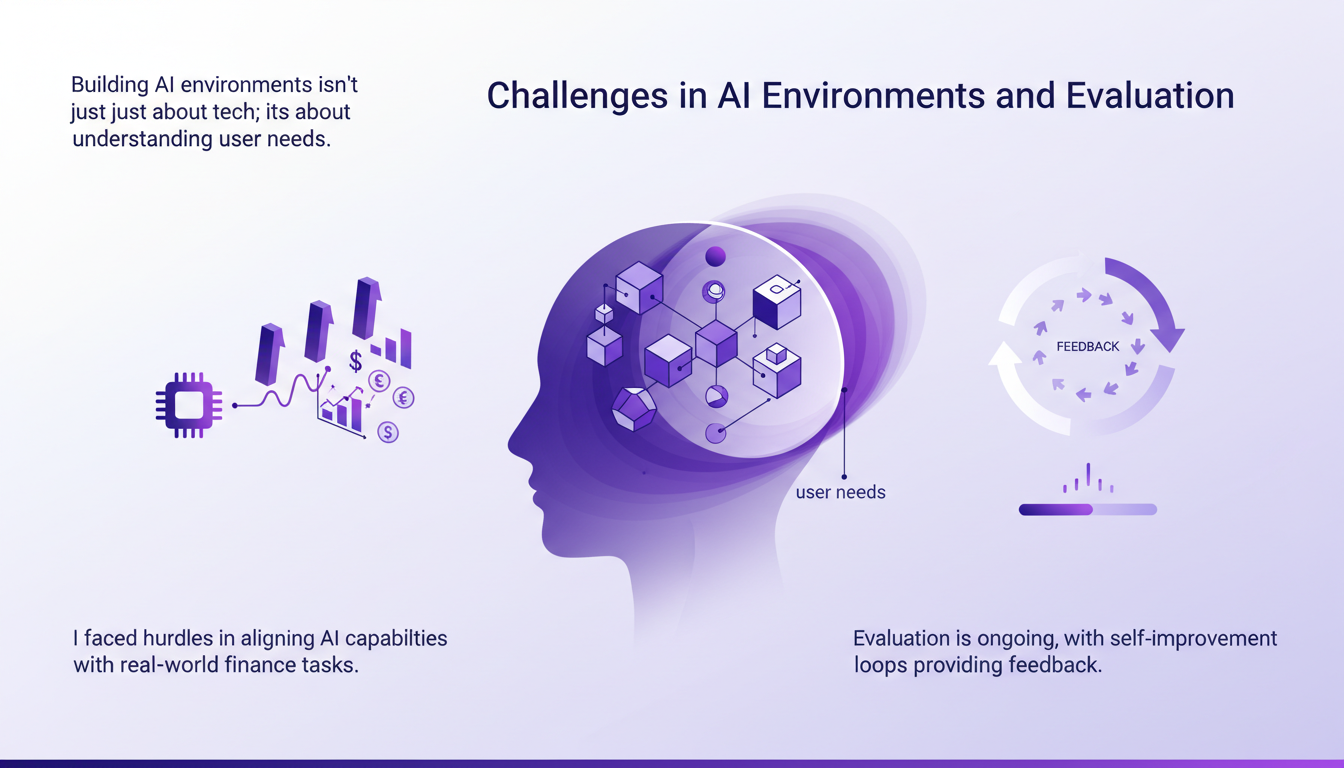
Be prepared for unexpected outcomes; AI still surprises me regularly. It's imperative to incorporate feedback loops to continuously adjust and improve processes.
- Understand users' real needs before designing AI solutions.
- Align AI capabilities with concrete real-world tasks.
- Plan for feedback loops for continuous improvement.
I dove into RAMP Sheets, and it's a real game changer for automating finance tasks. Here are the key takeaways:
- Embedding AI directly into Excel: We're talking about saving precious time when 99% of our work happens in spreadsheets.
- Process mining: It lets us identify and automate repetitive tasks. A real game changer, but watch out not to overload the system.
- Agentic spreadsheet editor: We can edit and improve processes dynamically.
What's next? With RAMP Sheets, we're on the brink of radically transforming our finance workflows. No way we're staying behind.
Check out the full video to see how these tools can truly transform your workday: How Ramp built an AI agent that can think outside of tokens | Alex Shevchenko. It's the real deal, no fluff.
Frequently Asked Questions

Thibault Le Balier
Co-fondateur & CTO
Coming from the tech startup ecosystem, Thibault has developed expertise in AI solution architecture that he now puts at the service of large companies (Atos, BNP Paribas, beta.gouv). He works on two axes: mastering AI deployments (local LLMs, MCP security) and optimizing inference costs (offloading, compression, token management).
Related Articles
Discover more articles on similar topics
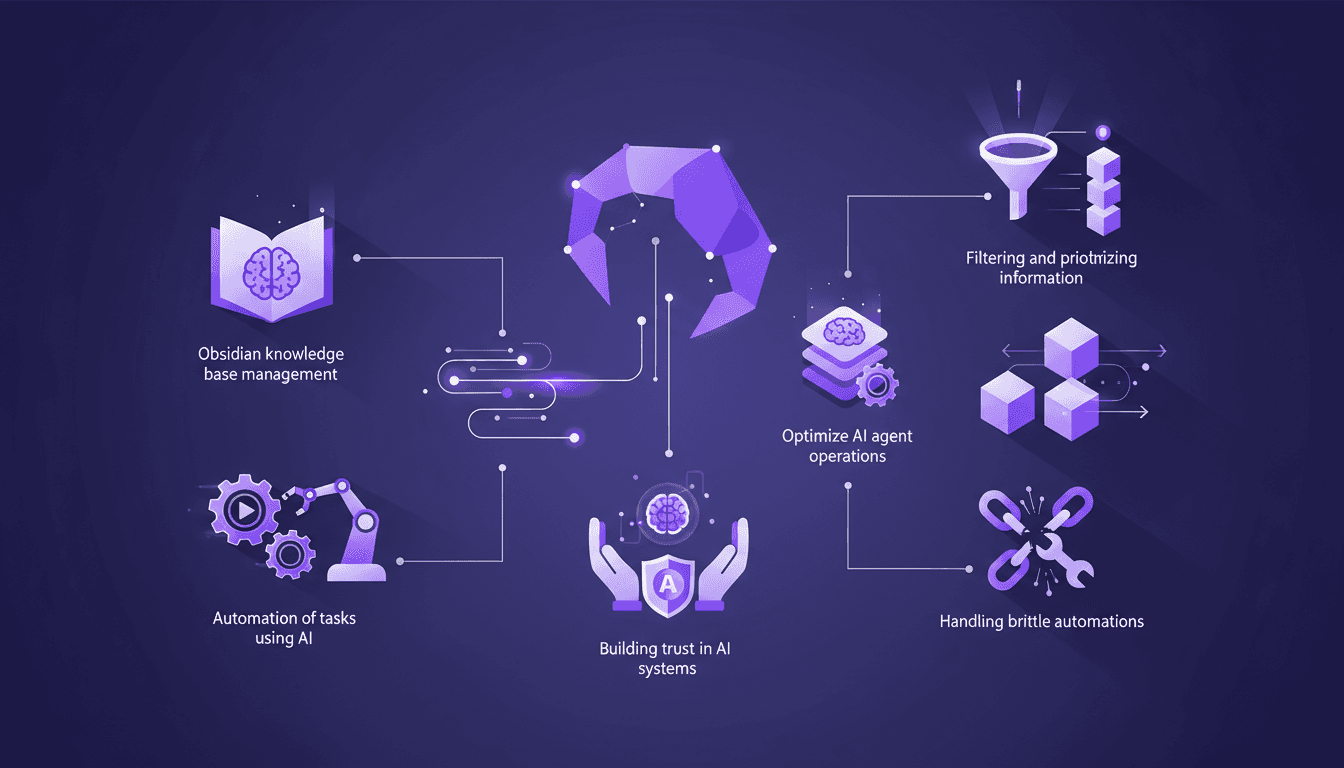
Integrating OpenClaw: Optimizing Daily Life
I handed over the keys to my life to an AI agent. Sounds risky, right? Yet, integrating OpenClaw transformed my daily routine in remarkable ways. Picture managing a 3,000-page Obsidian knowledge base, with tasks kicking off at 4 a.m. I’m sharing how I optimized my life with AI, from data management to building reliable routines. Fixing a Netflix payment failure in five minutes made me realize the potential of these tools. But beware, you need to filter and prioritize information, and handle sometimes brittle automations. Ultimately, it's a fascinating journey toward an AI-optimized life.

Dark Vortices: Surpassing Light Speed
I remember the first time I heard about dark vortices moving faster than light—it sounded like sci-fi. But diving into the research, I realized the practical implications are huge. We're talking about optical vortices challenging the speed of light, backed by ultra-fast microscopy techniques. This isn't just theory; it's real-world applications reshaping medicine and augmented reality. I've built systems leveraging these breakthroughs, and the results are significant. International collaboration and AI automation are transforming our daily lives, and it's exciting to be part of this revolution.

Evolving Role of Software Engineers: Key Insights
I've been in the trenches of software engineering long enough to see our roles evolve. We started as code writers, became system architects, and now, we're orchestrators of complex ecosystems. The rise of advanced language models has reshaped our daily workflows. When I configure an architecture, I'm not just coding anymore; I'm designing entire systems. These models amplify our expertise—they don't replace it. But remember, a good engineer remains the author of their applications, even with a powerful tool at hand. Curious about how these shifts redefine our profession? Let's dive into this fascinating world.
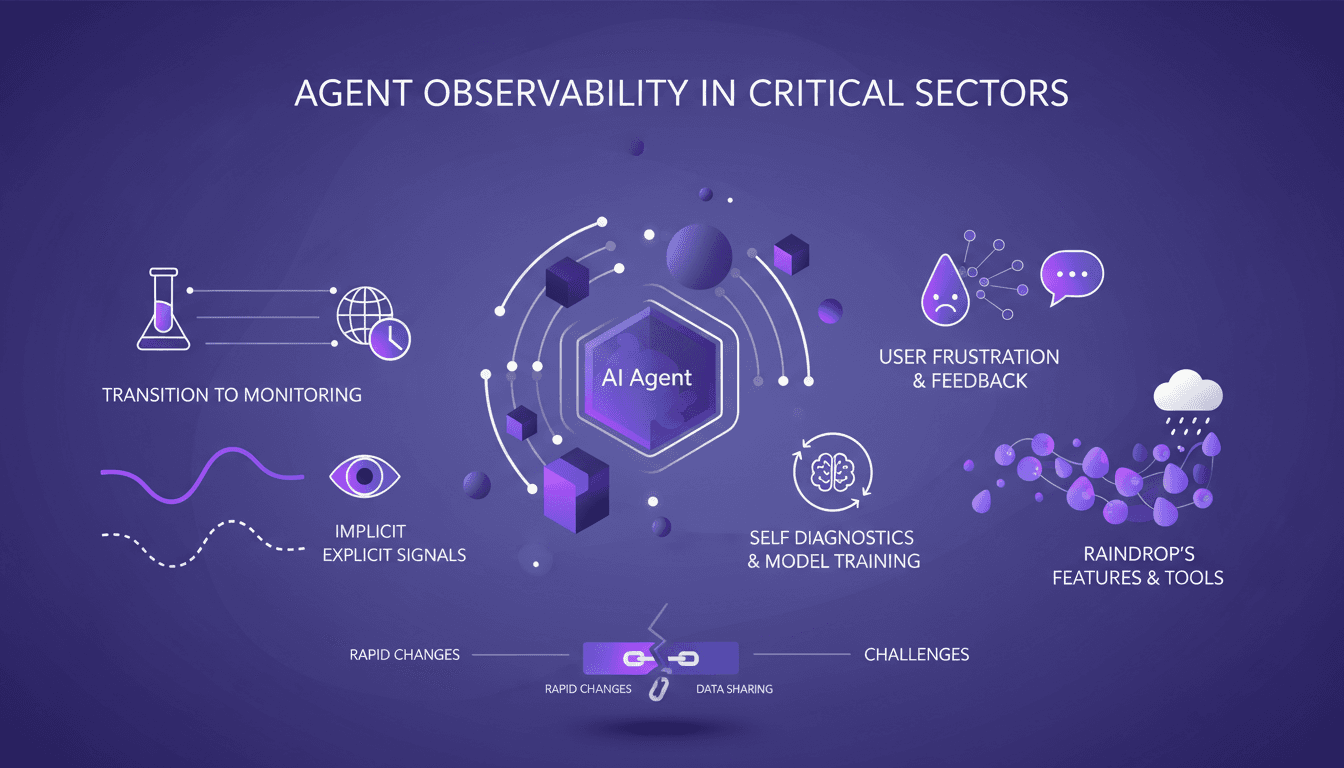
Mastering Agent Observability: Key Signals
I've been in the trenches with agent observability, and let me tell you, it's a game changer—but only if you get it right. Transitioning from testing to a full-on monitoring paradigm isn't just a step; it's a leap. In critical sectors like healthcare, finance, and even the military, agent observability is not just a luxury—it's a necessity. We're talking about systems that run for hours without human input, where catching issues early can save more than just time. In this talk, Danny Gollapalli and Ben Hylak from Raindrop break down the implicit and explicit signals for issue detection, user frustration monitoring, and the tools for self-diagnostics and model training. Get ready to master the key signals of agent observability.
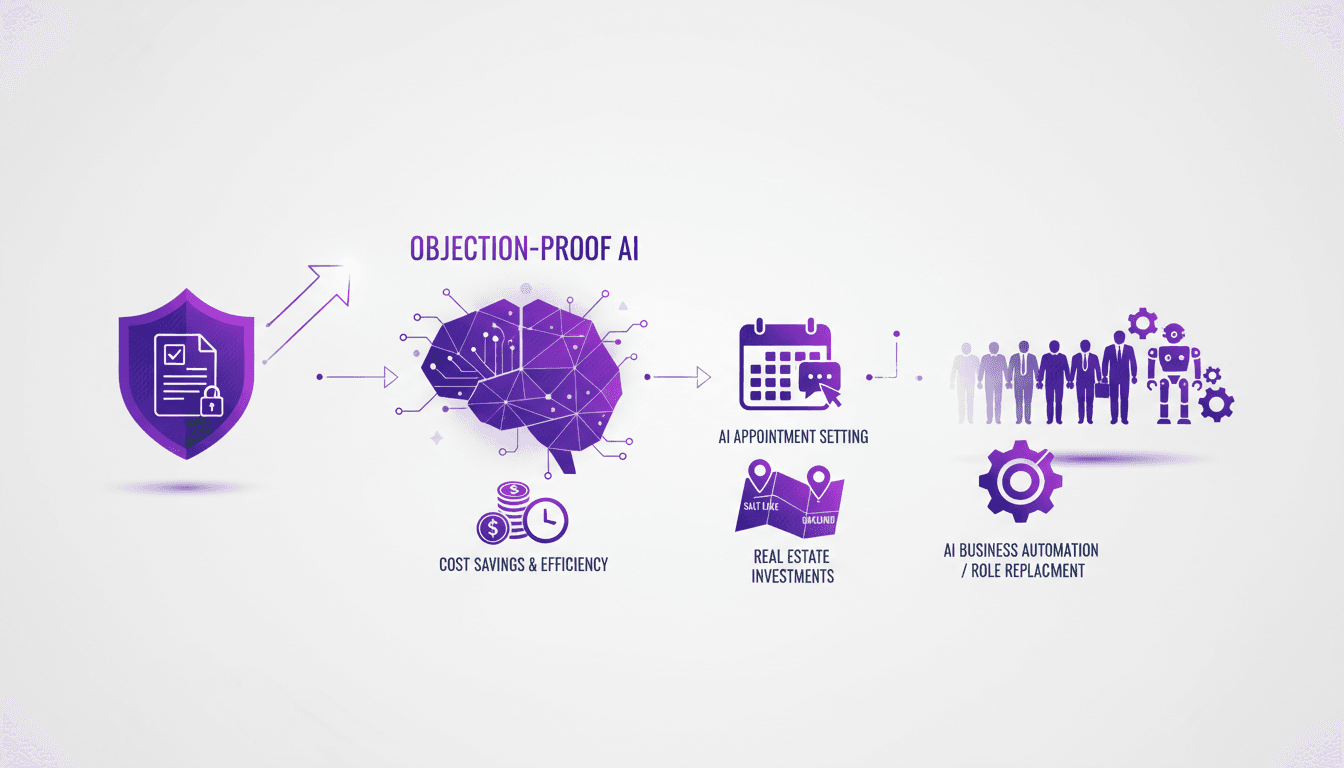
AI's Impact on Real Estate Contracts
I remember the first time I closed a deal using Objection Proof AI. It was a game changer. Suddenly, I had 17 contracts lined up, and my business was on a new trajectory. In the competitive world of real estate investing, efficiency and quick decision-making are crucial. AI isn't just a buzzword; it's a tool that can transform your operations if you know how to wield it effectively. With Objection Proof AI, I saved tens of thousands of dollars by replacing five staff members and saw my daily appointments jump to three or five new clients. Let me show you how this AI revolutionized my real estate operations in Salt Lake and Oakland.