Mastering Agent Observability: Key Signals
I've been in the trenches with agent observability, and let me tell you, it's a game changer—but only if you get it right. Transitioning from testing to a full-on monitoring paradigm isn't just a step; it's a leap. In critical sectors like healthcare, finance, and even the military, agent observability is not just a luxury—it's a necessity. We're talking about systems that run for hours without human input, where catching issues early can save more than just time. In this talk, Danny Gollapalli and Ben Hylak from Raindrop break down the implicit and explicit signals for issue detection, user frustration monitoring, and the tools for self-diagnostics and model training. Get ready to master the key signals of agent observability.
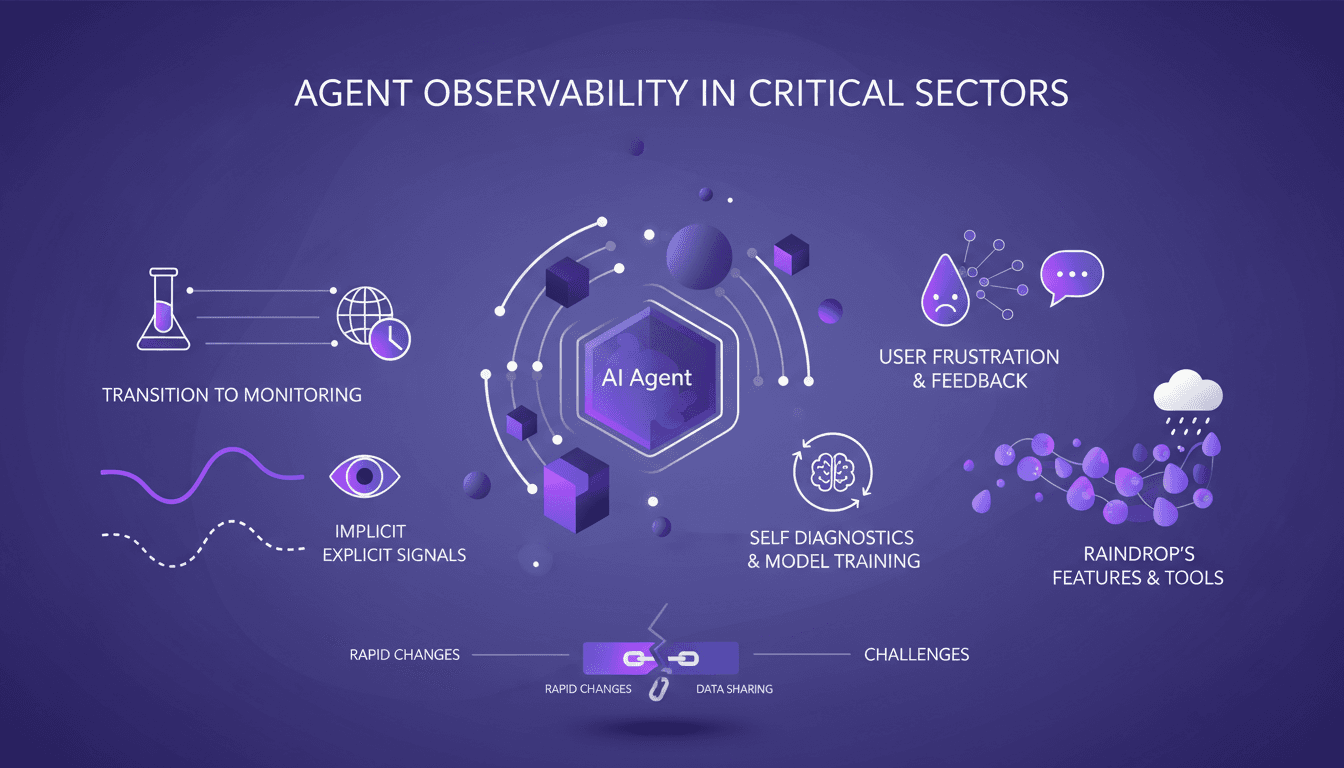
I've been in the trenches with agent observability, and let me tell you, it's a game changer—but only if you get it right. Transitioning from testing to a full-on monitoring paradigm isn't just a step; it's a leap. We're talking about critical sectors like healthcare, finance, and even the military, where agent observability is not just a luxury—it's a necessity. Imagine systems running for hours without human input, where catching an issue early can save more than just time. In this conference talk, Danny Gollapalli and Ben Hylak from Raindrop delve into the heart of agent observability, breaking down the implicit and explicit signals for issue detection, user frustration monitoring, and the tools for self-diagnostics and model training. They also share the challenges of managing rapid changes and data sharing. Get ready to dive into the fascinating world of agent observability and master the key signals that can transform your approach.
Understanding Agent Observability
When we delve into agent observability, it's about seeing beyond the conventional software failures we know. Unlike traditional software, agents can operate autonomously for hours without any human input. That's where the challenge lies: How do we really know what's happening under the hood?
The shift from testing to monitoring is crucial, especially in critical sectors like healthcare, finance, and even the military. To me, it's like moving from theory to practice in the field. In fact, some even describe agent monitoring as "humanity's last problem." That's how significant it is!
With the exponential growth of tools and techniques, selection becomes key. I've seen teams get lost in the myriad solutions available, unsure of what to choose. So, how do we not drown in all this?
Signals: Implicit vs Explicit
In the realm of observability, we distinguish between two types of signals: implicit signals and explicit signals. The former are those we infer, like performance metrics. For instance, a spike in error rate might indicate an underlying issue. In contrast, explicit signals are direct inputs, like user feedback.
To be comprehensive in our monitoring, we need both types of signals. Take regex signals, for example, which are very useful for parsing and understanding logs. I've implemented a user frustration classifier that helps detect issues early. Trust me, it's a game changer!
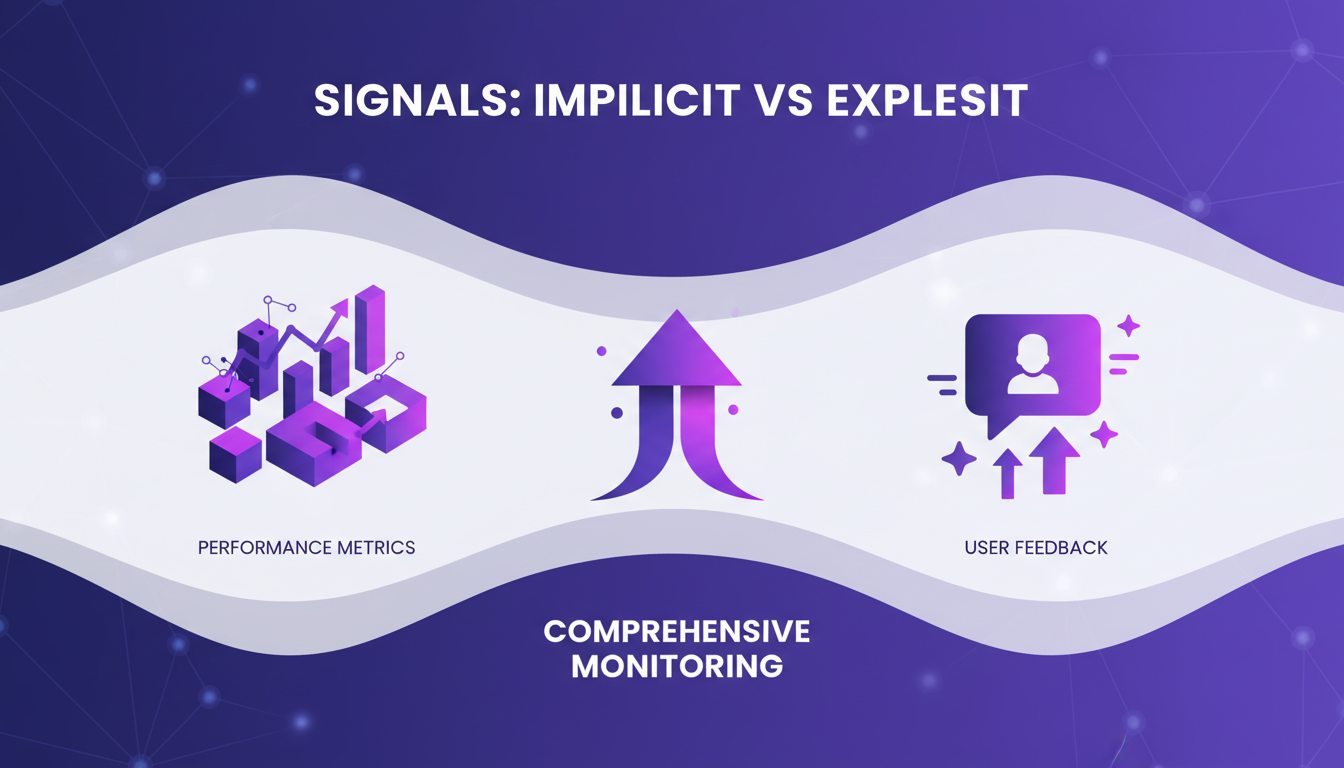
Self Diagnostics and Model Training
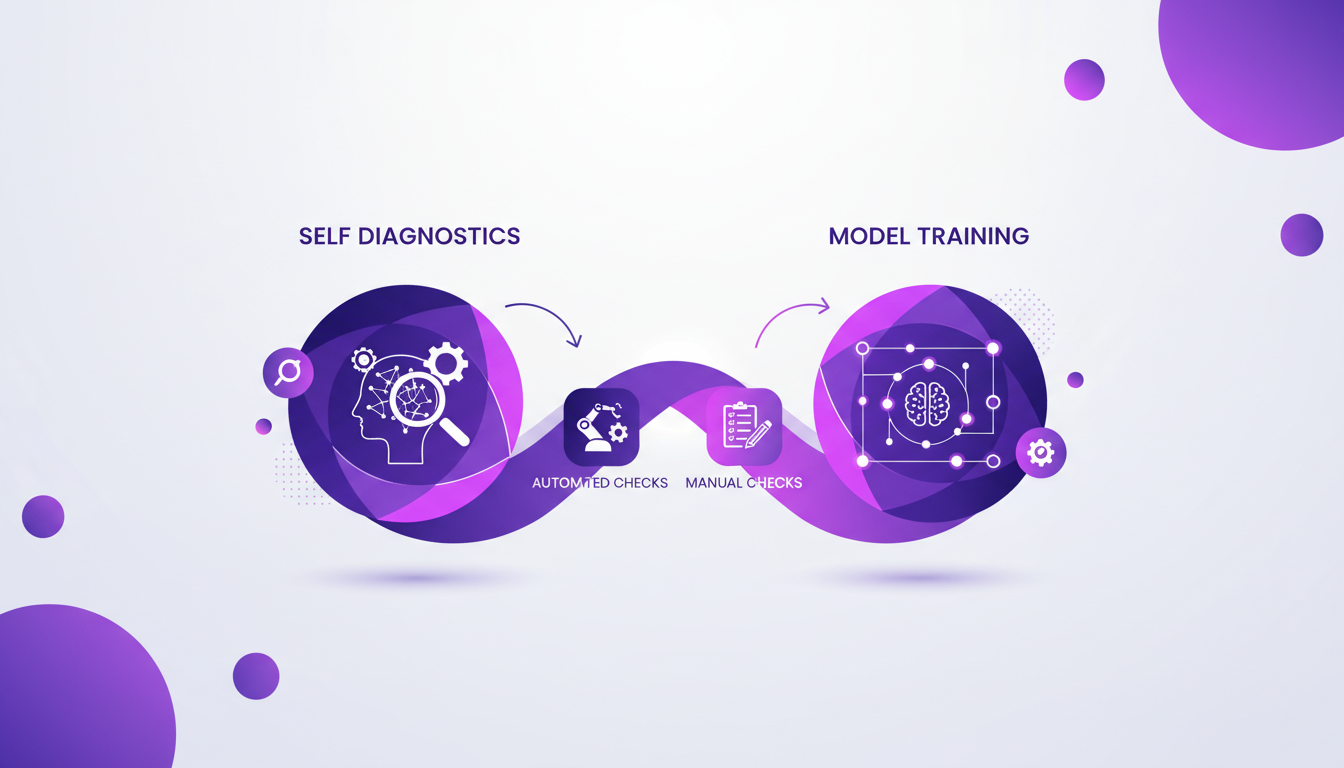
Self diagnostics, does that ring a bell? It's the ability of agents to assess their own performance. For me, it's like having an onboard mechanic in your car. Model training is about teaching them to reason and adapt. But watch out, you need to balance between automated diagnostics and manual checks.
In dynamic environments, continuous learning is crucial. But beware of overly complex models that bog down performance. I've seen systems crumble under their own sophistication. Sometimes, keeping it simple and effective is the better route.
Raindrop's Monitoring Tools
Now, let's talk about Raindrop, which offers a suite of tools tailored for agent monitoring. With real-time alerts and detailed analytics, it's like having an all-in-one dashboard. But be careful of information overload, because trying to monitor everything can drown you in data.
I've worked on projects where Raindrop radically improved monitoring, especially in healthcare and finance. Imagine sessions running for hours without human intervention, where a single misstep can be costly. With Raindrop, we manage rapid data changes better and balance exhaustive monitoring with information overload.
Challenges and Future of Agent Observability
Maintaining system stability while managing rapid changes is a puzzle. Especially in sensitive sectors like the military, where data sharing poses a problem. Plus, with the proliferation of tools, we need to know how to scale monitoring solutions.
What to expect in the future? Trends show that agent observability will continue to evolve. Let's prepare for the next leap in monitoring technology. As a builder, I'm already anticipating future challenges and the solutions we'll need to implement.
Agent observability isn't just a buzzword, it's a critical piece of modern systems. I've dug into the tools and strategies you really need to grasp to ensure our agents are not just operational but optimized. Here's what stands out to me:
- Tools are growing exponentially — choose wisely or you'll drown in options.
- Agents can run for hours without input, but watch for both implicit and explicit signals to catch issues.
- In critical sectors like healthcare, finance, and even the military, observability is vital.
- Monitoring user frustration and feedback is key to improving performance. Looking ahead? It's a revolution in monitoring. We're talking about truly transforming your monitoring processes with Raindrop's tools. I recommend watching the full video to deepen your understanding: YouTube link. It's a real game changer. But remember, know your needs before diving in.
Frequently Asked Questions

Thibault Le Balier
Co-fondateur & CTO
Coming from the tech startup ecosystem, Thibault has developed expertise in AI solution architecture that he now puts at the service of large companies (Atos, BNP Paribas, beta.gouv). He works on two axes: mastering AI deployments (local LLMs, MCP security) and optimizing inference costs (offloading, compression, token management).
Related Articles
Discover more articles on similar topics
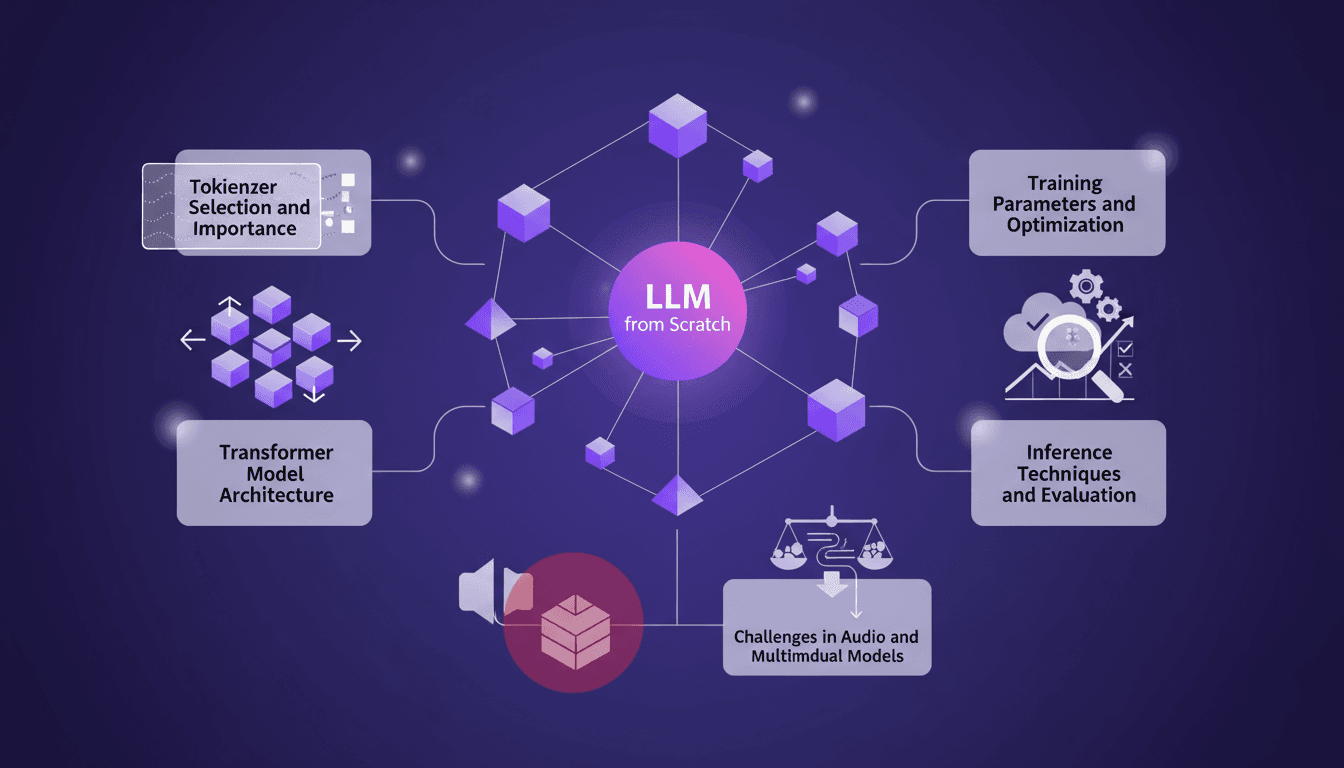
Training an LLM from Scratch: Practical Guide
I remember the first time I decided to train a large language model from scratch. It felt like climbing a mountain with no map. But once you get the hang of it, it's like orchestrating a symphony. In this guide, I'll take you through my journey of building an LLM locally, inspired by Andre Karpathy's Nano GPT. We'll dive into tokenizer selection, Transformer model architecture, training parameters, and much more. I'll share the mistakes I made, the solutions I found, and how I optimized for efficiency. This is a practical guide for anyone wanting to truly understand each step of the process without wasting time on unnecessary details.
AI's Impact on Real Estate Contracts
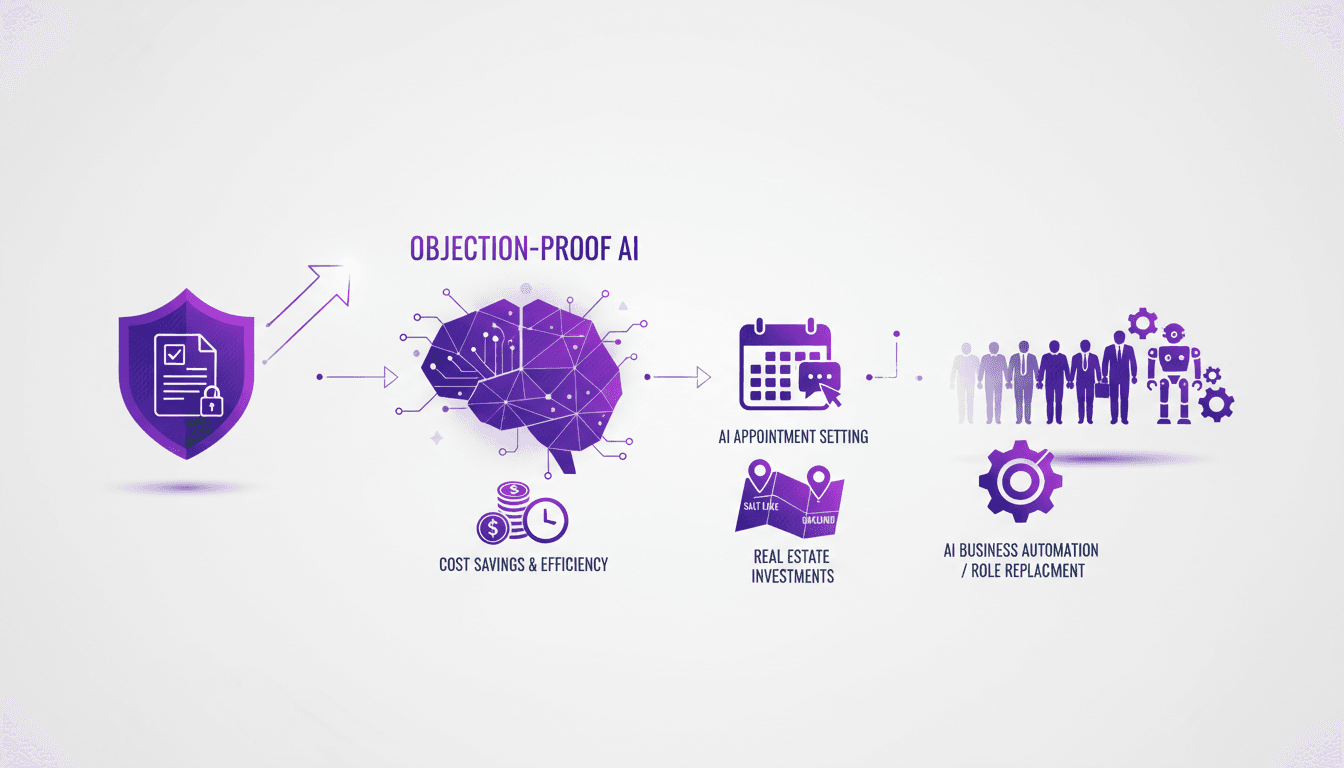
I remember the first time I closed a deal using Objection Proof AI. It was a game changer. Suddenly, I had 17 contracts lined up, and my business was on a new trajectory. In the competitive world of real estate investing, efficiency and quick decision-making are crucial. AI isn't just a buzzword; it's a tool that can transform your operations if you know how to wield it effectively. With Objection Proof AI, I saved tens of thousands of dollars by replacing five staff members and saw my daily appointments jump to three or five new clients. Let me show you how this AI revolutionized my real estate operations in Salt Lake and Oakland.
Surviving Young: Finding Strength and Purpose
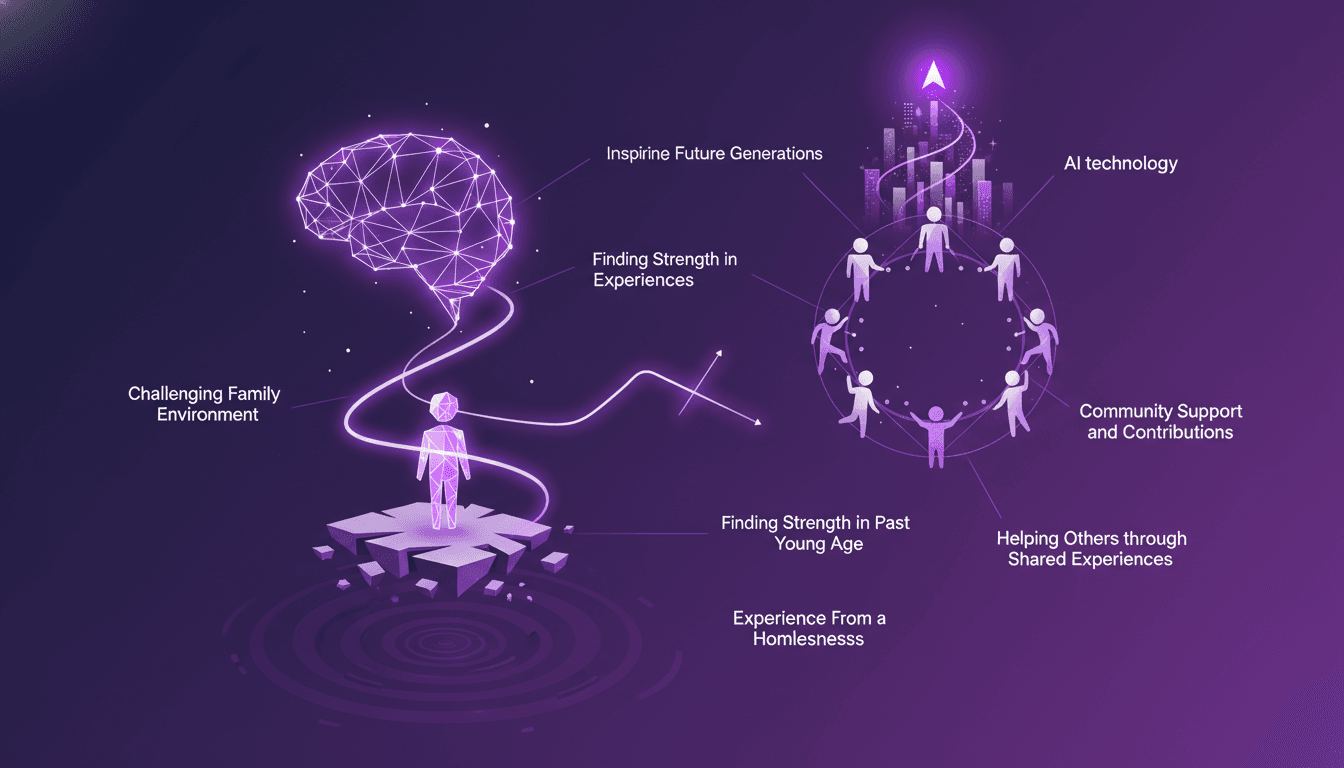
At 13, I found myself alone in a world that didn't seem to care. Those early struggles taught me resilience. Now, I channel that strength to help others, and it's been a game changer. This article delves into my journey from a challenging family background and early homelessness to finding strength in adversity. It's about using that strength to inspire and support others, turning pain into purpose, and giving back to the community.

Scaling AI Skills: A Builder's Guide
I've been in the trenches, building AI workflows that don't just work but scale. Let's talk about skills in AI—those discrete units of work that are game-changers if you know how to manage them right. In a world where AI is reshaping industries, understanding how to efficiently develop, manage, and share these skills is crucial. This isn't about theory; it's about real-world application. Nick Nisi and Zack Proser from WorkOS delve into the structure and components of skills, context management, confidence scoring, and how to share them within teams. If you're tired of empty talk and want tools that deliver in day-to-day operations, this is where you want to be.
Make $100K with AI Influencers on TikTok
I built an app that pulled in $100K in just two months using AI influencers on TikTok. How did I do it? By orchestrating a strategy that blended technical development with innovative marketing. At 19, Raphael Kramer, an experienced developer with over 50 apps under his belt, leveraged artificial intelligence to create virtual influencers that captivate and drive massive revenue. From idea validation to implementation and ethical challenges, let's dive into this unique entrepreneurial journey.