Surviving Young: Finding Strength and Purpose
At 13, I found myself alone in a world that didn't seem to care. Those early struggles taught me resilience. Now, I channel that strength to help others, and it's been a game changer. This article delves into my journey from a challenging family background and early homelessness to finding strength in adversity. It's about using that strength to inspire and support others, turning pain into purpose, and giving back to the community.
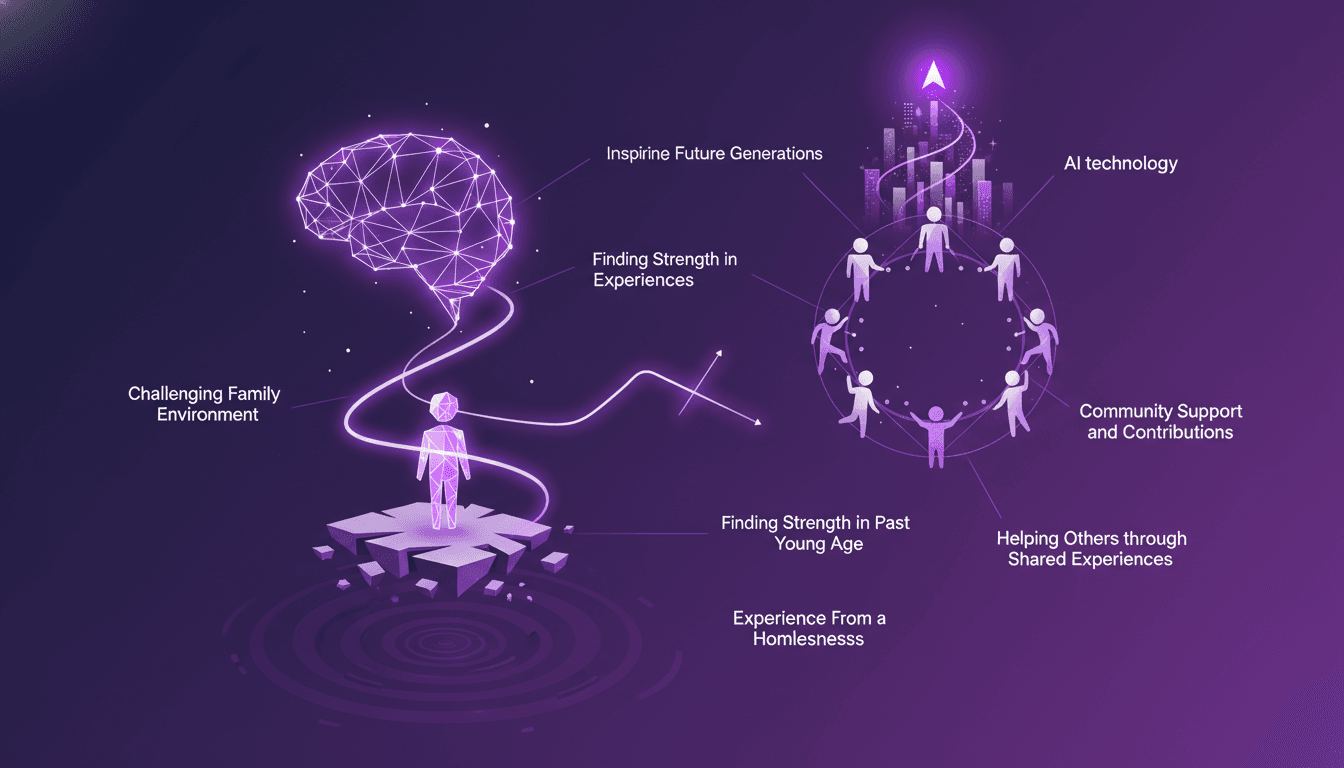
I remember the first time I truly felt alone—13 years old and trying to navigate a world that seemed indifferent. But here's the thing: those early challenges taught me resilience. Growing up in a tough family environment and experiencing homelessness by 15 was no easy ride, but it shaped me into someone who channels past struggles into strength. Now, I use that strength to help others, turning pain into purpose. By sharing my journey, I aim to show that even the hardest experiences can inspire future generations and contribute positively to our communities. It's not just about surviving; it's about finding a way to live fully and give back.
Challenging Start: Facing Family Struggles
Looking back, independence wasn't a choice but a necessity. By the age of 13, I was forced to navigate a challenging family environment where resilience was either imposed or abandoned. Let’s not sugarcoat it, it was tough. In this family chaos, I realized that survival depended on early self-reliance.
At an age when other kids were relying on their parents for guidance, I found myself alone, relying solely on myself. I got burned more than once, but every mistake was a lesson. I learned that the family environment can either break you or build resilience, and I chose the latter. This forced independence at ages 13 and 14 became the springboard for an inner strength I didn’t know I had.
Resilience is often forged in adversity.
Homeless at 15: Building Strength from Struggles
By 15, I was homeless. This situation made me grow up fast, without a safety net. Street life is a ruthless yet effective teacher. No textbook teaches survival like cold alleyways do. That's where I learned to turn every struggle into a cornerstone of my resilience.
Living outside showed me that each day was a victory, and every challenge overcome was another step towards inner strength. Finding strength in adversity became my daily mantra. It pushed me to find ways not just to survive, but to draw real strength from that survival.
Turning Pain into Purpose: Helping Others
My experiences aren't just scars; they're tools to help others. Pain taught me empathy, a key element in connecting with those in similar situations. By sharing my experiences, I found meaning in my past. Helping others became a way to transform my past pain into a purposeful life.
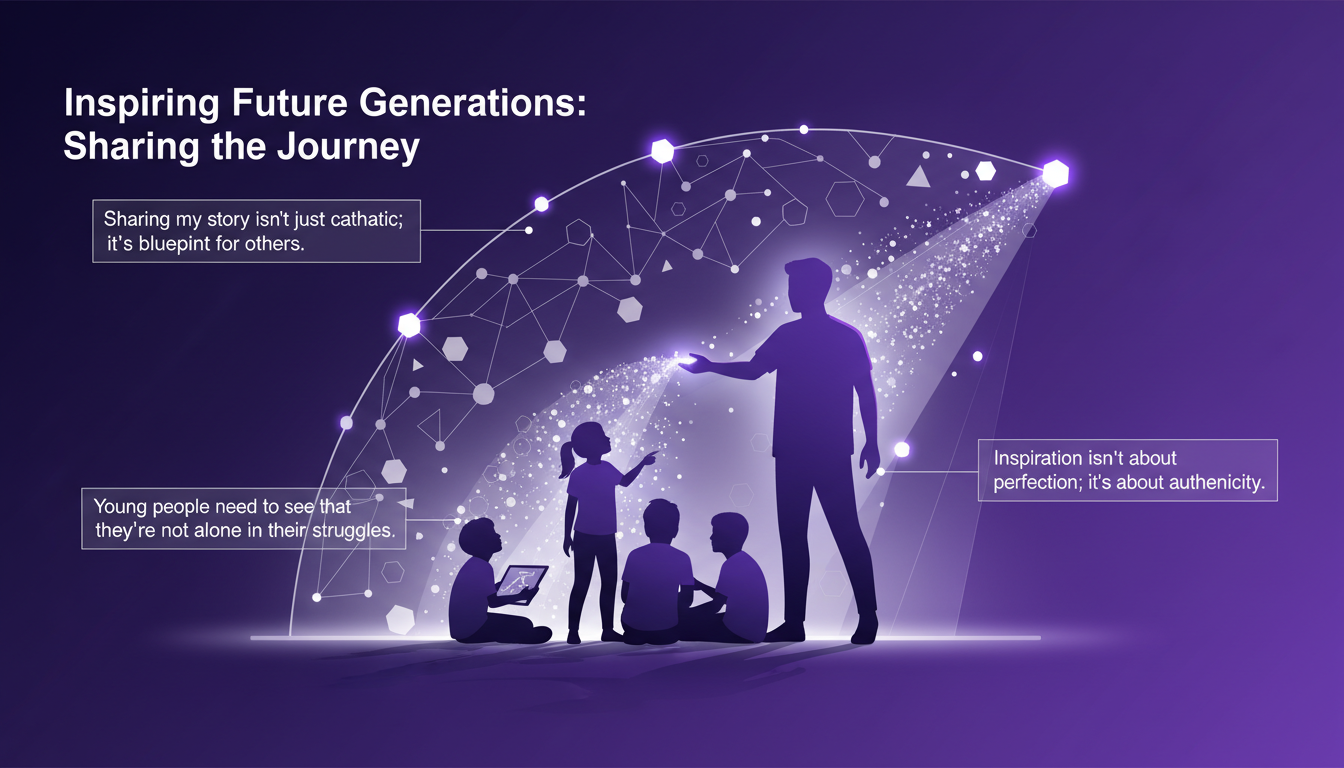
It’s not just about surviving; it’s about turning that survival into a meaningful purpose. By helping others, I transform pain into a driver for positive change.
Inspiring Future Generations: Sharing the Journey
Sharing my story isn't just cathartic; it's a blueprint for others. Young people need to see that they’re not alone in their struggles. Inspiration isn’t about perfection; it’s about authenticity. By mentoring younger generations, I find a way to give back what life has taught me.
I see it as an emotional return on investment. Young people can see through my journey that adversity can be overcome, and better tomorrows are possible. By sharing my hardships, I offer them a map to navigate their own storms.
Community Support: Finding and Giving
Community support was my lifeline. Don’t underestimate its power. Building a support network is crucial for long-term resilience. Giving back to the community strengthens the support cycle.
Purpose derived from pain isn’t just personal; it can uplift entire communities. By giving back, I find inner peace and collective strength. This mutual support creates a resilient social fabric.
- Community support is a powerful force.
- Building and maintaining a network is essential.
- Giving back enriches both the community and oneself.
Ultimately, turning pain into purpose isn’t just a personal act; it’s a community endeavor.
I was on my own since I was about 13, 14 years old, and homeless at 15. Those early experiences taught me the hard way how to turn personal pain into community strength. Key takeaway one: never underestimate your resilience. Facing adversity from a young age made me resourceful and tough, but it also taught me to absorb and learn from each hit. Point two: community is a powerful tool. I found unexpected allies, people who supported me without asking for anything in return. Third: your journey can inspire others. By sharing your experiences, you're paving the way for others to follow. Lastly, remember that every hardship you overcome is an invaluable lesson. Looking forward: what if we all turned our personal stories into a force for others? Share your story, be part of a community that uplifts and supports. To get a fuller picture, I recommend checking out the original video here. It's a true testament to strength and resilience.
Frequently Asked Questions

Thibault Le Balier
Co-fondateur & CTO
Coming from the tech startup ecosystem, Thibault has developed expertise in AI solution architecture that he now puts at the service of large companies (Atos, BNP Paribas, beta.gouv). He works on two axes: mastering AI deployments (local LLMs, MCP security) and optimizing inference costs (offloading, compression, token management).
Related Articles
Discover more articles on similar topics

Scaling AI Skills: A Builder's Guide
I've been in the trenches, building AI workflows that don't just work but scale. Let's talk about skills in AI—those discrete units of work that are game-changers if you know how to manage them right. In a world where AI is reshaping industries, understanding how to efficiently develop, manage, and share these skills is crucial. This isn't about theory; it's about real-world application. Nick Nisi and Zack Proser from WorkOS delve into the structure and components of skills, context management, confidence scoring, and how to share them within teams. If you're tired of empty talk and want tools that deliver in day-to-day operations, this is where you want to be.
Make $100K with AI Influencers on TikTok
I built an app that pulled in $100K in just two months using AI influencers on TikTok. How did I do it? By orchestrating a strategy that blended technical development with innovative marketing. At 19, Raphael Kramer, an experienced developer with over 50 apps under his belt, leveraged artificial intelligence to create virtual influencers that captivate and drive massive revenue. From idea validation to implementation and ethical challenges, let's dive into this unique entrepreneurial journey.
Multi-Agent Systems: Integration and Optimization
I've been in the software engineering trenches long enough to know that human attention is a bottleneck we can't ignore. When I first stumbled upon multi-agent frameworks, it was a revelation: a way to bypass this limitation. Picture a system that runs for days, with agents working seamlessly together. In this article, I'll walk you through how we built Missions, a system that integrates, optimizes, and fully harnesses the potential of multi-agent systems. We'll dive into architecture, workflows, and crucial pitfalls to avoid. You'll see how concepts like parallelism and serial execution can transform your software development approach.
Managing 300M Agent Runs with LangSmith: Clay
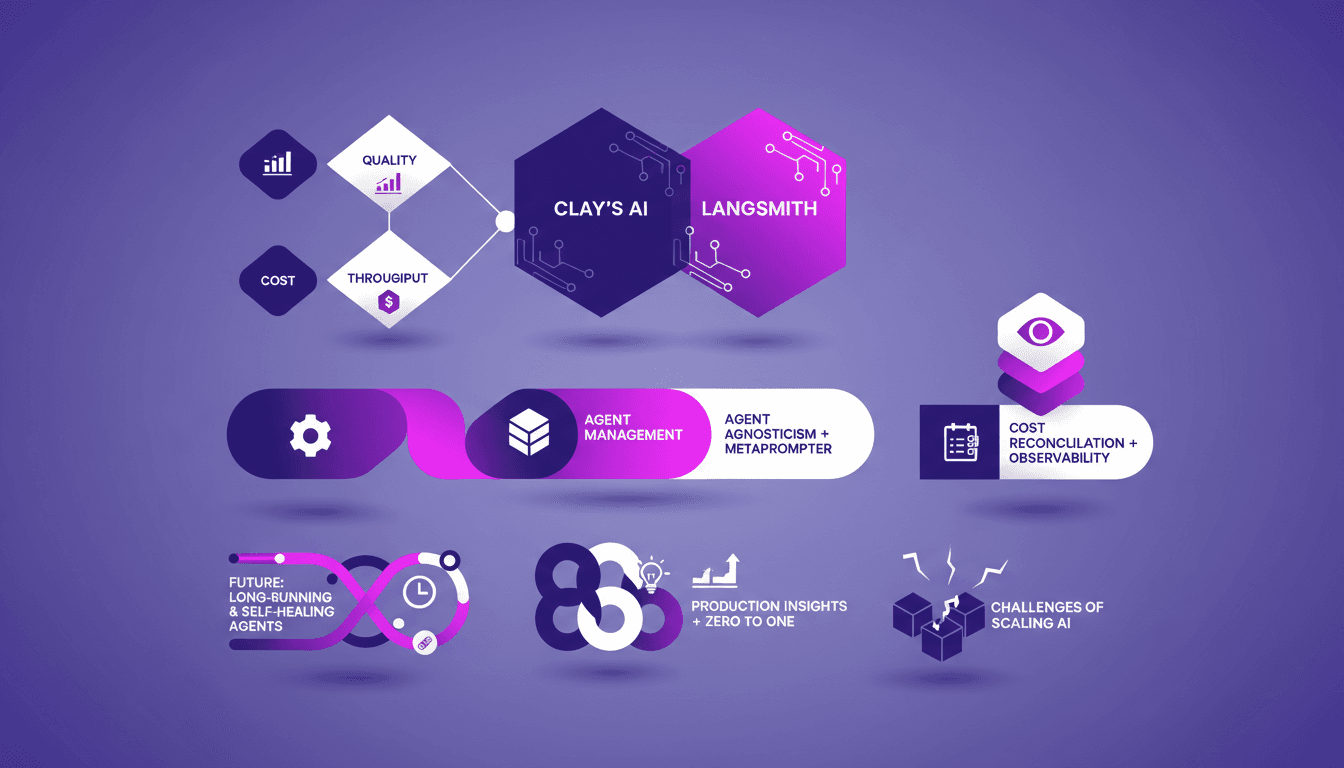
I still remember the first time we hit 300 million agent runs in a month at Clay. It was exhilarating but a logistical nightmare. Yet, we orchestrated this massive operation with LangSmith. Every day, we juggle AI integration and cost optimization while maintaining impeccable quality. LangSmith is our ally, handling everything from agent orchestration to cost reconciliation. This isn't theoretical; it's our daily grind. If you're wondering how we manage at this scale, the answer lies in our ability to tweak every detail, anticipate errors, and always aim higher.
MCP Apps: Revolutionizing UI, One Project at a Time
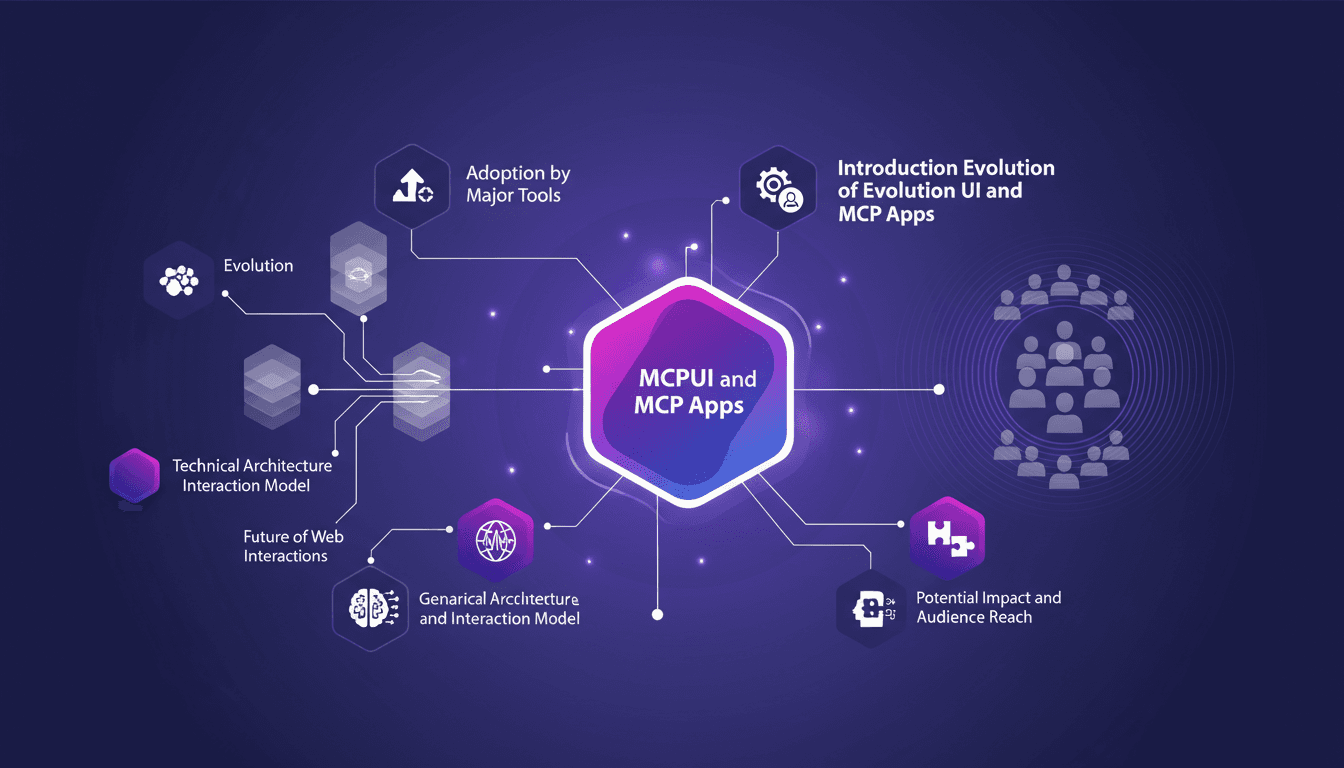
I remember the first time I integrated MCPUI into a project — it was a game changer, but not without its hurdles. MCP Apps are reshaping UI development, and the impact is tangible. Adopted by major players like VS Code and Shopify, these tools have become indispensable. In this article, we'll dive into their evolution, technical architecture, and what the future holds. Millions of Shopify stores are already sending MCPUI chunks (that's huge!). We'll see how these apps integrate with other UI protocols and why they might redefine web interactions globally. Ready to explore how MCP Apps are revolutionizing UI, one project at a time? Let's dive in.