GPT 5.5: Transforming Finance Sector
When I first integrated GPT 5.5 into my workflow, it was like adding a turbocharger to a classic engine. Tasks that used to take hours were suddenly done in minutes, and the precision was off the charts. With the arrival of GPT 5.5, we're witnessing a paradigm shift in how AI handles complex reasoning and data tasks, especially in the finance sector. We're looking at a 19 percentage point improvement from the previous version, transforming our approach to daily efficiency and quality.
When I first integrated GPT 5.5 into my workflow, it felt like adding a turbocharger to a classic engine. Suddenly, tasks that used to take hours were done in minutes, and the precision was off the charts. With the introduction of GPT 5.5, we're looking at a paradigm shift in how AI tackles complex reasoning and data tasks, especially in the finance sector. I remember orchestrating my initial tests, and the results were astounding: a 19 percentage point lift from the previous iteration. In a sector where every second counts, this advancement is a game changer for efficiency and quality in knowledge work. And for those of us leveraging Box agents, the excitement is tangible. So let's dive into the specifics and explore how this technology might just redefine our daily operations.
Unpacking GPT 5.5: What's New
Starting with GPT 5.5 felt like adding a powerful new tool to my toolkit. GPT 5.5 significantly improves multi-step reasoning. I remember double-checking the evaluation results multiple times because they were so impressive. This version brings a 19 percentage point improvement over the previous iteration, which is astounding for complex applications, especially in the financial sector.
However, integrating it into existing systems has its pitfalls. For instance, during the initial setup, I discovered that orchestrating token management is crucial to prevent cost overruns. This is where optimizing AI context engines can make a significant difference.
Mastering Multi-step Reasoning
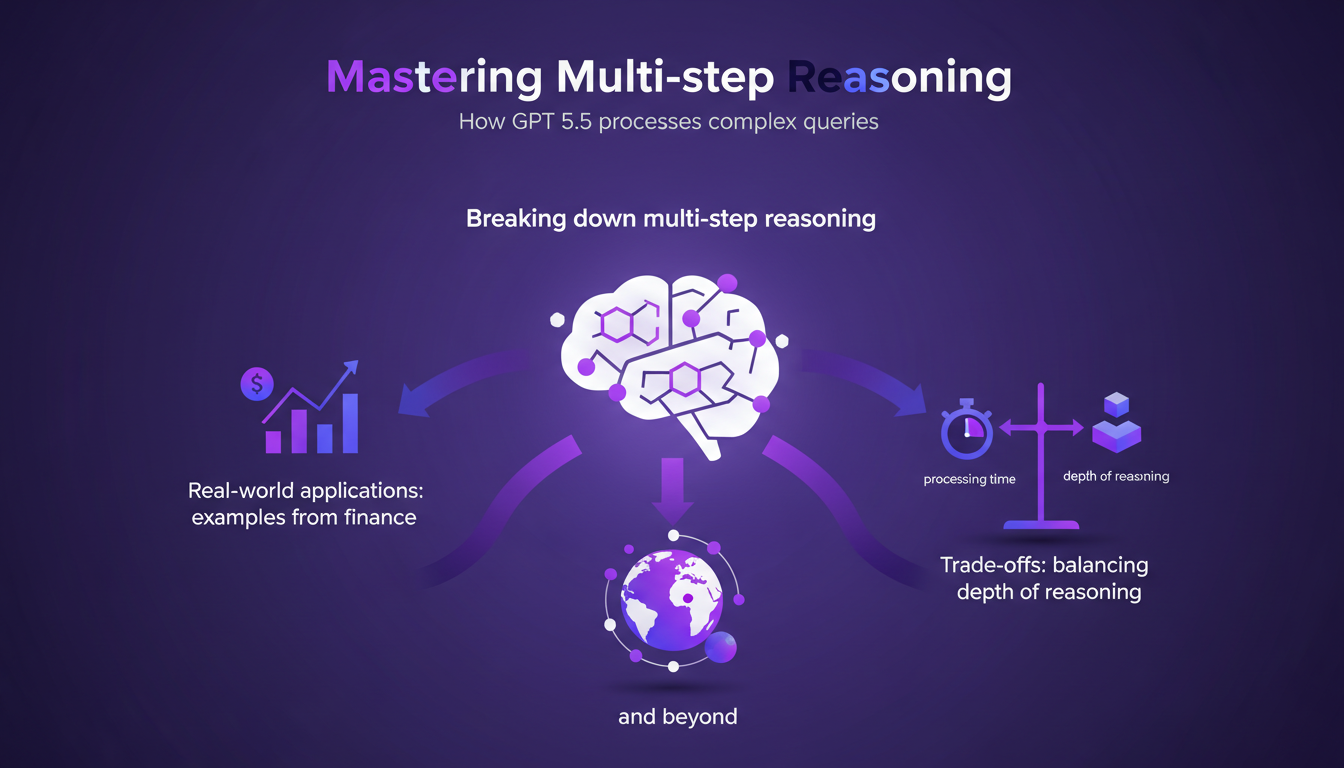
Multi-step reasoning in GPT 5.5 is like orchestrating a complex symphony. The AI can now process complex queries with increased accuracy. In finance, for example, the tool can perform financial model projections using both structured and unstructured data. This has improved forecast accuracy by 19%, which is a significant leap.
But be warned, there's a trade-off between reasoning depth and processing time. To optimize these tasks, I recommend:
- Calibrating the depth of analysis to avoid overloading the system.
- Using triage algorithms for non-essential data.
Impact on the Finance Sector
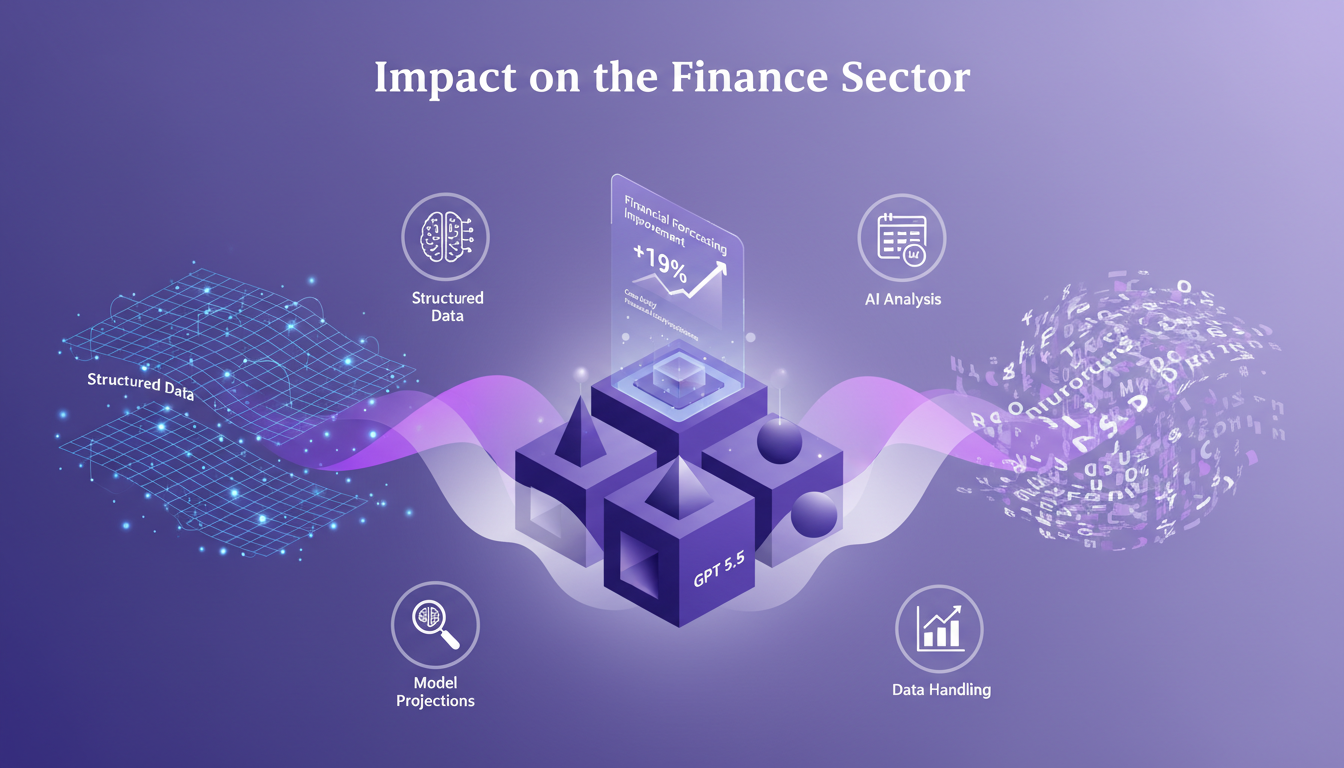
The finance sector stands to gain tremendously with GPT 5.5, particularly in financial model projections. In a recent case study, we observed a 19 percentage point improvement in forecast accuracy, which is massive. Furthermore, the tool effectively juggles structured and unstructured data, greatly simplifying analysis.
However, it's essential to be aware of AI's limitations in this field. While the tool is powerful, financial decisions should still be validated by human experts. The risk of costly errors remains present.
Enhancing Efficiency and Quality in Knowledge Work
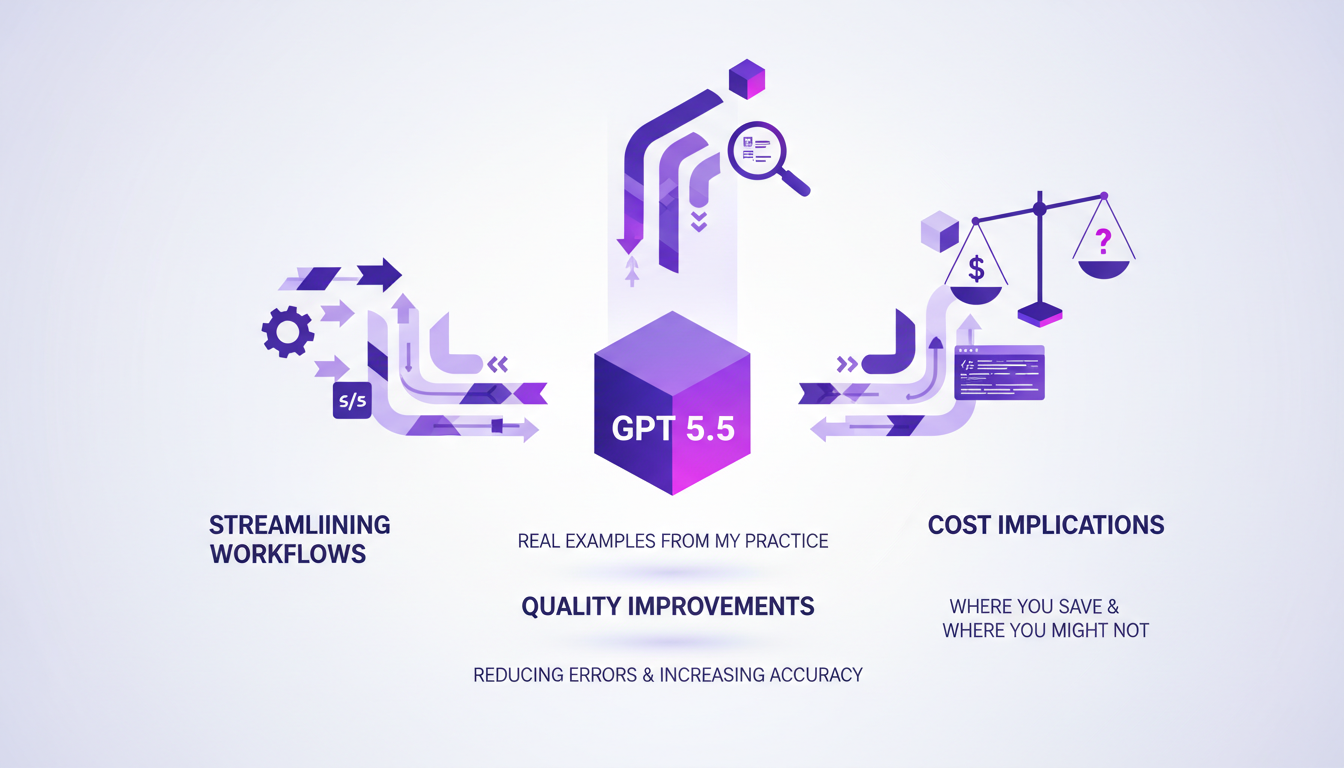
In my daily practice, GPT 5.5 has significantly streamlined our workflows. By reducing calculation errors and increasing the accuracy of analyses, we've saved countless hours of work. That said, cost savings aren't always where you expect them. Sometimes, it can be more resource-intensive to set up the system correctly, but the efficiency gains are real.
Watch out for common pitfalls: I've been burned a few times with poor management of computing resources. Ensure you monitor resource usage to avoid overloads.
The Box Agent: Excitement and Expectations
The integration of GPT 5.5 with the Box agent has sparked excitement among early adopters. Their feedback is unequivocal: combining the two tools opens new possibilities for automation and precision. However, challenges remain, particularly in terms of compatibility and managing sensitive data.
Looking ahead, I'm confident these tools will continue to evolve. For Box and GPT 5.5 users, the prospects are promising, especially if we continue refining integrations and overcoming technical challenges.
I've been diving into GPT 5.5, integrating it into my workflows, and it's not just an upgrade—it's a game changer for anyone dealing with complex reasoning and data handling. Here are the key takeaways:
- With GPT 5.5, I've seen a 19 percentage point improvement in multi-step reasoning processes, which really sharpens our analytical edge.
- In the finance sector, where I've applied it, the gains in efficiency and accuracy are undeniable.
- The quality standards I can now reach are far beyond what I thought possible before.
But let's not get carried away—there are still limits, especially with massive data contexts. Still, if you're ready to transform your AI approach, I highly recommend exploring GPT 5.5 today.
The future of work is here, and it's more efficient than ever. For a deeper dive, check out the video "Introducing GPT-5.5 with Box" here: [https://www.youtube.com/watch?v=9cenXVrQZNQ]. You'll find detailed insights that might just change how you work.
Frequently Asked Questions

Thibault Le Balier
Co-fondateur & CTO
Coming from the tech startup ecosystem, Thibault has developed expertise in AI solution architecture that he now puts at the service of large companies (Atos, BNP Paribas, beta.gouv). He works on two axes: mastering AI deployments (local LLMs, MCP security) and optimizing inference costs (offloading, compression, token management).
Related Articles
Discover more articles on similar topics
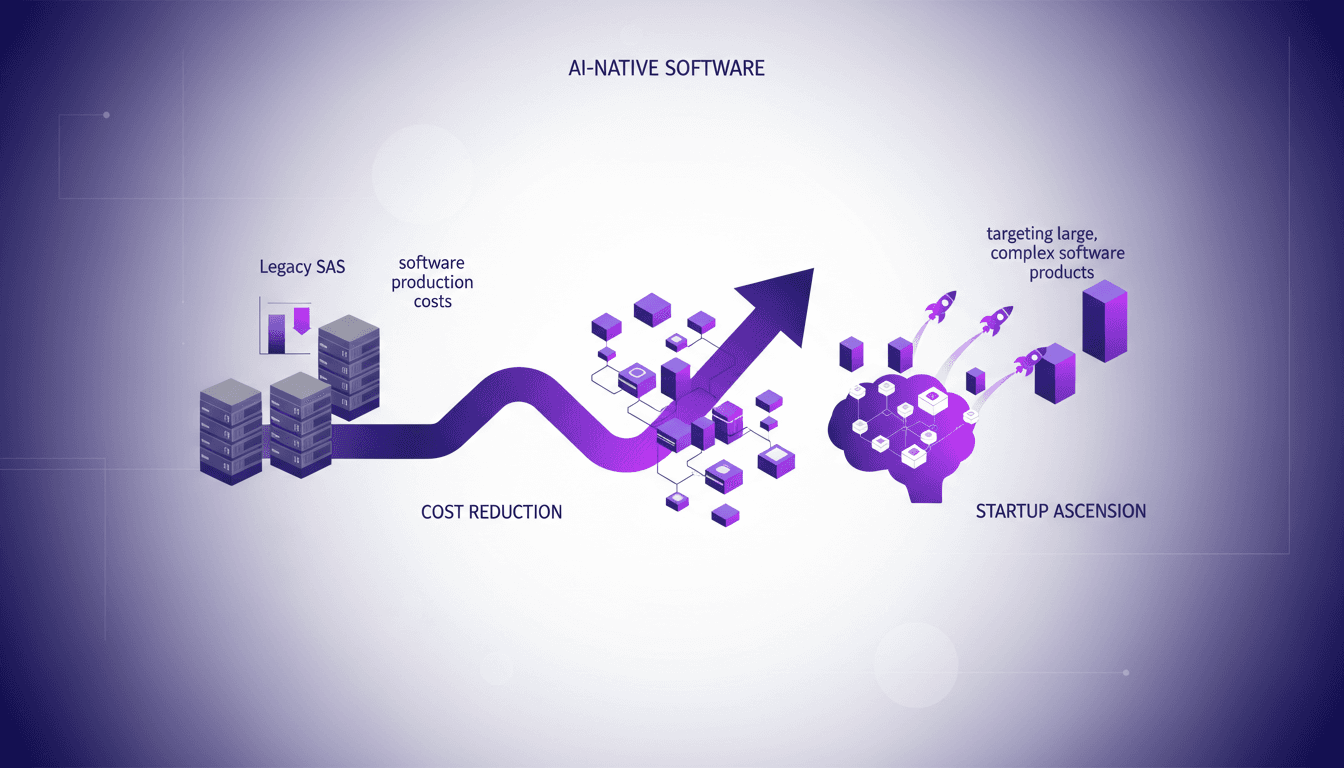
Cut Software Costs with AI
I've seen AI turn the software world on its head, slashing production costs by 100x. This isn't just hype; it's a real game changer. For startups, it's time to challenge the big incumbents. Let me walk you through how to ride this wave and create software challengers. If you're in the trenches like me, you know AI isn't just a buzzword but a revolution in software production. We'll discuss how to target massive, complex software products and the strategies to innovate and disrupt the giants.
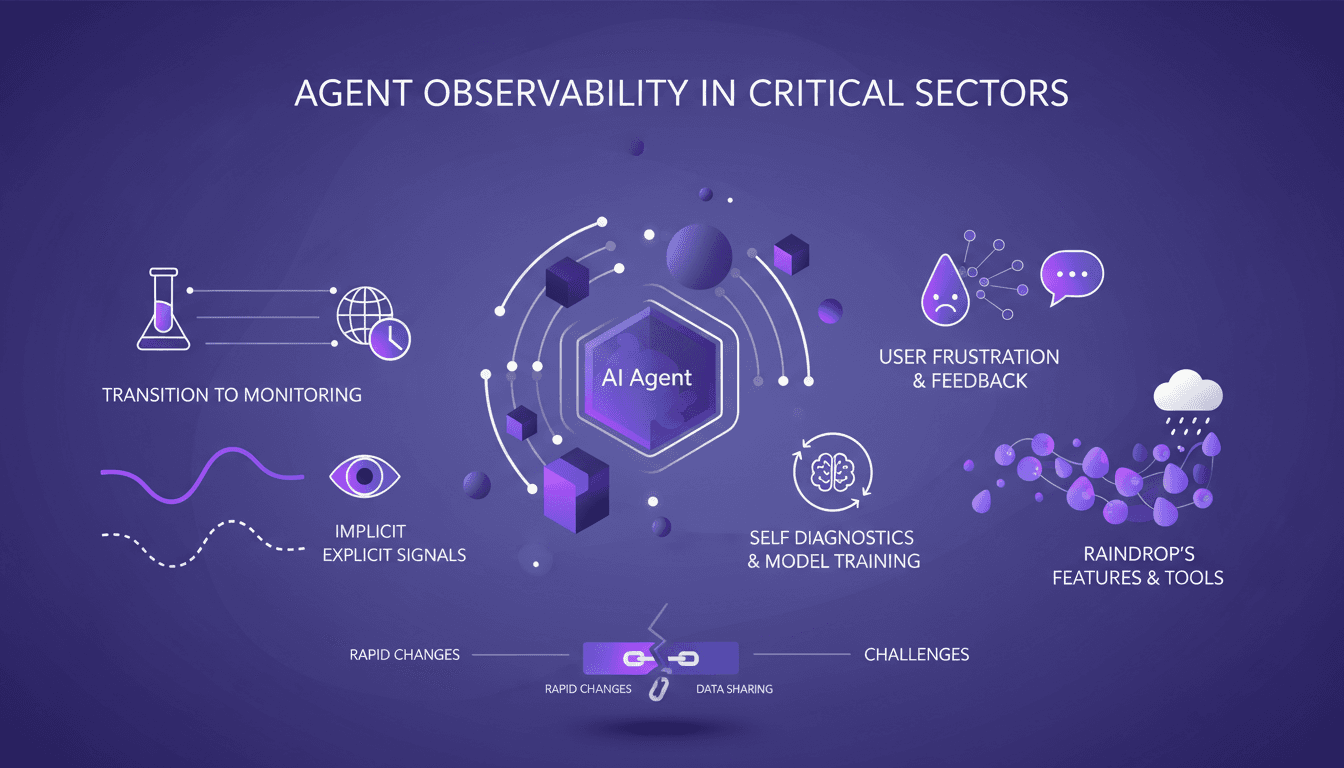
Mastering Agent Observability: Key Signals
I've been in the trenches with agent observability, and let me tell you, it's a game changer—but only if you get it right. Transitioning from testing to a full-on monitoring paradigm isn't just a step; it's a leap. In critical sectors like healthcare, finance, and even the military, agent observability is not just a luxury—it's a necessity. We're talking about systems that run for hours without human input, where catching issues early can save more than just time. In this talk, Danny Gollapalli and Ben Hylak from Raindrop break down the implicit and explicit signals for issue detection, user frustration monitoring, and the tools for self-diagnostics and model training. Get ready to master the key signals of agent observability.
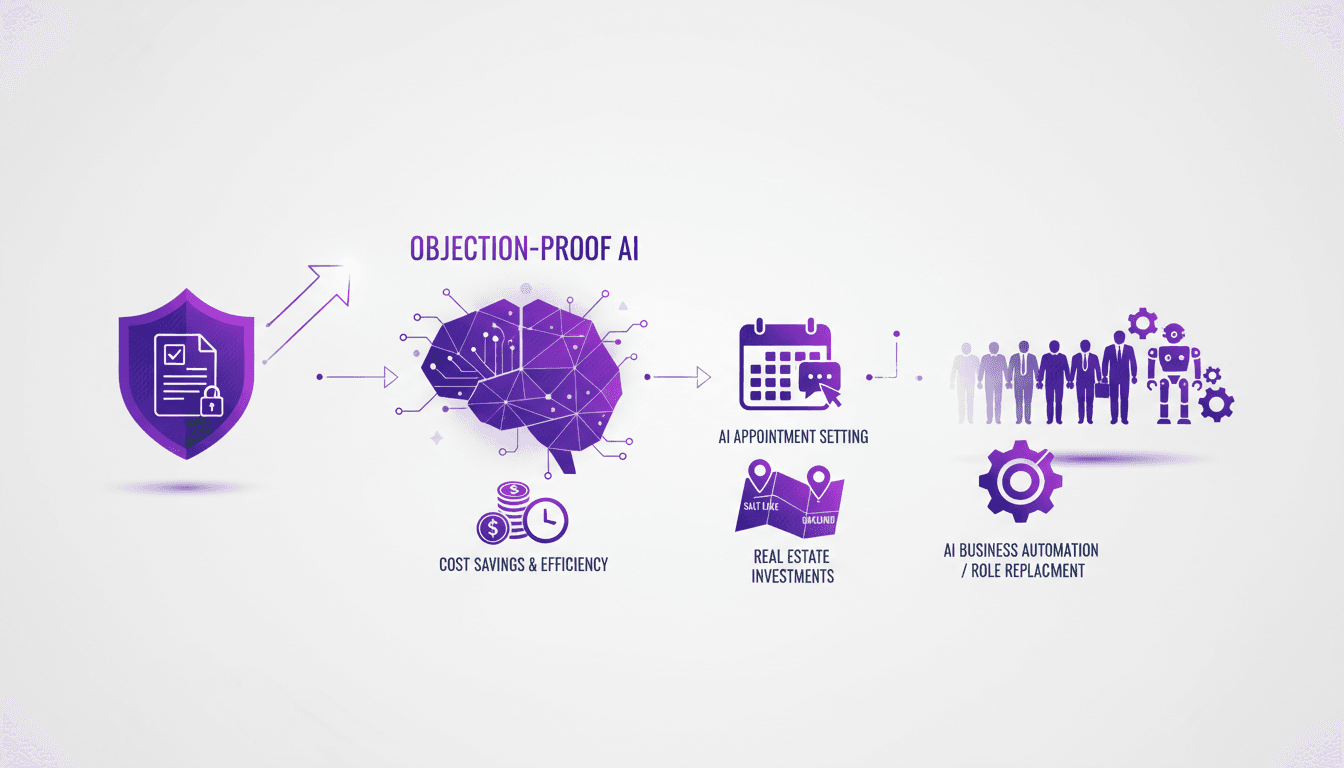
AI's Impact on Real Estate Contracts
I remember the first time I closed a deal using Objection Proof AI. It was a game changer. Suddenly, I had 17 contracts lined up, and my business was on a new trajectory. In the competitive world of real estate investing, efficiency and quick decision-making are crucial. AI isn't just a buzzword; it's a tool that can transform your operations if you know how to wield it effectively. With Objection Proof AI, I saved tens of thousands of dollars by replacing five staff members and saw my daily appointments jump to three or five new clients. Let me show you how this AI revolutionized my real estate operations in Salt Lake and Oakland.
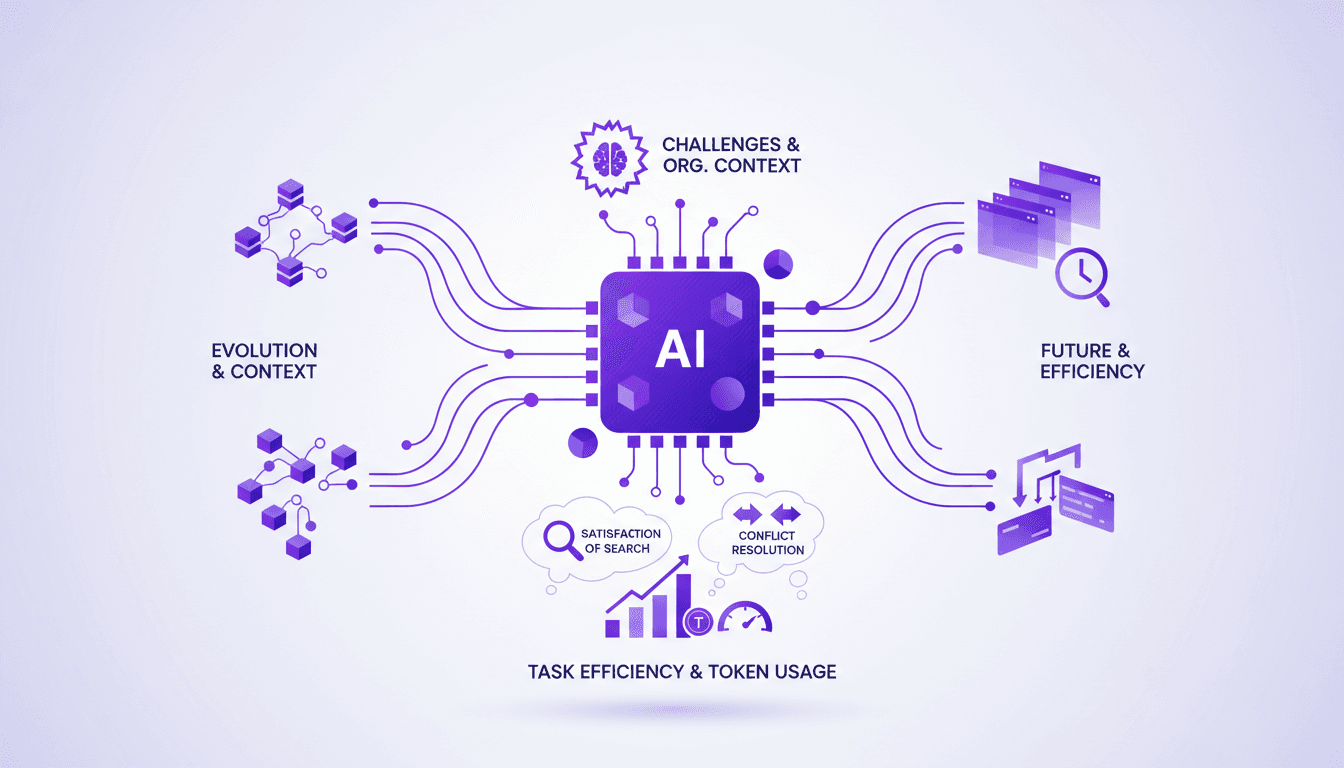
Optimizing AI Context Engines: Save Time and Tokens
Ever spent 90% of your time just collecting context for your AI agents? I have. And it was a nightmare until I started building context engines that actually save time and tokens. Let’s dive into how I did it and what you need to watch out for. In AI development, context engines are game changers. But they're not without challenges. Understanding their historical evolution, technical advancements, and their impact on efficiency and token management is crucial. I'll take you behind the scenes of building these engines, from the significance of organizational context to conflict resolution in AI systems. It's a challenging journey, but the reward is incredible task optimization.

GPT-5.5 Instant: What's New and Improved
I dove into the new GPT-5.5 Instant, and let me tell you, it's a game changer. But like any tool, it has its quirks. Transitioning from GPT-5.3 to 5.5 isn't as straightforward as it seems. I'll break down how I navigated this technological leap. With this update, OpenAI is pushing us further into AI capabilities. Whether you're a free or paid user, these changes have a direct impact on our everyday applications. Let's dissect the new features of the 5.5 model, the performance enhancements, and I'll share my tips for getting the most out of this advancement.