Visualizing with Codeex: Overcoming Affantasia
I've always struggled with visualization due to my affantasia. Then I discovered Codeex, and it felt like lifting a fog. Imagine turning abstract algorithms into tangible visuals—that's precisely what I did with Codeex's agentic coding tool. Let me show you how I built an algorithm visualizer website, debugging and personalizing code while relying on Codeex's documentation to keep everything in check. Join me on this journey where the abstract becomes concrete.
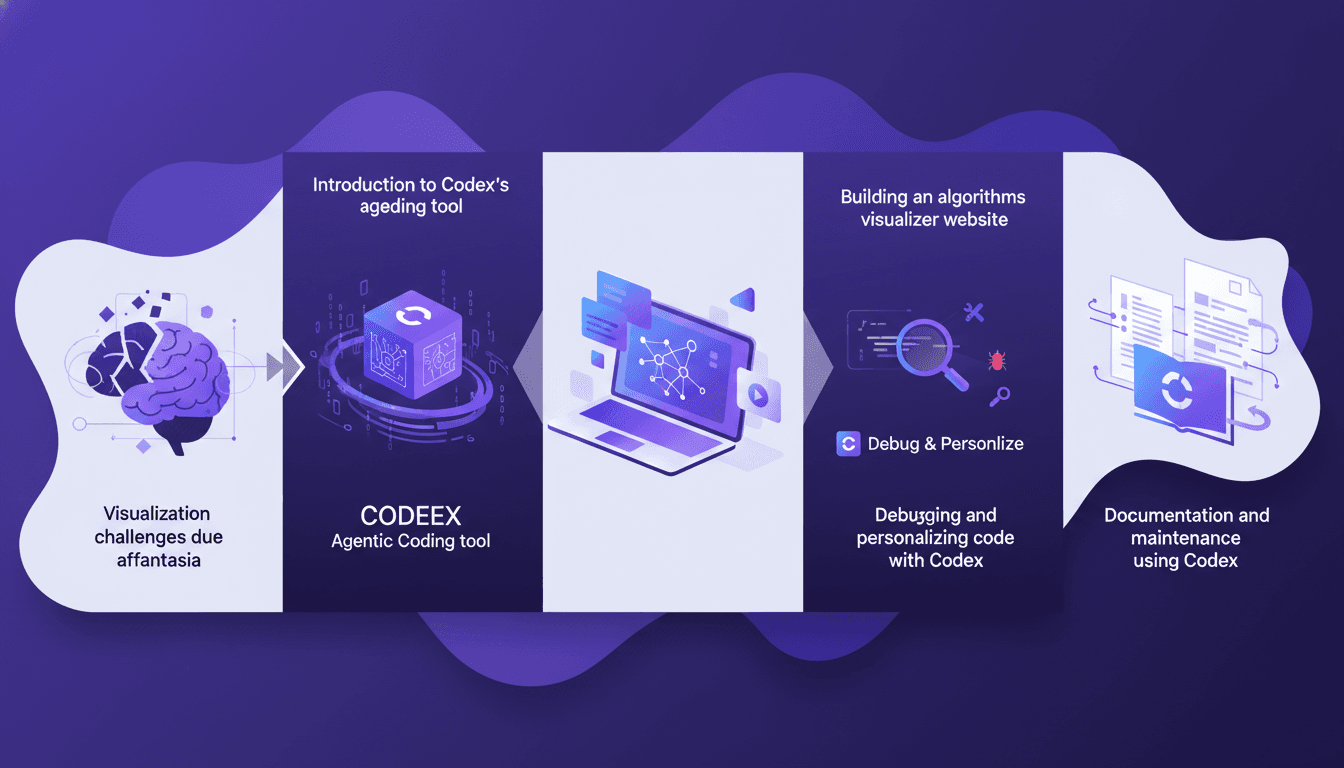
I've always struggled with visualization due to my affantasia. For a developer, that's quite a hurdle, especially when it comes to visualizing algorithms. But when I discovered Codeex, it was like lifting a thick veil. Codeex's agentic coding tool allowed me to turn abstract concepts into something visual and tangible. I dove into building an algorithm visualizer website. I started by connecting my abstract ideas to a visual interface, a real challenge. Then, I used Codeex to debug and personalize the code to my liking. And to maintain what I'd built, Codeex's documentation was indispensable. If you also struggle with affantasia, or even if you're just looking to enhance your algorithm visualization, let me show you how I orchestrated this transformation.
Understanding Affantasia and Its Impact on Coding
Imagine being a developer who can't visualize algorithms. That's my reality with affantasia, where mental images are absent. It seriously complicates development, especially when dealing with algorithms. Thankfully, Codeex steps in with its visual tools. A real paradigm shift. Let me tell you how it changed my coding approach.
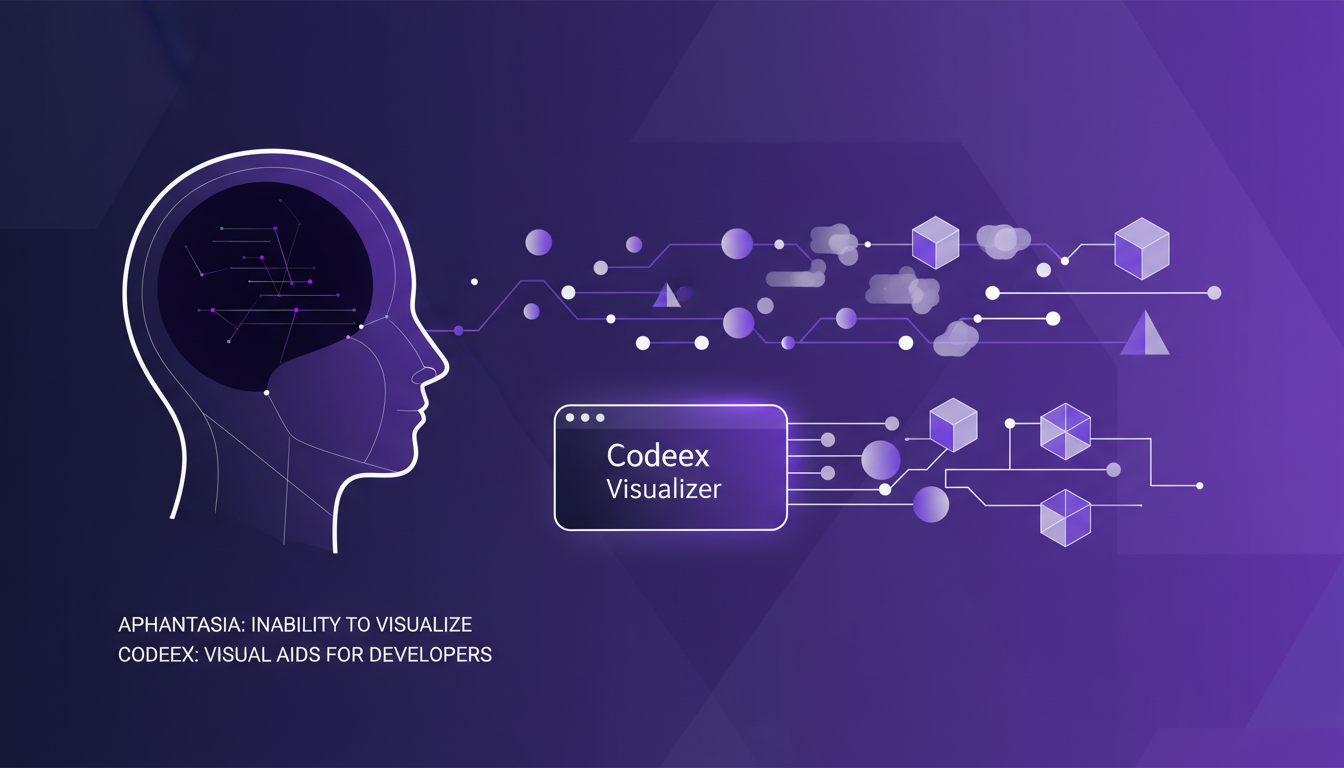
Using Codeex's tools, I could compensate for the lack of internal visualization. With visual aids at my fingertips, I could finally "see" what I was coding. This transition not only improved my understanding of algorithms but also boosted my productivity. According to studies, about 2% of the population might be affected by affantasia (source), highlighting the importance of solutions like Codeex.
Getting Started with Codeex's Agentic Coding Tool
Now, let's dive into setting up Codeex. The first thing that strikes you is its ease of use. The agentic tool of Codeex is designed to be intuitive, though there's an initial learning curve.
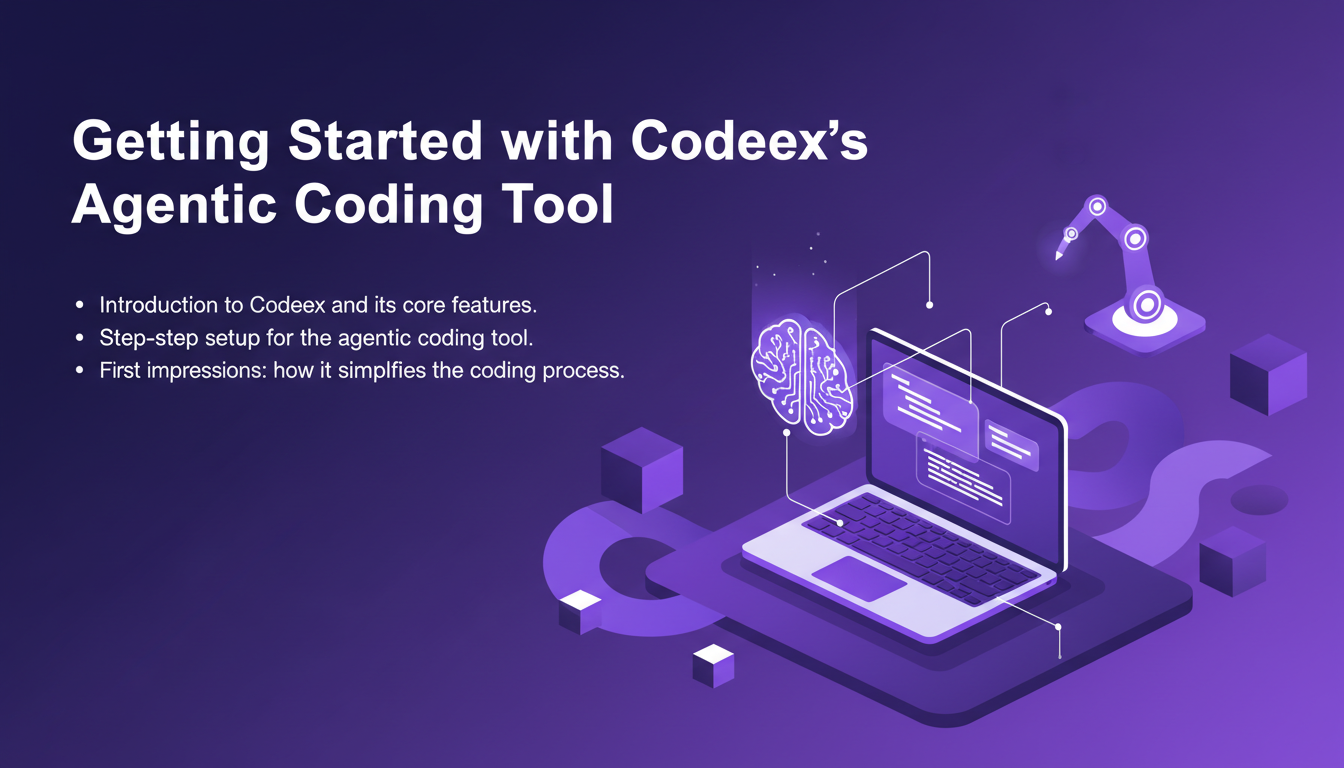
I start by connecting the repo and configuring basic settings. Codeex guides me every step of the way. My first impressions? It's like coding becomes less intimidating. But beware, don't be fooled by the apparent simplicity. Some features require mastery to fully leverage. As per the video, agentic coding is a powerful tool to automate complex processes.
Building an Algorithms Visualizer Website
Visualizing algorithms is crucial. It makes the abstract concrete. With Codeex, I built an algorithm visualizer that allowed me to better understand underlying mechanisms. I begin by asking Codeex to create a list of common algorithms and generate their visualization on a website.

While building this site, I faced challenges. Some algorithms like merge sort weren't visualized correctly at first. But by tweaking parameters and detailing my expectations to Codeex, I resolved these issues. I must say that the balance between performance and complexity is crucial. Too much detail can slow down visualization, but too little can make it useless.
Debugging and Personalizing Code with Codeex
Debugging can be a nightmare, but Codeex simplifies it with visual feedback. It’s a game changer, I tell you. The power to see errors in real-time saved me a ton of time.
Personalizing code is also a strength of Codeex. I can tweak animations and the user interface to fit my preferences perfectly. But watch out, there are limits. Sometimes, the level of customization isn't enough for very specific needs, and there, Codeex might not be the best tool.
Efficiency gains must also be mentioned. According to the video, personalizing and debugging with Codeex significantly reduces the time spent on these tasks. A real value-add for developers looking to optimize their workflow.
Documentation and Maintenance Using Codeex
Documentation, many developers dread it. But it's essential. With Codeex, I could organize my files, add meaningful comments, and generate maintainable documentation. It's a definite asset.
I recommend integrating Codeex into your workflow for its ability to simplify maintenance. But is it worth the investment? It depends on your needs. For me, with affantasia, it's an indispensable tool. But if your projects are simple, perhaps a less sophisticated solution would suffice.
In conclusion, Codeex has transformed how I code, visualize, and document. It’s a powerful tool, especially for those who, like me, struggle with mental visualization. To learn more about optimizing systems, check out designing scalable systems and other related articles.
Codeex has been a game changer for me, especially dealing with affantasia. Turning abstract coding challenges into manageable visual tasks is a relief. First, I used Codeex's agentic coding tool to visualize my algorithms. Then, I built an algorithms visualizer website, which simplifies debugging. Finally, personalizing code with Codeex has become a breeze. But watch out, it takes a bit of time to get used to the interface. If you're facing similar hurdles, I highly recommend giving Codeex a try. Ready to transform your coding experience? Dive into Codeex and see the difference it can make. And for a deeper understanding, I suggest checking out the original video: 'Codex brings concepts into view' on YouTube. It's worth a look!
Frequently Asked Questions

Thibault Le Balier
Co-fondateur & CTO
Coming from the tech startup ecosystem, Thibault has developed expertise in AI solution architecture that he now puts at the service of large companies (Atos, BNP Paribas, beta.gouv). He works on two axes: mastering AI deployments (local LLMs, MCP security) and optimizing inference costs (offloading, compression, token management).
Related Articles
Discover more articles on similar topics
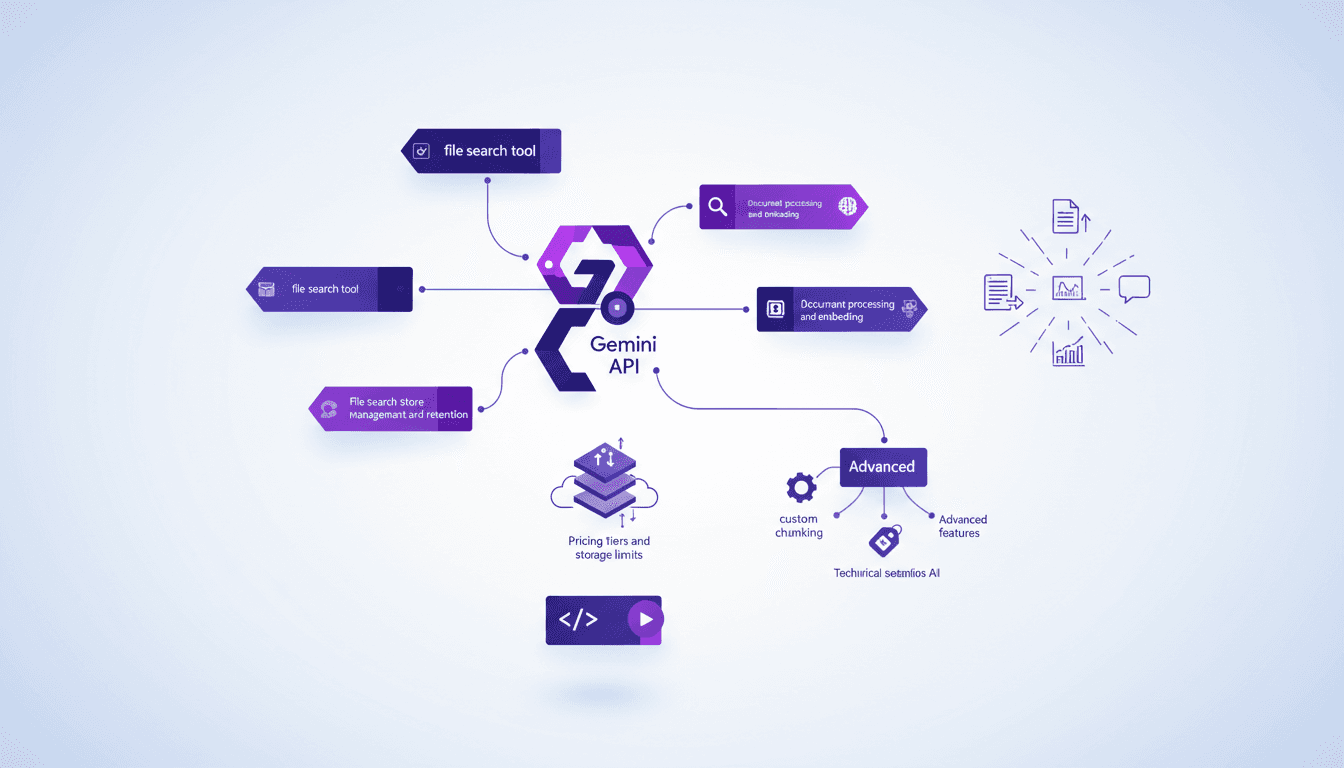
Gemini RAG: Optimized File Search Tool
I dove into Gemini RAG this week, and let me tell you, it's a game changer for file search. From PDFs to JSON files, I can now manage them all efficiently. But watch out for the storage limits! With Gemini 3.0, we finally have a tool that simplifies document processing and embedding. I'll walk you through how I set it up and what pitfalls to avoid. From search management to pricing, including advanced features like custom chunking and metadata, we'll cover it all. Get ready to optimize your file search processes like never before.
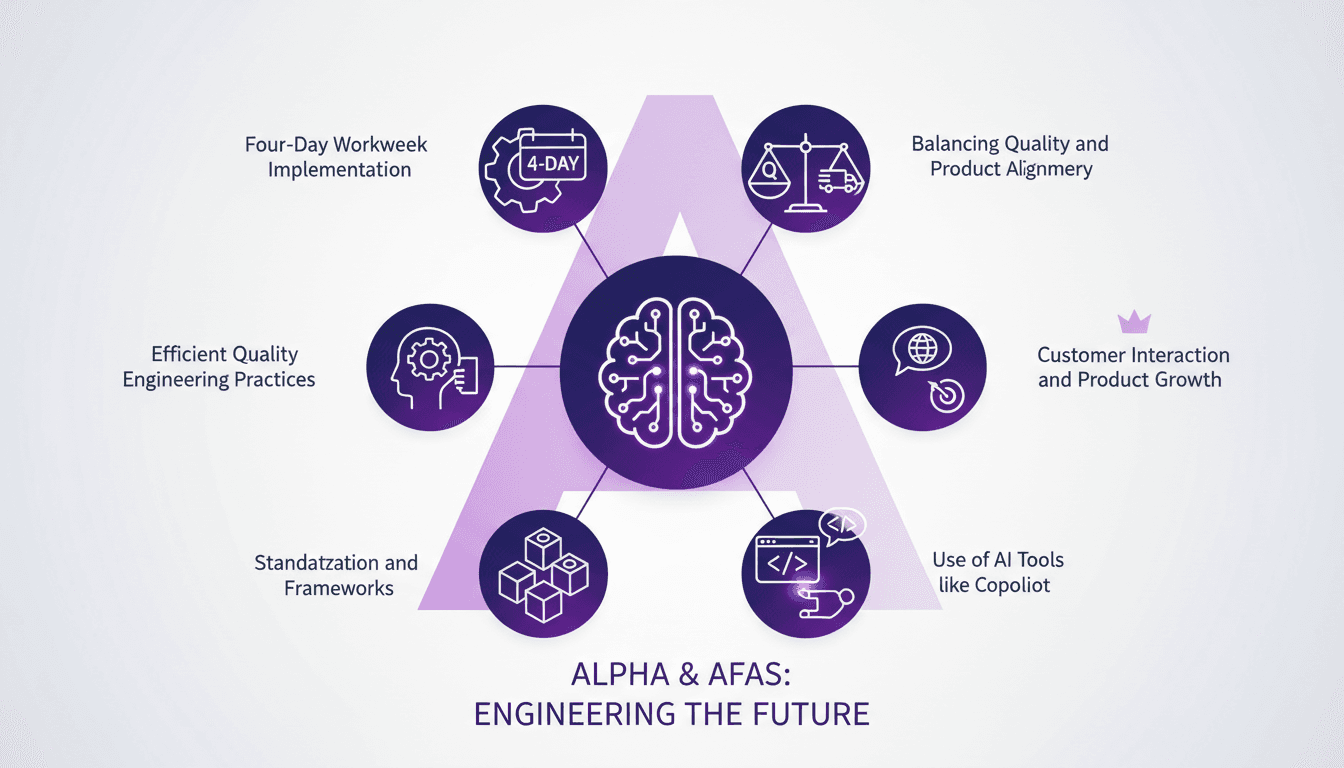
Maximizing Engineering: Alpha and AFAS at Work
I still remember the moment I first heard about Alpha's four-day workweek. It sounded like a dream, yet it was real. We were getting more done with fewer engineers, and the magic lay in our approach: streamlining processes and leveraging AI tools like Copilot. In today's competitive landscape, engineering teams need to be both efficient and adaptable. At Alpha and AFAS, we've honed practices that balance quality with delivery while maintaining a healthy work culture. This involves effective engineering practices, four-day workweek implementation, balancing quality and product delivery, and embracing AI tools.
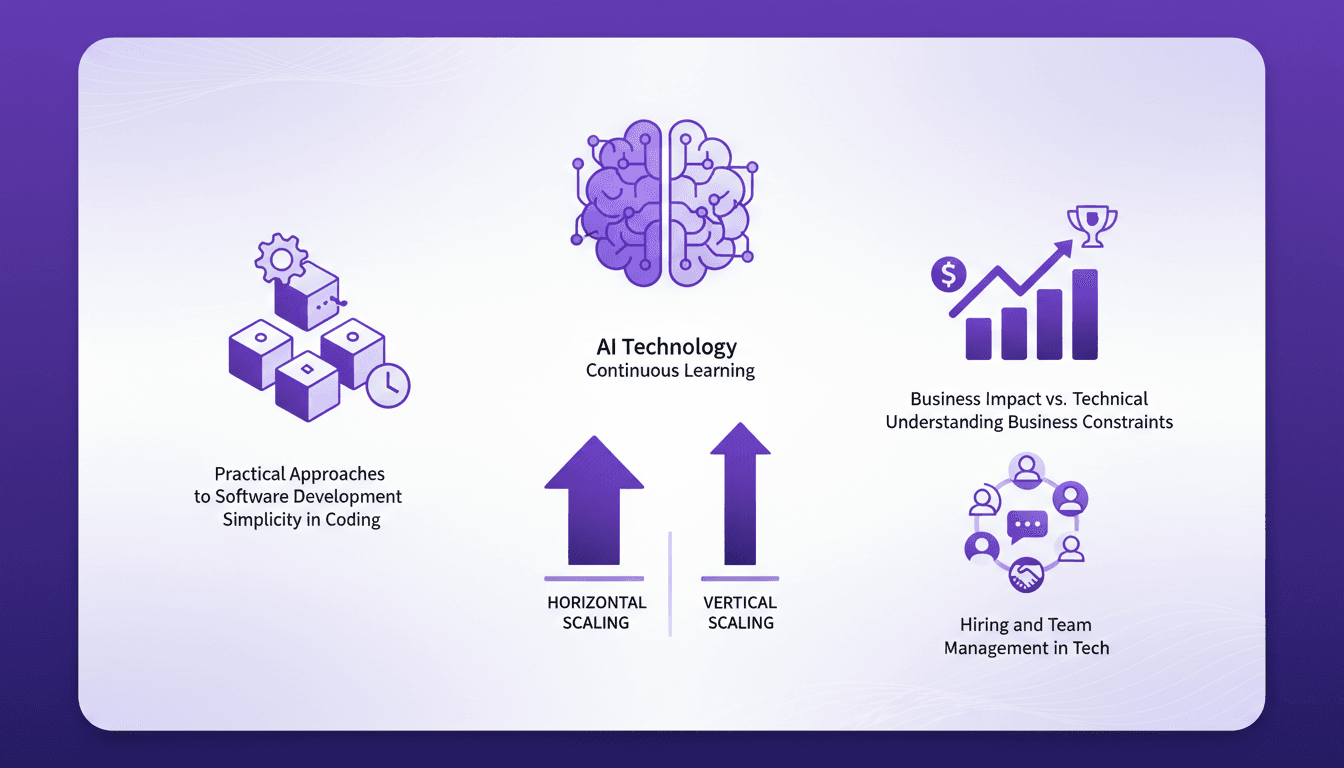
Designing Scalable Systems: Practical Approach
When I first joined GitHub, scaling quickly became more than a buzzword—it was a daily reality. Handling millions of requests per second isn't just an engineering feat; it's essential. Let me walk you through how I approach system design, scaling, and the real-world trade-offs we face. This isn't about theory; it's about what works in the trenches. We'll cover vertical vs. horizontal scaling, the importance of simplicity in code, and even hiring the right tech team. Because ultimately, it's the practical solutions that matter.
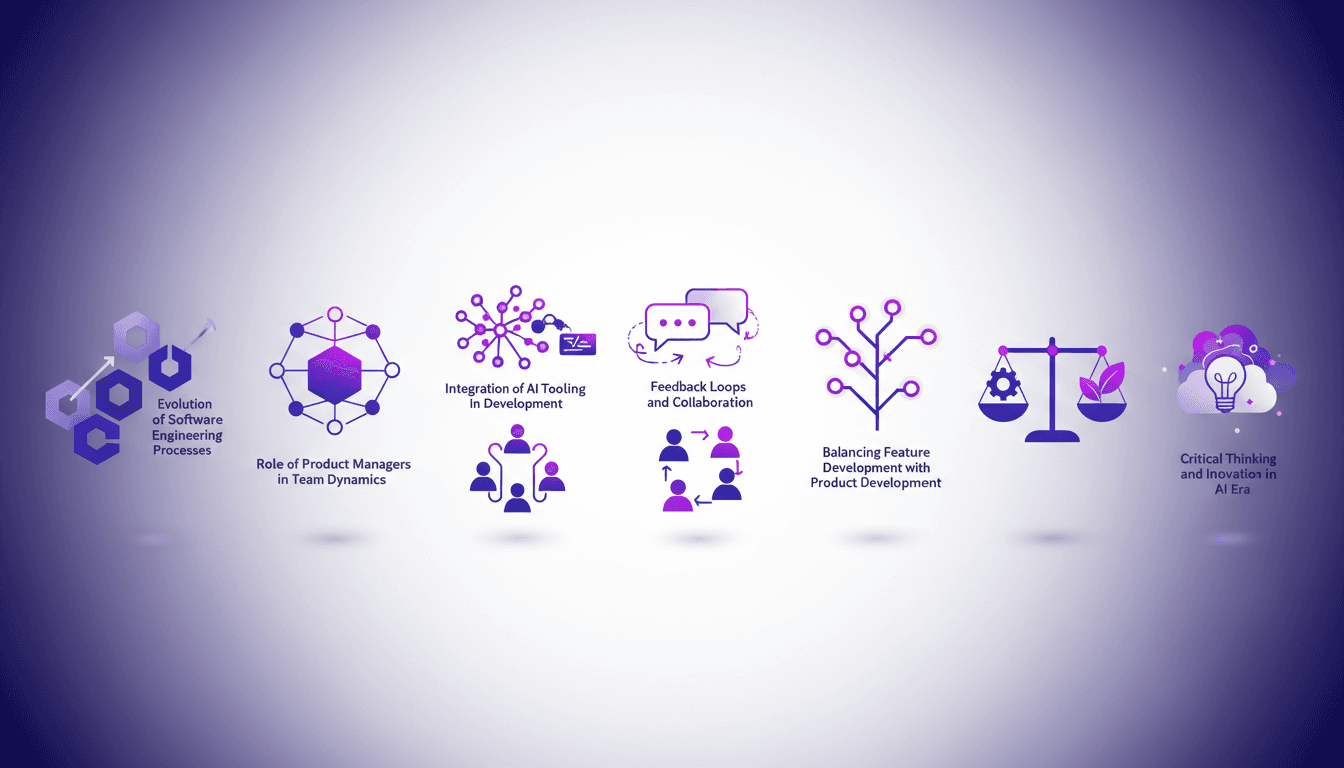
Merging Product and Engineering: Reinventing Processes
I was skeptical at first. Going from six engineers to just two seemed like a recipe for disaster. But merging product and engineering not only worked but thrived. In today's fast-paced tech environment, efficiency isn't just a buzzword—it's a necessity. By integrating roles and leveraging AI, we've redefined our workflow. This has transformed team dynamics, strengthening feedback loops and collaboration. Now, with one frontend and one backend engineer, we balance developing new features with maintenance. We experiment, adapt, and innovate. But watch out, the risk is moving too fast and losing sight of key objectives. When it works, the impact is tangible.
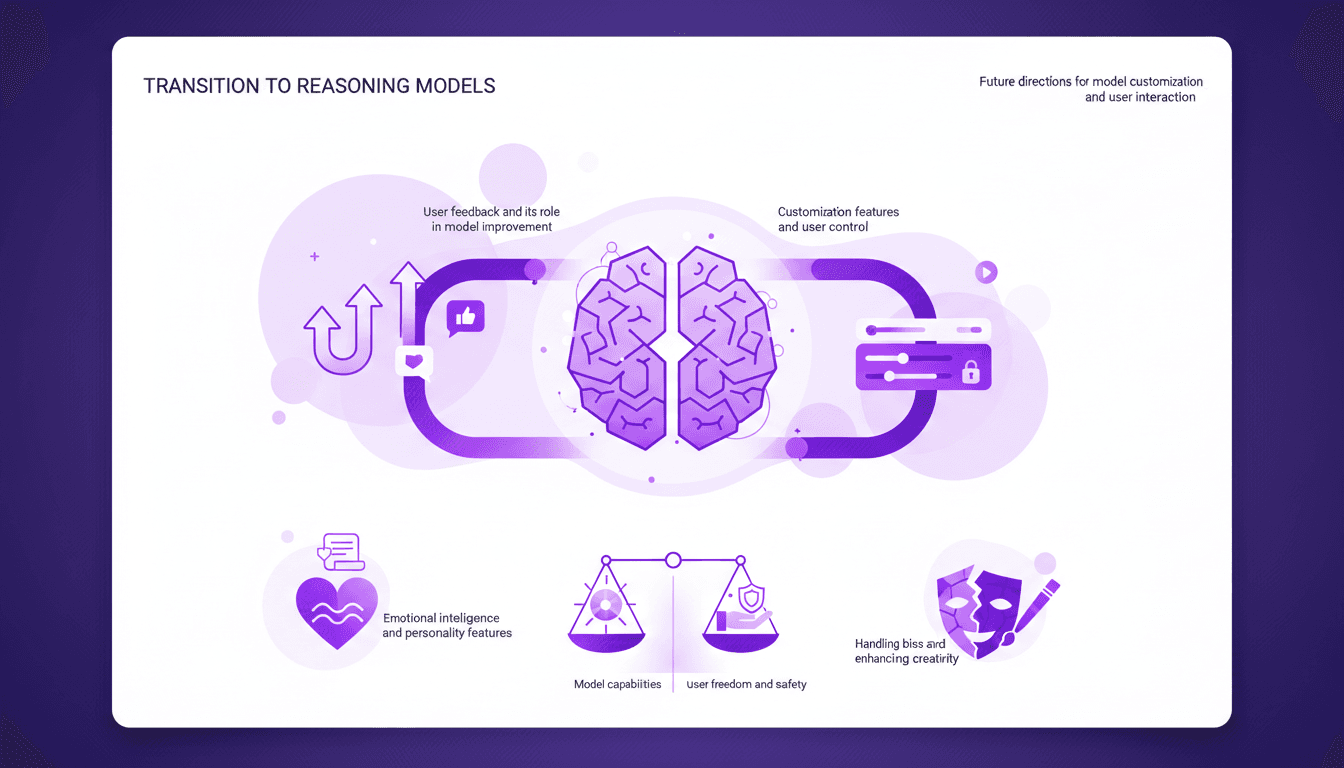
GPT-5.1 Enhancements: Customization and Reasoning
When I first dove into GPT-5.1, I didn't just read the manual—I lived it. From setting up reasoning models to tweaking user feedback loops, I've seen firsthand how these advancements can redefine AI interaction. With over 800 million active users weekly, harnessing its full potential is crucial. In this episode of the OpenAI Podcast, we break down how we can shape GPT-5.1 to work smarter, not harder. We dive into customization, emotional intelligence, and balancing user freedom with safety. It's a deep dive into the future of AI interaction you won't want to miss.