GPT-5.1 Enhancements: Customization and Reasoning
When I first dove into GPT-5.1, I didn't just read the manual—I lived it. From setting up reasoning models to tweaking user feedback loops, I've seen firsthand how these advancements can redefine AI interaction. With over 800 million active users weekly, harnessing its full potential is crucial. In this episode of the OpenAI Podcast, we break down how we can shape GPT-5.1 to work smarter, not harder. We dive into customization, emotional intelligence, and balancing user freedom with safety. It's a deep dive into the future of AI interaction you won't want to miss.
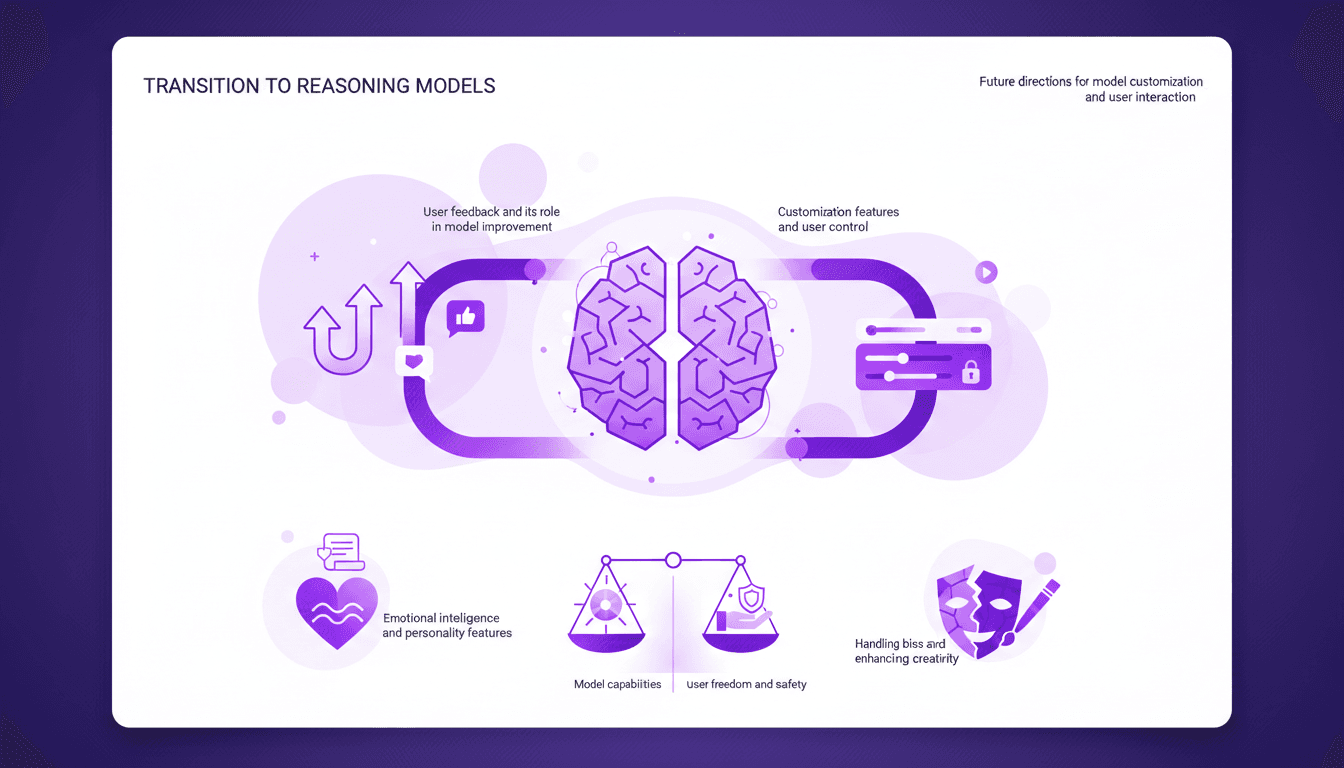
When I first got my hands on GPT-5.1, it wasn't just about reading the manual—I lived it. I connected reasoning models, tweaked user feedback loops, and every step of the way, I saw how these advancements can totally redefine how we interact with AI. Picture over 800 million active users weekly. That's massive. And if you're like me, you want to harness every bit of potential from GPT-5.1. In this episode of the OpenAI Podcast, we dive into GPT-5.1 enhancements: customization, emotional intelligence, and that delicate balance between user freedom and safety. We also explore memory and context—how this can boost user experience. You'll discover how to shape this model to be smarter. It's a game changer, but watch out for the pitfalls of over-customization and bias. If you're looking to elevate your AI understanding to the next level, this episode is for you.
Advancements in Reasoning Models
As a builder, transitioning to GPT-5.1 has been a game changer. This version marks the first where all chat models are reasoning models. Essentially, this means the model decides how much "thinking" it should do based on a prompt. For instance, if you ask a complex question, the model allows itself more time to refine its answer. This ability to think, akin to Daniel Kahneman's System 2 thinking, greatly enhances problem-solving capabilities.
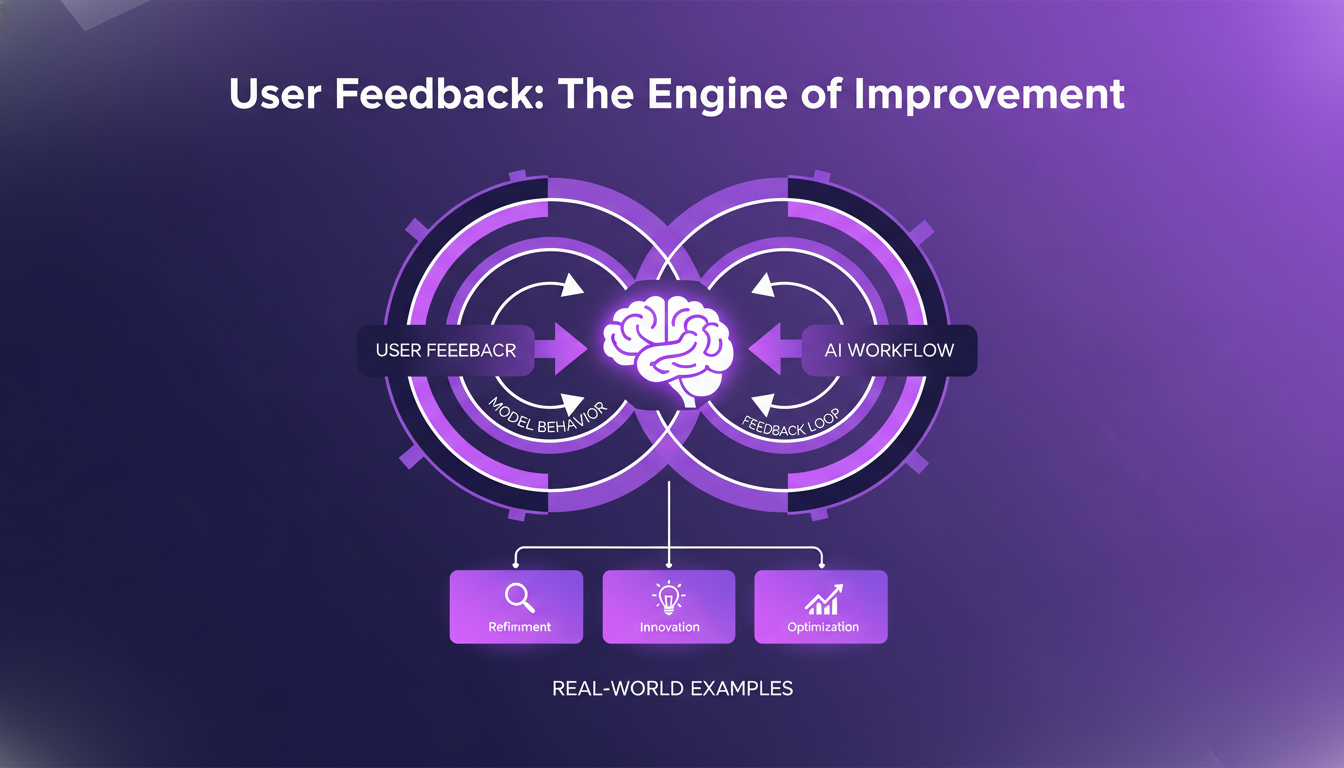
Transitioning from version 5.0 to 5.1 wasn't without challenges. I've encountered increased complexity and sometimes longer processing times. But the trade-off is worth it: smarter performance and better instruction adherence.
- Advantage: Notable improvement in instruction following.
- Limit: Prolonged processing times for complex tasks.
User Feedback: The Engine of Improvement
User feedback is critical in refining model behavior. Integrating feedback loops into the AI workflow is essential. For example, after receiving feedback that the model lacked warmth, I adjusted custom instructions to enhance this aspect.
However, beware of the pitfalls of overfitting if you follow user suggestions too blindly. I've seen models become too specialized, losing their flexibility.
- Example: Adjusting warmth parameters based on user feedback.
- Pitfall: Overfitting to specific feedback.
Customization: Personality and Style
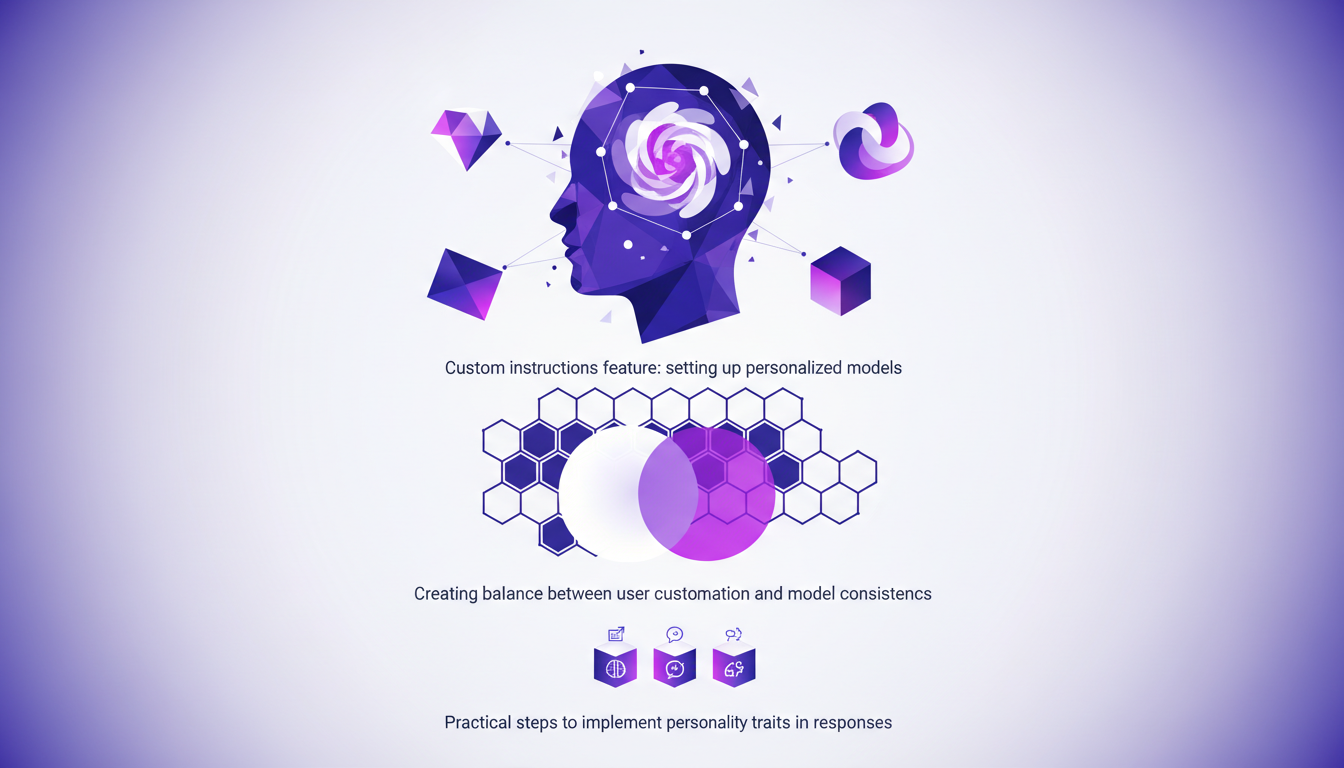
With the introduction of custom instructions in GPT-5.1, we can now set up personalized models. I've worked on integrating personality traits, which requires balancing user customization with model consistency. This involves practical steps like defining response tone and adjusting style parameters.
However, it's vital to maintain a level of safety while offering this freedom. A successful example in this area was the application of customization rules in a pilot project, which improved user engagement.
- Success: Increased engagement through customization.
- Limitation: Risk of compromising safety.
Enhancing Emotional Intelligence
Incorporating emotional intelligence (EQ) into AI interactions is crucial for creating a warm and empathetic user experience. By using user signals, I've been able to improve the model's warmth and empathy. However, this requires a delicate balance between emotional depth and computational demands.
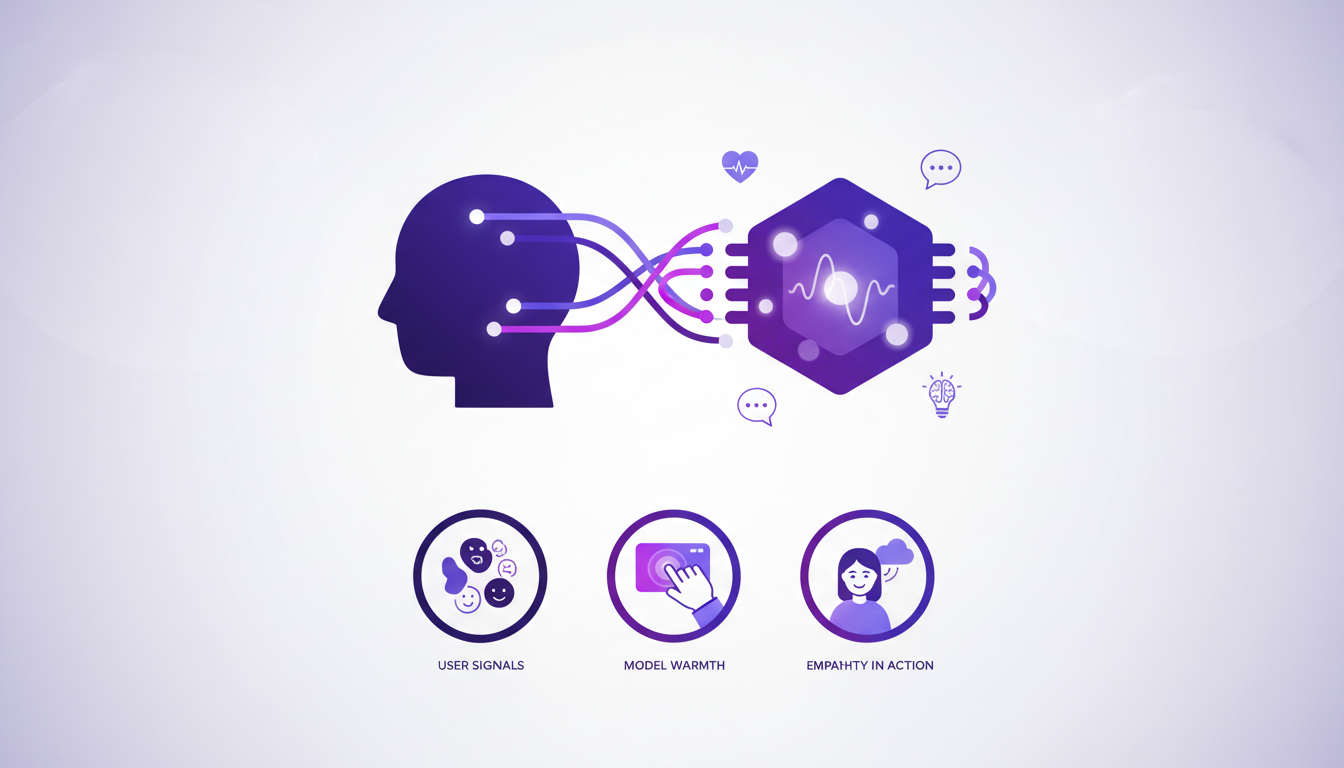
Looking forward, expanding EQ capabilities is a priority. This requires ongoing research into context understanding and adapting to emotional signals.
- Example: Improved empathetic responses.
- Trade-off: Increased computational demands.
Future Directions and Challenges
Exploring the future of model customization is fascinating. Handling bias and enhancing AI models' creativity are ongoing challenges. Memory implementation, which keeps context relevant, is a major advancement. However, this must be balanced with ethical considerations.
I predict that the evolution of user interactions will be marked by greater personalization and deeper engagement. For more on how these models impact other areas, check out our article on Gemini 3 Pro or on AI-powered mobile apps.
- Challenge: Balancing innovation with ethics.
- Prediction: More personalized interactions in the future.
For more information on reasoning models, check out this external resource on reasoning models.
So, GPT-5.1 isn't just a tool; it's really become a partner in innovation. When I started tapping into its reasoning models and emotional intelligence features, I saw how we could tailor AI to meet our specific needs. But remember, every customization has its trade-offs. For instance, increasing complexity can impact performance. Here are a few key takeaways:
- Partner in Innovation: Working with GPT-5.1 has transformed my AI interactions. Over 800 million active users weekly— that's huge!
- Reasoning Models: Using these models has helped me structure my projects more effectively.
- Customization: It can really boost efficiency, but watch for side effects.
Looking ahead, GPT-5.1 might really be a game changer, but we need to stay vigilant about its limits and keep iterating. Ready to take your AI interactions to the next level? Dive into GPT-5.1 and start shaping your models today. Don't forget to share your experiences. And for deeper insights, I encourage you to check out the full video: YouTube link.
Frequently Asked Questions

Thibault Le Balier
Co-fondateur & CTO
Coming from the tech startup ecosystem, Thibault has developed expertise in AI solution architecture that he now puts at the service of large companies (Atos, BNP Paribas, beta.gouv). He works on two axes: mastering AI deployments (local LLMs, MCP security) and optimizing inference costs (offloading, compression, token management).
Related Articles
Discover more articles on similar topics
Gemini 3 Pro: Unveiling Key Advancements
When I first got my hands on the Gemini 3 Pro, I knew I was stepping into a new realm of AI capabilities. DeepMind and Google have teamed up to deliver a model that redefines AI performance. But this isn't just marketing noise. With seamless integration into Google platforms and groundbreaking features, I'll show you why this model is a real game changer for us developers. We'll cover advancements in dynamic UI, comparisons with previous versions, and what this means for our technical day-to-day.
Building Mobile Apps with AI: Reality or Hype?
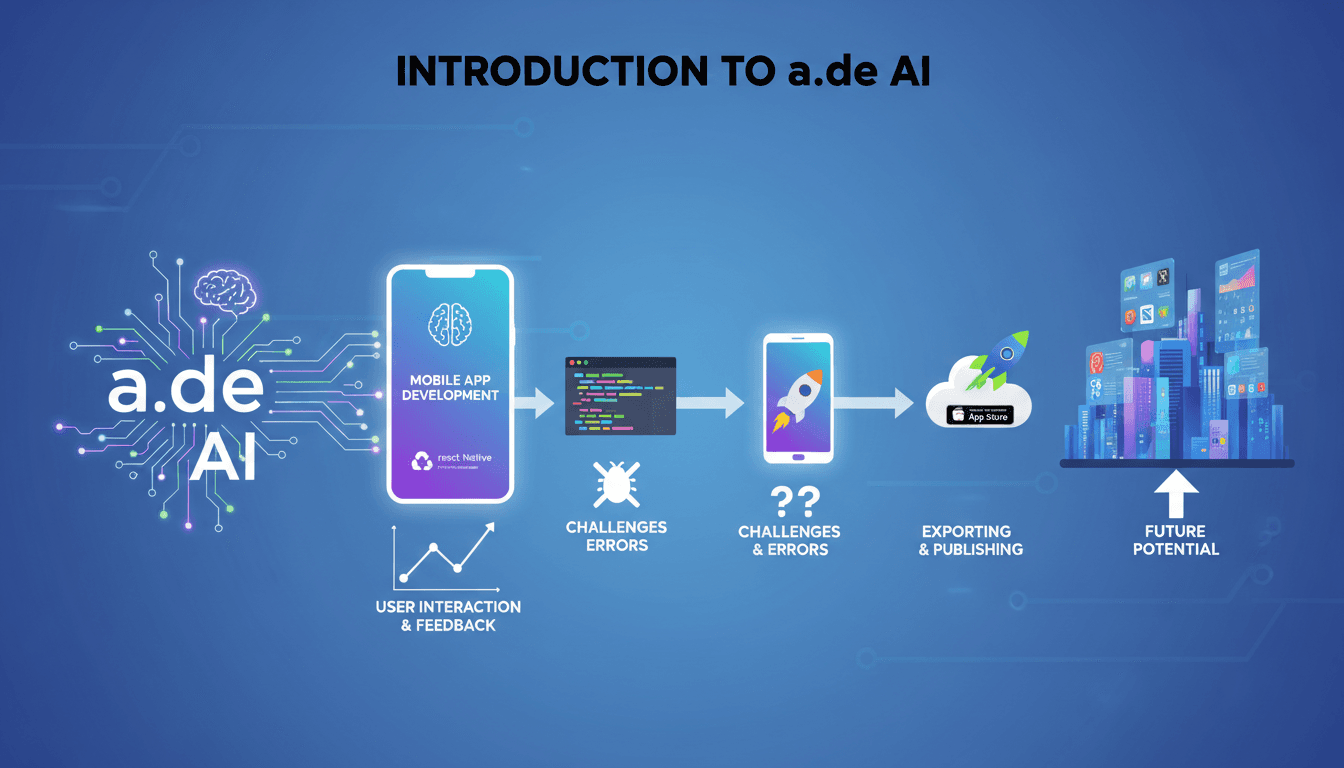
I dove into mobile app development with a.de AI, and let me tell you, it's a game changer—when you know how to navigate the quirks. This isn't just theory; we're building real apps using React Native and Expo, figuring out how to make AI work for us. I connect my components, orchestrate flows, but watch out for the errors along the way. Building with AI means embracing challenges, from user feedback to exporting to app stores. So, is it reality or just hype? You decide, but for me, the potential for app store publishing is real if you know what you're doing.
Build AI Fashion Influencer: Step-by-Step
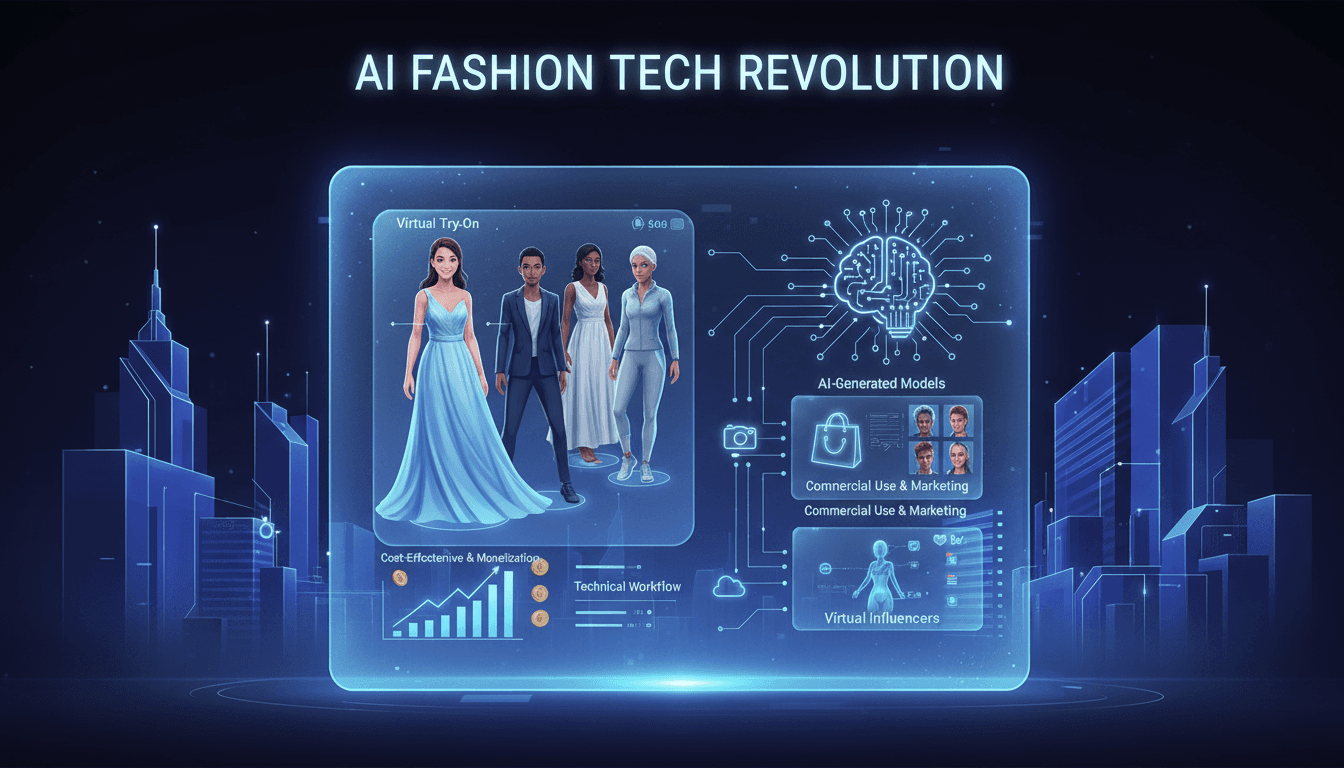
I dove headfirst into the world of virtual fashion influencers, and let me tell you, the potential for virtual try-ons is massive. Imagine crafting a model that showcases your designs without a single photoshoot. That's exactly what I did using straightforward AI tools, and it's a real game changer for cutting costs and sparking creativity. With less than a dollar per try-on and just 40 seconds per generation, this isn't just hype. In this article, I'll walk you through how to leverage this technology to revolutionize your fashion marketing approach. From AI-generated models to monetization opportunities, here’s how to orchestrate this tech effectively.
VEED Ships AI Features Fast and Effectively
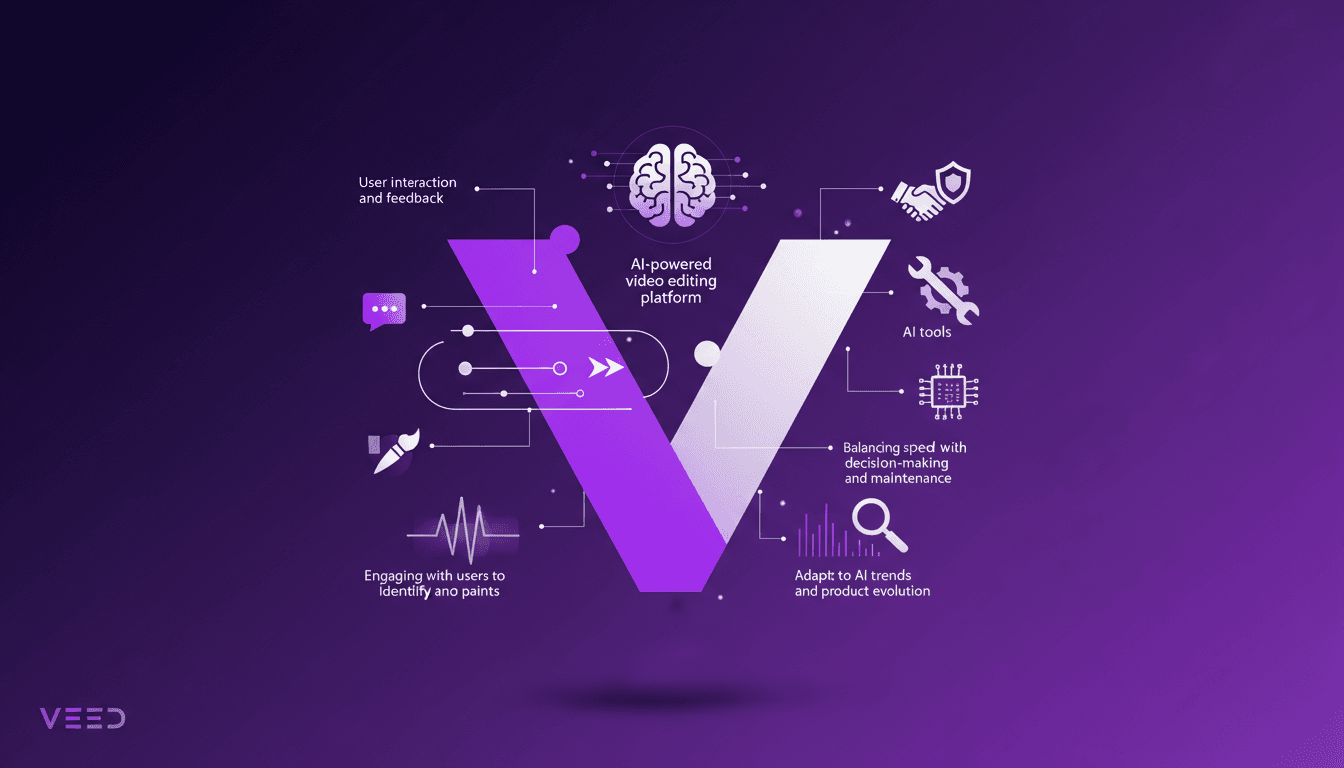
When I first joined VEED, I was blown away by how quickly we could iterate on AI features. It's not just about deploying fast; it's about making sure those features actually work for users. Let me walk you through our approach. VEED, the largest browser-based AI video editing platform, aims to deliver tools that genuinely enhance user experience. In this article, I share our workflow: how we ship AI features fast that resonate with our users without overcomplicating things. We focus on user interaction, identifying pain points, and balancing speed with creativity and maintenance. It's a delicate dance between following AI trends and evolving the product.
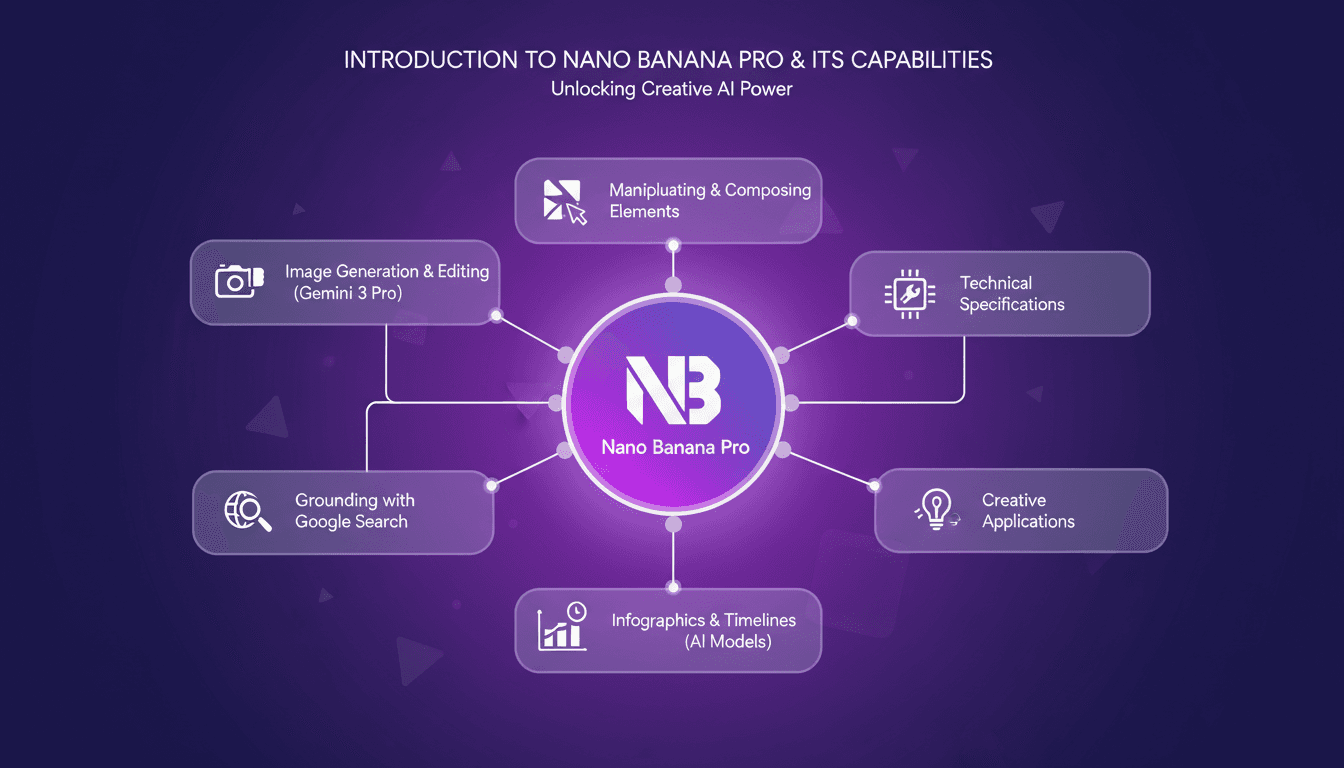
Nano Banana Pro: AI Image Generation Guide
Last week, I dove headfirst into Nano Banana Pro, and it's a real game changer. I'm not just talking theory here—I hands-on tested it, generating and editing images like never before. First, I'll walk you through how I set it up, then we'll dive into what it can really do. From image generation with Gemini 3 Pro to manipulating various visual elements, this new tool opens up massive creative doors. Whether you're an artist, designer, or just curious about AI, Nano Banana Pro has something for you. We'll also cover technical specs and creative application cases. Buckle up, because it's worth the ride.