Building Mobile Apps with AI: Reality or Hype?
I dove into mobile app development with a.de AI, and let me tell you, it's a game changer—when you know how to navigate the quirks. This isn't just theory; we're building real apps using React Native and Expo, figuring out how to make AI work for us. I connect my components, orchestrate flows, but watch out for the errors along the way. Building with AI means embracing challenges, from user feedback to exporting to app stores. So, is it reality or just hype? You decide, but for me, the potential for app store publishing is real if you know what you're doing.
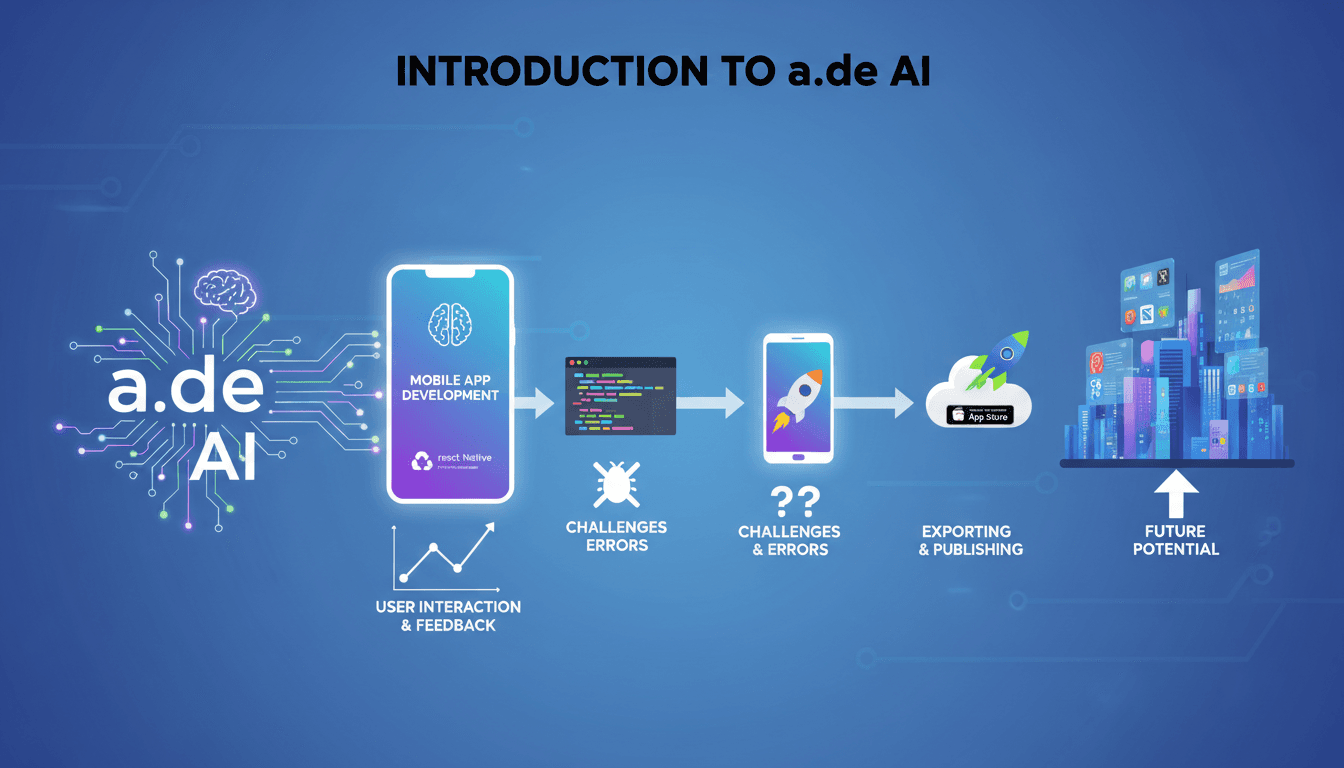
I dove into the world of mobile app development with a.de AI, and let me tell you, it's a game changer—when you know how to navigate the quirks. We're not just talking theory here; we're talking building real apps using React Native and Expo, figuring out how to make AI work for us, not against us. First, I connect my components, then I orchestrate the flows, but watch out for the errors that can trip you up along the way. Building with AI means embracing challenges, from user feedback to exporting and publishing on app stores. I had to recalibrate often (I got burned a few times), but the potential for app store publishing is very real. So, is it reality or just hype? For me, the answer is clear: it's all about knowing how to leverage it.
Getting Started with a.de AI Tool
When I first encountered the a.de AI tool, I was skeptical. It promises to simplify app building, and that's a tall order. But as soon as I dove in, I saw its potential. First, I connected to the tool, configured my project with React Native, and quickly noticed how it could speed up development. However, watch out for pitfalls! During my initial tests, some features seemed overrated.
The efficiency gains are evident right from the start. The tool generates code for modern features like card UIs, flip animations, and progress tracking. Of course, this doesn't mean there aren't limits. Sometimes, the tool can be too restrictive, especially if you want to customize certain aspects.
Building with React Native and Expo
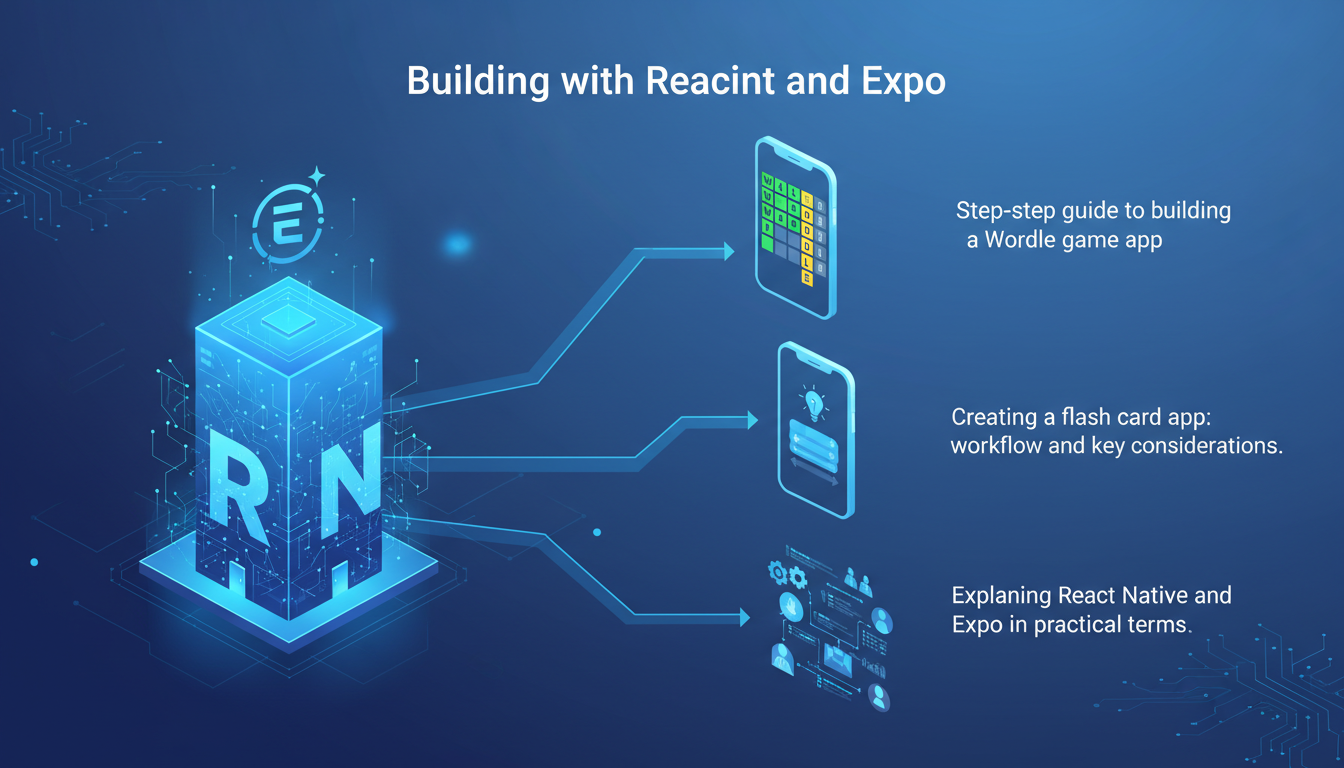
Now, let's get practical. I decided to build a Wordle game. Step by step, I used React Native and Expo. First, I created the basic components, then implemented the game logic. This is where a.de shines: it helped me swiftly generate animations and organize my components.
Next, I tackled a flash card app. The workflow is different. You must consider the user interface and features like progress tracking and daily challenges. Thanks to Expo, deploying to my Android phone was a breeze.
But beware, challenges remain. Compatibility errors between React Native and Expo can arise. And let's not get started on dependencies that might break your build if they're not up-to-date.
User Feedback and Iterative Improvements
Once my app was in hand, I sought user feedback. And believe me, this is where you learn the most. Users asked for UI improvements, like Tinder-style swipe animations for card scrolling.
"I realized users want smooth and engaging experiences, not just functional ones."
So, I integrated their suggestions, balancing their needs with technical constraints. Iteration is key: every feedback is an opportunity for improvement. To deploy changes quickly, I adopted a continuous integration strategy.
Overcoming Development Challenges
Developing an app is never without hurdles. Take the 'puzzle racer' mode, for instance. I encountered errors that were quite a headache. Exporting apps can also be tricky, especially with APK and zip formats.

You have to juggle ease of use and customization. Too much customization can slow your project, but too little can limit your options. I had to find a balance to ensure a functional and adaptable app.
Exporting and Future Publishing Potential
The final step is exporting the app. Preparing your app for publishing requires a deep understanding of formats, especially the APK for Android. But the real question is: how do you prepare your app for the future?

I'm considering publishing on the Play Store, but that requires anticipating technological evolutions and user needs. A well-thought-out strategy can turn a simple app into a long-lasting success.
In conclusion, the a.de AI tool is a powerful resource for any developer looking to accelerate their development process. However, it's crucial to stay vigilant about its limitations and adopt an iterative approach to maximize your app's potential.
Building mobile apps with AI and React Native is like being a chef in a high-tech kitchen. First, I use the a.de AI tool to speed up development, but I keep in mind that knowing the limits is crucial. For instance, React Native and Expo are great for quick builds, but watch out for common errors when compiling APKs for Android. Then, I implement user interactions and consistently loop back on their feedback to improve the app. Challenges are plenty, but by tackling 50 data science interview questions or managing the 12 messages received daily, we end up making smarter choices, not just faster ones.
I'm excited about what these tools promise—they’re transforming how we code, though I stay alert to the pitfalls. Ready to dive in? Experiment with a.de AI and see how it can transform your app development process. For more insights, I recommend watching the full video on YouTube: This link.
Frequently Asked Questions

Thibault Le Balier
Co-fondateur & CTO
Coming from the tech startup ecosystem, Thibault has developed expertise in AI solution architecture that he now puts at the service of large companies (Atos, BNP Paribas, beta.gouv). He works on two axes: mastering AI deployments (local LLMs, MCP security) and optimizing inference costs (offloading, compression, token management).
Related Articles
Discover more articles on similar topics
Clone Websites with AI in 2025: A Practical Guide
I remember the first time I cloned a website in under ten minutes. Yes, it was 2025, and I was using Replet Agent, an AI tool that made the process incredibly smooth. Gone were the days of relying on expensive development agencies. In this article, I'll show you how I did it. I'll guide you through integrating essential features like Stripe and encourage you to focus your energy on creation rather than technical complexities.
Automate Your Browser with LangChainJS and AI
I decided to take browser automation to a whole new level by handing the reins over to AI in a game of Tic-Tac-Toe. Using LangChainJS, I integrated provider native tools to see just how smart—and sometimes just plain dumb—AI can be. In this tutorial, I'll walk you through how I used LangChainJS and web drive.io to automate gameplay, highlighting both practical challenges and wins. We'll dive into AI task integration, explore LangChainJS capabilities, and see how AI strategies improve through memory updates.
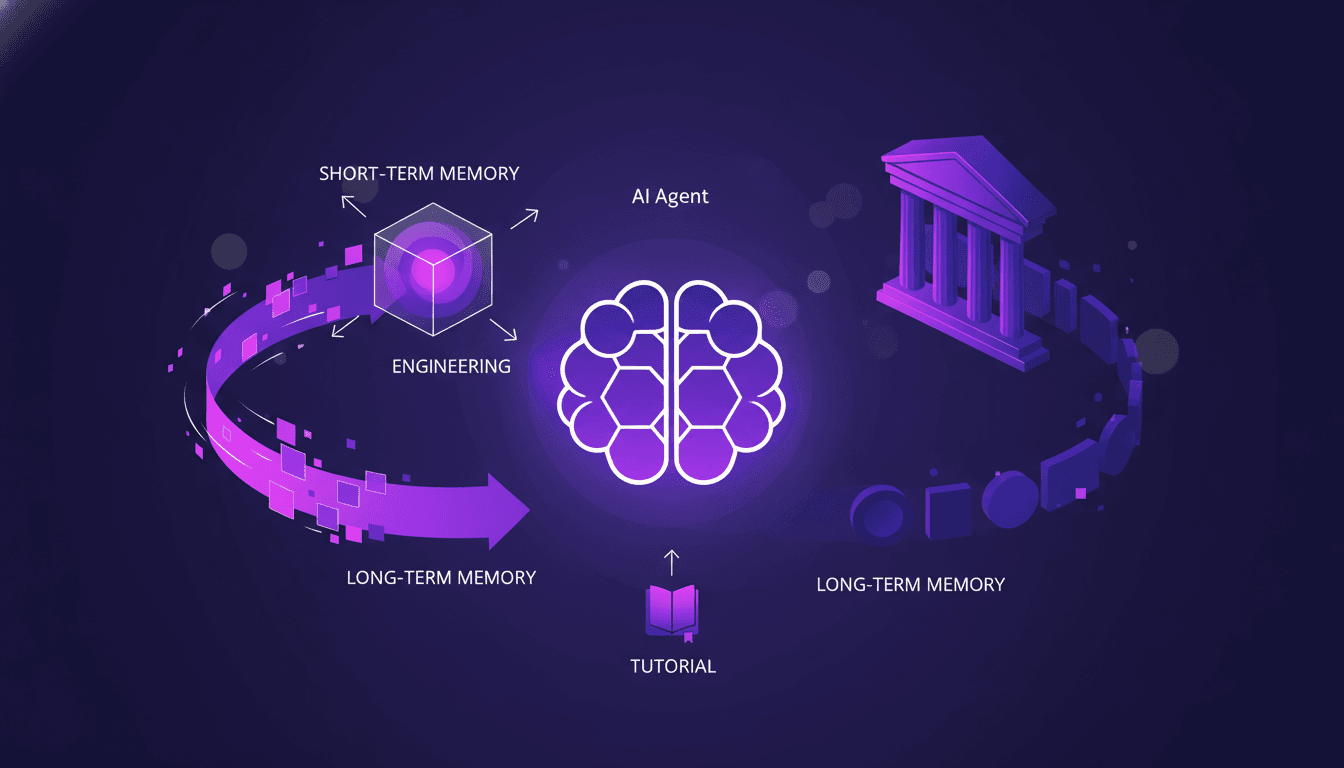
Optimizing AI Agent Memory: Advanced Techniques
I've been in the trenches with AI agents, wrestling with memory patterns that can literally make or break your setup. First, let's dive into what Agent Memory Patterns really mean and why they're crucial. In advanced AI systems, managing memory and context is not just about storing data—it's about optimizing how that data is used. This article explores the techniques and challenges in context management, drawing from real-world applications. We delve into the differences between short-term and long-term memory, potential pitfalls, and techniques for efficient context management. You'll see, two members of our solution architecture team have really dug into this, and their insights could be a game changer for your next project.
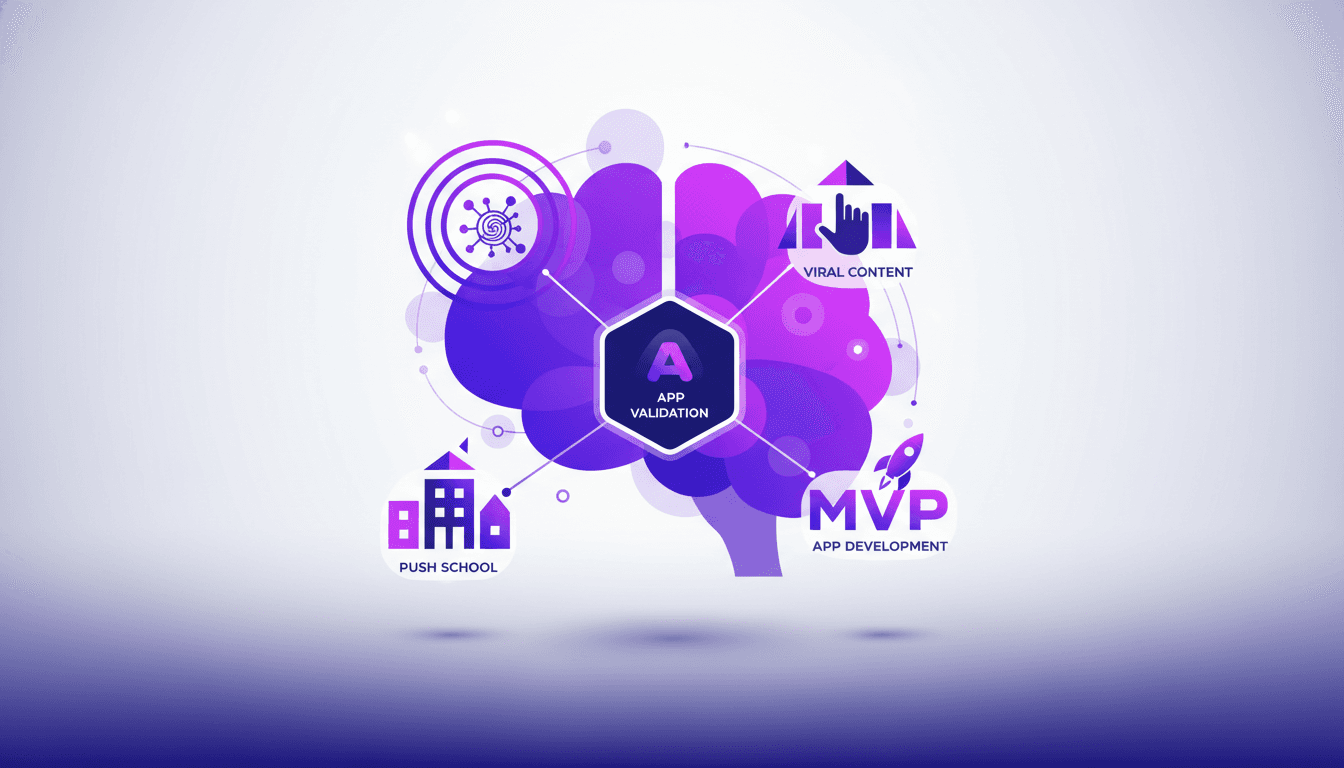
Validate Your App Idea Using Viral Content
I remember the first time I thought I had a million-dollar app idea. I was ready to dive headfirst into development. But then, I discovered a smarter way: validating the idea with viral content. With Push School, I used this approach to hit $30K in monthly revenue without writing a single line of code. Let me walk you through how I orchestrated this, leveraging viral content and strategic distribution to ensure success. In this article, we'll explore how to validate an app idea, Push School's business model, and why distribution is crucial even before you think of an MVP.
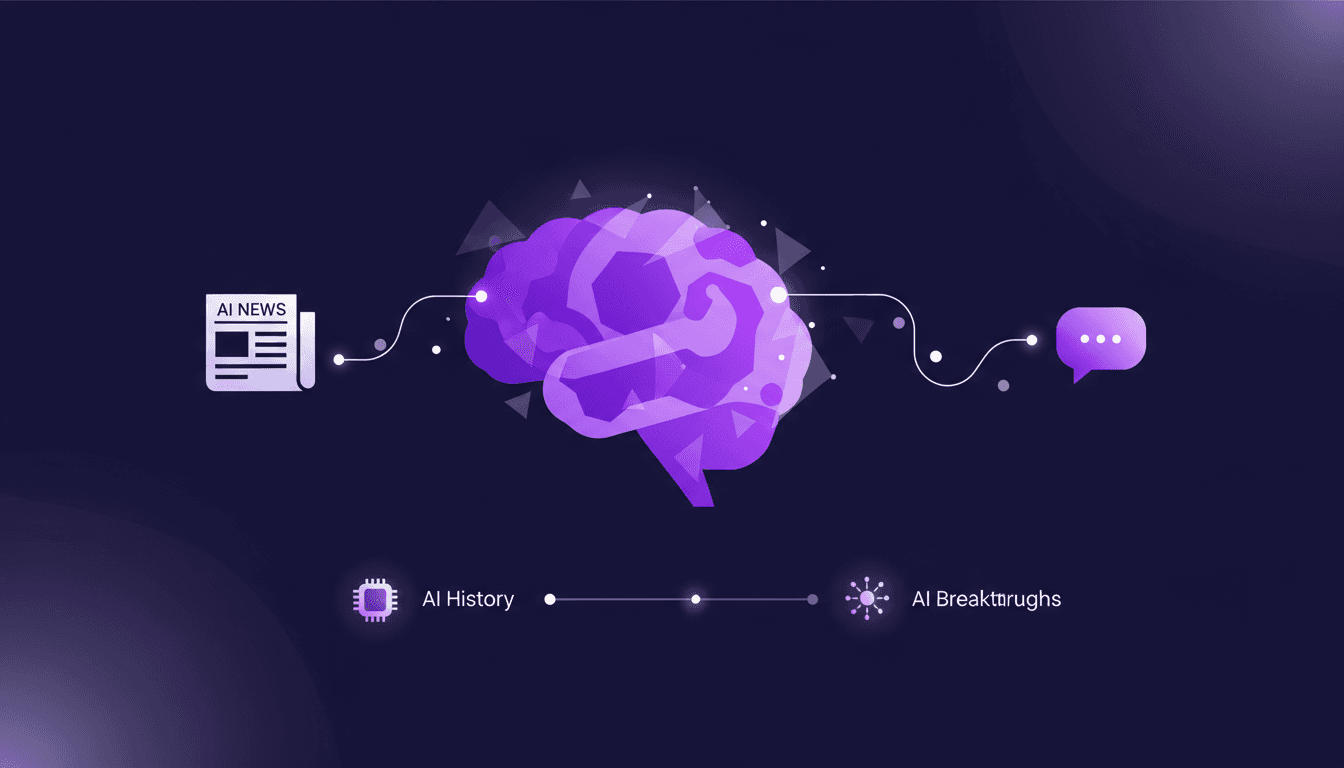
AI Exploration: 10 Years of Progress, Limits
Ten years ago, I dove into AI, and things were quite different. We were barely scratching the surface of what deep learning could achieve. Fast forward to today, and I'm orchestrating AI projects that seemed like science fiction back then. This decade has seen staggering advancements—from historical AI capabilities to recent breakthroughs in text prediction. But watch out, despite these incredible strides, challenges remain and technical limits persist. In this exploration, I'll take you through the experiments, trials, and errors that have paved our path, while also gazing into the future of AI.