Automate Your Browser with LangChainJS and AI
I decided to take browser automation to a whole new level by handing the reins over to AI in a game of Tic-Tac-Toe. Using LangChainJS, I integrated provider native tools to see just how smart—and sometimes just plain dumb—AI can be. In this tutorial, I'll walk you through how I used LangChainJS and web drive.io to automate gameplay, highlighting both practical challenges and wins. We'll dive into AI task integration, explore LangChainJS capabilities, and see how AI strategies improve through memory updates.
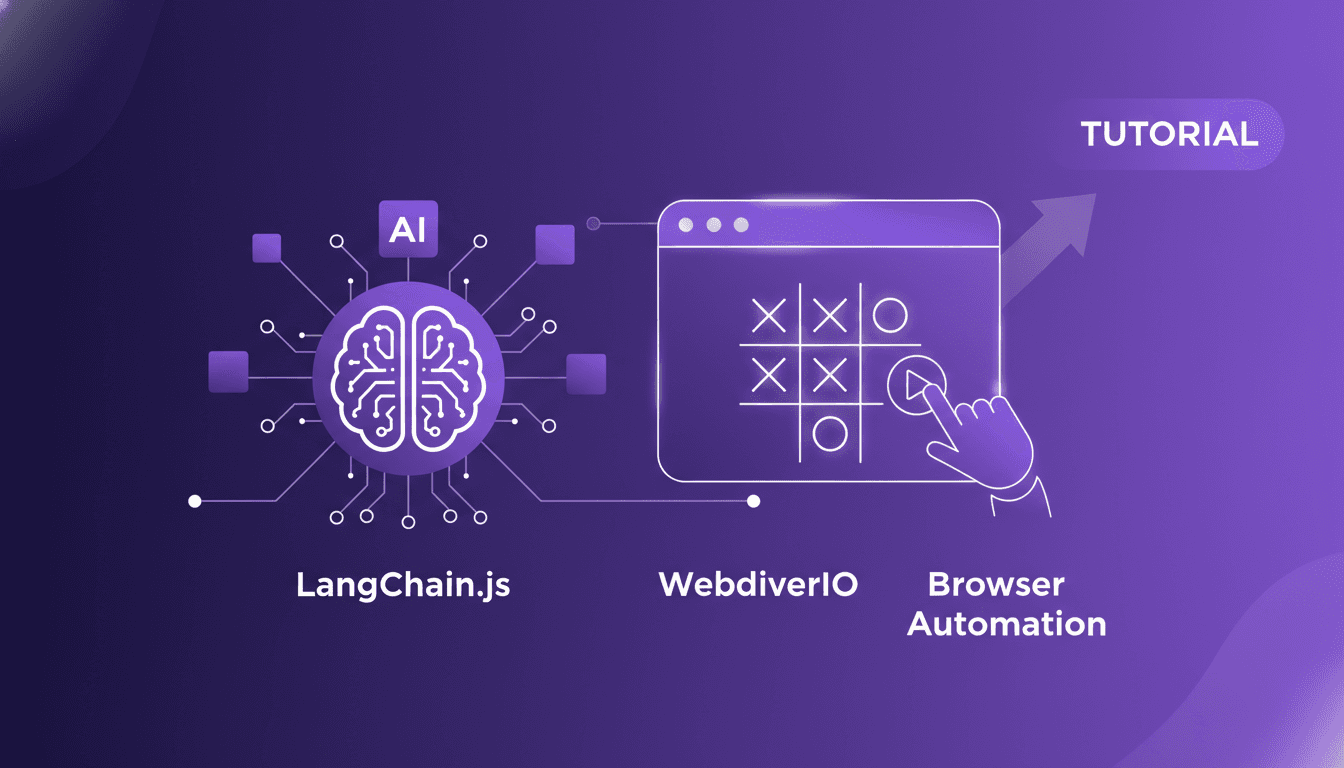
Picture this: I let AI take the wheel in my browser for a game of Tic-Tac-Toe. Yup, you heard right. With LangChainJS, I orchestrated an integration of provider native tools to see just how far AI could go, and trust me, it was sometimes brilliant, sometimes hilariously off-mark. First, I connected LangChainJS to web drive.io to automate the game. Then, I faced the challenges of AI learning and memory in real-time. One smart move here, a blunder there. But most importantly, I learned how memory updates could transform AI strategies. So if you're looking to push your automations further, join me on this sometimes chaotic, but always enlightening journey.
Setting Up LangChainJS and Provider Tools
First, I set up LangChainJS to connect with provider native tools. Why? Because these tools are designed to optimize specific tasks like computer use, web search, and memory management. But watch out, integration can be tricky. I found that understanding the basics of LangChainJS is crucial before diving into complex automation. These tools, while powerful, require precise configuration to avoid integration errors. A wrong setup, and you're in chaos territory.
- LangChainJS exposes provider native tools for seamless integration.
- Provider native tools streamline AI processes but require precise configuration.
- Understanding the basics of LangChainJS is essential before diving in.
Automating the Browser with Web Drive.io
Next, I leveraged web drive.io for browser control, which is a game-changer for automation. Using Entropics' computer model, I orchestrated browser commands. Watch out for browser compatibility issues—test extensively. Automation saves time but requires an initial setup investment. I was particularly impressed by the capability to automate a tic-tac-toe game where the AI could play against me right on the screen.
- Web drive.io is a game-changer for browser automation.
- Utilized Entropics' computer model to orchestrate commands.
- Watch out for browser compatibility issues.
- Automation saves time with an initial setup investment.
AI Learning and Memory in Gameplay
Now, let's talk about AI learning. It's a fascinating process where AI learns from its mistakes. One loss taught me to update memory strategies. Memory tools in AI allow for strategy improvements over time. I used B64 encoded screenshots for efficient memory updates. The learning curve for AI is steep but rewarding with the right setup.
- AI learns from mistakes—one loss taught a lot.
- Memory tools improve strategies over time.
- B64 encoded screenshots for efficient updates.
- Steep learning curve but rewarding.
Improving AI Strategies with Memory Updates
Memory updates are crucial for refining AI strategies. The interchangeability of AI tools can enhance flexibility but may complicate the workflow. I iterated on memory models to optimize gameplay strategies. Don’t overuse memory updates—balance is key for performance.
- Memory updates are crucial for refining strategies.
- Interchangeability of AI tools enhances flexibility.
- Iterated on memory models for optimization.
- Balance is key for performance.
Future Potential and Limitations of AI Tools
The potential for AI in browser automation is vast but not limitless. I foresee future improvements in AI's strategic capabilities. Current limitations include processing power and integration complexity. Balancing AI's capabilities with practical application is vital.
- Vast but limited potential for AI in browser automation.
- Future improvements in strategic capabilities are foreseen.
- Current limitations: processing power and integration complexity.
- Balancing AI capabilities with practical application is vital.
To learn more about optimizing AI agent memory, visit Optimizing AI Agent Memory: Advanced Techniques.
Automating Tic-Tac-Toe with AI was a real eye-opener about the practical applications and limits of LangChainJS and web drive.io. Here's what I took away:
- LangChainJS Integration: I integrated provider-native tools for AI tasks with LangChainJS. It's powerful, but watch out for memory limits.
- Efficiency Gains: While the setup was complex, the efficiency gains were undeniable, freeing up time for more strategic projects by automating repetitive tasks.
- Automation with web drive.io: Using web drive.io to play Tic-Tac-Toe showed how we can push automation to another level. But be careful with B64 encoded screenshots that can slow down the system.
Ready to automate your own browser tasks? Dive into LangChainJS and see what you can build. For a deeper understanding, watch the full video: "I Let an AI Control My Browser to Play Tic-Tac-Toe - LangChainJS Tutorials" on YouTube. It's a real goldmine for seeing the challenges live.
Frequently Asked Questions

Thibault Le Balier
Co-fondateur & CTO
Coming from the tech startup ecosystem, Thibault has developed expertise in AI solution architecture that he now puts at the service of large companies (Atos, BNP Paribas, beta.gouv). He works on two axes: mastering AI deployments (local LLMs, MCP security) and optimizing inference costs (offloading, compression, token management).
Related Articles
Discover more articles on similar topics
Optimizing AI Agent Memory: Advanced Techniques
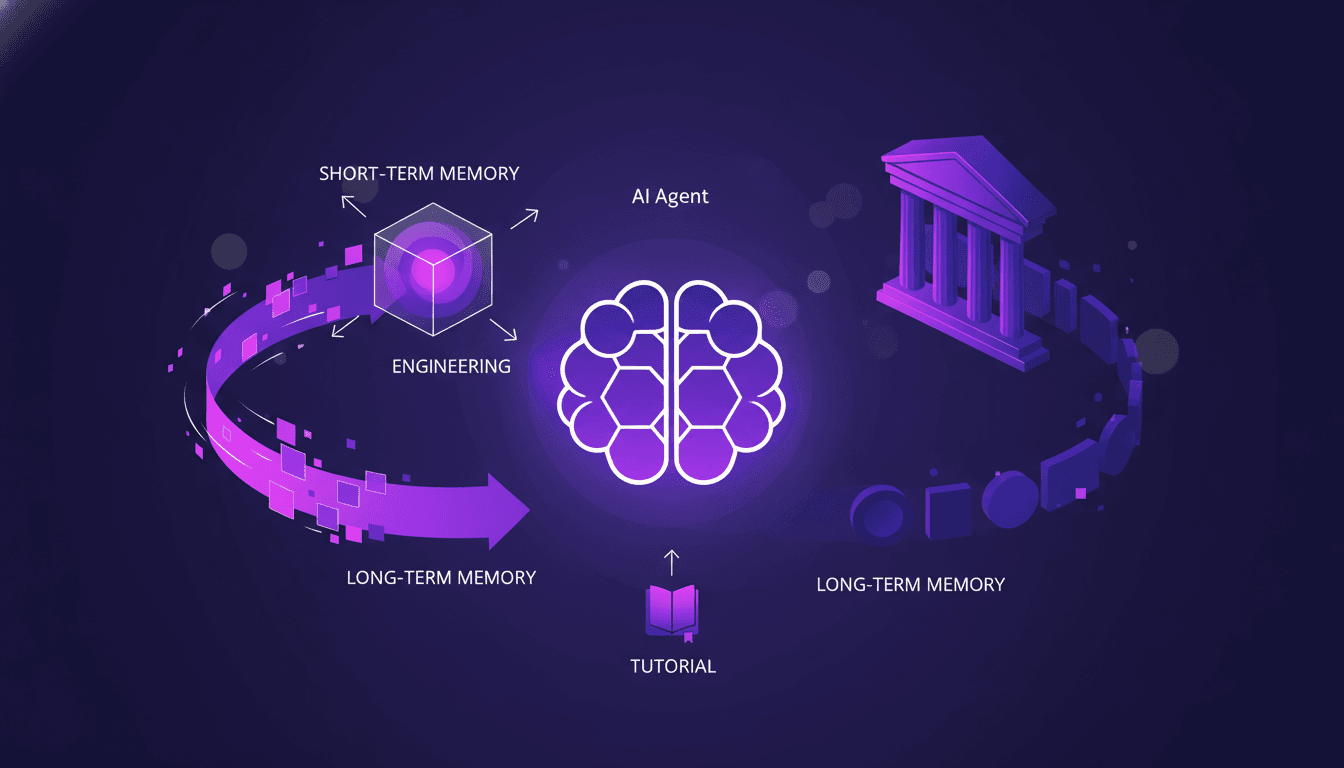
I've been in the trenches with AI agents, wrestling with memory patterns that can literally make or break your setup. First, let's dive into what Agent Memory Patterns really mean and why they're crucial. In advanced AI systems, managing memory and context is not just about storing data—it's about optimizing how that data is used. This article explores the techniques and challenges in context management, drawing from real-world applications. We delve into the differences between short-term and long-term memory, potential pitfalls, and techniques for efficient context management. You'll see, two members of our solution architecture team have really dug into this, and their insights could be a game changer for your next project.
Build MCP Agent with Claude: Dynamic Tool Discovery
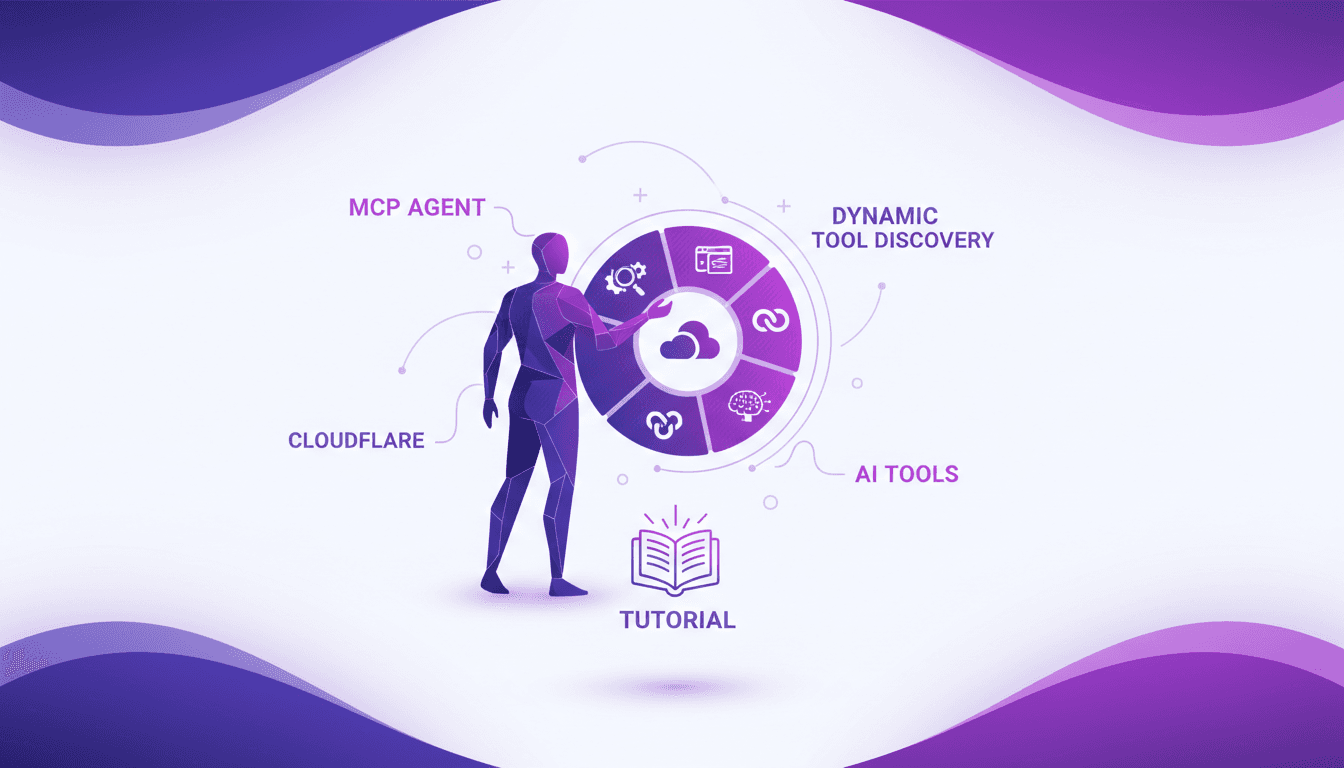
I dove headfirst into building an MCP agent with LangChain, and trust me, it’s a game changer for dynamic tool discovery across Cloudflare MCP servers. First, I had to get my hands dirty with OpenAI and Entropic's native tools. The goal? To streamline access and orchestration of tools in real-world applications. In the rapidly evolving AI landscape, leveraging native provider tools can save time and money while boosting efficiency. This article walks you through the practical steps of setting up an MCP agent, the challenges I faced, and the lessons learned along the way.
Native Tools: Build a Cloudflare MCP Agent
Imagine harnessing the full power of cloud platforms with just a few clicks. Welcome to the world of MCP agents and native provider tools. As AI technology evolves, integrating tools across multiple cloud platforms becomes essential. This tutorial explores building a Cloudflare MCP agent using Langchain, making complex integrations seamless and efficient. Discover how native tools from OpenAI and Entropic transform your cloud experience. Dive into dynamic tool discovery, integration, MCP server connections, and the advantages of using native tools. Let's explore practical scenarios and envision how these tools shape the future of AI applications.
AI Exploration: 10 Years of Progress, Limits
Ten years ago, I dove into AI, and things were quite different. We were barely scratching the surface of what deep learning could achieve. Fast forward to today, and I'm orchestrating AI projects that seemed like science fiction back then. This decade has seen staggering advancements—from historical AI capabilities to recent breakthroughs in text prediction. But watch out, despite these incredible strides, challenges remain and technical limits persist. In this exploration, I'll take you through the experiments, trials, and errors that have paved our path, while also gazing into the future of AI.
AI's Impact on Consumer Startups Today
Imagine a world where creating music is as easy as listening to it. Thanks to AI, that future is within reach. Consumer startups are breaking down traditional barriers. With insights from industry expert Mike McNano, we explore how AI is revolutionizing content creation and personalizing education. Platforms are evolving, distribution challenges are intensifying, but opportunities abound. Let's uncover how AI is redefining taste and craftsmanship in product development. Don't miss the untapped opportunities AI offers today.