Tesla's Shift to Robots: Why and How
I was configuring a new AI module for a client when the news hit: Tesla is moving away from their iconic Model S and X to focus on humanoid robotics. It felt like a seismic shift, one I had to explore. So, I dove into the specifics of Tesla's Optimus Generation 3 and the AI5 chip, uncovering a strategy that could redefine entire industries. Tesla isn't just about cars anymore. With plans to produce a million robots annually, they're making a bold bet on Artificial General Intelligence (AGI) and self-replicating machines. Let's break down what this means for the future.

I was in the middle of configuring a new AI module for a client when the news hit—Tesla's making a bold pivot from their iconic Model S and X to humanoid robots. It felt like a seismic shift in the tech world, one that I simply had to dig into. So, I delved into the nitty-gritty of Tesla's Optimus Generation 3 and the AI5 chip. This is more than just a product change; it's a strategic leap towards Artificial General Intelligence (AGI) and self-replicating machines. Producing a million units annually isn't just an ambitious number, it's a potential redefinition of how we see industry. Let's compare this to China's robotics efforts and consider the societal impacts of widespread robot adoption. By 2026, companies automating their digital operations will smoothly integrate physical robots by 2028. It's a fascinating horizon that deserves our attention.
Tesla's Strategic Shift: From Cars to Robots
At Tesla, we don't do things halfway. In January, the production of Model S and Model X was abruptly halted, a bold strategic move to focus on humanoid robots. Elon Musk has always had a futuristic vision, and this time it's about integrating robotics into our daily lives. His target? Producing one million units annually by 2026. This is an ambitious goal that could disrupt Tesla's current position in the automotive market. Imagine robots filling roles beyond what we once thought possible. I've often wondered how this transition will affect the brand's perception among consumers and investors.
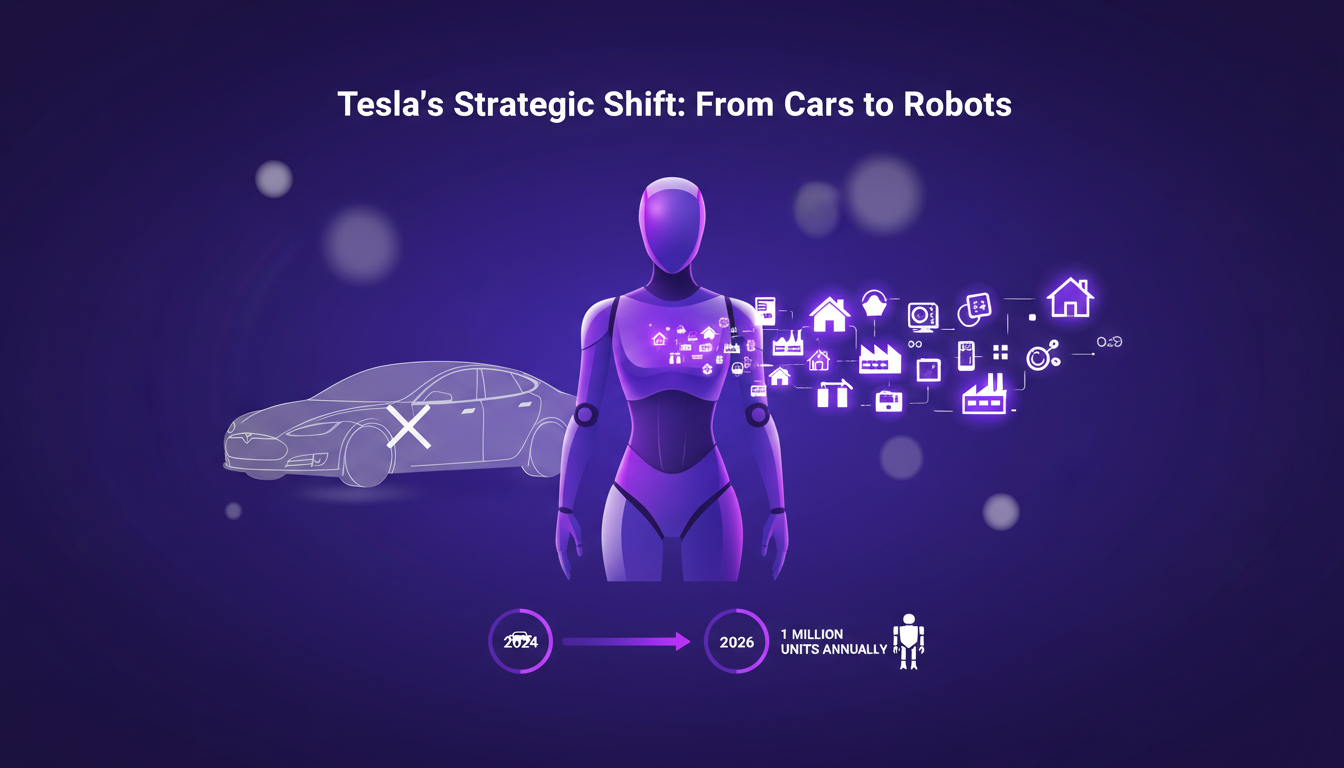
This strategic shift is already underway. During the first-quarter results presentation, everyone wanted to know the key figure: how many Optimus robots will be produced? Investors are far more interested in this promise than in current car deliveries. And frankly, I can't blame them. What Tesla is doing here is opening a new industrial chapter.
Inside Optimus Generation 3: Capabilities and Production
The Optimus Generation 3 isn't just a simple update. Weighing 55 kg and standing 1.73 meters tall, this robot is designed for real-world performance. The challenge here is twofold: producing at scale while maintaining impeccable quality. Tesla must not only overcome production challenges but also ensure each robot can operate in varied environments. The 22 degrees of freedom in its hands, close to the human's 27 degrees, showcase the complexity achieved. This is a critical point that roboticists have been striving for decades.
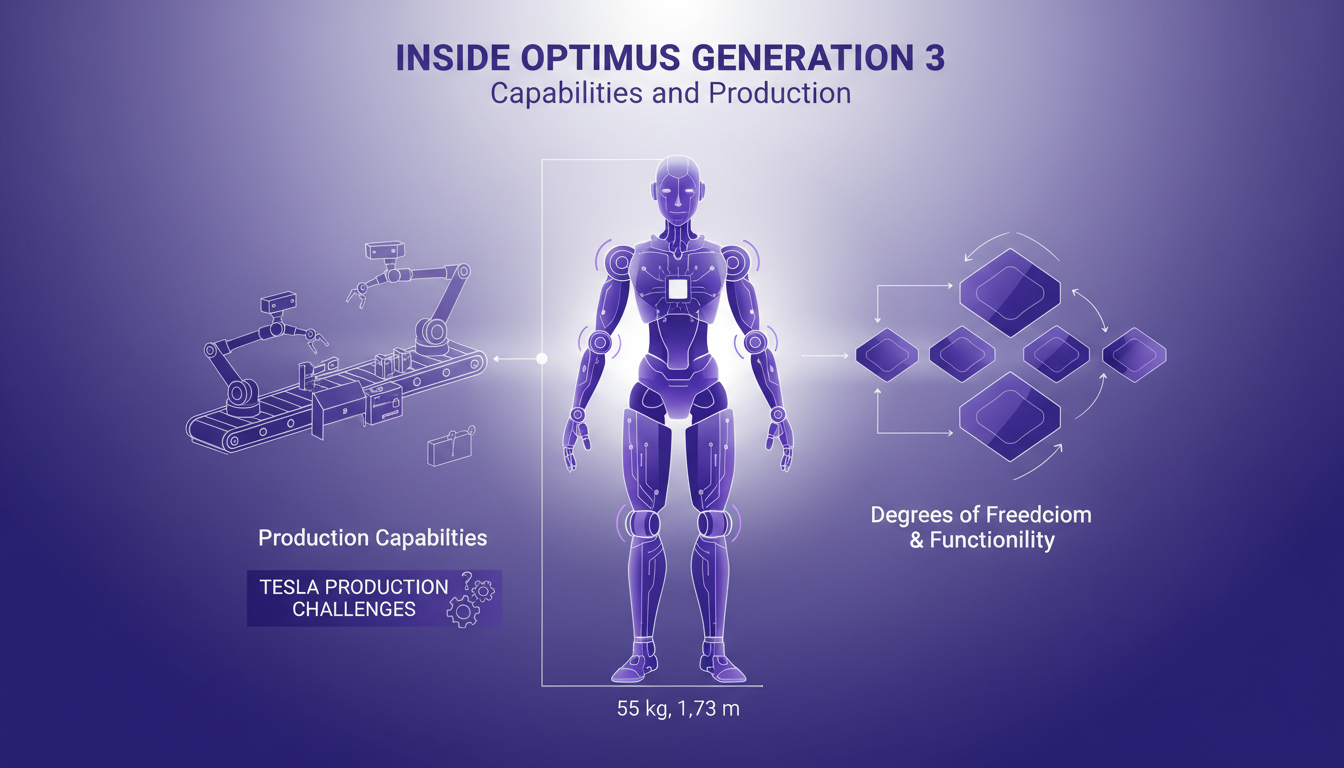
Comparing with robotics efforts in China, a market leader, Tesla still has a way to go. In 2025, Chinese companies delivered about 90% of total units. It's a competitive market, but Tesla aims for one million units per year with the help of the Gigafactory Shanghai. Read more on Tesla's transition.
AI5 Chip: The Brain Behind Tesla's Robots
Tesla's AI5 chip is a cornerstone of their robotics strategy. It's up to 40 times faster than the previous version, which is key to enhancing robot efficiency and capabilities. However, all this power comes at a cost. Energy consumption and thermal management are significant challenges. Tesla must balance these aspects to avoid overheating or inefficiencies.
That said, the AI5 opens new possibilities for artificial intelligence and artificial general intelligence (AGI). Elon Musk even hinted that this chip could be used for self-replicating machines, potentially changing the technological landscape. But beware, this isn't without risks. The ethical implications are numerous, and it will take time before achieving functional AGI. Learn more about the AI5 chip.
Robotics and AGI: Tesla's Vision for the Future
Elon Musk is not just building robots; he's aiming for AGI, an intelligence capable of self-improvement. Imagine machines that can replicate and repair themselves, a concept that seems straight out of science fiction. But Tesla is working on it. By 2028, these machines could be integrated into various industries, transforming how we work.
The Moravec's paradox, which highlights that simple human tasks are often harder to automate, remains relevant. Tesla must overcome these challenges to make AGI a reality.
Societal Impacts and Industry Integration
The widespread adoption of robots will have major societal impacts. Companies will see efficiency gains and cost reductions, but there will also be ethical challenges to consider. How will these robots be integrated without fully replacing the human workforce? This is a question we must address now.
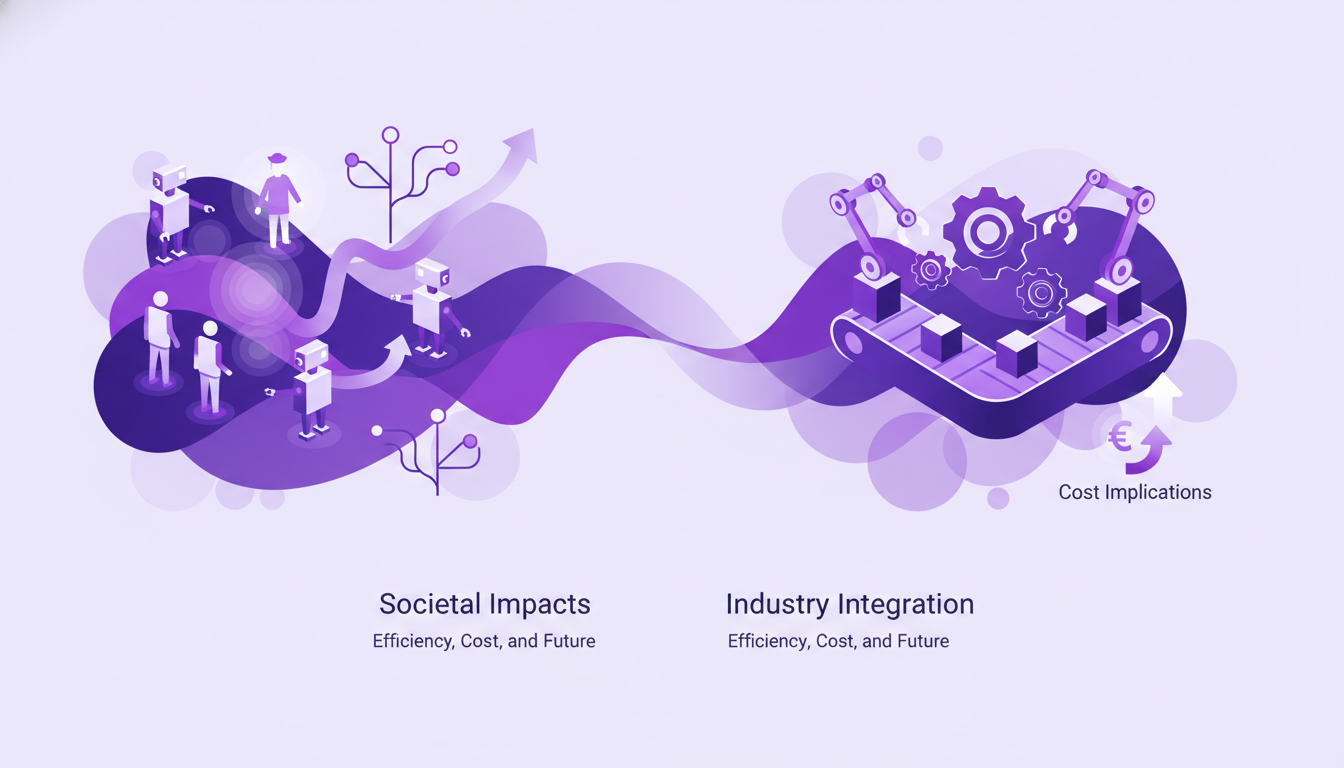
Industries will need to adapt to integrate these new technologies. The efficiency gains will be substantial, but social and ethical implications must also be managed. This includes training employees to work alongside robots and revising labor regulations. See how robots are revolutionizing business.
First off, Tesla's leap from cars to robots is a strategic game changer. With the Optimus Gen 3 and AI5 chip, they're not just dabbling in tech; they're reshaping entire industries. Producing a million units a year by 2026 isn't just ambitious, it's transformative for automation. But watch out, integrating these robots into operations won't be without its challenges — the tech is still maturing, and the limits of AGI (artificial general intelligence) aren't fully understood yet. Plus, there are societal impacts to consider.
Looking ahead, I'd say those who jump on this bandwagon early will have a major competitive edge. It's a game changer, sure, but be ready to navigate uncharted waters. I highly recommend watching the video "Tesla vient de tuer la Model S… pour un robot" for a deeper dive. Now's the time to get ready, are you prepared?
Frequently Asked Questions
Thibault Le Balier
Co-fondateur & CTO
Coming from the tech startup ecosystem, Thibault has developed expertise in AI solution architecture that he now puts at the service of large companies (Atos, BNP Paribas, beta.gouv). He works on two axes: mastering AI deployments (local LLMs, MCP security) and optimizing inference costs (offloading, compression, token management).
Related Articles
Discover more articles on similar topics
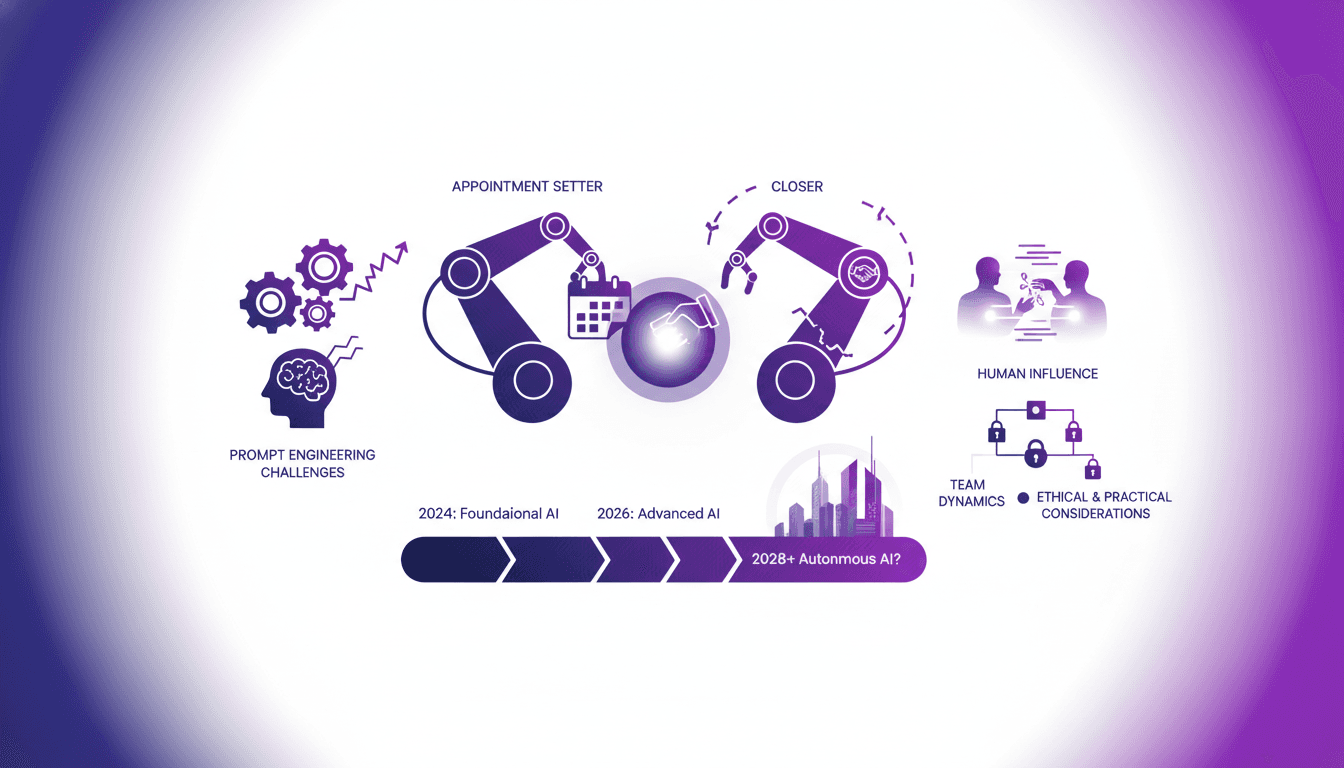
AI in Sales: Current Limits and Future Potential
I've been in sales for over a decade, and AI is seriously shaking things up. But let's be clear: AI isn't closing deals yet, but it's getting closer than you'd think. In this article, I'm diving into the real-world applications of AI in sales, the current limitations, and where we're heading. Let's talk about what works, what doesn't, and what's just around the corner. We'll tackle challenges in prompt engineering for sales, the impact on sales teams and business strategies, and the ethical and practical considerations. Get ready to see how AI might just revolutionize sales in the coming years.
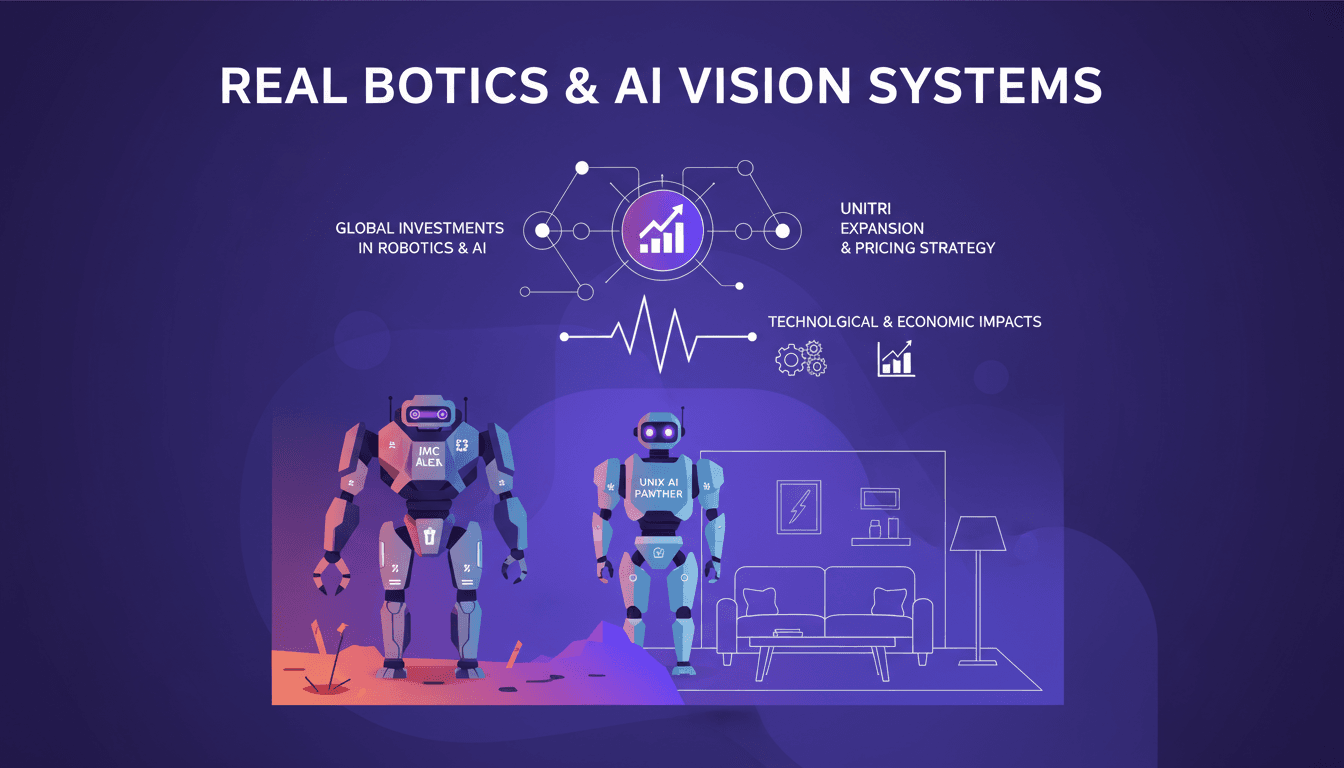
Robotics Breakthroughs: A 10-Day Revolution
I've been in the robotics game for years, and let me tell you, the last 10 days have been wild. We’re talking about a seismic shift in humanoid robotics that nobody's really discussing yet. In this article, I'll walk you through what's happening on the ground: incredible advancements in humanoid robotics, the real tech behind AI vision systems, and what all this means for our industry. From Real Botics to Unitri, companies are pushing the boundaries of what robots can do, and it's not just tech talk—it's about real-world applications and market dynamics.
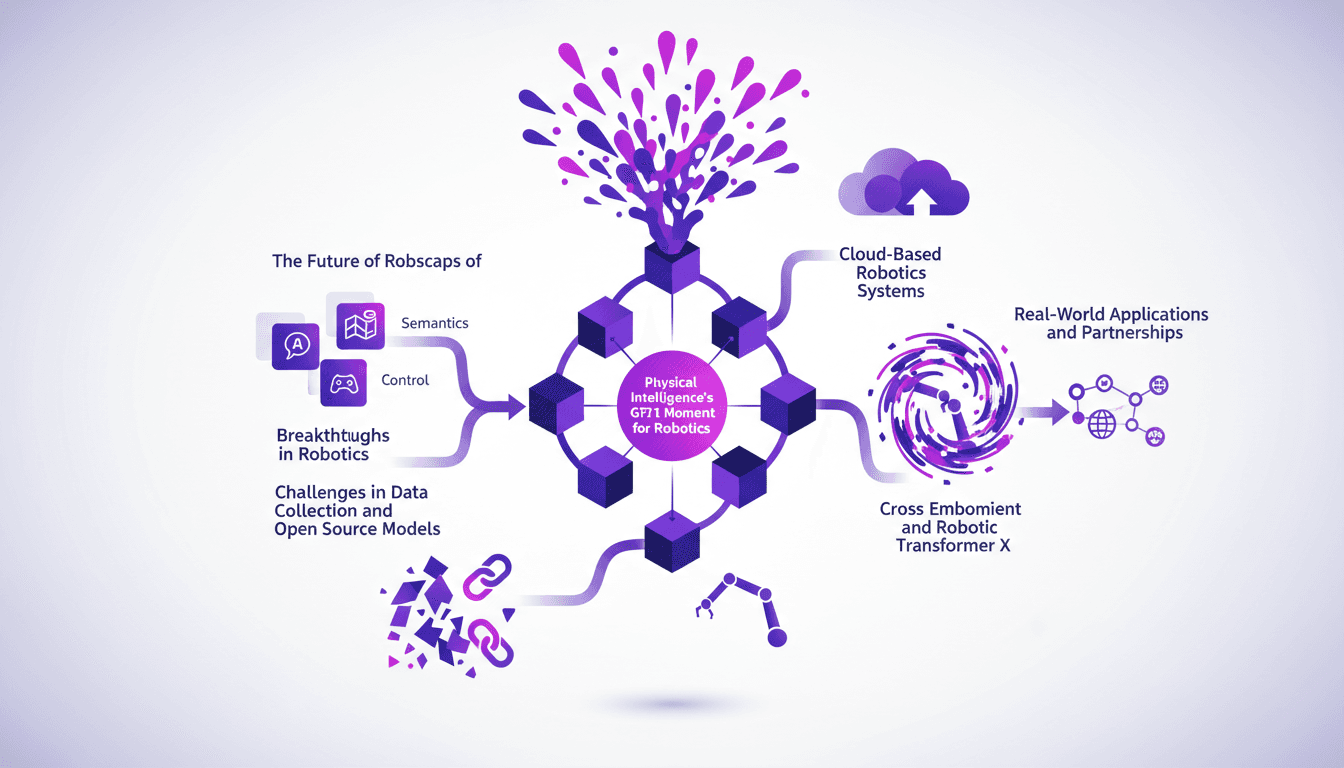
Robots in Action: Revolutionizing Business
I remember the first time I saw a robot actually work in a real-world setting. Not a demo, not a prototype, but a robot doing exactly what it was built to do. This is the moment the robotics industry has been waiting for. With breakthroughs in semantics, planning, and control, and concepts like Physical Intelligence's GPT1 moment, we're witnessing a major transformation. But what does this mean for the business landscape and future applications? We're talking cloud-based robotics systems, real-world applications, and the Cambrian explosion of robotics. We've open sourced PI 0 and PIO5, and in two years, real deployment in companies is on the horizon. Why? Because generalist robots improve performance by 50% compared to specialist models. It's a game changer.
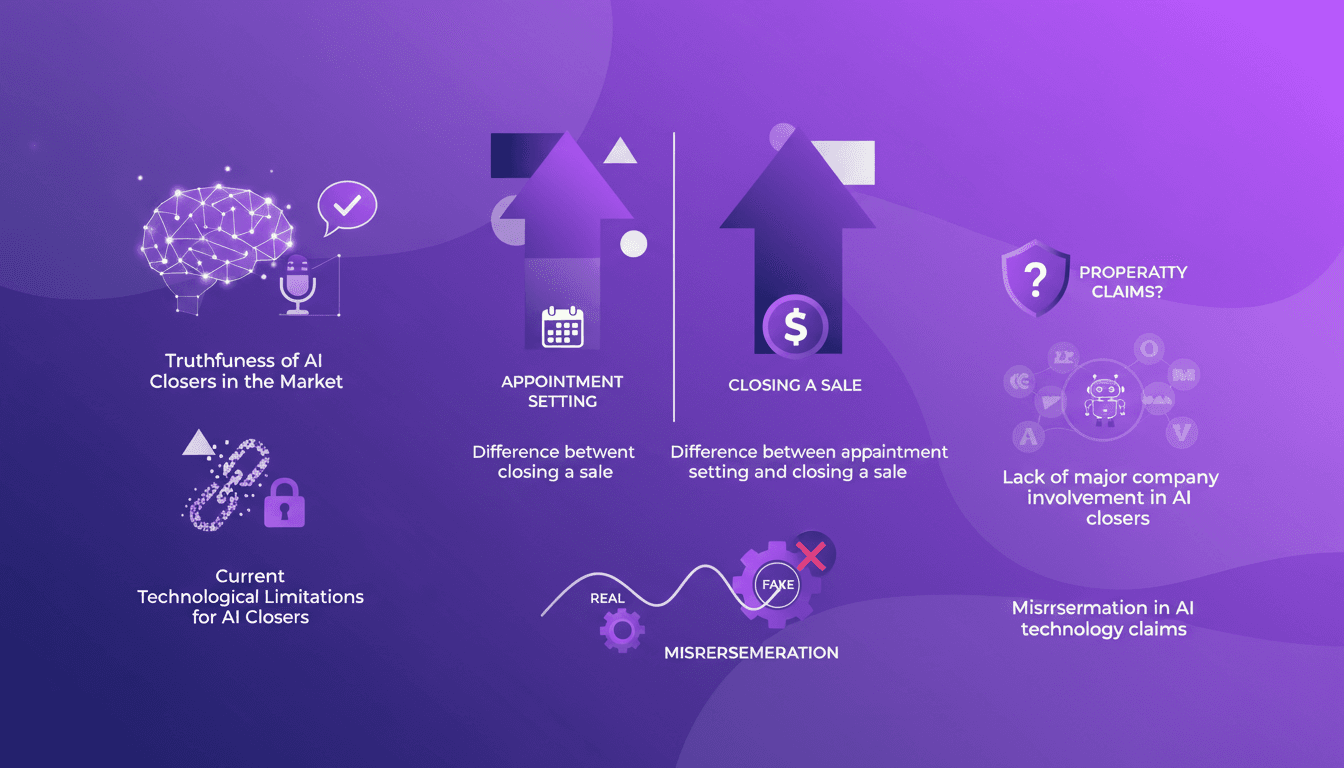
Debunking AI Closers: Truths and Limits
I've been in the trenches with AI tech for years, and if there's one thing I've learned, it's that not everything that glitters is gold—especially when it comes to AI closers. Let's cut through the noise and get real about what's happening in the market. There's a lot of buzz around AI closers, but are they really the game-changers they're hyped up to be? Let's dig into the claims, the reality, and where the tech actually stands. Between current technological limitations, the difference between appointment setting and closing a sale, and claims of proprietary solutions, it's time to debunk all this. And if the big companies aren't jumping in, there's probably a good reason for that.

Leaving University for Content Creation
I was knee-deep in fashion marketing studies when I realized the academic path was holding me back. So, I took the leap and left university to dive into content creation—a risky but necessary move. Today, I share my journey, the hurdles I faced, and how I turned my passion into a viable career. With 700,000 kids coming out of uni and 60,000 pounds of debt, the question is: is university the best path? I'll reveal the strategies that helped me succeed despite the odds.