Staying Relevant in Tech: 25 Years of Lessons
I've spent over 25 years in the tech industry, and if there's one thing I've learned, it's that staying relevant means more than just keeping up with the latest languages or frameworks. It's about owning your career path, adapting to change, and continuously iterating on your skills. In this article, I share how I've managed to stay ahead in this ever-evolving field. Whether you're a newbie or a veteran, the tech landscape is always shifting. New technologies emerge, and the skills in demand today might not be tomorrow. This article isn't just about theory; it's a practical guide drawn from my personal journey and the lessons I've learned along the way.
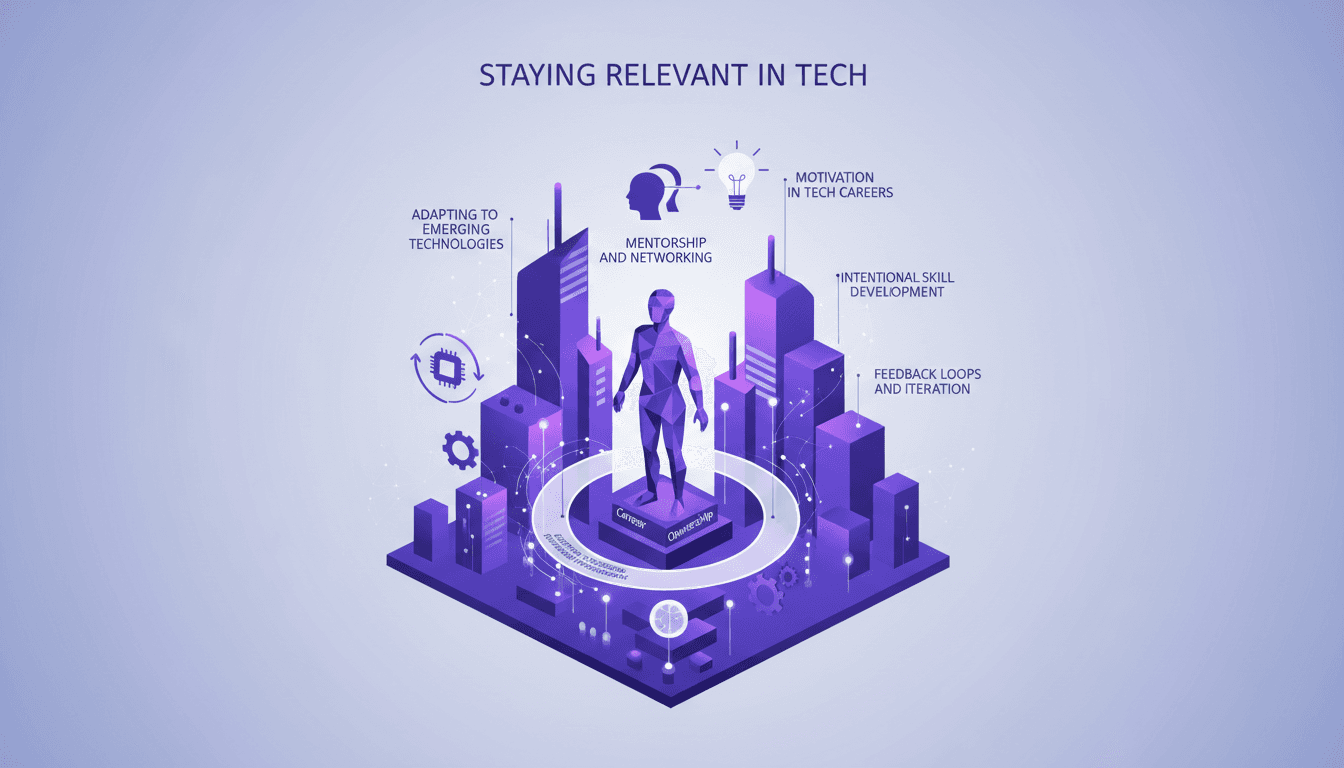
After over 25 years in tech, let me tell you, staying relevant isn't just about knowing the latest trendy language. It's deeper than that. It's about owning your path, adapting to constant change, and most importantly, continually revising your skills (and I've been burned more than once before figuring that out). So, how have I managed to stay on top in this ever-shifting industry? That's what I'm here to explore with you. Whether you're just getting started or have several projects under your belt, tech won't wait for you. Yesterday's skills might not be tomorrow's demands. Here, I share a practical guide drawn from my own journey, with concrete tips for navigating this perpetually evolving world.
Owning Your Tech Career: Start with a Plan
In the tech world, drifting won't cut it. You need to take charge of your career path. First, define your long-term goals. Does that seem overwhelming? Don't worry. Break them down into smaller, actionable steps.
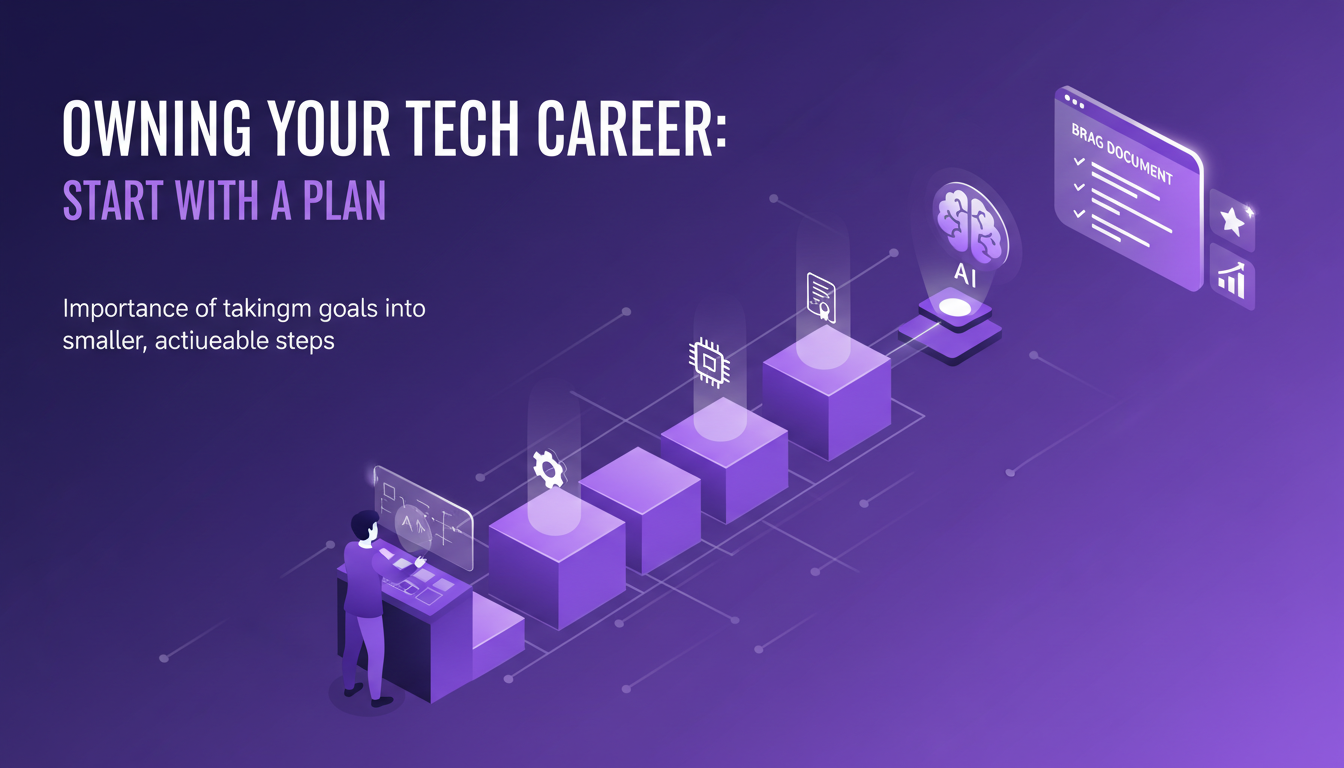
Using a brag document is a great way to track your achievements and growth. It's simple: note every significant milestone. Then, every six months, evaluate your new experiences to ensure they still align with your goals. If not, it might be time to pivot or double down on certain skills. Özgen Güngör, with 25+ years of experience, often mentions, "Take stock every five years."
- Break your goals into manageable steps.
- Use a brag document to track your progress.
- Evaluate your experiences every six months.
- Recognize when to pivot or reinforce.
Adapting to Emerging Technologies: Stay Ahead
How do you stay informed in this ever-evolving world? I start by following tech trends through newsletters and conferences. But watch out, not everything is worth chasing. You can't run after every shiny new tool. Continuous learning is crucial. Use feedback loops to refine your skills.
To balance new tech adoption with your existing expertise, I suggest testing tools without immediately adopting them. I've learned the hard way that jumping on everything new can waste time and compromise the quality of your work.
- Stay informed through reliable resources.
- Continuously learn to refine your skills.
- Avoid chasing every novelty.
Designing Your Competency Framework
A competency framework is a system to evaluate and develop your capabilities. I created mine by considering industry demands. First step: identify the skills needed for your field. Then, assess your current skills against these.
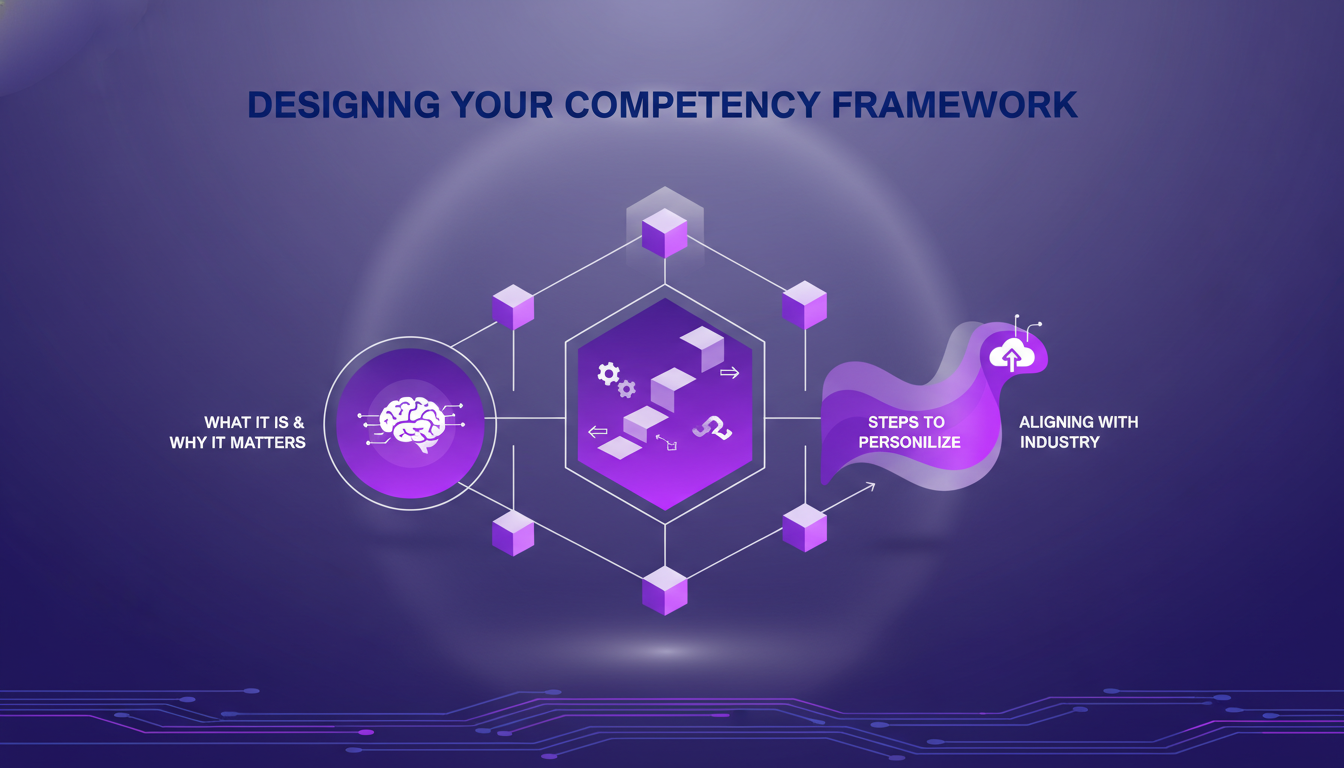
Use this framework to identify gaps and set an action plan to bridge them. Review and update this framework regularly, as the industry evolves rapidly.
- Create your competency framework.
- Align with industry demands.
- Identify skill gaps.
- Update regularly.
The Power of Mentorship and Networking
Building a robust professional network is essential. I make sure to find mentors in the industry who help guide my path. In return, mentoring others solidifies my knowledge. Networking shouldn't be a numbers game; quality over quantity is key.
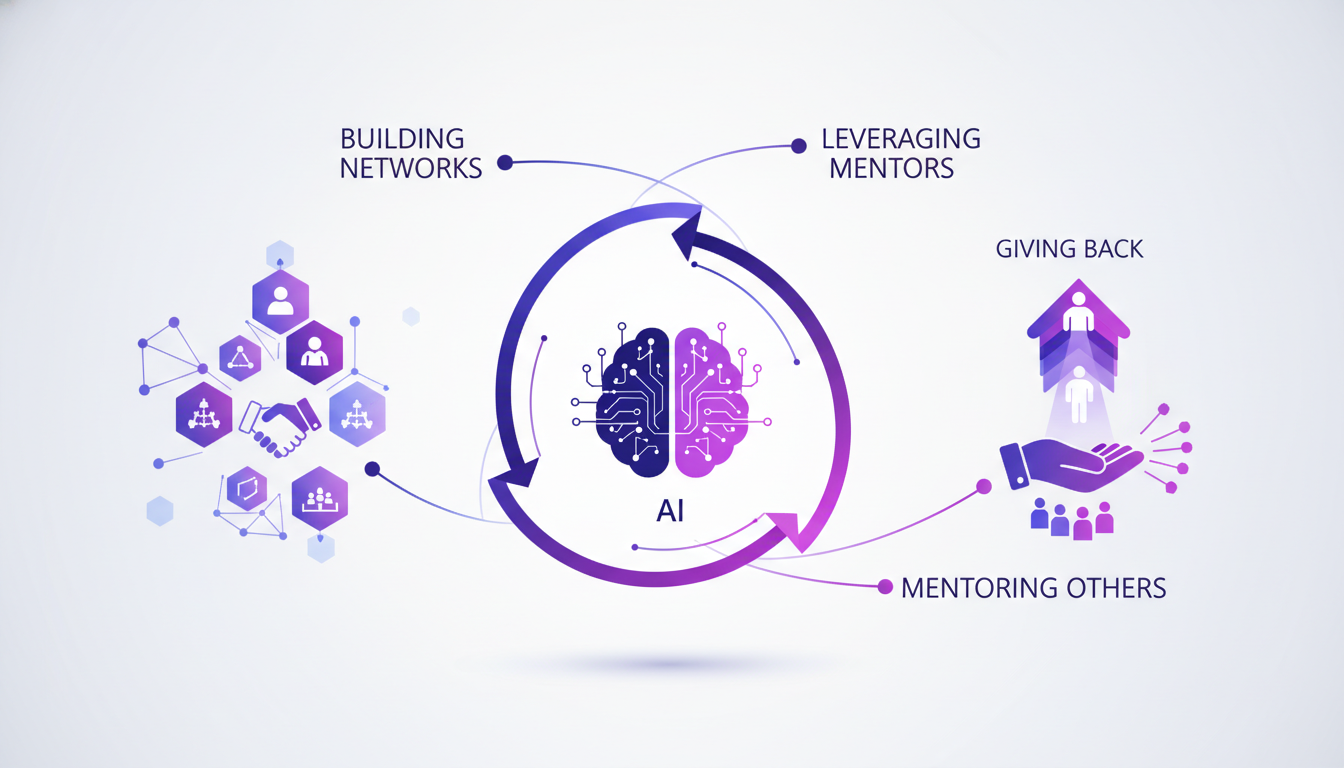
Leveraging networking to discover new career opportunities can be a real asset for your professional development.
- Build a supportive network.
- Mentor others to solidify your knowledge.
- Prioritize the quality of your network.
Staying Motivated in Your Tech Career
You spend 13% of your life working. It's crucial to stay motivated. I set personal and professional milestones. Passion projects are a great way to maintain enthusiasm.
Work-life balance is essential to avoid burnout. Use motivation as a tool for career progression. Remember, staying motivated isn't a destination, but a continuous journey.
- Recognize the time spent working.
- Set personal and professional milestones.
- Balance work-life to avoid burnout.
So here's what I've learned after navigating the tech world for over 25 years. First, owning your career path is crucial. It's not just about following trends but really defining where you want to go. Next, continuously adapting your skills to new technologies is a must—I learned that the hard way. Third, a well-designed competency framework can be a real game changer for tracking progress and guiding decisions. Lastly, don't underestimate the power of mentorship and networking; they're incredible levers. Looking ahead, I'd say context is still your best friend. Tools change, but a holistic approach remains invaluable. Now, take these insights and apply them to your journey. Start small, iterate, and keep pushing the boundaries of your tech career. And for deeper insights, I encourage you to watch the full video here: [YouTube link]. It's like a chat with a colleague, and I'm sure you'll pick up some gems from it.
Frequently Asked Questions

Thibault Le Balier
Co-fondateur & CTO
Coming from the tech startup ecosystem, Thibault has developed expertise in AI solution architecture that he now puts at the service of large companies (Atos, BNP Paribas, beta.gouv). He works on two axes: mastering AI deployments (local LLMs, MCP security) and optimizing inference costs (offloading, compression, token management).
Related Articles
Discover more articles on similar topics
Boost Your Skills through Hackathons
I've been through countless hackathons, and let me tell you, they're not just about caffeine-fueled coding marathons. They're a crash course in real-world problem-solving and innovation. At Booking.com, these events are a staple, offering a platform for collaboration, creativity, and even career advancement. Beyond the speed of coding, hackathons develop essential skills, both technical and soft. Whether you're a developer, designer, or data scientist, these intense sessions push you to iterate, test, and learn new technologies like AI. And the best part? It's a learning environment where mentorship and guidance are abundant. Dive into this world and see how these experiences can propel your career forward.
Setting High Expectations in Tech Teams: My Approach
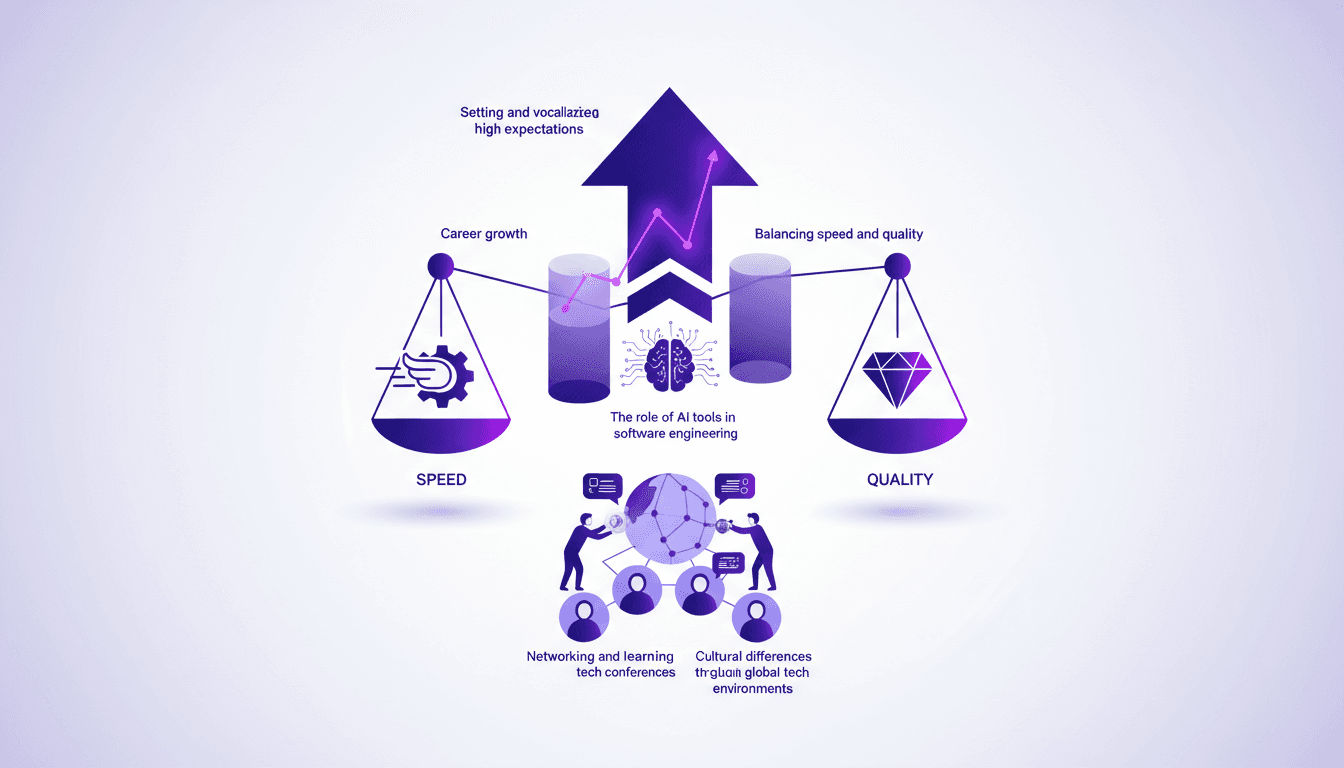
I've navigated the maze of promotions, salary negotiations, and leadership roles in tech. It's not just about coding; it's about setting high expectations, balancing speed with quality, and leveraging AI tools effectively. In this article, I share my firsthand experiences and strategies that have shaped my tech career. From team management to the smart use of AI tools, let's dive into what truly makes a difference.
Elevate Your Engineering with Picnic
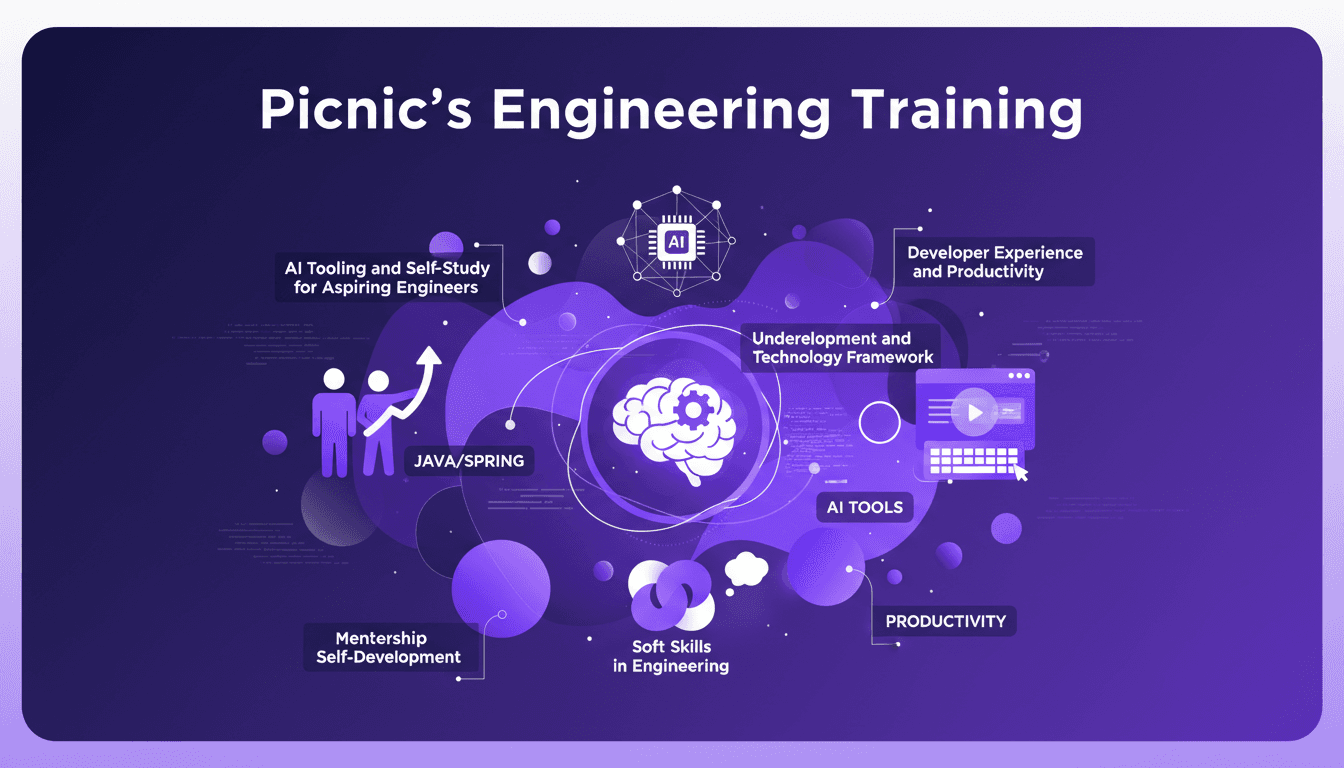
I remember the first time I walked into Picnic's training program. It was like stepping into a new world of engineering. The energy was palpable, and the focus on not just coding, but thinking like an entrepreneur, was a game changer. In the engineering world, standing out means more than just knowing your code. It's about mindset, continuous learning, and leveraging the right tools. Let's dive into how Picnic's approach bridges the gap between good and great engineers. We're talking Java, Spring Framework, and the importance of deeply understanding technology, not to mention soft skills and AI tooling for aspiring engineers.
Impact of AI on Hiring Junior Engineers
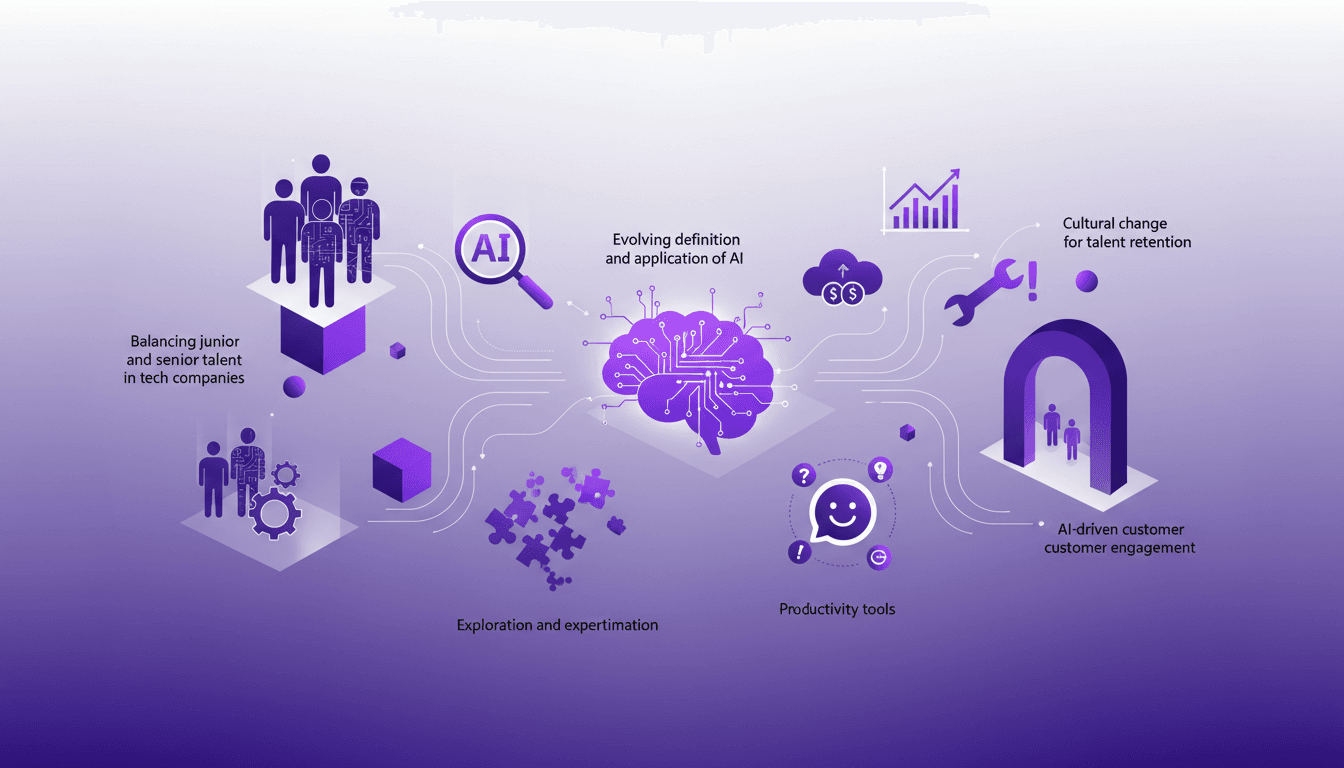
I've been deep in the tech hiring trenches, and AI is shaking things up. Initially, it was just about evaluating junior engineers' skills. But then I realized it's about adapting these talents to AI-driven roles. AI isn't just a buzzword; it's redefining productivity and expectations. In this article, I dive into how AI impacts our hiring processes and the critical balance between junior and senior talent. We'll explore the practical implications, challenges, and opportunities for tech companies. Make no mistake, integrating AI into your teams is more than just adding another tool to your toolkit.
Platform Growth Strategies for Creators
I built a platform creators didn't know they needed. It's not just about tech; it's about empowering creators, owning data, and shifting from ads to transactions. I connected the dots between user growth, revenue model transitions, and the impact of tech giants. It's a complex dance, but by orchestrating the right strategies, we make a difference. Join me on this journey where I share how I tackled these challenges and the lessons learned along the way. You'll find out how I hit 100 million ARR and ensured new users make their first dollar within a minute.