Platform Growth Strategies for Creators
I built a platform creators didn't know they needed. It's not just about tech; it's about empowering creators, owning data, and shifting from ads to transactions. I connected the dots between user growth, revenue model transitions, and the impact of tech giants. It's a complex dance, but by orchestrating the right strategies, we make a difference. Join me on this journey where I share how I tackled these challenges and the lessons learned along the way. You'll find out how I hit 100 million ARR and ensured new users make their first dollar within a minute.
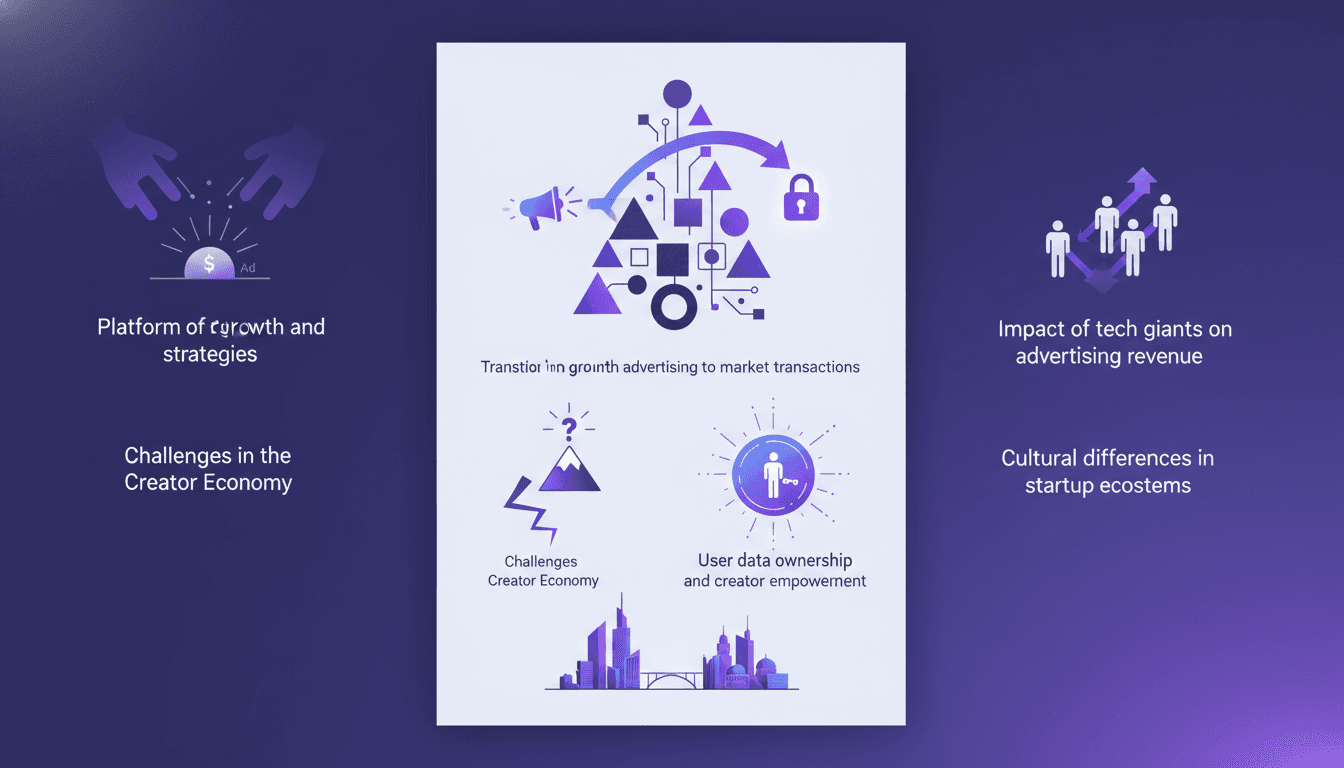
From the start, I knew building a platform for creators was going to be an ambitious journey. Not just another tech tool, but a real paradigm shift. My goal? Ensure every creator can own their data and monetize their talents beyond ads. I got burned by traditional models more than once, but I quickly realized we needed to orchestrate a shift toward direct transactions. With 15,000 active creators and a 100 million ARR on the horizon, I had to navigate the challenges of the creator economy and the pressures from tech giants. No staying in the shadows; we needed to make sure every user could earn their first dollar in a minute. We also talk about recruitment, team cohesion, and the cultural differences that shape our growth strategies. So, dive into this podcast with me where I share the strategies that propel us forward.
Driving Platform Growth and Revenue
First things first, when aiming to grow your platform, focus on user onboarding. Why? Because if your users can earn their first dollar in under a minute, you're on the right track. I've seen too many platforms fail because they couldn't get users to generate revenue quickly. In our case, we have over 15,000 active creators and hitting 100 million ARR is a crucial goal. It's a milestone that literally puts you on the global map, transforming your MVP into a real lifestyle business. But remember, growth isn't just about numbers; it's about sustainable revenue.
- Set clear goals for users' first revenue.
- Strategies to reach 100 million ARR.
- Ensure revenue streams are sustainable and diversified.
Shifting from Advertising to Transactions
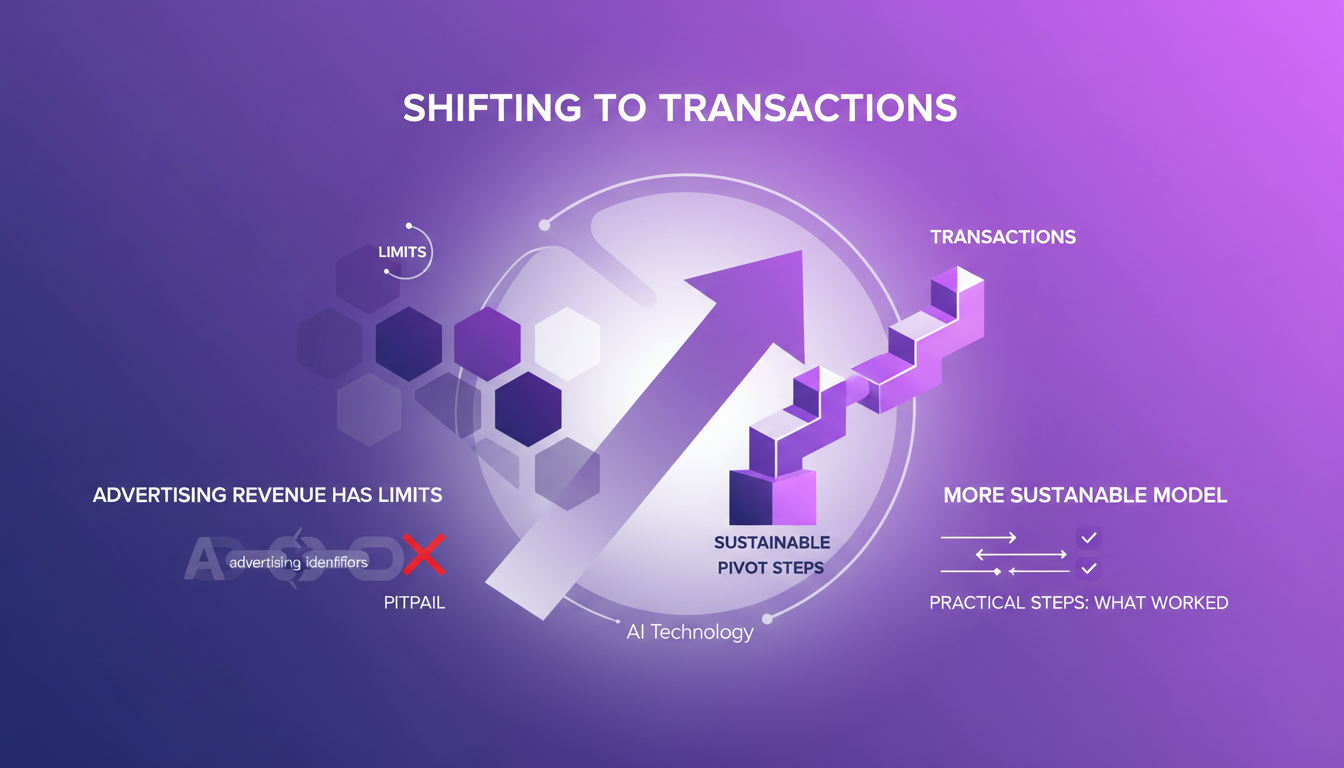
Advertising has its limits, and I learned this the hard way. After Apple killed the advertising identifier, our ad revenue dropped by 99%. Hence, the importance of pivoting to a transaction-based model. I explored practical steps to shift our model, and here's what worked: we emphasized user engagement and offering diversity. But watch out for the pitfalls of over-relying on advertising identifiers.
- Transaction-based model = more sustainable.
- User engagement and diversity are key.
- Avoid reliance on advertising identifiers.
User Data Ownership and Creator Empowerment
Empowering creators starts with data ownership, and that's one of our cornerstones. It begins with efficiently managing data through CSV files, especially when handling large datasets. But it's not just about management; it's also about balancing privacy with usability. Don't compromise on this.
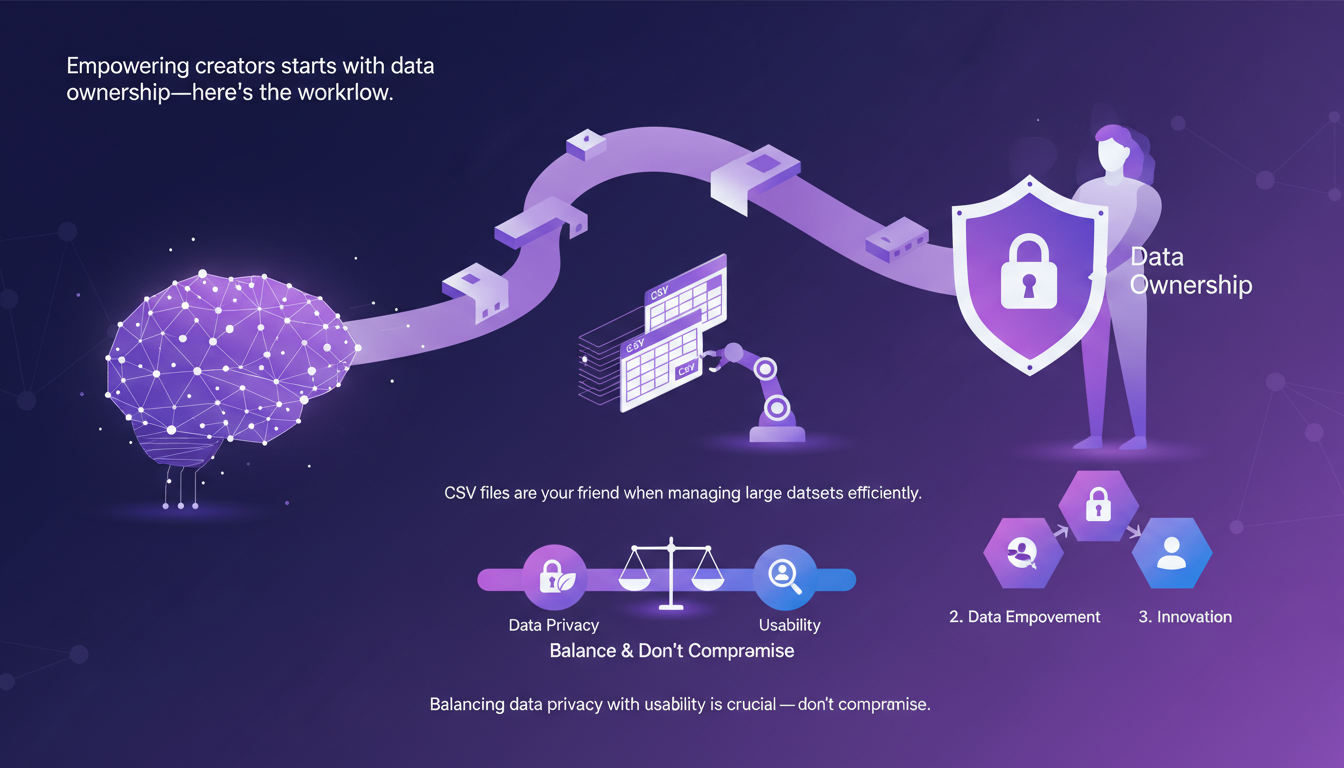
- Use CSV files for efficient data management.
- Protect privacy while ensuring usability.
- Empowerment starts with data ownership.
Fundraising Strategies and Market Differences
Raising 3 million euros wasn't just luck—it's about understanding market nuances. Different markets require tailored approaches, and our playbook takes that into account. Cultural differences can also impact fundraising—so be prepared.
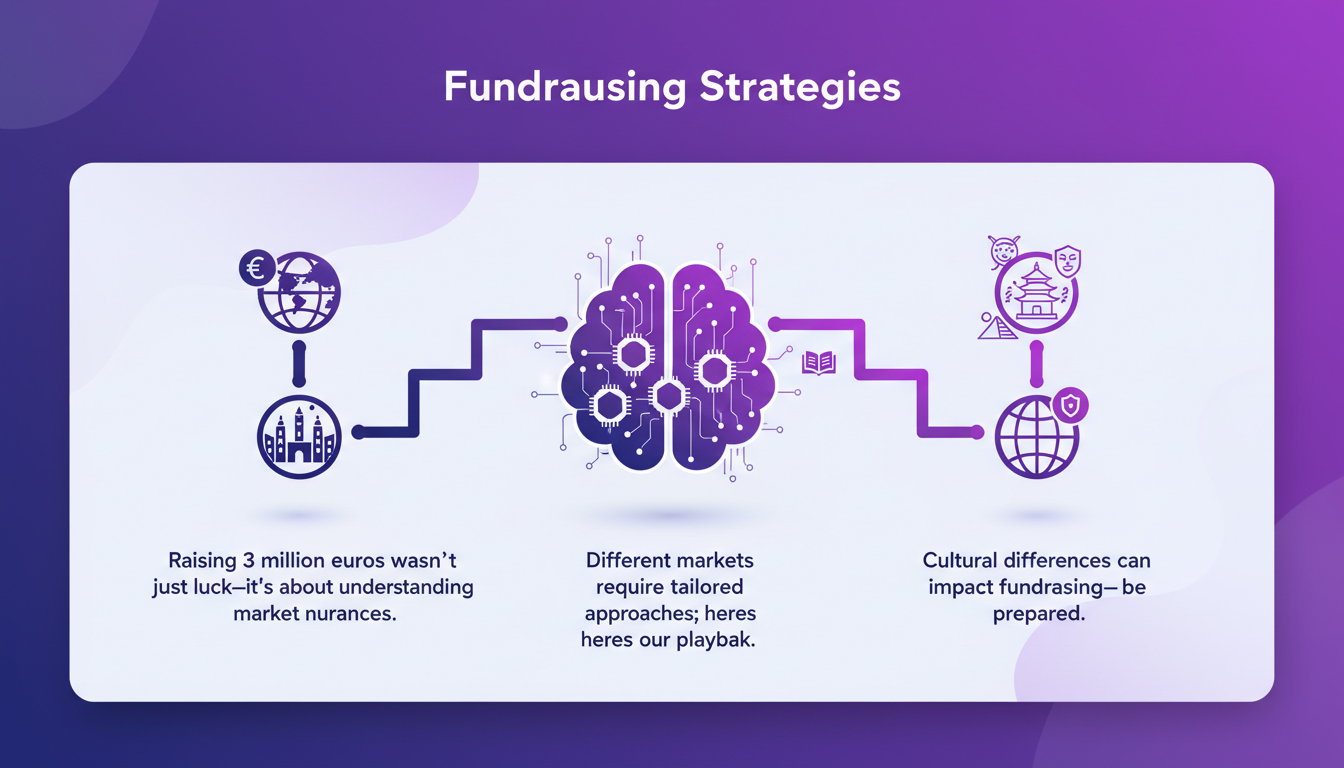
- Understand the market before raising funds.
- Tailor approaches based on cultural differences.
- Use a customized playbook for each market.
Building a Cohesive Team in the Creator Economy
Recruiting isn't easy. For each hire, I reviewed 200 profiles. But team cohesion is crucial for surviving in the creator economy. Here's how we foster it: by creating an environment where everyone understands the impact of tech giants on team dynamics.
- Team cohesion is key to succeeding in the creator economy.
- Don't underestimate the impact of tech giants on team dynamics.
- Reviewed 200 profiles per hire to ensure quality.
So, building a platform for creators isn't just about tech. It's about strategy, empowerment, and adaptability. Here's what I've learned in the field:
- Growth and Revenue Strategy: Transitioning from ads to transactions is a game changer, but watch out for transition costs.
- Empowering Creators: Granting data ownership to users is crucial for empowerment. It's transformed our approach.
- Ambitious Goals: Hitting 100 million ARR puts you on the map, but it requires targeted investments and a fundraising strategy tailored to the market.
- Immediate Impact: We aim for new users to make their first dollar within the first minute. That's direct impact!
Ready to transform your platform and empower your creators? Start implementing these strategies today. And for more concrete insights, I'd recommend watching the original video. That's where it gets really interesting: He's building the platform every creator was waiting for (without knowing it).
Frequently Asked Questions

Thibault Le Balier
Co-fondateur & CTO
Coming from the tech startup ecosystem, Thibault has developed expertise in AI solution architecture that he now puts at the service of large companies (Atos, BNP Paribas, beta.gouv). He works on two axes: mastering AI deployments (local LLMs, MCP security) and optimizing inference costs (offloading, compression, token management).
Related Articles
Discover more articles on similar topics
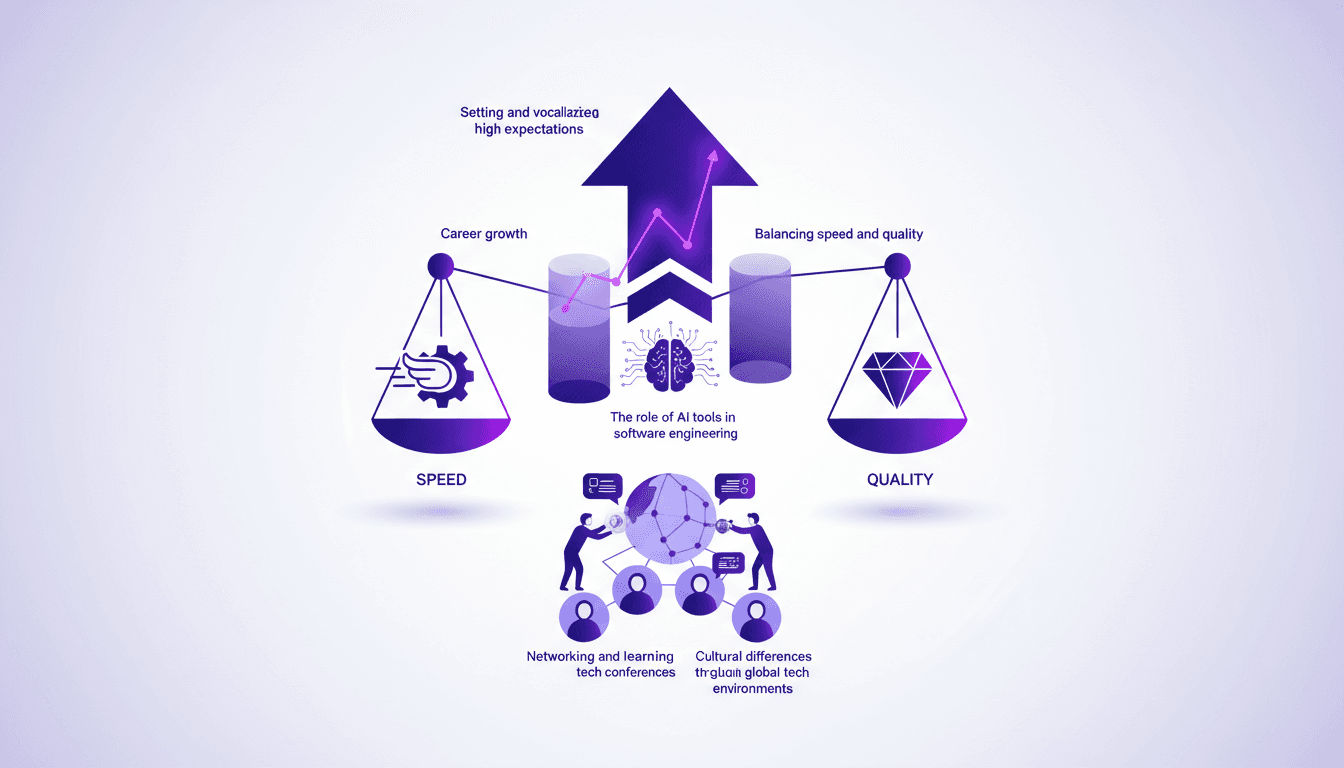
Setting High Expectations in Tech Teams: My Approach
I've navigated the maze of promotions, salary negotiations, and leadership roles in tech. It's not just about coding; it's about setting high expectations, balancing speed with quality, and leveraging AI tools effectively. In this article, I share my firsthand experiences and strategies that have shaped my tech career. From team management to the smart use of AI tools, let's dive into what truly makes a difference.
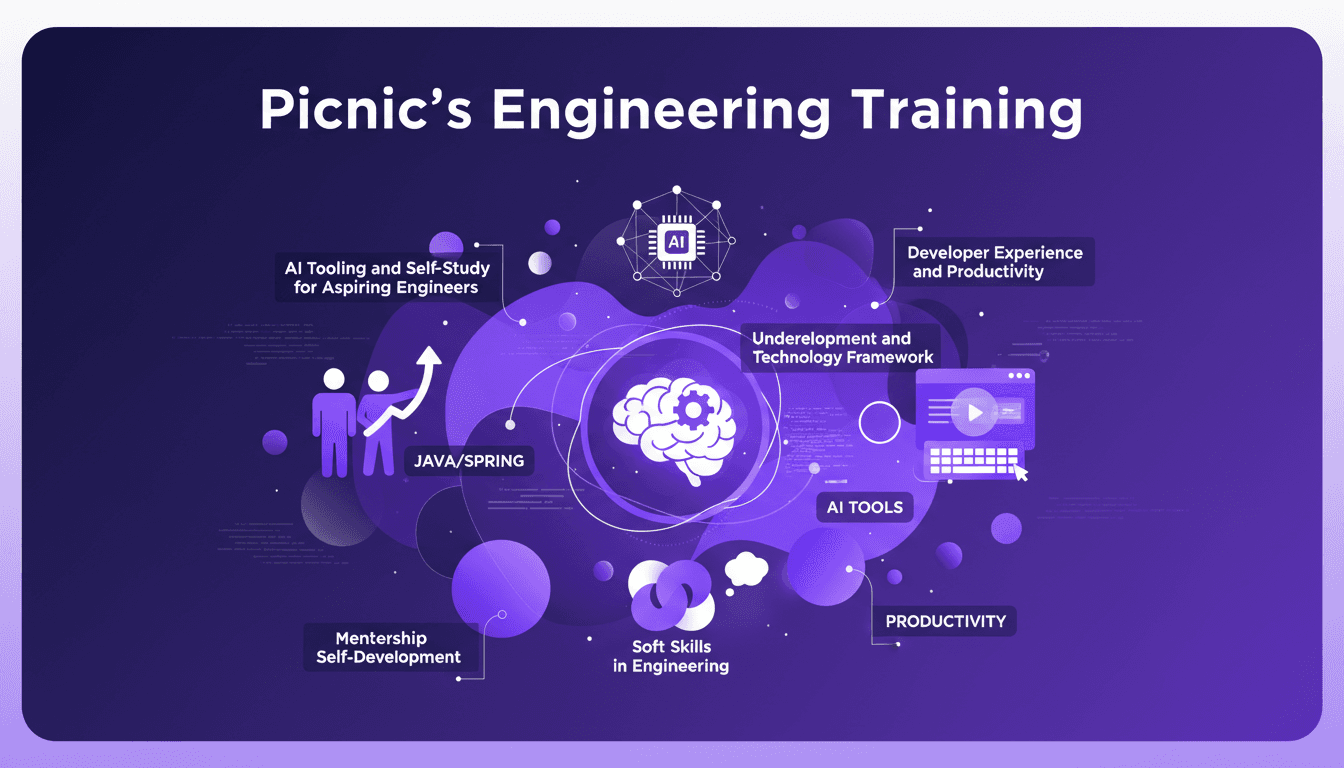
Elevate Your Engineering with Picnic
I remember the first time I walked into Picnic's training program. It was like stepping into a new world of engineering. The energy was palpable, and the focus on not just coding, but thinking like an entrepreneur, was a game changer. In the engineering world, standing out means more than just knowing your code. It's about mindset, continuous learning, and leveraging the right tools. Let's dive into how Picnic's approach bridges the gap between good and great engineers. We're talking Java, Spring Framework, and the importance of deeply understanding technology, not to mention soft skills and AI tooling for aspiring engineers.
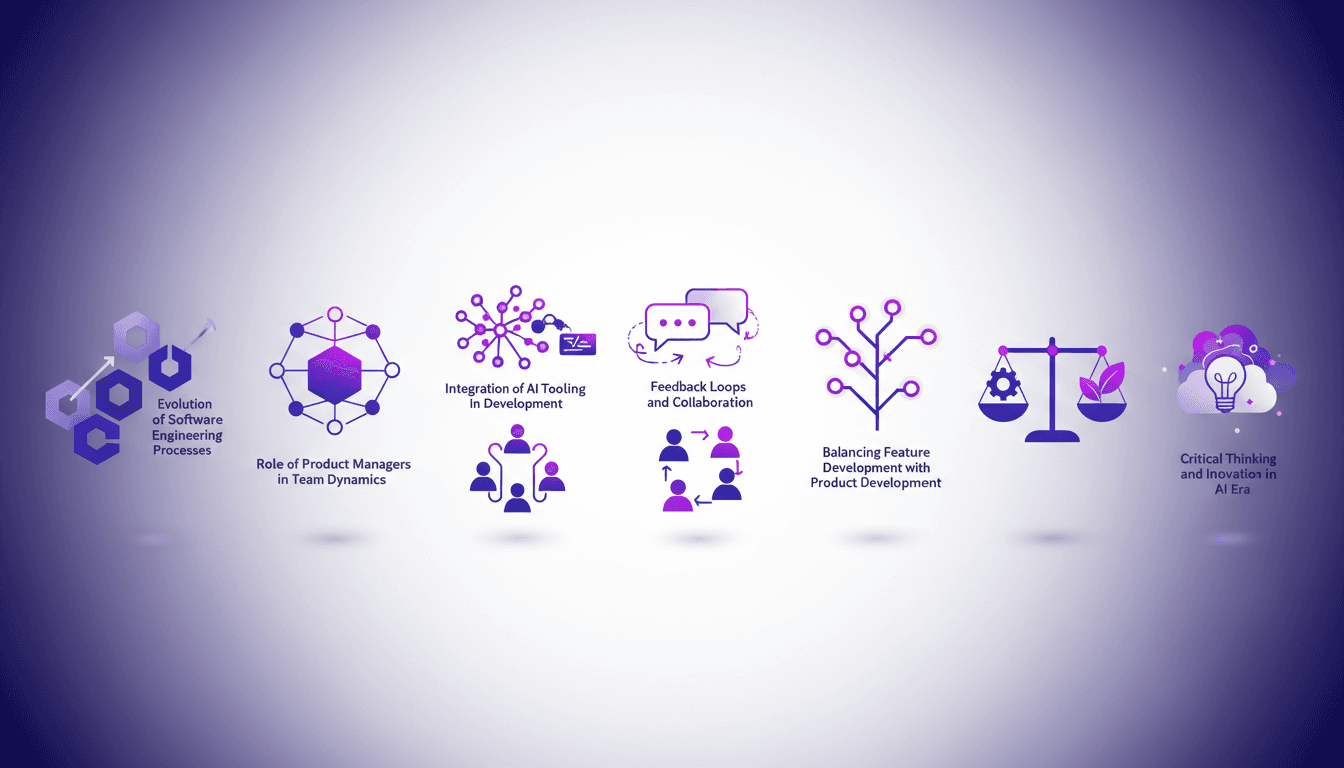
Merging Product and Engineering: Reinventing Processes
I was skeptical at first. Going from six engineers to just two seemed like a recipe for disaster. But merging product and engineering not only worked but thrived. In today's fast-paced tech environment, efficiency isn't just a buzzword—it's a necessity. By integrating roles and leveraging AI, we've redefined our workflow. This has transformed team dynamics, strengthening feedback loops and collaboration. Now, with one frontend and one backend engineer, we balance developing new features with maintenance. We experiment, adapt, and innovate. But watch out, the risk is moving too fast and losing sight of key objectives. When it works, the impact is tangible.
Boost Your Skills through Hackathons
I've been through countless hackathons, and let me tell you, they're not just about caffeine-fueled coding marathons. They're a crash course in real-world problem-solving and innovation. At Booking.com, these events are a staple, offering a platform for collaboration, creativity, and even career advancement. Beyond the speed of coding, hackathons develop essential skills, both technical and soft. Whether you're a developer, designer, or data scientist, these intense sessions push you to iterate, test, and learn new technologies like AI. And the best part? It's a learning environment where mentorship and guidance are abundant. Dive into this world and see how these experiences can propel your career forward.
Winning Strategies for AI Projects: Field Lessons
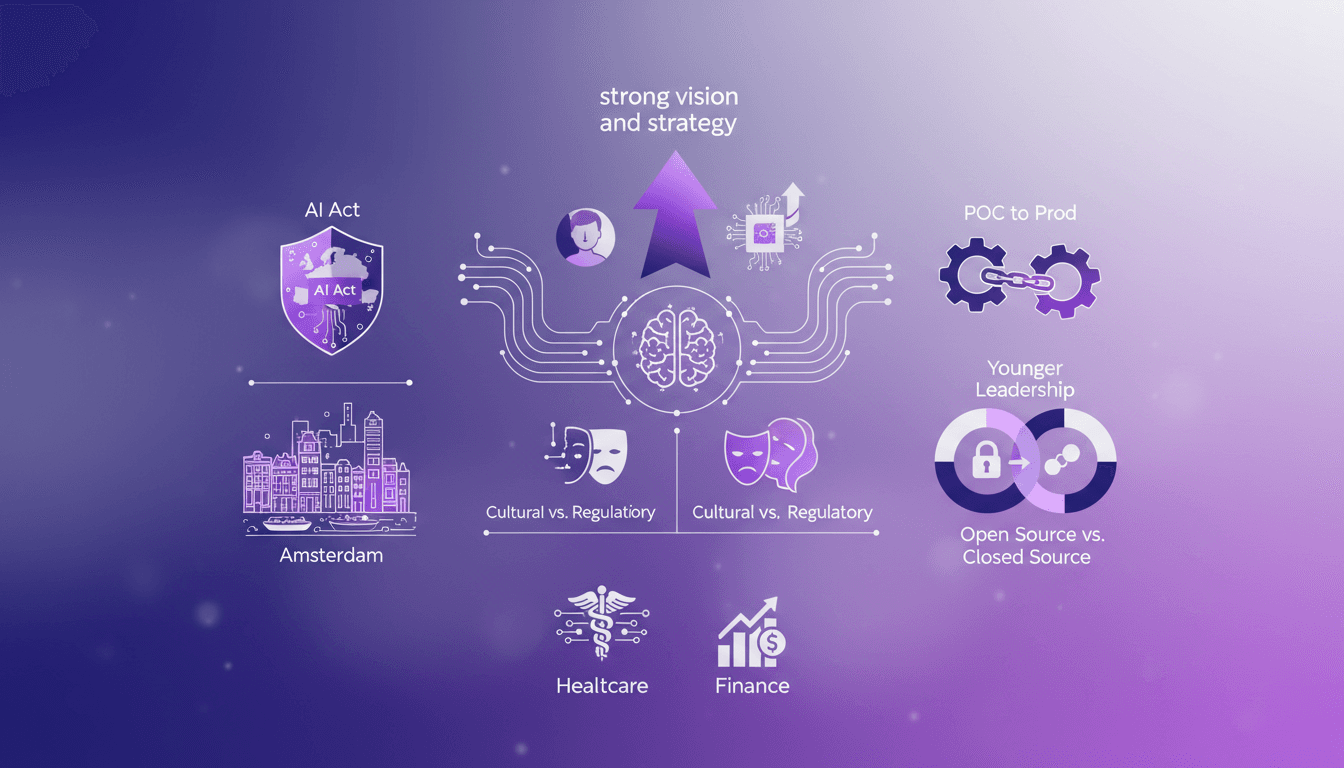
I've been in the trenches of AI development, and let me tell you, it's not just about cutting-edge tech. It's about vision, strategy, and navigating a maze of regulations. Let's dive into what really makes or breaks AI projects. From the EU's AI Act to cultural and regulatory hurdles, I share insights from my journey and how younger leadership is reshaping the tech landscape. The keys to success lie in a clear vision and solid strategy, not to mention the open-source versus closed-source debate. But watch out, moving from proof of concept to production is fraught with pitfalls. Let's explore what truly works.