Setting High Expectations in Tech Teams: My Approach
I've navigated the maze of promotions, salary negotiations, and leadership roles in tech. It's not just about coding; it's about setting high expectations, balancing speed with quality, and leveraging AI tools effectively. In this article, I share my firsthand experiences and strategies that have shaped my tech career. From team management to the smart use of AI tools, let's dive into what truly makes a difference.
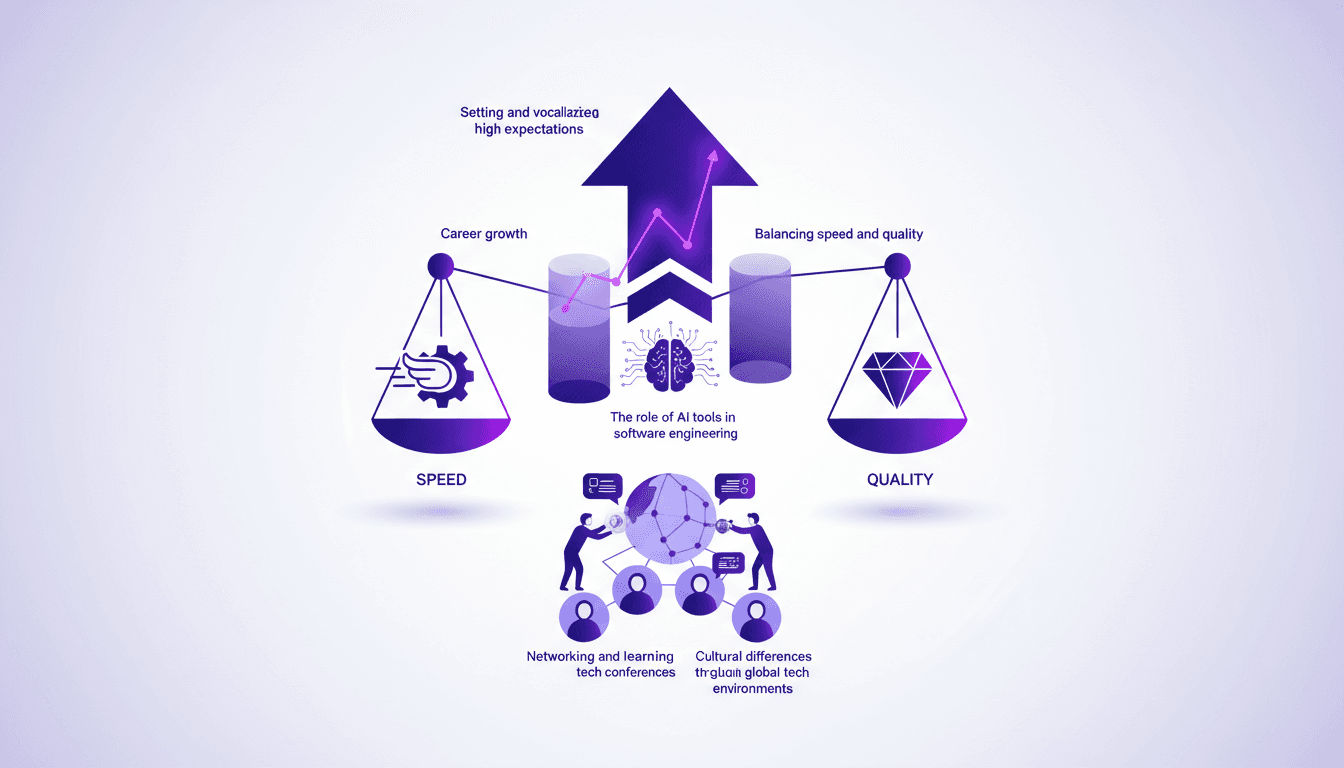
I've spent years in the tech industry, navigating the maze of promotions, salary negotiations, and leadership roles. The truth is, it's not just about lines of code. It's about setting high expectations, balancing speed with quality, and leveraging AI tools effectively. Being part of a cross-functional program with over 20 engineers was just the start. What I really learned was how to vocalize high expectations in teams, avoid the usual pitfalls (I got burned a couple of times), and orchestrate effective team dynamics. In this article, I'll share the concrete strategies that have propelled my career. We'll talk about the fine art of delegation, cultural differences in a global tech environment, and the magic of tech conferences for networking and learning. Buckle up, because it's time to go beyond the basics and truly make a difference.
Setting and Vocalizing High Expectations
In my team, I've always emphasized the importance of setting high expectations. Why? Because it creates a framework where everyone knows what's expected. I remember at the start of a project, I said, “We need to achieve this level of quality.” I didn’t do this to put pressure, but to ensure consistency. In my experience, it leads to individual and collective accountability. This doesn’t mean we don’t make mistakes, but at least we know where we’re heading.
But watch out, you also need to be realistic. High expectations mean nothing if they’re not achievable. This is where feedback loops come in. They allow us to check where we are and adjust if necessary. Plus, pushing for excellence should not lead to burnout. I've seen colleagues crumble under pressure. It's crucial to find that balance.
- Set clear and high expectations
- Use feedback loops to maintain standards
- Avoid burnout by balancing goals
Balancing Speed and Quality in Projects
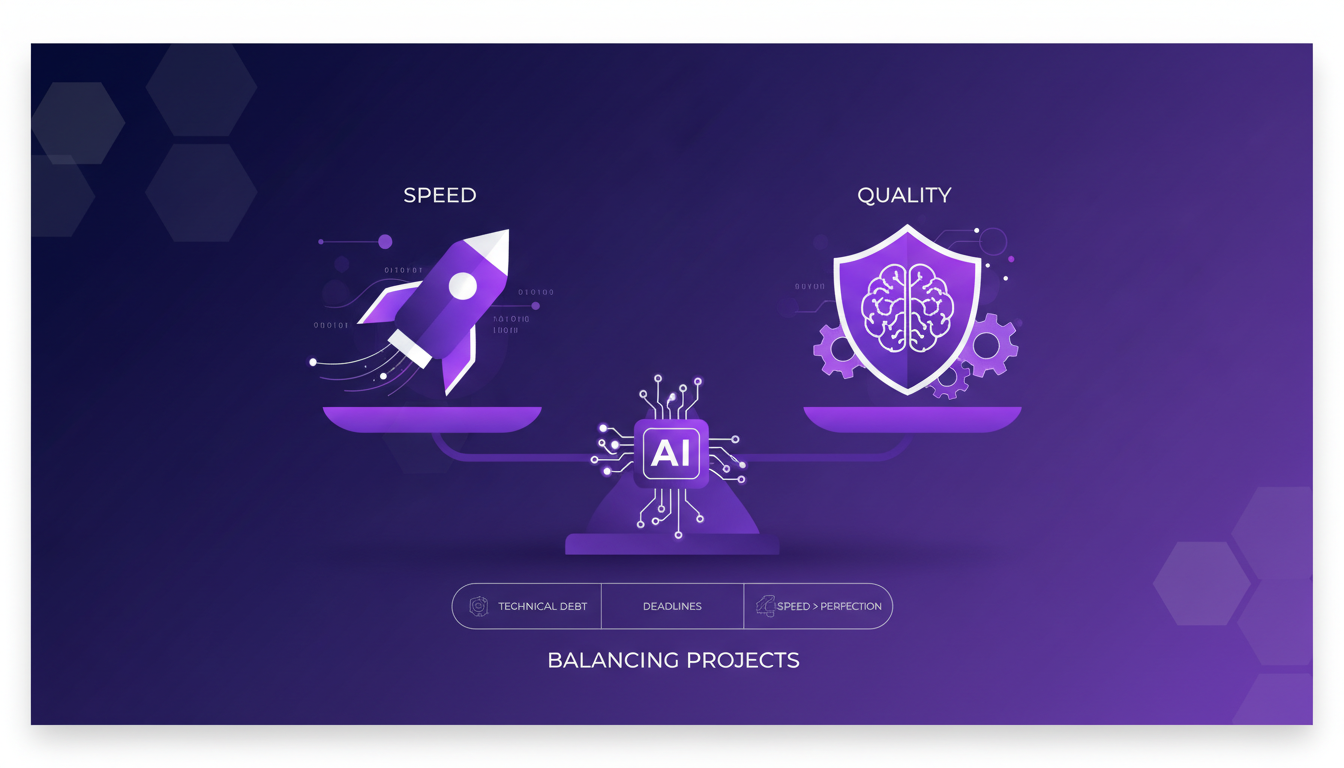
Managing technical debt is a constant challenge. I've been burned several times with this. The trick is knowing when to prioritize speed over perfection. Sometimes, delivering quickly is more critical than having a perfect product. But it doesn’t mean neglecting long-term quality.
For instance, when I work in cross-functional teams, I've learned that collaboration is key. We had a project with over 20 engineers. It was a real ballet where every move mattered. I also realized that sometimes, it’s better to deliver an imperfect product to test assumptions rather than aiming for perfection from the start.
- Manage technical debt smartly
- Prioritize speed when necessary
- Utilize cross-functional collaboration effectively
Navigating Career Growth and Personal Development
Setting long-term career goals is a bit like navigating without a map. It's challenging sometimes. But it's crucial in tech. Personally, I've always sought to learn and upskill. Participating in hackathons has been a revelation for me.
Networking has also been key. I've 100% benefited from volunteering at tech conferences. It allowed me to meet key people and expand my horizons. Working globally taught me to handle cultural differences. It's an often underestimated but vital aspect for an international career.
- Set long-term career goals
- Actively participate in conferences and hackathons
- Learn to manage cultural differences
Leveraging AI Tools in Software Engineering
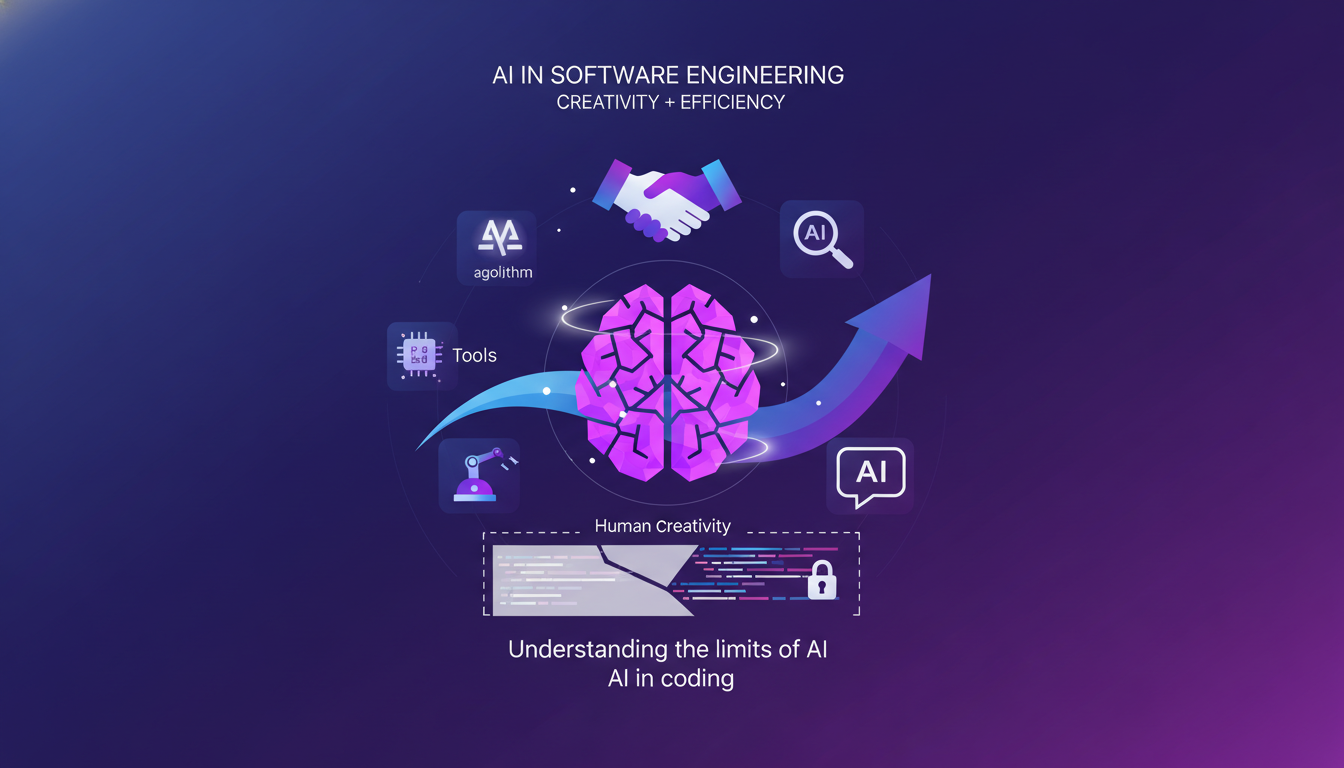
Let’s talk about AI tools. They've transformed how I work. But watch out, they have limits too. I use tools like Copilot, but I know they don’t replace human creativity. They're here to accelerate, not to substitute.
I've also seen colleagues become overly reliant on these tools, and that can be a trap. You need to know when to use them and when to step away. Future trends show that AI will continue to evolve, but we must remain vigilant. Balancing speed and quality remains an eternal challenge.
- Use AI tools to accelerate workflow
- Avoid excessive reliance on AI tools
- Stay updated with future AI trends
Effective Delegation and Team Dynamics
Delegation is an art. I’ve learned the hard way that you can't do everything yourself. Building credibility and authority is essential for effective delegation. It involves listening to and supporting team members.
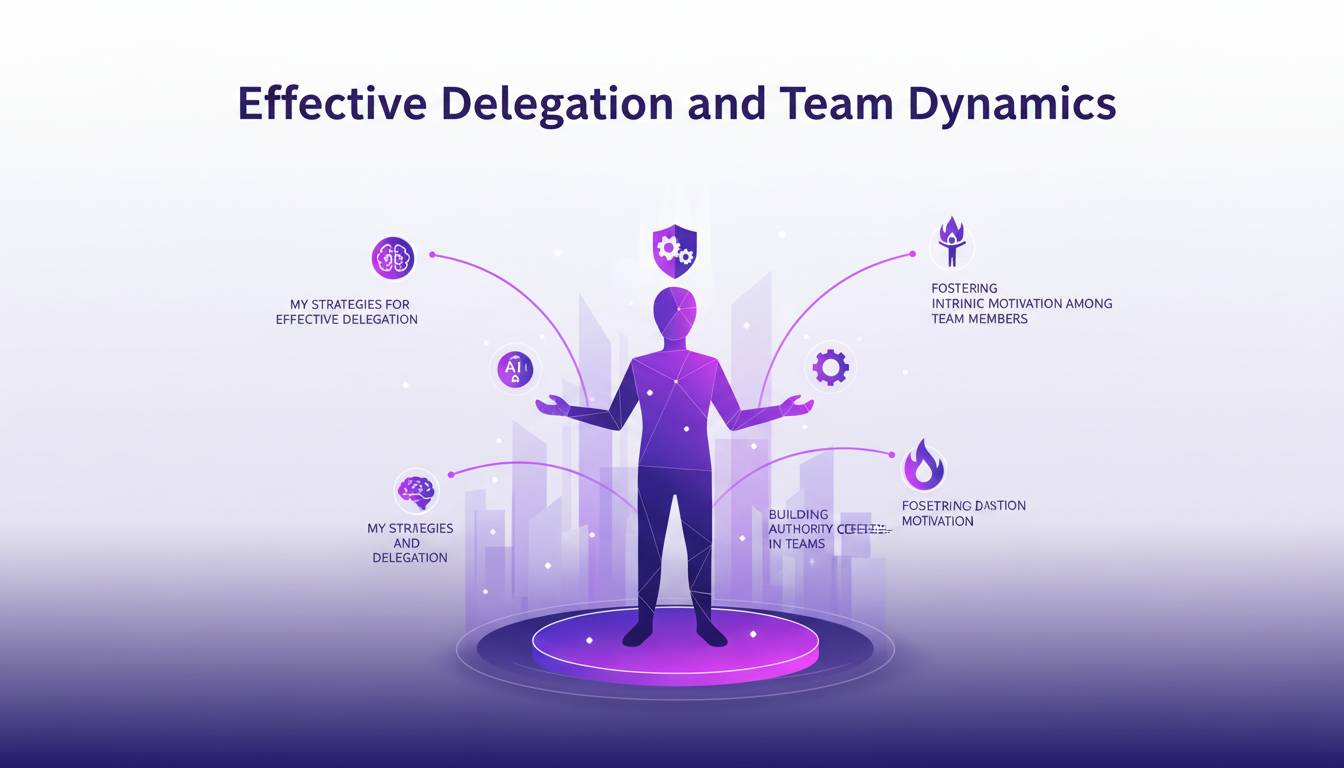
I also encourage intrinsic motivation among teams. It means letting them own their tasks. But watch out, you must recognize mistakes and learn from them. Delegation is also about accepting that others can sometimes do things better than you.
- Learn to delegate effectively
- Build credibility and authority within the team
- Encourage intrinsic motivation and task ownership
Navigating a tech career is like building a complex system—each piece matters. First, setting and vocalizing high expectations in tech teams can be a game changer. You align everyone and push the envelope. Then, balancing speed with quality is non-negotiable. Go too fast, you break things; too slow, you lose momentum. Career growth? It's personal and professional—always learning, always adapting. And AI tools, when leveraged wisely, can really boost your workflow, but watch out for context limits and the temptation to over-rely on them.
Looking forward, applying these strategies can truly elevate your tech career. But there are pitfalls, so tread carefully.
I urge you to watch the full video "Promotions, Salary & Leadership"—it's a goldmine if you're serious about advancing. Let's keep the conversation going! Video link
Frequently Asked Questions

Thibault Le Balier
Co-fondateur & CTO
Coming from the tech startup ecosystem, Thibault has developed expertise in AI solution architecture that he now puts at the service of large companies (Atos, BNP Paribas, beta.gouv). He works on two axes: mastering AI deployments (local LLMs, MCP security) and optimizing inference costs (offloading, compression, token management).
Related Articles
Discover more articles on similar topics
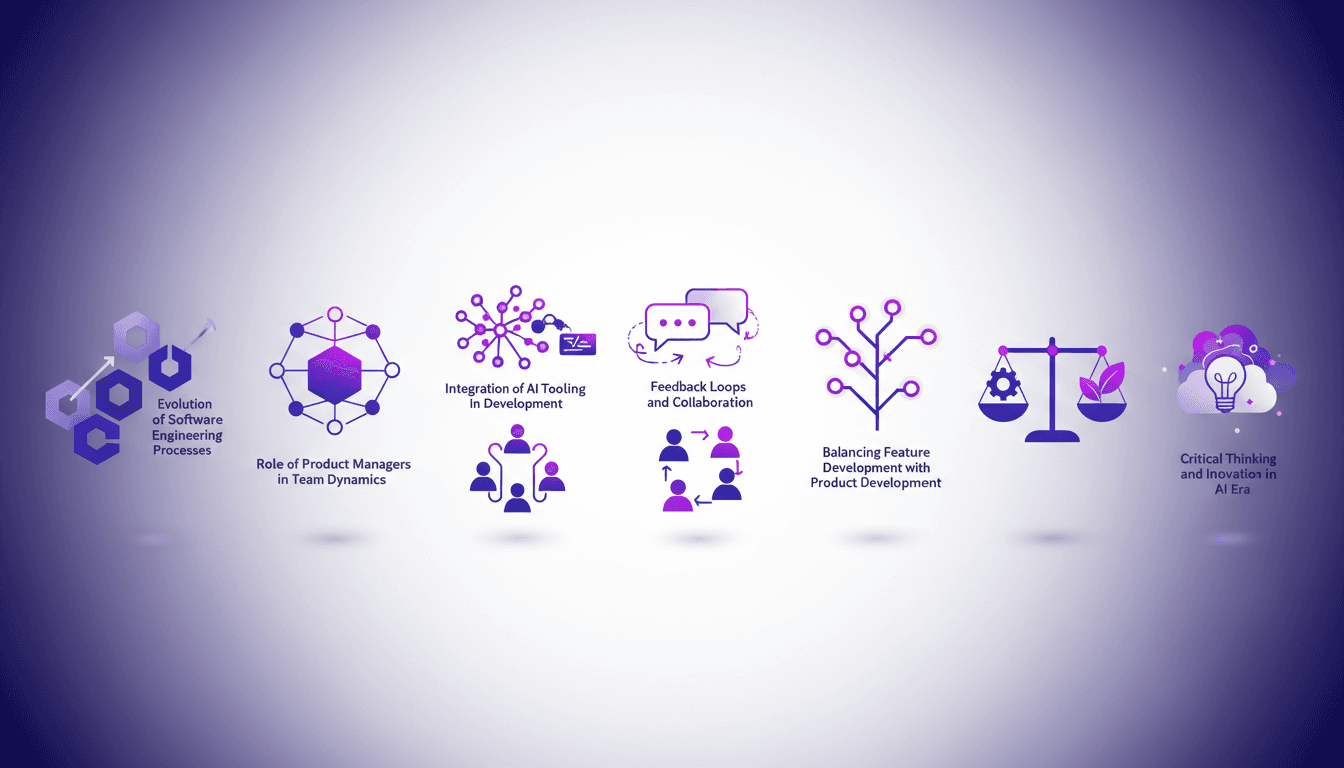
Merging Product and Engineering: Reinventing Processes
I was skeptical at first. Going from six engineers to just two seemed like a recipe for disaster. But merging product and engineering not only worked but thrived. In today's fast-paced tech environment, efficiency isn't just a buzzword—it's a necessity. By integrating roles and leveraging AI, we've redefined our workflow. This has transformed team dynamics, strengthening feedback loops and collaboration. Now, with one frontend and one backend engineer, we balance developing new features with maintenance. We experiment, adapt, and innovate. But watch out, the risk is moving too fast and losing sight of key objectives. When it works, the impact is tangible.
Boost Your Skills through Hackathons
I've been through countless hackathons, and let me tell you, they're not just about caffeine-fueled coding marathons. They're a crash course in real-world problem-solving and innovation. At Booking.com, these events are a staple, offering a platform for collaboration, creativity, and even career advancement. Beyond the speed of coding, hackathons develop essential skills, both technical and soft. Whether you're a developer, designer, or data scientist, these intense sessions push you to iterate, test, and learn new technologies like AI. And the best part? It's a learning environment where mentorship and guidance are abundant. Dive into this world and see how these experiences can propel your career forward.
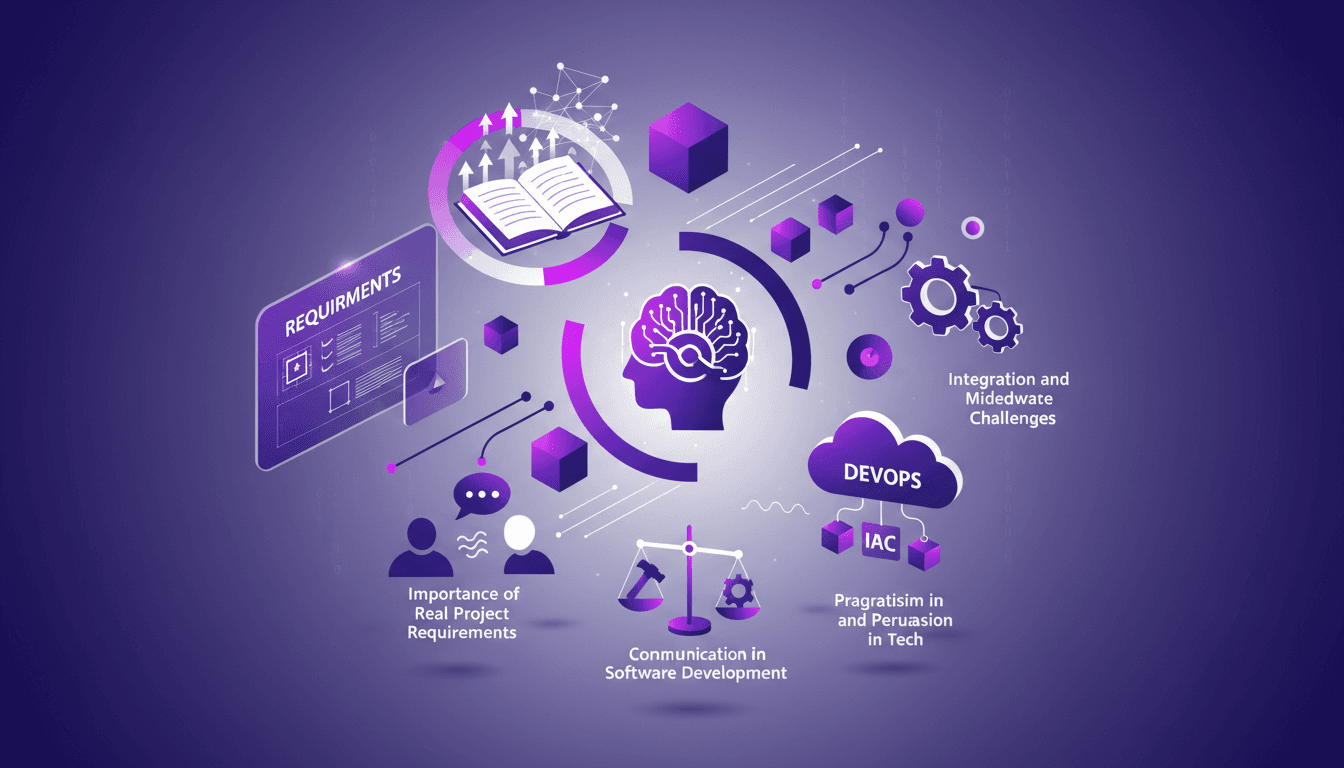
Mastering Software Engineering: From Junior to Architect
I remember when I first dipped my toes into software engineering. It felt like a maze of code and concepts. Fast forward to today, I'm orchestrating complex systems as an architect. Moving from a junior developer to an architect is about more than just coding. It's about mastering the art of software engineering, understanding real project demands, and navigating integration challenges. Let's talk about the core skills: continuous learning, reading and understanding code, facing middleware and DevOps challenges, and effectively communicating in tech. Let's dive in, I'll show you the way.
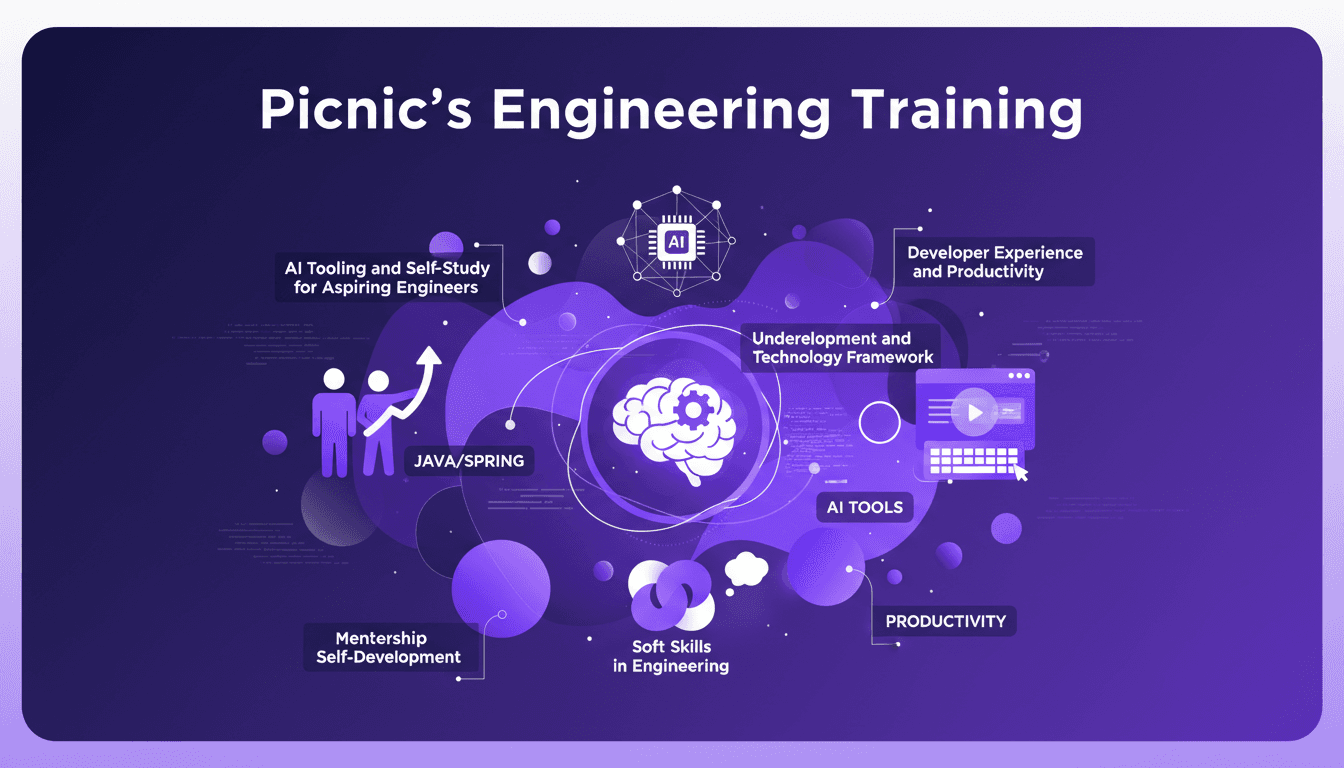
Elevate Your Engineering with Picnic
I remember the first time I walked into Picnic's training program. It was like stepping into a new world of engineering. The energy was palpable, and the focus on not just coding, but thinking like an entrepreneur, was a game changer. In the engineering world, standing out means more than just knowing your code. It's about mindset, continuous learning, and leveraging the right tools. Let's dive into how Picnic's approach bridges the gap between good and great engineers. We're talking Java, Spring Framework, and the importance of deeply understanding technology, not to mention soft skills and AI tooling for aspiring engineers.
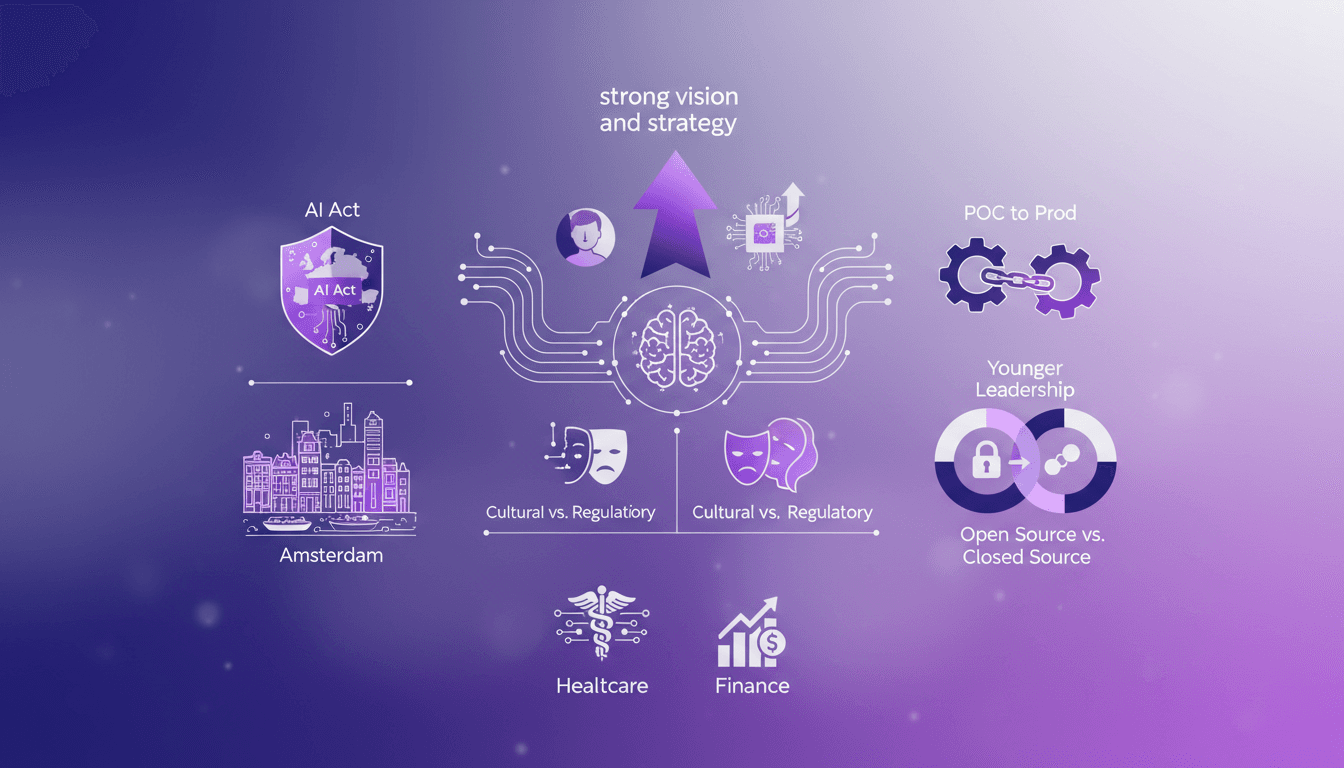
Winning Strategies for AI Projects: Field Lessons
I've been in the trenches of AI development, and let me tell you, it's not just about cutting-edge tech. It's about vision, strategy, and navigating a maze of regulations. Let's dive into what really makes or breaks AI projects. From the EU's AI Act to cultural and regulatory hurdles, I share insights from my journey and how younger leadership is reshaping the tech landscape. The keys to success lie in a clear vision and solid strategy, not to mention the open-source versus closed-source debate. But watch out, moving from proof of concept to production is fraught with pitfalls. Let's explore what truly works.